
Every great hero is measured by what they refuse to become, which means the villain sets the bar. The antagonist is where a story keeps its honesty: the place it admits that power corrupts, that charm can be a weapon, and that the line between us and them is thinner than we like to pretend.
These are the monsters, masterminds and fallen idols worth the fear, across film, television, games and the page. Some you will want to see stopped. A few, if the writing is good enough, you will quietly hope get away with it.
Essential villains
The antagonists that define the films around them
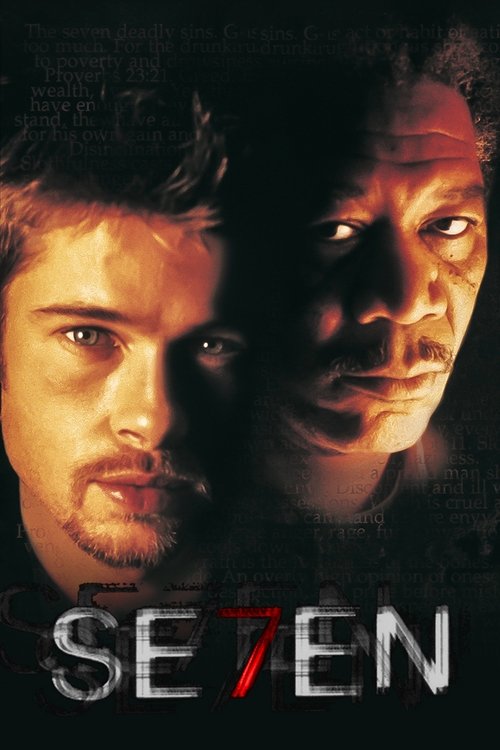
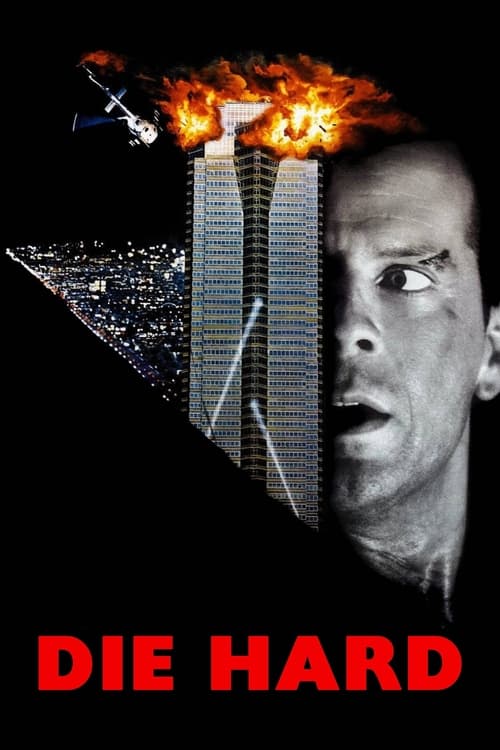
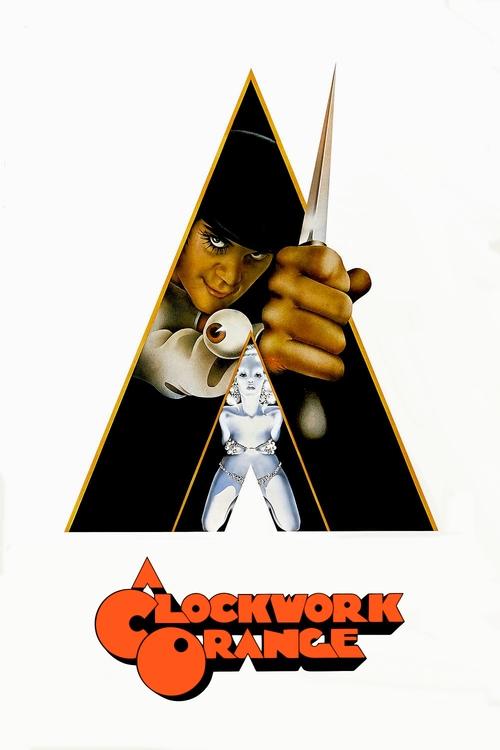
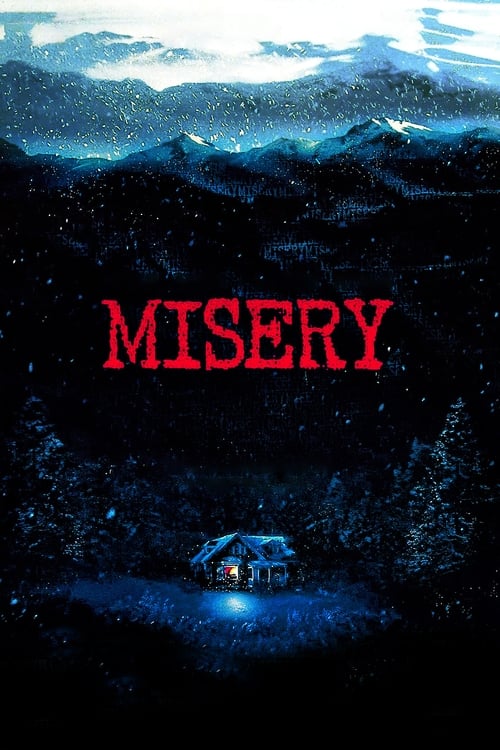
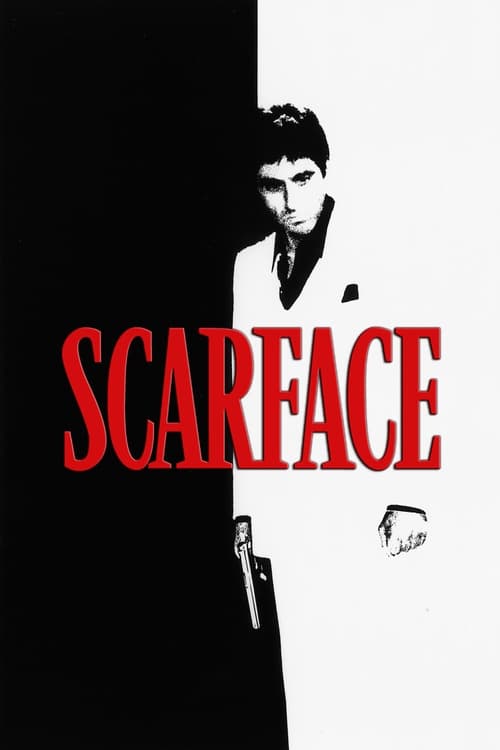
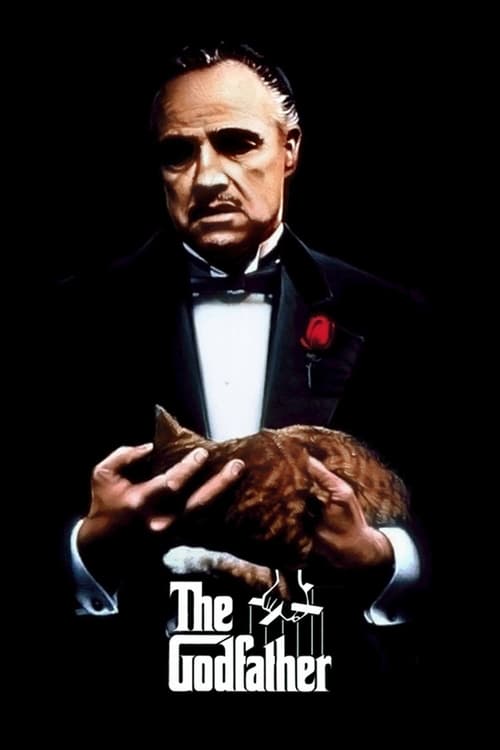
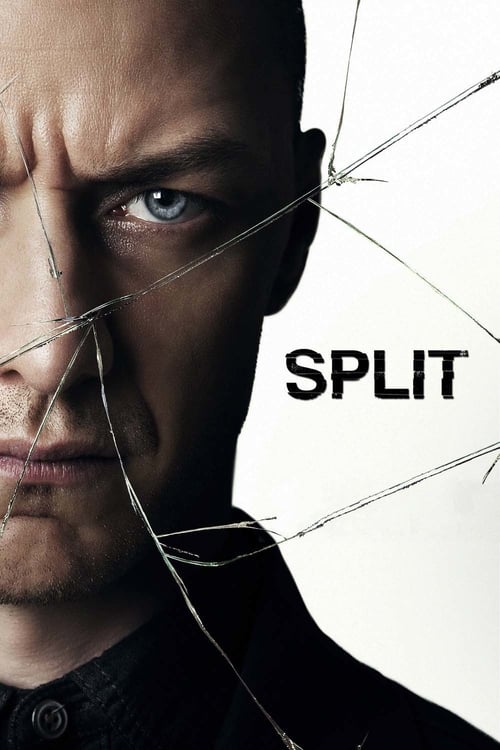
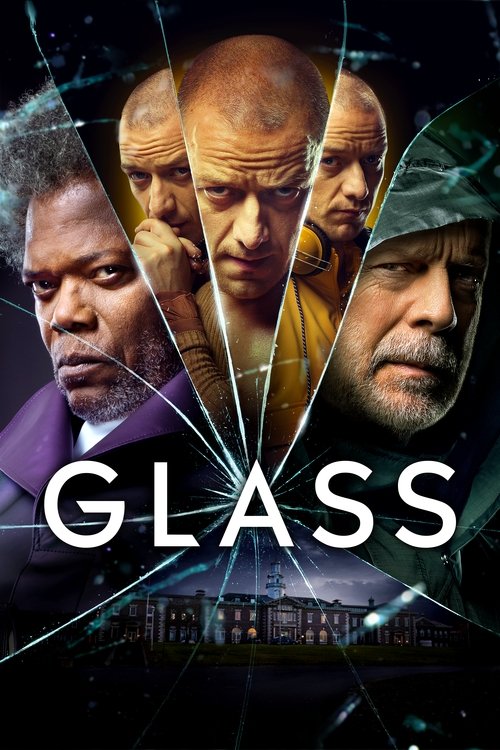
The villain is the argument
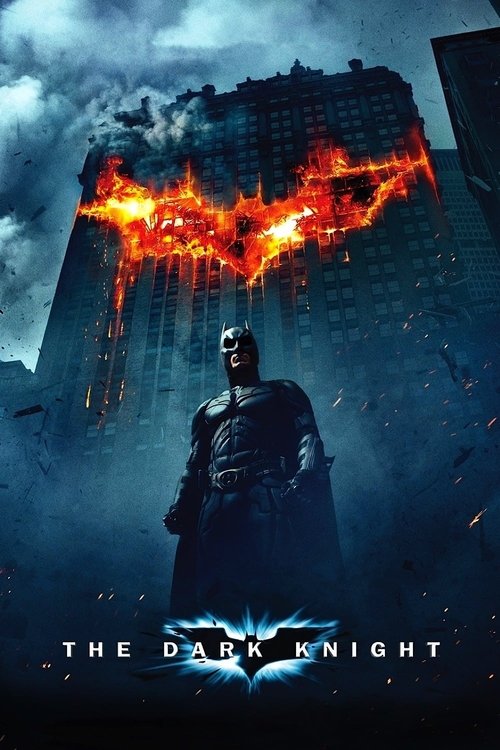
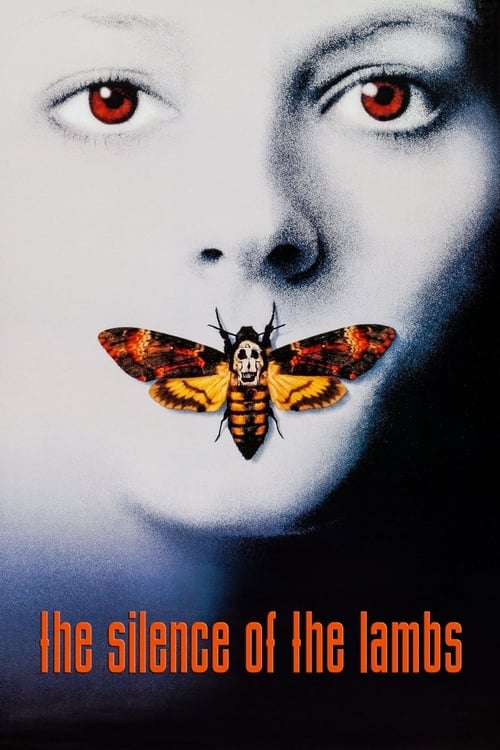
A hero is a promise, but a villain is a question, and the great ones force you to sit with an answer you do not like. The Dark Knight endures because the Joker is not a scheme, he is a philosophy with a knife. The Silence of the Lambs lets Hannibal Lecter speak in full sentences and trusts you to find him magnetic and monstrous at once. Strip away the menace and what is left is a debate, with the soul of the story as the prize.
The ones you root for
Sympathetic monsters and villains who get the lead
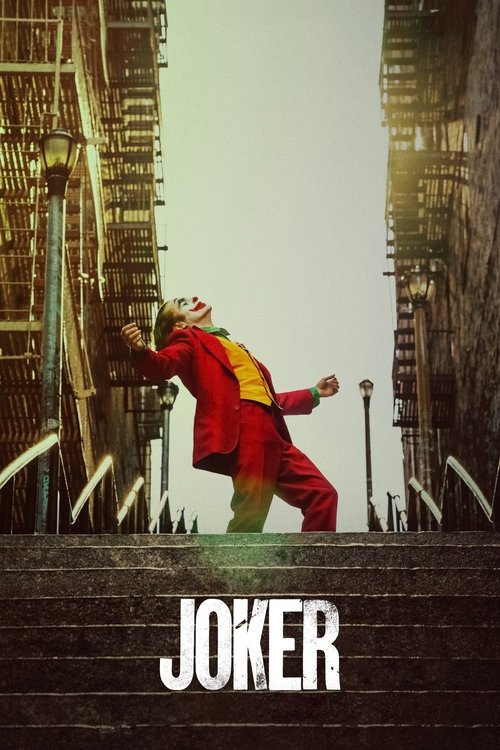
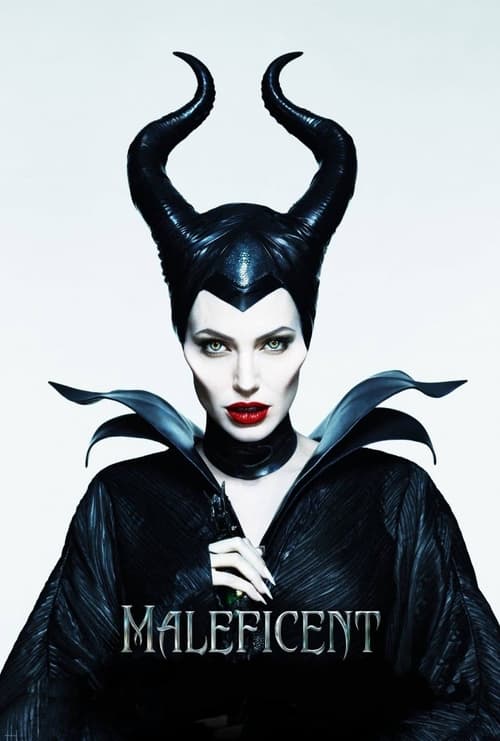
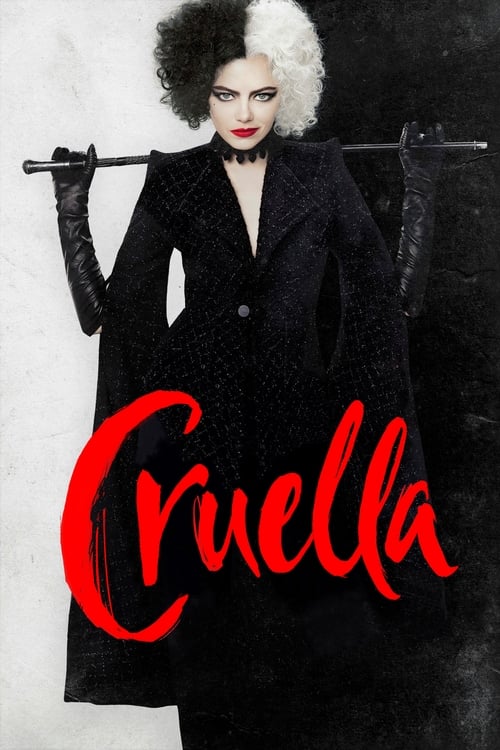
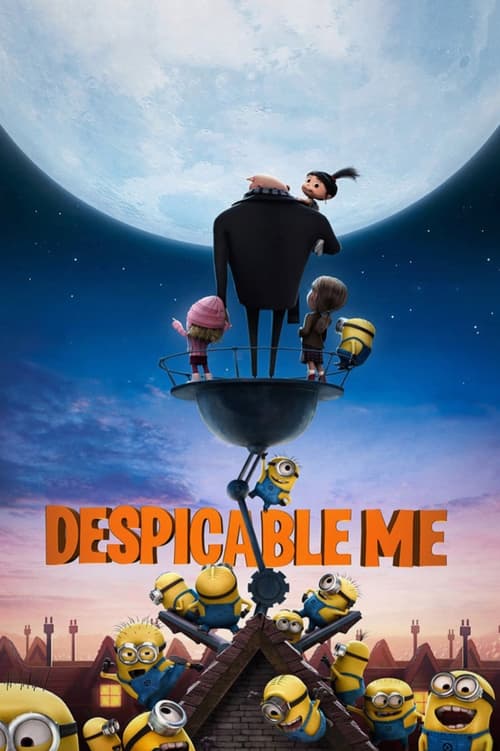
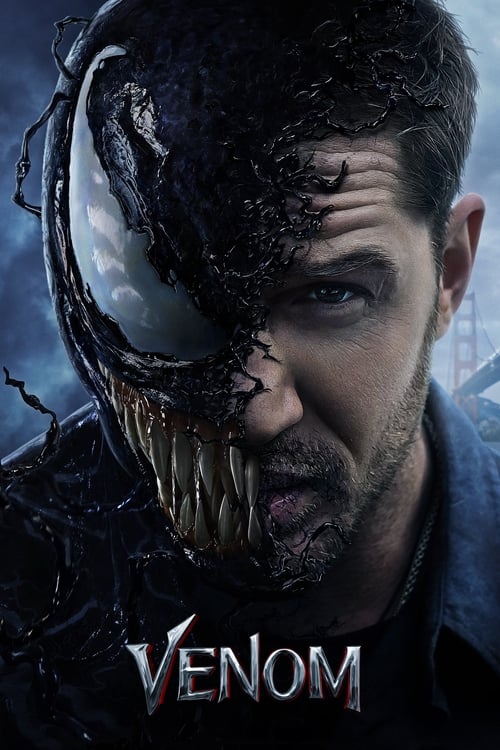
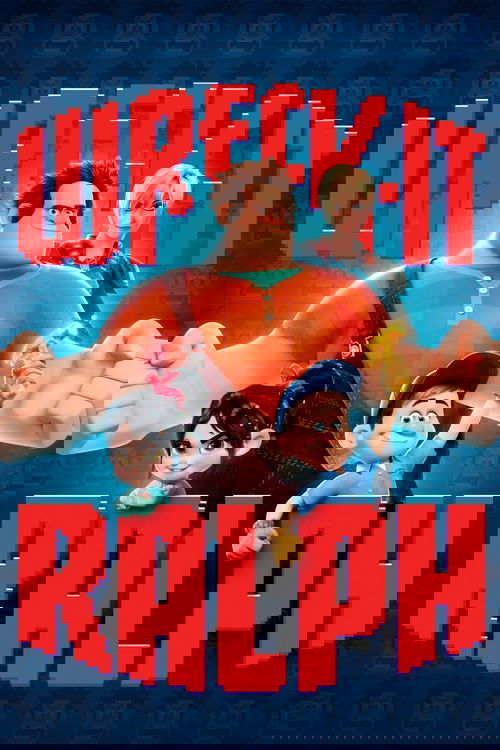
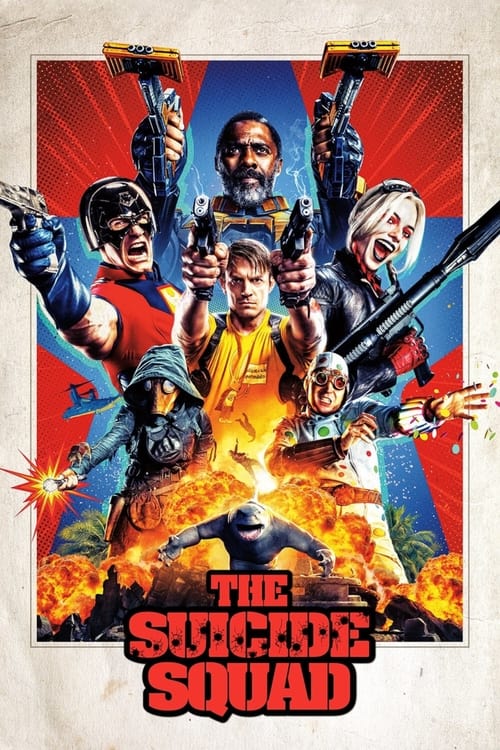
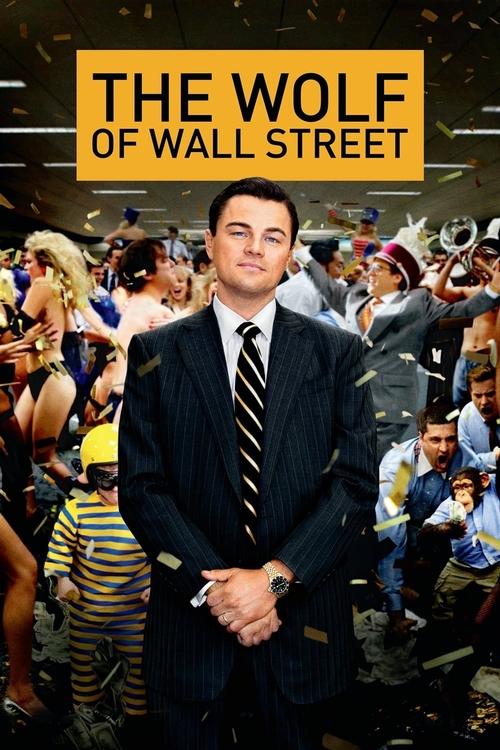
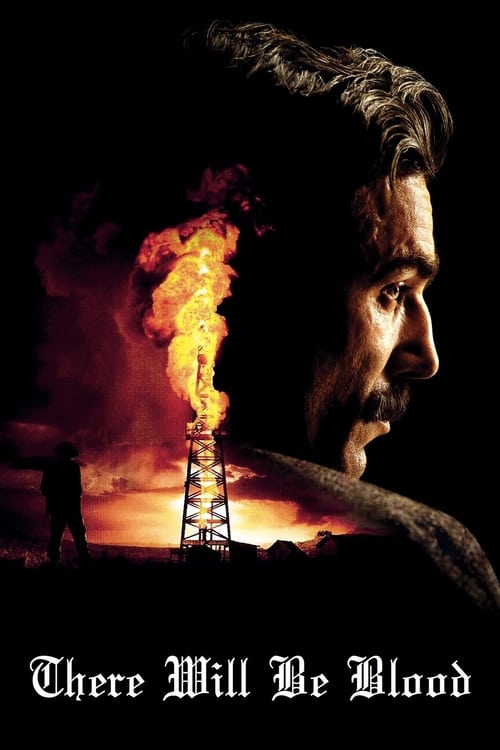
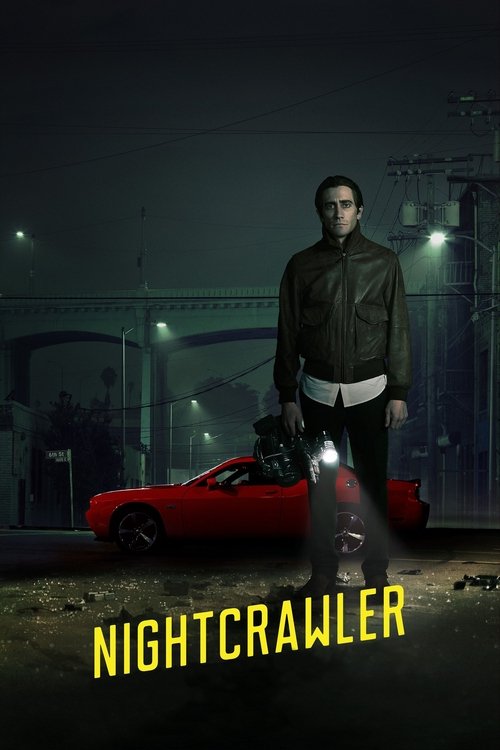
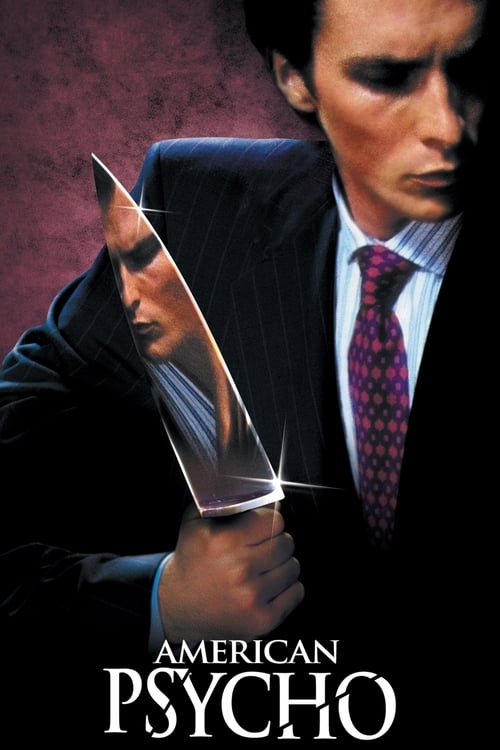
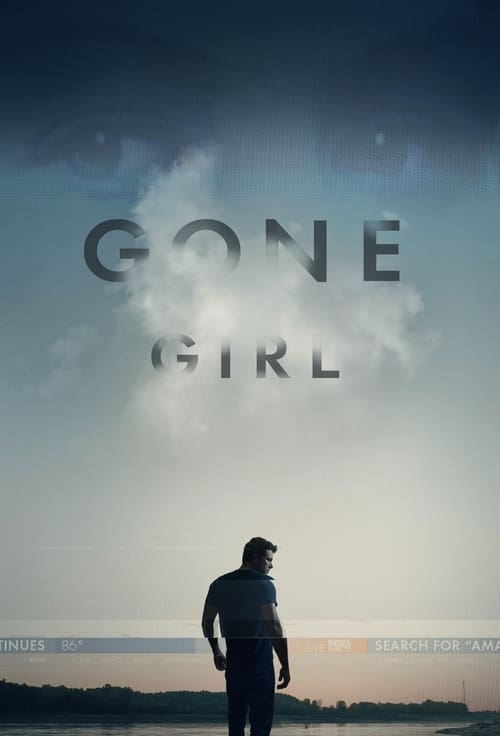
When the bad guy gets the lead
For most of screen history the villain was a function: an obstacle with a motive and a countdown. Then writers noticed that the most interesting person in the room was usually the one breaking the rules. The modern antagonist is a full character with an inner life, a code, and an argument they completely believe. That shift gave us a golden age of antiheroes, where the lead is the one you would cross the street to avoid.
Villains on the small screen
Television's golden age of antiheroes and masterminds

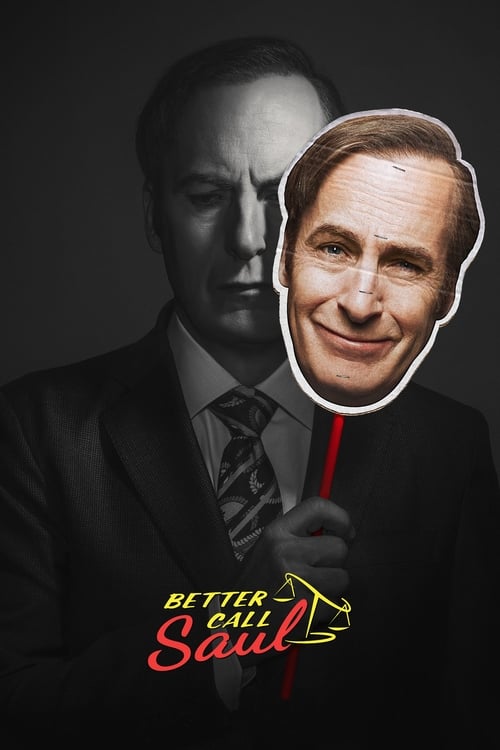
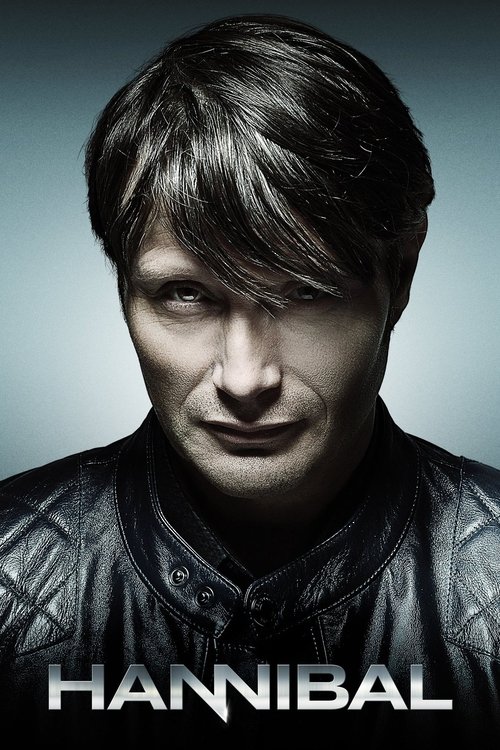

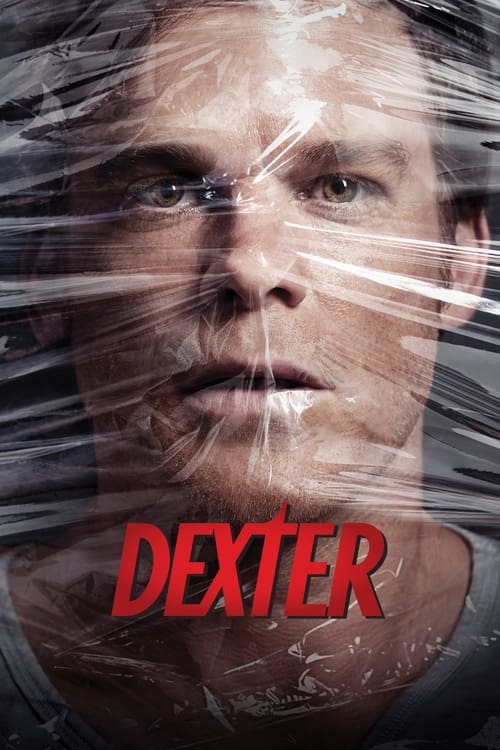
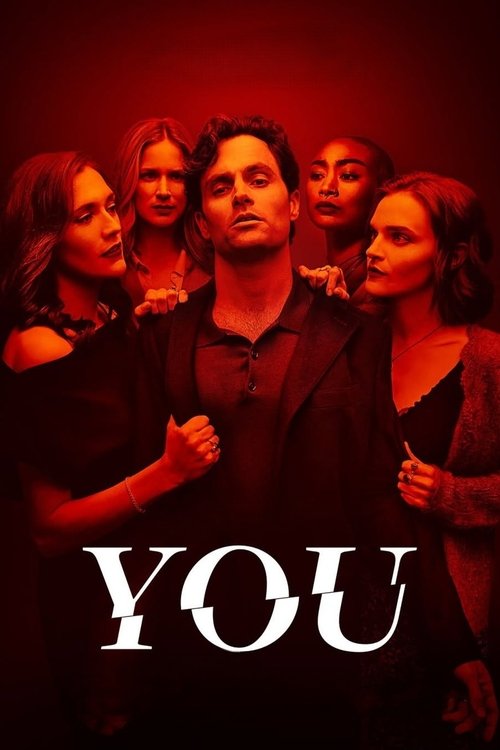
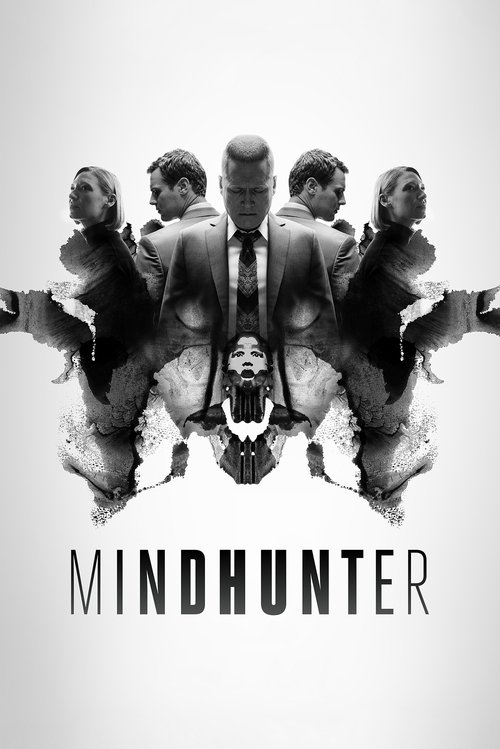
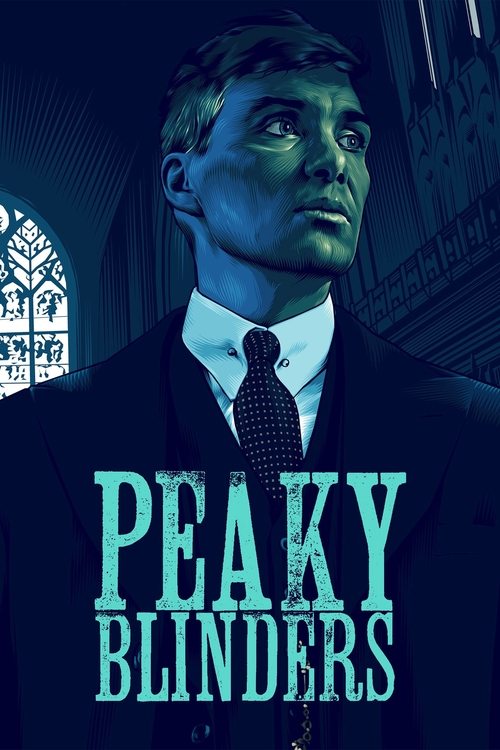
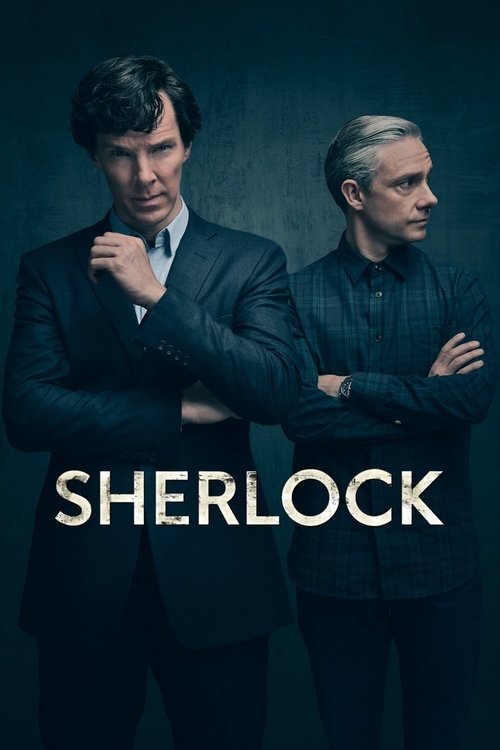
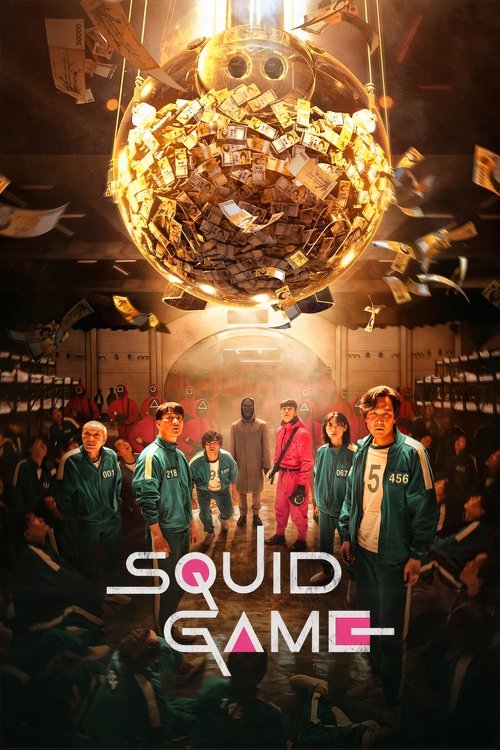
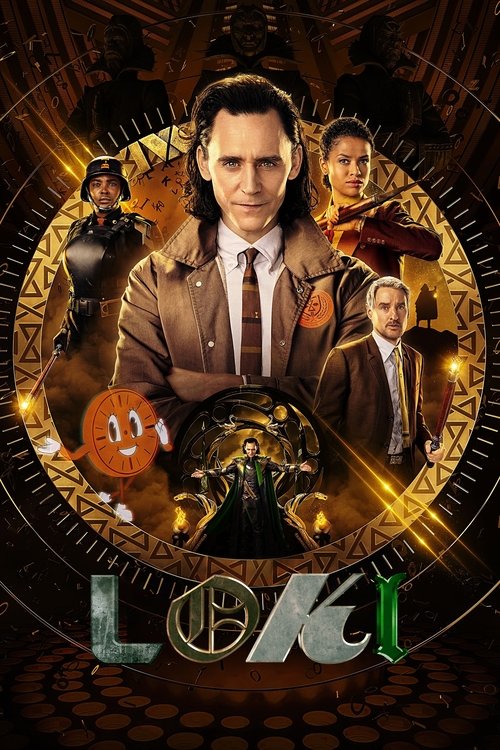
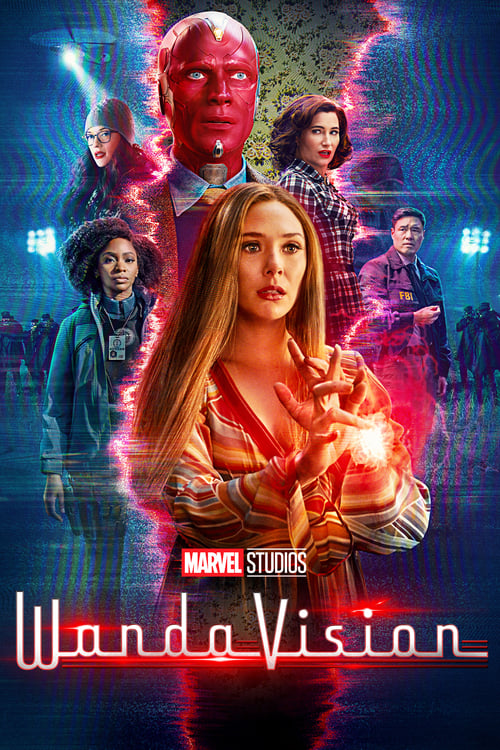
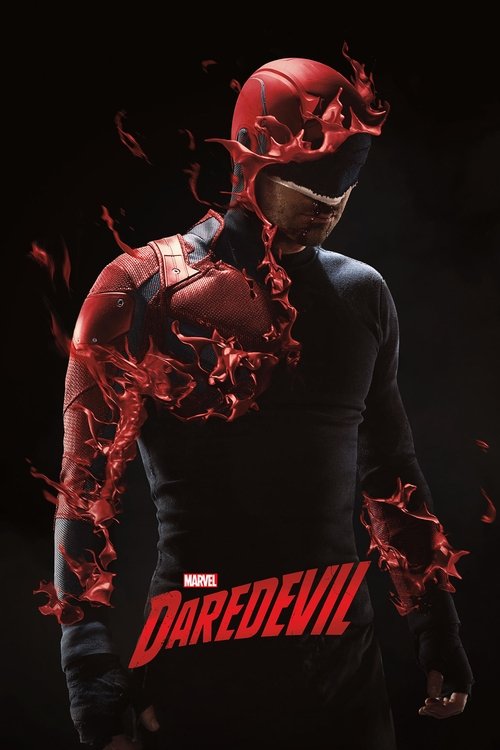
When the monster is the main character
Somewhere around the turn of the century, the camera moved behind the villain's eyes. Breaking Bad spends five seasons asking how a decent man talks himself into damnation, one reasonable-sounding choice at a time. Joker hands the lead and the spotlight to the figure who usually lurks at the edge of someone else's story. It is uncomfortable on purpose, because the scariest thing a villain can be is understandable.
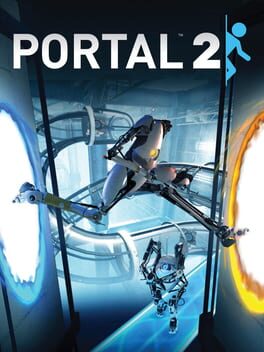
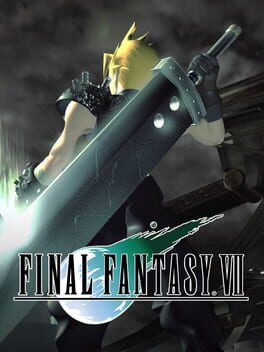
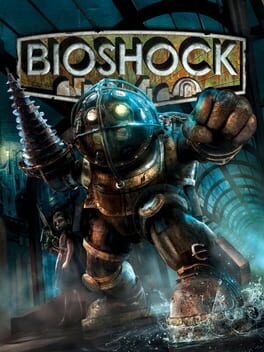
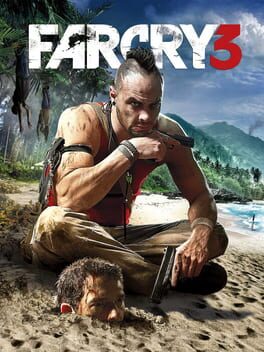
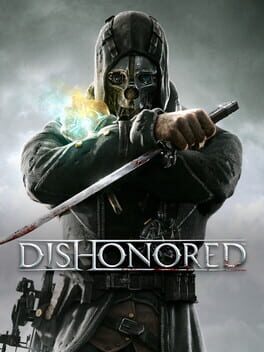
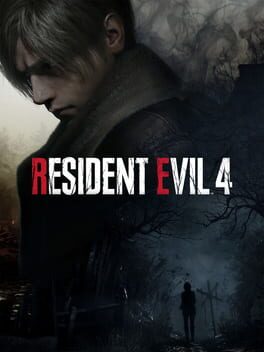
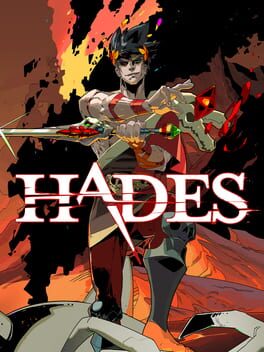
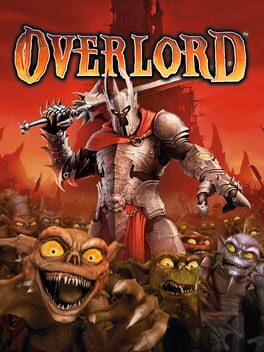
Play the villain, or face the worst
The games built around an unforgettable antagonist


On the page
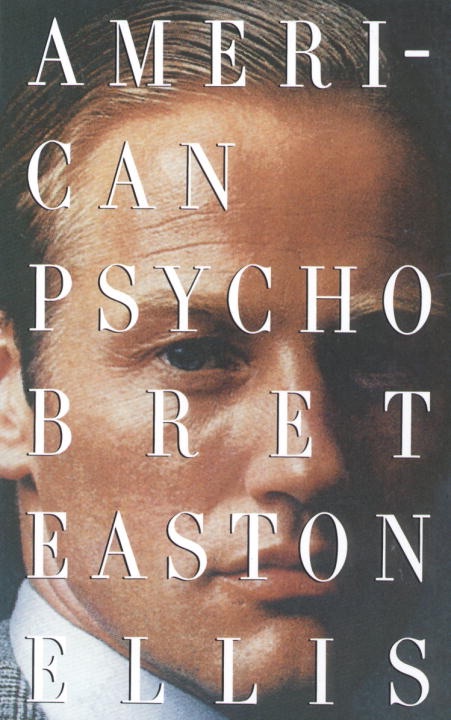
The novels that gave us our most enduring monsters




The evolution of the screen villain
- 1897Bram Stoker gives the monster aristocratic manners and a hunger that never sleeps in Dracula
- 1971Kubrick dares you to ride along with a charming sociopath in A Clockwork Orange
- 1988Alan Rickman reinvents the action villain as an urbane thief in Die Hard
- 1991A serial killer at the center of the story wins Best Picture: The Silence of the Lambs
- 2008Television's antihero era peaks as a teacher becomes a kingpin in Breaking Bad
- 2019The villain finally takes the lead, and the Oscar, in Joker
Where every villain meets their match
Superheroes
For every great villain there is a cape built to stop them. These two guides are two halves of the same argument.
Explore the Superheroes guide →The hero tells you who you should be. The villain tells you who you are afraid you might become.