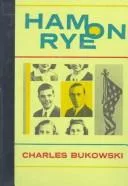
Ham on Rye (1982)
Ham on Rye is a 1982 fiction book written by Charles Bukowski.
Henry Chinaski grows up mean and broke in Depression-era Los Angeles, taking beatings from a bitter father and learning early that the world owes him nothing. Bukowski writes this coming-of-age in flat, unsparing sentences: the acne that scarred his face, the schoolyard cruelties, the first drinks that dulled everything, the library shelf where D.H. Lawrence and others cracked something open. The humor is crude and the pity runs scarce. Chinaski, Bukowski's lifelong alter ego, narrates his boyhood as a survival record, funny in its bluntness and honest about the damage it left.
Similar books
Explore Ham on Rye guides
A few thoughts on Ham on Rye
Fans should chase the same gutter-poet voice on screen. Barfly, the 1987 film Charles Bukowski scripted, puts Chinaski in front of us with Mickey Rourke slurring through skid-row bars. Tom Waits built whole albums, Small Change above all, out of the same late-night barstool wreckage, the cheap wine and the closing-time regret Bukowski wrote flat and clear.
Writers who turned their own rough years into fiction, not a misery memoir
Ham on Rye is Bukowski writing his own brutal coming-of-age through Henry Chinaski, and these share that same refusal to soften a hard life into sentiment. Barfly and Factotum put Chinaski on screen as a grown, drinking failure, Small Change sets Tom Waits loose in the same broke barroom world, and J.M. Coetzee's Boyhood, Youth and Summertime do the unflinching version of examining his own past.