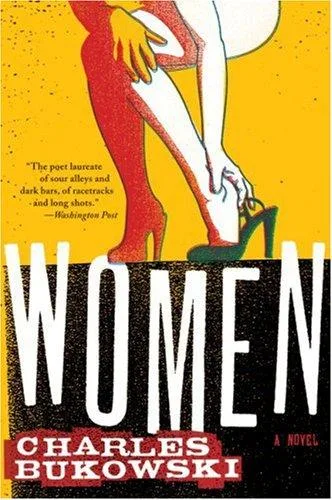
Women (1978)
Women is a 1978 fiction book written by Charles Bukowski.
Henry Chinaski is fifty, and after decades of dead-end jobs and cheap apartments his poetry has finally found an audience. Fame arrives, and with it a steady parade of women who drift through his bed and his life. Bukowski writes the whole circus in flat, unsparing prose: the readings, the hangovers, the late phone calls, the brief attachments that never quite hold. Chinaski drinks, lusts, and watches himself with the same sour honesty he turns on everyone else. This 1978 novel follows Post Office and Factotum, trading the working stiff for the aging literary star and losing none of the grime.
Similar books
Explore Women guides
A few thoughts on Women
Barfly, the 1987 film Charles Bukowski scripted, puts Mickey Rourke in the Chinaski role and nails the barroom haze. Factotum, with Matt Dillon, covers the earlier lowlife years. For a soundtrack to the same skid-row poetry, play Tom Waits around Small Change, all whiskey and last call.
Autobiographical fiction about a writer's unsparing, boozy life
Women picks up Henry Chinaski older and suddenly famous, still drinking and still watching himself with the same sour honesty. Barfly and Factotum put that same alter ego on screen, adapting Bukowski's own life in a flat, unglamorous register. Tropic of Capricorn runs on the same frank, unsparing account of a writer's degenerate city years, and Small Change carries a matching boozy, lounge-singer honesty in song.