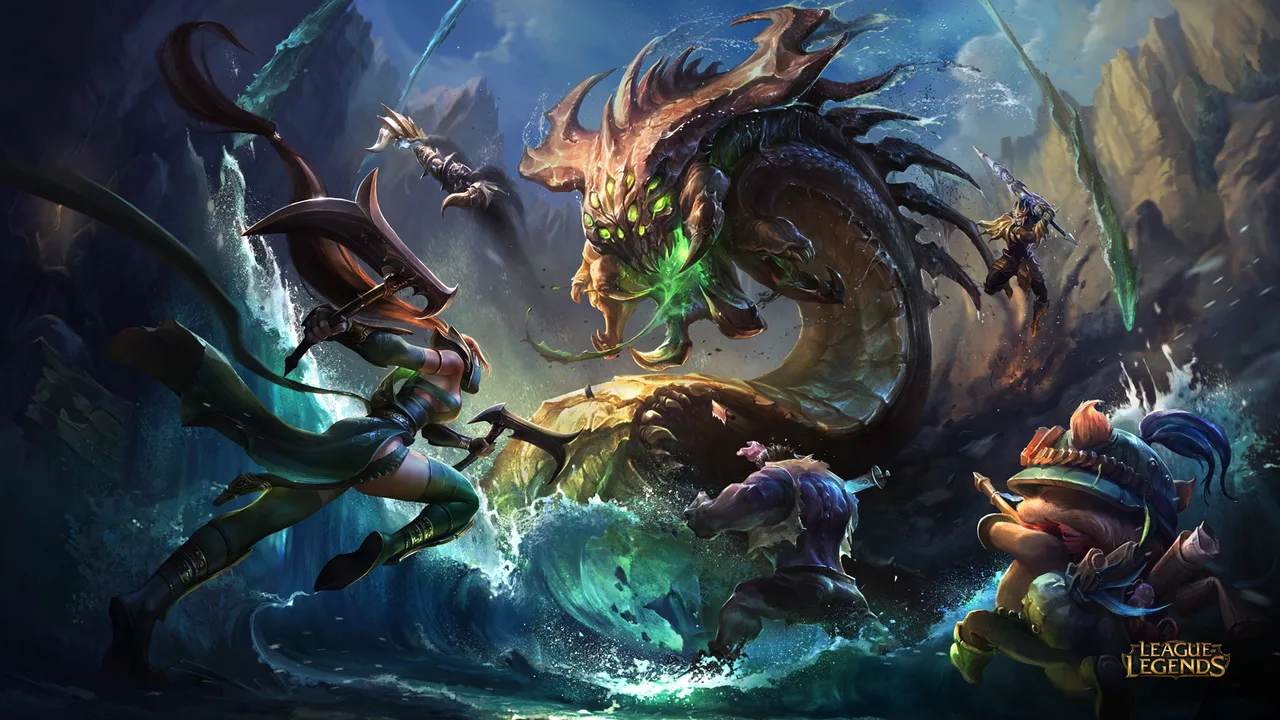
League of Legends (2009)
League of Legends is a 2009 action video game made by Riot Games.
Two teams of five, one map, and a wall of champions to master. League of Legends distills the real-time-strategy tradition into a single fast lane of teamfights, last hits, and objective control, each match starting from zero and building toward one destroyed base. Riot keeps the roster growing, hundreds of champions now, each with a distinct kit and a place in the metagame. Behind the ranked ladder sits one of the largest esports scenes on earth. Simple to load into, and famously deep to actually learn.
Similar games
Explore League of Legends guides
League of Legends in our writing
- field guide: How Much PAX Should You Skip?
A few thoughts on League of Legends
Riot turned this world into Arcane, an animated series that gives Vi, Jinx, and the city of Piltover a story worthy of the roster, and it stands on its own even if you have never queued a match. For the strategy-of-teams thrill in prose, Ender's Game runs on the same competitive fire.
Rival cities and factions whose grudges shape the whole world
League of Legends builds its roster from warring cities that never fully trust each other, and these carry that same grudge. Arcane is League's own animated look at Piltover and Zaun tearing each other apart, Attack on Titan traps rival factions behind walls nobody agreed to share, Largo Winch stages power struggles through corporate empires instead of armies, and Astro Boy splits its future city along the same tech-versus-tradition line.
Deep rosters where everyone gets their own distinct kit
League of Legends has grown to hundreds of champions, each with one distinct kit, and these comics share that principle. One Piece keeps expanding a crew where every member fights in a completely different style, My Hero Academia gives its huge cast of heroes powers that never repeat, Fullmetal Alchemist ties each alchemist's ability to their own specialty, and Ranma ½ keeps its rivals distinct through very different fighting styles.
Strategists who win by out-thinking the enemy, not outfighting them
League of Legends rewards reading the map before it rewards mechanical skill, and these follow characters who win the same way. Ender's Game turns a child prodigy's tactical mind into humanity's whole defense, Old Man's War puts aging recruits through a war fought on cunning as much as force, Vikings threads clan warfare through as much politics as combat, and Matahari makes espionage itself the weapon of choice.