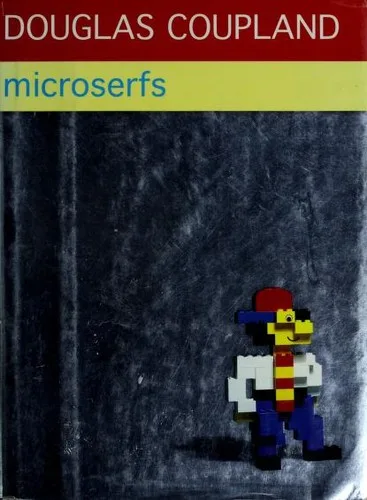
Microserfs (1995)
Microserfs is a 1995 computer software industry book written by Douglas Coupland.
Daniel and his housemates code for Microsoft, eating flat food that slides under office doors and logging their days into a PowerBook diary heavy with emoticons and stray thoughts. Then they quit the campus to build a startup in Silicon Valley, chasing a product and, quietly, a life outside the codebase. Douglas Coupland captures the tech industry just before Windows 95: the jargon, the geek in-jokes, the loneliness underneath. The form mirrors its narrator, fragmented and list-happy and oddly tender. A period piece now, it once read as prophecy about work, code, and the people who vanish into both.
Similar books
Explore Microserfs guides
A few thoughts on Microserfs
Douglas Coupland's real subject is tech-worker culture, so the screen companions come easy. The Social Network supplies the startup-founder mythology, Halt and Catch Fire aches with the same early-PC-era hunger, and HBO's Silicon Valley plays the comedy of smart people building things nobody asked for. All three share Microserfs' mix of ambition, burnout, and code.
Startup life on screen, from the garage to the funding round
Coupland wrote Microserfs while the Microsoft campus still looked like the future, then sent his coders south to build something of their own. These follow the same arc on screen: the demo that has to work, the funding meeting, the friend who becomes a boss. Same jargon, same cramped houses, same suspicion that the product is eating the people.
Nonfiction about the people who built Silicon Valley
Microserfs is fiction, but Daniel's diary reads like reporting: stock options, shipping dates, the campus cafeteria. These books cover the same ground with real names and dates, from the nineties founder rush Coupland was watching to the later reckoning over what those companies became. Read them next to the novel and the satire looks closer to transcript.
Office comedy that speaks fluent engineer
Half of Microserfs is list-making, in-jokes and complaints about the cubicle Daniel leaves behind. These pick up the same register: a punchline about a spec, a manager who has never opened the codebase, an engineer arguing with a computer at 2am. Coupland's affection for the people stuck in the machine runs through all of them.
Fiction about work disappearing into the machine
Coupland's coders pour their twenties into a product and wonder what is left of them afterward. These stories push that worry further: contractors paid by the task, workers measured by software, people who let the network do their thinking. Microserfs stays warm about it. The rest run colder, and they make Daniel's PowerBook diary look like an early warning.