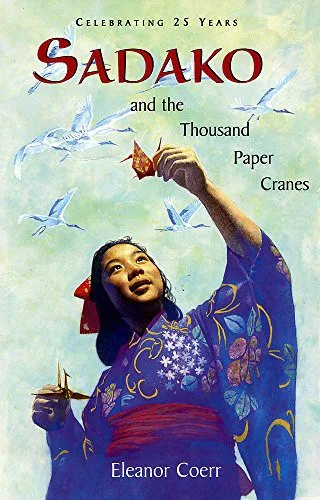
Sadako and the Thousand Paper Cranes (2005)
Sadako and the Thousand Paper Cranes is a 2005 fiction book written by Eleanor Coerr.
Sadako Sasaki was two years old when the bomb fell on Hiroshima. Ten years later she is the fastest runner in her class, until the dizzy spells begin and the doctors name the atom bomb disease, leukemia. In her hospital bed she remembers an old belief that folding a thousand paper cranes will bring a wish, and she starts folding. Eleanor Coerr tells this true story simply, for young readers, keeping the history plain and the child at its center. Brief and quietly devastating, it turned a real girl into a lasting symbol of the war's cost and of hope held onto.
Similar books
Explore Sadako and the Thousand Paper Cranes guides
A few thoughts on Sadako and the Thousand Paper Cranes
Grave of the Fireflies, Studio Ghibli's film about two children in wartime Japan, carries the same grief for young lives caught in the war. Barefoot Gen draws the Hiroshima bombing directly, out of a survivor's memory. Both sit beside this book as gentle, unflinching accounts of what the same city endured.
True stories of children who lived through war
Sadako was two when the bomb fell on Hiroshima and spent her short life inside that history's aftermath. Barefoot Gen and Grave of the Fireflies put Japanese children directly into wartime wreckage without softening it, Maus carries a father's Holocaust memory through his son's drawings, and Oshin follows a girl enduring decades of hardship across Japan's hardest century. None of them look away.