CrossBinge
Finding 41.241 movie posters in the basement
The Natural History of Unicorns (2009)

The Natural History of Unicorns (2009)

The Natural History of Unicorns (2009)

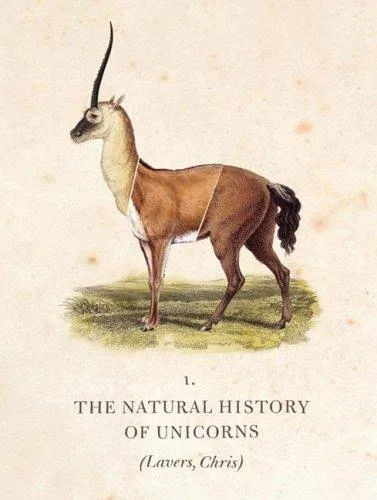
The Natural History of Unicorns is a 2009 nature book written by Chris Lavers.

For over two thousand years, unicorns have inspired, enchanted, and eluded humanity. The beast appears in Old Testament texts and Greek and Roman natural histories; Christians adopted it as a symbol of Christ, the Middle Ages as a symbol of courtly love. There was a brisk trade in unicorn parts in medieval and Renaissance times, and travelers regularly reported sightings into the modern era. But by the early twentieth century the real-life contenders for the beast had been ruled out, and scientists concluded that the unicorn never existed. It turns out they were a little hasty. Where did the unicorn come from, and how was it accepted as a part of the animal kingdom for so long? Chris Lavers argues that although the unicorn of our imagination isn't real, traces of its character can be found in existing species. In this lively and vivid exploration of the natural world, Lavers follows the beast's trail to the plateaus of India and into the jungles of Africa to unearth the flesh and blood ancestors of our iconic unicorn. Along the way, Lavers introduces the peoples, historians, explorers, traders, and scientists who believed in the unicorn, and describes their efforts to pin it down. Its changing status-from one-horned ass to religious symbol to pure myth-reflects man's journey from superstition to scientific understanding, ultimately leading to a greater insight into the natural world.

Quick answers

What is The Natural History of Unicorns about?

For over two thousand years, unicorns have inspired, enchanted, and eluded humanity. The beast appears in Old Testament texts and Greek and Roman natural histories; Christians adopted it as a symbol of Christ, the Middle Ages as a symbol of courtly love. There was a brisk trade in unicorn parts in medieval and Renaissance times, and travelers regularly reported sightings into the modern era. But by the early twentieth century the real-life contenders for the beast had been ruled out, and scientists concluded that the unicorn never existed. It turns out they were a little hasty. Where did the unicorn come from, and how was it accepted as a part of the animal kingdom for so long? Chris Lavers argues that although the unicorn of our imagination isn't real, traces of its character can be found in existing species. In this lively and vivid exploration of the natural world, Lavers follows the beast's trail to the plateaus of India and into the jungles of Africa to unearth the flesh and blood ancestors of our iconic unicorn. Along the way, Lavers introduces the peoples, historians, explorers, traders, and scientists who believed in the unicorn, and describes their efforts to pin it down. Its changing status-from one-horned ass to religious symbol to pure myth-reflects man's journey from superstition to scientific understanding, ultimately leading to a greater insight into the natural world.

When was The Natural History of Unicorns published?

The Natural History of Unicorns was published in 2009.

Who made The Natural History of Unicorns?

The Natural History of Unicorns was written by Chris Lavers.

Similar books

Explore The Natural History of Unicorns guides