
The story that crossed from memoir to myth
Norman Maclean spent most of his life not writing fiction. He was a University of Chicago English professor, a teacher of Shakespeare and the Romantic poets, a man who had watched his younger brother Paul die young and violently and had spent decades carrying that. He was 73 when the University of Chicago Press published A River Runs Through It and Other Stories in 1976, the first work of original fiction the press had ever published. The novella is autobiographical in the way that only late-life reckonings can be: a Montana boyhood, a Presbyterian minister father who taught his sons fly-fishing as a form of prayer, and a brother whose gift with a rod was matched only by his talent for self-destruction. The book arrived quietly, then grew into something larger, passed hand to hand among readers who recognized in it something true about family love and helplessness.
For sixteen years it existed only on the page. Then Robert Redford, who had spent his own formative years in the West, acquired the rights and made the film that most people know. After that, the story largely stayed in those two forms: the book and the movie. It is not a franchise, not a universe, not a property that has been sequelled or serialized. What adaptations exist are mostly theatrical and educational, works that found the material stageworthy or teachable. The novella and the film form a rare case where the adaptation does not crowd out the source but lives alongside it, each doing something the other cannot.
The story across time
- 1976Norman Maclean publishes the novella at 73 A river runs through it and other stories
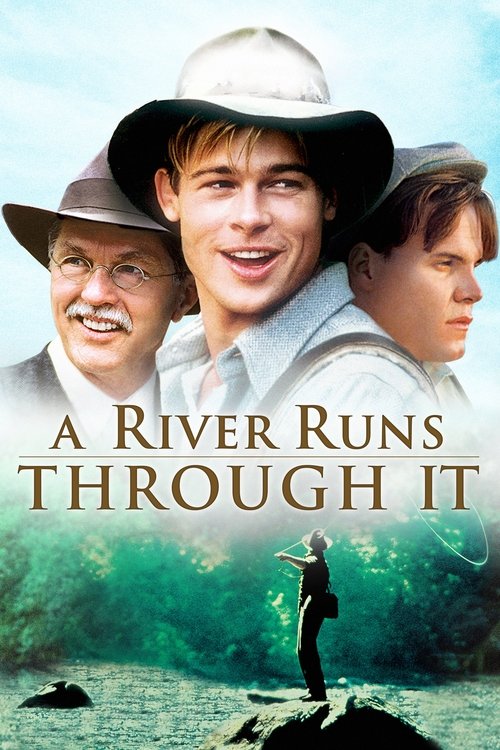
- 1992Robert Redford directs the film; Brad Pitt in a breakout role A River Runs Through It
- 1993Academy Award for Best Cinematography (Philippe Rousselot) A River Runs Through It
The definitive version: Maclean's novella
The film is beautiful. The novella is irreplaceable. Maclean's prose carries something no camera can capture: the interiority of an old man reconstructing a young man's grief, sentence by sentence, in full knowledge of how the story ends. The rhythm of the writing mirrors the rhythm of a cast line. You cannot get that from images. If you have only seen the film, read the book.

The underrated entry: the film holds up better than its reputation suggests
The Redford film was dismissed by some critics in 1992 as pictorial and sentimental, a gorgeous postcard in place of Maclean's rough-edged elegy. That reading underestimates it. The casting of Craig Sheffer and Brad Pitt as Norman and Paul Maclean is genuinely good, and Pitt's physical performance conveys Paul's combination of grace and doom in ways that prose has to work harder to achieve. Philippe Rousselot's cinematography won the Oscar it deserved. Revisit it without the 1990s arthouse defensiveness and it is a quiet, serious film.
If you love the novella: American memoirs of fathers, loss, and place
Books that share Maclean's register: family, landscape, the past examined from age


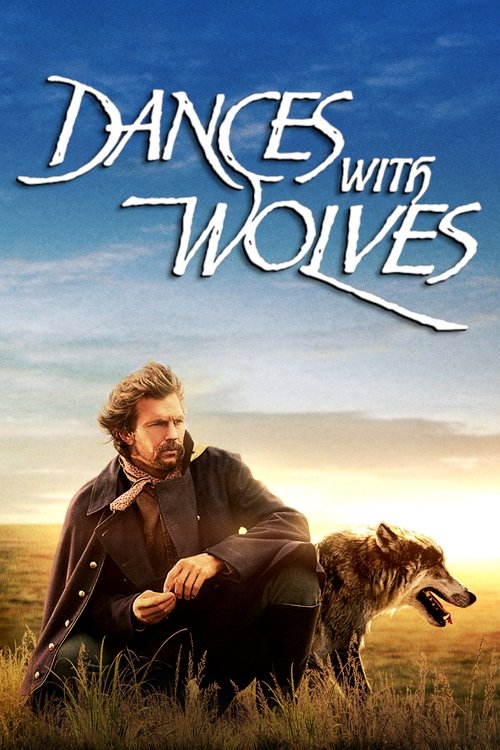
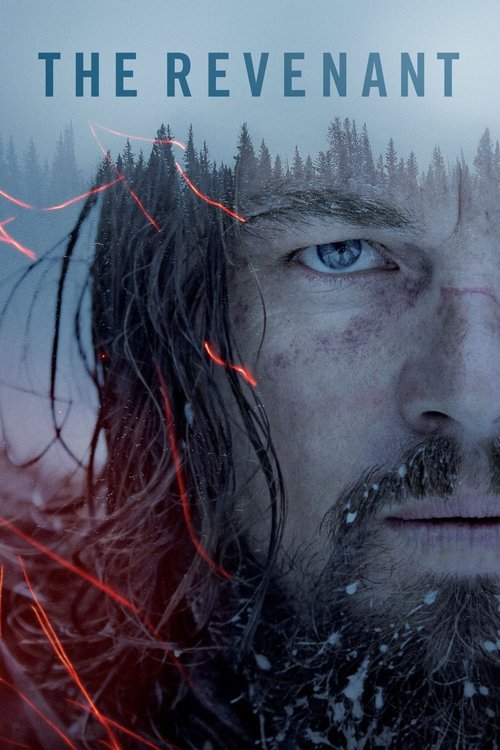
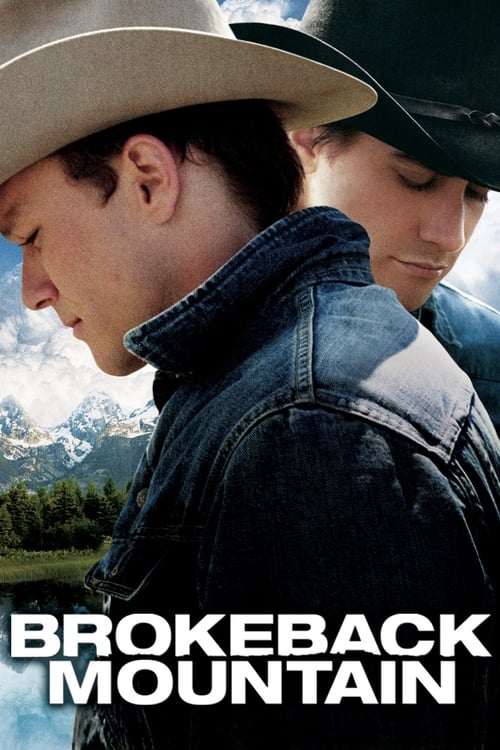
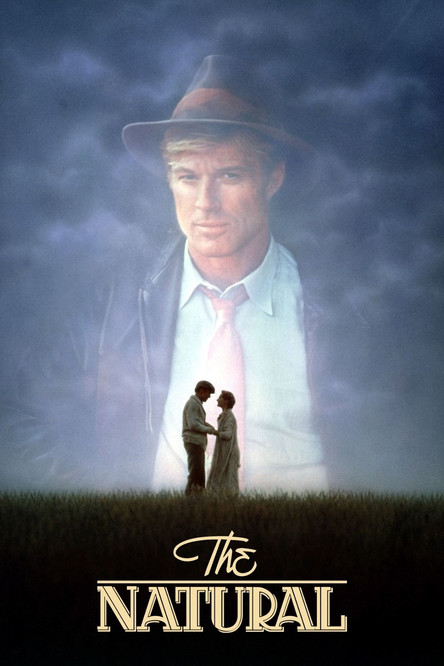
If you love the film: American naturalism and the elegiac Western
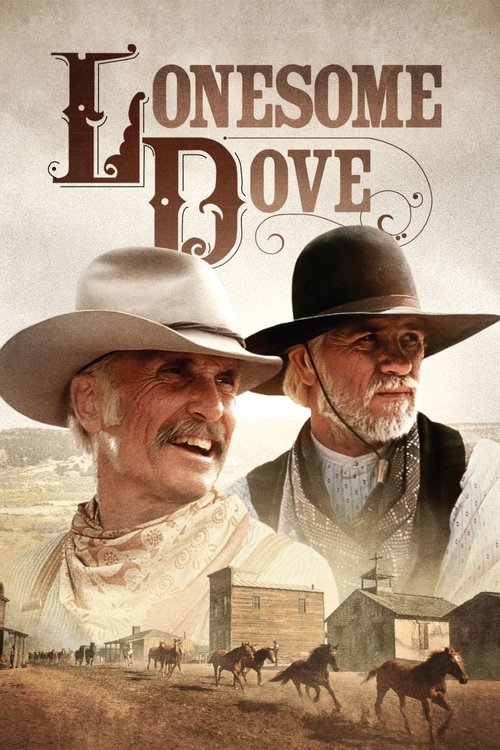
Films that share its mood: landscape as character, manhood under pressure, the American West

If you love both: stories about a sibling you could not save
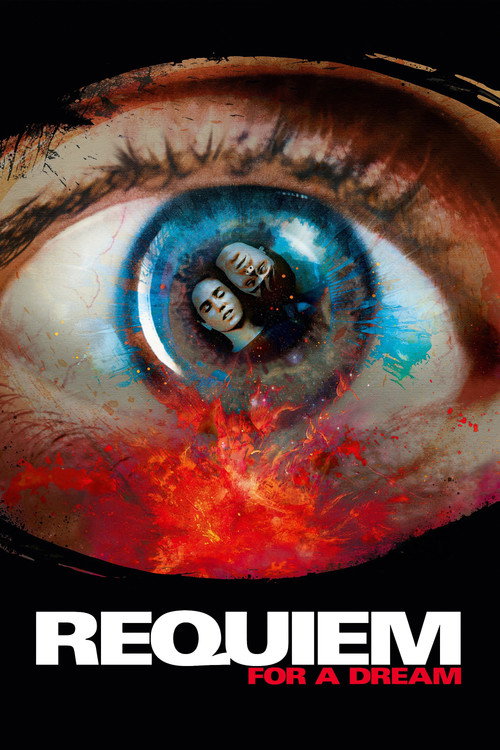
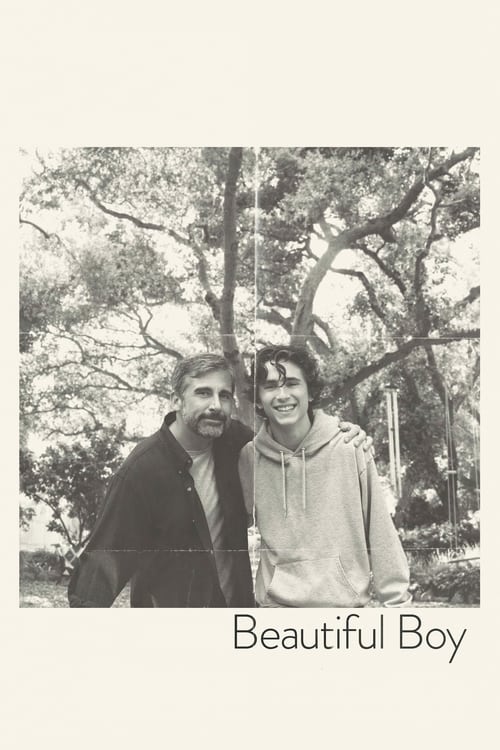
The emotional core of Maclean's book is the helplessness of watching a gifted brother destroy himself

Wilderness, the West, and Robert Redford
Wilderness Survival
Explore the Wilderness Survival guide →Eventually, all things merge into one, and a river runs through it.Norman Maclean, A River Runs Through It (1976)