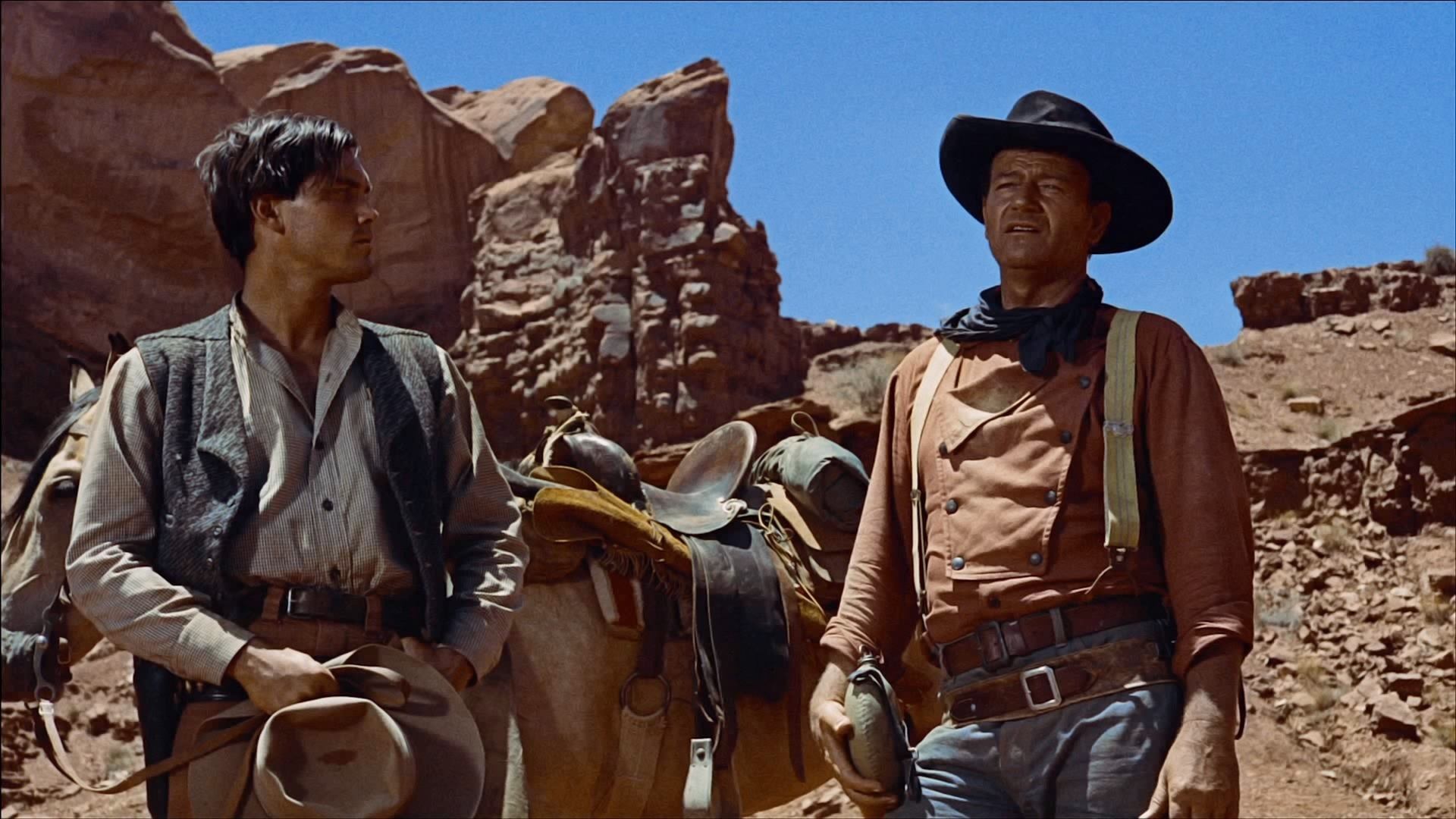

The Man Who Shot Liberty Valance (and Knew Exactly What He Was Doing)
John Ford made pictures about America the way a priest makes confession: with full knowledge of the sins involved. Over five decades and more than 140 films, the Irish-American director from Cape Elizabeth, Maine built the visual grammar of the Western, turned Monument Valley into sacred ground, and gave us the defining portraits of frontier mythology, military honor, and the immigrant's longing to belong. But Ford was never a simple celebrant. He mourned what the winning of the West had cost, even as he staged it with unmatched grandeur.
Fans of Ford are drawn to a very specific texture: the way a bugle call cuts across an open plain, the way men stand together in doorways against a sky too beautiful to be true, the way comedy and grief live side by side in the same scene. He loved faces, especially the weathered ones. He loved ritual, community, and the rituals that hold communities together when everything else is falling apart. And then, often in a single devastating shot, he would remind you that the myth was always partly a lie.
The Wayne collaborations, the Henry Fonda years, the deep affection for Irish character and immigrant experience, the combat documentaries he made under fire in the Pacific, the late elegiac films where loss overtook triumph: this is a body of work that rewards obsessive return. The films get darker the longer you look at them.
Essential John Ford
The films that define the canon, from early sound through the great late masterworks

Start with The Searchers, not Stagecoach
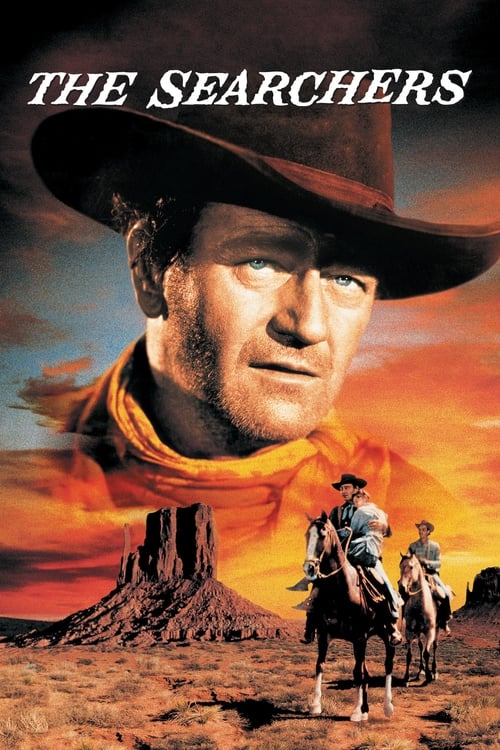
The Searchers (1956) is where Ford's mythology begins to crack open. Ethan Edwards is the best and worst of American self-mythology in one figure: a Civil War survivor consumed by a search that starts as rescue and curdles into something far uglier. The famous final shot, where Ethan is framed in the doorway and the door swings shut, is the summary of Ford's entire career in three seconds. Stagecoach is the origin, but The Searchers is the destination.
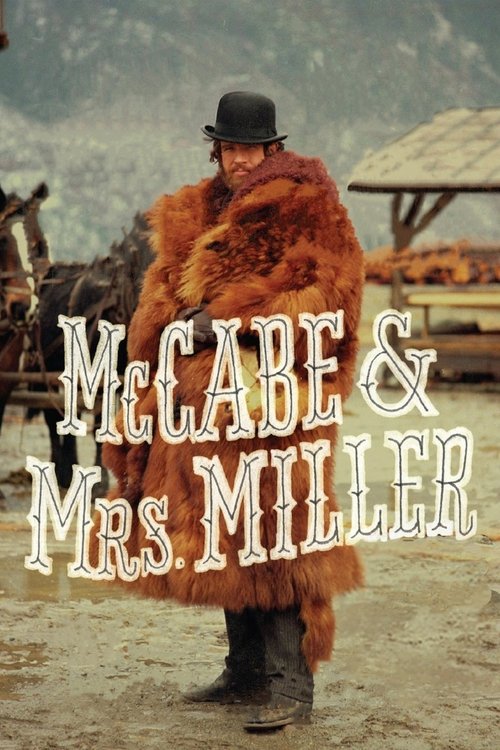
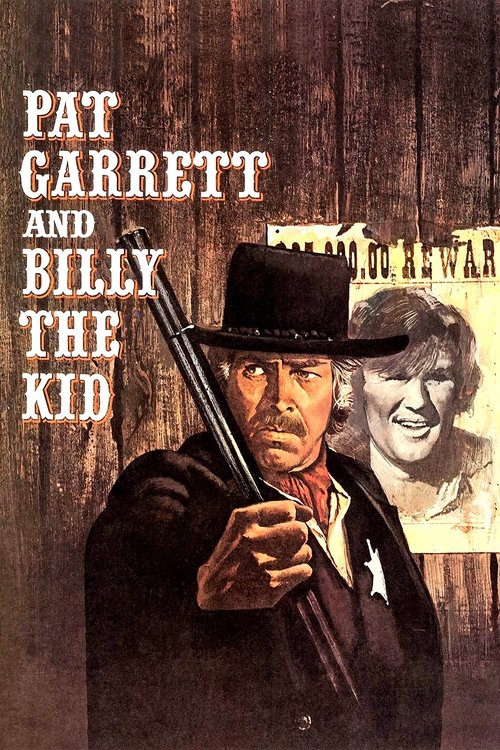
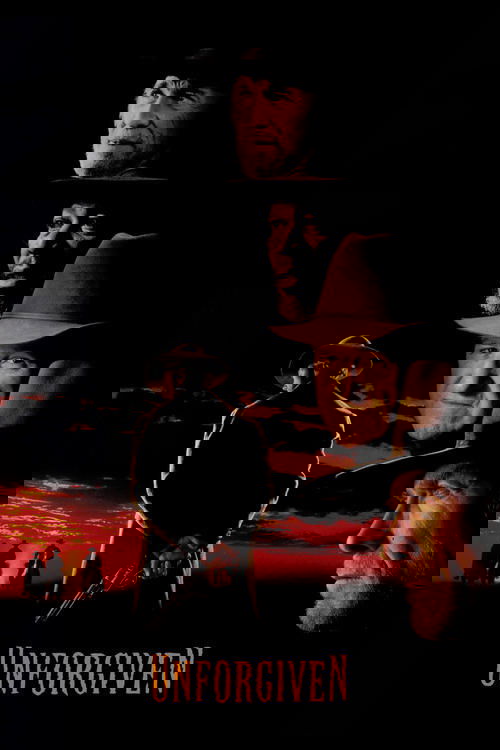
When the Myth Turns on Itself
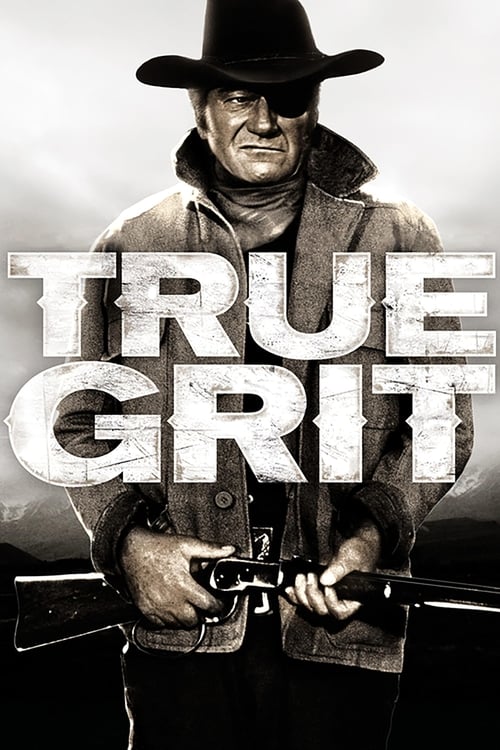
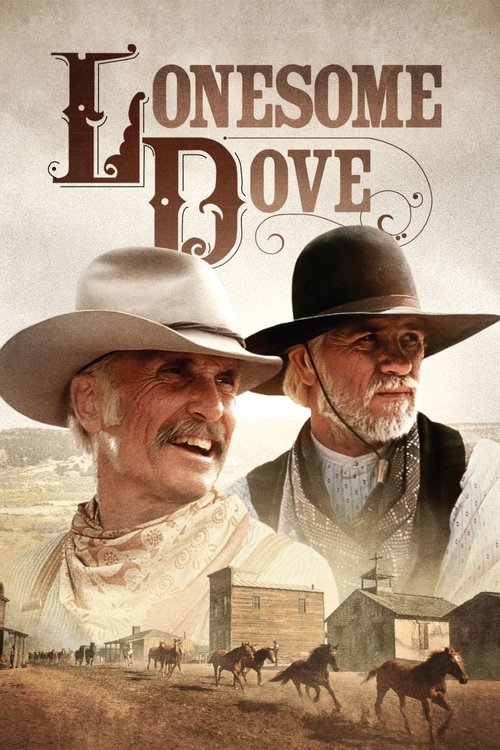
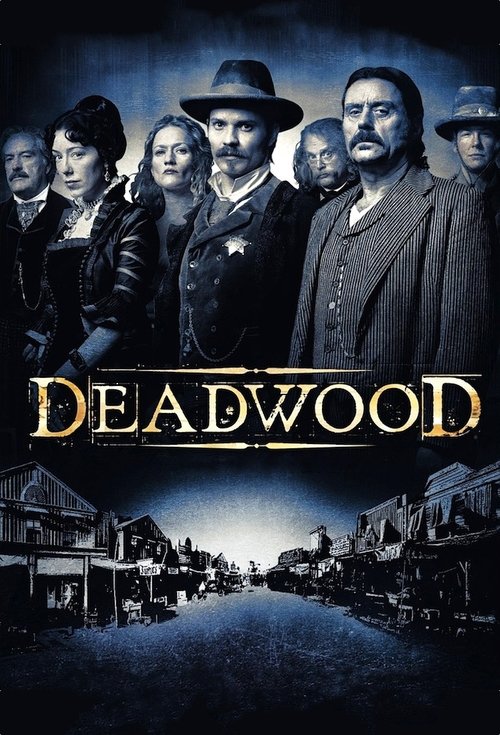
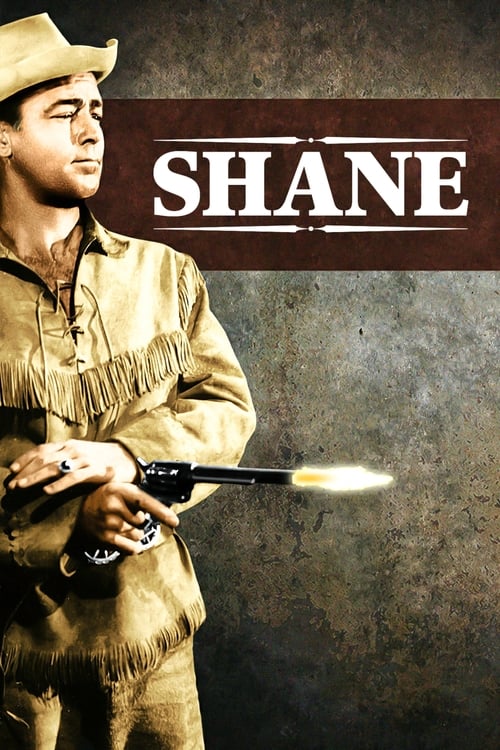
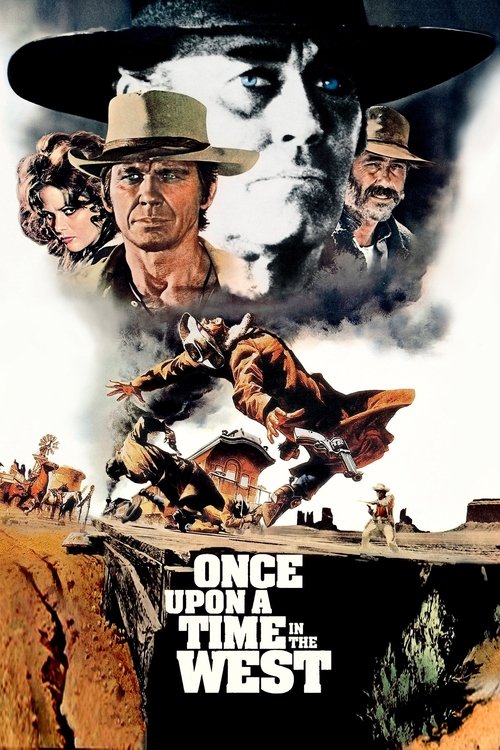
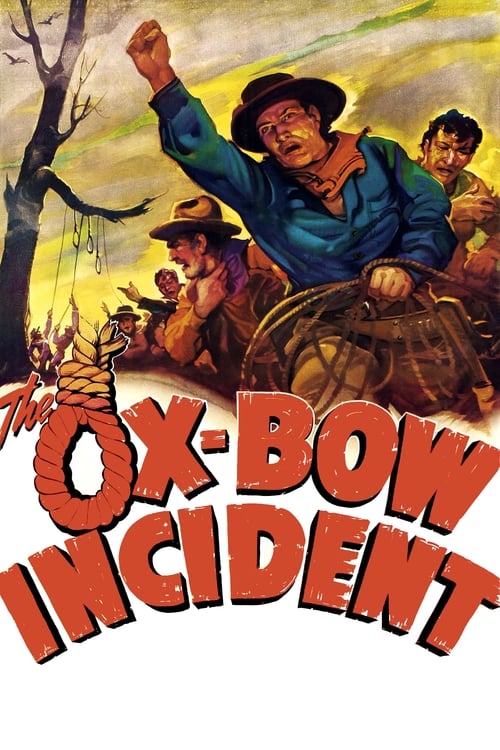
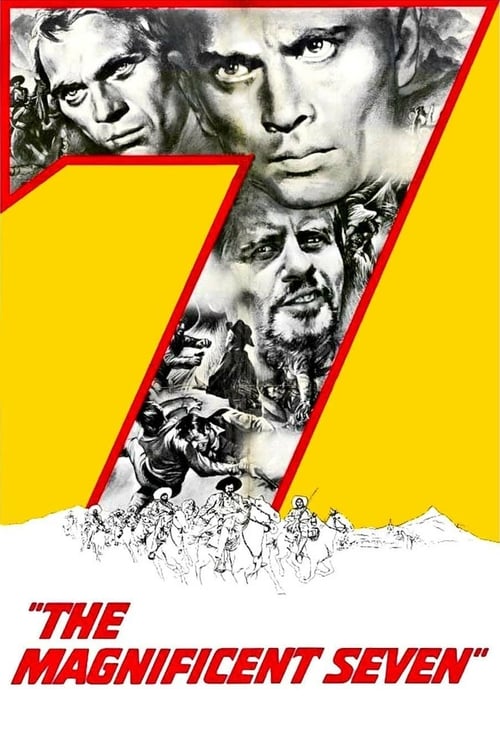
Westerns that share Ford's willingness to interrogate the legend they are telling
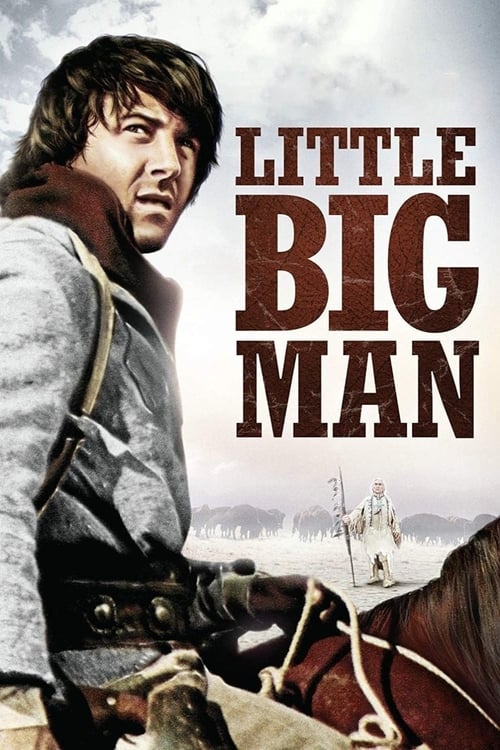
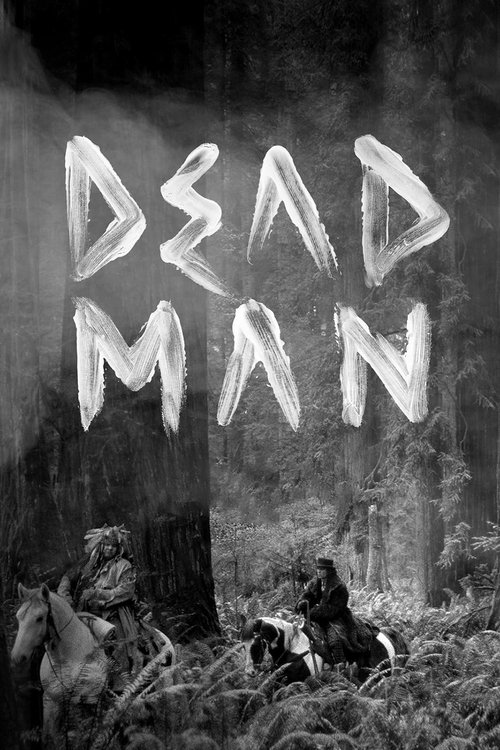
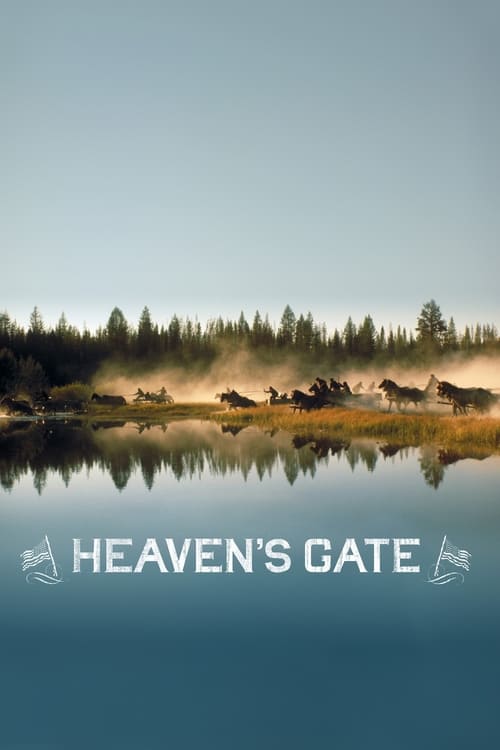

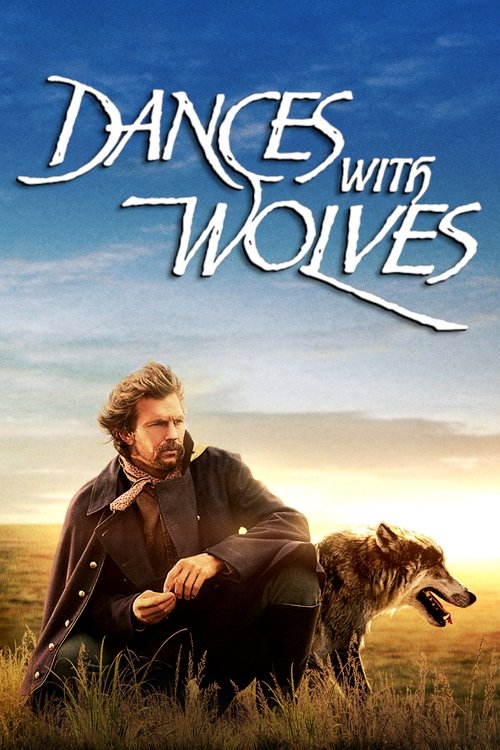

The Community Under Pressure
Ford's deepest subject was how people hold together when the world outside is hostile
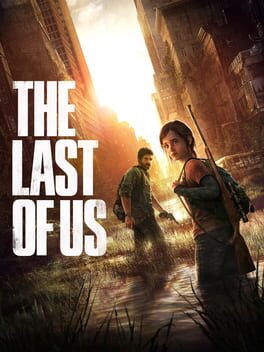

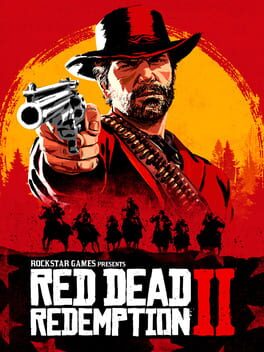
Red Dead Redemption 2 is the most Fordian game ever made
Rockstar's 2018 open-world epic handles the same materials Ford spent forty years with: the sunset of a mythologized era, loyalty to a community of outlaws that the world has decided to eliminate, and a protagonist who knows the game is over but keeps riding anyway. Arthur Morgan is Ethan Edwards with more self-awareness. Take the Monument Valley vistas, the tight-knit camp that functions like a cavalry troop, and the elegiac tone in every sunset: no game has come closer to channeling Ford's moral and visual universe.
Military Honor and the Weight of Duty
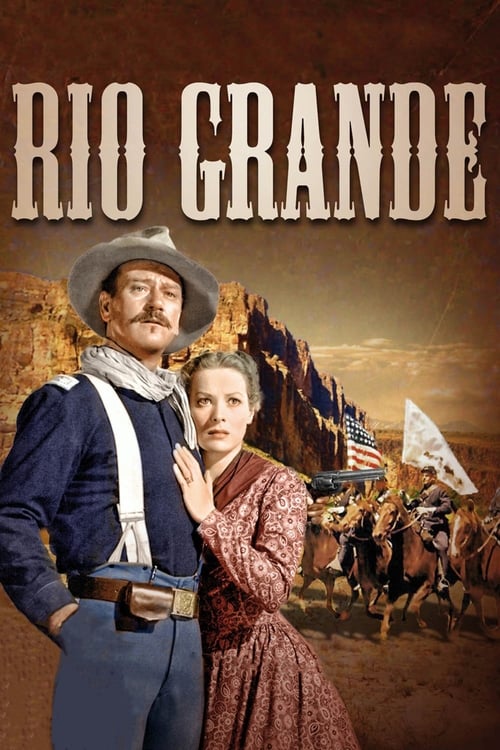
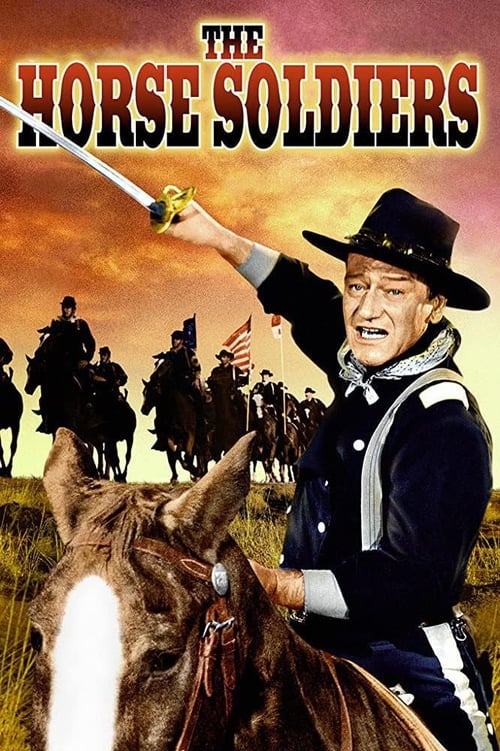
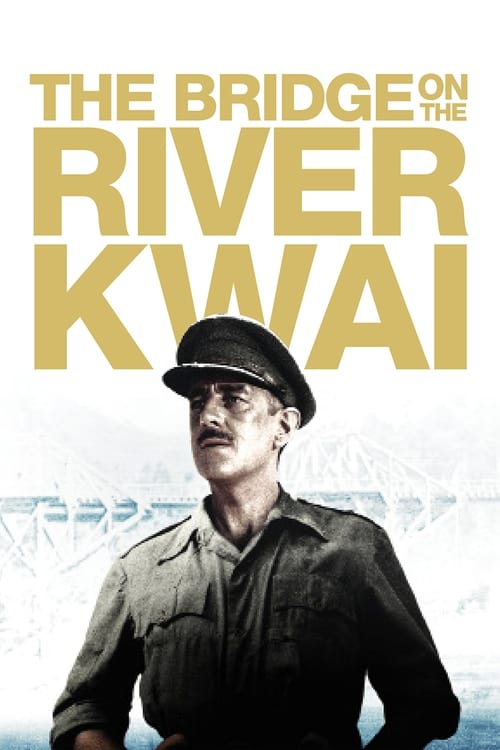
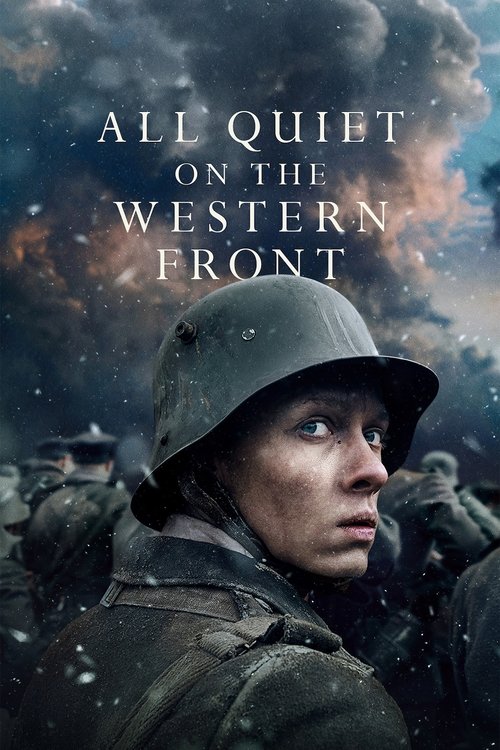
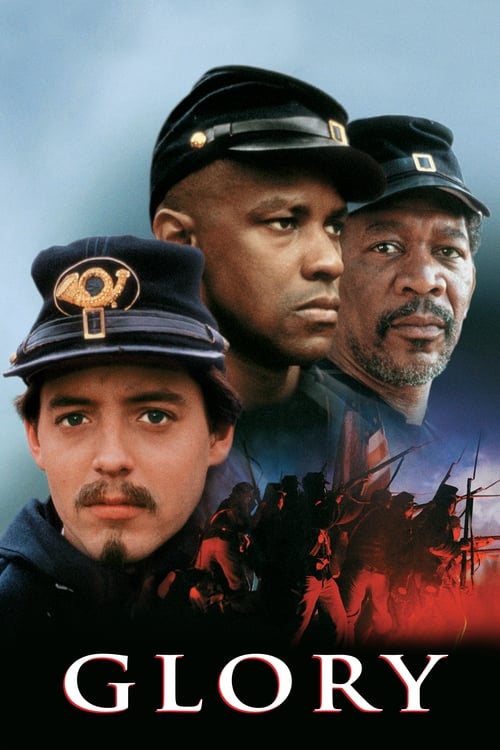
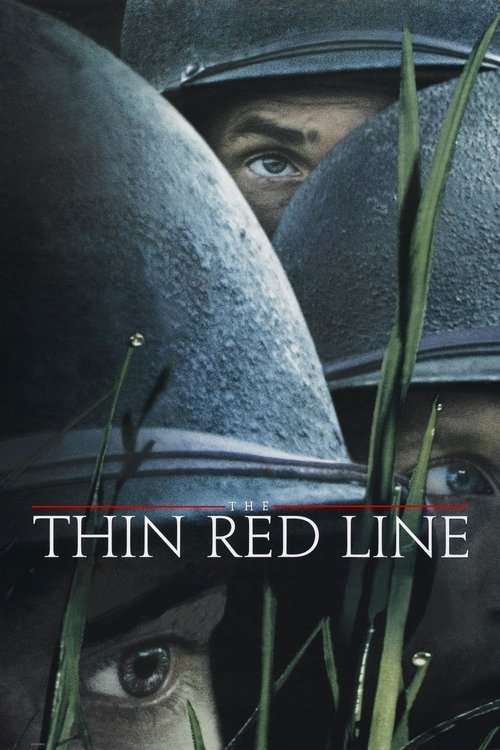
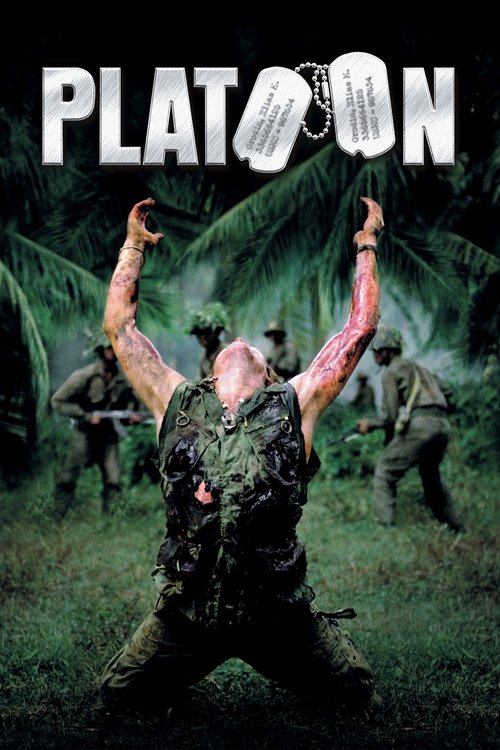
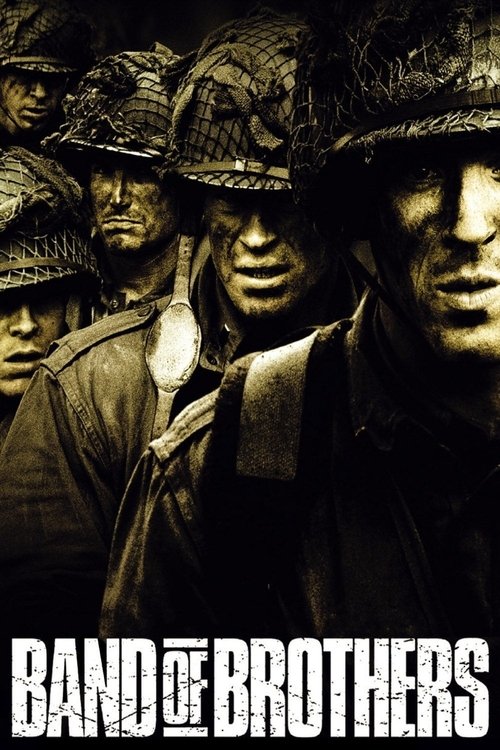
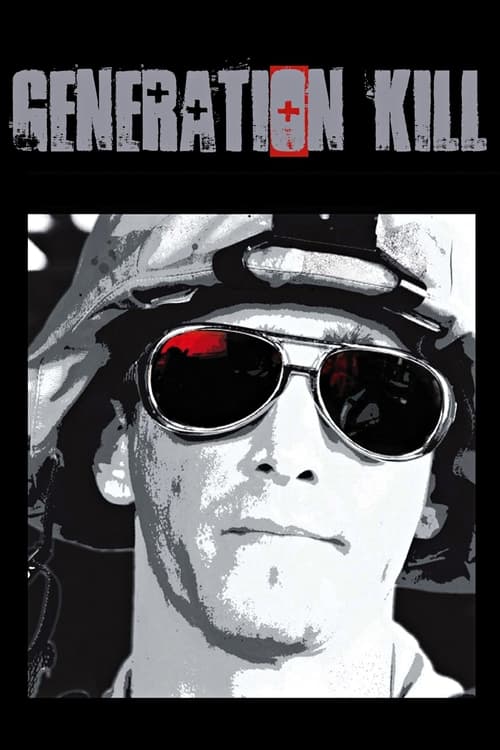
Ford spent the Second World War making combat documentaries. His cavalry trilogy enshrined the soldier's world. These works live in the same register.

The Quiet Man is the most underrated film in his canon
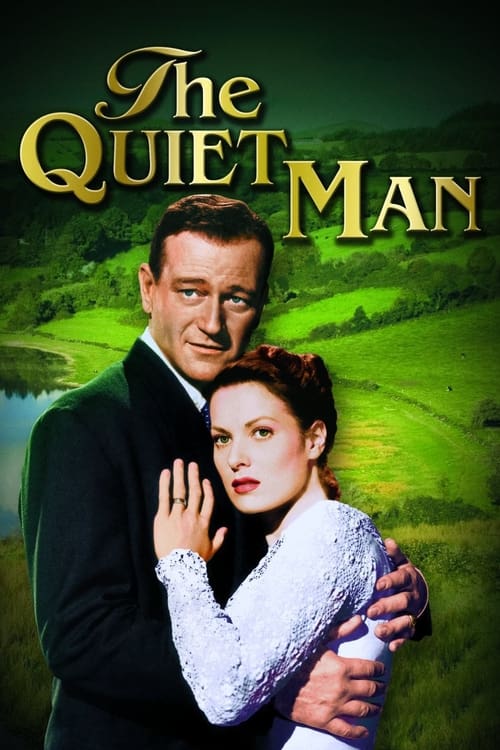
Ford's 1952 Irish romance is consistently treated as a minor comedy between the great Westerns, but it is one of his most fully realized films. The fight that closes the picture is genuinely funny and also a precise diagram of male ego and ritual. The landscape photography is among the most beautiful in his career. The film's tenderness toward a returning immigrant's longing for a homeland he half-imagined is more emotionally honest than most dramas that tackle the same material directly.
Landscape as Character
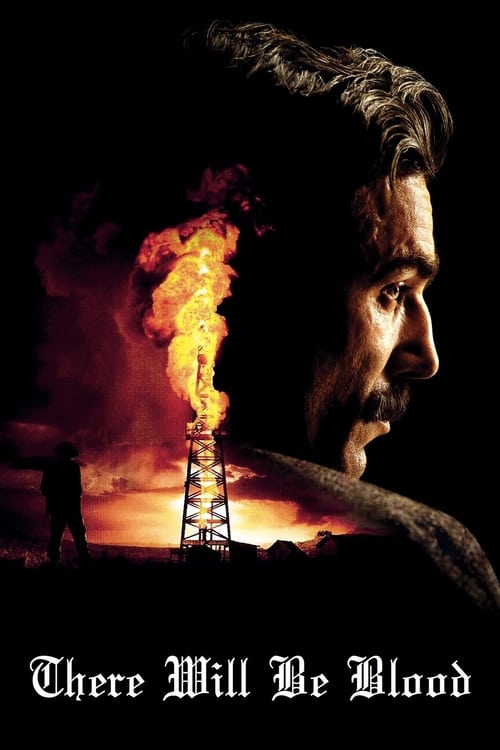
Works where the land itself carries the moral weight, where geography is not backdrop but argument
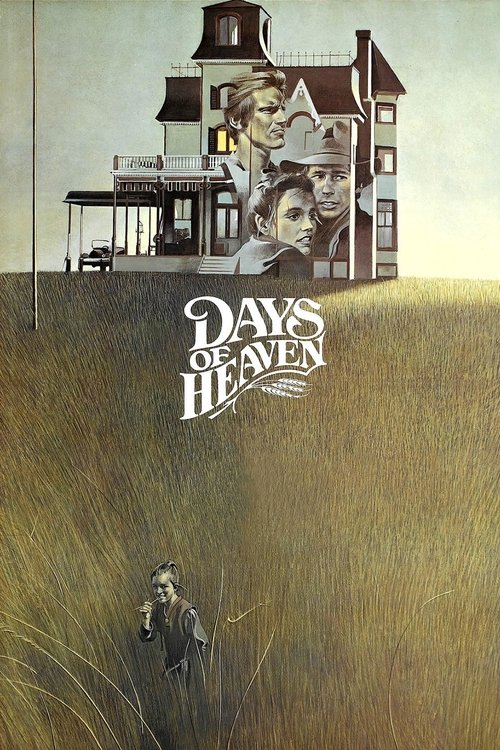
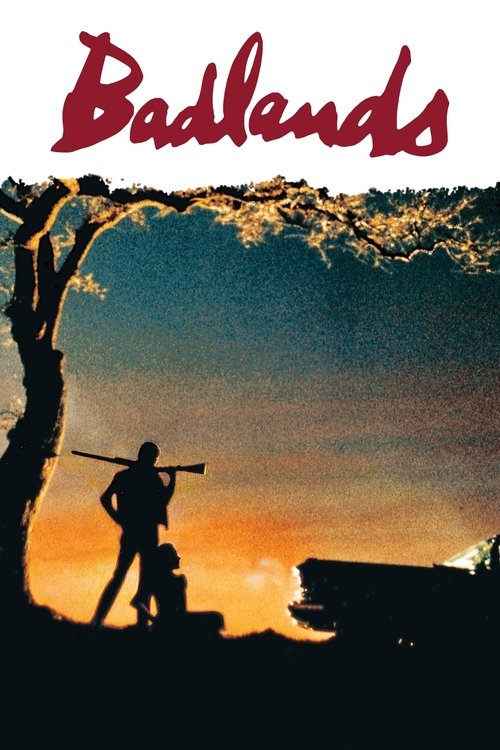
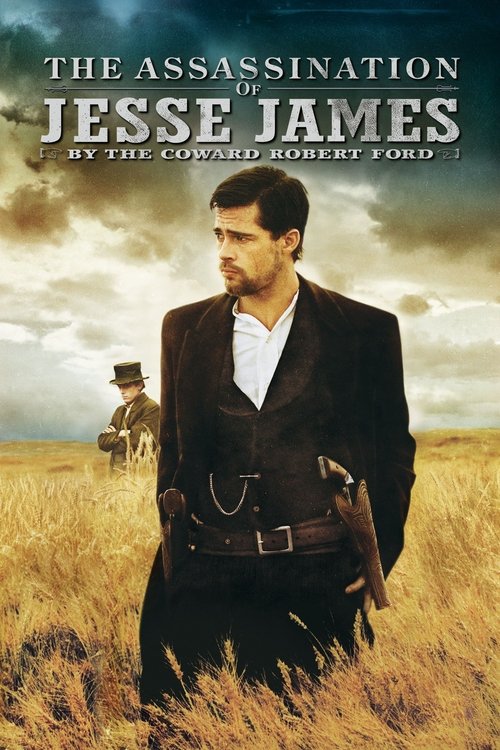
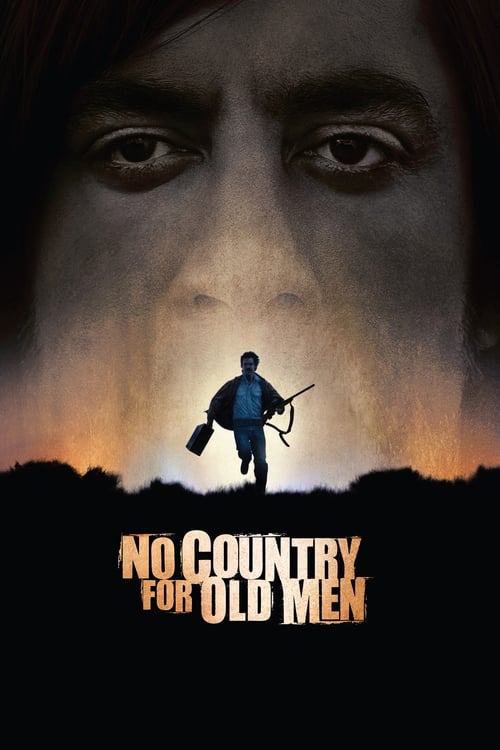



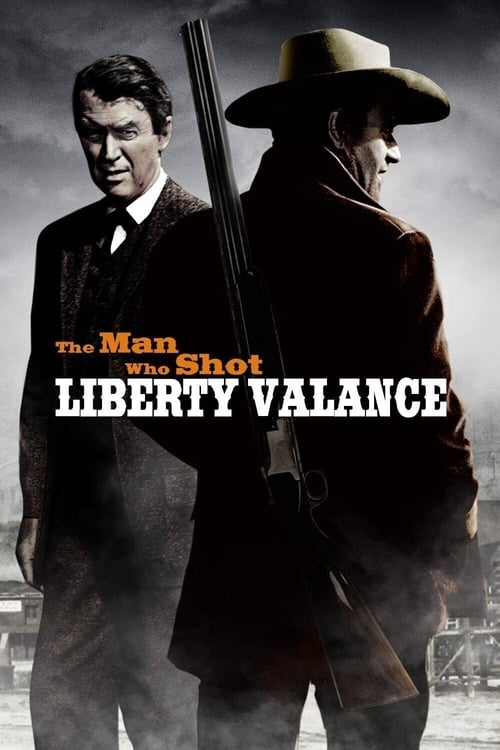
When the legend becomes fact, print the legend.The Man Who Shot Liberty Valance (1962)
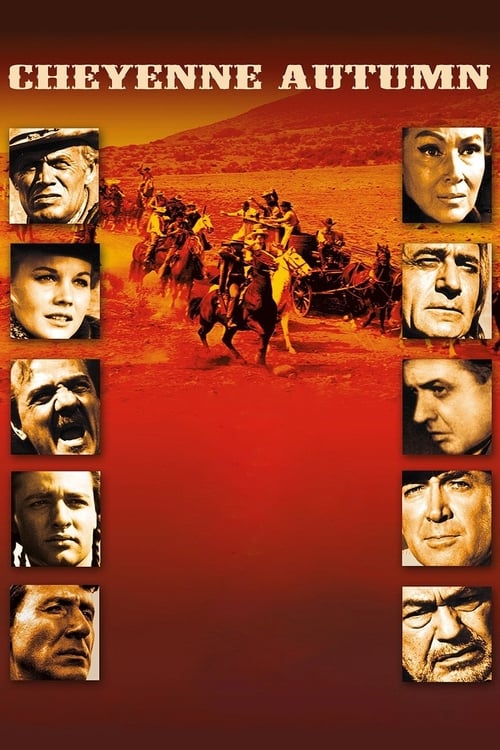
Cheyenne Autumn is the film Ford made to apologize
Ford acknowledged late in life that his career-long depiction of Native Americans as backdrop and obstacle was wrong. His 1964 epic, which follows the Cheyenne's forced march north toward their homeland, was his direct attempt at correction. It is an uneven film, sometimes clumsy in its earnestness, but the sincerity is unmistakable, and certain sequences have a grief that nothing else in his filmography matches. See it as a closing bracket around the whole enterprise.
Ford's Career in Turning Points
- 1917Begins directing silent Westerns at Universal
- 1924The Iron Horse establishes him as a major director
- 1935First of four Academy Awards, for The Informer
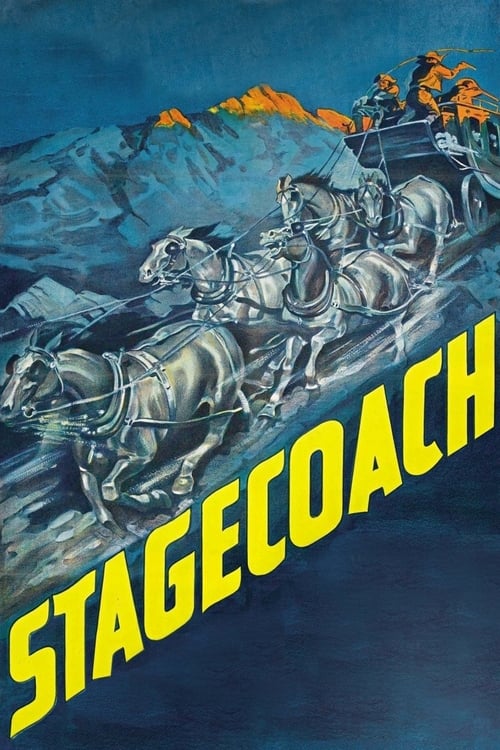
- 1939Stagecoach redefines the Western and launches John Wayne Stagecoach
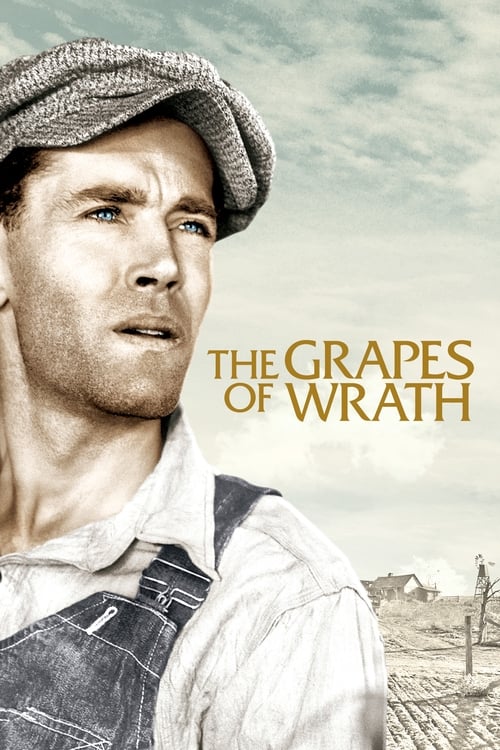
- 1940The Grapes of Wrath wins him a second directing Oscar The Grapes of Wrath
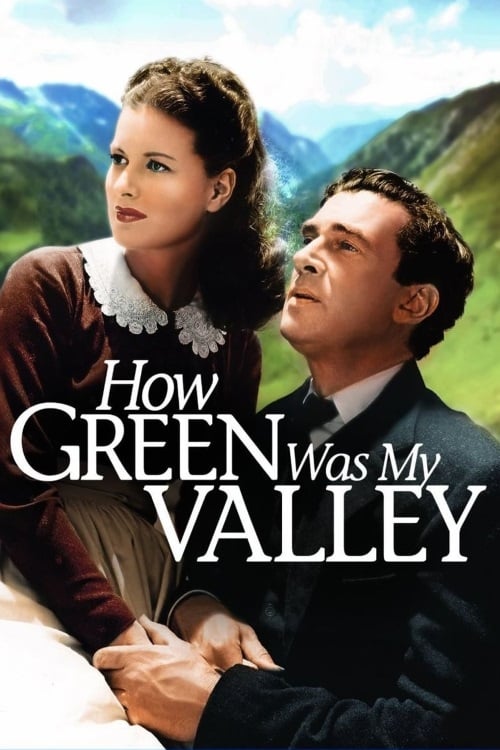
- 1941How Green Was My Valley wins Best Picture and Best Director How Green Was My Valley
- 1942Films The Battle of Midway documentary on location during the battle
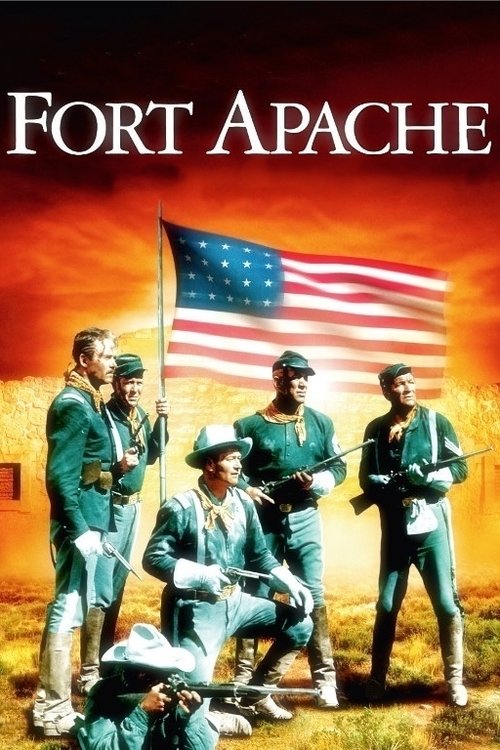
- 1948Fort Apache begins the cavalry trilogy Fort Apache
- 1952The Quiet Man wins his fourth Oscar The Quiet Man
- 1956The Searchers, now regarded as his masterpiece The Searchers
- 1962The Man Who Shot Liberty Valance, his own myth interrogated The Man Who Shot Liberty Valance
- 1964Cheyenne Autumn, a late reckoning with the Western's blind spots Cheyenne Autumn