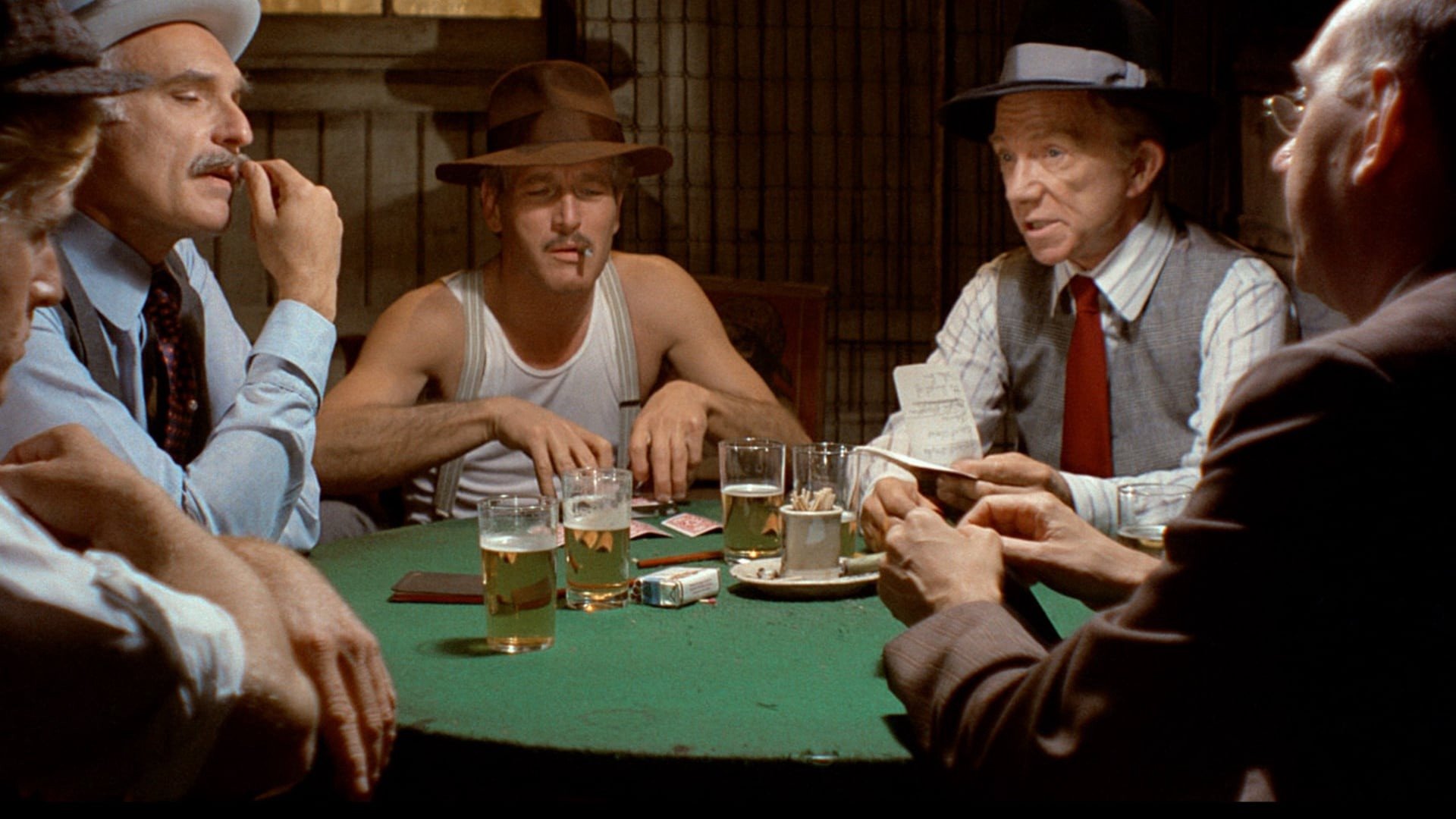

Robert Redford built his career on a particular kind of American idealism: the man who knows the system is corrupt, refuses to play along, and pays for it anyway. From the sun-baked canyons of Butch Cassidy and the Sundance Kid to the newsroom corridors of All the President's Men, from the baseball diamond of The Natural to the Senate chambers of Lions for Lambs, he embodied a conscience that looked good doing it. His work behind the camera, through Ordinary People and Quiz Show, showed the same preoccupations: family fracture, institutional rot, the cost of truth. If you are drawn to his particular register, this guide maps the films, books, series, and games that share his DNA.
Essential Robert Redford
The performances and films that define him, in front of the camera and behind it



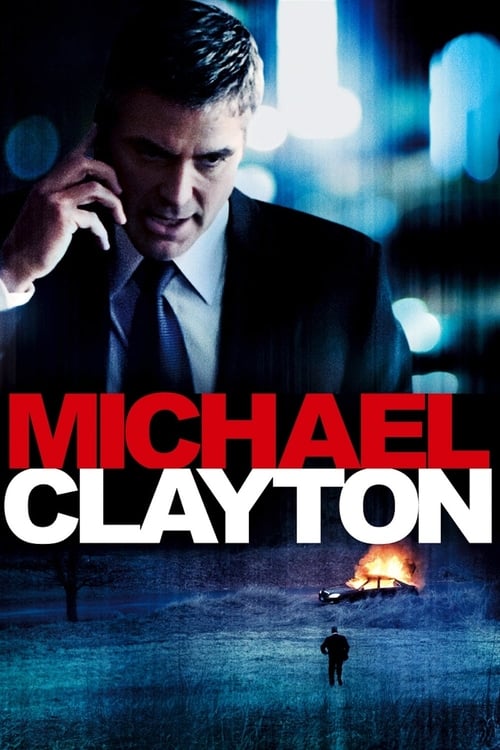
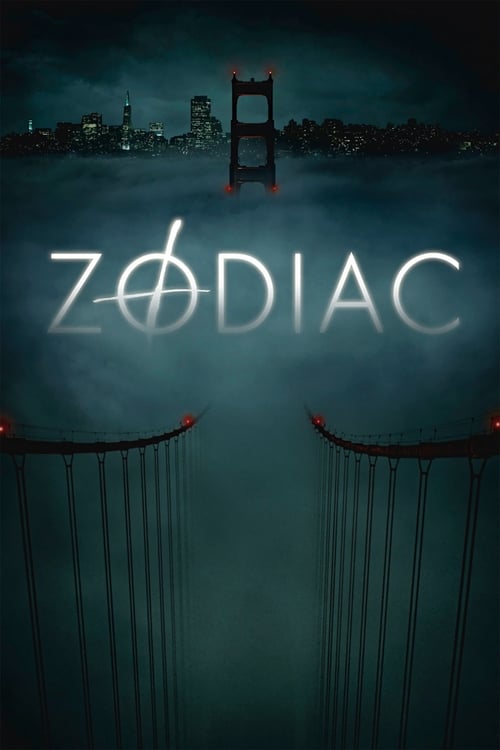
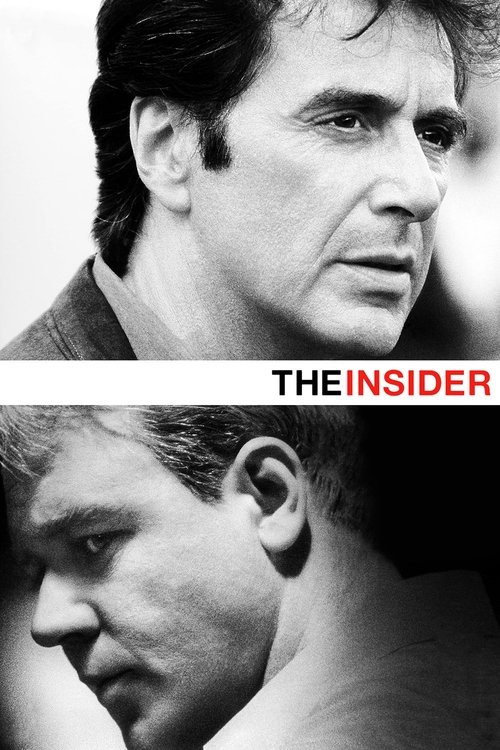
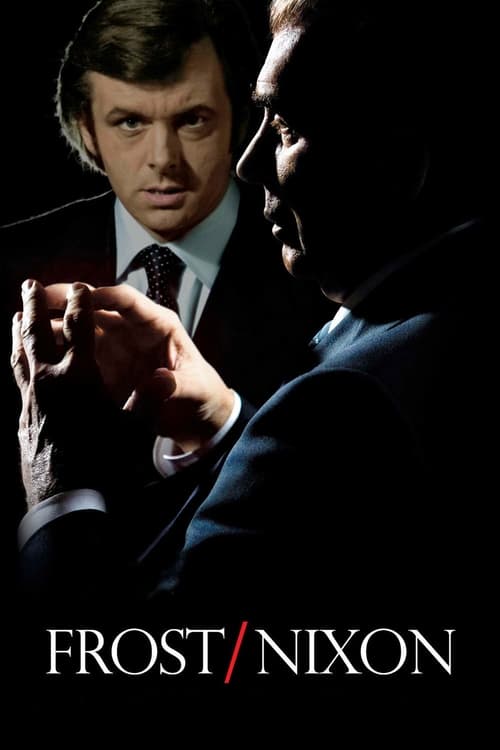
The Same Moral Stakes
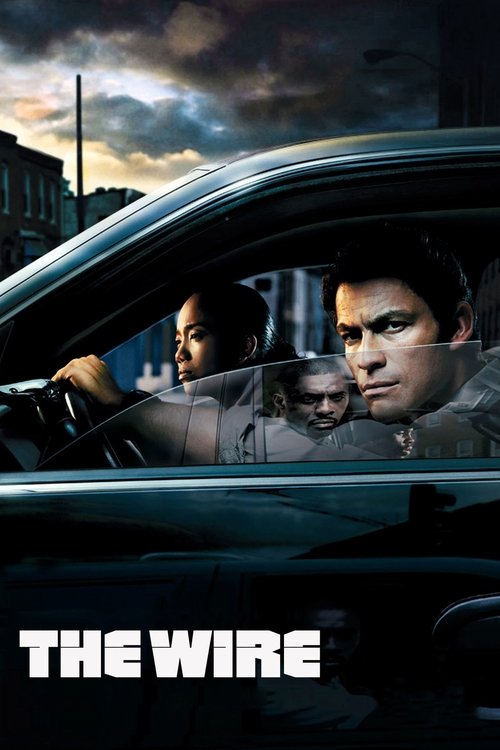
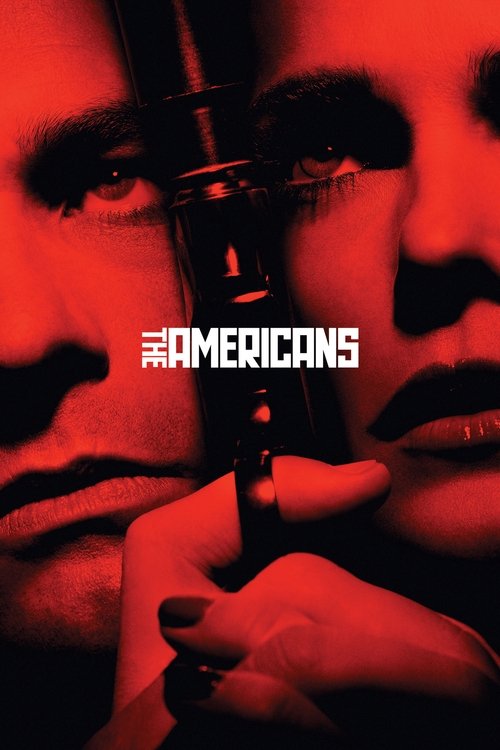
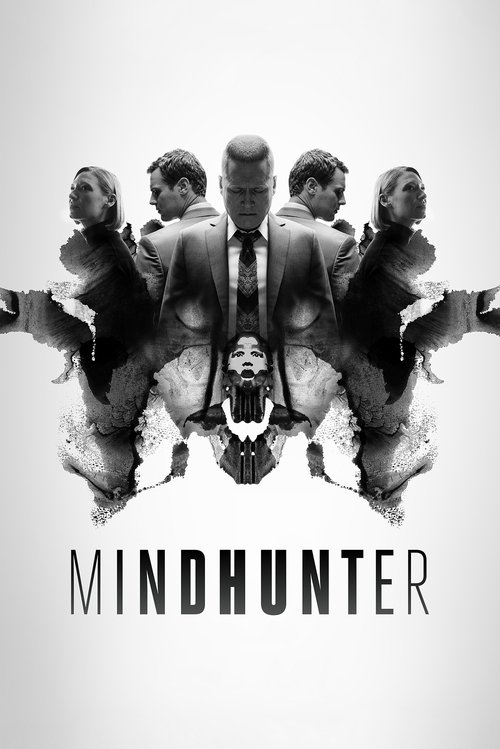
Films and series about truth-tellers, whistleblowers, and people caught in systems bigger than themselves
Classic-Era Partners in Crime
Films by and with the actors who defined 1970s Hollywood alongside Redford


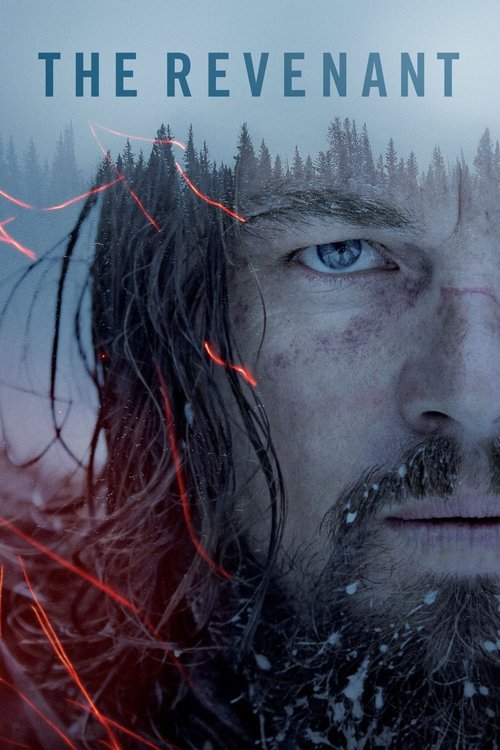
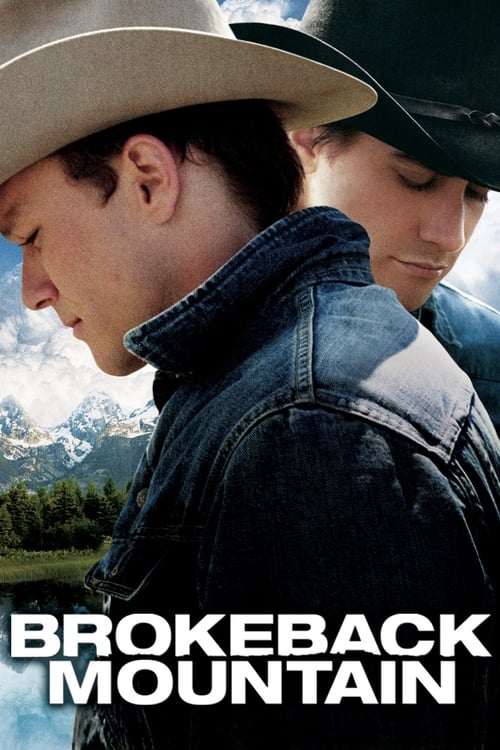
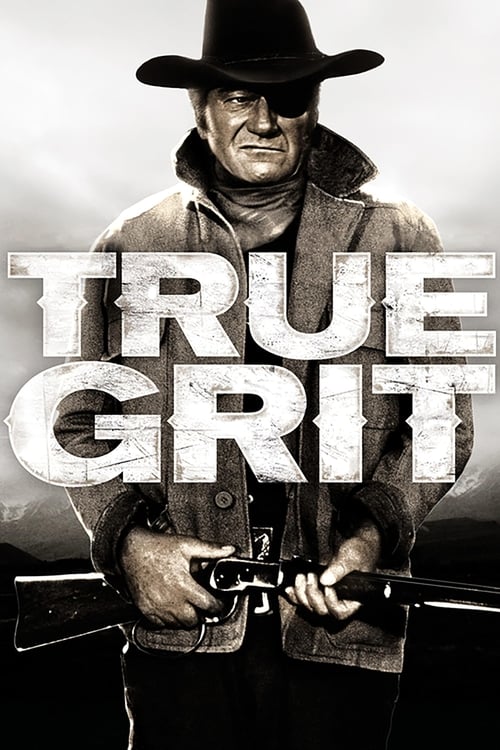
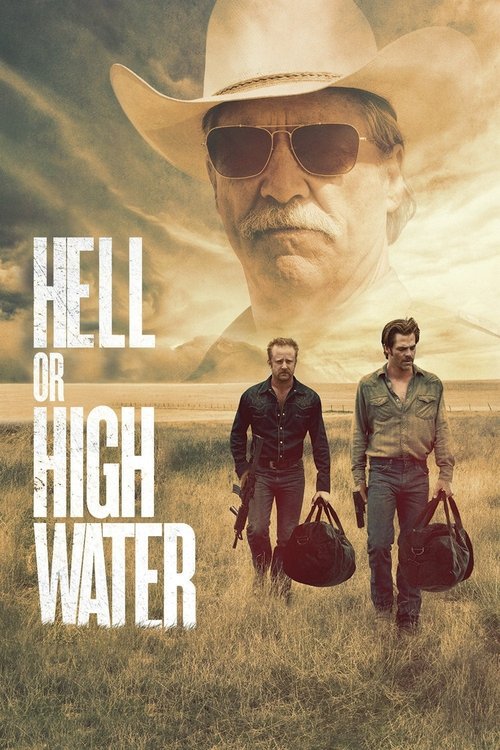
The American West and Wilderness
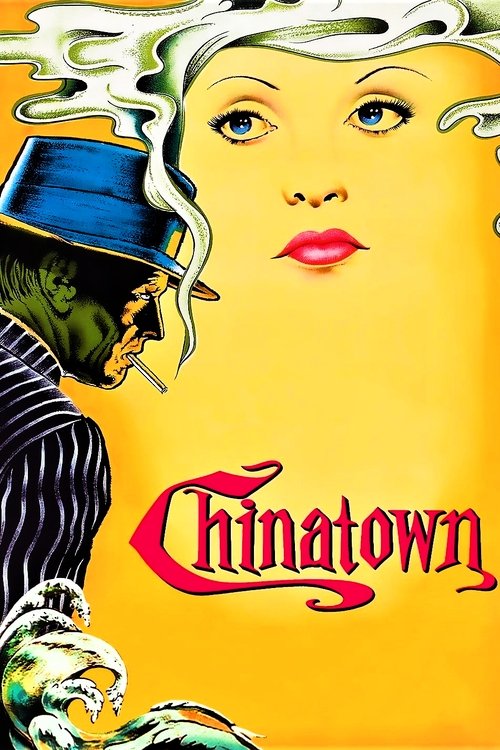
Books and films that share Redford's love of landscape as character and moral weight


The Con, the Caper, the Charm
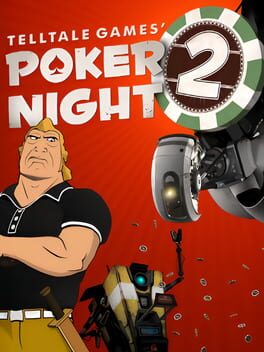
For fans of The Sting: films, games, and books built around wit, long cons, and the pleasure of the plan

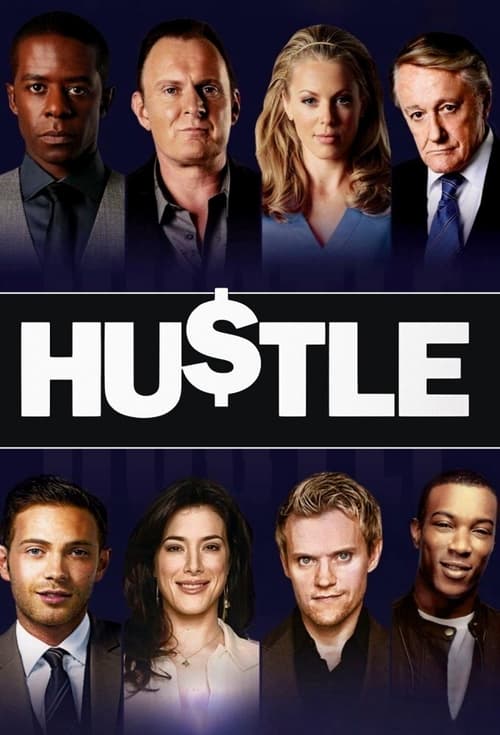
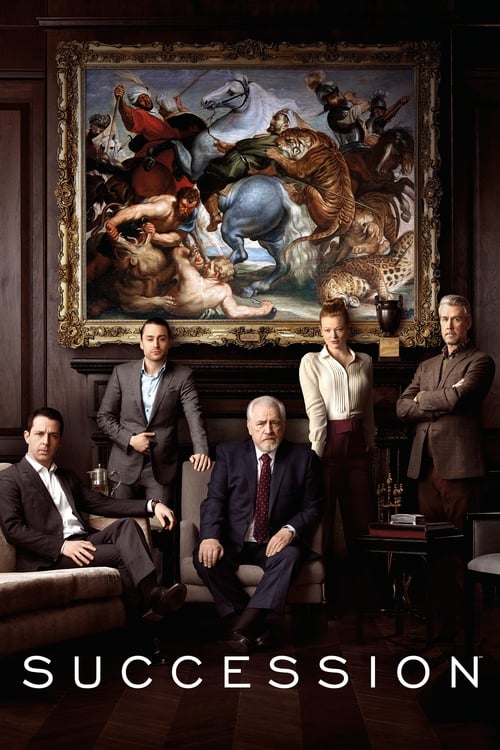
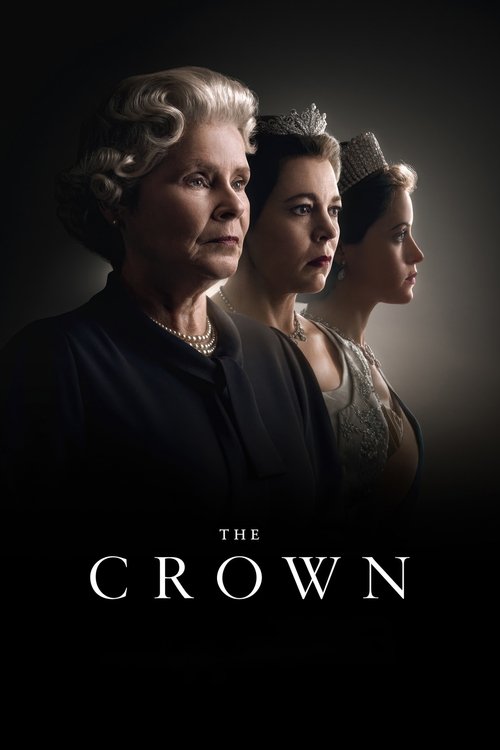
Prestige Drama and Political Tension on Screen
Series with Redford's mix of institutional skepticism, adult performances, and slow-burn stakes

All the President's Men Changed What Political Cinema Could Be
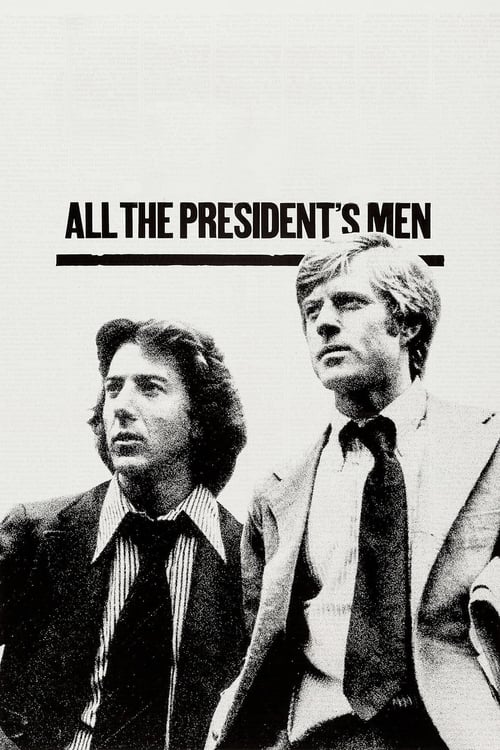
Before Alan J. Pakula's film, political thrillers relied on invented conspiracies and fictional presidents. All the President's Men trusted the real story to be tense enough, and it was right. Redford and Dustin Hoffman as Woodward and Bernstein are not heroes in the usual sense: they are reporters doing unglamorous work, chasing document trails, being stonewalled, getting things wrong, trying again. The film's lesson about journalism is also a lesson about process: the truth does not arrive in a revelation, it accumulates. Every procedural drama made since owes something to this.
Ordinary People Remains the Sharpest Film About Grief in American Cinema
Redford's directorial debut won Best Picture and Best Director in 1980, and the awards were deserved for the right reasons: the film refuses to make grief legible or tidy. Timothy Hutton's Conrad Jarrett is not recovering at a narrative pace, and Mary Tyler Moore's Beth is not a villain, just a person whose coping mechanism is incompatible with her surviving son's. The film trusts its audience to sit with discomfort rather than resolve it. For a first-time director, the restraint is remarkable.

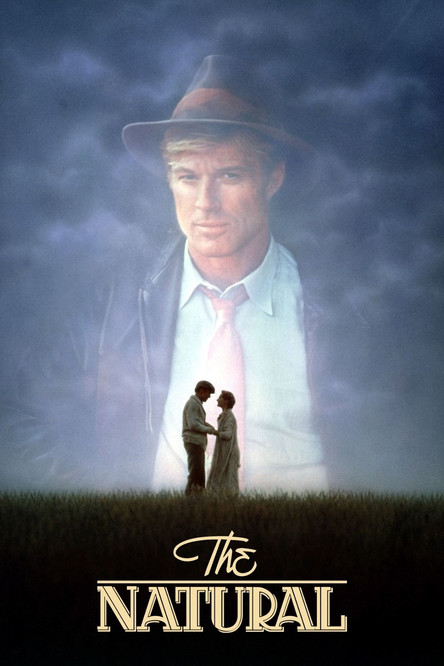
The Natural Is the Great American Sports Film Because It Is Not Really About Baseball
Bernard Malamud's source novel is dark, ambiguous, and ends in failure. Barry Levinson's 1984 film, with Redford at its center, turns it into myth: the aging prodigy who wasted his gift and gets one more chance. Critics who wanted the novel's pessimism missed the point. The film is about the American belief that the past can be outrun by performance, by one great act. Randy Newman's score helps make it feel like memory rather than sport. Whether you read that as consoling or delusional depends on your mood.

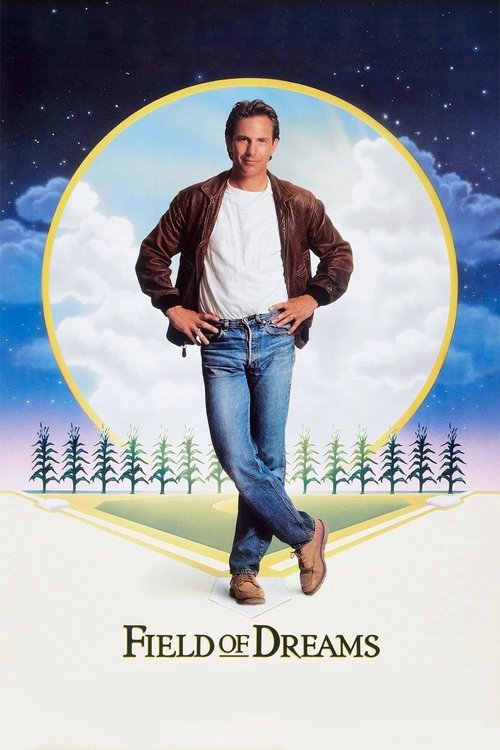
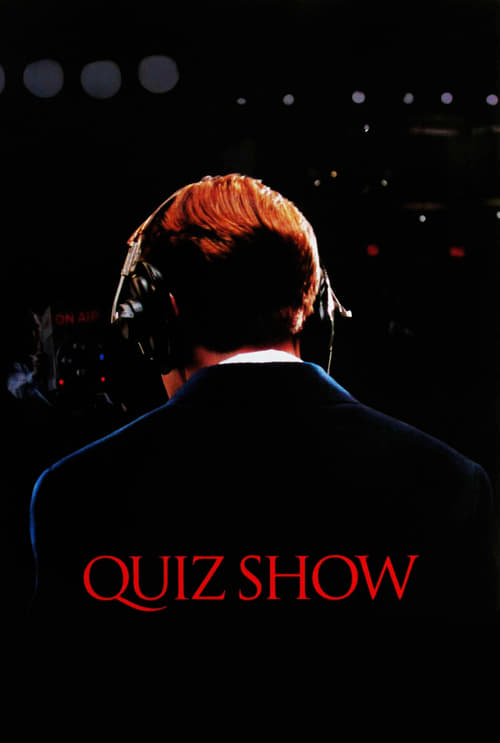
Quiz Show Asks the Question That Still Has No Good Answer
Redford's 1994 film about the Twenty-One quiz show scandal does something brave: it makes Charles Van Doren (Ralph Fiennes) genuinely sympathetic while making clear exactly what he did and why it mattered. The Herb Stempel scenes (John Turturro) are just as good. But the film's real subject is the arrival of television as a machine for manufacturing consent, and the ease with which people who should know better decided that a good story was worth more than a true one. That question has not aged out.
Robert Redford: A Career in Landmarks
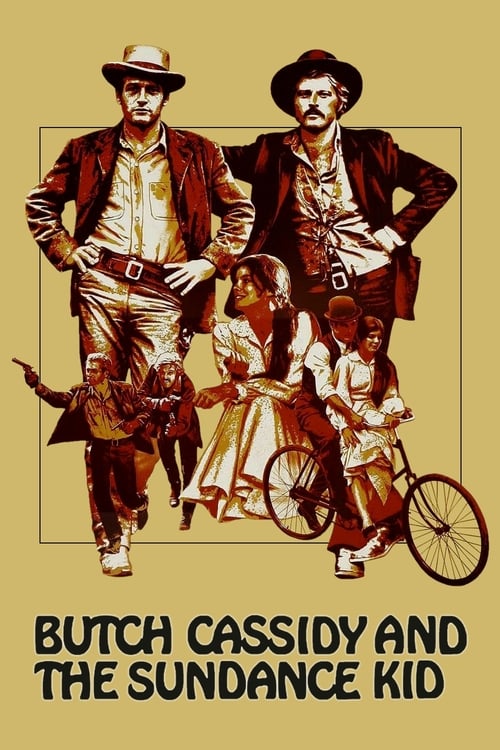
- 1969Butch Cassidy and the Sundance Kid makes Redford a star alongside Paul Newman Butch Cassidy and the Sundance Kid
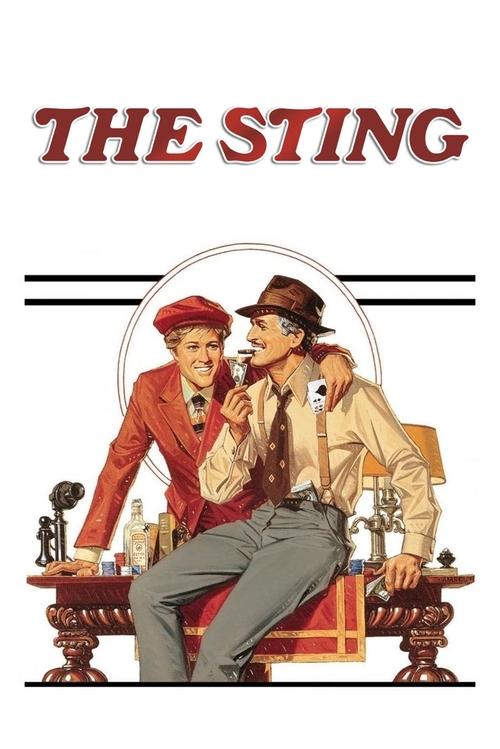
- 1973The Sting reunites Redford and Newman; wins Best Picture The Sting
- 1976All the President's Men cements his identity as a star willing to serve the story All the President's Men
- 1980Ordinary People: Redford directs his first film and wins the Academy Award Ordinary People
- 1984The Natural: mythologizing baseball and second chances The Natural
- 1985Out of Africa brings him to Africa and another Oscar-winning production Out of Africa
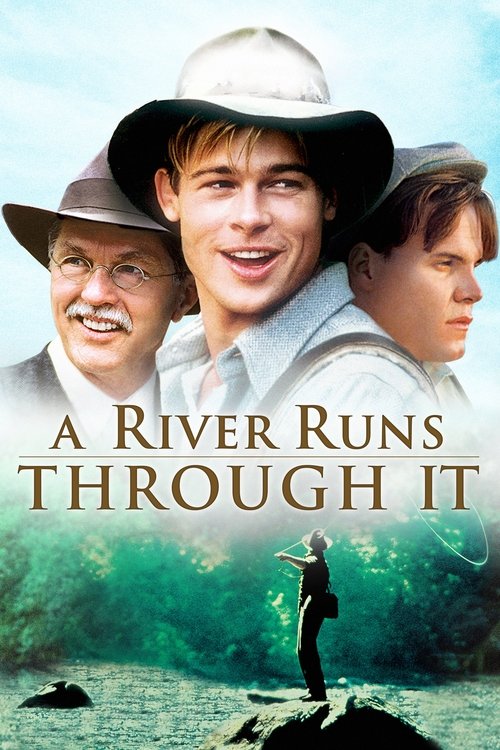
- 1992A River Runs Through It: he directs Maclean's memoir of family and fly fishing in Montana A River Runs Through It
- 1994Quiz Show: Redford's sharpest film as a director, about television and moral compromise Quiz Show
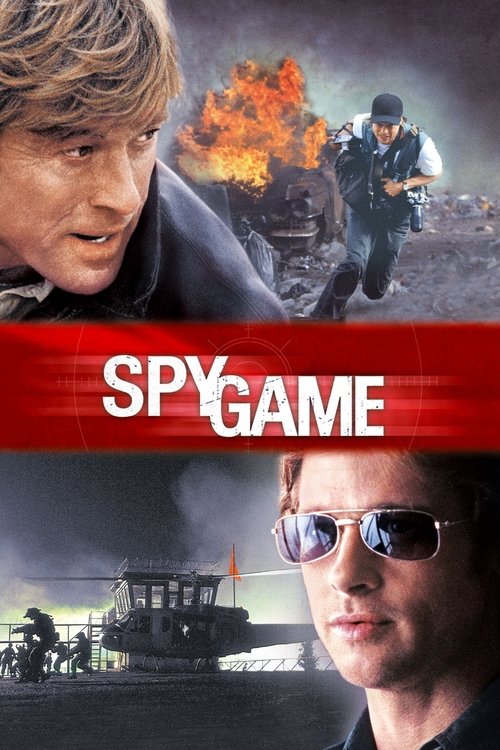
- 2001Spy Game pairs him with Brad Pitt for a Cold War espionage thriller Spy Game
- 2014Captain America: The Winter Soldier brings him to the Marvel universe as a bureaucratic villain Captain America: The Winter Soldier
- 2018The Old Man and the Gun: his stated final acting role, playing a lifelong bank robber with charm The Old Man & the Gun
Conscience, Westerns, and Conspiracy
Conspiracy Thrillers
Explore the Conspiracy Thrillers guide →I'm not really handsome. I think I look like a weathered cowboy, which is what I am.Robert Redford