
How a Nickelodeon cartoon became one of the great fantasy epics
Avatar: The Last Airbender was born as an original animated television series conceived by Michael DiMartino and Bryan Konietzko, who pitched it to Nickelodeon in 2002. The show premiered in February 2005 and ran for three seasons ("Books"), concluding in July 2008. No manga, no novel, no comic came first. DiMartino and Konietzko built the world from scratch, drawing on East and South Asian cultures, martial arts traditions, and the visual grammar of anime, while telling a story tonally unlike anything else on American children's television at the time.
From that original series, the story traveled in nearly every direction. A theatrical film came first (and failed badly), then a sequel animated series, a line of canonical comics from Dark Horse, tie-in novels, video games, and a live-action Netflix remake in 2024. A Broadway musical is in development. The original show's reputation has only grown in the years since it ended, a rare case where the source work is unambiguously the pinnacle of the franchise.
Every version of Avatar Aang
The original series and every adaptation, in every medium



Avatar across the years
- 2005Original animated series premieres on Nickelodeon Avatar: The Last Airbender
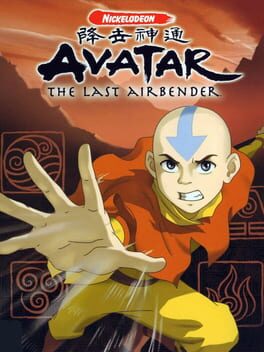
- 2006First console tie-in game released Avatar: The Last Airbender
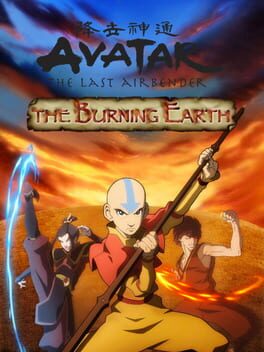
- 2007The Burning Earth game continues the video game line Avatar: The Last Airbender - The Burning Earth
- 2008Series finale: Sozin's Comet, four parts, the show concludes Avatar: The Last Airbender
- 2010M. Night Shyamalan's live-action theatrical film The Last Airbender
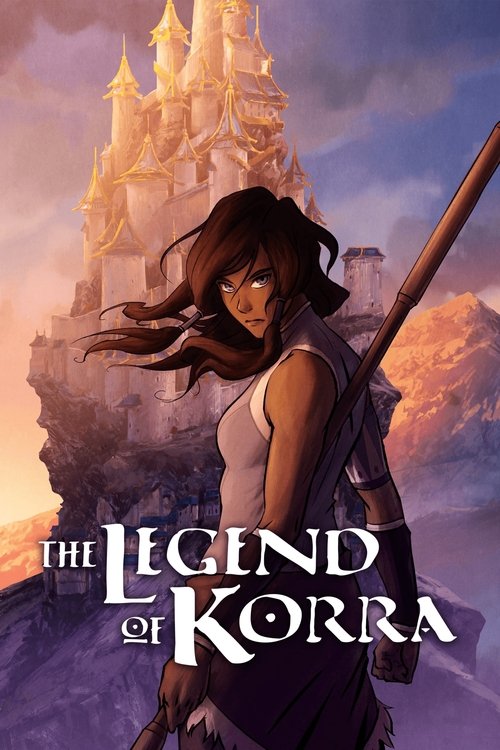
- 2012Sequel animated series premieres on Nickelodeon The Legend of Korra
- 2014The Legend of Korra concludes after four Books The Legend of Korra
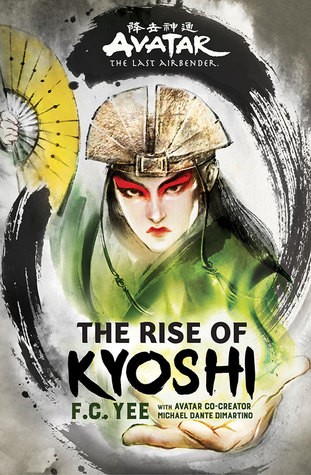
- 2019Young adult novel set before the series, starring Avatar Kyoshi The Rise of Kyoshi
- 2024Netflix live-action remake series Avatar: The Last Airbender
If you love the bending world's scope and mythology
Epic fantasy series with deep world-building and elemental or spiritual systems

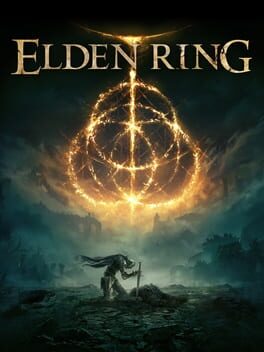
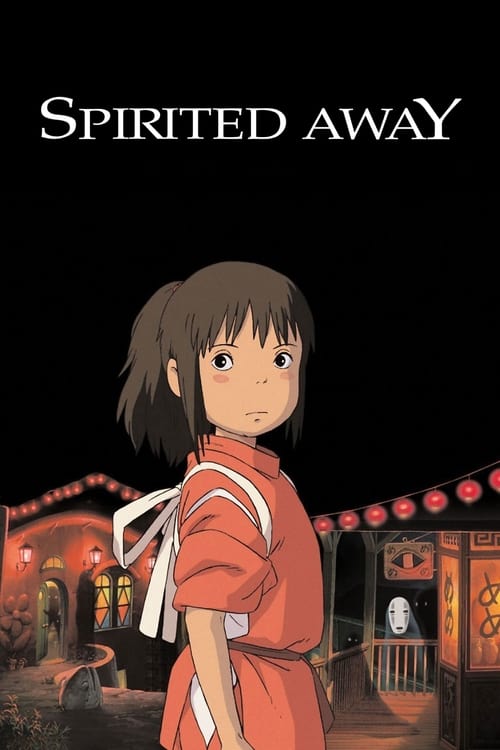
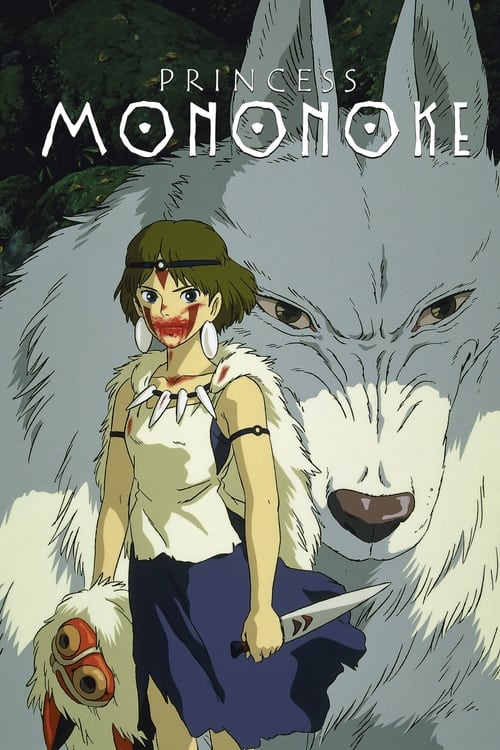

If you love Aang's coming-of-age arc and reluctant hero
Young protagonists shouldering impossible burdens and finding their own path
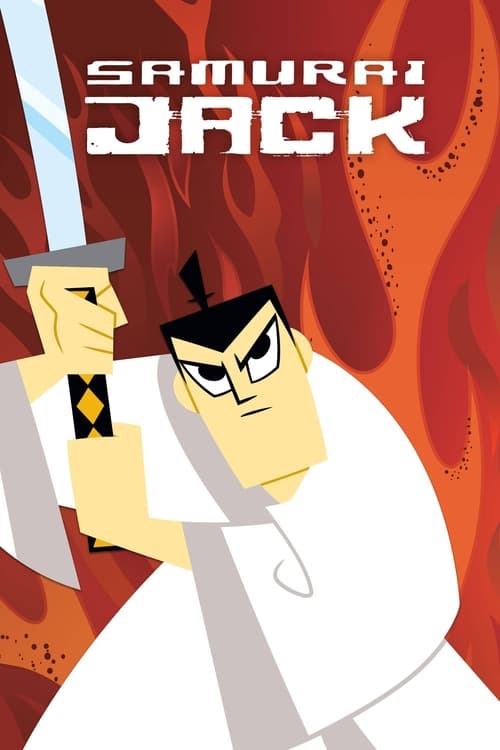


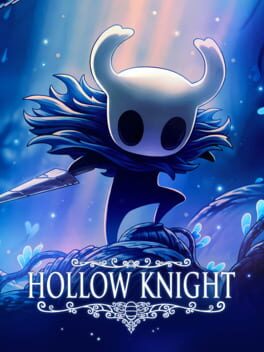
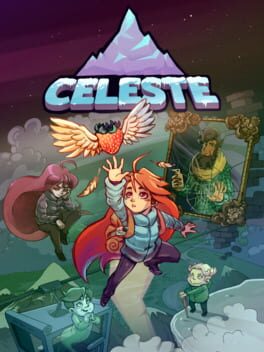
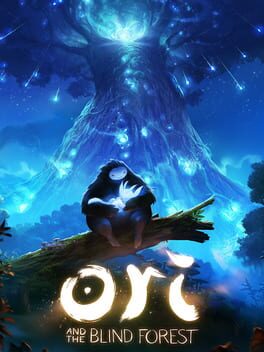
If you love the Fire Nation's moral complexity
Stories about empire, redemption, and characters forced to choose which side they are on
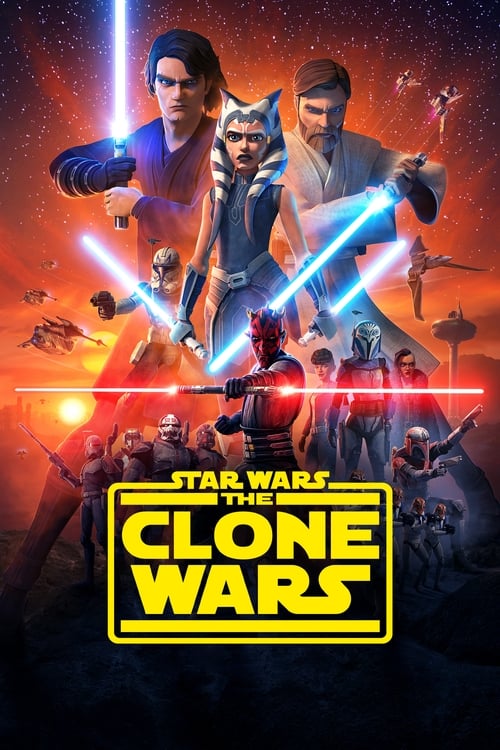

If you love the found-family dynamics of Team Avatar
Ensemble casts bound together by loyalty rather than blood

The definitive version is still the original, and it is not close
The 2005 animated series remains one of the best fantasy narratives ever made for any audience, in any medium. Three seasons of almost no filler, a villain arc in Zuko's redemption that is taught in screenwriting courses, and a finale that delivers on every promise the show made. DiMartino and Konietzko had full creative control, and you can feel it in every episode. Nothing that followed has come within striking distance of the original.
The Legend of Korra is genuinely underrated, especially its later Books
Korra got a rough ride from fans who wanted a repeat of Aang's journey, and its first season (too short, too compressed by network notes) did not help. Books 3 and 4 are a different story. The Red Lotus arc in Book 3 is some of the best action storytelling in Western animation, and Book 4's villain Kuvira is more politically complex than anything in the original series. Anyone who stopped after Book 1 stopped too soon.
The 2010 film is the rare adaptation that gets everything wrong
M. Night Shyamalan's 2010 live-action feature does not simply fail as an adaptation. It mispronounces its own characters' names, flattens a three-season arc into 103 joyless minutes, and strips out the humor and warmth that made the cartoon work. It was a critical and commercial failure, and it led DiMartino and Konietzky to eventually depart the Netflix remake over creative differences. There is nothing here worth excavating.