
The Feeling That Started Everything
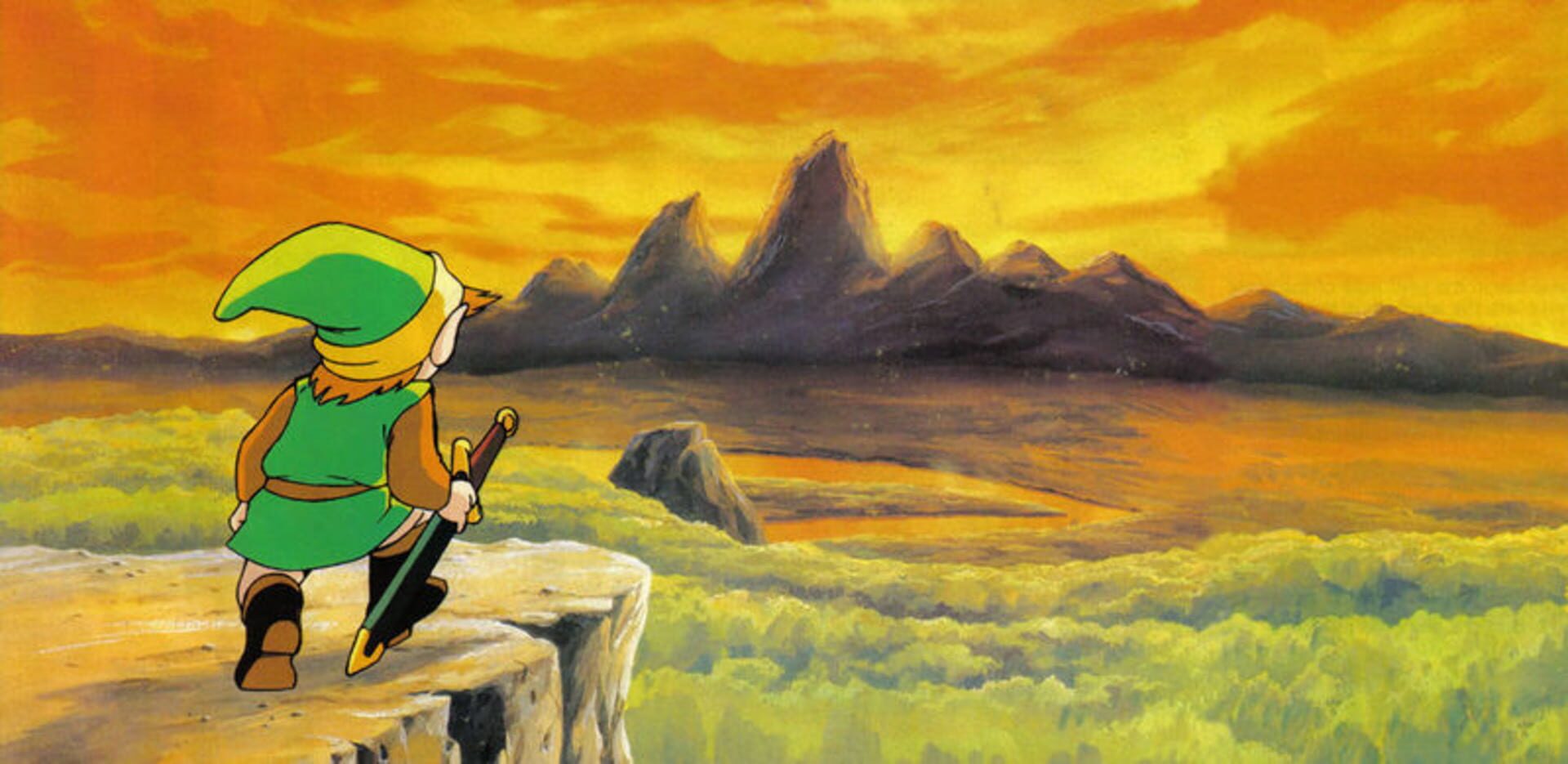
Picture a boy stepping out of a house into a field with no instructions, no map, and no hand holding. The horizon is wide. Something is buried in that mountain. You have no idea how to get there yet. That feeling, the combination of open space and quiet menace and the certainty that there is something to find, is what The Legend of Zelda has delivered since 1986 and what the best of fantasy across every medium has always reached for.
Zelda games are action-adventure games built around exploration, puzzle-locked dungeons, an evolving arsenal of tools, and a mythology that deepens with every entry. Link is the player. The world is the puzzle. The reward is not a number on a screen but a new room, a new song, a new corner of Hyrule that nobody told you was there. The franchise has never made the same game twice, but it has always made the same feeling: you are small, the world is vast, and you are exactly the right person for this.
Essential Zelda
The core canon, ranked by importance to the lineage
 The Legend of Zelda: Ocarina of Time
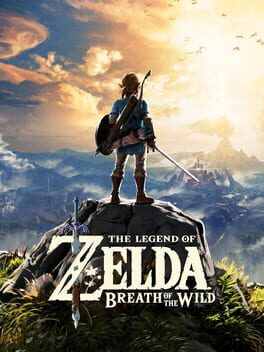 The Legend of Zelda: Breath of the Wild
 The Legend of Zelda: A Link to the Past
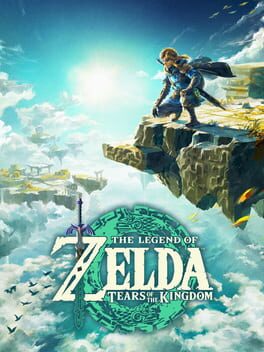 The Legend of Zelda: Tears of the Kingdom
 The Legend of Zelda: Majora's Mask
 The Legend of Zelda: The Wind Waker
 The Legend of Zelda: Twilight Princess
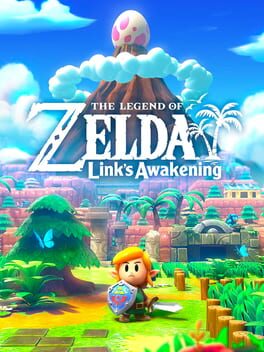 The Legend of Zelda: Link's Awakening
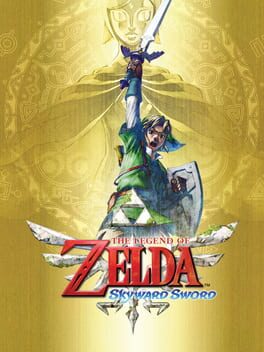 The Legend of Zelda: Skyward Sword
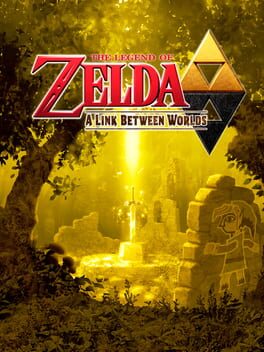 The Legend of Zelda: A Link Between Worlds
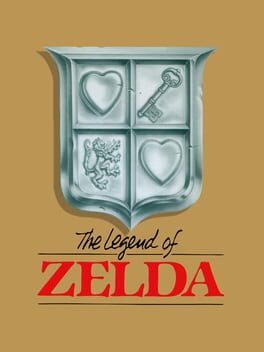 The Legend of Zelda
 The Legend of Zelda: Oracle of Ages
Games That Speak the Same Language
Action-adventure games built on exploration, clever tools, and worlds that reward curiosity
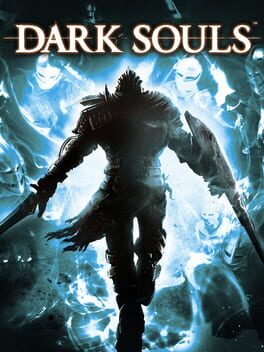
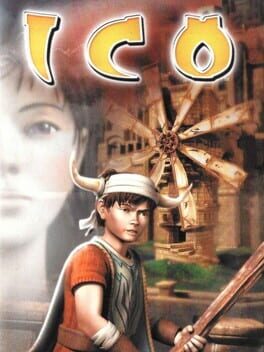
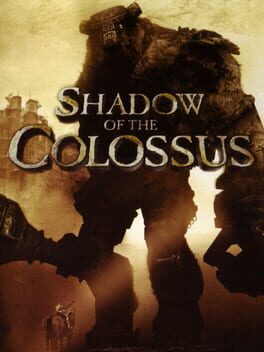
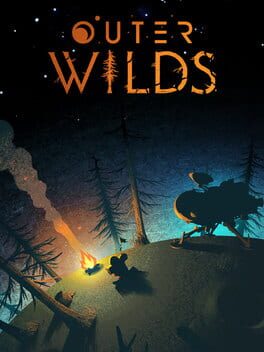
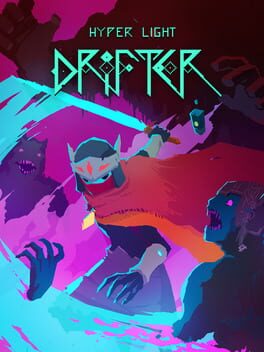
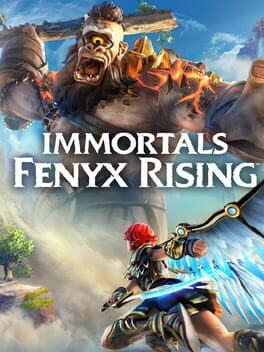
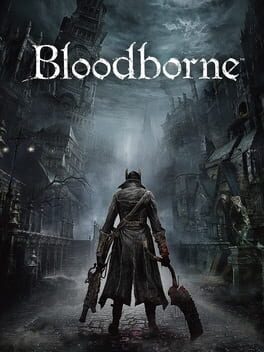
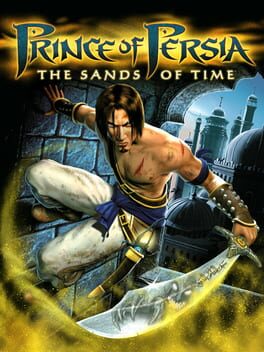
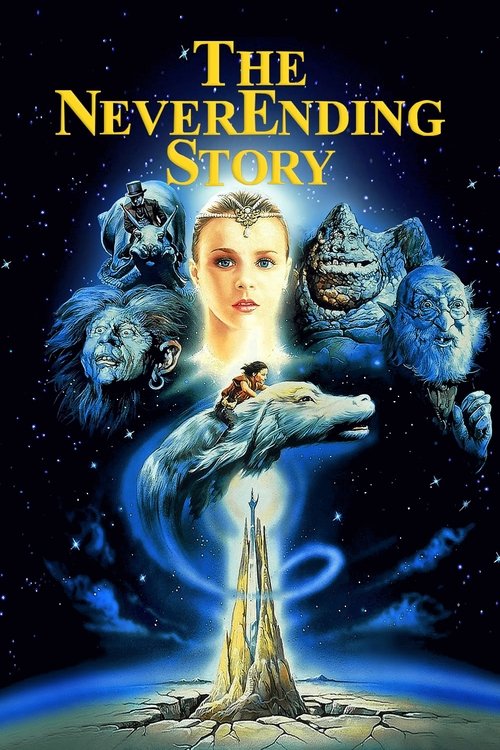
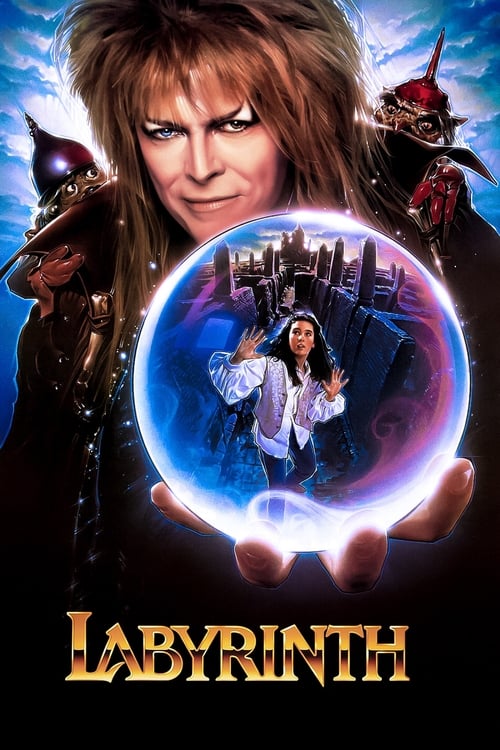
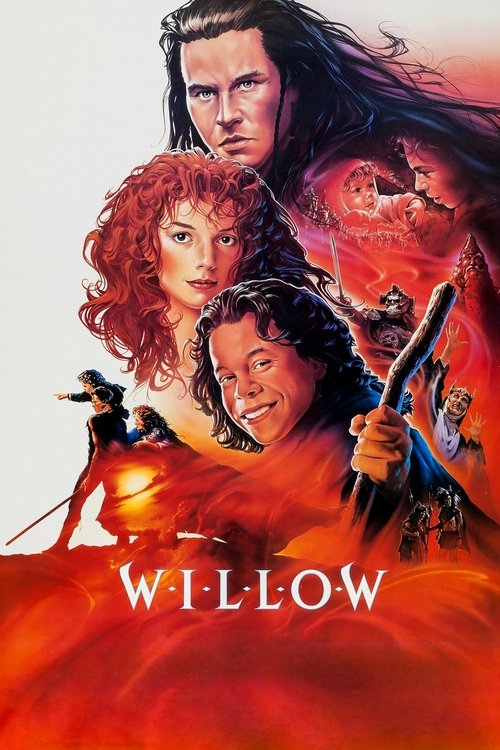
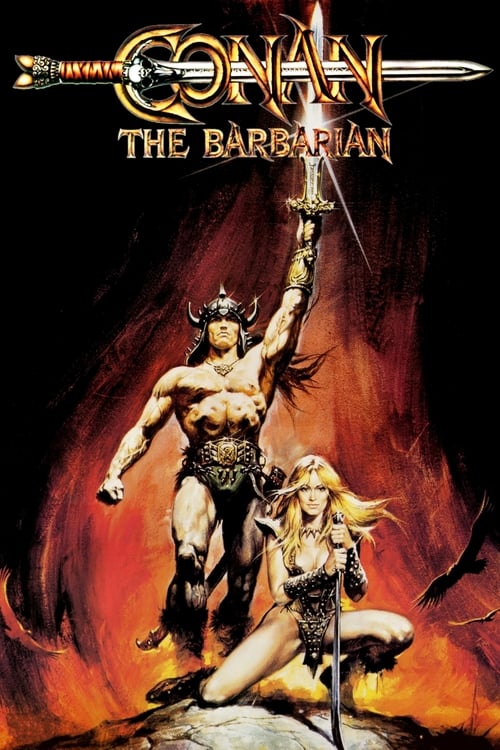
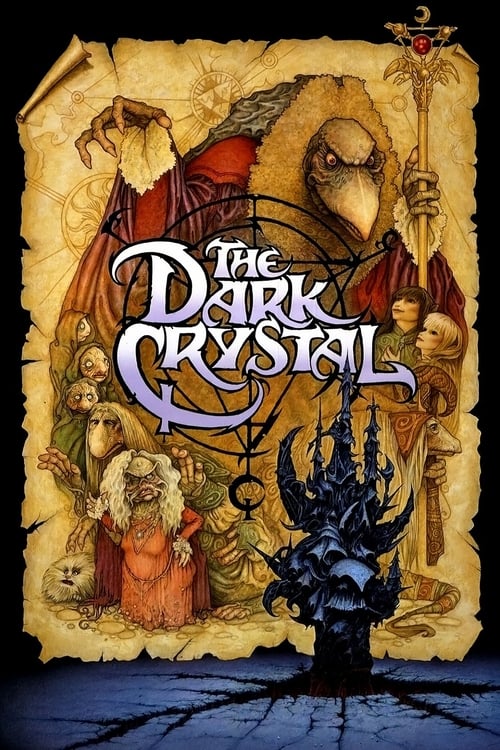
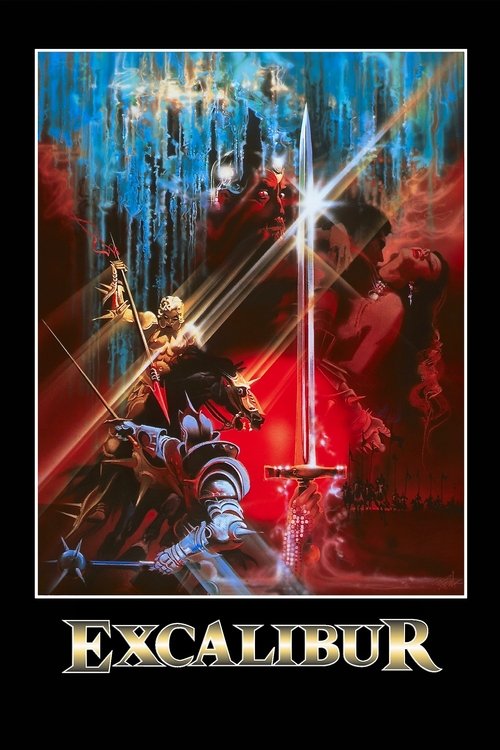
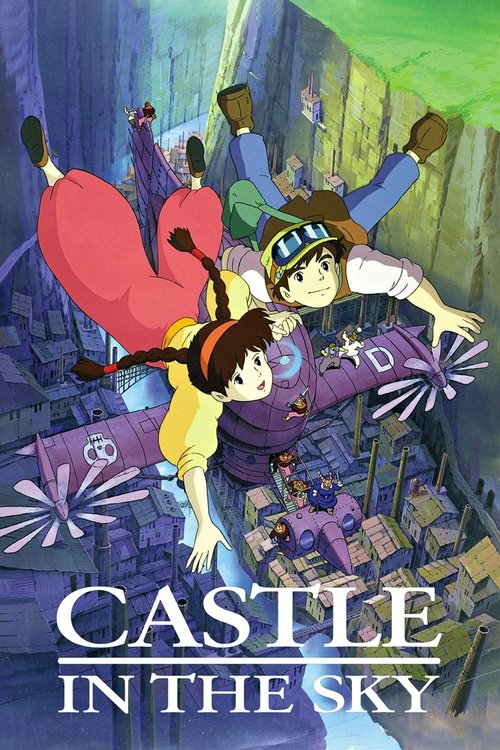
Fantasy Films With the Same Sense of Adventure
Movies that open a world and let you feel its scale before the hero does

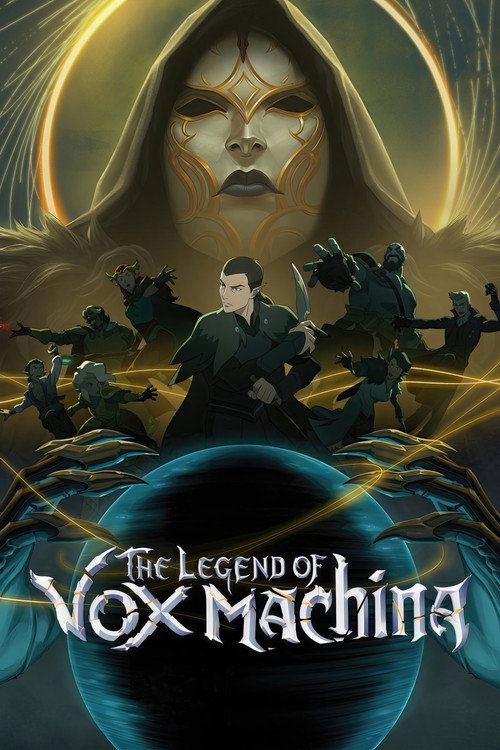
Series That Build a World You Want to Live Inside
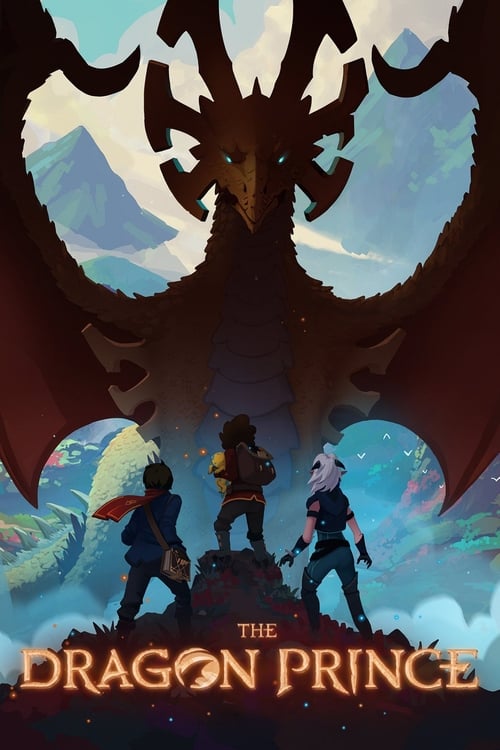
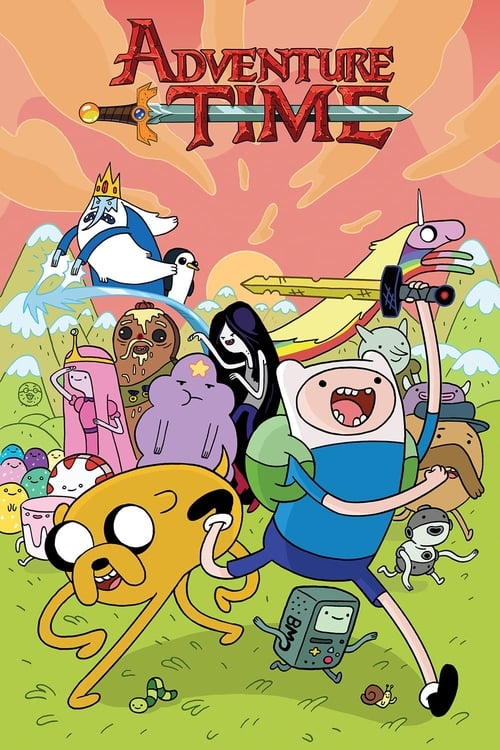
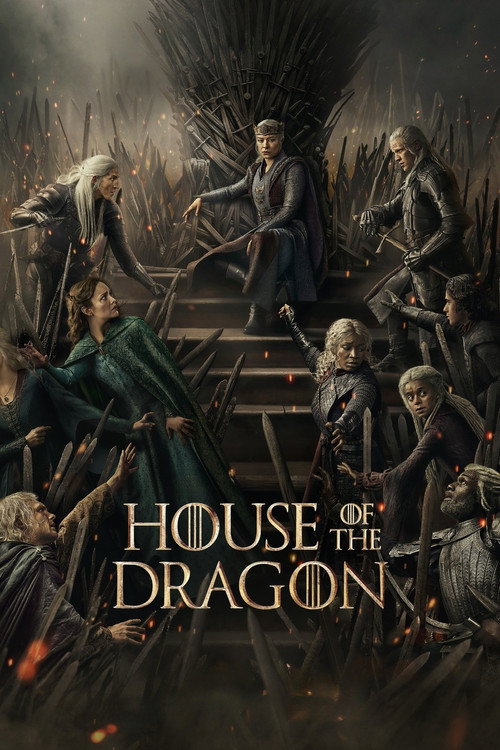
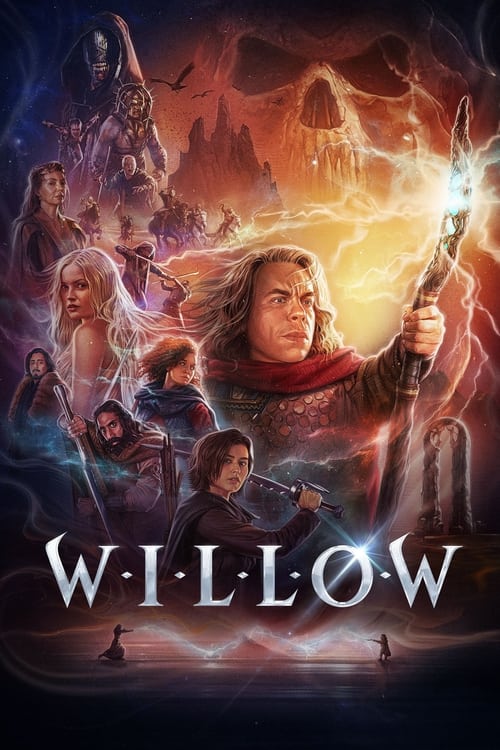
Fantasy television that earns its mythology one episode at a time



Books That Carry the Same Sense of Discovery
Fantasy novels where the world itself is the point, and maps are not enough


Majora's Mask Is the Best Zelda Game and It Has Never Been Equaled
Ocarina of Time is the landmark. Breath of the Wild is the revolution. But Majora's Mask is the masterpiece: a game about grief, repetition, and the weight of doing what you can before time runs out. Its three-day cycle is not a gimmick but a structural argument about how we process loss. No other game in the series, and very few in any series, has built its mechanics so completely in service of an emotional idea.
Okami Is What Zelda Would Be If Zelda Were a Painting
Okami borrows everything from Zelda: the overworld, the dungeons, the item progression, the ancient evil. Then it does something Zelda never quite attempted: it makes the art direction the mechanic. The Celestial Brush is not a gimmick layered over a Zelda clone; it is the core argument of the game, a reminder that creation and destruction are the same gesture, just aimed differently. If Zelda is about courage, Okami is about beauty, and beauty is harder to design for.
Ursula K. Le Guin Wrote the Spirit of Zelda Before Miyamoto Did
A Wizard of Earthsea predates the first Zelda by nearly two decades, yet the DNA is unmistakable: a young hero, a series of islands and dungeons, a central mystery that turns out to be about the hero's own shadow, and a world whose magic has rules and costs. Le Guin understood that adventure stories work when they are secretly about the self. Miyamoto intuited the same thing in hardware and cartridge form. The two never needed to meet to arrive at the same place.
Outer Wilds Does to Space What Zelda Does to Hyrule
Both games give you a finite world and ask you to understand it rather than complete it. In Outer Wilds, nothing is blocked by ability gates or key items; everything is blocked by knowledge, and knowledge arrives as the shock of comprehension rather than the ping of an unlock. The emotional arc of Outer Wilds, from bewilderment to grief to acceptance, is closer to Majora's Mask than to any space game. The medium is different; the question is the same: what do you do with the time you have?
Forty Years Across Hyrule and Beyond
- 1986The Legend of Zelda launches on the Famicom Disk System in Japan, introducing open-world exploration to console games The Legend of Zelda
- 1988Zelda II: The Adventure of Link takes the series into side-scrolling RPG territory, a left turn the series never fully repeated
- 1991A Link to the Past establishes the top-down Zelda template: overworld, dungeons, dual worlds The Legend of Zelda: A Link to the Past
- 1993Link's Awakening on Game Boy proves the formula works at miniature scale and adds genuine narrative melancholy The Legend of Zelda: Link's Awakening
- 1996A Wizard of Earthsea enters its third decade of influence; Ursula K. Le Guin's archipelago quietly shapes how designers think about discovery worlds
- 1998Ocarina of Time ships on N64, the first 3D Zelda, and immediately becomes the canonical reference point for action-adventure game design The Legend of Zelda: Ocarina of Time
- 2000Majora's Mask ships in eleven months, a radical emotional experiment built on the Ocarina engine The Legend of Zelda: Majora's Mask
- 2001Ico arrives on PS2, proving that atmosphere and restraint could power an entire adventure without a word of dialogue Ico
- 2002Okami begins production at Clover Studio; it will ship in 2006 as the most Zelda-adjacent game ever made by another studio Ōkami
- 2002The Wind Waker reimagines Hyrule as an ocean, divides the fanbase, and is later understood as the series at its most joyful The Legend of Zelda: The Wind Waker
- 2005Shadow of the Colossus redefines boss encounters as moral arguments Shadow of the Colossus
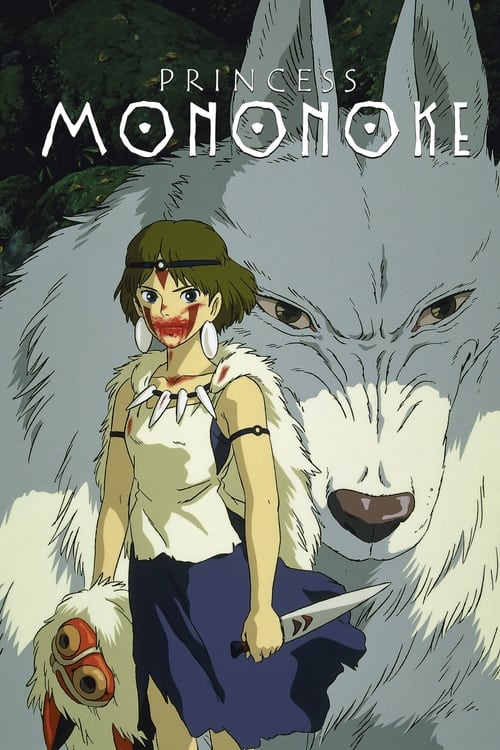
- 2006Twilight Princess is the dark, cinema-scaled Zelda; the same year Princess Mononoke enters global streaming and reminds everyone where that tone came from The Legend of Zelda: Twilight Princess
- 2009Avatar: The Last Airbender completes its run, establishing the template for serialized fantasy world-building in animation Avatar: The Last Airbender
- 2013A Link Between Worlds inverts A Link to the Past's dungeon order, making sequence-breaking a design principle rather than an exploit The Legend of Zelda: A Link Between Worlds
- 2015Hollow Knight enters development; it ships in 2017 as the decade's defining Metroidvania and its debt to Zelda's atmosphere is obvious Hollow Knight
- 2016Gravity Falls concludes, proving that mystery-box children's television could be dense, emotionally mature, and architecturally sound Gravity Falls
- 2017Breath of the Wild resets the genre: fully open world, physics-based puzzles, climbing every surface. The conversation about open-world design changes overnight The Legend of Zelda: Breath of the Wild
- 2019Tunic begins attracting attention; it will ship in 2022 as the most thoughtful love letter to classic Zelda in a generation Tunic
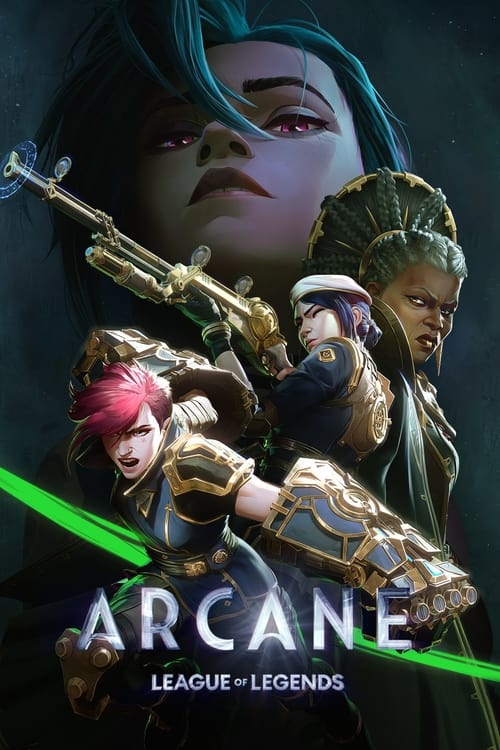
- 2022Arcane wins the Emmy for Outstanding Animated Program, signaling that prestige-quality animation is now viable for fantasy world-building Arcane
- 2023Tears of the Kingdom ships and immediately reframes what a sequel can do: same map, radically different physics, new mythology layered beneath the old The Legend of Zelda: Tears of the Kingdom
Wonder, adventure, fantasy worlds
Epic Fantasy
Explore the Epic Fantasy guide →It doesn't tell you to look. It just puts something worth looking at over every horizon.On what Breath of the Wild changed about open-world design