
Avatar: The Last Airbender ran on Nickelodeon from 2005 to 2008 and built something rare in animated television: a genuinely complete story. Across three books (Water, Earth, Fire), it follows Aang, a twelve-year-old Air Nomad reawakened after a century frozen in ice, who must master all four elements and end a century-long war before a comet supercharges the Fire Nation's forces. What holds it together is not the bending spectacle, striking as that is, but the emotional architecture: Zuko's slow, painful arc from antagonist to ally is one of the most carefully written character redemptions in any medium, animated or otherwise. The show earns every tear and every laugh. If the series grabbed you with its balance of humor, grief, and genuine stakes, the works below feed exactly that appetite across film, games, books, and music.
Essential Avatar: The Last Airbender
The core viewing order, from the frozen tundra to the comet


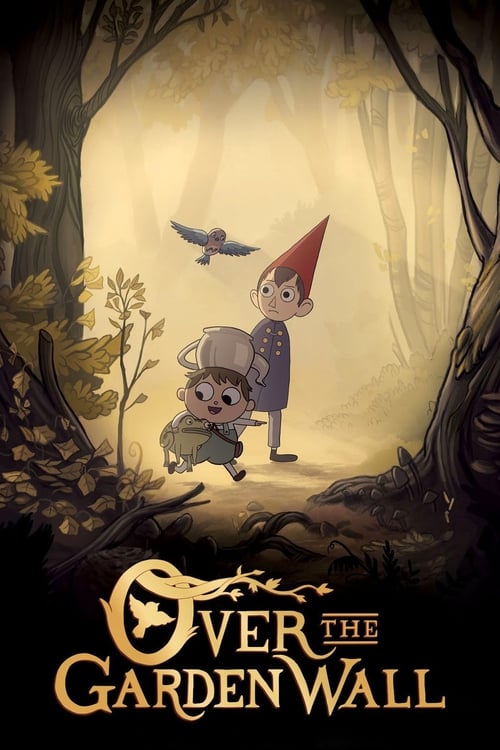
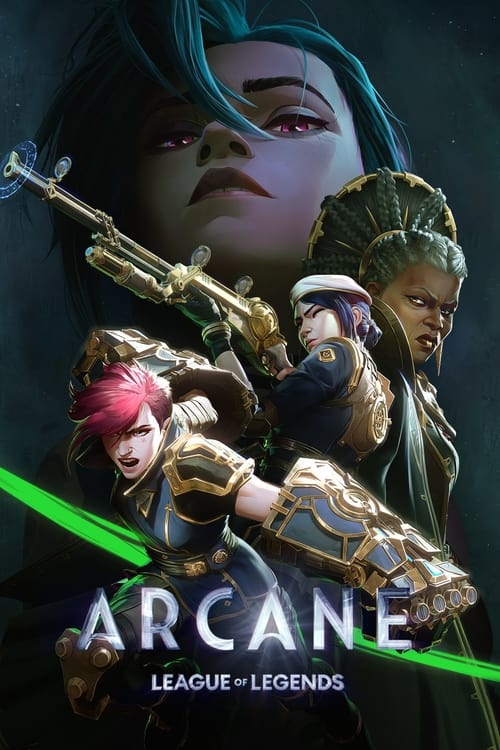
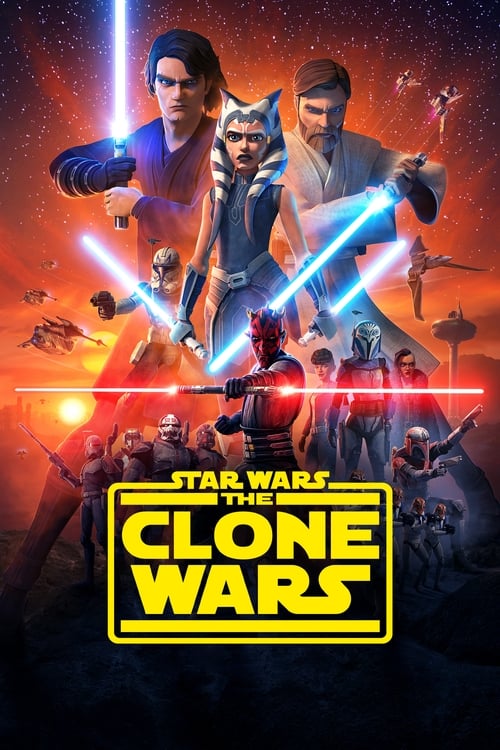
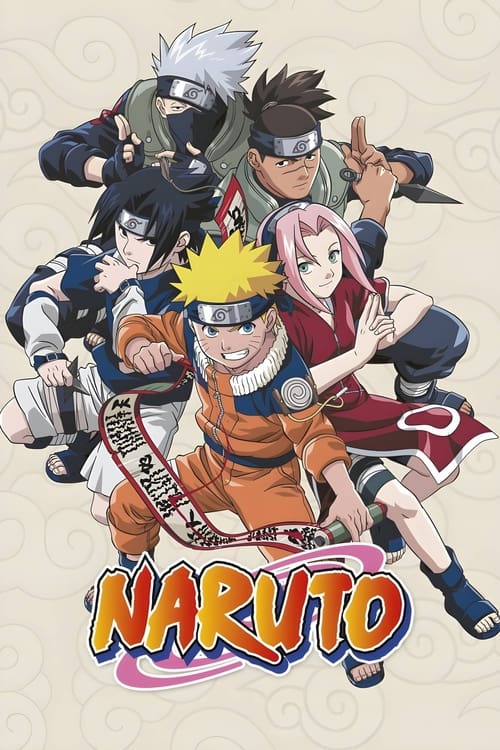
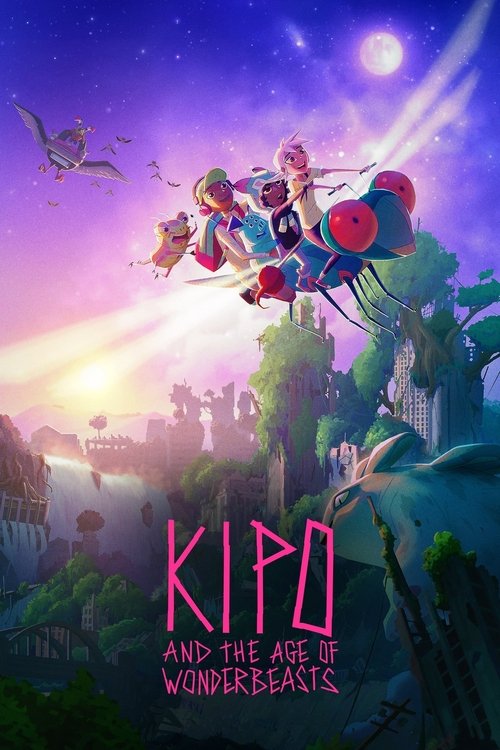
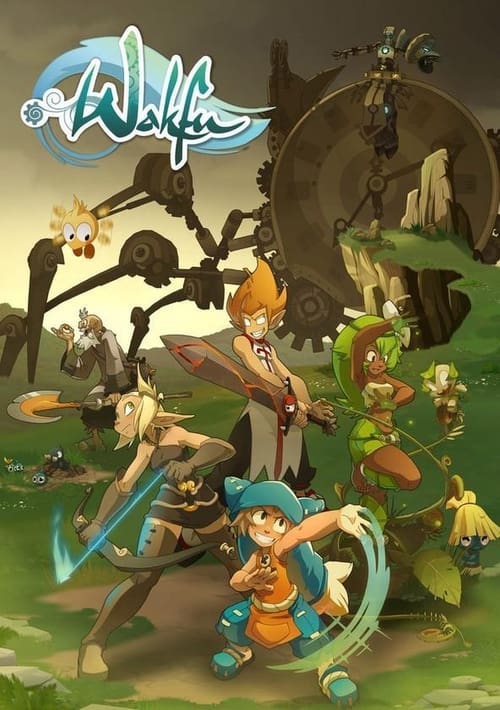
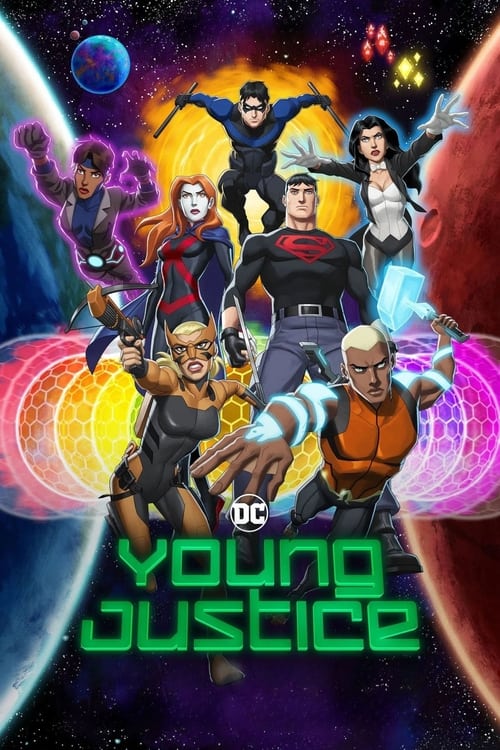
If You Love the Found-Family War Epic
Series that treat young characters with the same moral seriousness

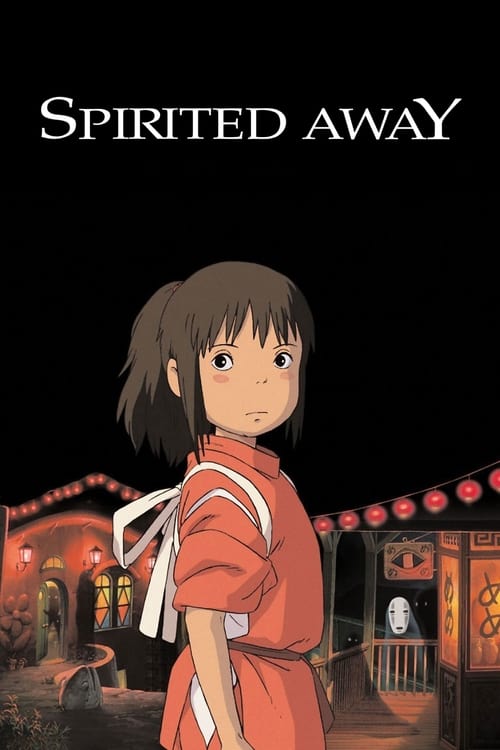
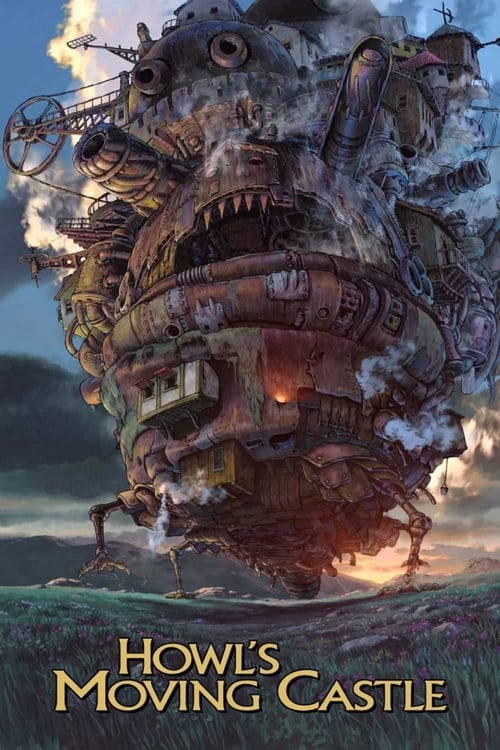
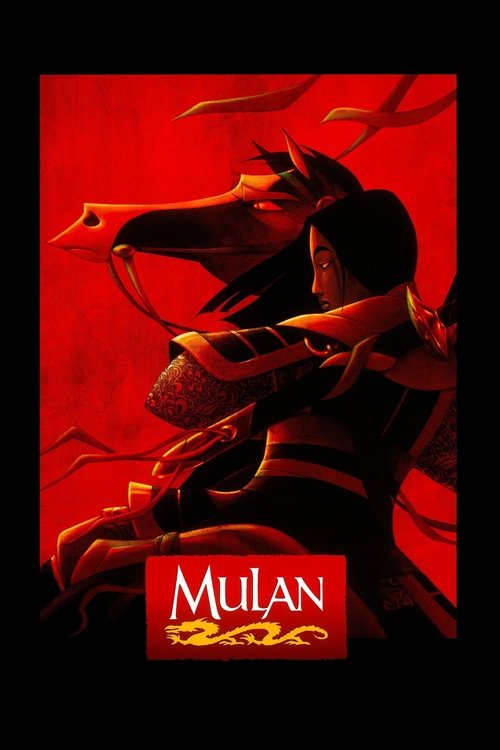
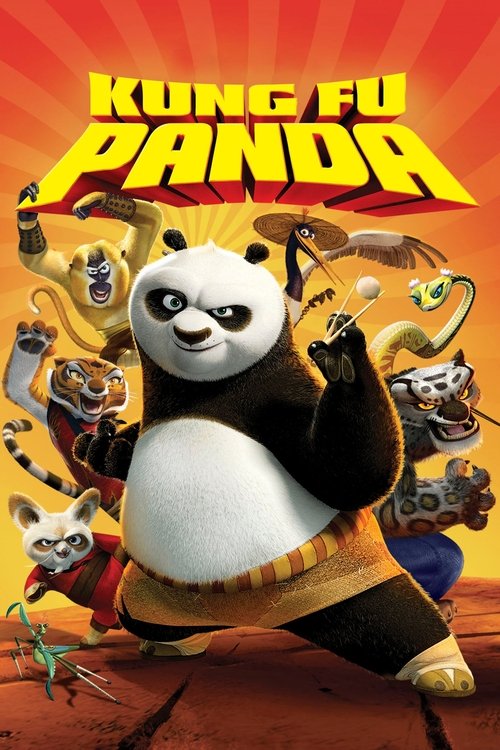
Films That Share the Spirit
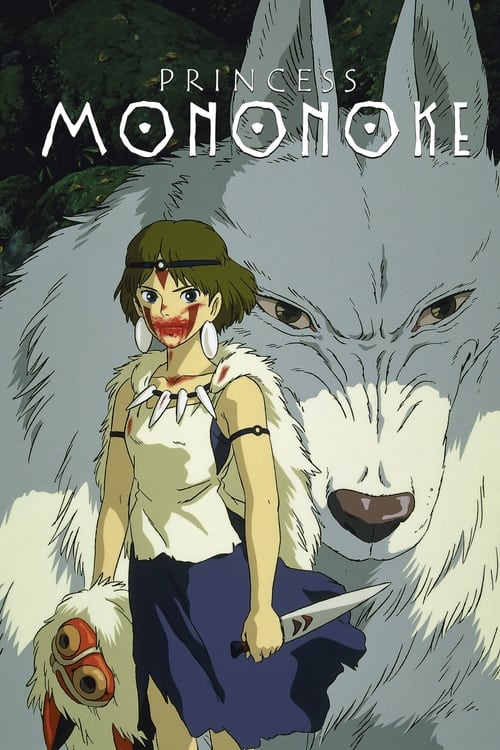
Movies with elemental wonder, moral weight, and earned endings
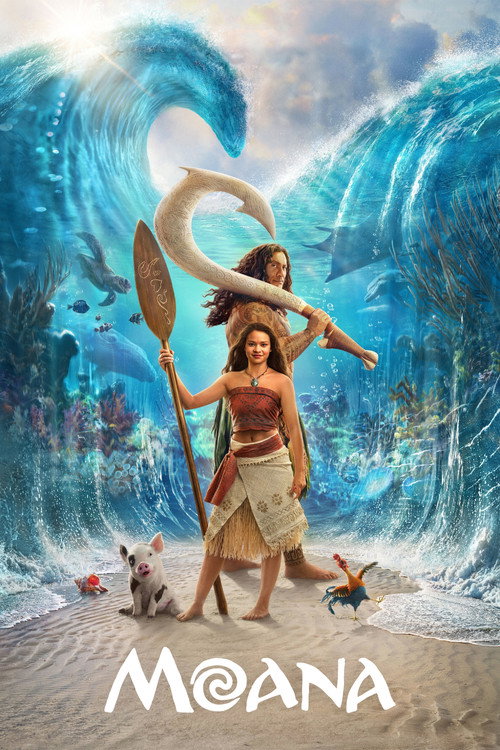

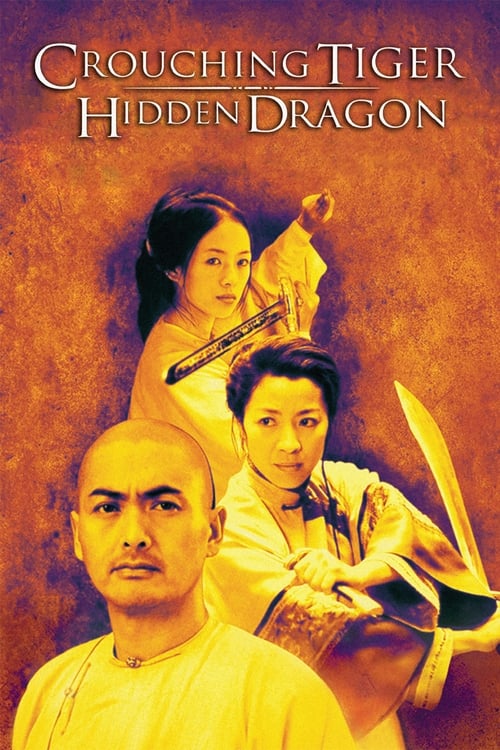
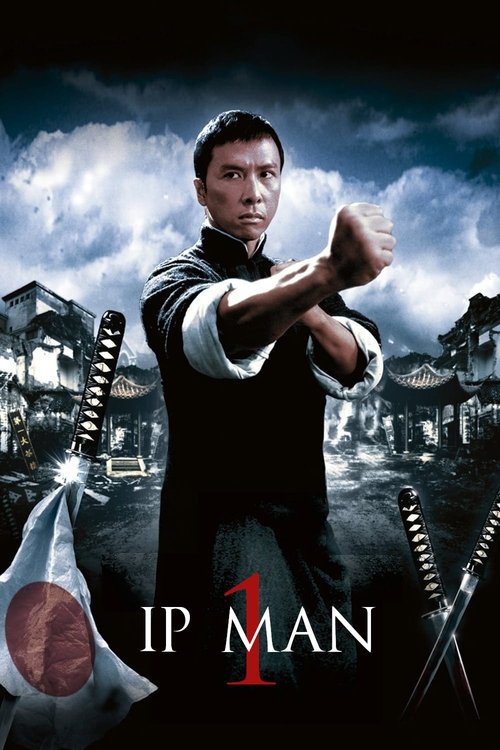
Games for Benders at Heart
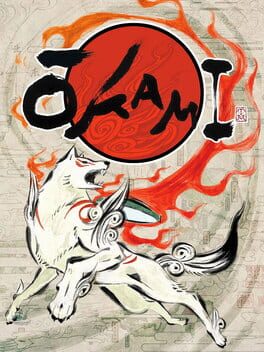
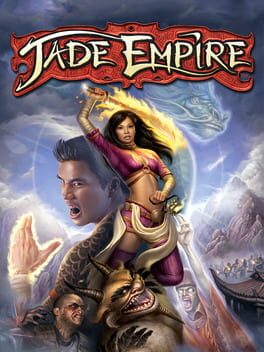
Games about elemental mastery, discipline, and saving the world one region at a time
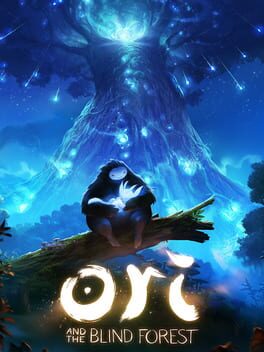

Books That Feed the Same Hunger
Novels with invented worlds, political depth, and characters who grow under pressure


Zuko's Arc Set the Bar for Animated Redemption
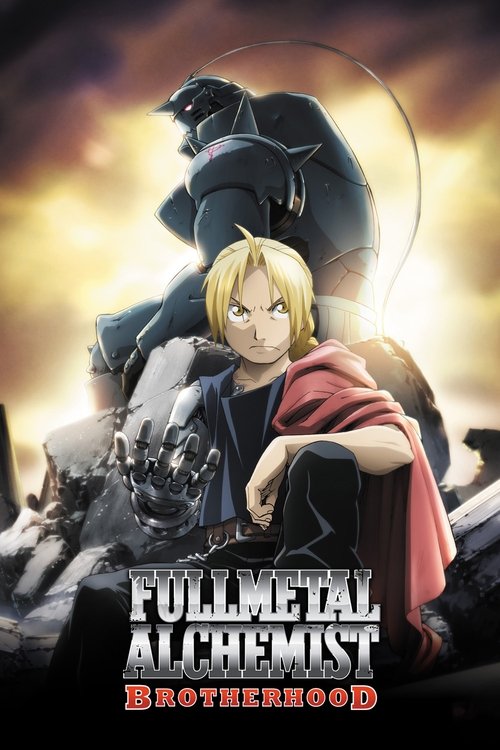
Most stories give a villain a single moment of change. Avatar gives Zuko three seasons of wrong turns, setbacks, and near-misses before he makes the right choice, and every stumble makes the eventual pivot feel real rather than convenient. His season two partnership with Aang in the crystal caves, followed immediately by his betrayal, is some of the sharpest writing in animated television. The show trusts the audience to hold complexity across years of story. Fullmetal Alchemist: Brotherhood does something similar with its ensemble, and Patrick Rothfuss's Kvothe in The Name of the Wind carries that same blend of talent and catastrophic blind spots.
The Show Took Asian Aesthetics Seriously
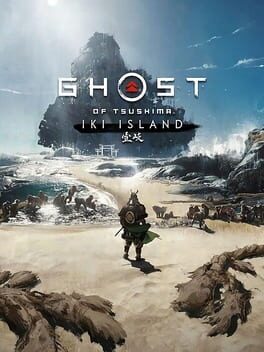
Avatar draws from Chinese, Japanese, Korean, Inuit, Tibetan, and Southeast Asian visual and cultural traditions not as decoration but as structural DNA. The four nations have distinct aesthetics rooted in specific real traditions: the Fire Nation's imperial architecture, the Earth Kingdom's Song dynasty-influenced stonework, the Water Tribe's Inuit-informed design. Crouching Tiger, Hidden Dragon and Ghost of Tsushima operate in that same spirit of loving specificity, and Ursula K. Le Guin's Earthsea books were a clear influence on how the show handles magic as something earned and consequential rather than simply powerful.
Aang Refuses the Obvious Answer
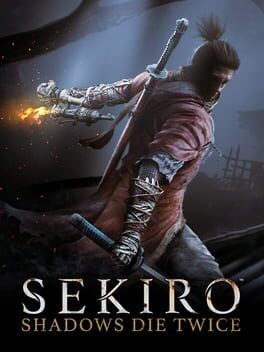
The final season builds to a question most action stories dodge: what if the hero's values mean the expected ending is wrong? Aang will not kill. Not because the show is squeamish, but because it respects the character's belief system enough to make the entire climax hinge on finding a different path. That refusal to treat moral constraints as obstacles to the plot is what separates Avatar from a lot of its genre. Mistborn: The Final Empire and Sekiro: Shadows Die Twice both play a similar game, building up an assumption about how the story must end and then finding a harder, truer resolution.
The Music Carries More Weight Than You Remember
The Track Team (Jeremy Zuckerman and Benjamin Wynn) scored Avatar with a live instrumental palette that borrowed from Chinese classical and Tibetan folk music. The result is a score that sounds like no other Western animated series. Key cues, particularly the ones accompanying Zuko's moments of crisis, work as standalone emotional pieces. Joe Hisaishi's work for Studio Ghibli is the clearest parallel: music so tied to its images that you can hear the film in the melody. Ori and the Blind Forest builds its entire emotional world the same way, letting Gareth Coker's score do the heavy lifting.
The Avatar World, Expanded
- 2005Book One: Water premieres on Nickelodeon Avatar: The Last Airbender
- 2006Book Two: Earth, widely considered the high point Avatar: The Last Airbender
- 2008Book Three: Fire concludes the war arc Avatar: The Last Airbender
- 2010M. Night Shyamalan's live-action adaptation divides fans The Last Airbender
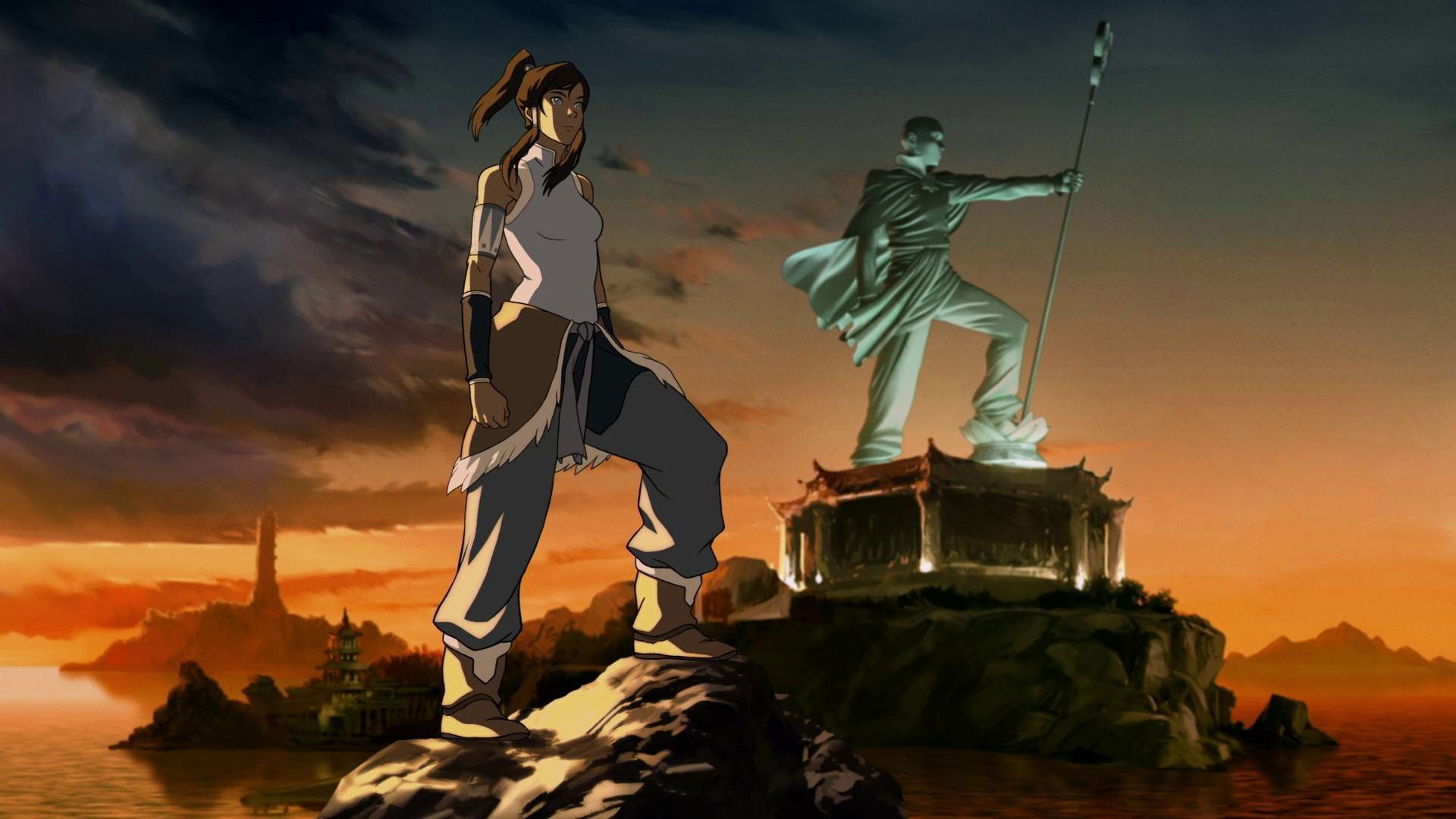
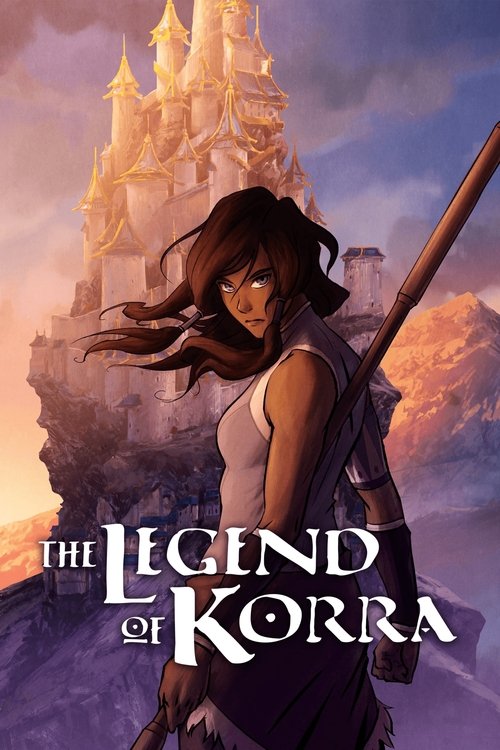
- 2012The Legend of Korra debuts, set 70 years after Aang The Legend of Korra
- 2014Korra concludes its four-book run with a landmark ending The Legend of Korra
- 2020Avatar arrives on Netflix, a new generation discovers it Avatar: The Last Airbender
- 2024Netflix live-action series launches Avatar: The Last Airbender
More elemental magic and epic adventure
Every Version of Avatar Aang: The Last Airbender
Explore the Every Version of Avatar Aang: The Last Airbender guide →The greatest illusion of this world is the illusion of separation.Guru Pathik, Avatar: The Last Airbender