
Where It All Started
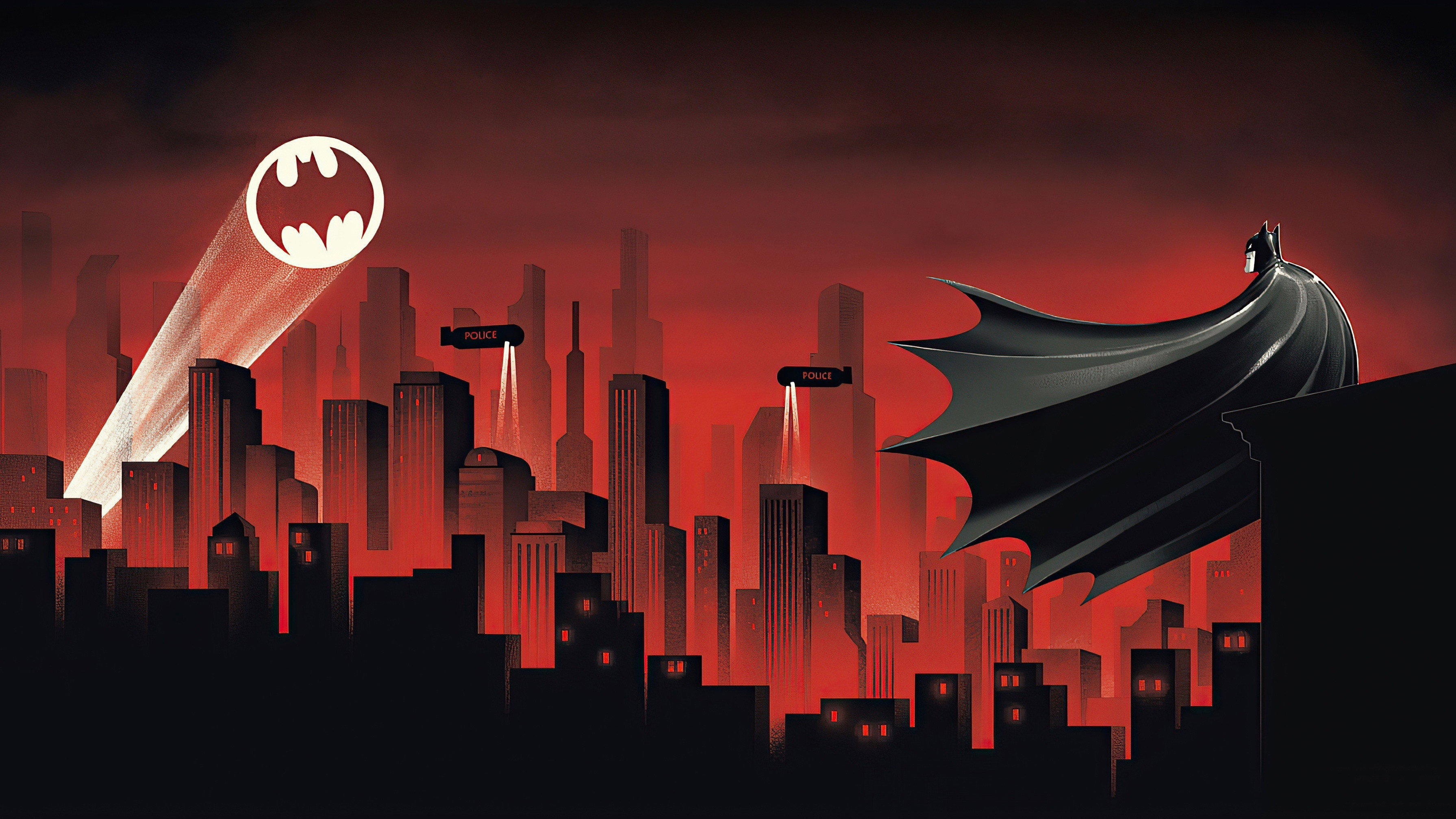
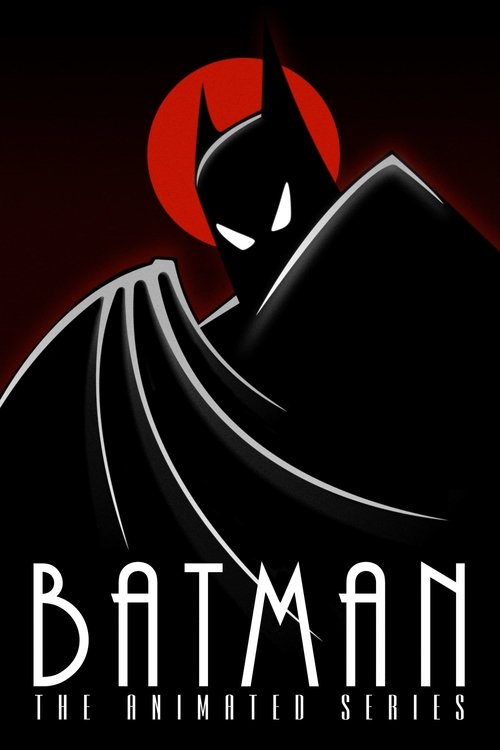
Batman: The Animated Series did not adapt a single comic book story. It drew from the whole sweep of Batman's history, from Bob Kane and Bill Finger's 1939 original to the Frank Miller and Neal Adams reinventions, filtered through the visual language of 1940s noir, German Expressionist film, and the Max Fleischer Superman cartoons of the same era. Producers Bruce Timm and Eric Radomski developed a deliberately adult aesthetic for a Saturday-morning block, painting backgrounds on black paper instead of white, building what they called 'Dark Deco.' The show premiered on Fox Kids in September 1992, arrived to immediate critical acclaim, and changed what animated television for families was allowed to be.
What followed was not a simple spin-off machine. The series spawned its own comics continuity, an expanded DC Animated Universe spanning two decades, a feature film in theatrical release, video games, and characters invented for the show (most famously Harley Quinn) who migrated back into mainstream DC Comics and eventually into blockbuster cinema. The animated series did not just adapt the mythology; it enlarged it.
Every Version
The source material, every direct adaptation, and the works born from it

The Timeline
- 1939Bob Kane and Bill Finger introduce Batman in Detective Comics #27
- 1992Batman: The Animated Series premieres on Fox Kids
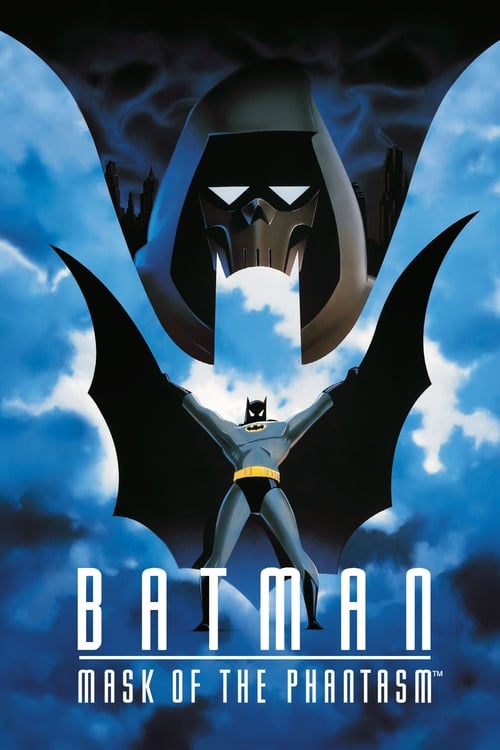
- 1993Batman: Mask of the Phantasm released theatrically
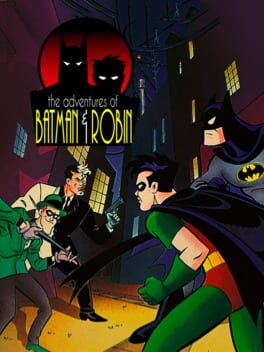
- 1994The Adventures of Batman and Robin video game adapts the animated continuity
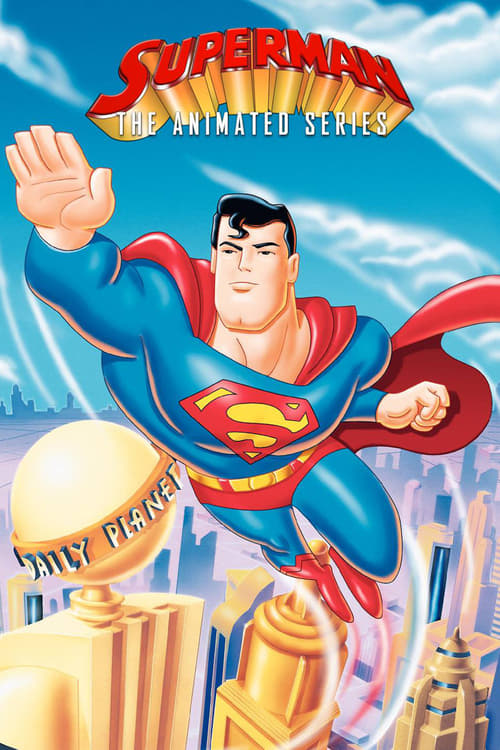
- 1996Superman: The Animated Series expands the shared universe
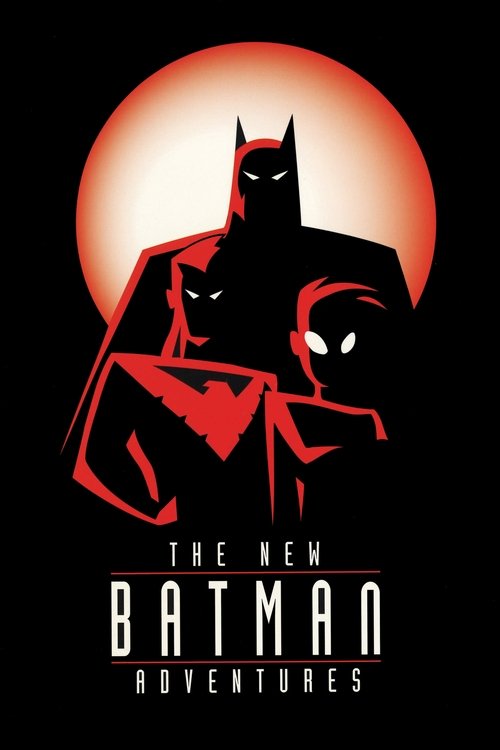
- 1997The New Batman Adventures relaunches the series with a redesigned cast
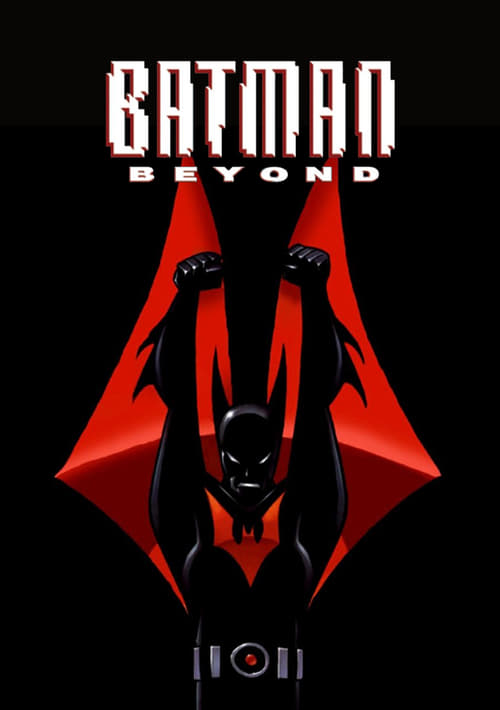
- 1999Batman Beyond premieres, set decades in the future of the DC Animated Universe
- 2000Batman Beyond: Return of the Joker released
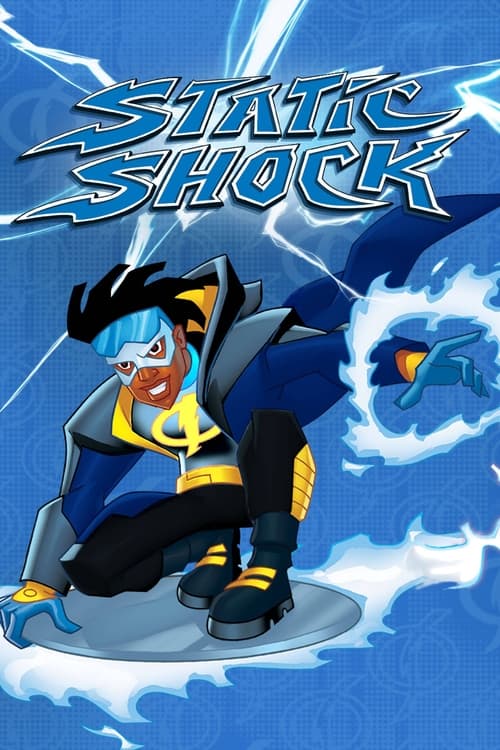
- 2000Static Shock premieres, introducing Virgil Hawkins into the shared animated world
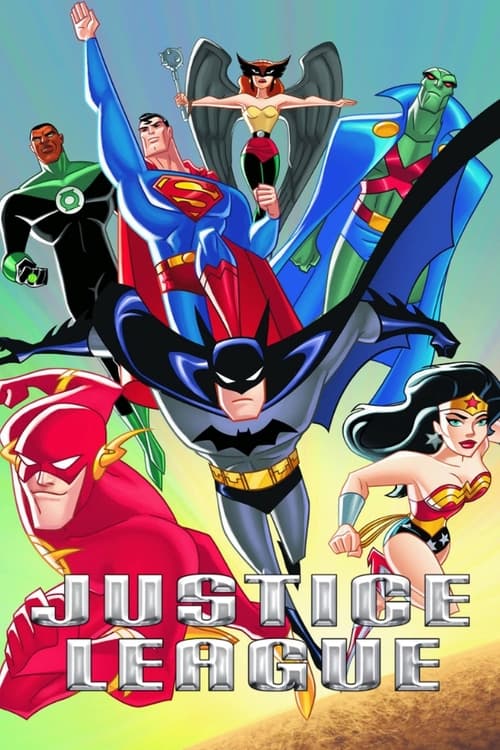
- 2001Justice League animated series brings together the heroes of the DC Animated Universe
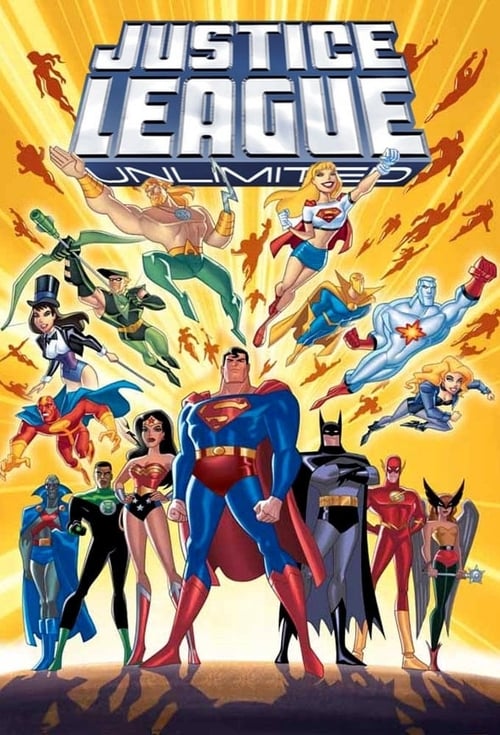
- 2004Justice League Unlimited expands the roster across three seasons
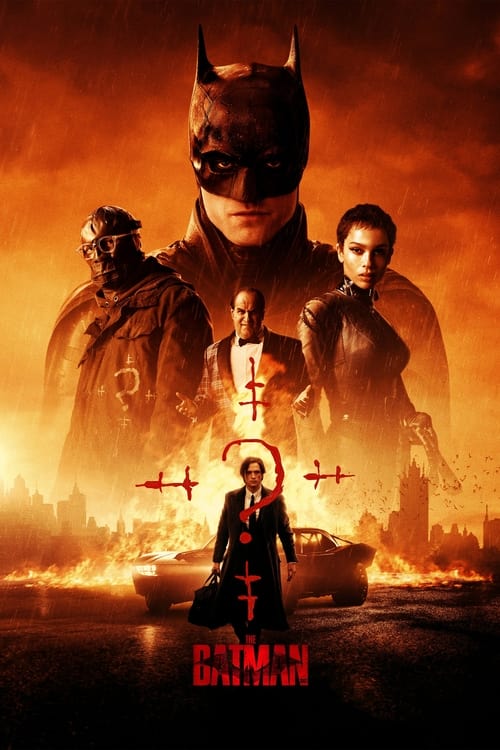
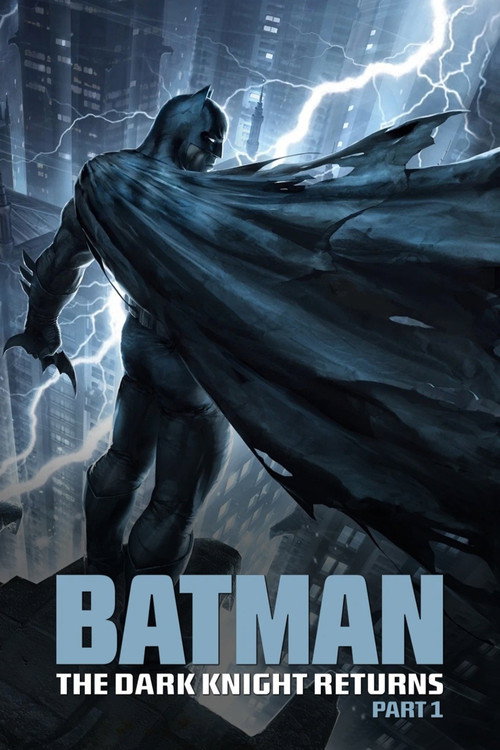
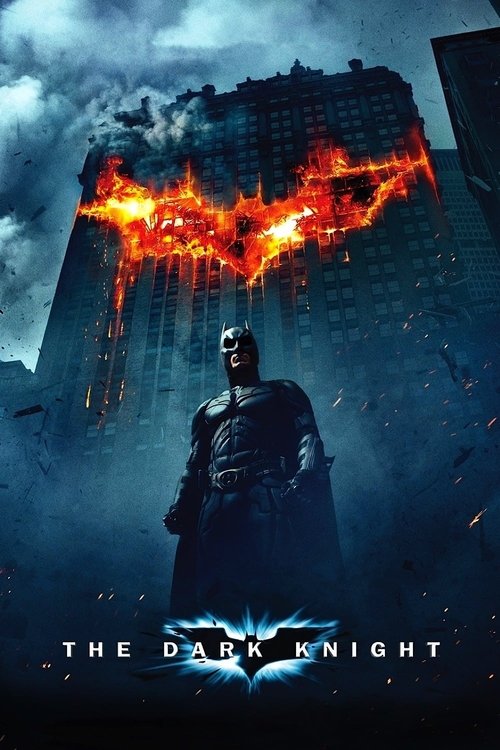
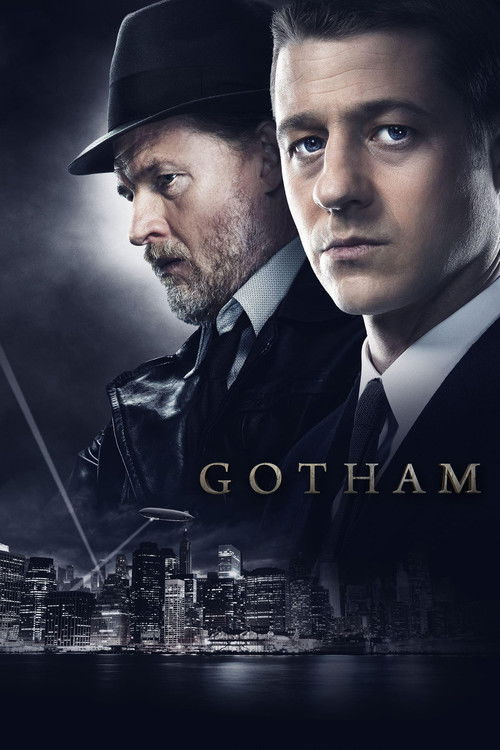
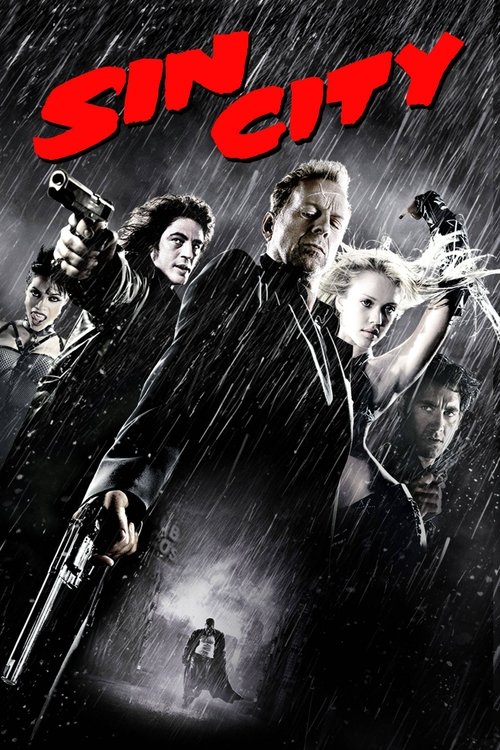
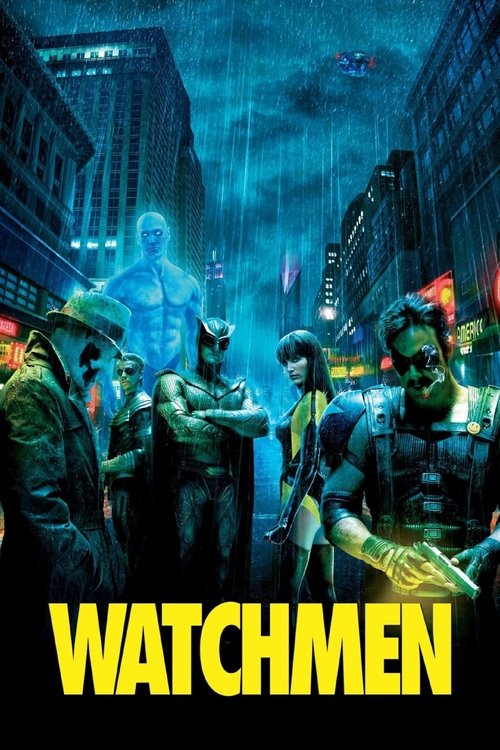
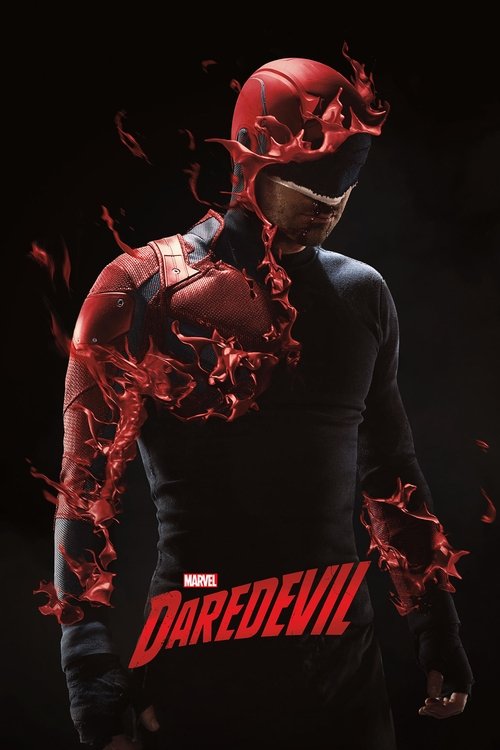
If You Love the Noir Atmosphere
Dark cities, moral complexity, and expressionist shadows


If You Love the Rogues Gallery
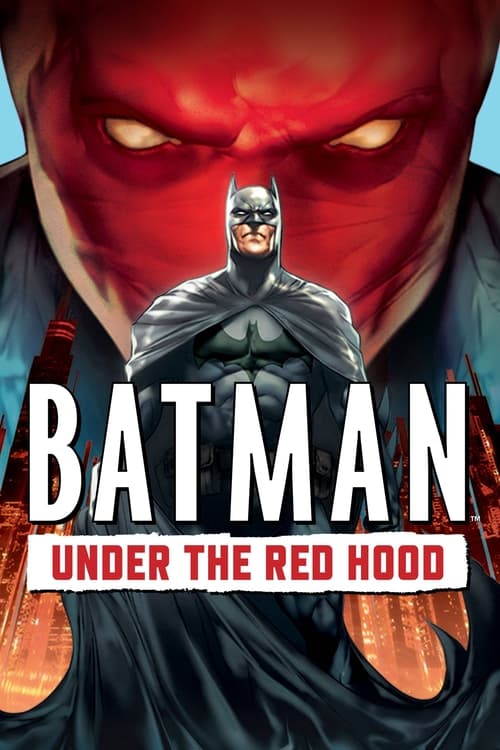
Great villain ensembles with psychological depth
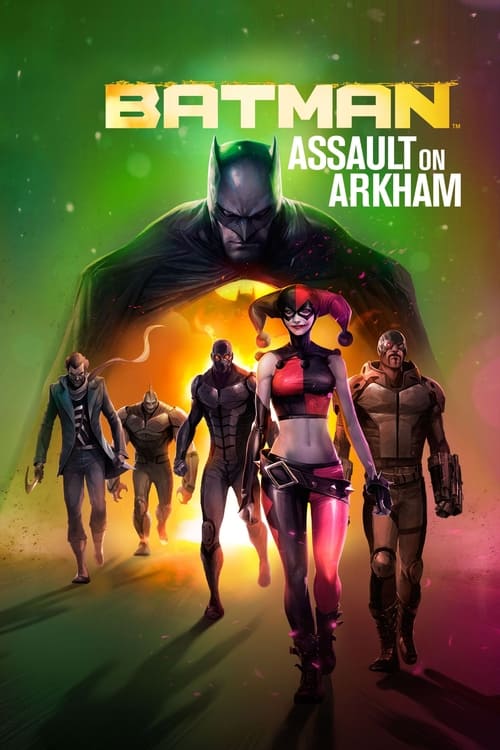

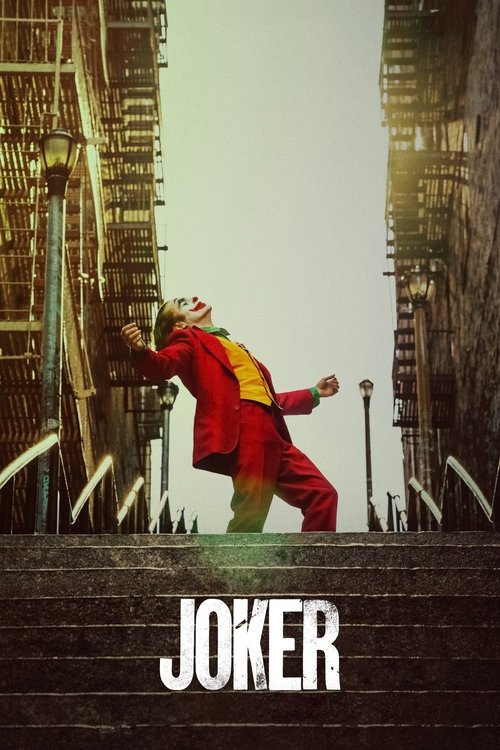
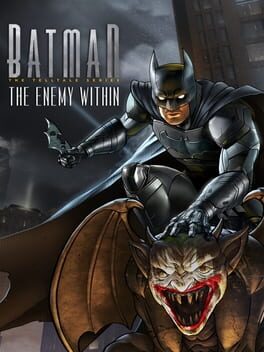
If You Love Bruce Timm's DC Animated Universe
The shared universe the series created
If You Love Animated Series That Raised the Bar
Shows that proved animation could be genuinely dramatic


The Definitive Version: Batman: Mask of the Phantasm
Batman: Mask of the Phantasm is the most complete and emotionally serious Batman film ever made. It went to theatres in 1993 on almost no marketing and bombed at the box office, which remains one of cinema's genuine injustices. The film centres on a doomed romance and the moment Bruce Wayne chose to become Batman, and it earns genuine tragedy because the animated series had already built the world. Mark Hamill's Joker appears at his most unnerving. Andrea Beaumont remains the best-written love interest in any Batman adaptation. Watch it before anyone tells you what happens.
The Underrated One: Batman Beyond
Batman Beyond is a genuinely bold creative decision: set the sequel series forty years in the future, replace Bruce Wayne with a teenager, and ask what the Batman mythology looks like when it has already become history. Terry McGinnis is a more appealing lead than many give him credit for, and the future-Gotham aesthetic has aged better than most sci-fi animation from the era. The series also produced Batman Beyond: Return of the Joker, a film about trauma and how evil persists across generations, released in a censored cut that blunted its most disturbing sequence. The uncut version is something else entirely. Both the show and the film get overlooked in conversations about the best DC animated work, which is a mistake.
The One to Approach Carefully: The New Batman Adventures
The New Batman Adventures is not bad; it is compromised. The character redesigns that streamlined everyone into sharper angles and fewer lines stripped away some of the expressiveness that made the original series so striking. Batgirl and Nightwing get expanded roles that are genuinely welcome, and a handful of episodes match the original run. But the overall visual texture is thinner, and watching it immediately after the original series makes the downgrade visible. Treat it as a coda, not a continuation at full strength.
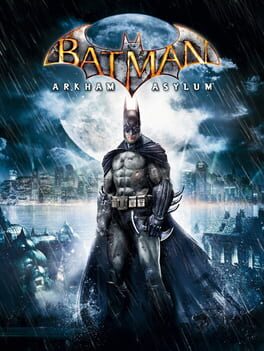
The Best Entry Point for the Arkham Games: Batman: Arkham City
Batman: Arkham City is the game that the animated series would have wanted: a villain ensemble treated with genuine craft, a city that feels like it was designed by the same hands that painted those black-paper backgrounds, and a script that goes somewhere genuinely dark. It is not adapted from the animated continuity, but it feels like the logical extension of the same aesthetic sensibility. If you arrive from the animated series expecting a video game that takes its subject seriously, this is where to go first.