
The Book That Started It
Joyce Carol Oates published Blonde in 2000 after a decade of research and drafts. It is not a biography. Oates was explicit about that: the novel uses Norma Jeane Baker (never "Marilyn Monroe" in its pages, not really) as a lens for examining what fame does to a person's interior life, how a public image can cannibalize a self. At over 700 pages, the book was nominated for the Pulitzer Prize and the National Book Award. It is dense, operatic, and deliberately uncomfortable.
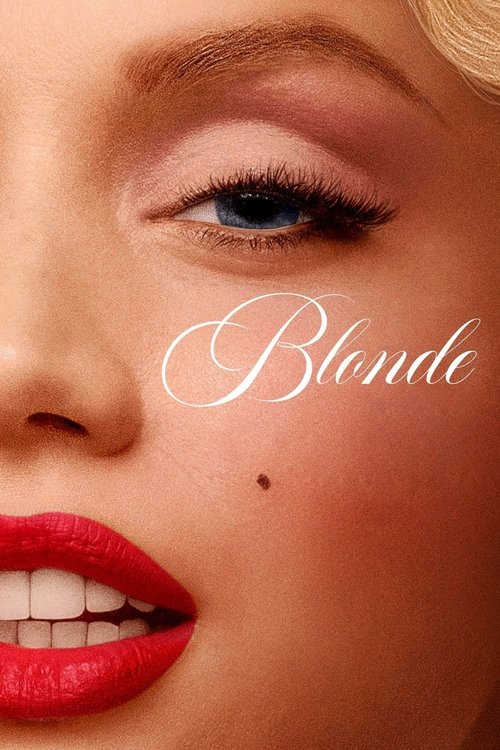
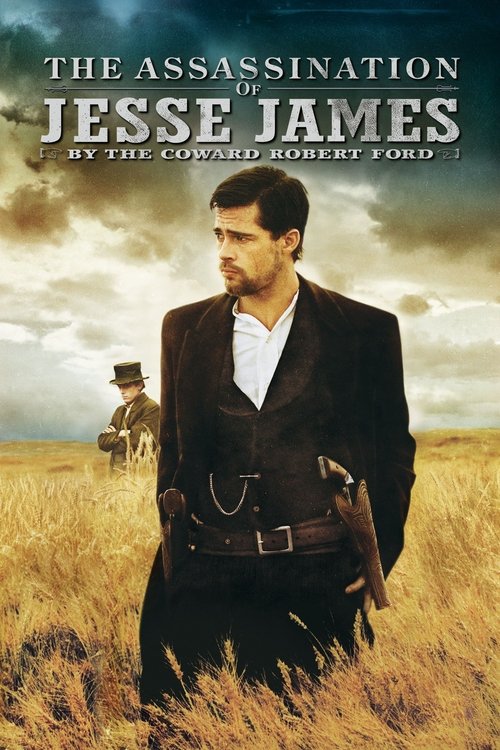
The story had obvious screen appeal, and Hollywood moved on it quickly. A CBS miniseries arrived just a year after the novel, in 2001, starring Poppy Montgomery. Two decades later, Netflix commissioned Australian director Andrew Dominik (who had made The Assassination of Jesse James by the Coward Robert Ford) to adapt it as a feature. That version, released in 2022 with Ana de Armas, became one of the most argued-about films of that year: its defenders called it a formal masterpiece and its critics called it exploitation. Both camps had a point.
Blonde Across the Decades
The definitive version is still the novel
Oates had twenty years to think about what she wanted to say before she wrote a word, and it shows. The novel's refusal to treat Marilyn Monroe as a historical figure rather than a human being is more radical than anything either film adaptation managed. It earns its length. The 2022 film is cinematically striking, but it does not replace the experience of reading the book straight through.

The 2022 film is underrated as pure cinema
Andrew Dominik's Blonde was savaged by some critics for its unrelenting bleakness and its NC-17 content, but the formal ambition is real. The film shifts between black-and-white and color, between aspect ratios, between realism and fever-dream. Ana de Armas gives a performance of genuine fragility. Whether you find the film's perspective on its subject respectful or not, it is not a lazy piece of work.
If you love Blonde: other fictionalized famous lives
Films that do to celebrity what Oates did to Monroe
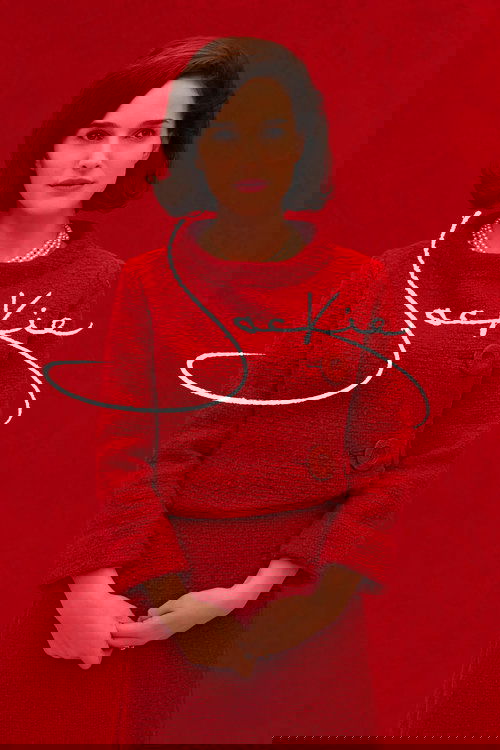
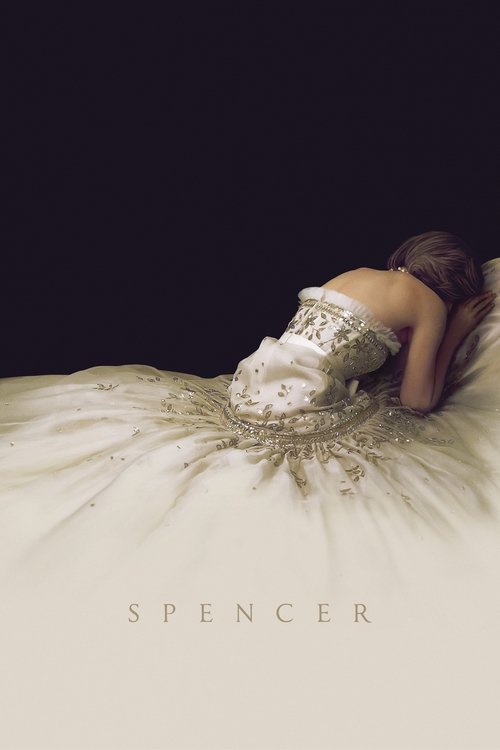
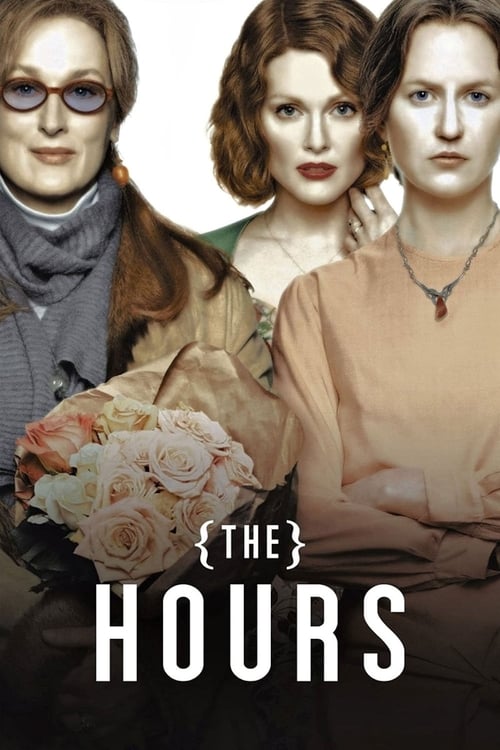
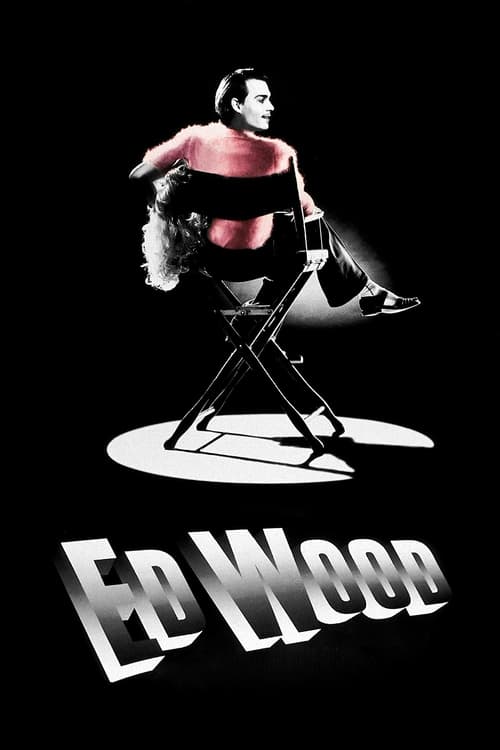
If you love Blonde: fiction about women crushed by the image they made
Books and films about the gap between public persona and private self
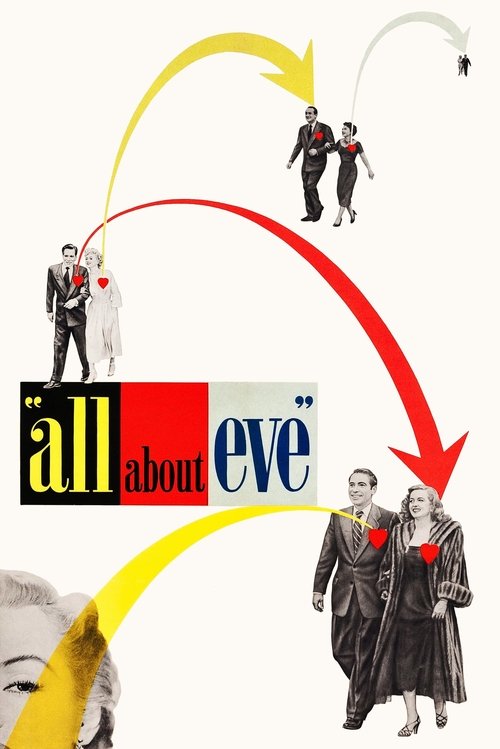
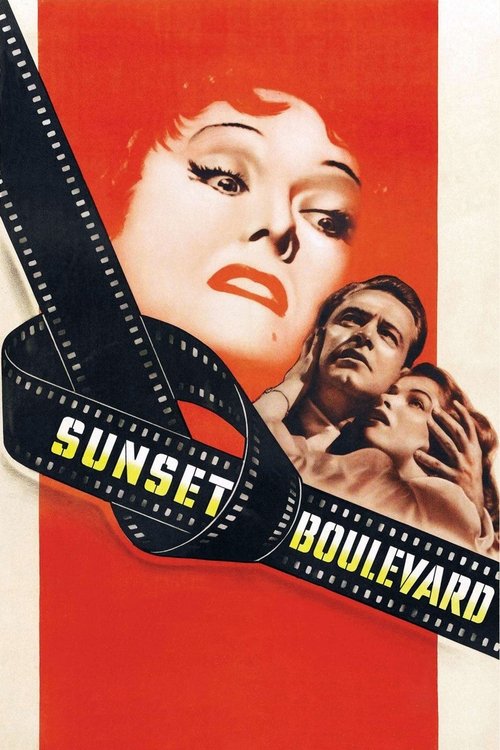
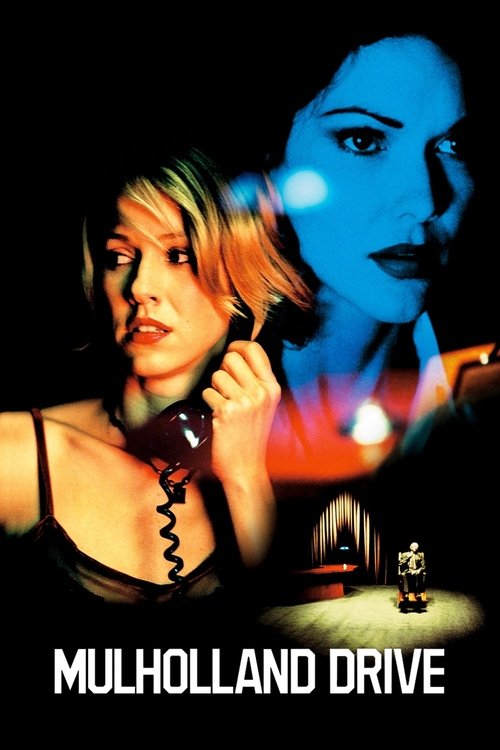

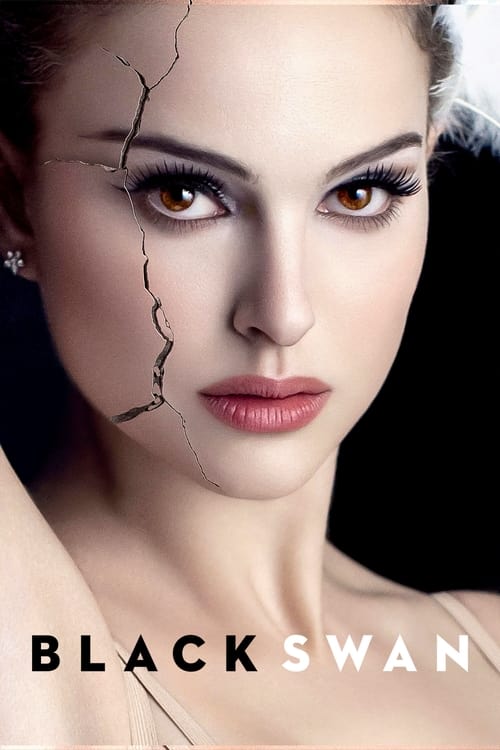


If you love Blonde: Andrew Dominik and slow-burn American myth
For viewers drawn to Dominik's style and themes
If you love Blonde: novels about real lives reimagined
Literary fiction that blurs biography and invention


