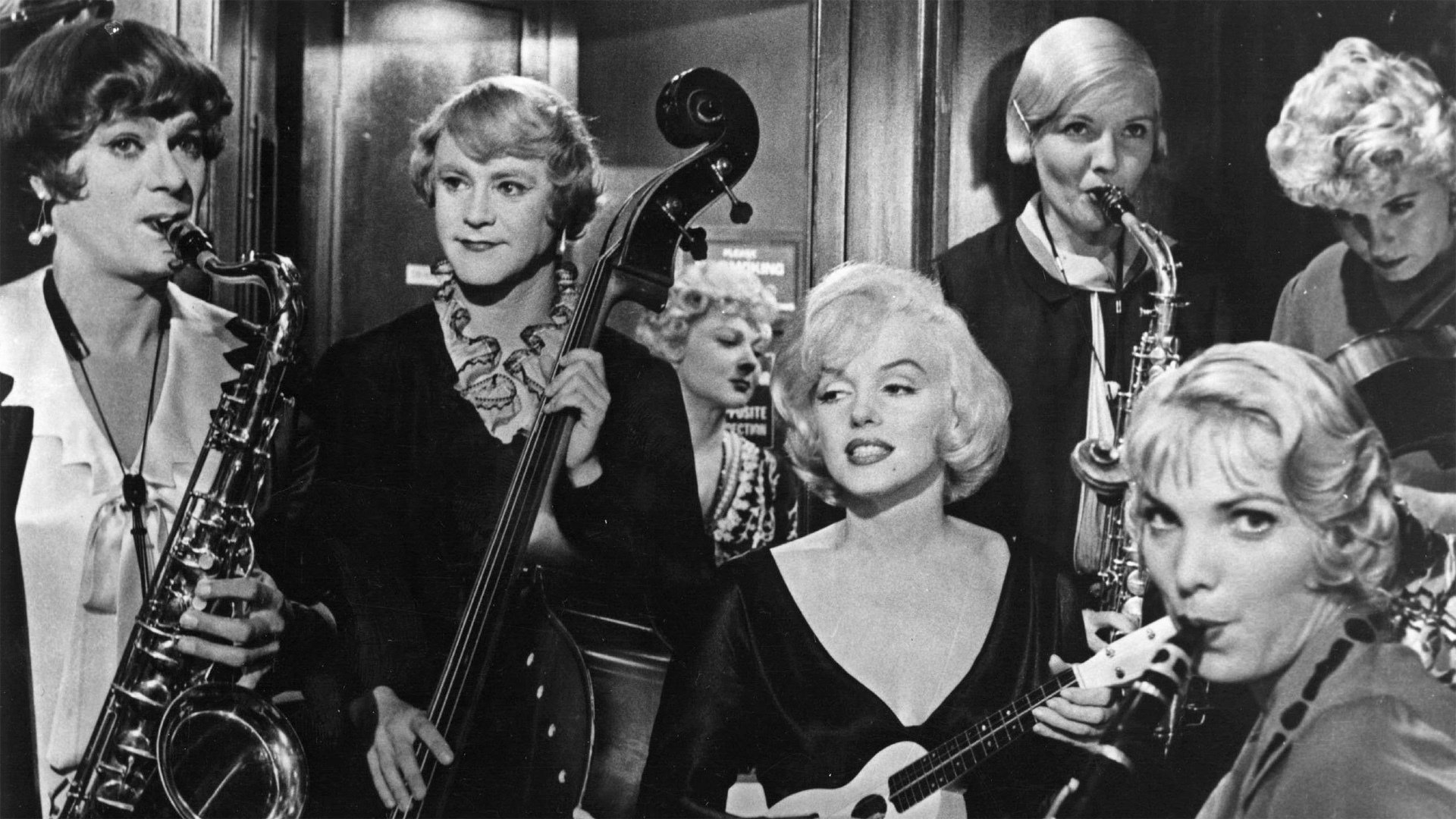

Marilyn Monroe built a screen presence that no one has replicated: a comedic intelligence that made every punchline land like a revelation, a physical expressiveness that filled CinemaScope frames, and an emotional openness that turned even frothy material into something achingly human. The films she made between 1953 and 1961 are the essential case, but the through-line a fan actually chases is the specific feeling of watching someone radiate warmth and wit against the cold machinery of the studio system. That tension, glamour and fragility in the same breath, runs through the best golden-age Hollywood pictures, through the novels that shaped the era, and through the films and series that have kept revisiting it ever since.
Essential Marilyn Monroe
The films that define her range, from screwball gold to dramatic depth
The Same Era, Same Electric Energy
Golden-age Hollywood pictures with the wit, style, and star power her films gave you
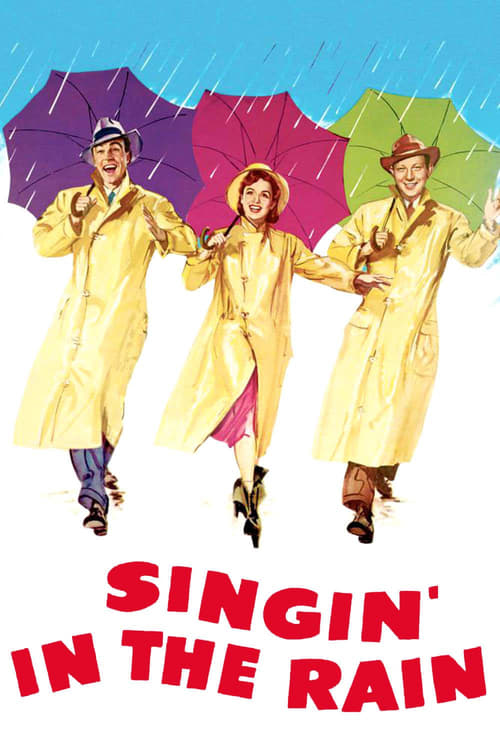
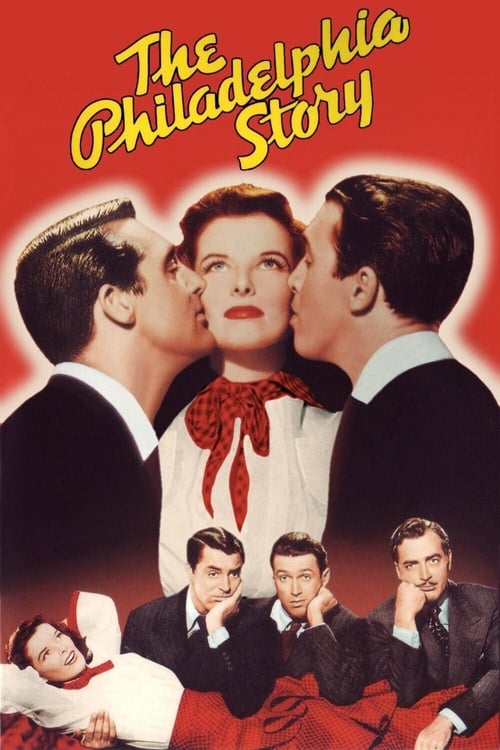
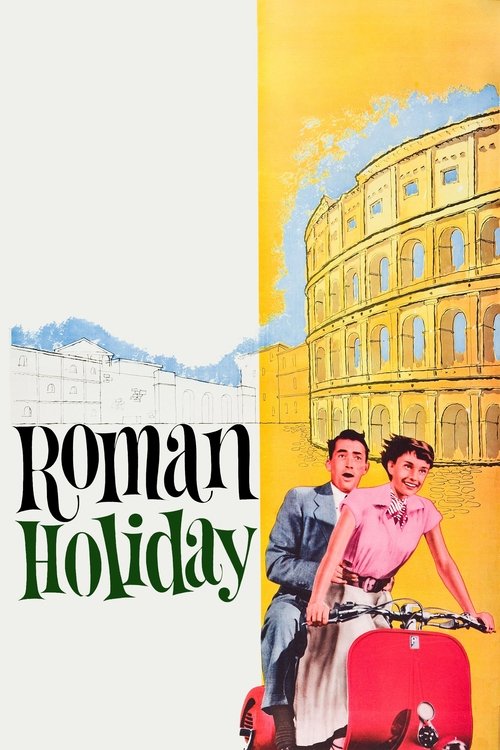
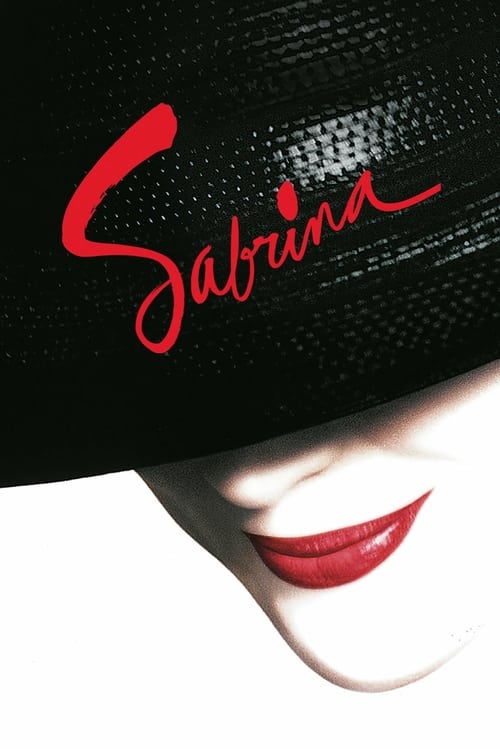
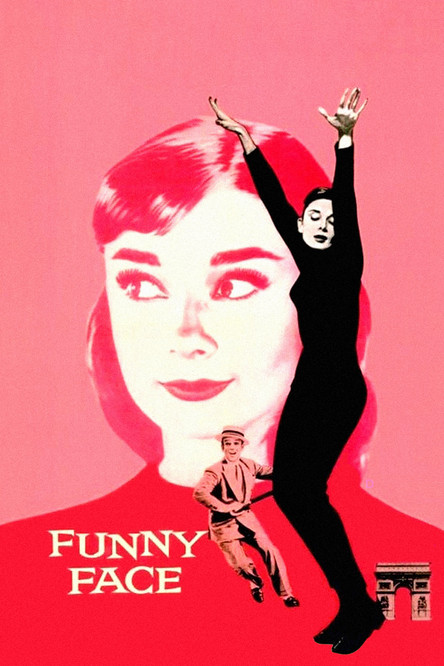
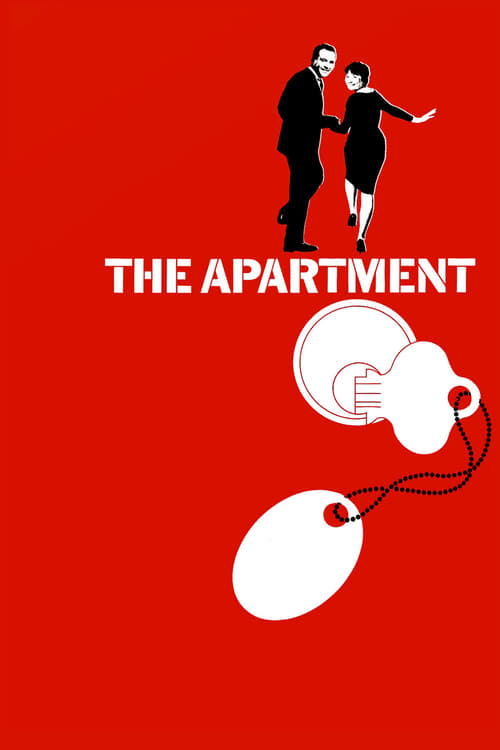
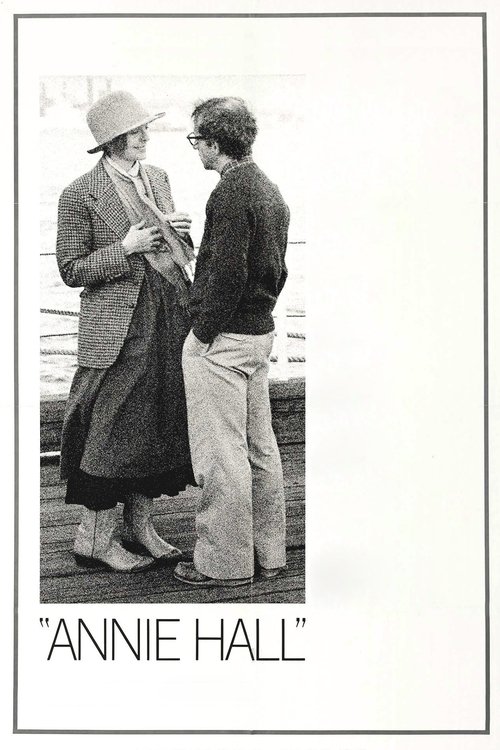
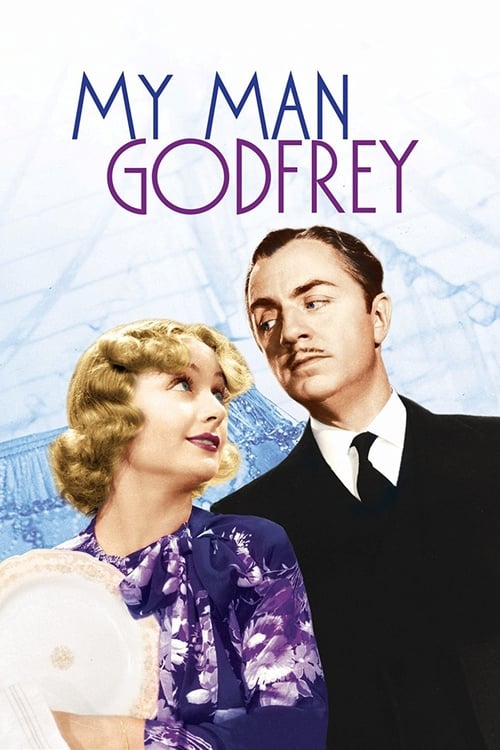
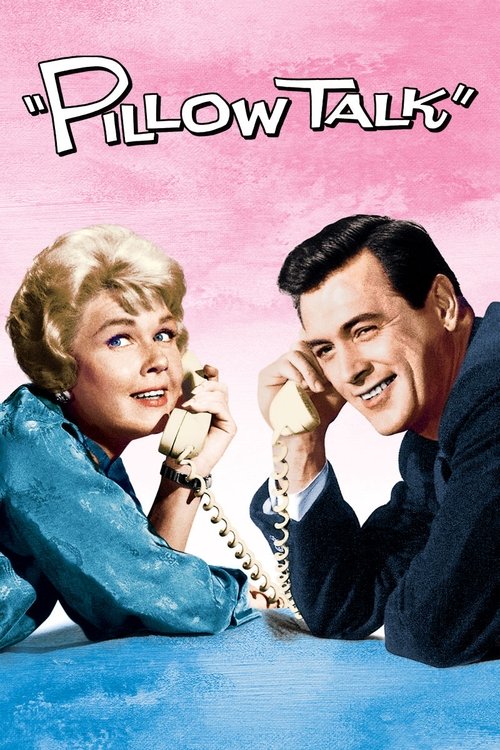
Same-Register Stars, Same Combustible Screen Presence
Actors who brought that same mix of comedy, magnetism, and raw feeling
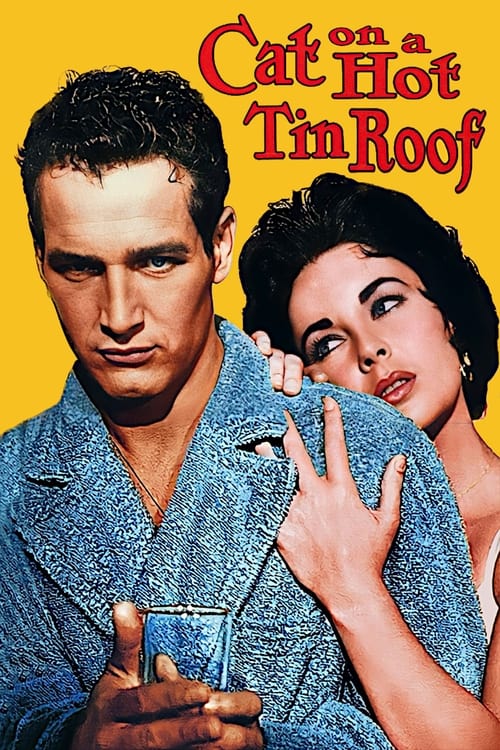
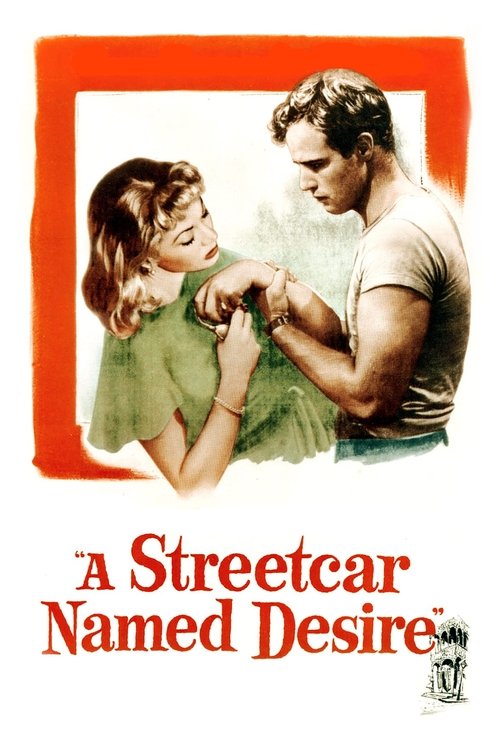
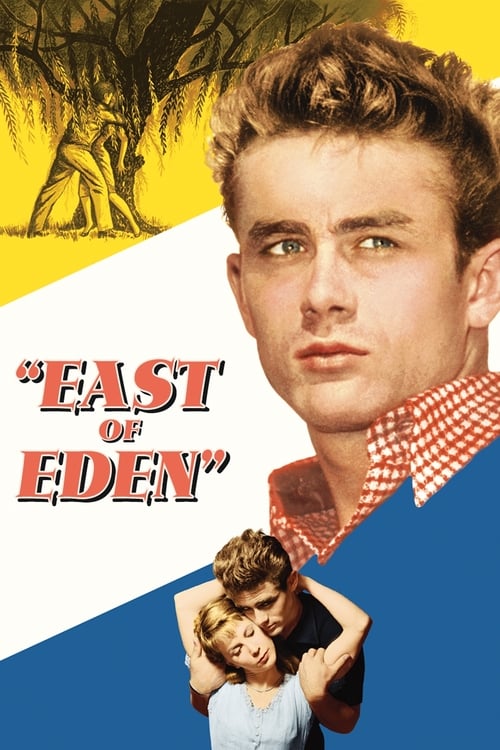
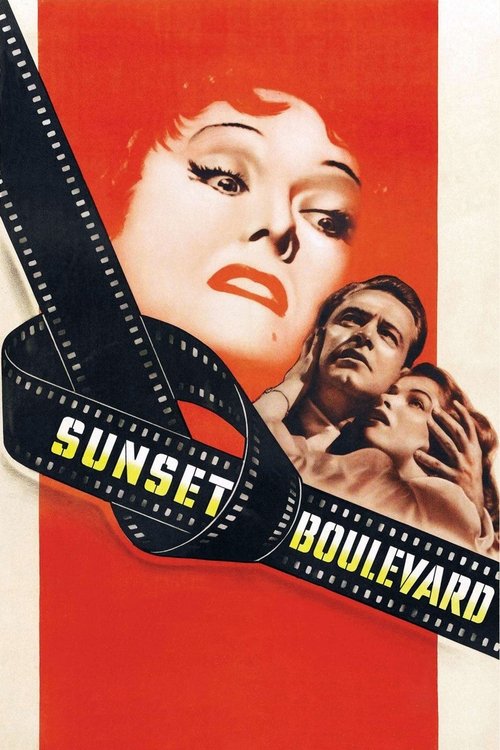
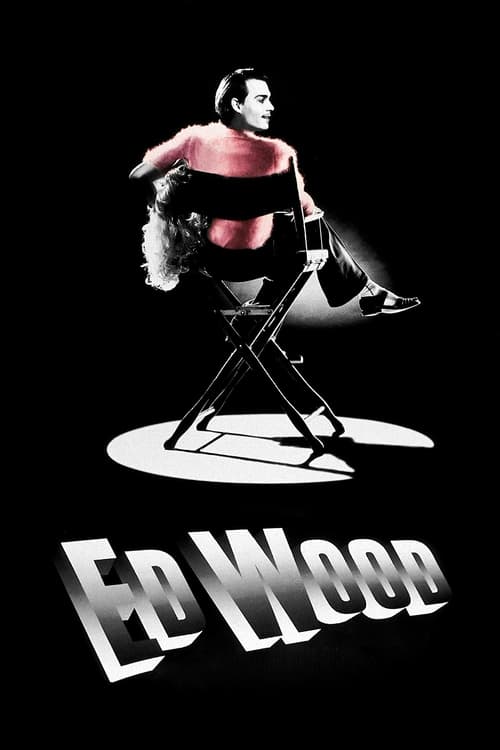
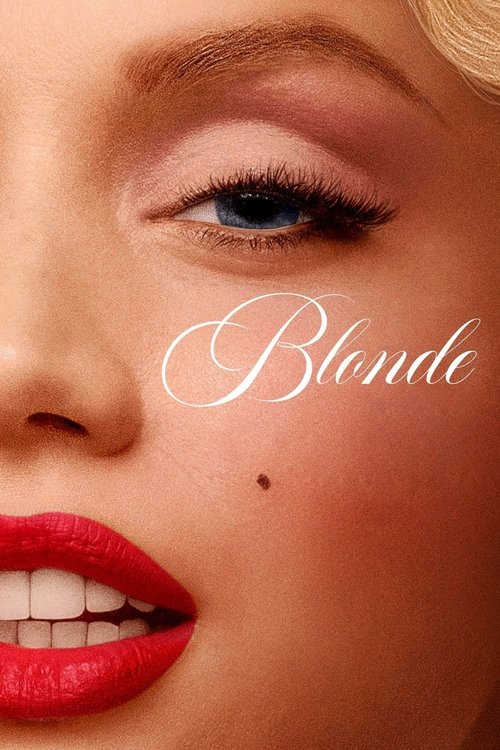
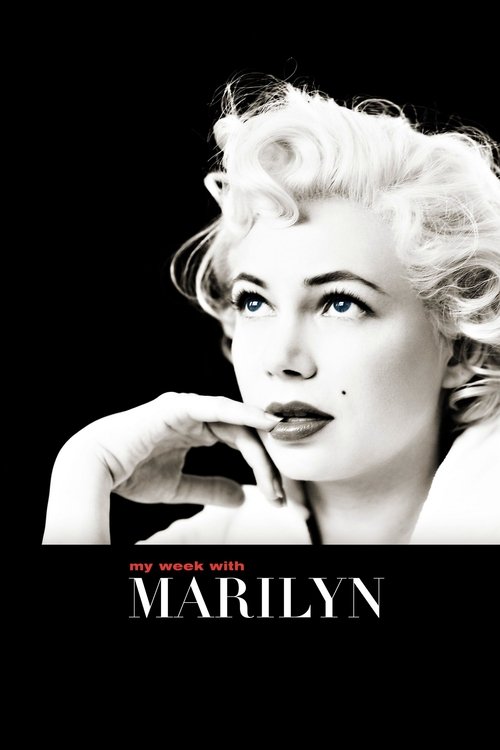
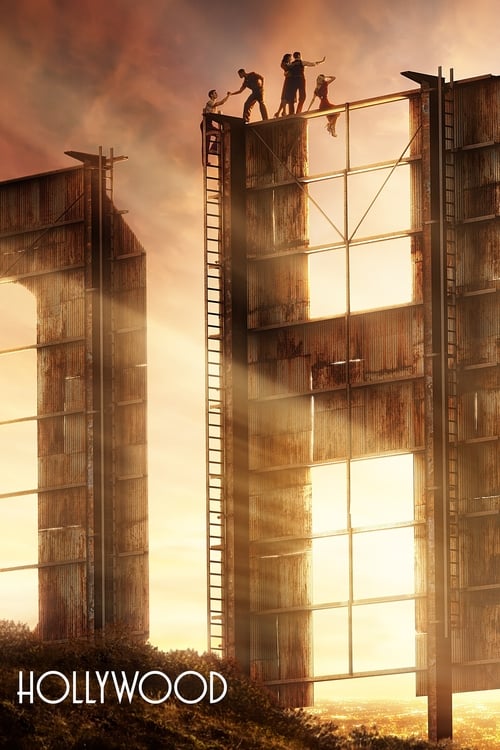
The Hollywood Myth, Revisited on Screen
Films and series that circle back to the studio-system era and its pressures
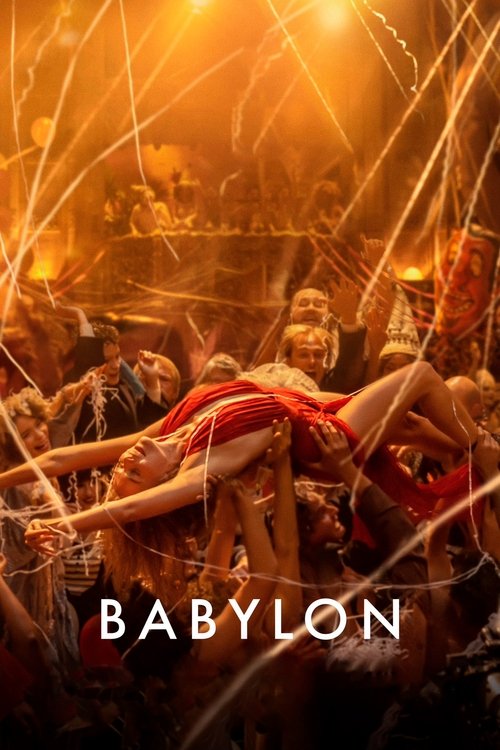
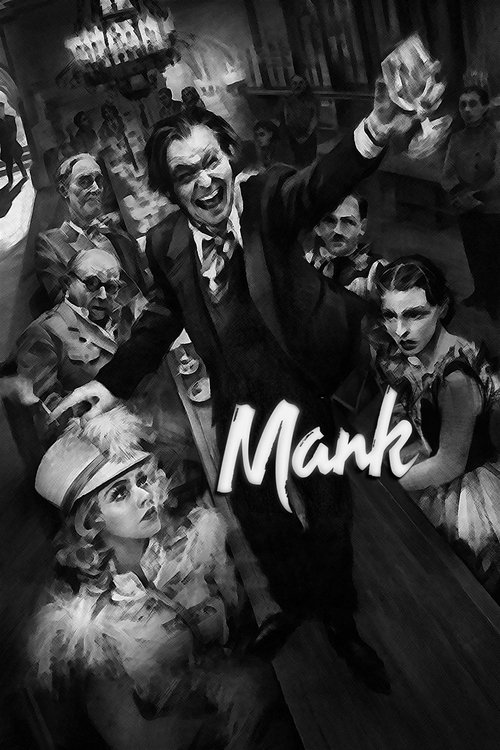
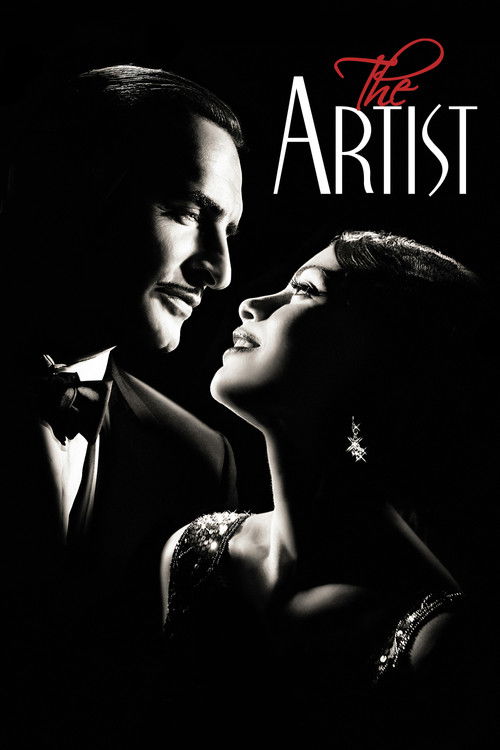
The Novels Behind the Era
Books that gave golden-age Hollywood and the fame machine their sharpest fictional treatment


Games With Golden-Age Glamour and Noir Shadows
Games that share the period atmosphere, wit, or noir undercurrent of her best films
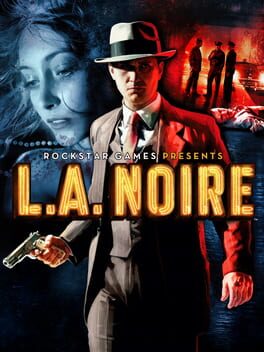
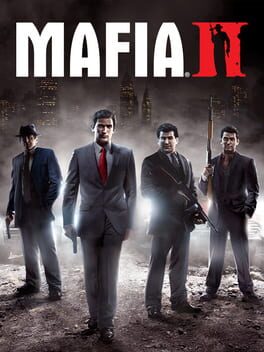
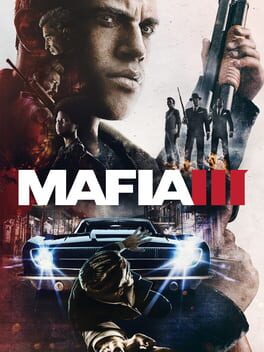
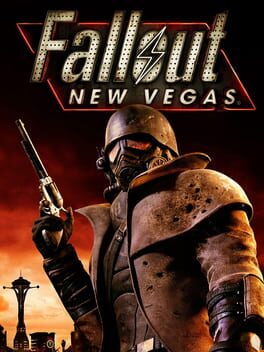
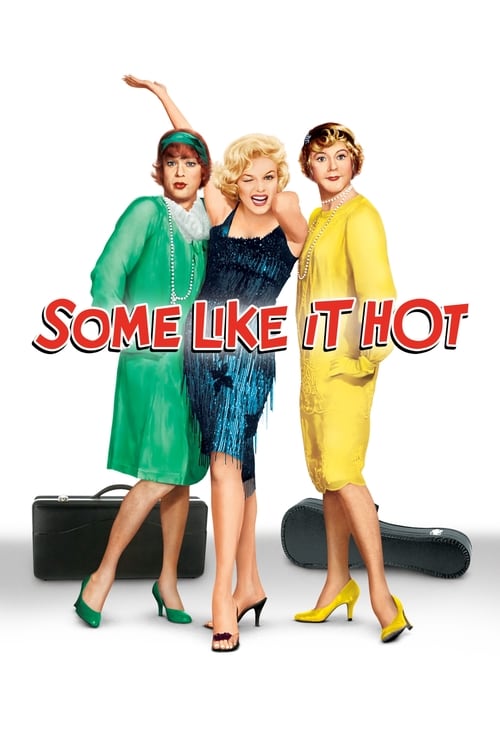
Some Like It Hot is the funniest film ever made, and it is not close
Billy Wilder's 1959 farce runs at a pace that leaves no room to breathe, and Monroe's Sugar Kane is the engine: every scene she enters tilts sideways into a different comic key. The film has aged better than almost any studio comedy because the gags are structural, not topical. If you have not watched it recently, the ending still surprises.
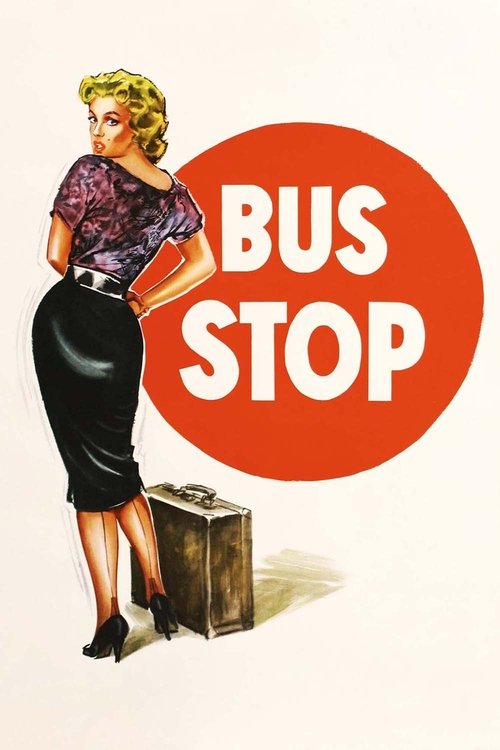
Bus Stop shows the dramatic range critics kept underestimating
Monroe studied at the Actors Studio, and Bus Stop (1956) is where that work shows up clearly. Her Cherie is fully inhabited: exhausted, funny, bruised, and specific in a way that sits outside what the era expected from a star of her profile. Joshua Logan lets the camera stay on her face long enough to see it.
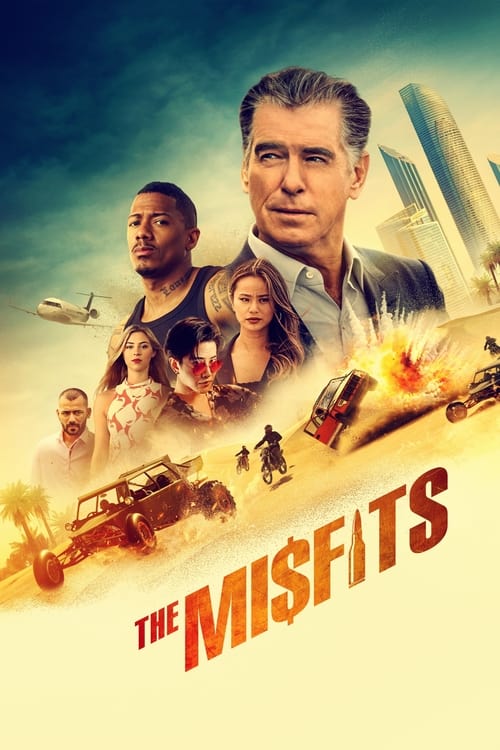
The Misfits lands differently now
Arthur Miller wrote The Misfits for Monroe, and the film carries that weight. Clark Gable's final film, shot just before Monroe's own life unraveled, it reads less like a western and more like a farewell to a certain idea of American masculinity. It is uncomfortable and beautiful and worth returning to.
Anita Loos knew the joke before anyone else did
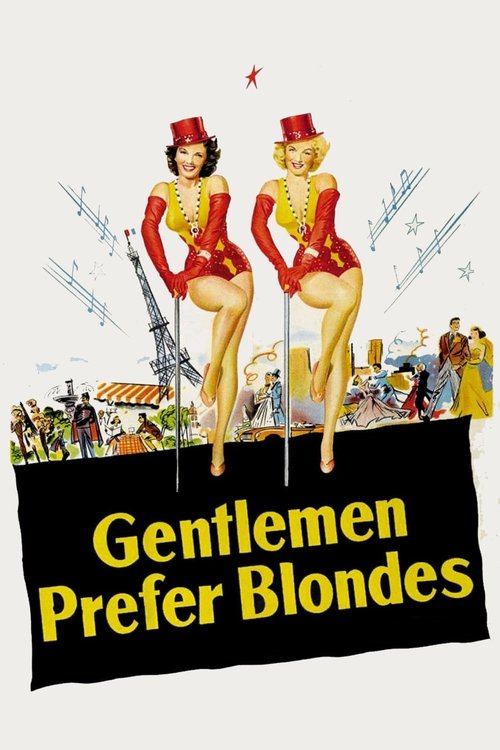
Lorelei Lee in Gentlemen Prefer Blondes (the 1925 Anita Loos novel) is the prototype Monroe played to perfection three decades later. Loos's satire is sharper and more subversive than the musical it spawned: Lorelei is not a dupe, she is the one running the game. Reading it alongside the film makes both funnier.
Marilyn Monroe: The Arc
- 1950First significant screen credit All About Eve
- 1953Star-making double bill Gentlemen Prefer Blondes
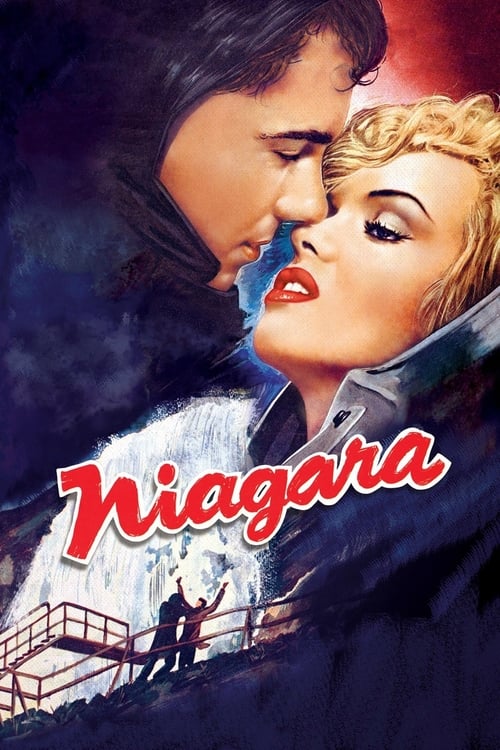
- 1953Noir turn Niagara
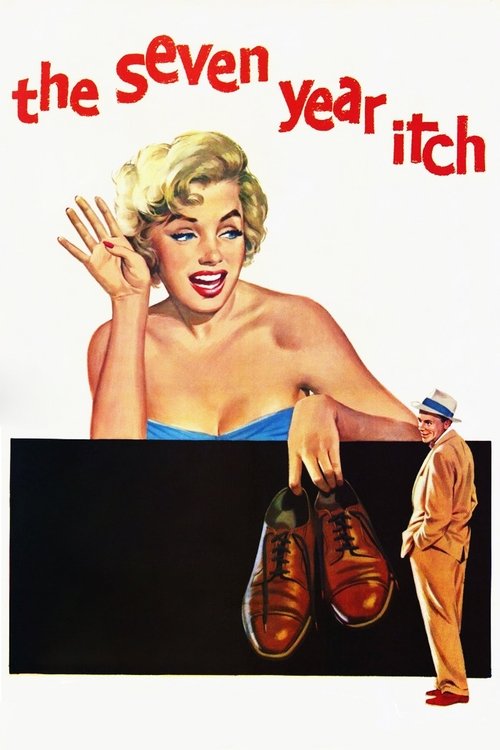
- 1955The iconic image The Seven Year Itch
- 1956Actors Studio work on screen Bus Stop
- 1959Career peak, Best Actress nomination (Golden Globe) Some Like It Hot
- 1961Final completed film The Misfits
Golden-age Hollywood and its directors
For Fans of Billy Wilder
Explore the For Fans of Billy Wilder guide →She had a genius for suggesting things which had no connection with what she was doing or saying, but which the camera caught by accident.Billy Wilder