
The diary that refused to end
Helen Fielding launched Bridget Jones as a newspaper column in The Independent in 1995, turned it into a bestselling novel in 1996, and followed it with Bridget Jones: The Edge of Reason in 1999. Then, after a long silence, she returned in 2013 with Bridget Jones: Mad About the Boy, a third novel that made a bold, divisive choice: Mark Darcy is dead, and a 51-year-old Bridget is raising two young children, navigating Twitter, and falling for a man 21 years her junior. The book was both a commercial hit and a lightning rod. Readers who wanted more of the original romantic-comedy formula were unsettled by its grief and its frank look at middle age. That tension is exactly what makes the story interesting, and it is what the 2025 Netflix film leans into most heavily.
Mad About the Boy across the years
- 2013Helen Fielding publishes the novel Bridget Jones. Mad About the Boy
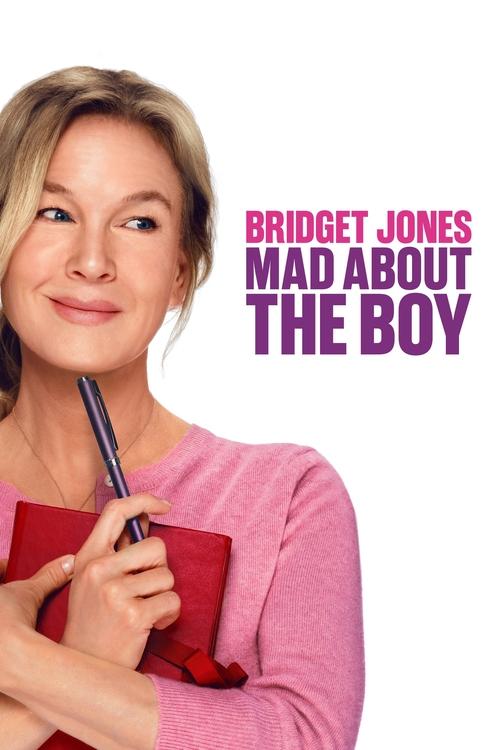
- 2025Netflix film adaptation released Bridget Jones: Mad About the Boy
The 2025 film
The Netflix adaptation stars Renee Zellweger returning as Bridget, with Leo Woodall as Roxster, the younger love interest, and Chiwetel Ejiofor as Mr. Wallaker, her children's teacher. Hugh Grant appears in flashback as Daniel Cleaver. The film is directed by Michael Morris and written by Helen Fielding, Abi Morgan, and Dan Mazer. It premiered on Netflix in February 2025. The production leans on the warm, slightly-too-warm-for-real-life London aesthetic that the earlier films established, while the screenplay navigates the tonal gap between light romantic comedy and genuine bereavement. Critical reception was mixed to warm, with most praise directed at Zellweger and at the film's willingness to let Bridget actually feel old.
Middle-age reinvention
Stories about women restarting in their 40s and 50s


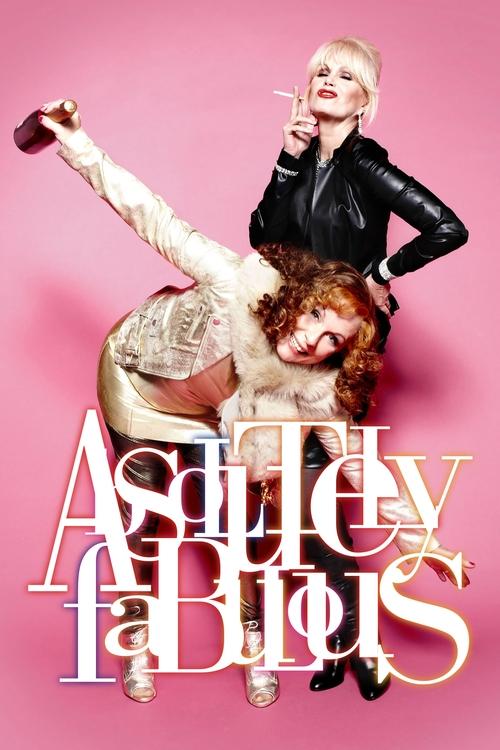
Grief and new love, coexisting
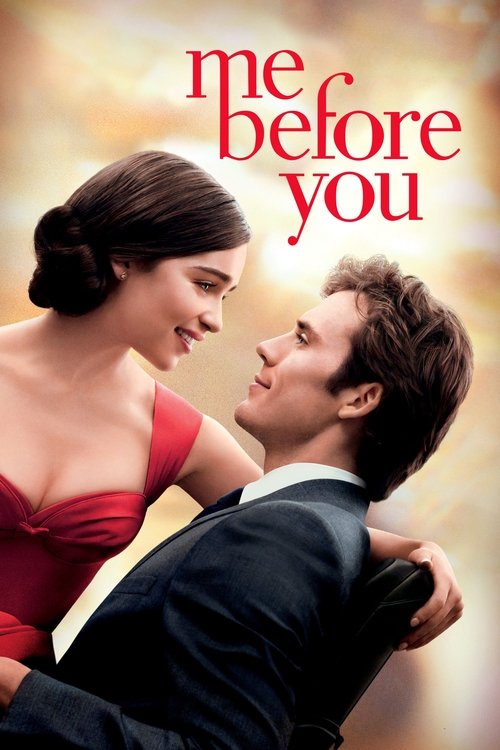
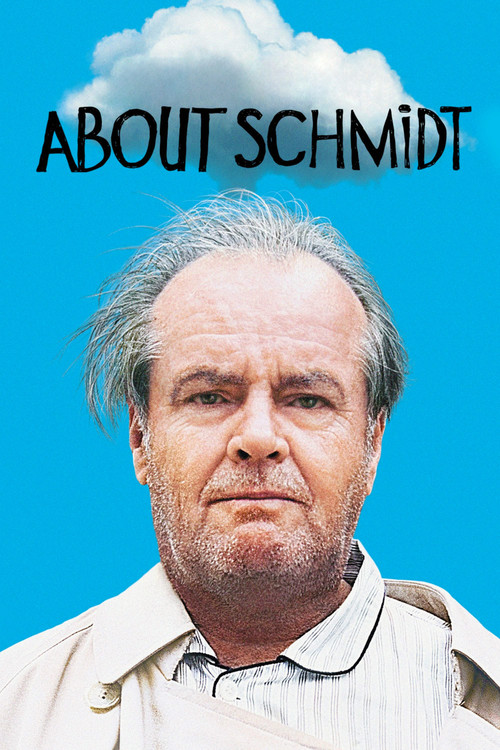
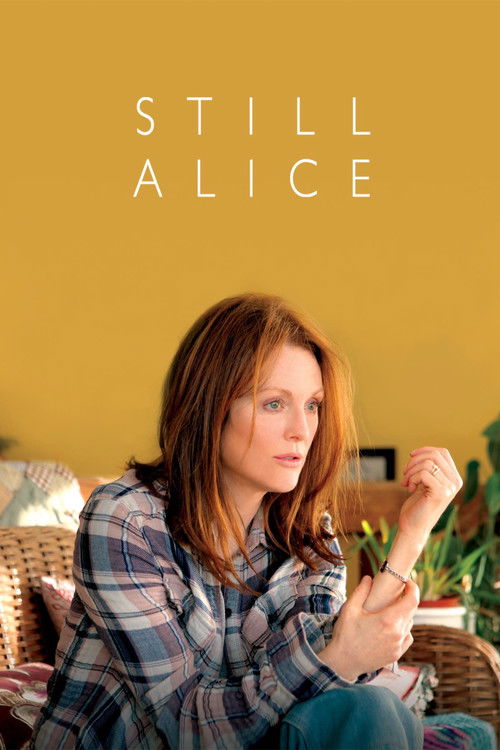
Stories where loss and romance occupy the same space

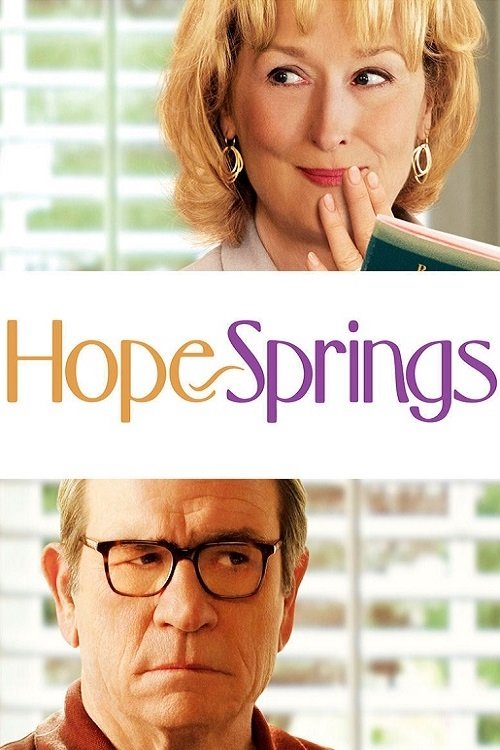
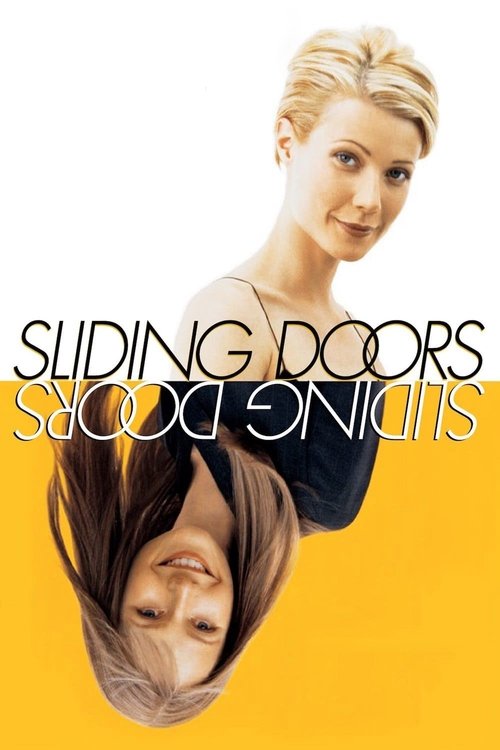
The full Bridget Jones universe
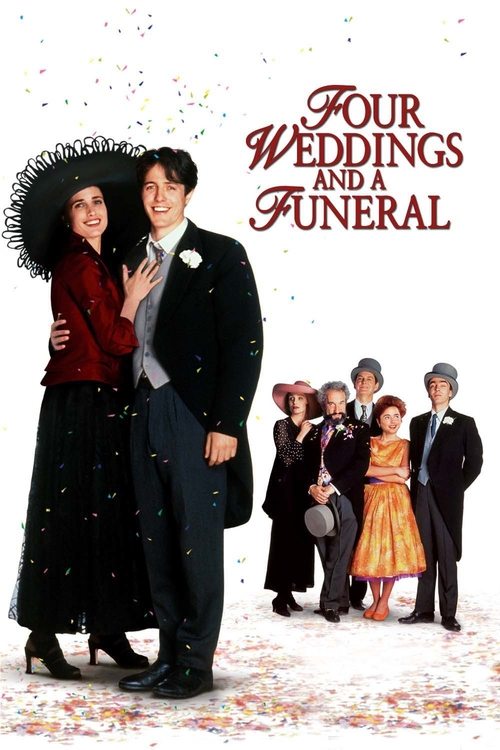
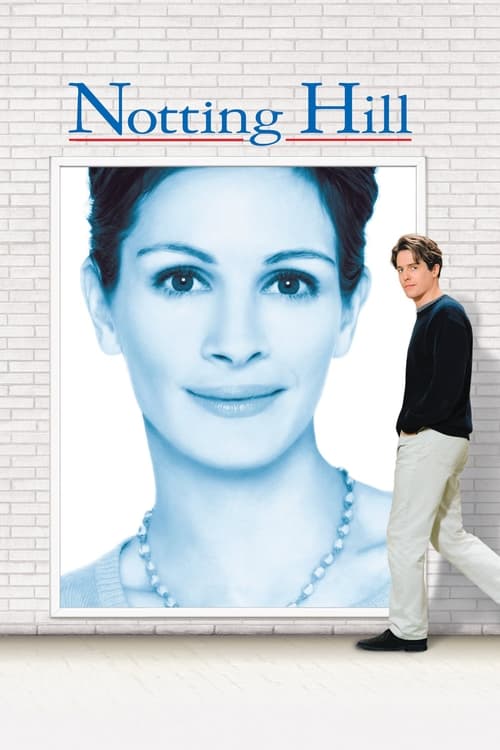
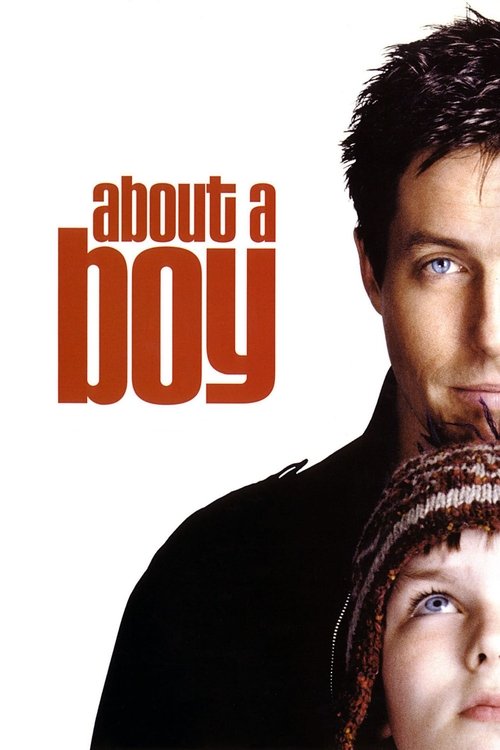
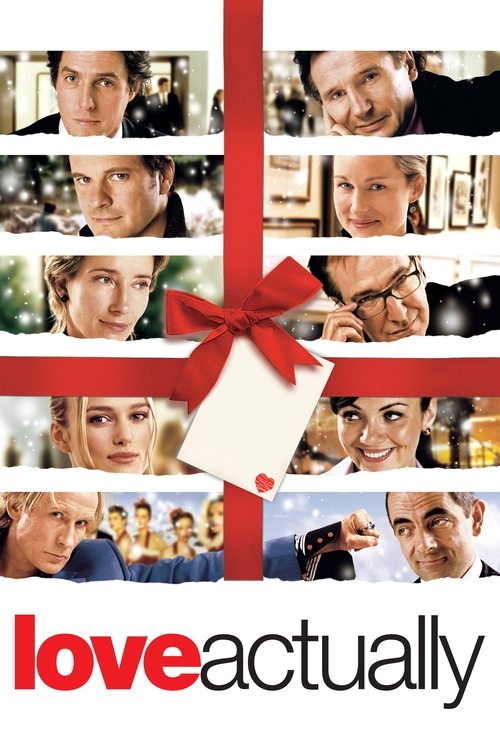
The earlier films and the wider rom-com world they defined
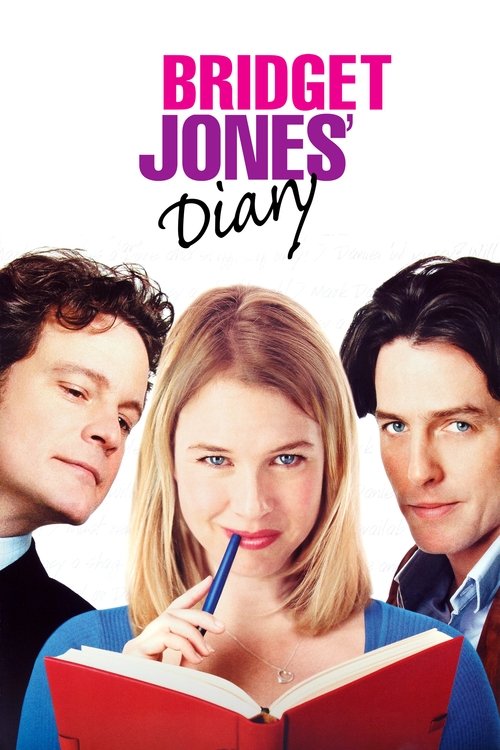
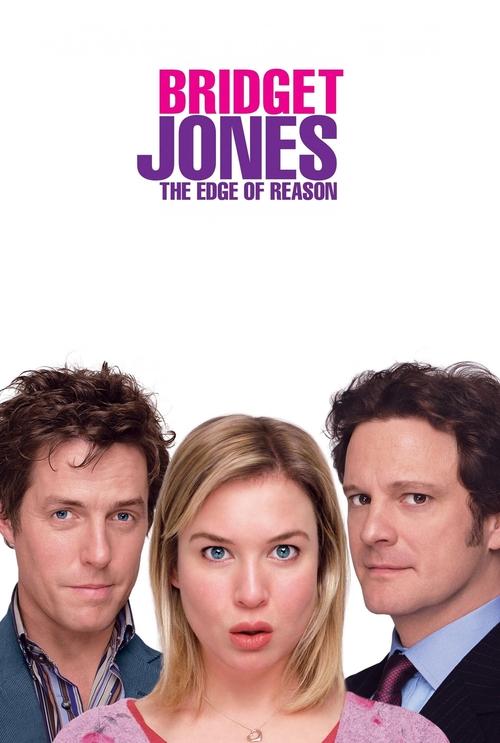
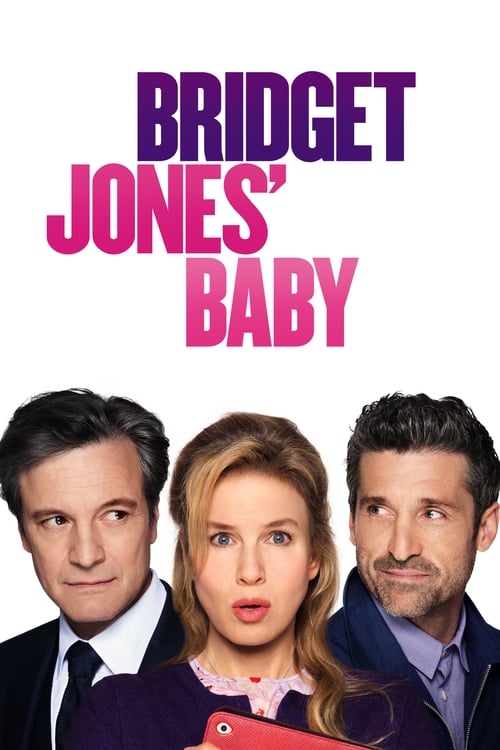


The novel is the real thing
Helen Fielding's 2013 novel is the version that takes genuine risks. The death of Mark Darcy is handled with restraint rather than melodrama, and the comedy that follows -- Bridget's clumsy Twitter courtship of Roxster, her mortifying encounters at the school gate -- lands harder because the grief underneath it is real. The film adaptation softens several of these edges. Read the book first, and the film becomes something you watch with complicated feelings. That is the better order.

The 2025 film earns more than its reviews suggest
Critics who arrived expecting the broad physical comedy of the 2001 film were always going to be disappointed. Taken on its own terms -- a late-chapter romantic drama with jokes -- the Netflix adaptation is considerably better than its middling score implies. Zellweger is doing something quieter and more interesting than she was asked to do in the earlier entries, and Leo Woodall brings enough charm and real awkwardness to make the age-gap romance feel plausible rather than wish-fulfilling. This is a film about a woman in her 50s who wants to be happy again. It respects that.
There is no version here worth skipping
The catalogue for this story is genuinely thin: one novel and one film. Neither is a cynical cash-in. Bridget Jones: Mad About the Boy benefits from both encounters -- the novel for its interiority and its refusal to let Bridget be merely funny, the film for Zellweger's physical performance and the warm production design that makes London look like it always does in these films: slightly better than real life, which is part of the point.