
The Girl Who Was Supposed to Die Screaming
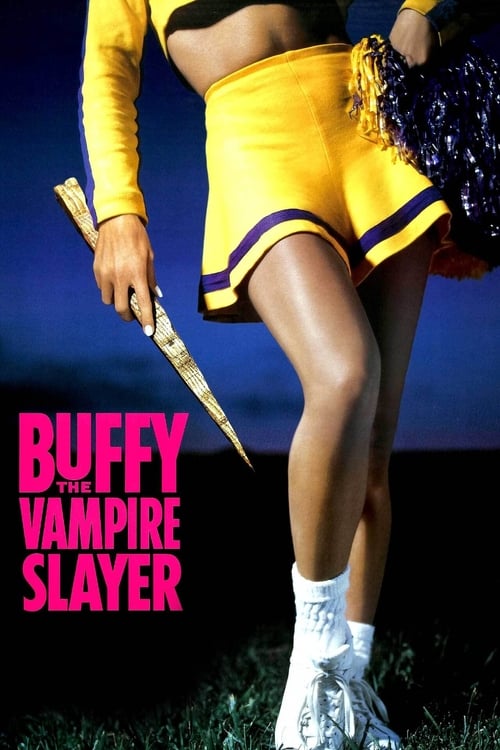
Buffy the Vampire Slayer began as an original screenplay. Joss Whedon wrote it as a deliberate inversion: the blonde girl who always dies first in horror movies would be the hero. The script reached the screen in 1992 as a broad comedy-horror that Whedon famously hated, its tone reshaped by director Fran Rubel Kuzui and star Kristy Swanson into something lighter and more mall-centric than he intended. That friction is part of the story. Whedon kept the rights, and five years later the WB network gave him a second chance with a TV series. Buffy the Vampire Slayer ran for seven seasons, ended the Hellmouth era in 2003, and then kept going in official canonical comic form. Spin-offs, novel lines, and a long-gestating reboot followed in its wake. This is every version.
Every Version of Buffy the Vampire Slayer
The source work, every screen adaptation, and the canonical continuations
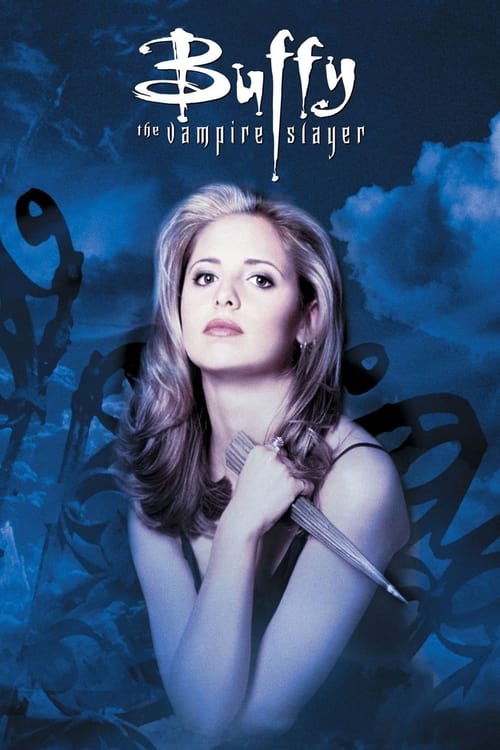
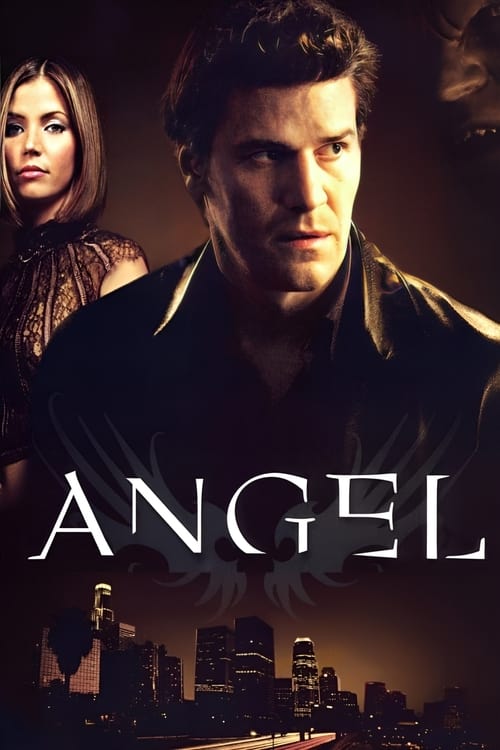
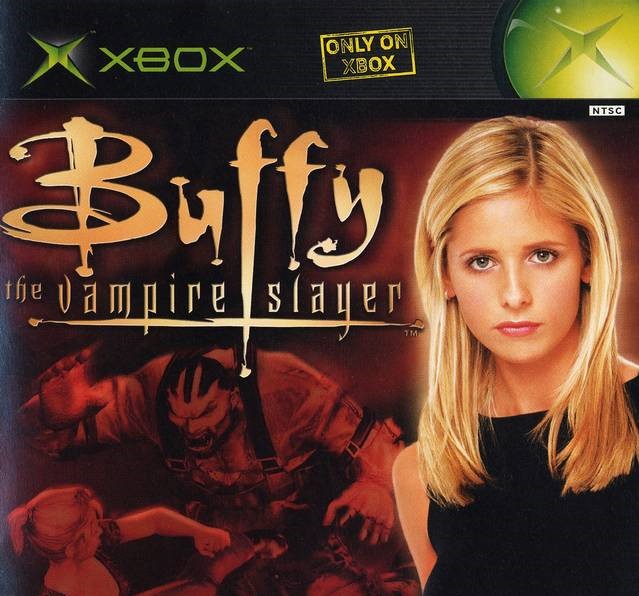
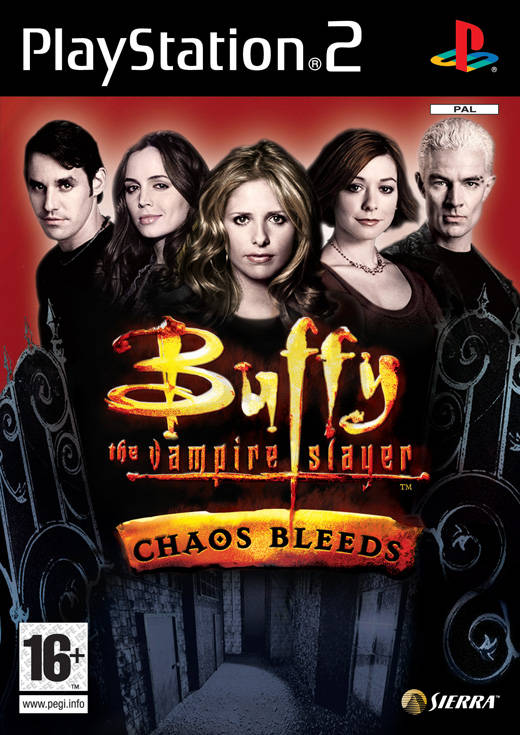


Buffy Through the Decades
- 1992Original film released Buffy the Vampire Slayer
- 1997TV series premieres on the WB Buffy the Vampire Slayer
- 1999Angel spin-off premieres Angel
- 1999Original series soundtrack released
- 2002First console game released (Xbox) Buffy the Vampire Slayer (Xbox)
- 2003TV series ends, Season 7 finale Buffy the Vampire Slayer
- 2003Chaos Bleeds multiplayer game Buffy the Vampire Slayer: Chaos Bleeds
- 2003Game Boy Advance title Buffy the Vampire Slayer: Wrath of the Darkhul King
- 2004Angel ends after Season 5 Angel
- 2007Season Eight comics begin, canonical continuation Buffy the Vampire Slayer
The definitive version is the TV series, full stop
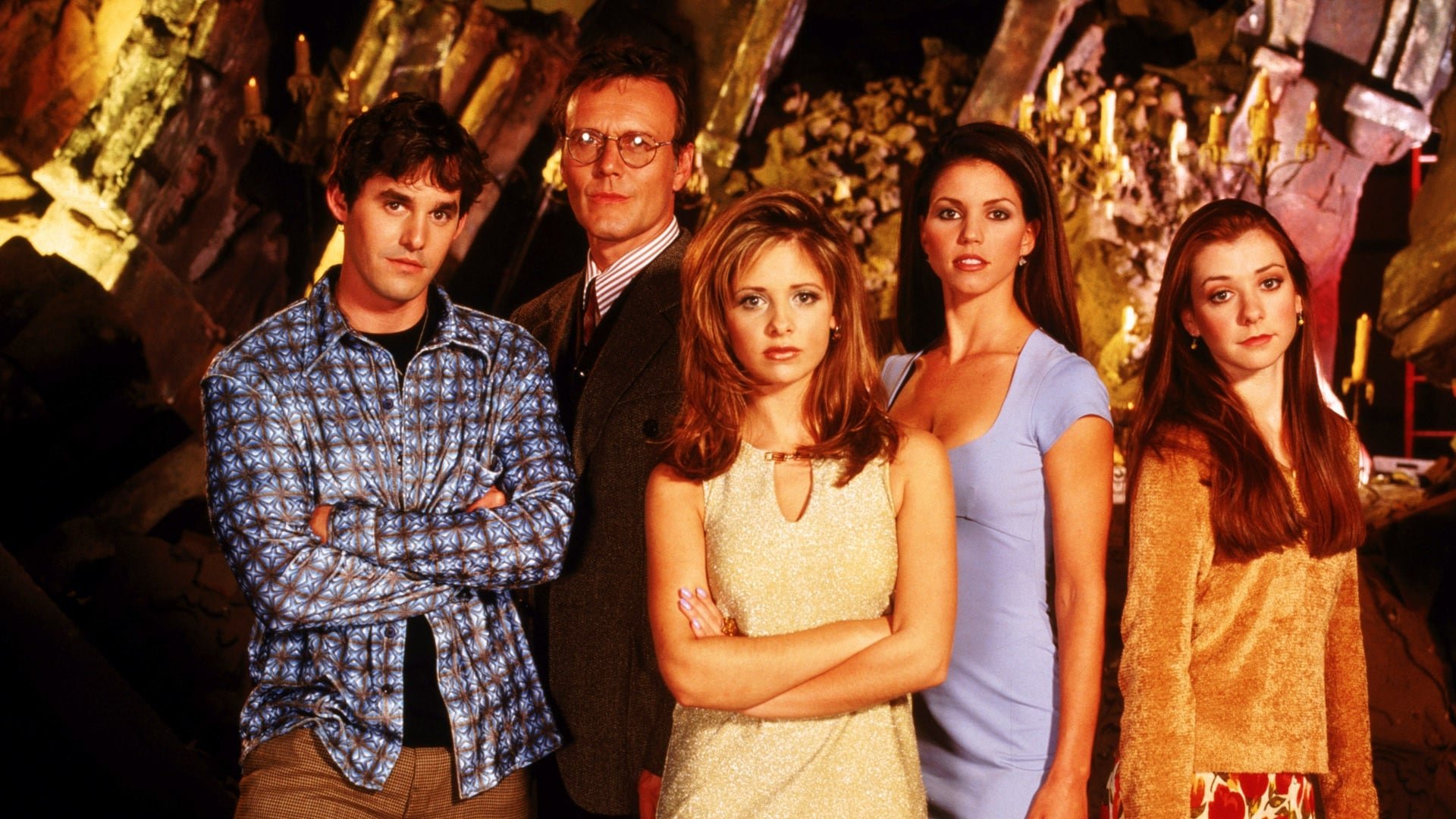
Seven seasons, 144 episodes, one musical episode, one entirely silent episode, two apocalypses averted per season, and a finale that genuinely changed what a TV heroine could be. The 1997 WB series is the rare case of a creator getting a do-over and producing something far better than the first attempt. It invented a template (the Scooby Gang, the Big Bad, the season-long arc) that genre TV has been imitating ever since. Start at Season One even though it is rougher than what follows: it earns everything that comes after.
The essential companion: Angel, Season One through Five
Angel is the show that grows into something Buffy never became: a proper noir serial, season by season darker and more structurally ambitious. The first two seasons are fine table-setting; Season Three is where the writing hardens into something genuinely surprising; Season Four overreaches; Season Five is among the best television produced in the 2000s. Watch it alongside Buffy rather than after, because the crossover threads only work in sequence. The cancellation ending is brutal and correct.
The one to skip: the 1992 film
The 1992 film is not terrible, and Rutger Hauer makes a memorably languid villain. But Whedon's script was rewritten into a mostly toothless comedy, the emotional stakes are absent, and none of the character groundwork that makes the series work is in place. It is worth watching once, as a curiosity and a contrast. Do not start here, and do not let it put you off.
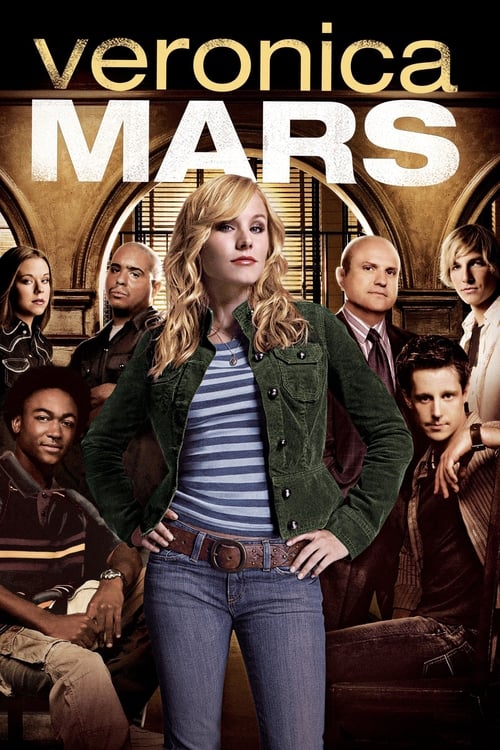
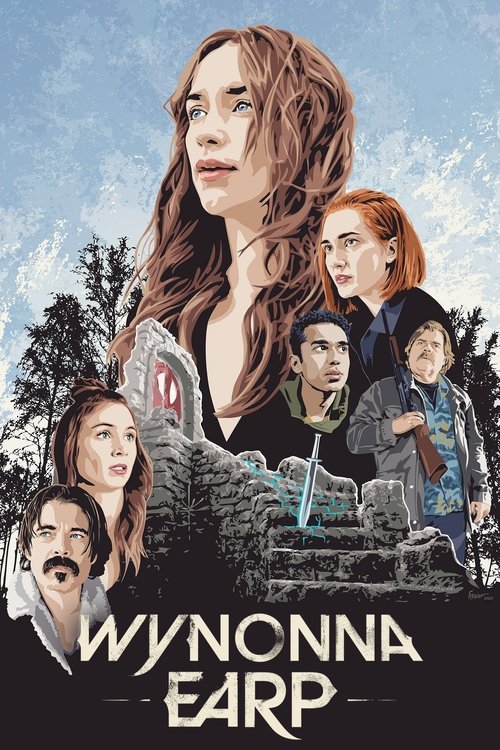
If you love Buffy, watch these
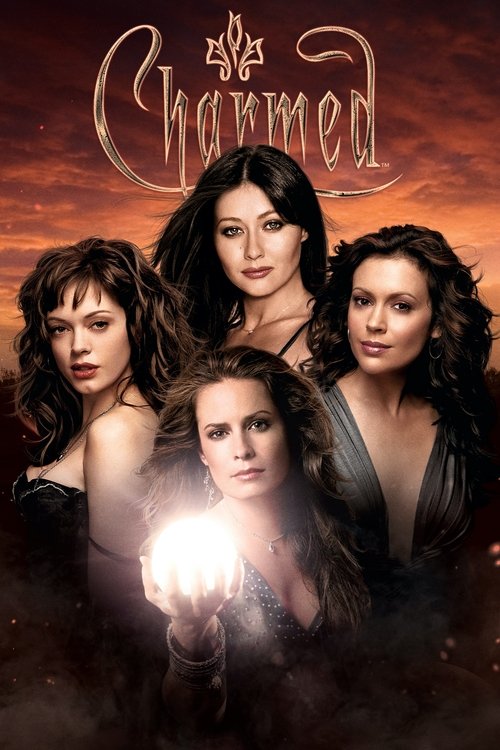
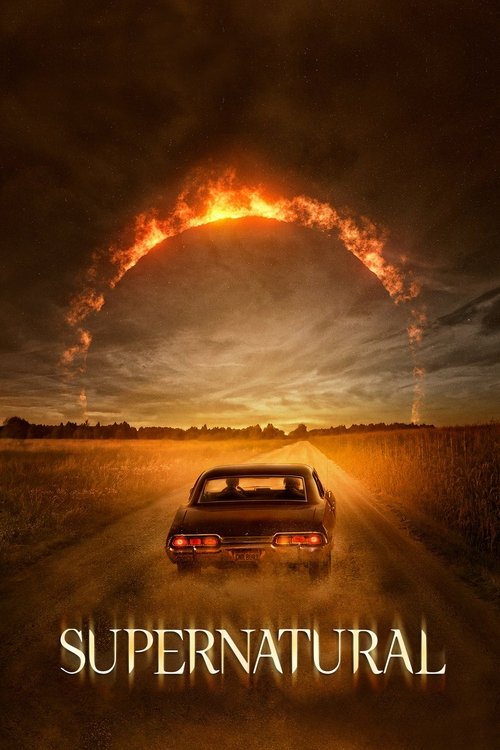
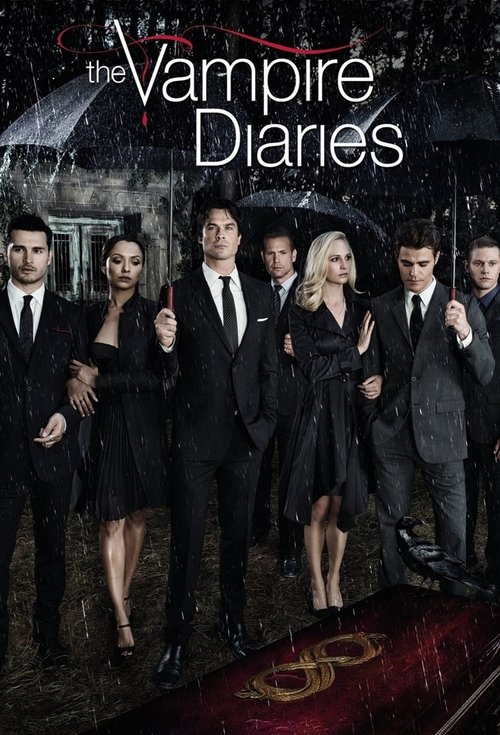
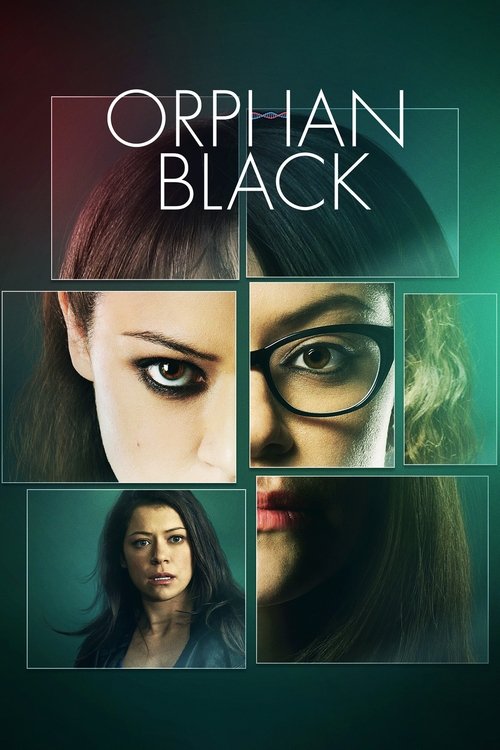
TV series that built on the same template: the chosen teen, the found family, the season-long villain


If you love Buffy, read these
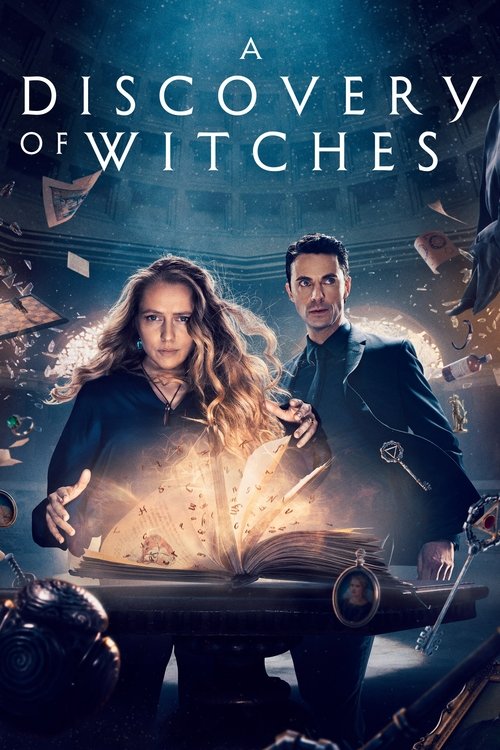
Books and comics with the same blend of horror, wit, and genuine emotional stakes



If you love Buffy, play these
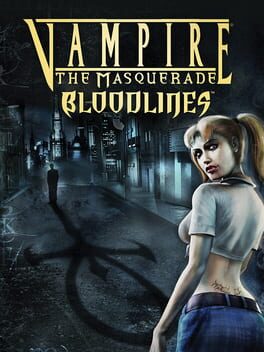
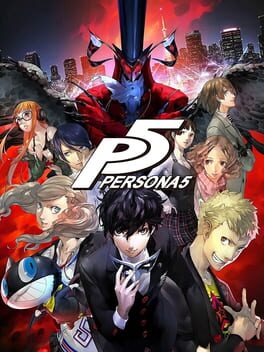
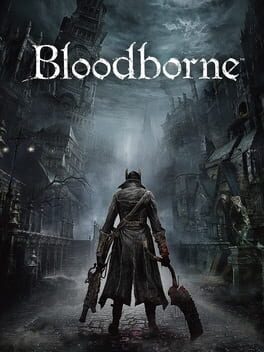
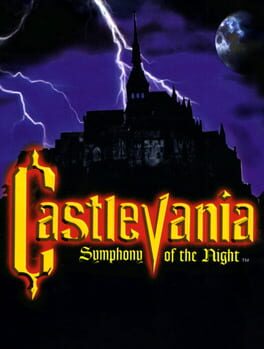
Games about reluctant heroes, supernatural threats, and the cost of being chosen