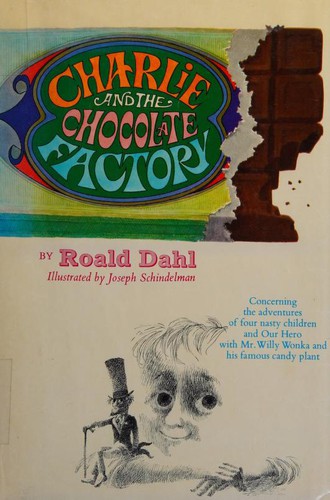

A Factory Built from Spite and Wonder
Roald Dahl published Charlie and the Chocolate Factory in 1964, and it arrived carrying more than a children's story. Dahl wrote it partly out of his own remembered war with the candy industry (he genuinely tested chocolate for Cadbury as a schoolboy) and partly as a morality fable about greed so blunt it became a kind of fairy tale. Charlie Bucket, the honest poor kid, walks through a door that the world insists he has no right to open. Willy Wonka, the factory's strange proprietor, is the test and the prize at once.
The book was revised in 1973 after critics objected to the original Oompa-Loompas, described as African pygmies. Dahl rewrote them as fantastical creatures from an invented land, the version all later adaptations use. The story has since crossed into film three times, spawned a prequel film, a long-running stage musical, video games, and a 1971 adaptation so beloved that the author himself publicly disliked it. That disagreement between creator and audience is part of the legend now.
Every Version of Charlie and the Chocolate Factory
The source novel and every major adaptation across media

The Golden Ticket Timeline
- 1964Roald Dahl publishes the original novel Charlie and the Chocolate Factory
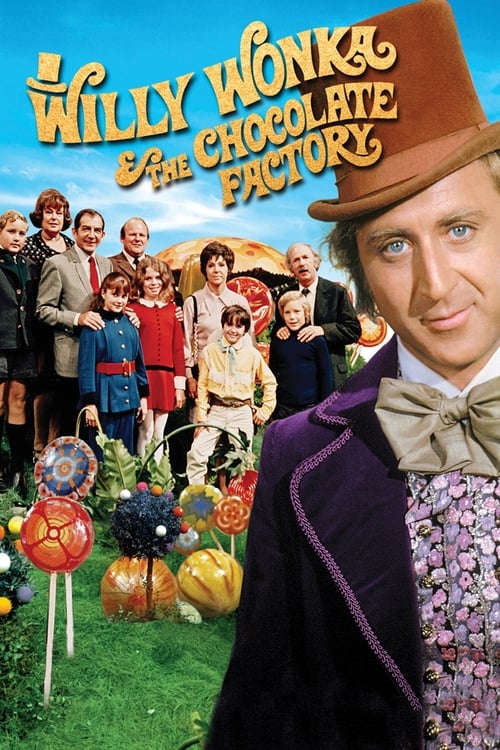
- 1971Gene Wilder's Wonka reaches cinemas Willy Wonka & the Chocolate Factory
- 1972Sequel novel published
- 1985BBC television adaptation airs in the UK
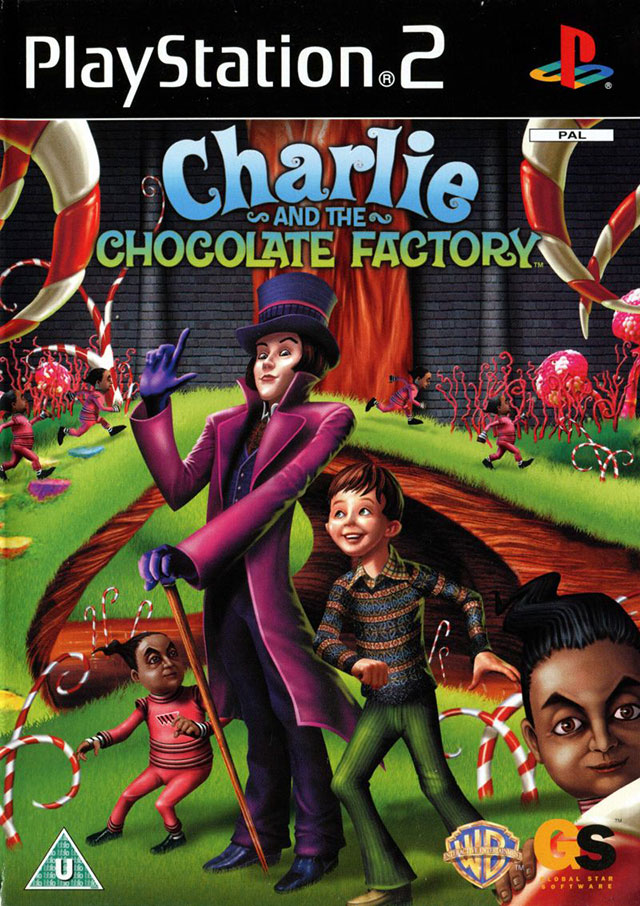
- 2004Video game tie-in released on GBA, PS2, and GameCube Charlie and the Chocolate Factory
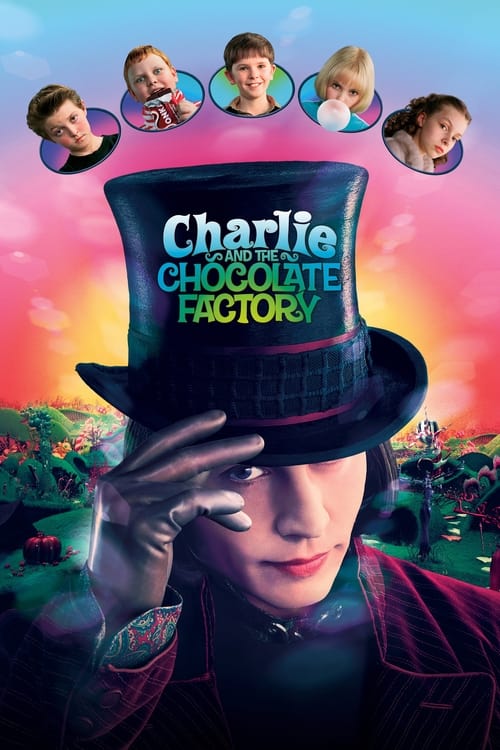
- 2005Tim Burton and Johnny Depp remake Charlie and the Chocolate Factory
- 2013Sam Mendes stage musical premieres at London's West End
- 2017Stage musical opens on Broadway
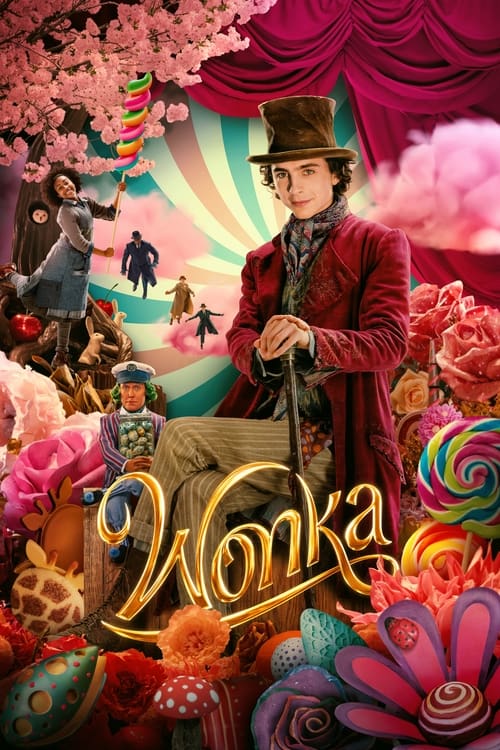
- 2023Timothee Chalamet plays a young Wonka in the prequel Wonka
The definitive version is the one Dahl hated
Roald Dahl disowned the 1971 Willy Wonka and the Chocolate Factory because the studio rewrote his script and centered the film on Wonka rather than Charlie. He was right that it betrayed the book's architecture. He was wrong that this made it a lesser work. Gene Wilder built something the novel never quite achieves: a Wonka whose warmth and menace are completely indistinguishable. The boat tunnel scene alone contains more real dread than anything in the Tim Burton remake. Decades later, this is the version that lives in the culture, and no subsequent adaptation has dislodged it.
The one to skip: the 2005 Burton film
Tim Burton's 2005 version is technically faithful to the novel in ways the 1971 film was not, and Johnny Depp's performance is exactly as strange as Burton intended. The problem is that the strangeness has nowhere to go. The film is sealed inside its own aesthetic, every frame art-directed to exhaustion, and the added backstory about Wonka's father (Christopher Lee as a disapproving dentist) replaces the novel's genuine mystery with a therapy narrative. You can admire the craft and leave feeling nothing. It is the rare adaptation that is simultaneously too much and too little.
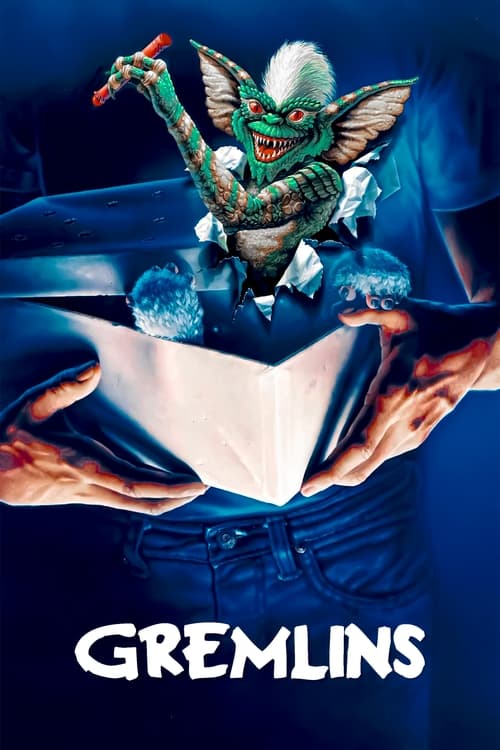
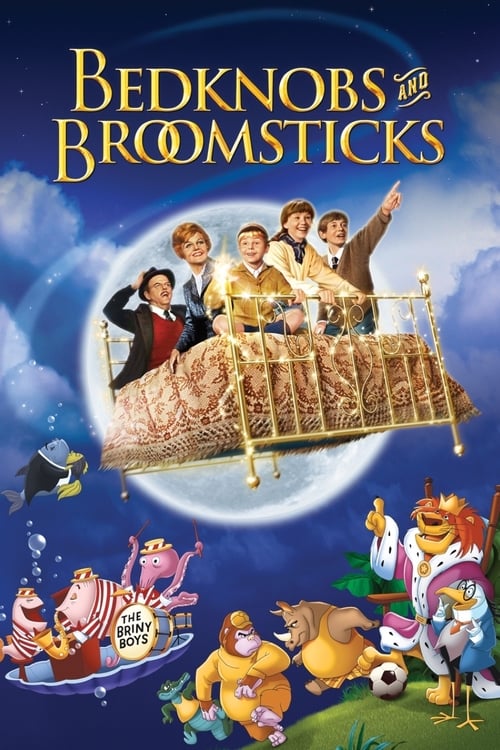
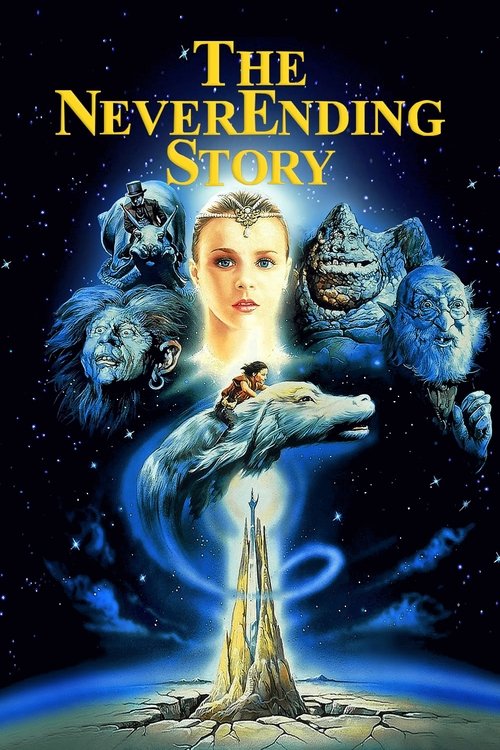
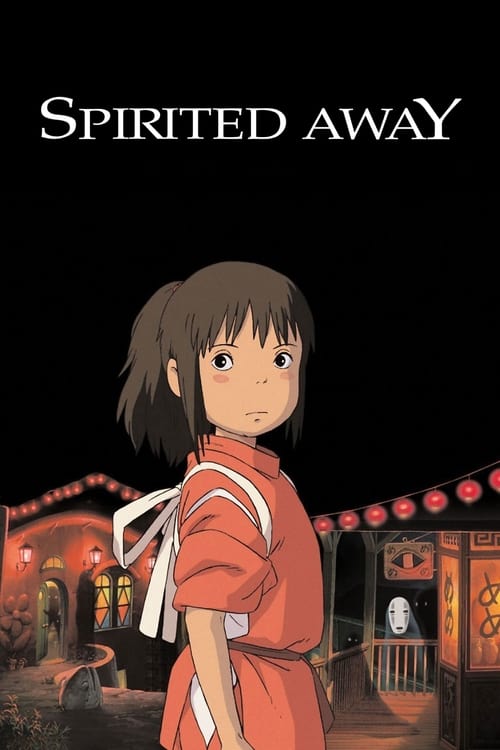
If you love the factory's dark fairy tale logic
Other stories where children walk into worlds that test exactly who they are



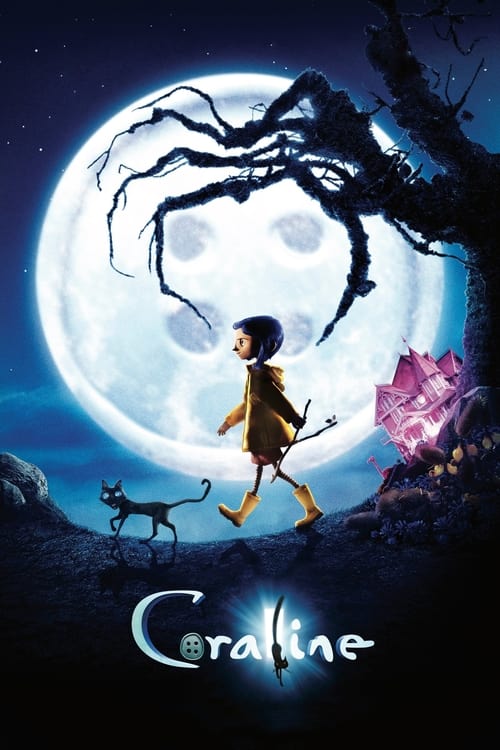
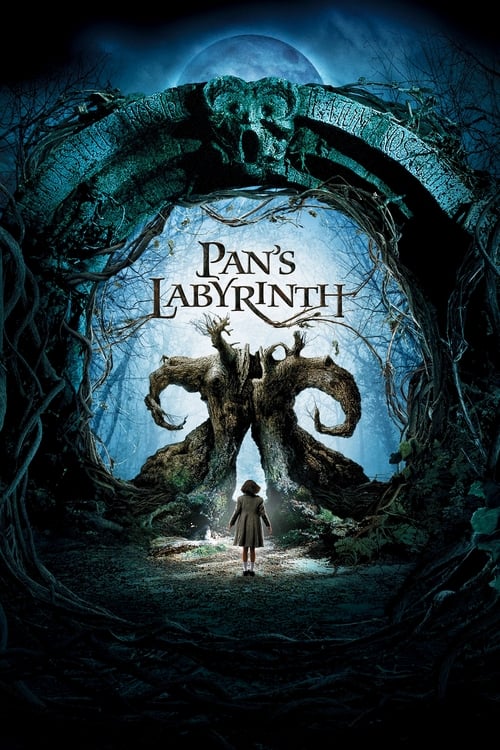
If you love the industrial fairy tale setting
Factories, mechanisms, and places where the rules of the real world do not apply
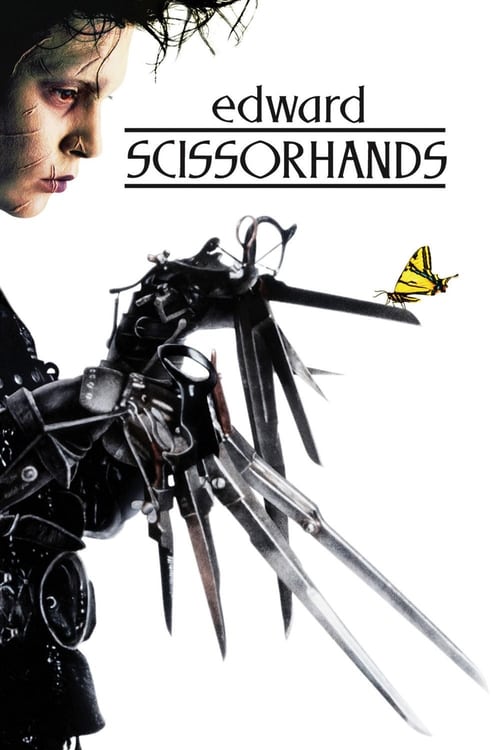
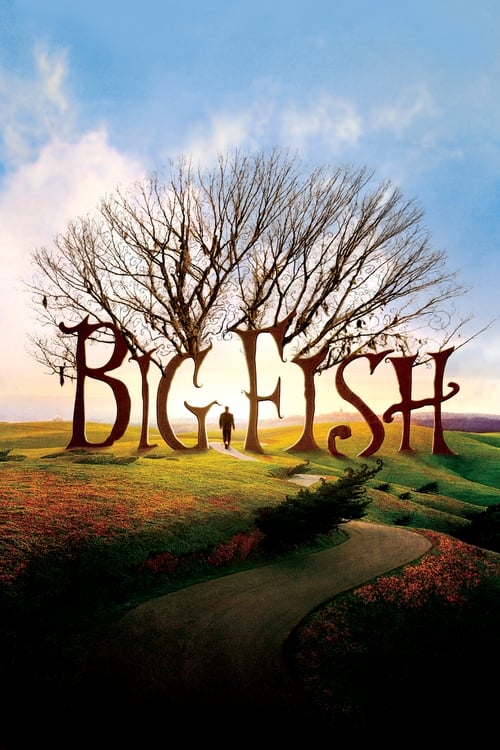
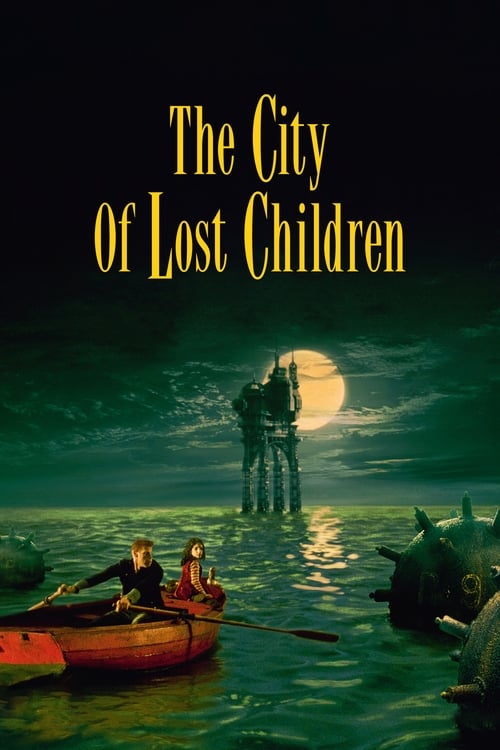
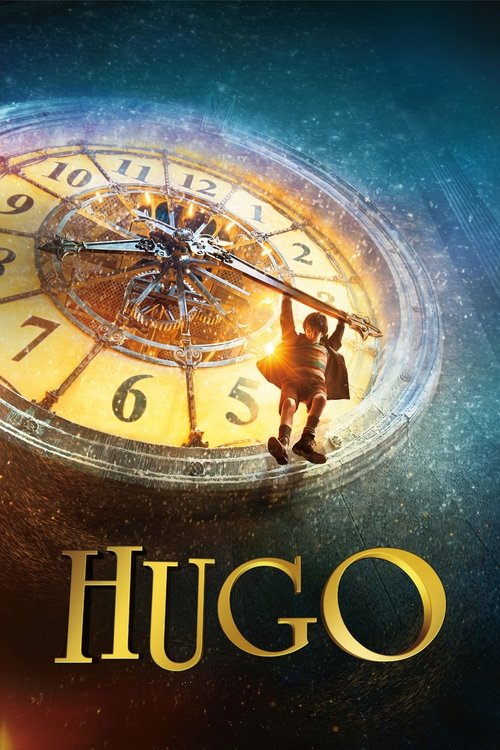
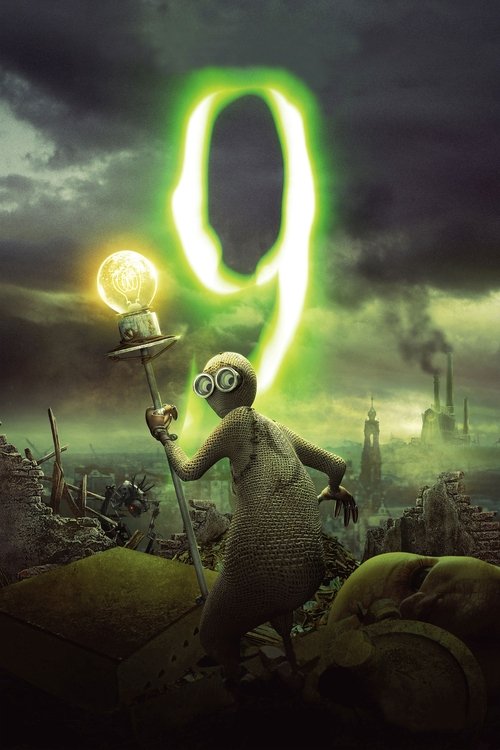
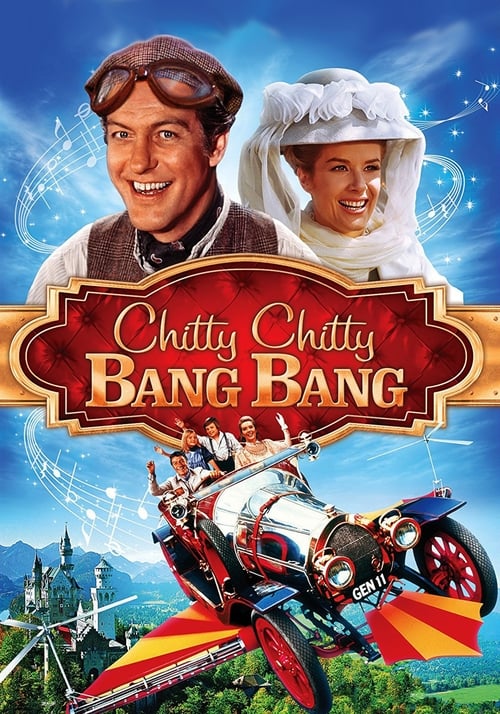


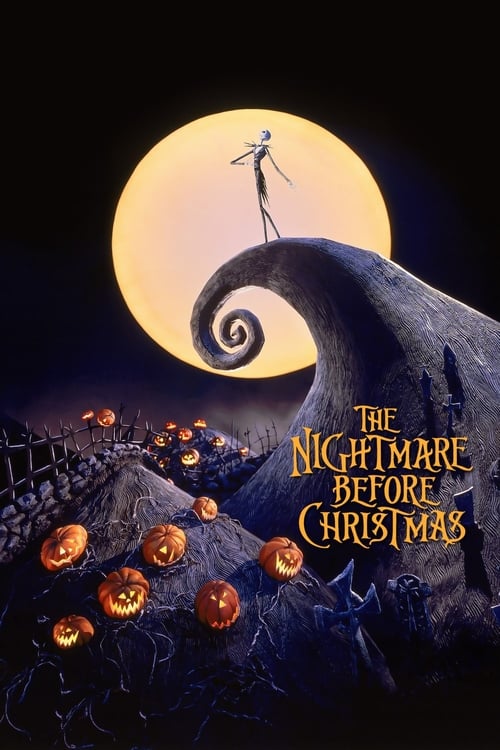
If you love morality tales where children get exactly what they deserve
Stories structured around vice, virtue, and consequences played out with dark glee
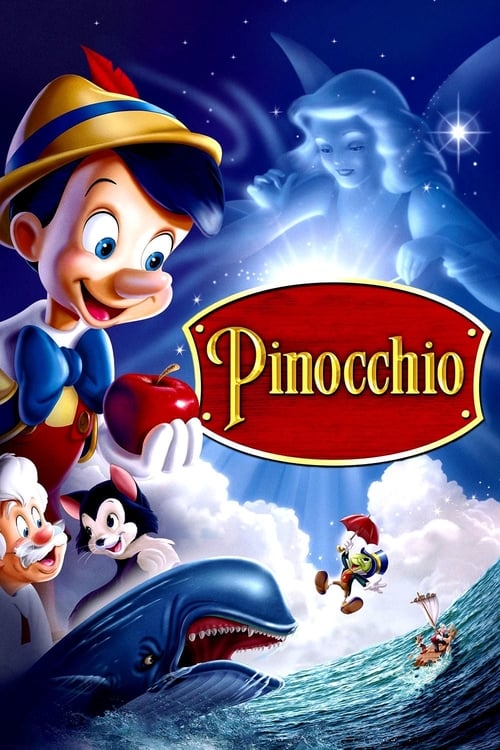
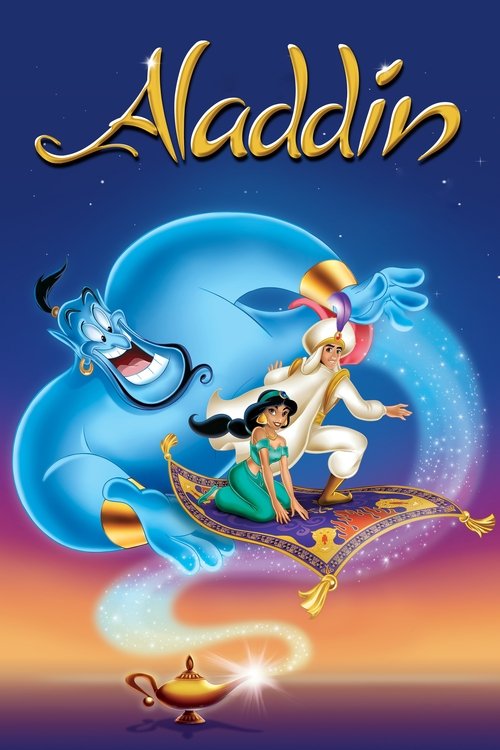
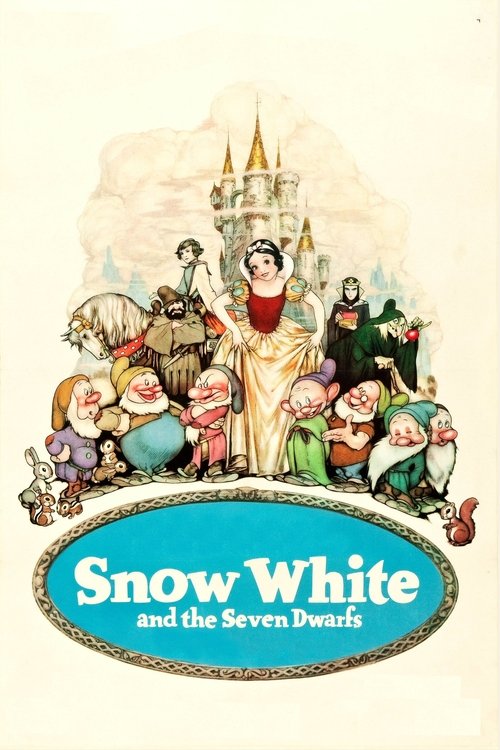
More Roald Dahl and fantastical worlds
For Fans of Roald Dahl
Explore the For Fans of Roald Dahl guide →The suspicion that honesty and decency might actually be rewarded in the end, even though all the available evidence suggests otherwise, is the engine the story runs on.On why the book keeps finding new audiences