
Roald Dahl wrote in a register that belongs to no one else: wickedly funny, slightly cruel, absolutely on the side of children. His books insist that the world is run by ridiculous, power-hungry adults who can be outwitted by a boy with a giant peach, a girl with telekinesis, or a fox operating on pure cunning. The darkness is real, the humor is darker, and the warmth underneath both is what makes readers return to these stories for the rest of their lives. Whether you fell for the chocolate river, the BFG's dream-catching, or Matilda's quiet fury at the injustice of Trunchbull's hallway, you are drawn to stories that take children's inner lives seriously and let imagination be the ultimate weapon.
Essential Roald Dahl
The definitive shelf, from the beloved to the criminally underread


The Screen Adaptations
From Tim Burton's factory to the BBC's definitive Matilda, every version worth watching


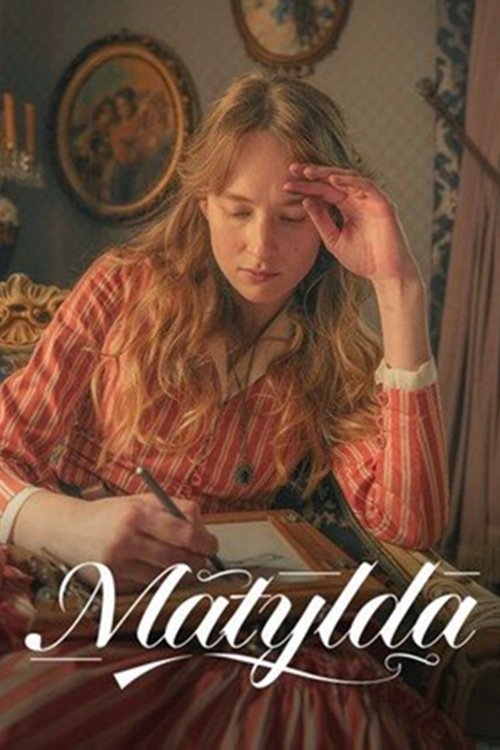
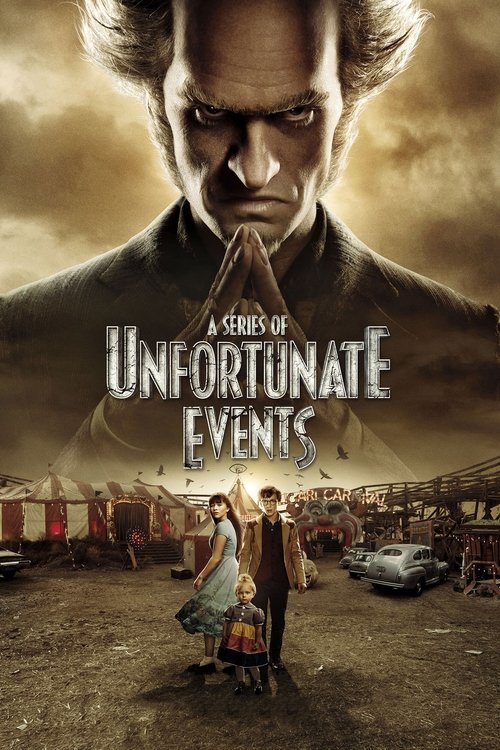
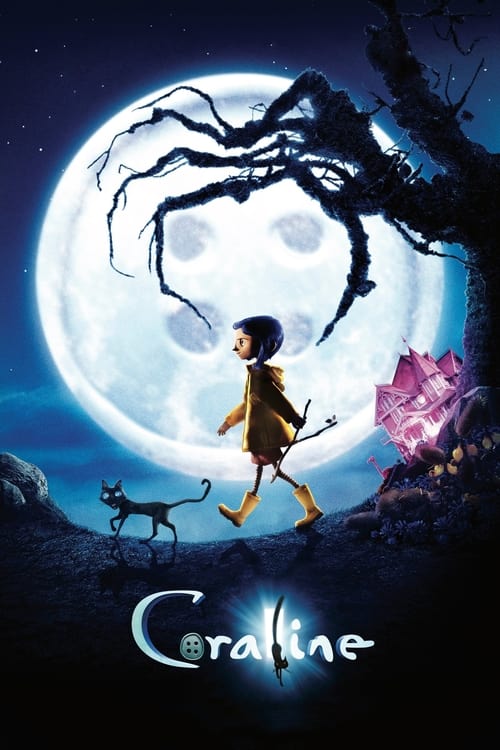
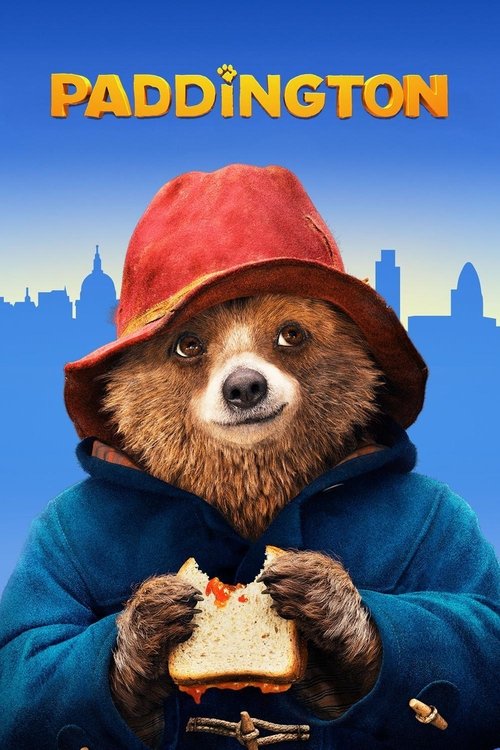
Whimsical and Dark: Films and Series in the Same Key
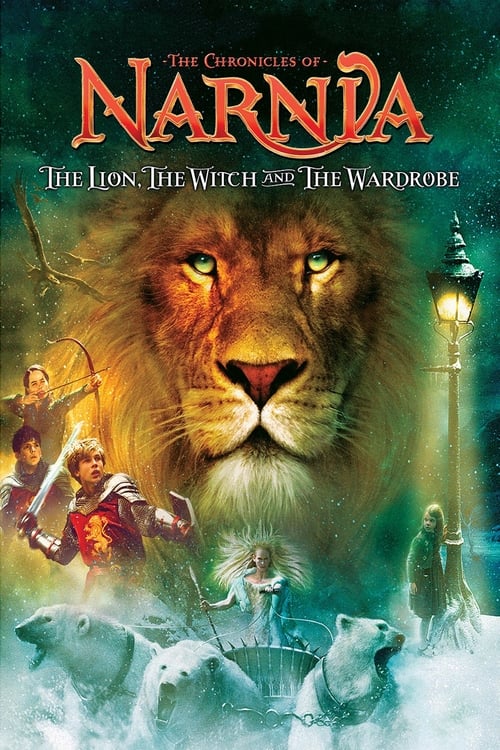
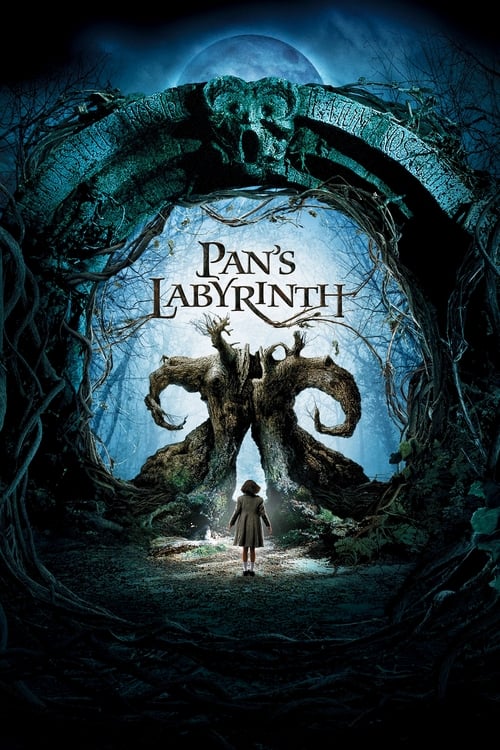
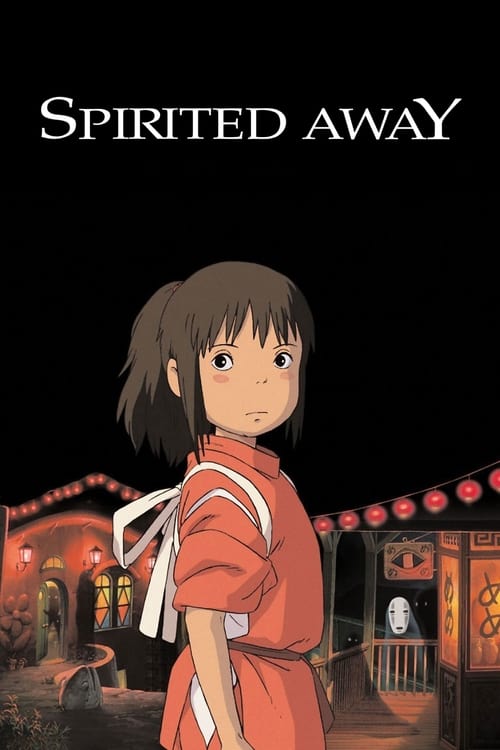
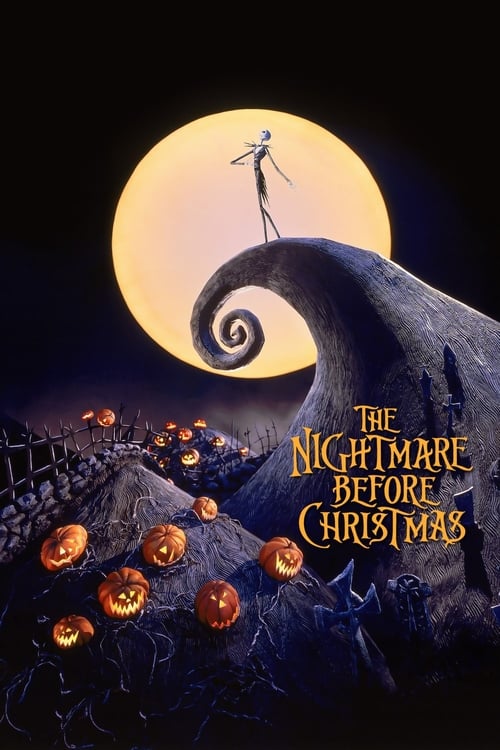
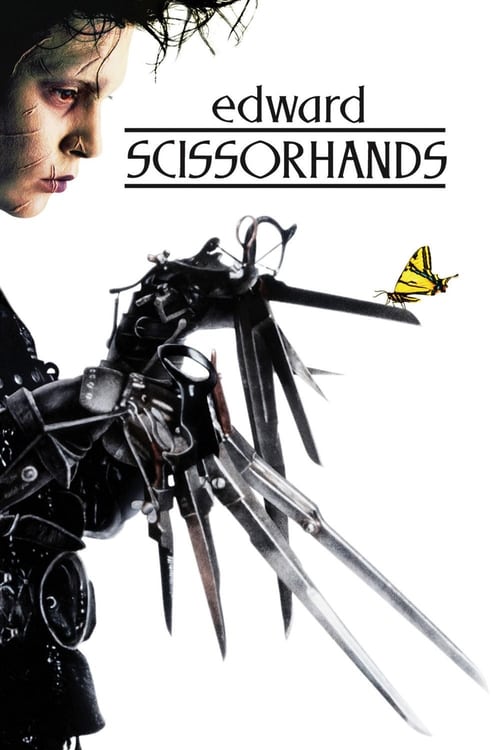
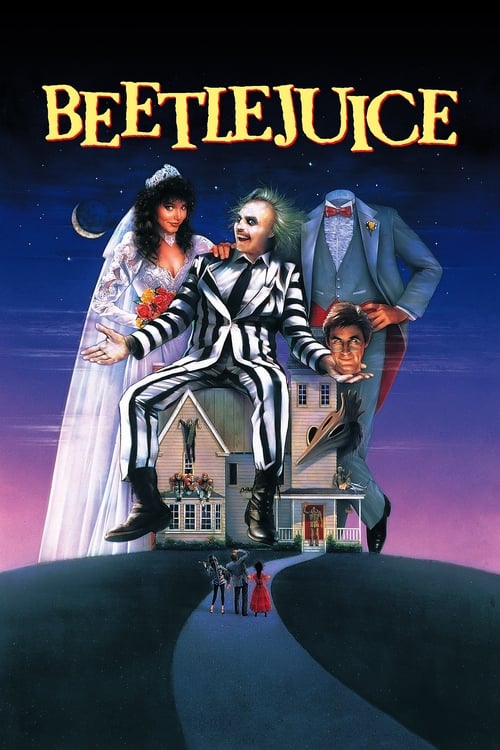
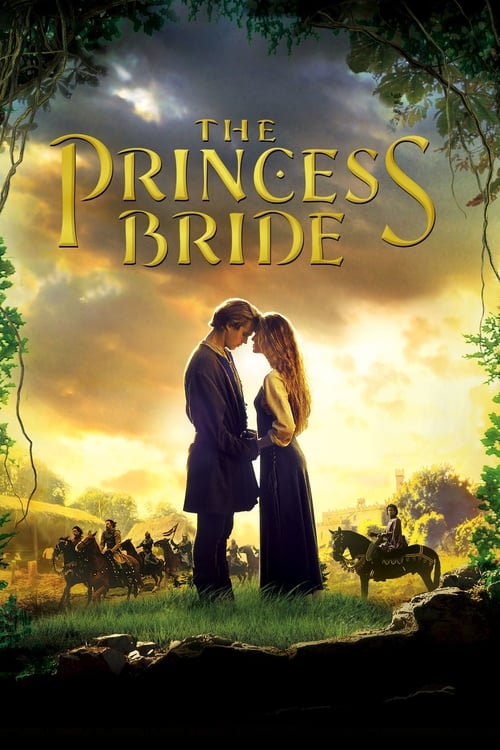
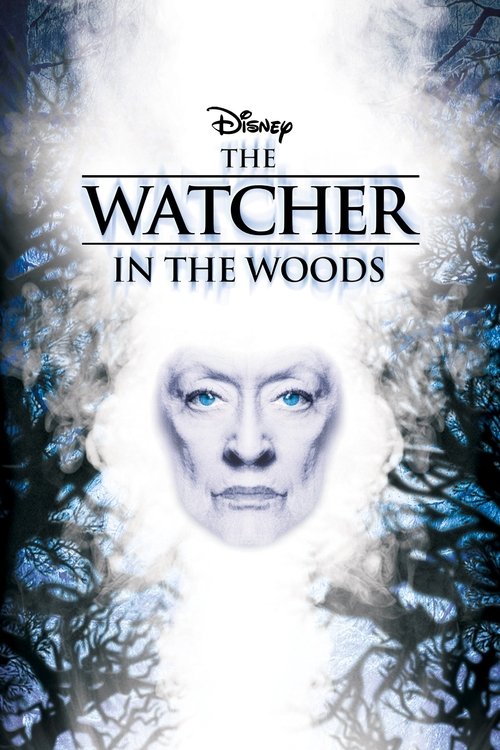
Child protagonists, absurdist adults, a world slightly off from ours
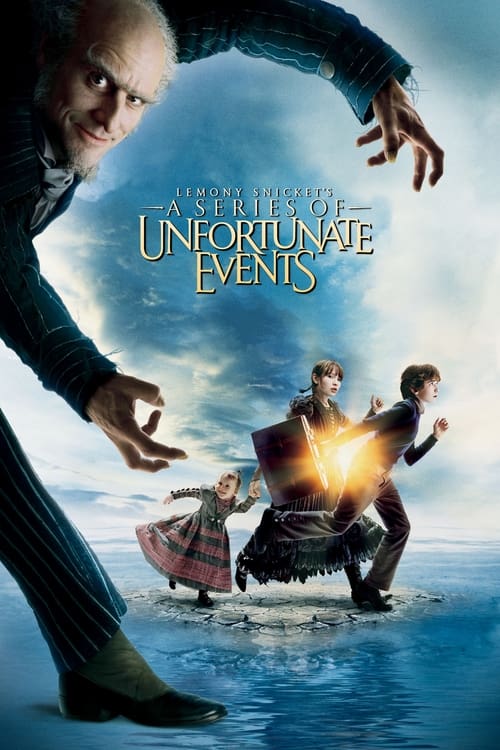
Authors Who Share Dahl's Frequency
Books for readers who like their fairy tales slightly sharp around the edges


Games for the Imaginative Troublemaker
Games that share Dahl's delight in outsmarting authority, crafting schemes, and exploring strange worlds
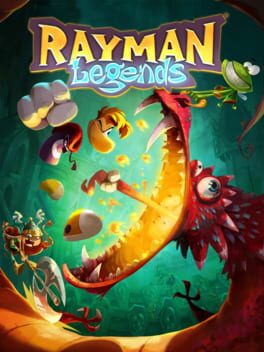
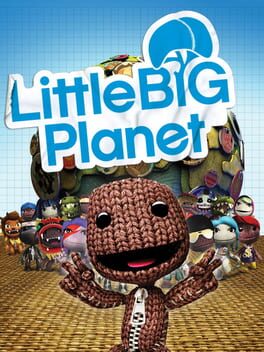
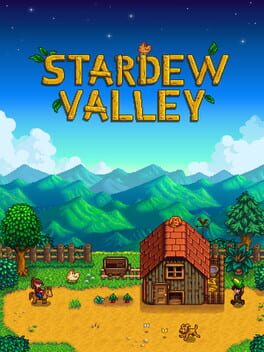

Matilda Is the Greatest Children's Novel of the 20th Century
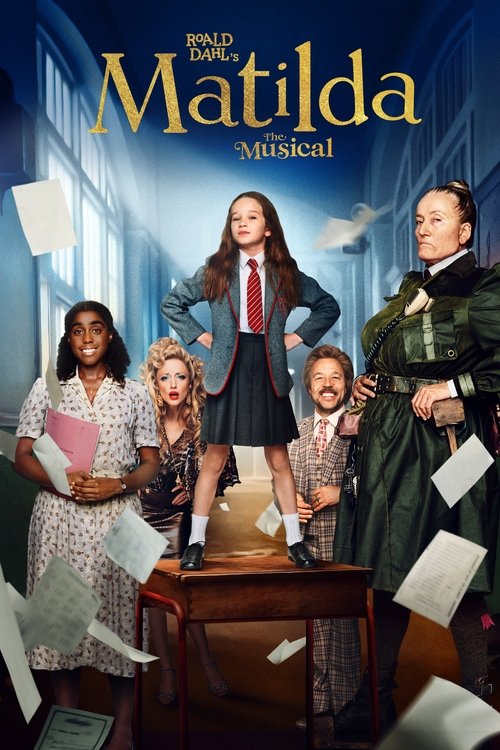
That is a big claim and it holds. Dahl stacks the deck mercilessly: a genius child, two monstrous parents, a sadistic headmistress, and one good adult. Then he gives Matilda telekinesis, which is the book being honest about what it is, a power fantasy for every child who ever felt overlooked and underestimated. The catharsis when Trunchbull runs screaming is not cheap; it is earned over 200 pages of accumulated injustice. The 2022 musical film adaptation by Matthew Warchus is the rare case of a Dahl adaptation that genuinely improves on the source by adding songs that say what the prose could only imply.
The Short Stories Are Where Dahl Is at His Most Dangerous
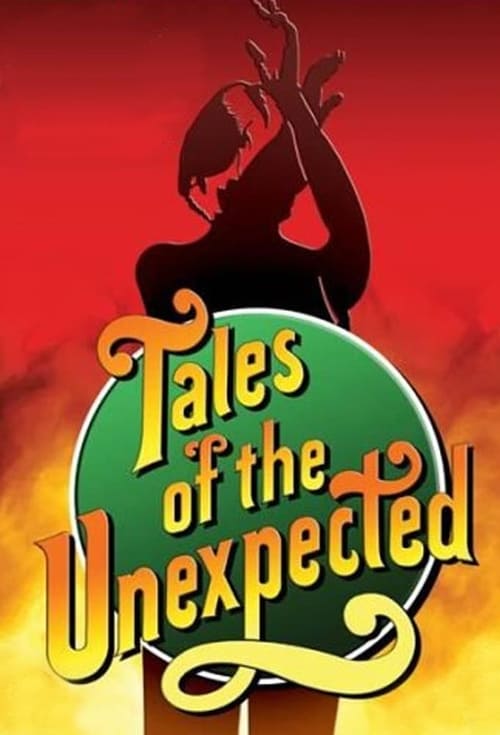
Most readers know the children's books, but Dahl spent decades writing short fiction for adults, collected in volumes like Tales of the Unexpected and Someone Like You. These stories are colder, more cynical, and funnier in a way that makes you feel slightly guilty about laughing. The twist endings are earned, not cheap, because Dahl builds each story on a perfectly ordinary social situation, a dinner party, a wine bet, a marriage, and then reveals the one wrong note underneath. The BBC adaptations of these ran for years for good reason.
Wes Anderson's Fantastic Mr. Fox Understands Dahl Better Than Most
Dahl distrusted adaptations, and had notoriously strong opinions about them. Wes Anderson's stop-motion Fantastic Mr. Fox (2009) is the clearest counterargument. It keeps the bones of Dahl's story, a fox who steals from three terrible farmers and pays for it, and layers Anderson's own themes of inadequacy and family underneath. The result is one of the most purely enjoyable family films of the 2000s, one that works for children on one level and for adults reading Dahl's own anxieties about fatherhood on another.
A Life in Mischief: Key Moments in the Dahl Canon
- 1943The Gremlins, Dahl's first published book for children, appears with Disney involvement.
- 1953Someone Like You, his first major adult short story collection, establishes his darkly comic register.
- 1964Charlie and the Chocolate Factory published; the chocolate river becomes one of fiction's most famous images. Charlie and the Chocolate Factory
- 1970Fantastic Mr Fox published; Dahl dedicates it to his children. Fantastic Mr Fox
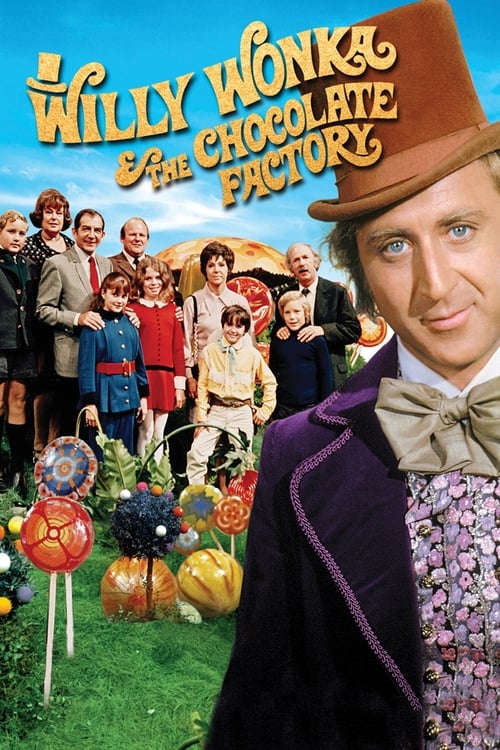
- 1971Gene Wilder's Willy Wonka arrives; Dahl disowns the film but audiences love it. Willy Wonka & the Chocolate Factory
- 1982The BFG published; Quentin Blake's illustrations make the giant one of children's literature's most beloved characters. The BFG
- 1983Matilda published, completing Dahl's quartet of great child-vs-adult novels. Matilda
- 1996Mara Wilson plays Matilda in the Danny DeVito film, a warm crowd-pleaser that misses the book's fury but invents its own charm. Matilda
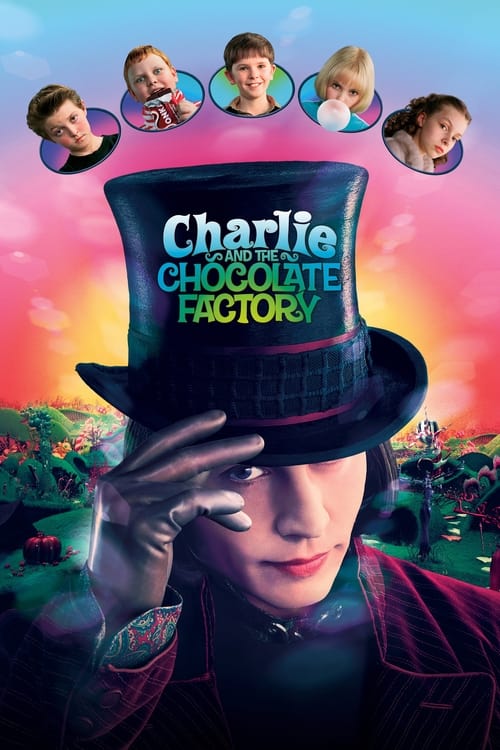
- 2005Tim Burton and Johnny Depp reimagine Charlie in a neon-saturated, uncanny-valley factory. Charlie and the Chocolate Factory
- 2016Spielberg adapts The BFG, faithful and gentle and largely overlooked. The BFG
- 2022Matilda the Musical arrives on Netflix; Alisha Weir and Emma Thompson deliver the definitive screen versions of their roles. Roald Dahl's Matilda the Musical
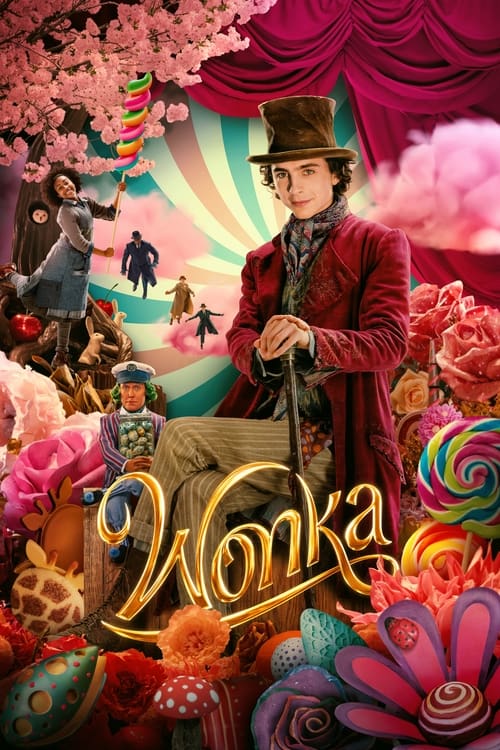
- 2023Wonka rewrites the origin story; Timothee Chalamet plays the young chocolatier as an earnest idealist. Wonka
More Mischief and Wondrous Worlds
Every Version of Charlie and the Chocolate Factory
Explore the Every Version of Charlie and the Chocolate Factory guide →A person is a fool to become a writer. His only compensation is absolute freedom. He has no master except his own soul, and that, I am sure, is why he does it.Roald Dahl