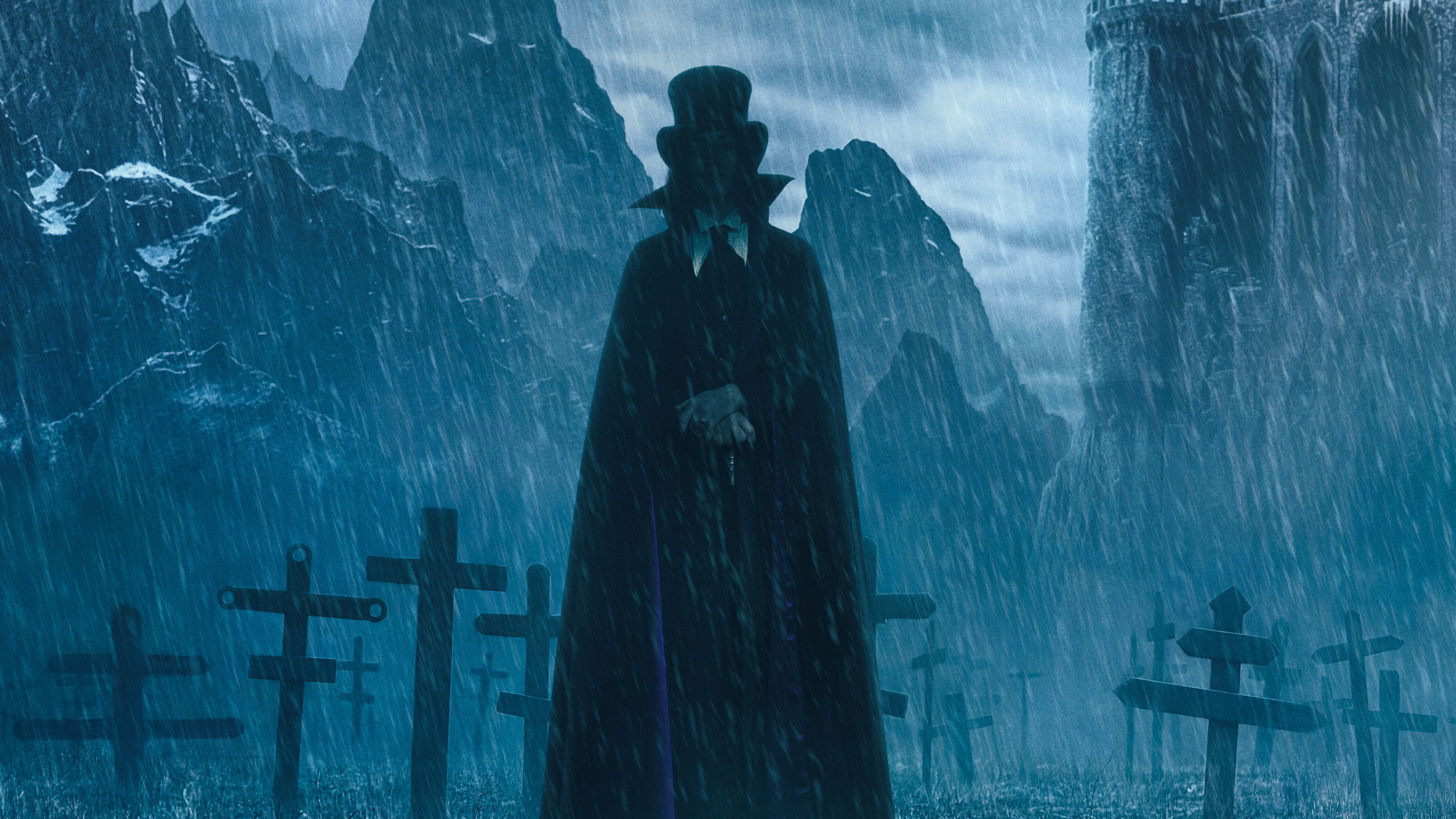

The Count Who Refused to Stay Dead
Bram Stoker published Dracula in 1897, assembling an epistolary novel from diary entries, letters, and phonograph transcripts. The story drew on Eastern European folklore, Irish ghost-story traditions, and, to a lesser degree, the historical Wallachian prince Vlad III (the connection to that figure is thinner than popular myth suggests). The novel introduced a Transylvanian nobleman who travels to England to feed and spread undeath, opposed by a ragged coalition of professionals and one relentless Dutch doctor.
The book was a modest success in Stoker's lifetime. What turned it into a permanent cultural fixture was theatre: the 1927 stage adaptation by Hamilton Deane and John L. Balderston, which gave Dracula his opera cape and mid-Atlantic manners, and made Bela Lugosi a star. From that staging came the 1931 Universal film, and from that film came a century of imitations, reinventions, parodies, and sincere reimaginings across every medium a storyteller has ever touched.
Every Version of Dracula
The source novel and every major film and series adaptation


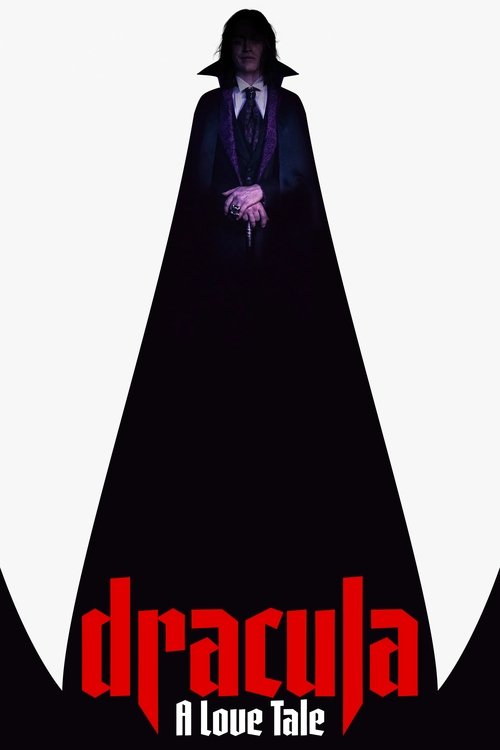
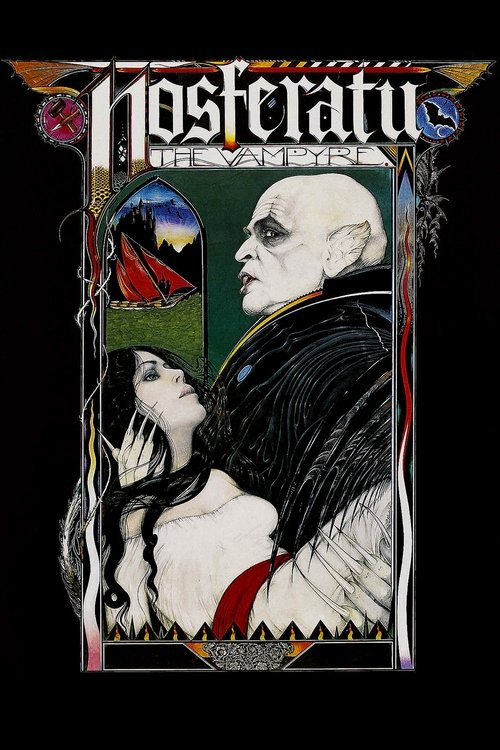

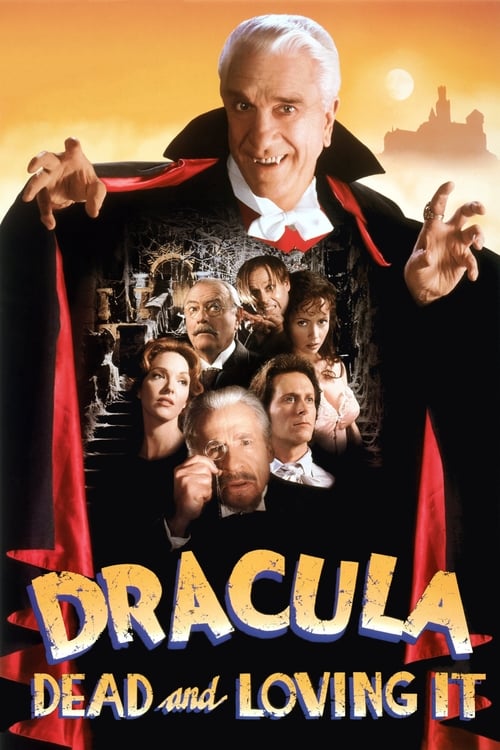
Dracula Through the Ages
- 1897Bram Stoker publishes the novel Dracula
- 1922First unauthorized film adaptation, made without Stoker's estate's permission Nosferatu
- 1927The Deane-Balderston stage play opens on Broadway, giving Dracula his opera cape
- 1931Universal Studios and Bela Lugosi define the Count for generations Dracula
- 1958Hammer Horror launches the Christopher Lee era with a visceral color remake
- 1968Third Lee-Dracula entry from Hammer, the most commercially successful of the series
- 1972A pointed blaxploitation riff on the myth Blacula
- 1979Werner Herzog's austere, elegiac German-language remake Nosferatu the Vampyre
- 1979Frank Langella brings his acclaimed Broadway Dracula to the screen
- 1992Coppola's lush, operatic version takes the novel's romance seriously Bram Stoker's Dracula
- 1994Mel Brooks plays the myth for comedy Dracula: Dead and Loving It
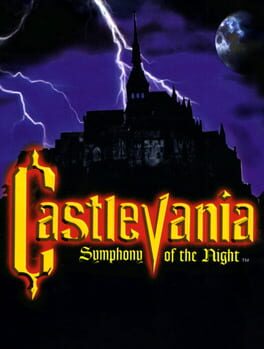
- 1997Castlevania: Symphony of the Night perfects the gothic action-RPG Castlevania: Symphony of the Night
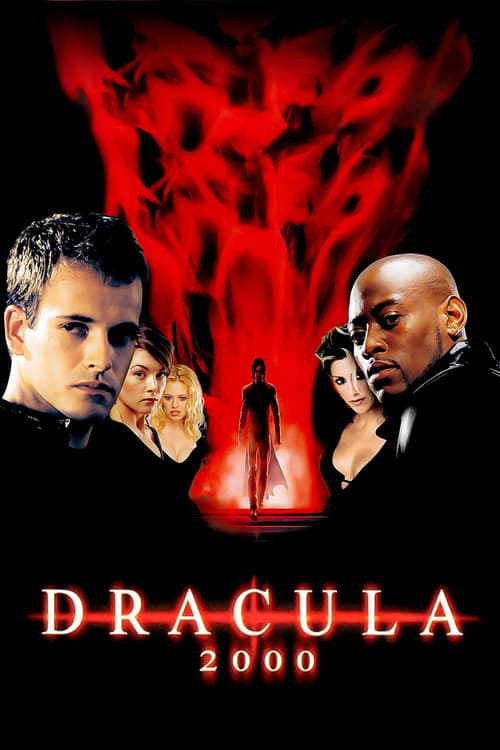
- 2000Wes Craven-produced modern thriller relocates the Count to New Orleans Dracula 2000
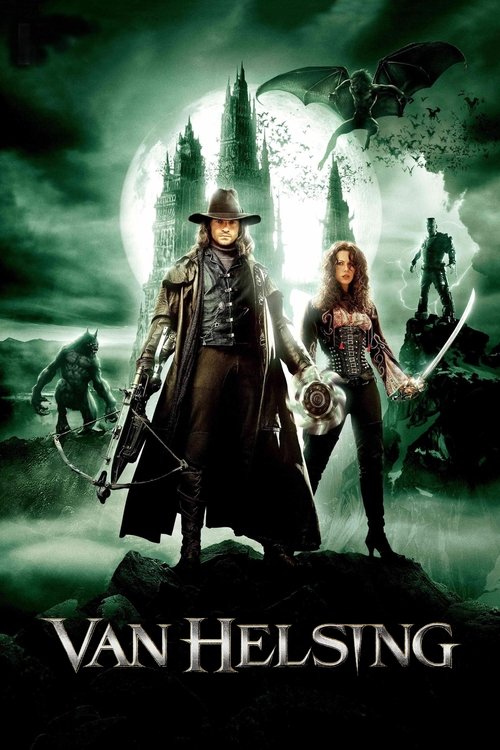
- 2004Blockbuster monster-hunter mashup pits Van Helsing against Dracula Van Helsing
- 2013NBC resets Dracula as a Victorian industrialist seeking revenge
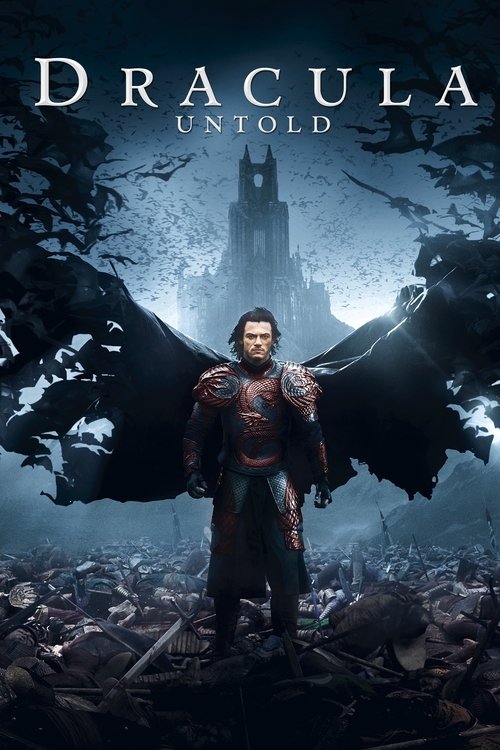
- 2014Origin-story prequel casts Vlad as a self-sacrificing superhero Dracula Untold
- 2020BBC-Netflix miniseries by the Sherlock creators reimagines the Count as a creature of pure predatory intelligence
- 2024Robert Eggers returns to Nosferatu with his signature period horror craft Nosferatu
The definitive version is still Francis Ford Coppola's
Bram Stoker's Dracula (1992) is the only film that takes the novel's operatic emotional register seriously. Gary Oldman plays every facet of the Count, from the ancient warlord of the prologue to the decrepit shape-shifter in London, and Coppola leans into the explicit erotic charge of the source material rather than domesticating it. The in-camera optical effects give the film a handmade uncanniness that digital polish would erase. It is excessive, romantic, and genuinely strange in ways no subsequent adaptation has matched.
The one to skip: Dracula Untold
Dracula Untold (2014) mistakes sympathetic origin for depth. Making Vlad a self-sacrificing superhero who becomes a vampire to protect his people defangs exactly what makes Dracula compelling: the Count is not a tragic hero. The film launders every disturbing quality out of the character, then wraps up with a post-credits tease for a shared monster universe that never materialized. Watch Dracula Untold to understand what happens when franchise anxiety overwrites Gothic instinct.
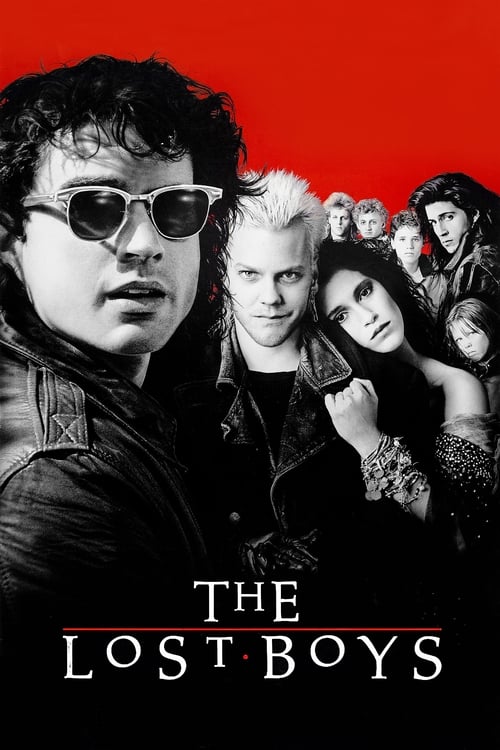
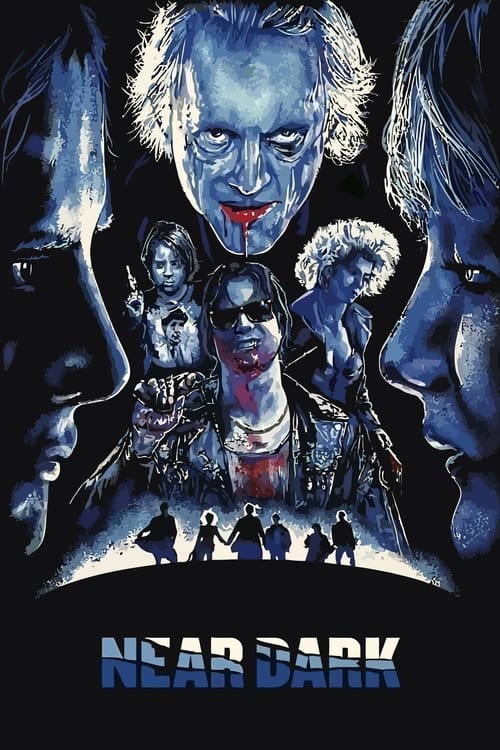
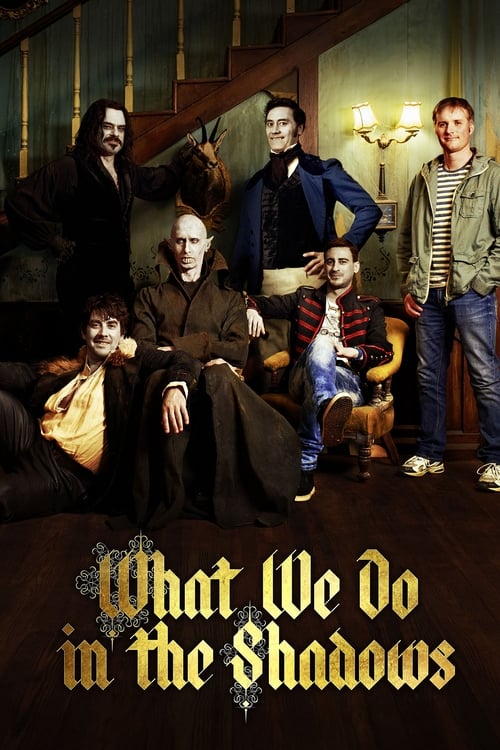
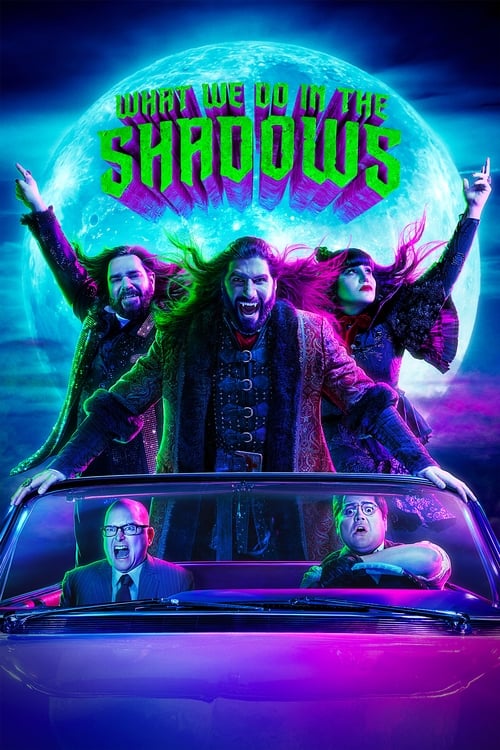
If You Love Dracula: Other Vampire Classics
The genre's other defining works


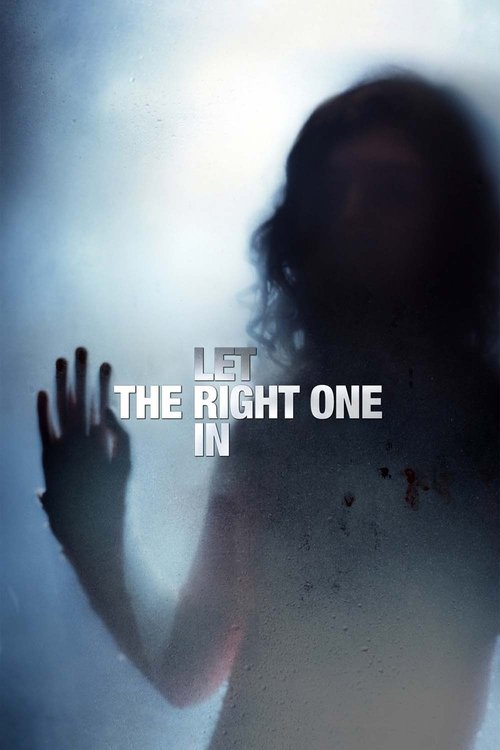


If You Love Dracula: Gothic Horror Landmarks
Works where setting and atmosphere are as important as the monster


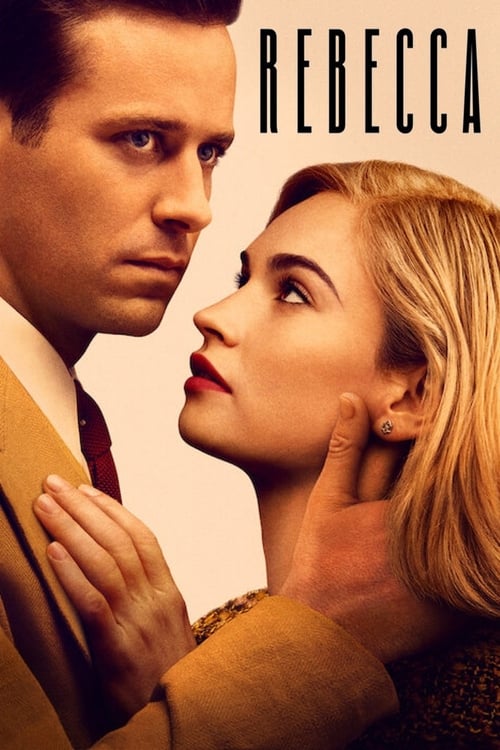
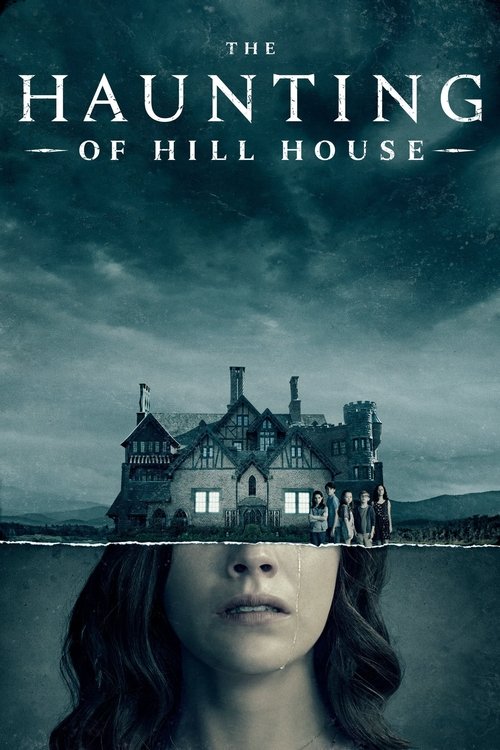
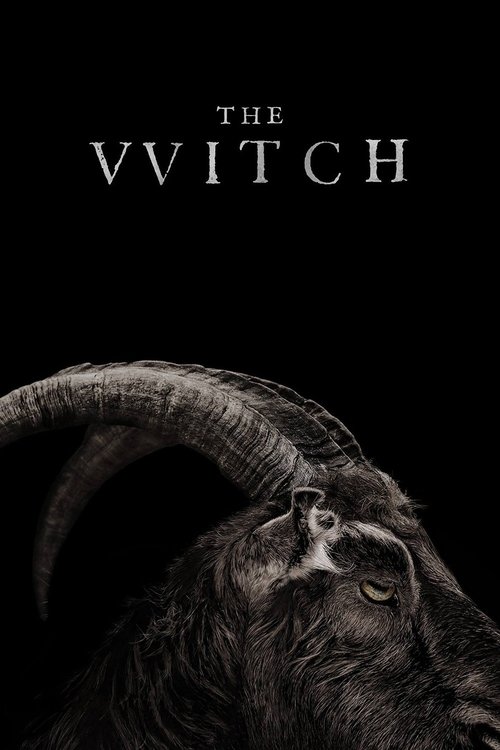
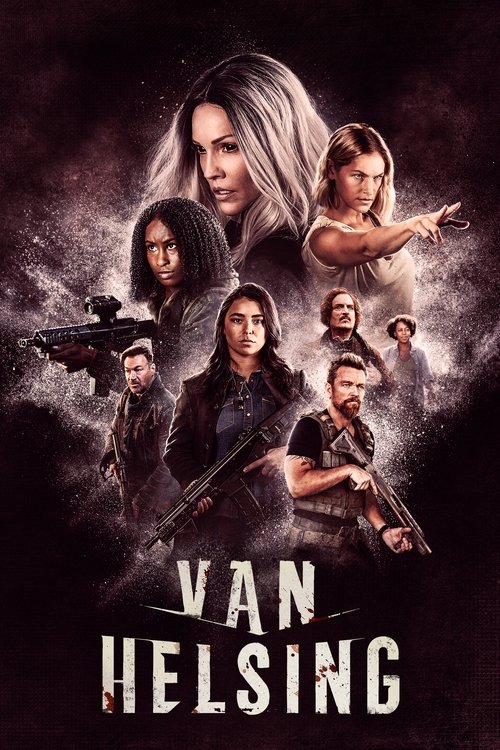
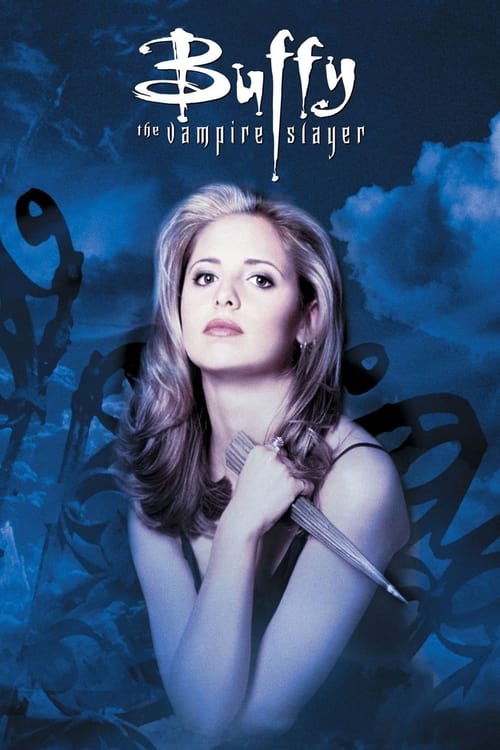
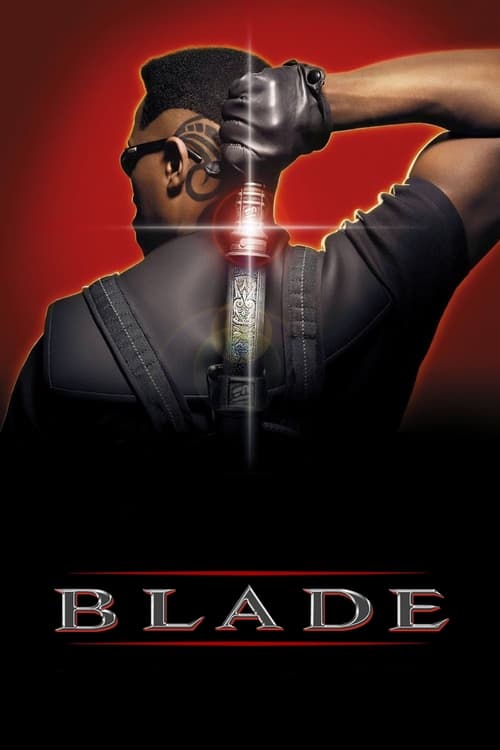
If You Love Dracula: Monster Hunters and Van Helsing Stories
The thrill of the chase across media
Vampires and gothic dread across media
Vampires
Explore the Vampires guide →Welcome to my house. Enter freely. Go safely; and leave something of the happiness you bring.Dracula, Bram Stoker (1897)