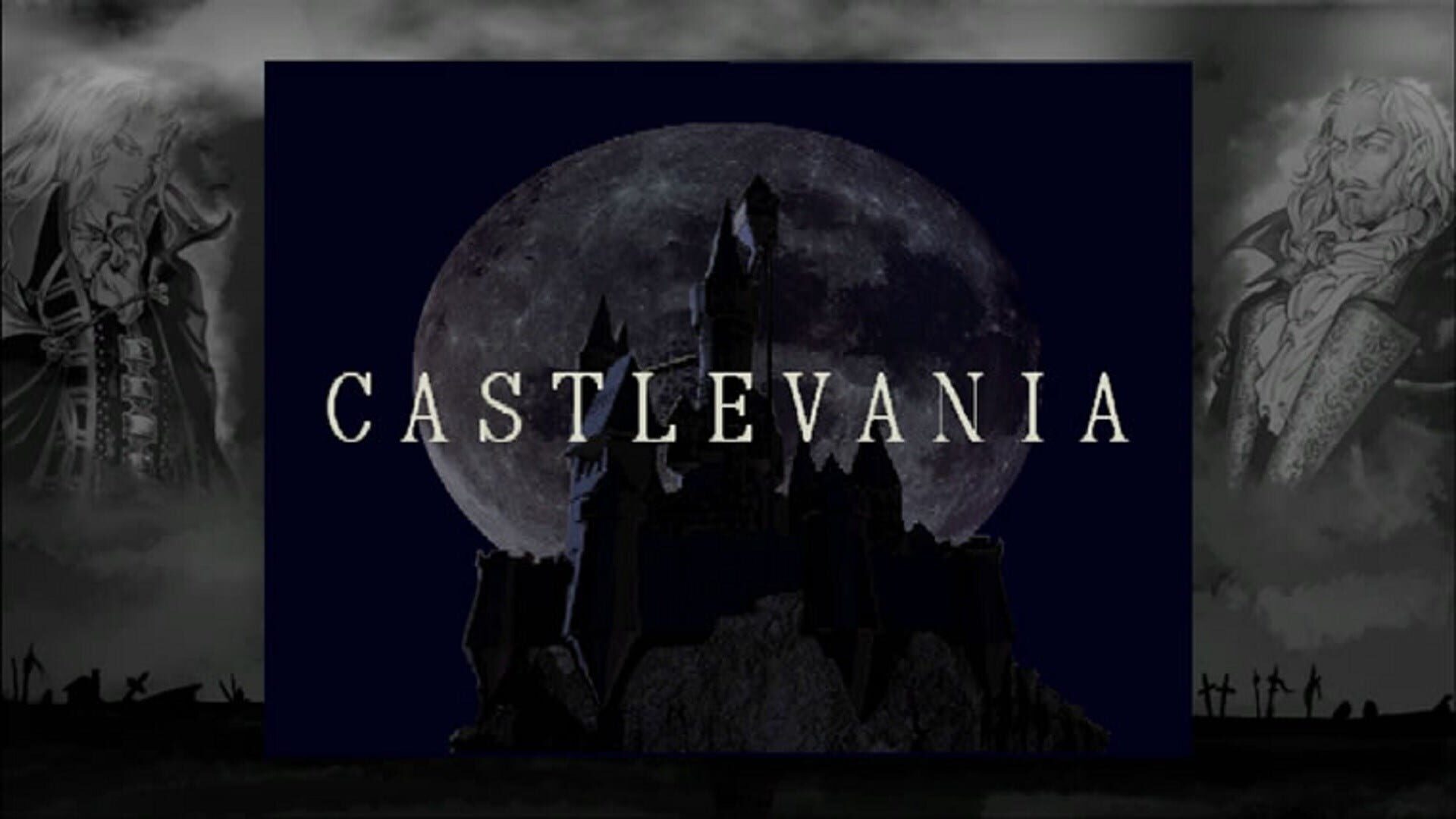

Castlevania is one of gaming's most enduring franchises: a series of gothic action games launched by Konami in 1986 that pits the vampire-hunting Belmont clan (and their legendary Vampire Killer whip) against Dracula and an army of creatures pulled from horror mythology. The through-line fans love is tone: the series never flinches from operatic tragedy, moral ambiguity, and the idea that monsters are made as much as born. Simon Belmont, Trevor Belmont, Alucard, and the rest are compelling not because they always win cleanly, but because the war costs them something. The metroidvania sub-genre Castlevania helped define, crystallized by Symphony of the Night in 1997, rewards patience and curiosity: every locked door eventually opens, every dark corner hides a secret worth finding. That combination of gothic atmosphere, demanding but fair combat, and rich lore has made Castlevania the reference point for an entire aesthetic universe spanning games, animation, horror literature, and dark-fantasy film.
Essential Castlevania
The core canon: where to start, where to go deep
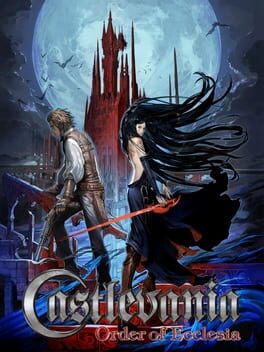
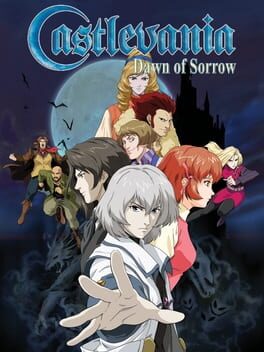
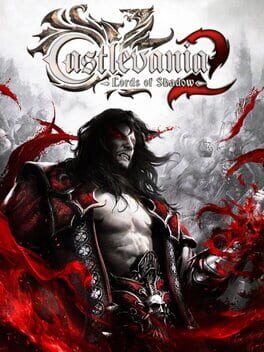
If You Love the Netflix Series
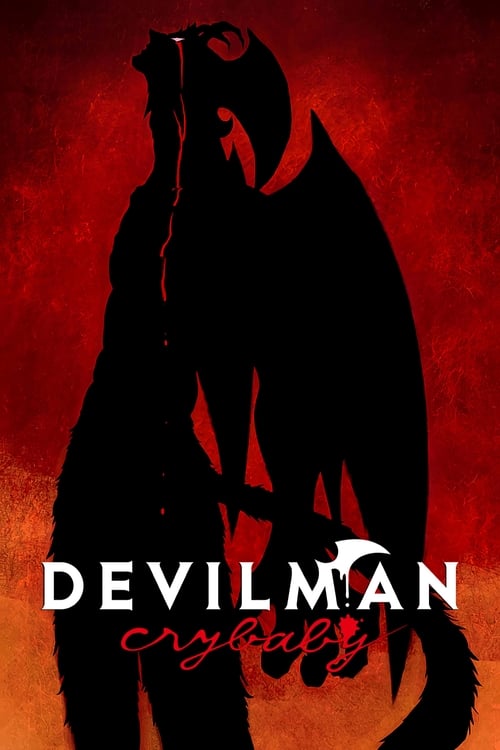
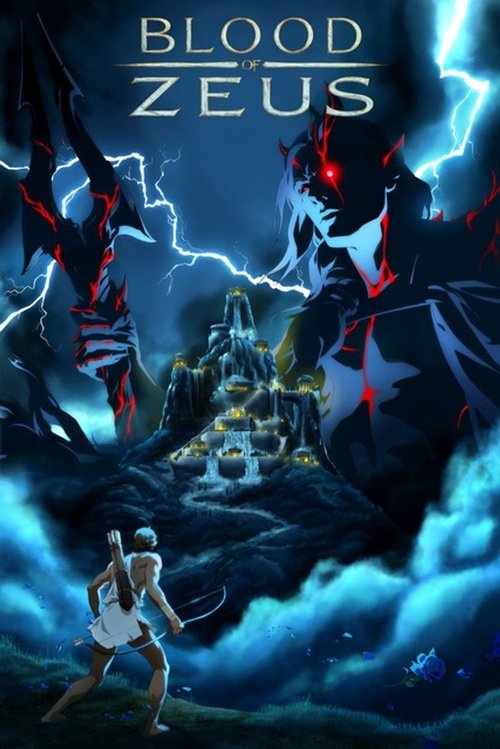
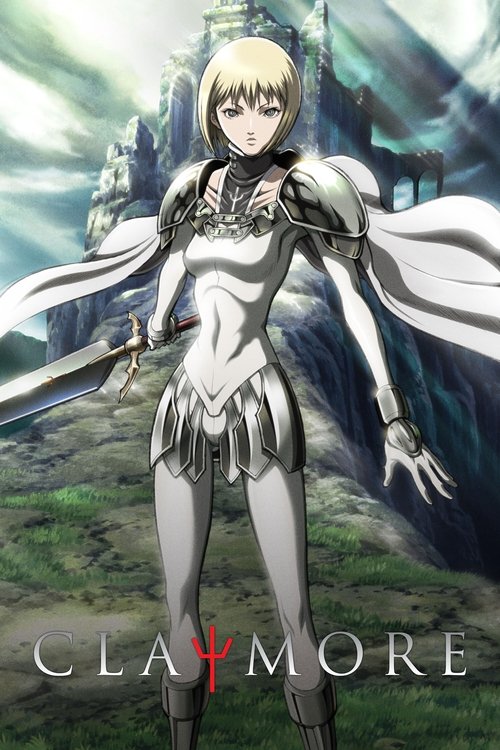
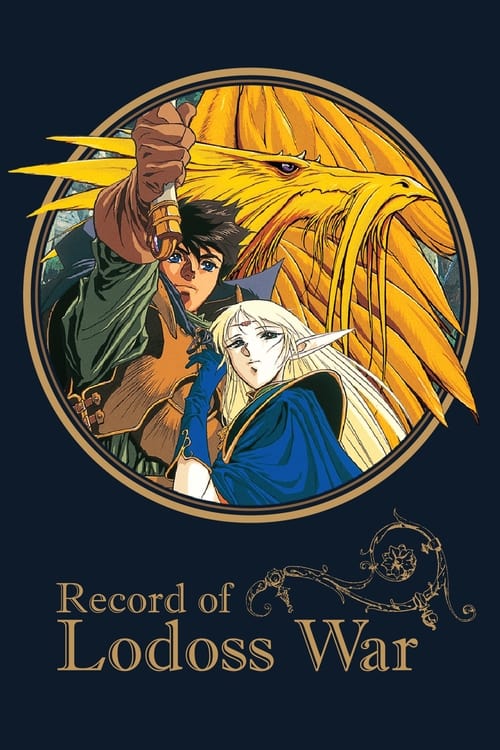
Dark fantasy animation and television that earns its tragedy
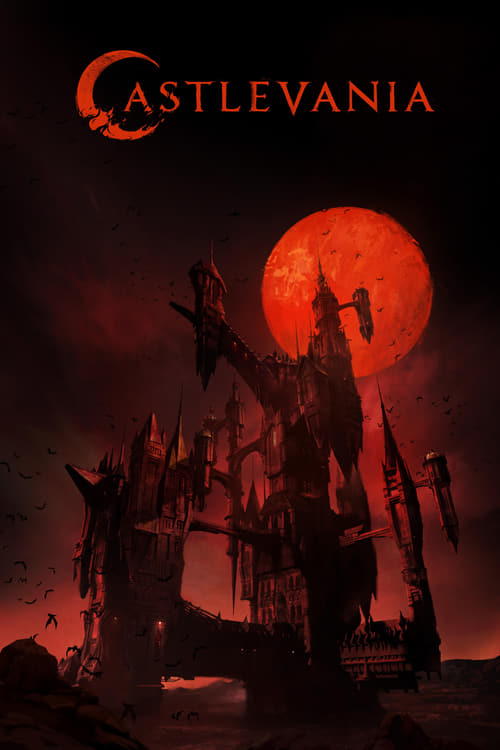

Gothic Horror on Screen
The vampire films and dark-fantasy series that share Castlevania's DNA



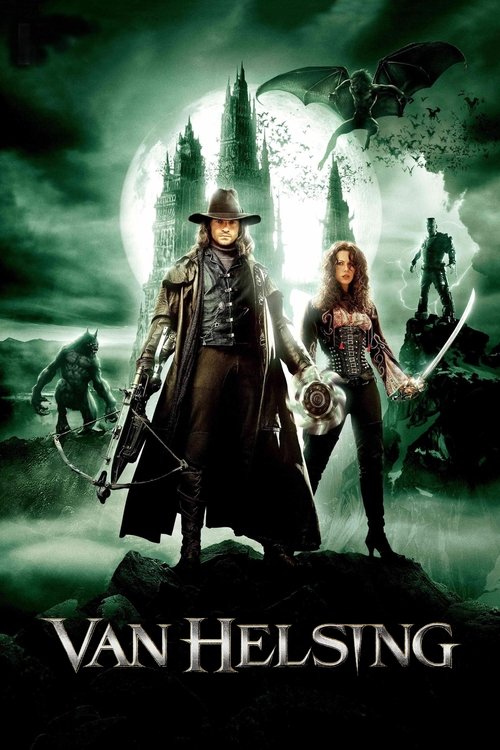
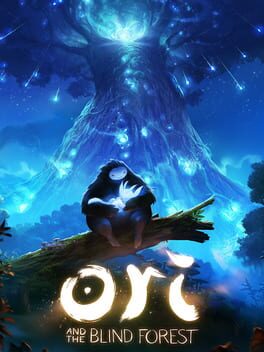
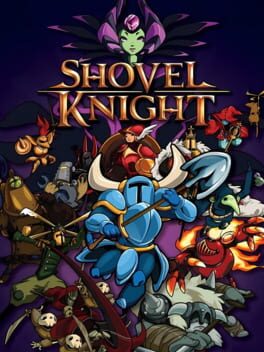
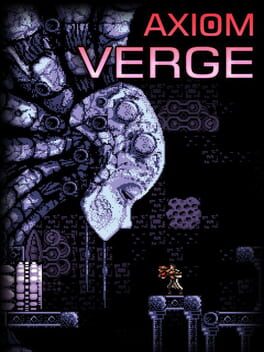
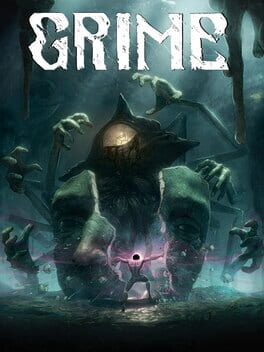
Metroidvania and Dark Action Games
Games that carry the torch of gothic exploration and demanding combat
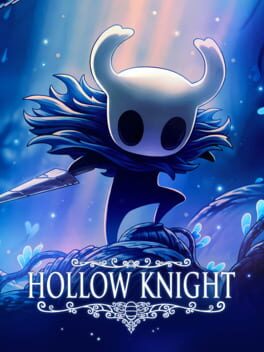
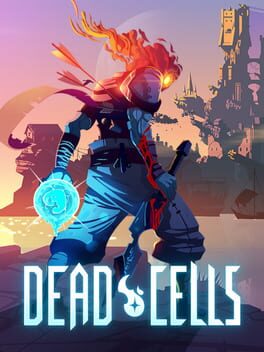
Gothic Horror and Dark Fantasy in Literature
The novels and stories that built the mythology Castlevania draws from


Symphony of the Night Changed Everything
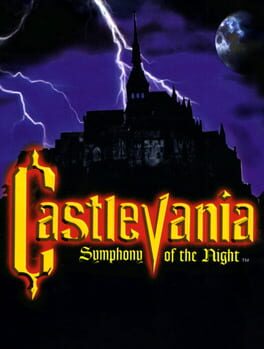
When Symphony of the Night inverted Castlevania's level structure in 1997, it did more than add a map screen: it redefined what a game world could feel like. The castle is not a series of levels to survive but a place to understand, with secrets that only reveal themselves to the patient and the curious. Alucard's alien grace, the operatic orchestral score by Michiru Yamane, and the moment the castle literally turns upside down are still benchmarks for how atmosphere and design can amplify each other. Every metroidvania that followed owes a direct debt.
The Netflix Series Earned Its Tears
Warren Ellis's scripts for the Netflix Castlevania series did something rare with game adaptations: they made the lore matter. Trevor Belmont's arc from bitter drunk to reluctant hero, the friendship with Sypha, the tragedy of Alucard's position between monster and human worlds -- these are character beats that work precisely because the show trusts its audience to sit with moral complexity. Season 2's finale is one of the genuinely moving pieces of action animation in recent memory.
Dracula is the Genre's Beating Heart
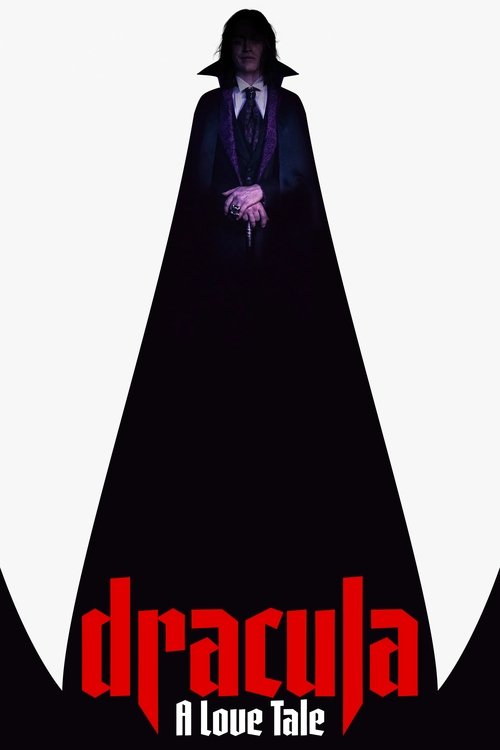
Bram Stoker's Dracula is not just the source novel for Castlevania's villain: it is the template for how to make an immortal monster feel genuinely tragic. The Count's loneliness, his contempt for the world that has forgotten him, his strange magnetism -- all of it is present in Dracula's appearances across the Castlevania games, especially in the Lords of Shadow interpretation. Reading the original novel after playing the games reveals how carefully Konami curated the mythology.
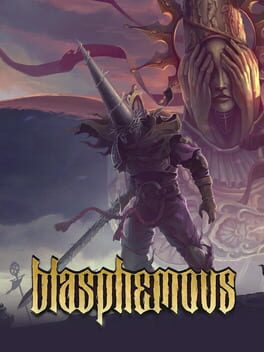
Blasphemous Knows What Gothic Dread Tastes Like
The Soulslike and metroidvania traditions merged most completely in Blasphemous, a game that builds its nightmare from Spanish Catholic iconography the way Castlevania builds from European monster mythology. Both franchises understand that oppressive architecture, punishing combat, and a world soaked in unexplained lore create a specific kind of beautiful misery. If Symphony of the Night's castle made you feel small in the best way, Cvstodia's cathedrals will do the same.
A History of the Vampire Killer
- 1819John Polidori publishes The Vampyre, establishing the aristocratic vampire in fiction The Vampyre
- 1872Sheridan Le Fanu's Carmilla introduces the female vampire and the gothic-horror novella form Carmilla
- 1897Bram Stoker's Dracula sets the template for gothic vampire mythology that Castlevania inherits Dracula
- 1922F.W. Murnau's Nosferatu brings the vampire to cinema with expressionist dread Nosferatu
- 1986Konami releases Castlevania on the Famicom Disk System in Japan, launching the franchise
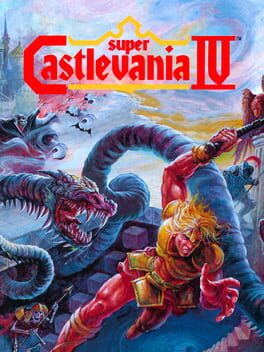
- 1990Super Castlevania IV refines the formula on SNES with multi-directional whip control Super Castlevania IV
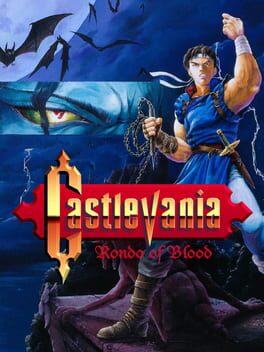
- 1993Castlevania: Rondo of Blood is released in Japan, setting a new high-water mark for the linear style Castlevania: Rondo of Blood
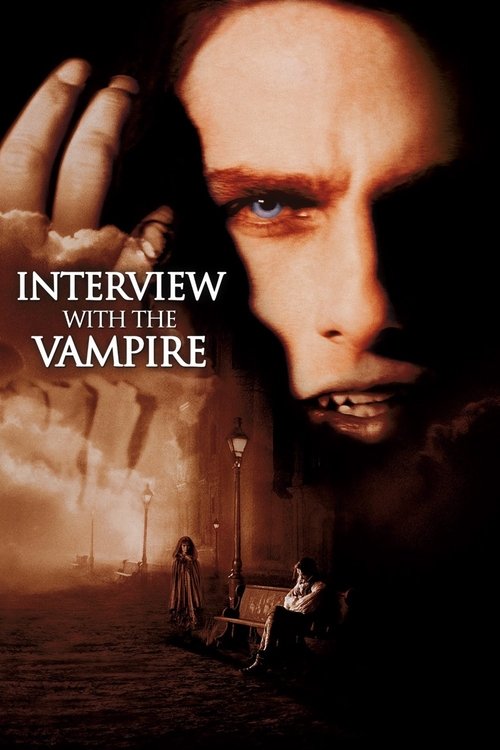
- 1994Anne Rice's Interview with the Vampire becomes a film with Tom Cruise and Brad Pitt Interview with the Vampire
- 1997Symphony of the Night invents the metroidvania structure and defines the series' artistic peak Castlevania: Symphony of the Night
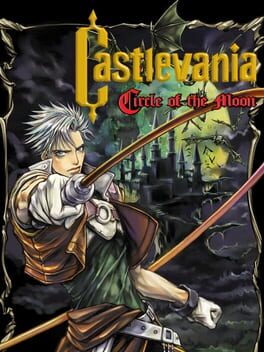
- 2001Circle of the Moon launches the GBA era, proving the metroidvania works on handheld Castlevania: Circle of the Moon
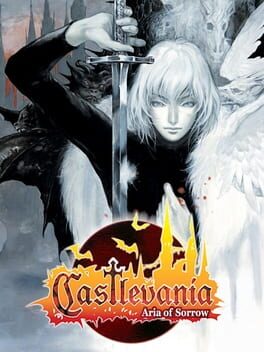
- 2003Aria of Sorrow introduces soul-absorption and one of the franchise's best protagonists Castlevania: Aria of Sorrow
- 2008Order of Ecclesia pushes the portable metroidvania to its most demanding and rewarding Castlevania: Order of Ecclesia
- 2010Lords of Shadow relaunches the series in 3D with a new mythology and Gabriel Belmont Castlevania: Lords of Shadow 2
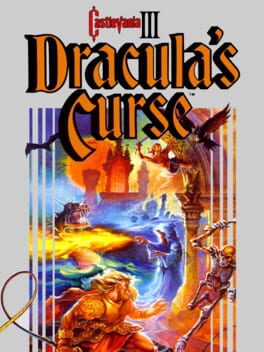
- 2017Netflix's Castlevania animated series premieres, adapting Dracula's Curse with mature writing Castlevania
- 2019Bloodstained: Ritual of the Night ships, Koji Igarashi's spiritual successor to Symphony of the Night Bloodstained: Ritual of the Night
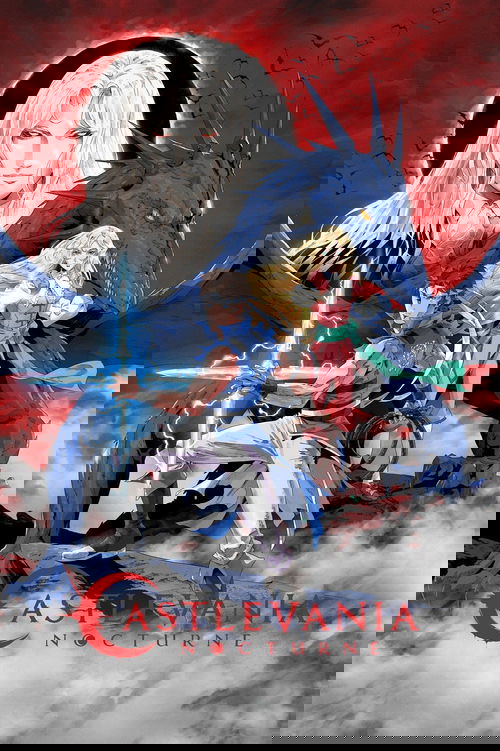
- 2023Castlevania: Nocturne continues the Netflix series with Richter Belmont and the French Revolution Castlevania: Nocturne
More Gothic Monster Hunting
Vampires
Explore the Vampires guide →What is a man? A miserable little pile of secrets. But enough talk -- have at you!Dracula, Castlevania: Symphony of the Night