
A textbook becomes a franchise
Fantastic Beasts and Where to Find Them began its life as a joke. In 2001, J.K. Rowling wrote a slim mock-textbook under the pen name Newt Scamander, one of the prop volumes mentioned in Harry Potter and the Philosopher's Stone, and published it as a charity fundraiser for Comic Relief UK. The book read exactly like a Hogwarts set text: a dry-witted catalogue of magical creatures with annotations scrawled in the margins by Harry, Ron, and Hermione. It was a collectible curio, never intended as the seed of a major franchise.
Fourteen years later, Warner Bros. and Rowling turned that curio into a five-film prequel series set in the 1920s and 1930s, following a young Newt Scamander as he navigates New York, Paris, and eventually the rising threat of Gellert Grindelwald. The films recast the original book's register entirely: what was a taxonomy became a globe-trotting adventure thriller with political undertones. Along the way the property generated tie-in games, expanded Wizarding World digital content, and a LEGO crossover that landed the characters inside an entirely different play ecosystem.
The journey from charity pamphlet to three-film theatrical run (of a planned five) is one of the stranger franchise origin stories in modern cinema, and it leaves the source text feeling almost incidental to what the name eventually came to mean.
Every version of Fantastic Beasts and Where to Find Them
The source screenplay, every film, and the games, in order

Fantastic Beasts across the decades
- 2001Charity textbook published by J.K. Rowling as Newt Scamander, Comic Relief UK Fantastic Beasts and Where to Find Them. The Original Screenplay
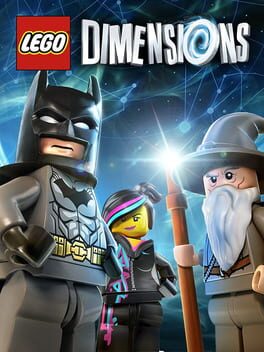
- 2015LEGO Dimensions Wizarding World pack launches LEGO Dimensions
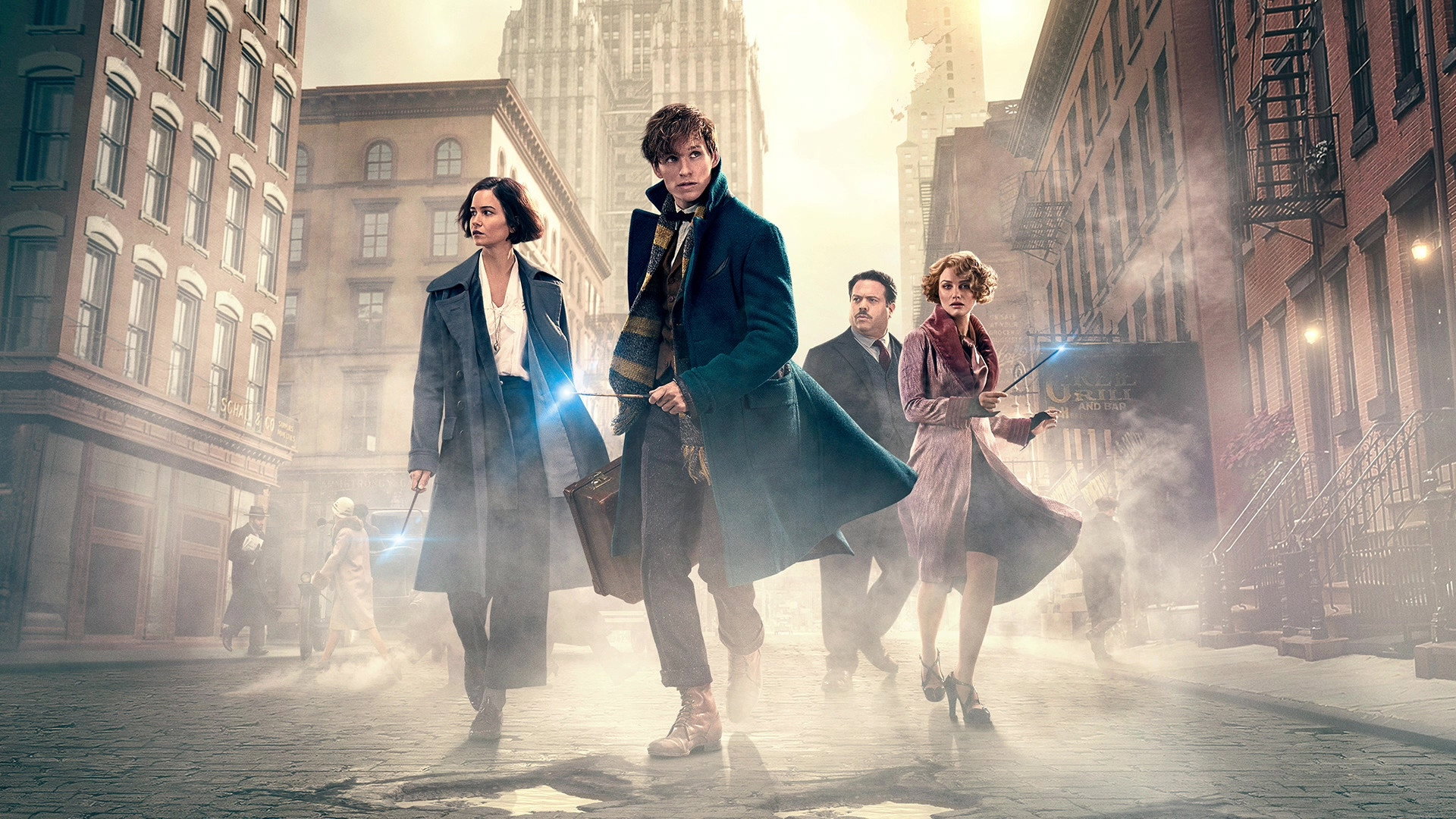
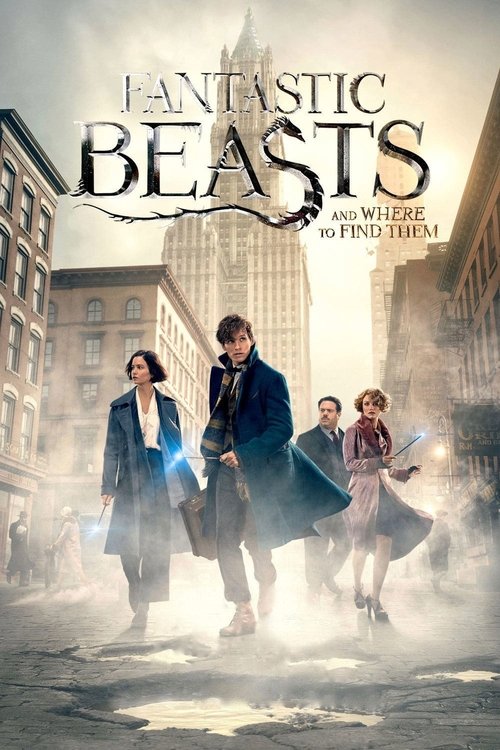
- 2016First film: Newt arrives in 1926 New York, suitcase full of creatures Fantastic Beasts and Where to Find Them
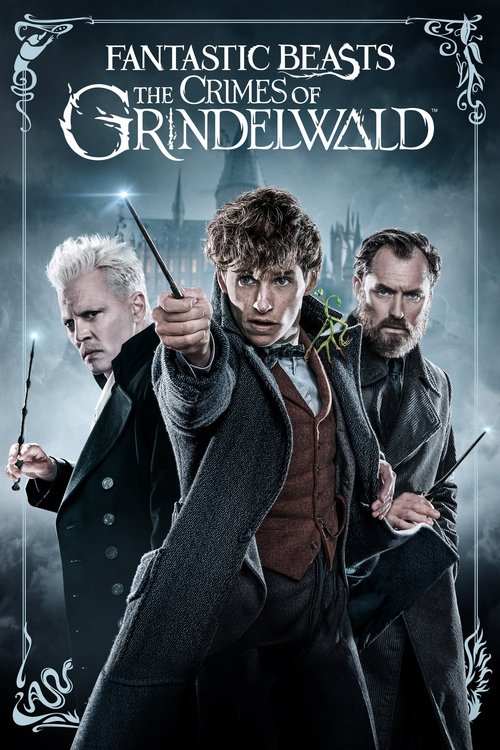
- 2018Second film: Grindelwald escapes, the story moves to Paris and broadens the mythology Fantastic Beasts: The Crimes of Grindelwald
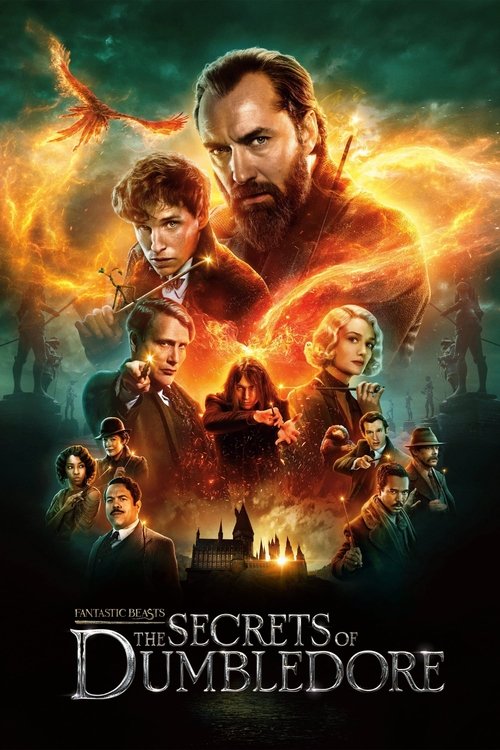
- 2022Third film: Dumbledore takes a more active role; filmed partly in Germany Fantastic Beasts: The Secrets of Dumbledore
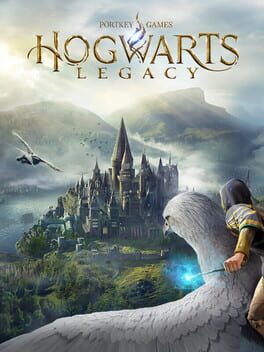
- 2023Hogwarts Legacy set in the 1800s Wizarding World; creature-handling is central to the gameplay Hogwarts Legacy
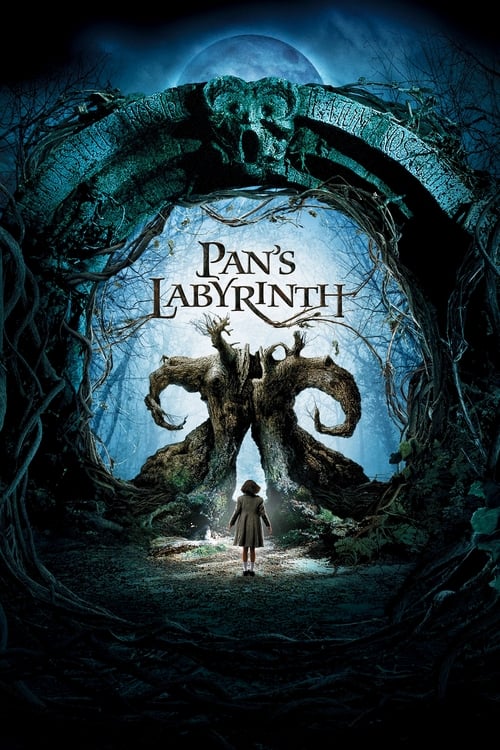
If you love the creature-catalogue side
Other properties built around strange animals and their keepers

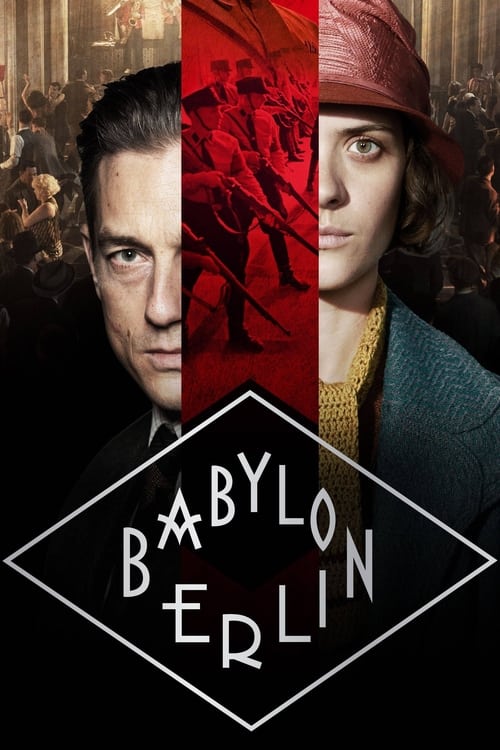
If you love the 1920s Wizarding World atmosphere
Jazz-age magic, art deco intrigue, and period-set fantasy
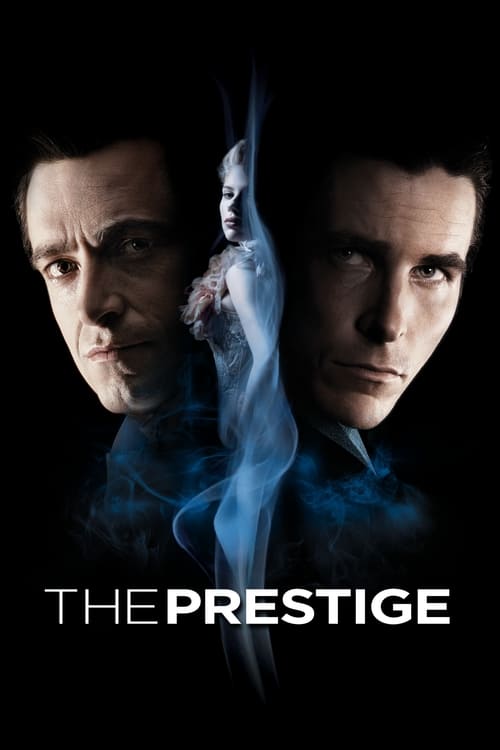
If you love Grindelwald and the rise-of-a-dark-wizard arc
Stories about ideological extremism dressed in magical clothes
If you want more Wizarding World
The broader Harry Potter universe across every medium


The first film is the definitive version
The 2016 film is the only entry in the series that fully earns its premise. Director David Yates and production designer Stuart Craig built a 1926 New York that feels genuinely inhabited, and Eddie Redmayne's Newt is one of the more interesting protagonists the Wizarding World has produced: a creature person who is frankly more comfortable with beasts than with people. The film is loose and episodic in a way that suits the material. It did not yet need to be the first chapter of a mythology.
The original book is the most underrated version
The 2001 charity textbook is only 128 pages and costs almost nothing secondhand, but it is a genuinely funny and cleverly constructed piece of world-building. Rowling commits to the joke completely: the voice is arid and academic, the creature entries are deadpan, and the fake annotations from Harry and Ron are the best writing she did in the non-canon side of the universe. Most people who watched all three films have never read it. They should.
The Crimes of Grindelwald is the one to approach with caution
The second film is where the franchise visibly lost its footing. The plot multiplies characters and mythological reveals past the point where any of them land, the retcons to established Harry Potter lore generated real audience frustration, and Newt's creature-keeping warmth gets crowded out by the Grindelwald political thriller the series increasingly wanted to be. It is watchable, and the Paris set pieces are strong, but it is also the point at which the planned five films became a harder sell.