
From spec script to vampire myth
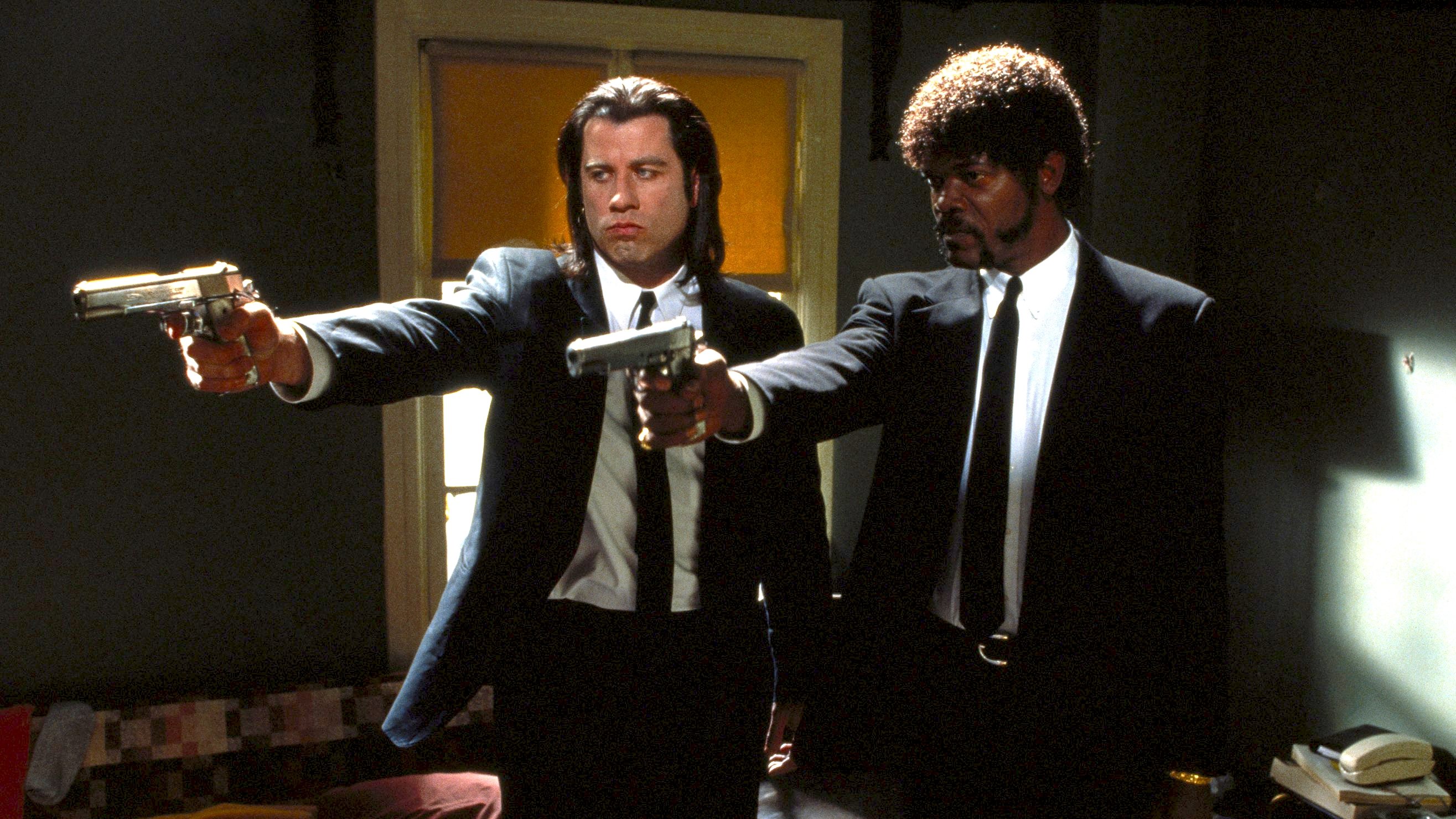
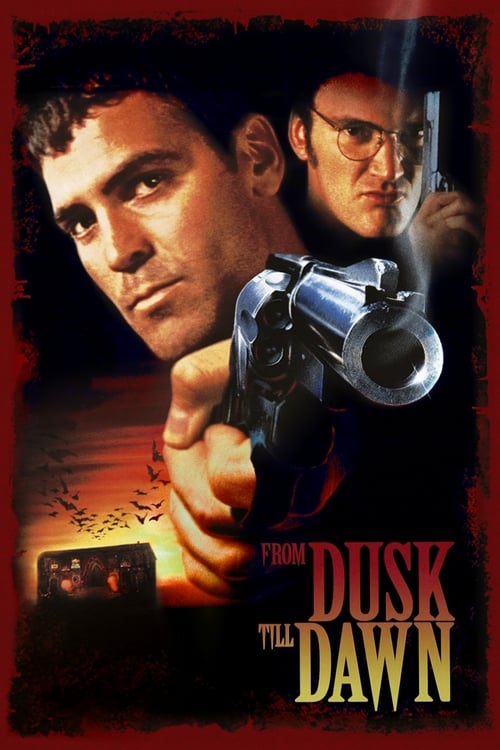
From Dusk Till Dawn began as a spec script Quentin Tarantino wrote in the early 1990s, a writing exercise that Robert Rodriguez eventually optioned and directed. There was no source novel, no comic, no prior property to adapt: the story of the Gecko brothers' crime spree turning into a vampire siege was invented whole cloth, and the audacity of that genre switcheroo was the whole point. Rodriguez and Tarantino had been circling each other since Desperado and Pulp Fiction, and the film they made together in 1996 became a calling card for a certain kind of gleefully excessive genre filmmaking. It was profitable, quotable, and specific enough in its mythology (Santanico Pandemonium, the Titty Twister, the culebra lore) to invite expansion. Two straight-to-video sequels followed within three years, and nearly two decades later Rodriguez returned to the material as a TV series on his own network, El Rey, building out the culebra world across three seasons. The franchise never crossed into games or prose with any staying power, but its influence runs through a generation of crime-horror hybrids, Mexican Gothic horror, and prestige-cable stories about criminals in over their heads.
The From Dusk Till Dawn timeline
- 1991Tarantino writes the spec script
- 1996Original film released From Dusk Till Dawn
- 1999First straight-to-video sequel: Texas Blood Money
- 1999Second sequel: a prequel set in the 1800s, The Hangman's Daughter
- 2014El Rey TV series premieres, Season 1 From Dusk Till Dawn: The Series
- 2015TV series, Season 2 From Dusk Till Dawn: The Series
- 2016TV series, Season 3 (final) From Dusk Till Dawn: The Series
The definitive version is still the original, and it is not close
The 1996 film works because the genre pivot lands exactly once, and Rodriguez and Tarantino commit to both halves equally. The first act is a taut, mean Tarantino crime film. The second act is a practical-effects vampire siege that never apologizes for what it is. George Clooney found his movie-star footing here, and Salma Hayek's Santanico Pandemonium is one of the great villain entrances of the decade. Nothing in the franchise has matched the confidence of that tonal handoff.
The TV series is the underrated one: it earns its three seasons
Robert Rodriguez's El Rey series (2014 to 2016) has the reputation of a curiosity, but it does something genuinely interesting: it retells the first film beat-for-beat in its opening season, then uses that foundation to build a much larger culebra mythology across the following two. D.J. Cotrona and Zane Holtz are not Clooney and Tarantino, but the show has a pulpy visual style and a willingness to go weird with the lore that the sequels never managed. It is the version for viewers who want more world, not just more carnage.

The sequels are worth knowing about and not worth watching
From Dusk Till Dawn 2: Texas Blood Money (1999) reunites a crew of criminals with the Titty Twister and turns them into vampires, rerunning the siege formula with none of the setup that made the original's pivot satisfying. Without the genre handoff, the horror has nowhere to land. The third film, The Hangman's Daughter, is the more interesting misfire: a 19th-century prequel with its own atmosphere, even if it never fully delivers on the promise of going back to culebra origins. Watch both only if you are cataloguing the mythology. Neither is in wide circulation.
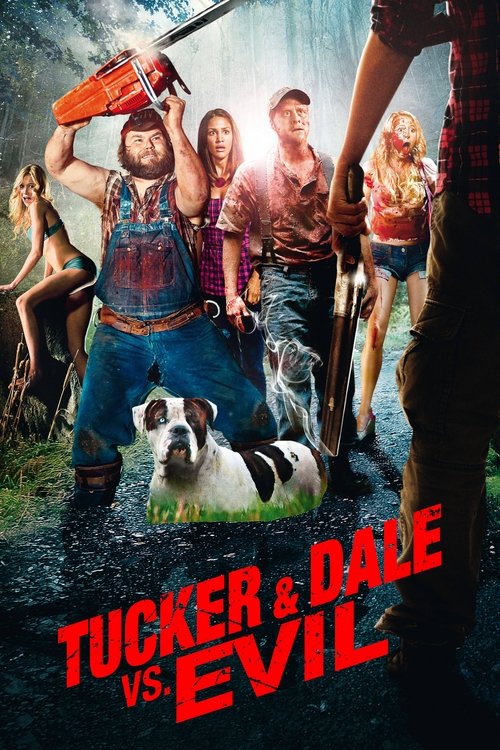
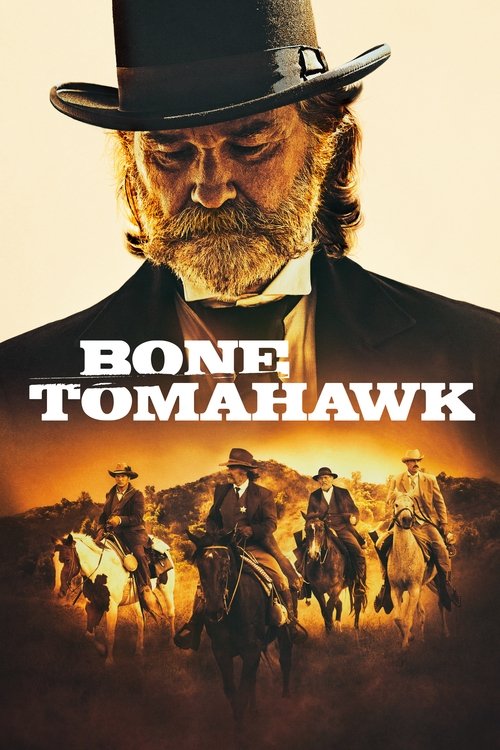
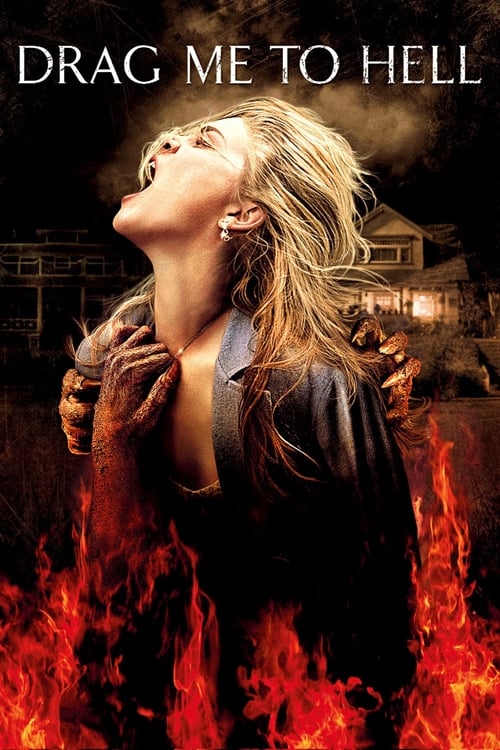
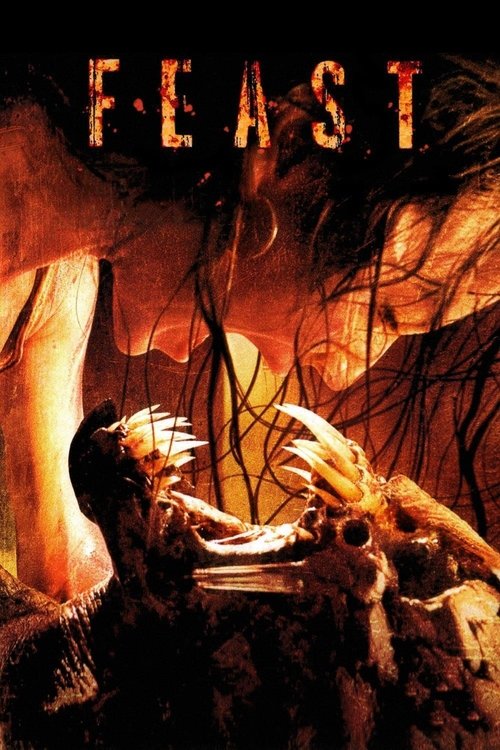
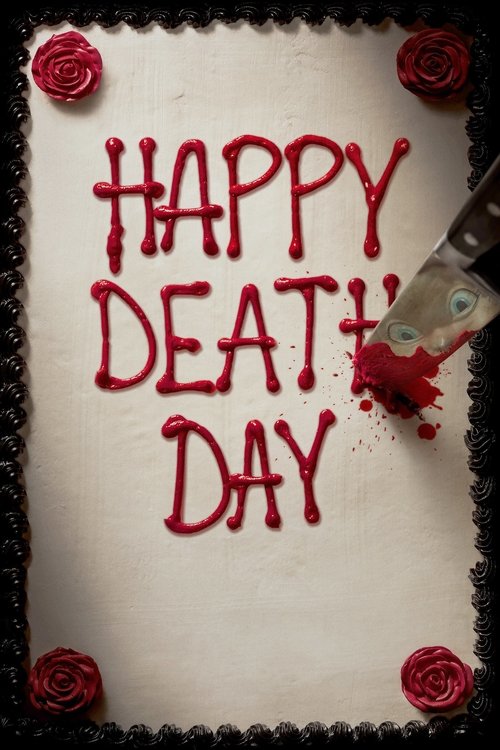
If you love the crime-to-horror pivot
Stories that start in one genre and detour hard into another
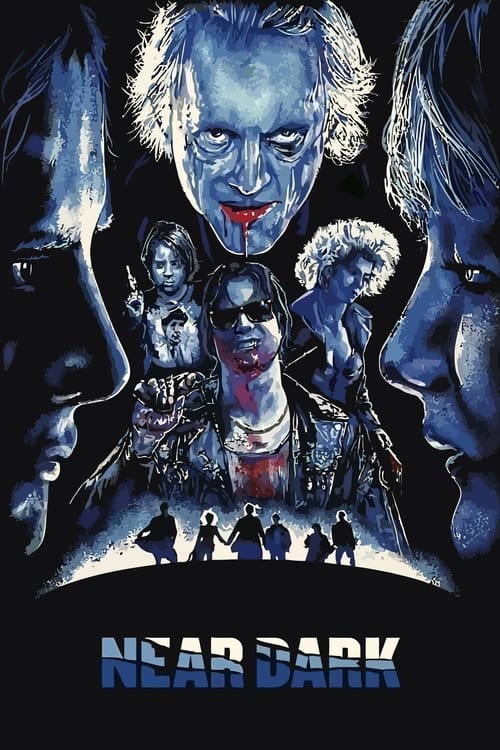
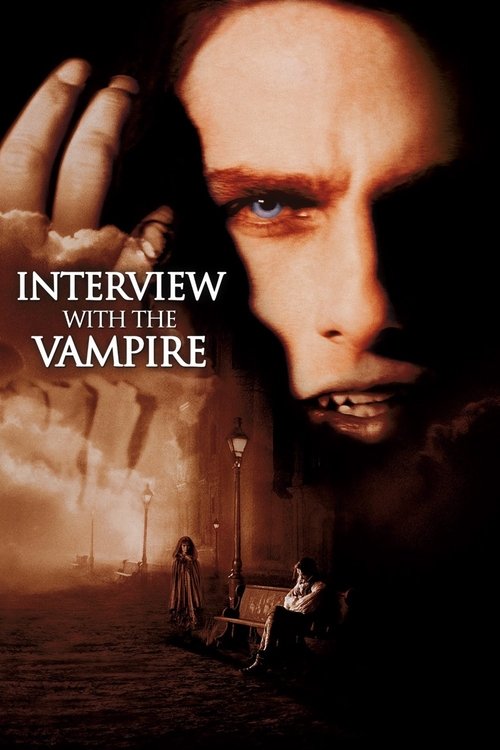
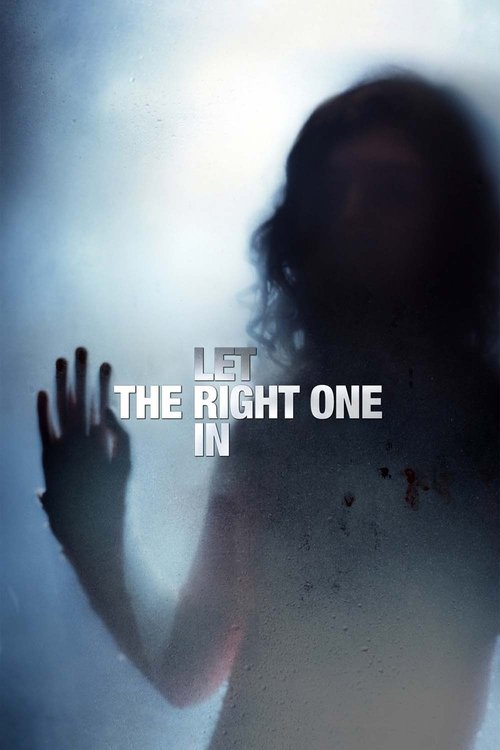
If you love the vampire mythology and Latin American horror
Vampire stories with roots in folk horror, border mythology, and Southern Gothic tradition

If you love the Tarantino-Rodriguez crime energy
Loud, stylized crime stories with that specific 1990s to 2000s register
Vampires, crime, and grindhouse
Vampires
Explore the Vampires guide →The entire premise depends on the audience not knowing the film is half vampire movie. Once that information exists in the culture, every sequel and adaptation has to solve a problem the original never had.