
The frontier was always a horror setting waiting to be named. A man rides alone into a landscape that does not care whether he lives, where the law is a rumor and the nearest help is three days behind. Strip away the romance of the cowboy and what remains is a genre about isolation, violence and the thin line between the living and the dead. The weird western simply makes that line literal. The dead get up. The desert hides something older than the settlers. The preacher is right about hell and it is coming up through the floorboards.
This is not the same thing as a regular western with a monster bolted on. The best weird westerns understand that the iconography already does half the work. A revolver against a vampire is a better image than a revolver against a rival rancher, because both parties know the gun will not be enough. The cannibal tribe in Bone Tomahawk, the demon-hunting U.S. Marshal in Brimstone, the Gunslinger chasing the Man in Black across a world that has moved on: these are stories that use the loneliness of the genre as fuel. The West was the last place a person could vanish. The weird western asks what was already out there, waiting for them to arrive.
Essential weird westerns
The frontier turns strange across every medium
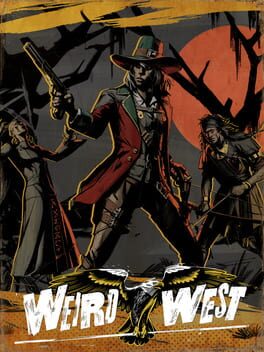

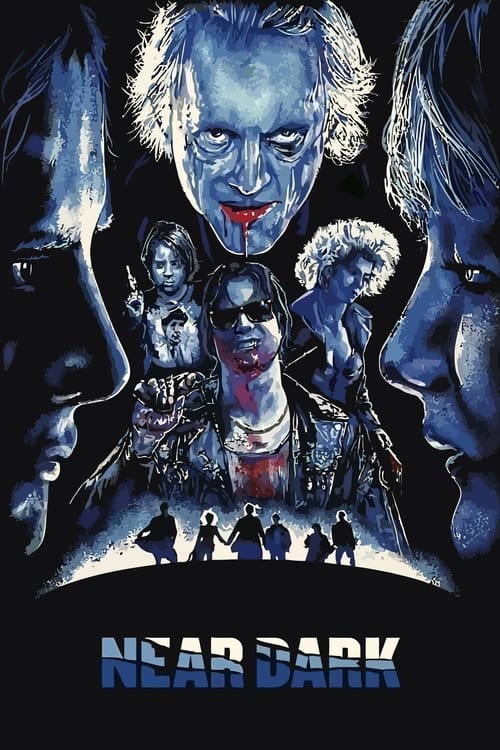
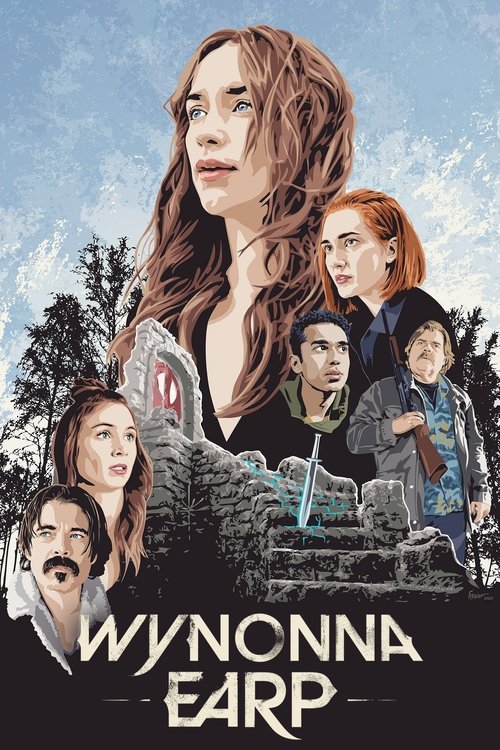
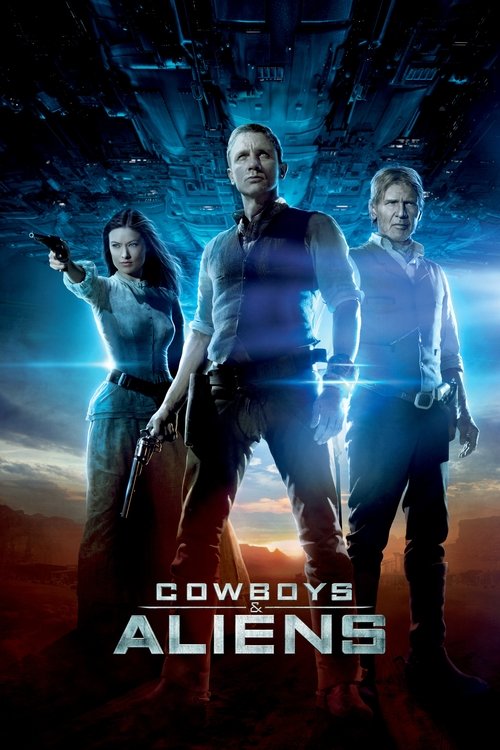
Bone Tomahawk is the scariest western ever made
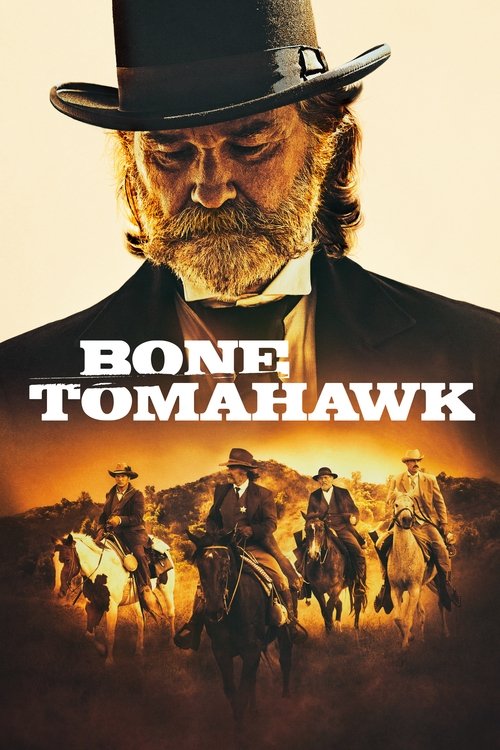
S. Craig Zahler's Bone Tomahawk (2015) spends most of its runtime as a slow, dry, almost comic frontier procedural. Kurt Russell's sheriff assembles a small posse to ride after a settler taken by a tribe nobody will name. The dialogue is wry, the pacing is deliberate, and for an hour you could mistake it for a classical western with unusually good actors. Then the rescue party reaches the cave, and the film commits one of the most genuinely horrifying acts of violence ever filmed. The contrast is the whole point. Zahler earns the horror by making you comfortable first.
What keeps it from being mere shock is that the men know they are outmatched and ride anyway. The cannibal troglodytes are not supernatural in any pantomime sense, they are simply something the frontier was hiding, and the West was big enough to hide them. That is the truest version of the weird western thesis: the horror was already there. The settlers just arrived.
Horror rides into town
Vampires, cannibals and demons on the frontier
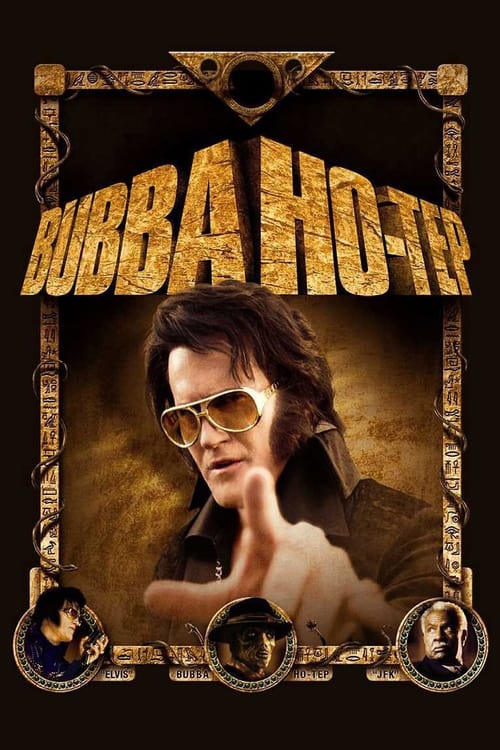
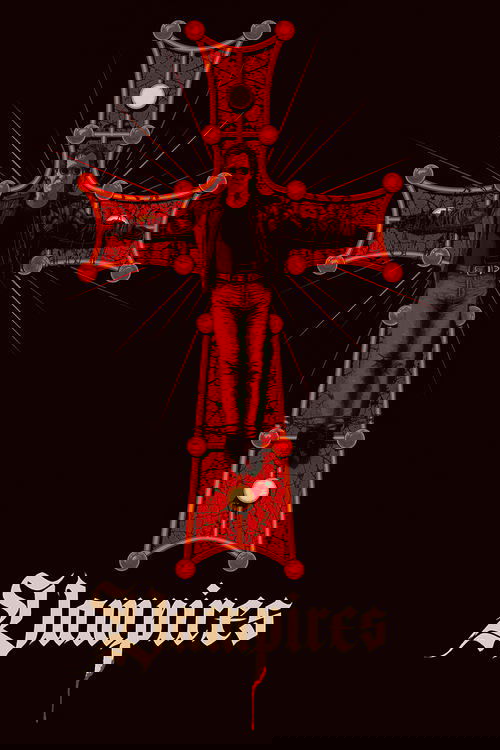
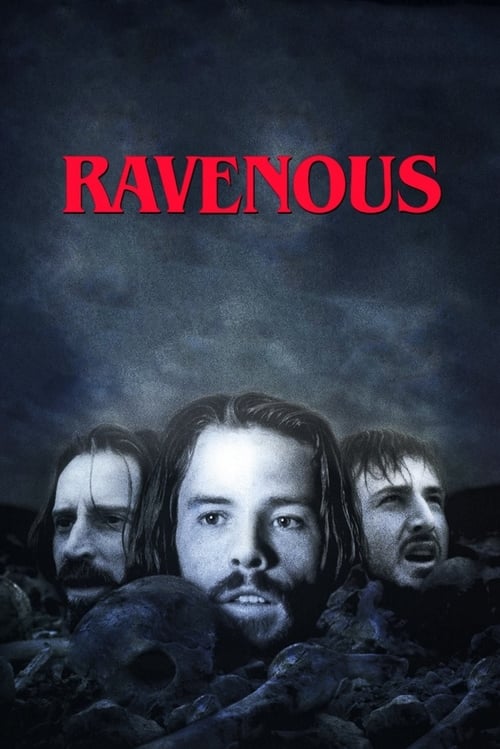
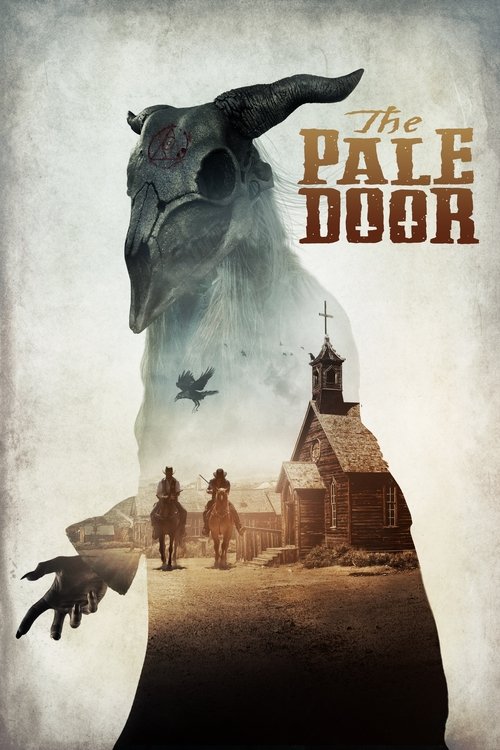
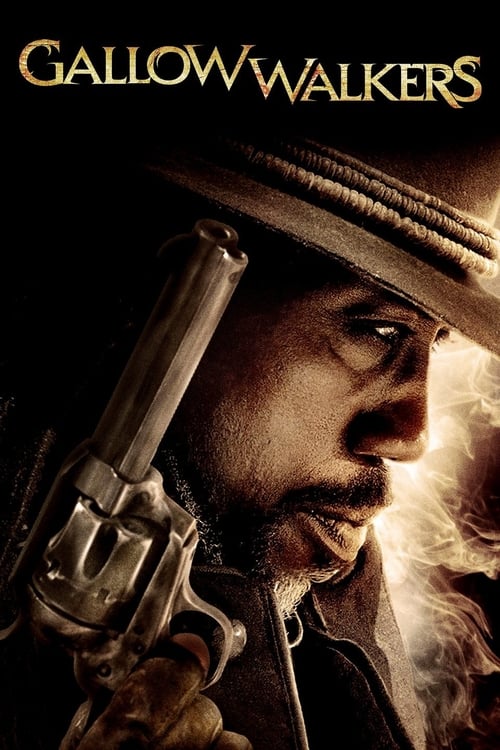
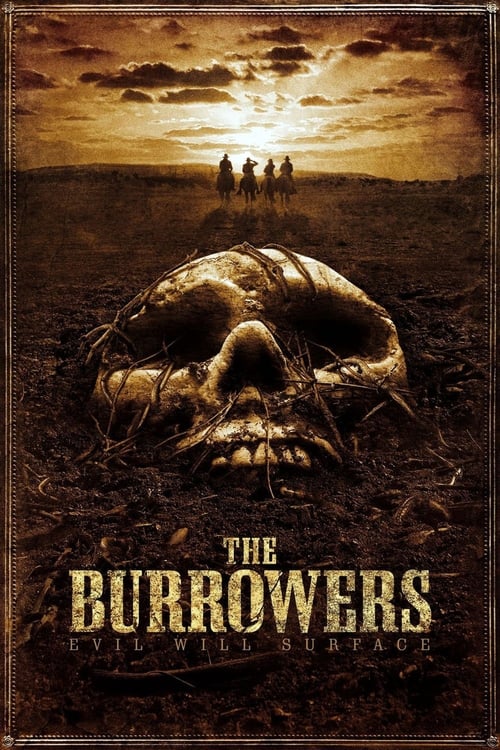
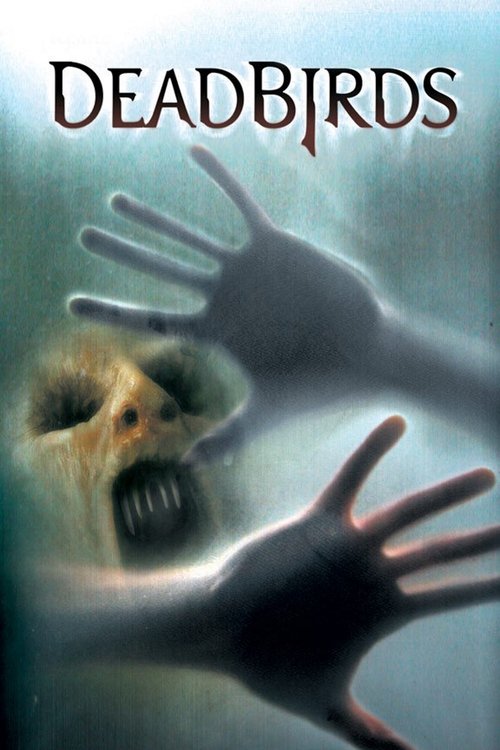
From Dusk Till Dawn and the Tarantino strain
There is a whole branch of the weird western that arrives by way of the crime film. From Dusk Till Dawn begins as a Tarantino-scripted hostage thriller and then, with no warning, becomes a vampire siege inside a Mexican biker bar. The genre switch is the joke and the thrill: the Gecko brothers are bad men who have walked into something far worse than themselves. The 2014 series stretched the conceit across three seasons of Aztec snake-gods and border mythology, and is a stranger, slower beast than the film.
Robert Rodriguez and Quentin Tarantino spent the 1990s treating genre boundaries as things to be smashed together at high speed, and the desert was their favorite arena. Their westerns are about the moment the rules change, when the saloon door opens and what comes through is not a rival gunslinger but the end of the world.
The frontier on television
Demon hunters, resurrected lawmen and the show that started it all
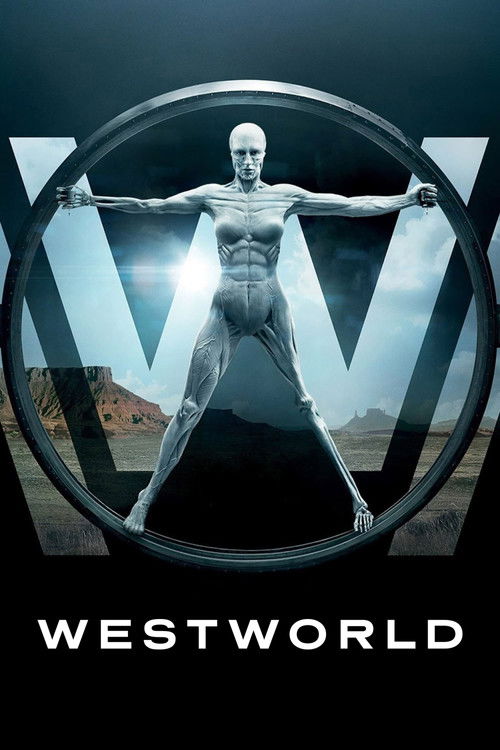

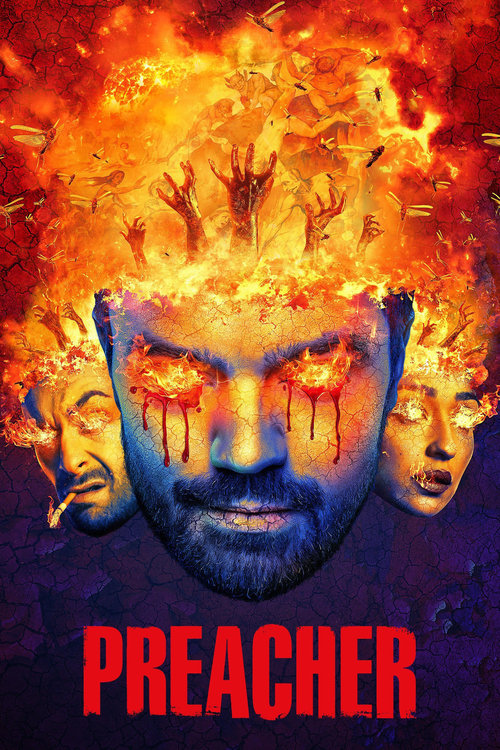
Red Dead's Undead Nightmare is the best zombie western, full stop
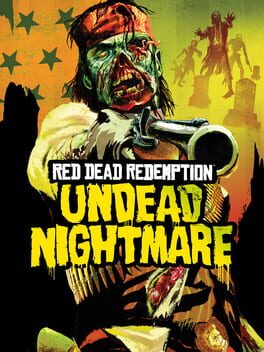
Rockstar built one of the most acclaimed open worlds in games with Red Dead Redemption, then released Undead Nightmare, a standalone expansion that fills that exact world with the walking dead. It should have been a novelty. Instead it is the purest weird western the medium has produced. The familiar towns are overrun, the survivors barricaded, the night alive with the moaning of things that used to be neighbors. John Marston rides through it all with a torch and a dwindling supply of ammunition, looking for a cure that may not exist.
What makes it work is the contrast with the base game's mournful realism. Red Dead Redemption is about the death of the frontier as a historical fact, the railroads and the lawmen closing in. Undead Nightmare makes that death literal and grotesque, and finds a black comedy in it that the main game never allowed itself. Four-horses-of-the-apocalypse mounts, a sasquatch side quest, and a sky the color of a bruise. It is the rare expansion that improves on a masterpiece by getting weird.
Strange frontiers to play
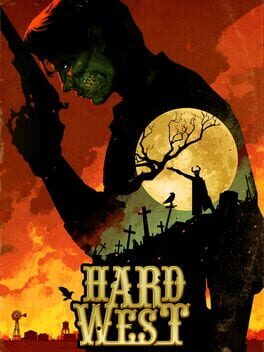
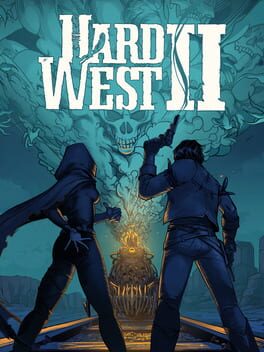
Tactics, shooters and roguelikes where the West is haunted
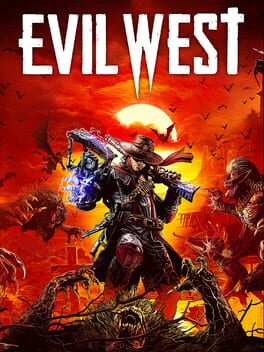
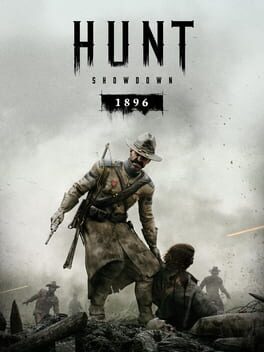
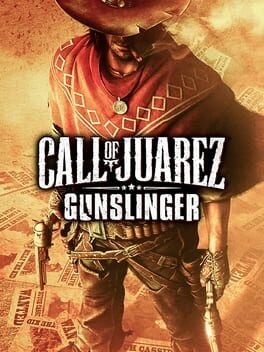
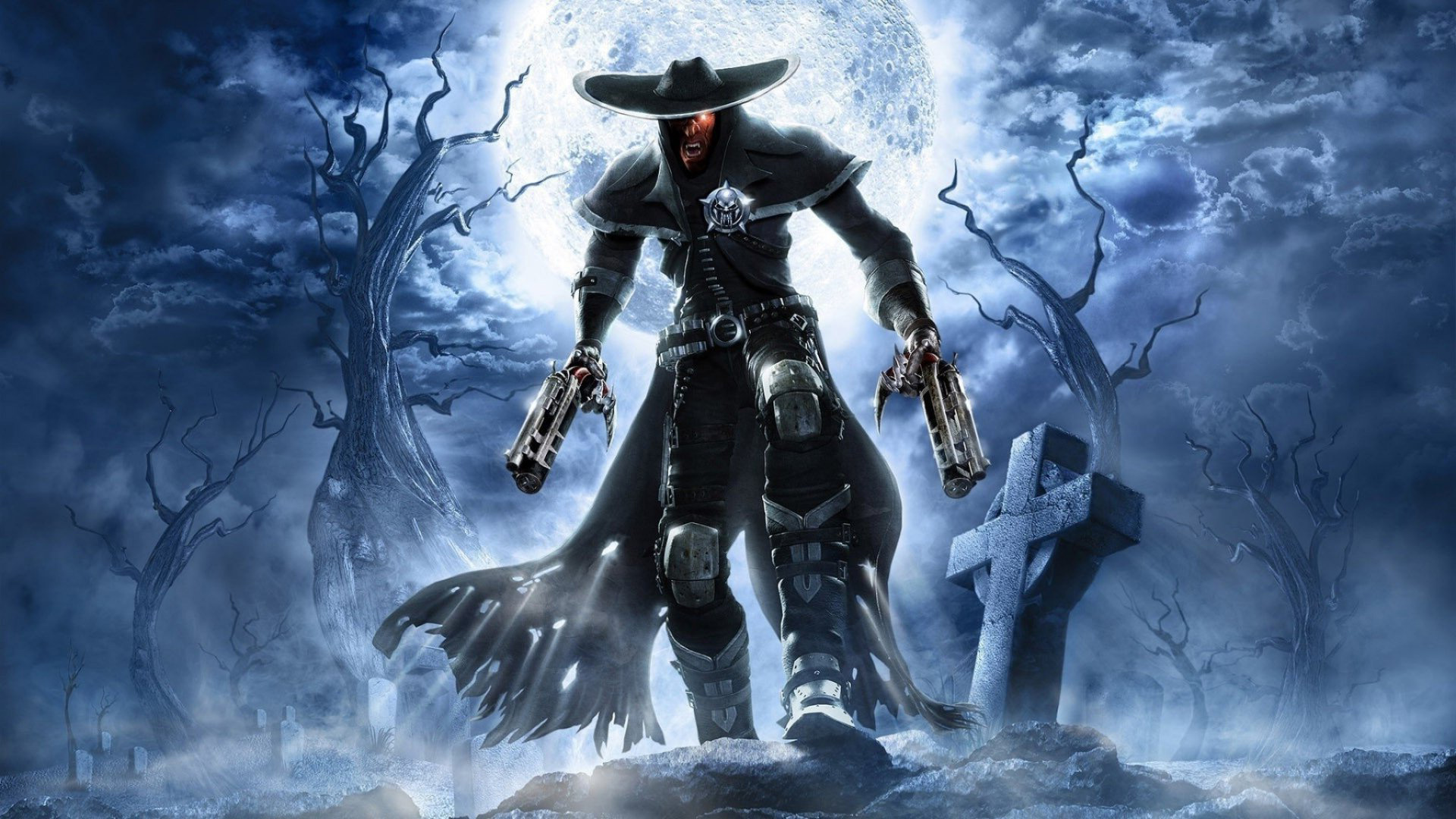
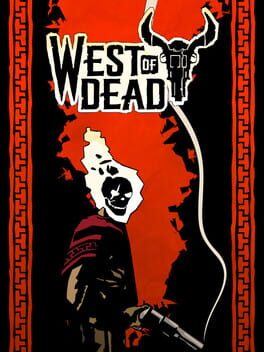
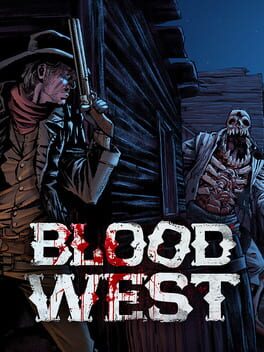
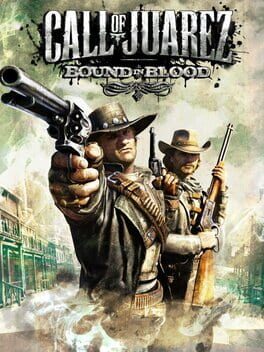
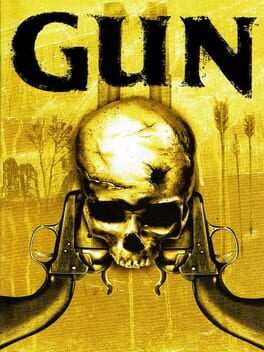
The Dark Tower is the genre's keystone, and the books are where it lives
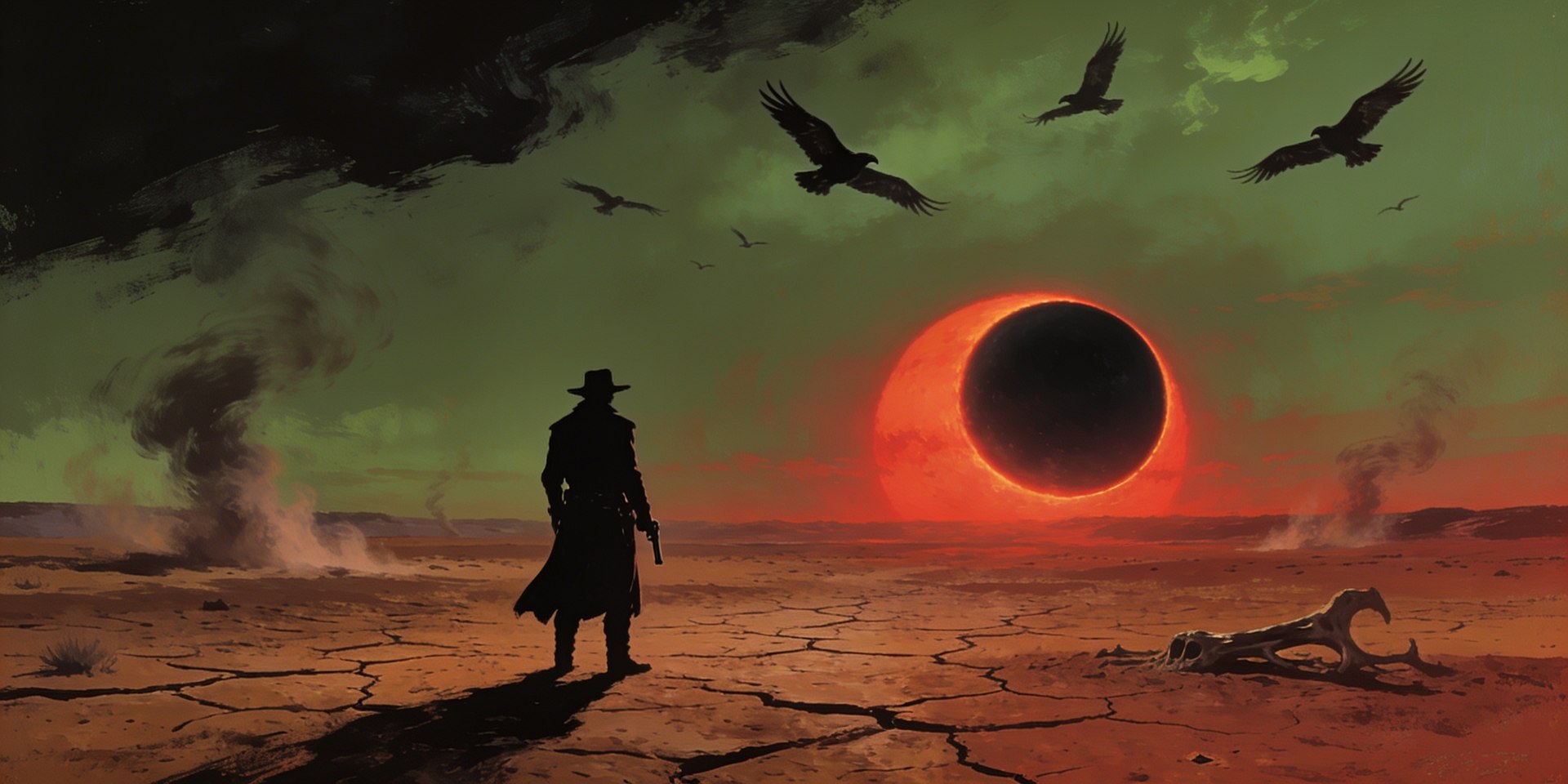
Stephen King's The Dark Tower is the most ambitious weird western ever attempted, and the 2017 film adaptation captured almost none of it. Start with The Gunslinger and its perfect opening line about the man in black fleeing across the desert. Roland Deschain is a gunslinger out of a world that has "moved on," a knight-errant in a reality where the laws of physics have begun to rot. Over seven volumes the series folds in the post-apocalypse, parallel worlds, Arthurian myth and King's own back catalog, but it never stops being a western at heart: a lone man with revolvers, walking toward a goal that may destroy him.
The series gets stranger and more confident as it goes. The Drawing of the Three pulls people from our world into Roland's. Wizard and Glass stops the whole quest dead to tell a doomed first-love story that is the emotional core of the saga. If you only know The Dark Tower from the film, you have not met it. Read The Gunslinger and keep going.

The weird West on the page
Roland Deschain's long walk to the Tower across King's saga


The man in black fled across the desert, and the gunslinger followed.Stephen King, the opening line of The Gunslinger, 1982
The space western and the sound of the frontier
Push the western far enough into the strange and it stops needing horses. Cowboy Bebop and Trigun took the iconography of the lone gunman, the bounty, the dusty town, and launched it into a future of spaceships and gun-toting drifters. They are weird westerns by way of jazz and anime, and their soundtracks understood the assignment: the music has to carry the loneliness the dialogue leaves unsaid.
The weird western has always lived as much in its scores as in its scripts. Robert Rodriguez packed From Dusk Till Dawn with surf-rock and Tito & Tarantula's smoky dread, music that turns a vampire bar into a fever dream. Quentin Tarantino's Django Unchained soundtrack splices spaghetti-western strings with hip-hop and outlaw country, a collision that should not work and absolutely does. This is the sound of the genre: traditions colliding, the familiar made uncanny.
The sound of the strange frontier
Soundtracks where the West collides with horror, crime and the future
Brimstone is the cruelest film on this list, and the most moral
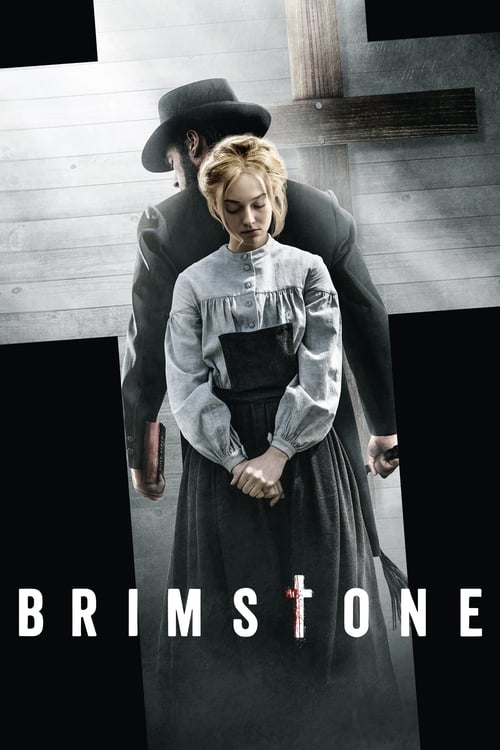
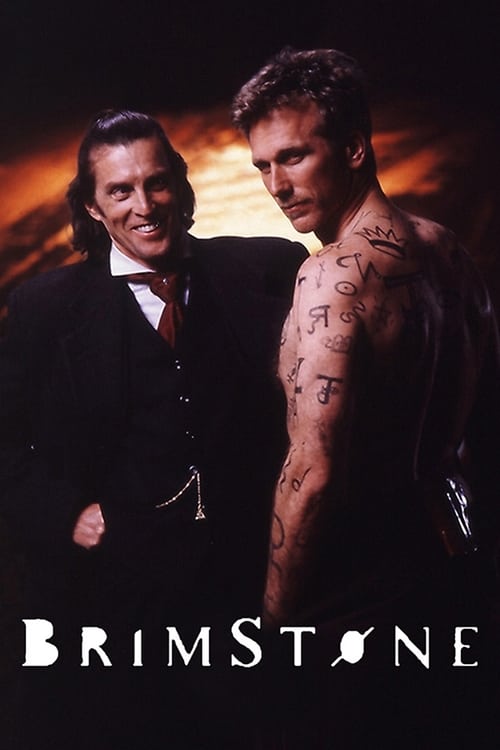
Martin Koolhoven's Brimstone (2016) is not supernatural, which is exactly why it belongs here. Its monster is a Dutch Reverend, played by Guy Pearce as a figure of pure Old Testament menace, who pursues a mute frontier woman across years and chapters of relentless cruelty. The film is structured backwards in panels, peeling away the history between predator and prey until the full horror of their bond is exposed. It is harrowing, and not everyone will want to sit through it.
But it understands something the monster movies sometimes miss: on the real frontier, the devil rarely had horns. He had scripture and a position of trust and nowhere for his victims to run. Brimstone takes the weird western's preacher-from-hell archetype and removes the comfort of the supernatural. The evil is human, and that is worse. It earns its place by being the rare film in the genre that frightens you about people rather than ghouls.
Stranger trails worth riding
Dinosaurs, demons and the deeper cuts of the weird West