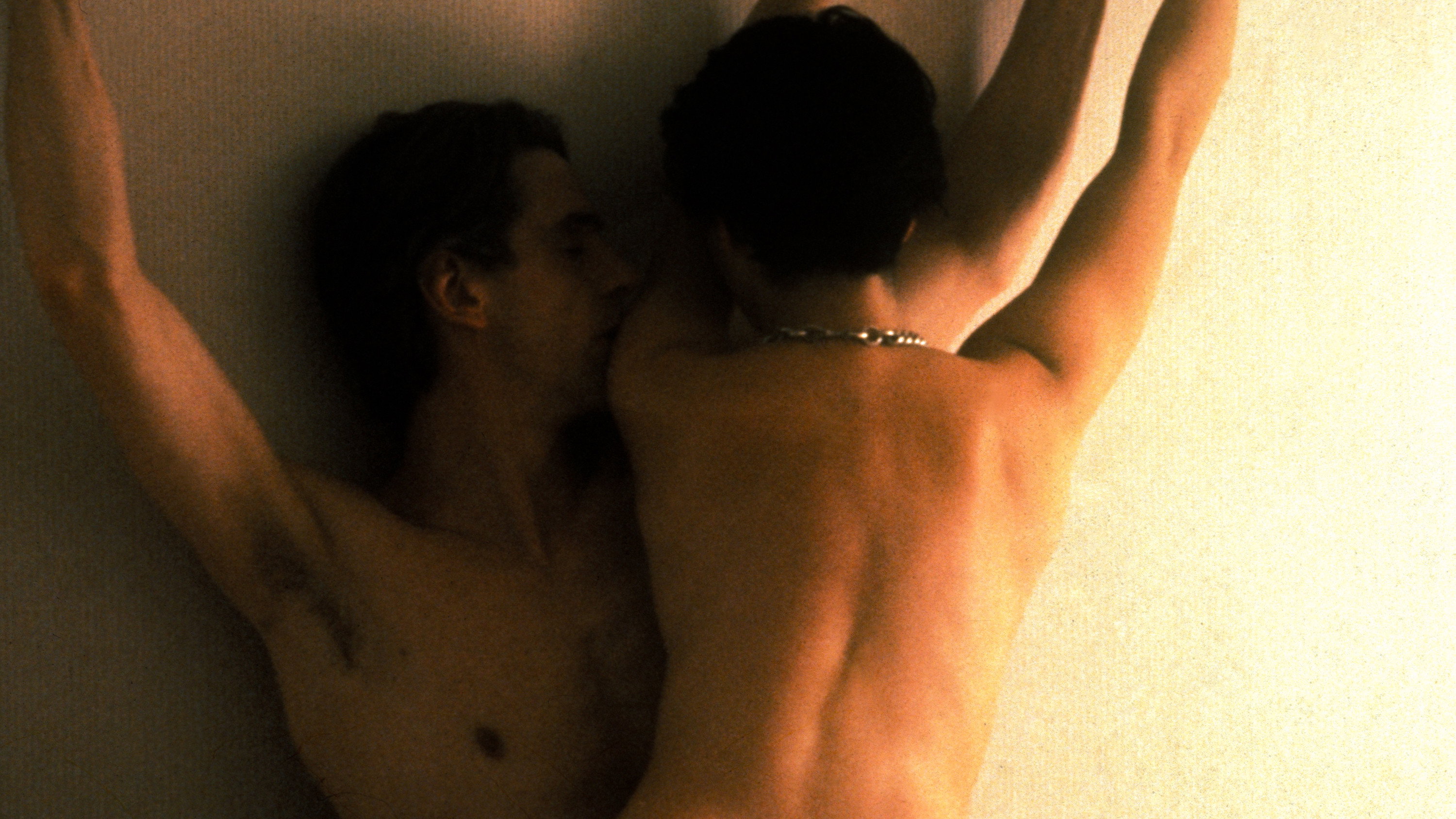

The story that guilt built
Émile Zola published Thérèse Raquin in 1867 as a serialized novel, then revised it into book form the same year. He was twenty-seven, and the story announced everything he stood for: heredity, temperament, the body's dominion over the will. Thérèse, trapped in a loveless marriage to the sickly Camille, begins an affair with his friend Laurent. The lovers drown Camille on a river outing. Then the novel does something unusual: it lingers, for hundreds of pages, on what comes after. The murder is the midpoint, not the climax. What Zola wanted to study was the mechanism of guilt, the way it colonizes two people who thought they wanted only each other.
The book was a scandal on publication. Critics called it pornography. Zola, in his famous preface to the second edition, argued back with the language of science: he was dissecting human animals, not titillating readers. That preface made the novel famous. It also made it irresistible to dramatists. Zola himself adapted it for the Paris stage in 1873. From there the story moved steadily outward: silent cinema, sound film, British television, and eventually a 2013 English-language film released in the US and UK under the title In Secret, which is how most contemporary audiences first encounter it.
A century and a half of adaptations
- 1867Zola publishes the novel in serial form Thérèse Raquin
- 1873Zola adapts his own novel for the Paris stage
- 1928Jacques Feyder directs the first major film version, with German Expressionist visual influence
- 1953Marcel Carné's acclaimed adaptation with Simone Signoret, updated to postwar Marseille
- 1980BBC Television miniseries adaptation
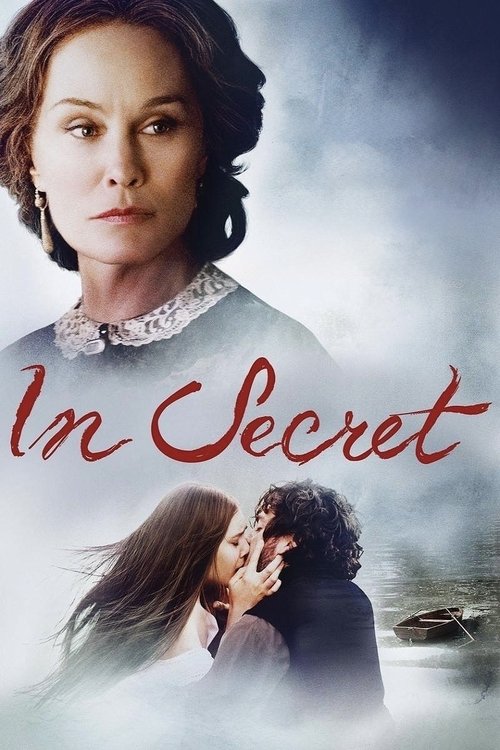
- 2013Charlie Stratton's English-language film, released as In Secret in the US In Secret
The definitive version: Carné's 1953 film
Marcel Carné was the director of Children of Paradise and he brought that same grasp of theatrical doom to Thérèse Raquin. Simone Signoret plays Thérèse not as a victim but as someone with appetite and intelligence who has been systematically starved of both. Raf Vallone is the Italian truck driver who becomes her lover (Carné updated the setting to postwar Marseille and made Laurent a foreigner, which sharpens the social claustrophobia). The film won the BAFTA for Best Foreign Film and still holds up as the most psychologically coherent version of the story. If you can find it, start here.

The underrated one: the 2013 film
Charlie Stratton's In Secret was largely dismissed by critics who felt Elizabeth Olsen was too inward and Oscar Isaac too charismatic for the material. Both criticisms miss the point. Olsen's stillness is precisely Zola's Thérèse: a person who has learned to be invisible. Isaac's Laurent is dangerously magnetic because that is the whole problem. The film is set properly in Paris, shot with genuine period atmosphere, and does not flinch from the long second half where the lovers destroy each other. It is better than its reputation.
Start with the novel
Every adaptation trims the novel's most radical quality: its patience. Zola spends roughly as many pages on the aftermath of the murder as on the seduction that precedes it. The two lovers marry, as they always planned to, and then discover they cannot stand each other, cannot sleep, cannot speak without dredging up the dead man between them. The mother who raised Thérèse suffers a paralytic stroke and watches from her chair, unable to speak, as everything unravels. No film version has fully committed to that suffocating stillness. The book does it right, and it is short.
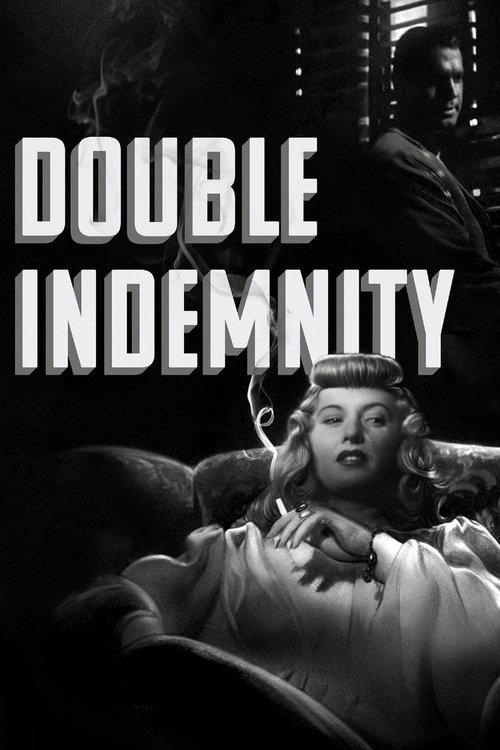
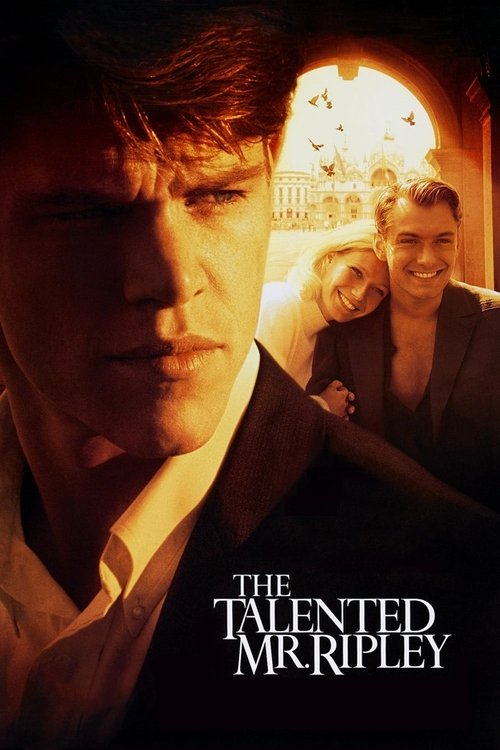
If you love In Secret: adultery and its consequences
Novels and films where passion becomes a trap



If you love In Secret: Zola and the French naturalist tradition
Where environment and heredity determine fate


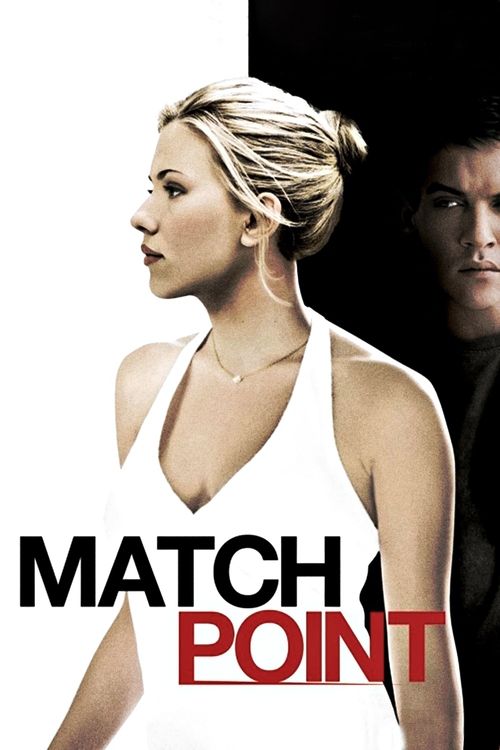
If you love In Secret: guilt, obsession, and unraveling
Stories where the crime is not the end but the beginning
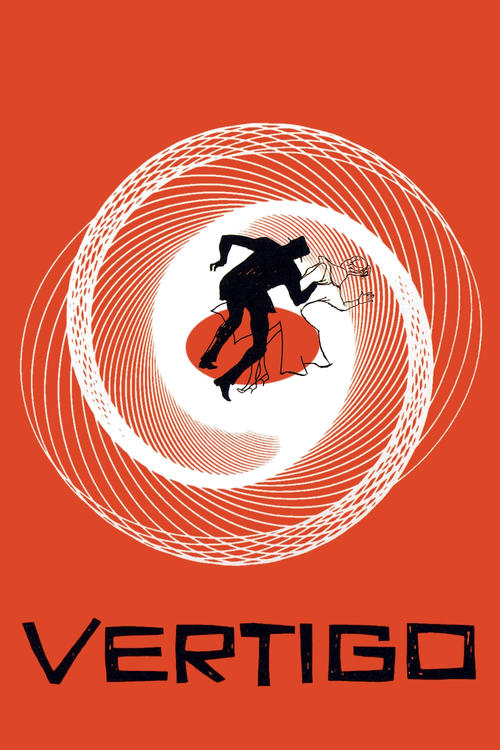

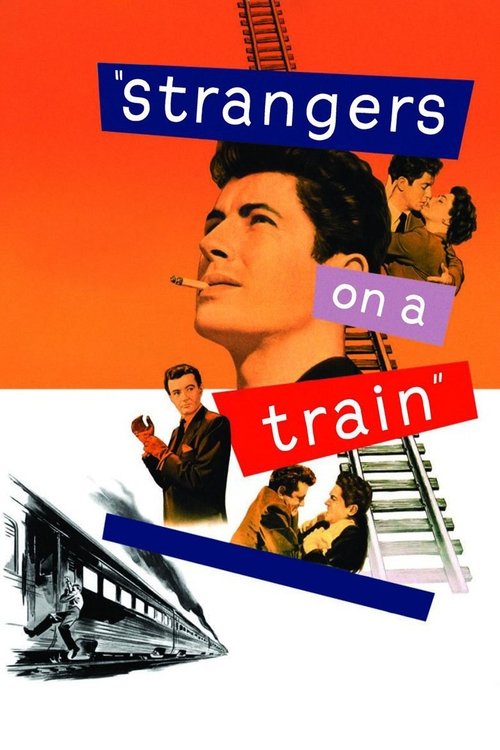
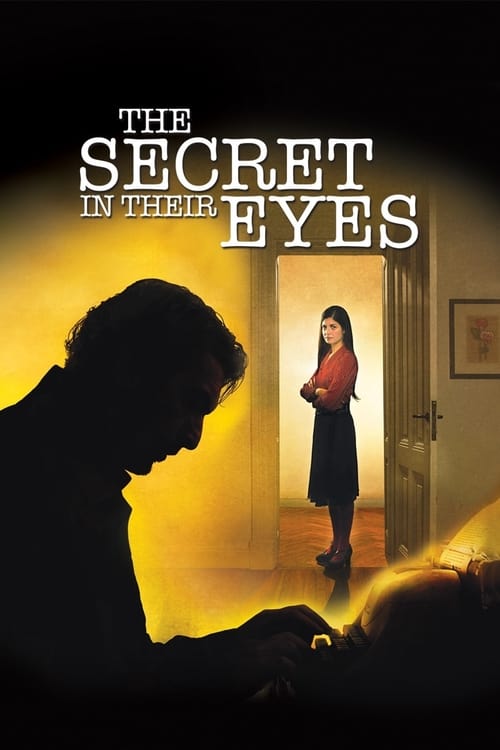

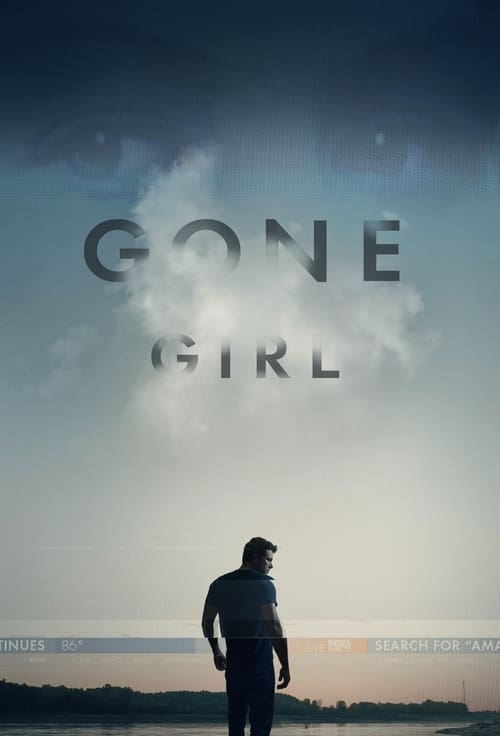
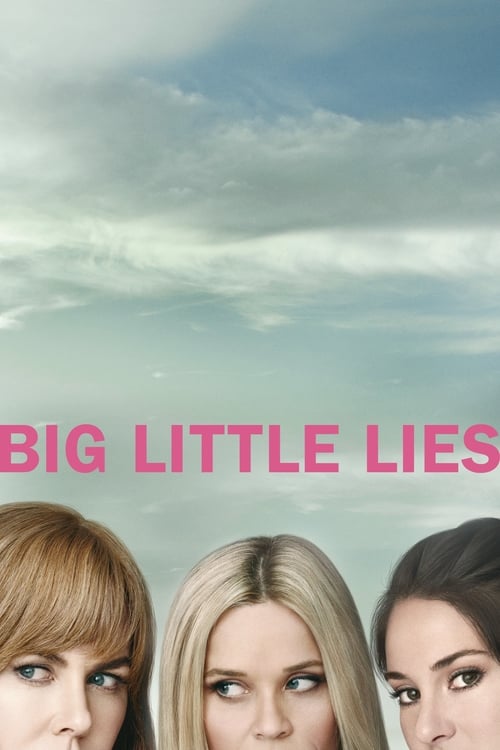
Adultery, murder, and guilt
Film Noir & Neo-Noir
Explore the Film Noir & Neo-Noir guide →I wanted to study temperaments, not characters. The book is above all a study of the scientific kind.Émile Zola, preface to the second edition of Thérèse Raquin, 1868