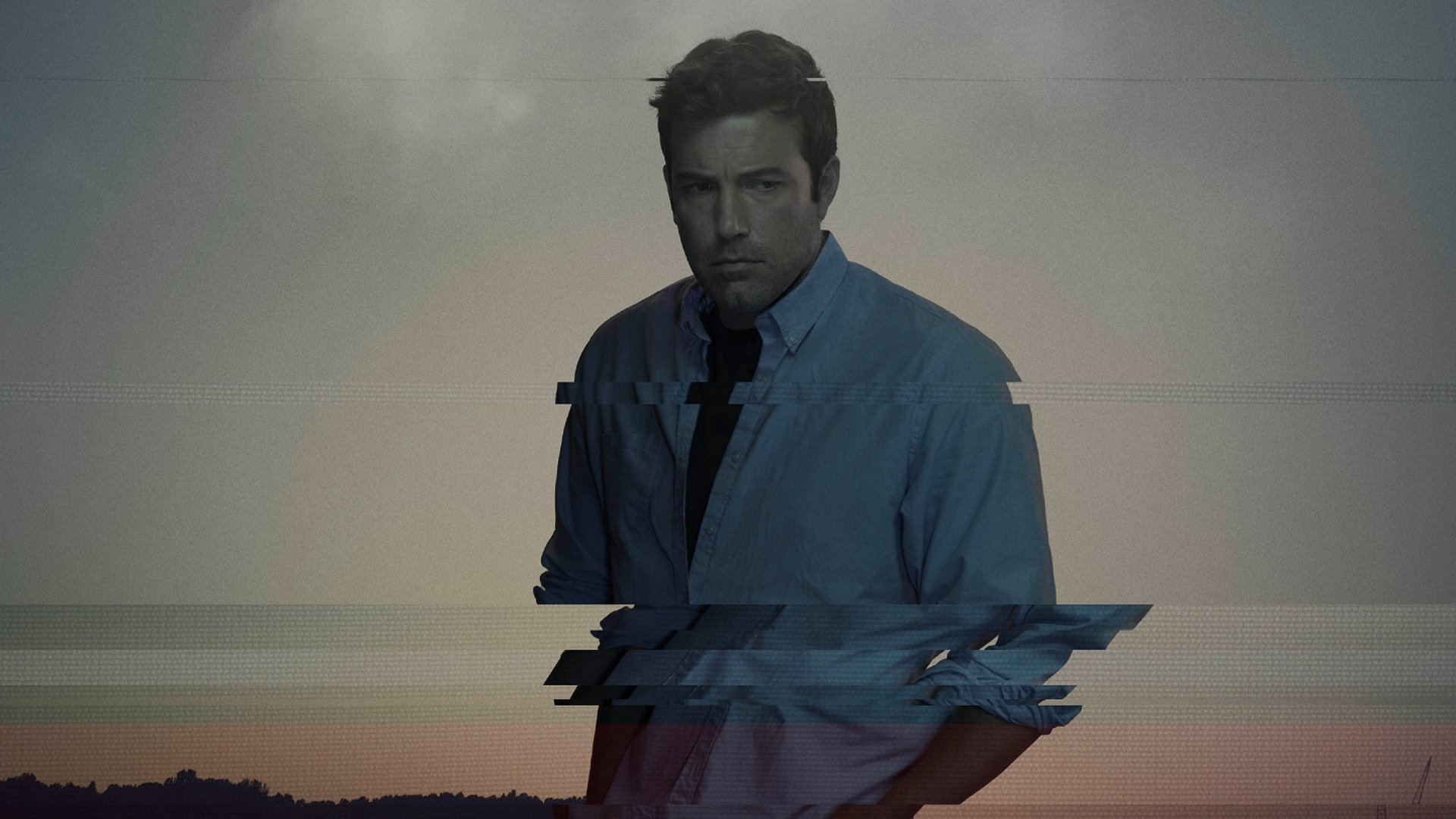

Gillian Flynn writes women who are not okay, and she does it with a scalpel. Her novels -- Gone Girl, Sharp Objects, Dark Places -- share a through-line that cuts against decades of crime fiction: the damaged female narrator who is the unreliable center of her own catastrophe, not a passive victim of someone else's. Flynn's prose is precise and cold and occasionally very funny, in the way a person laughing at a funeral is funny. She trained as a television critic and it shows: her plotting is structured for revelation, each chapter tightening the architecture of dread until the floor gives way. Fans follow her into any medium, any genre, because what they are actually addicted to is the feeling of not knowing who to trust, including themselves.
Essential Gillian Flynn
Her novels and their adaptations -- the core canon


If You Love the Domestic Noir
Films and series where the house itself is the trap
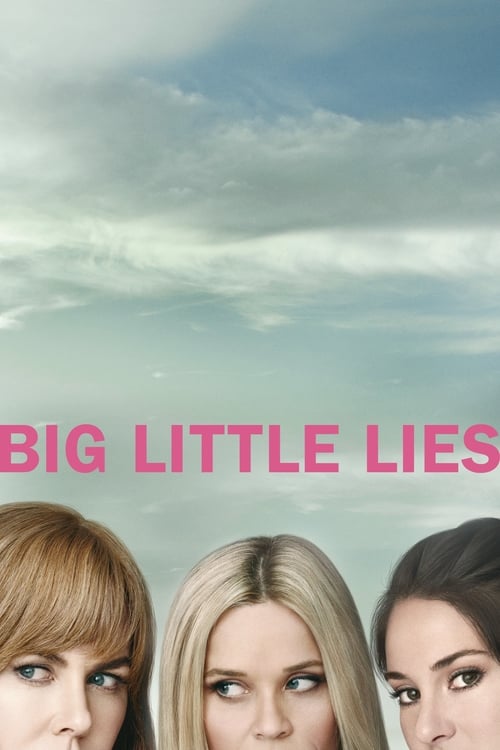
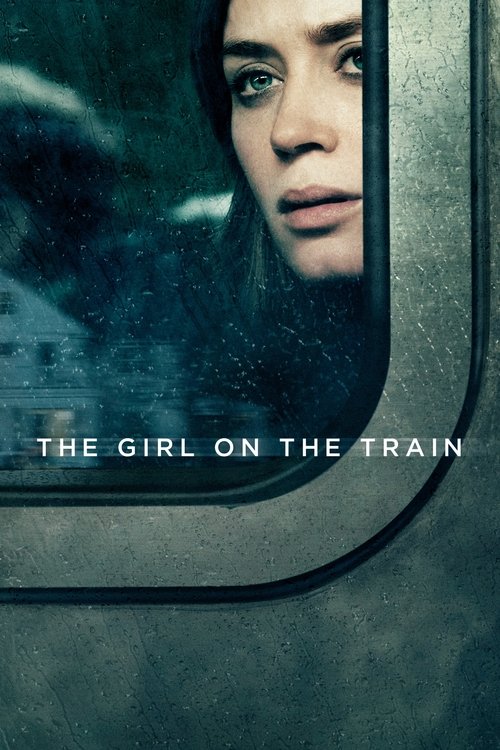
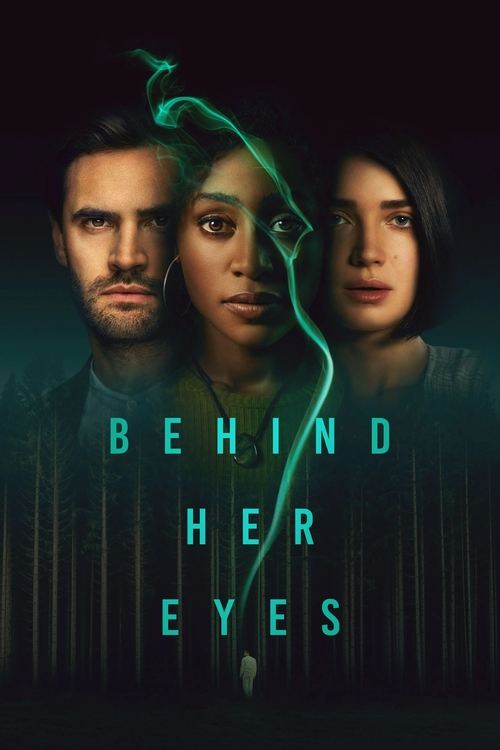
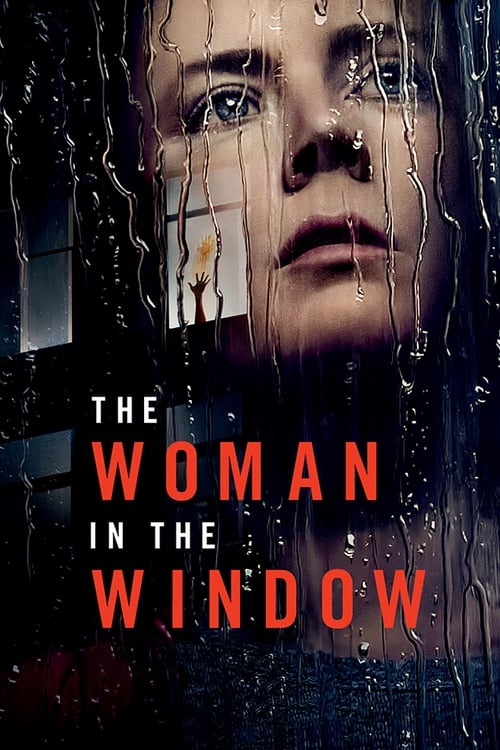
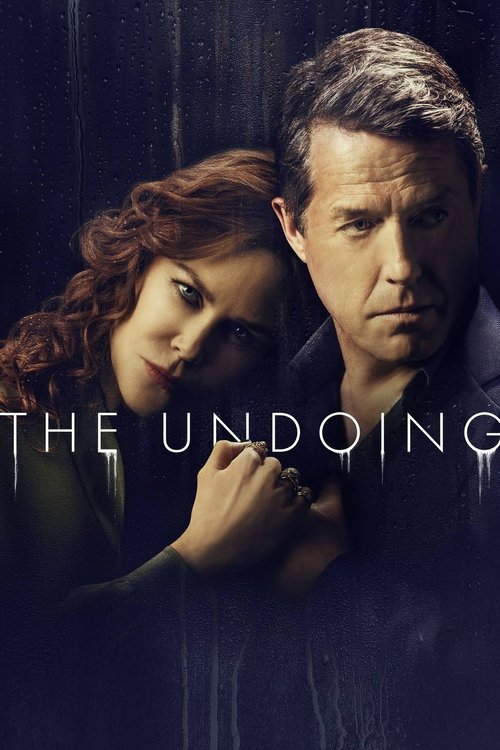
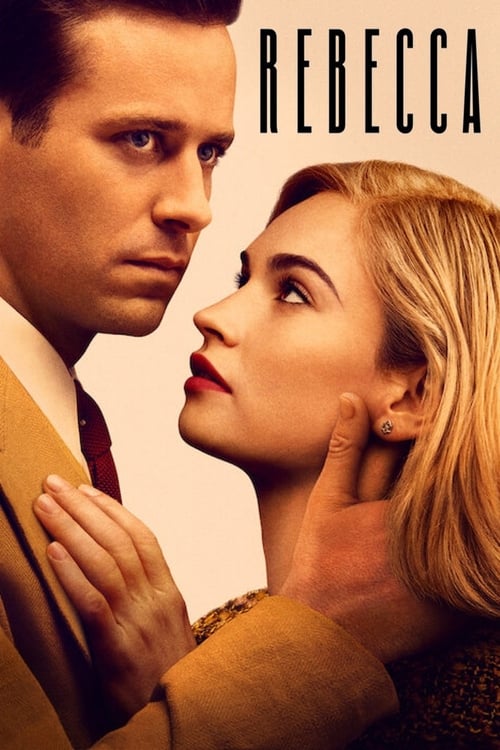
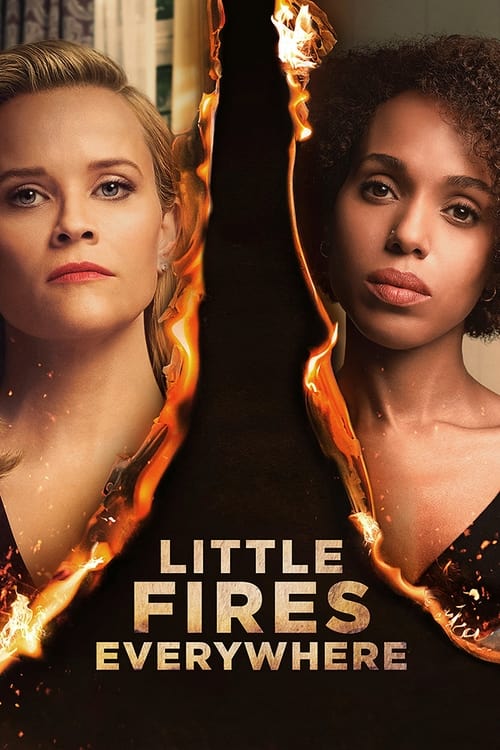
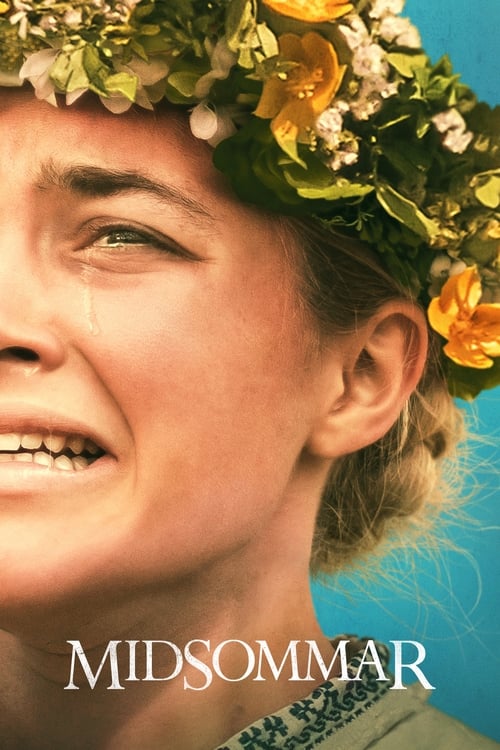

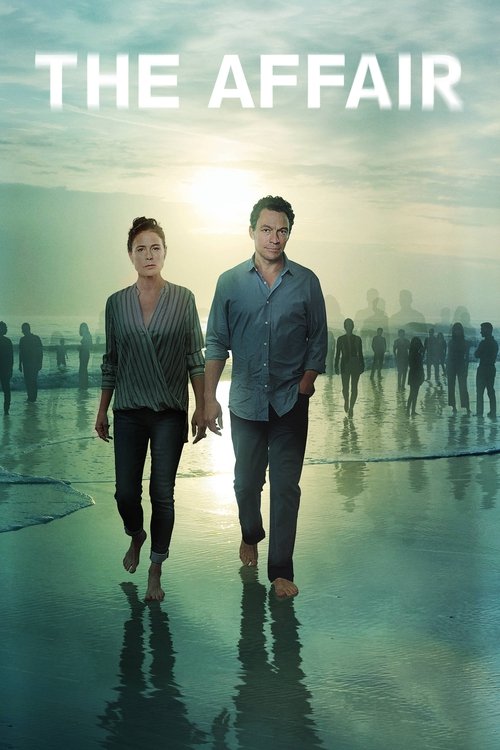
If You Love the Unreliable Narrator
Books built on the same architecture of distrust


If You Love the Psychological Thriller on Screen
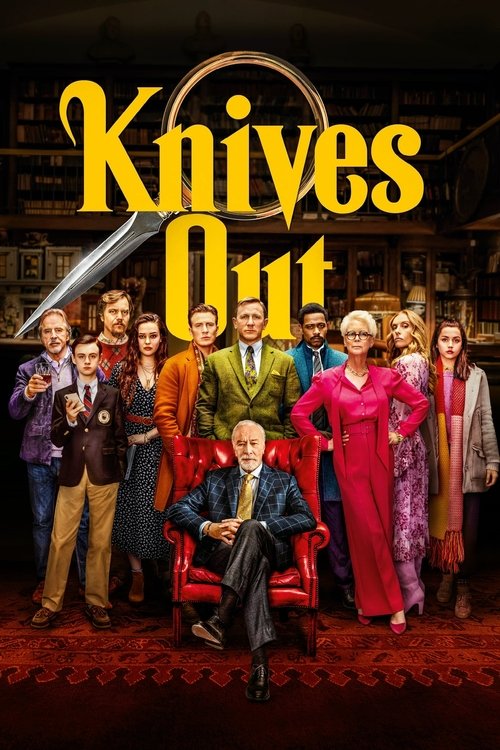
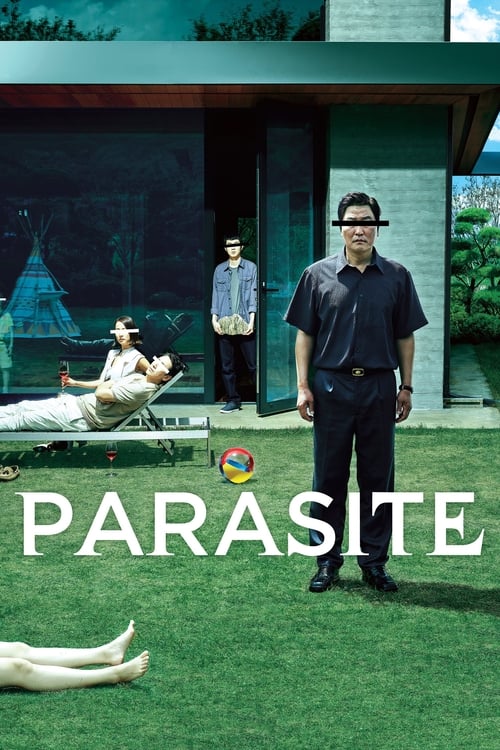
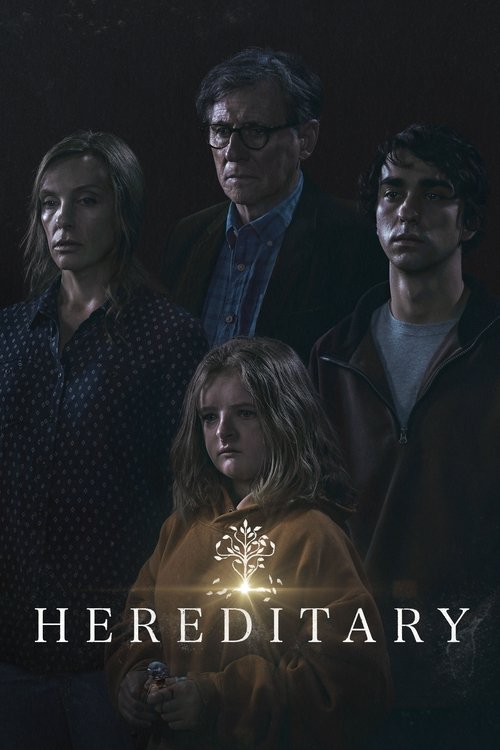
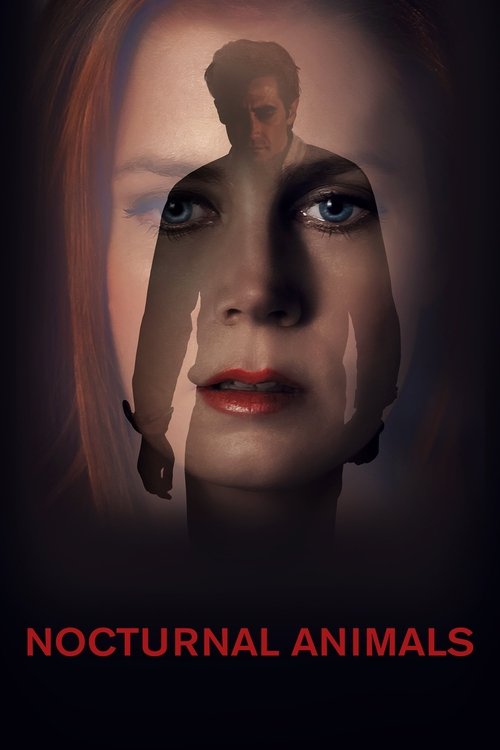
Films with the same slow-burn dread and twist architecture
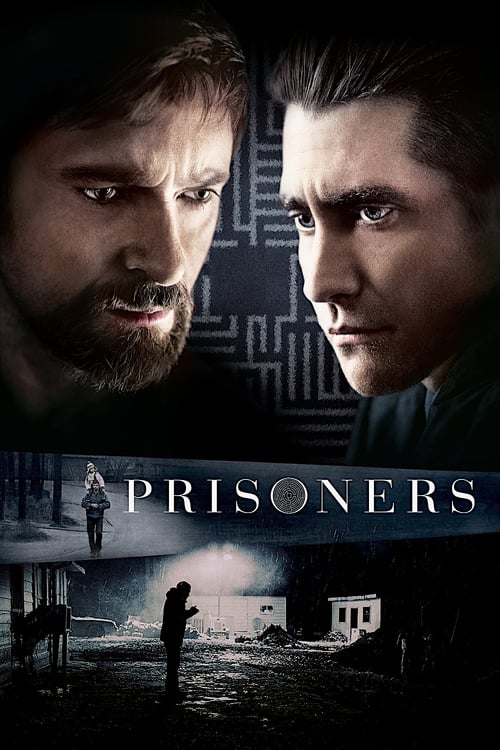
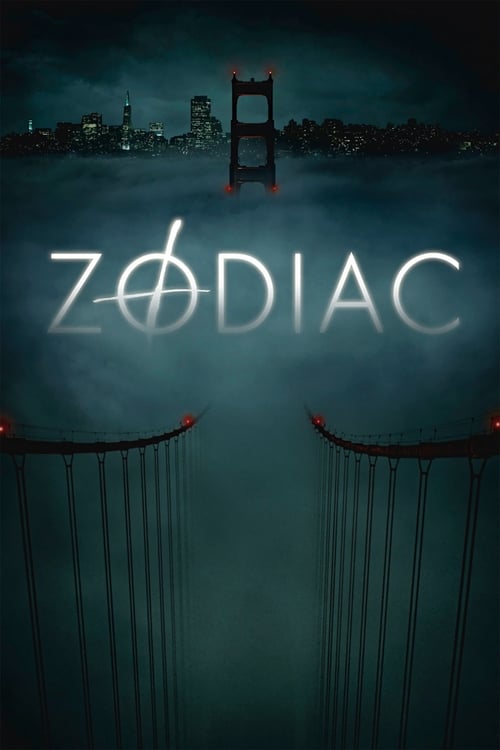
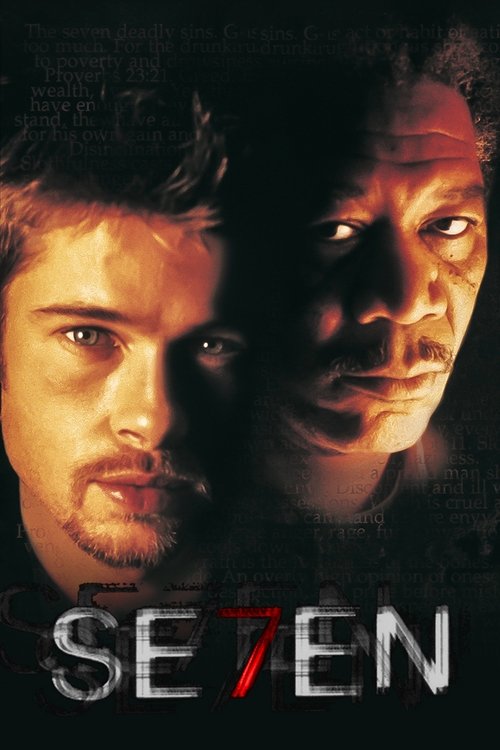
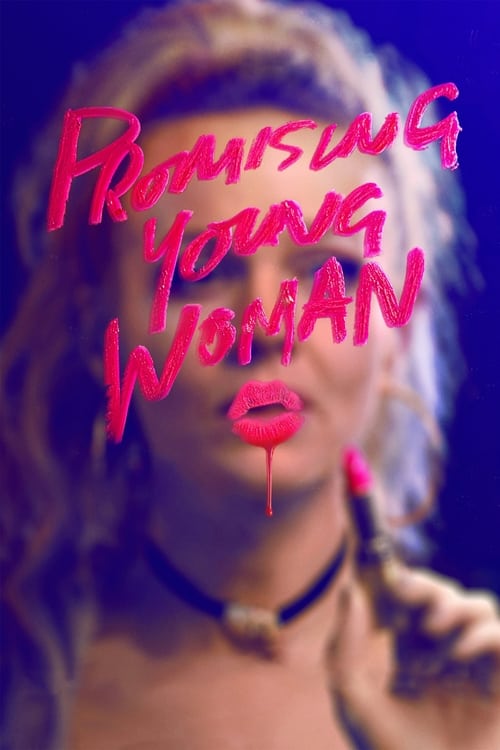
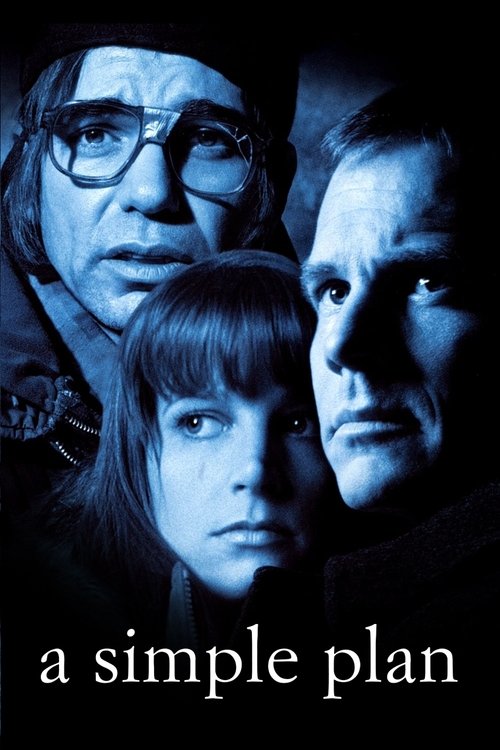
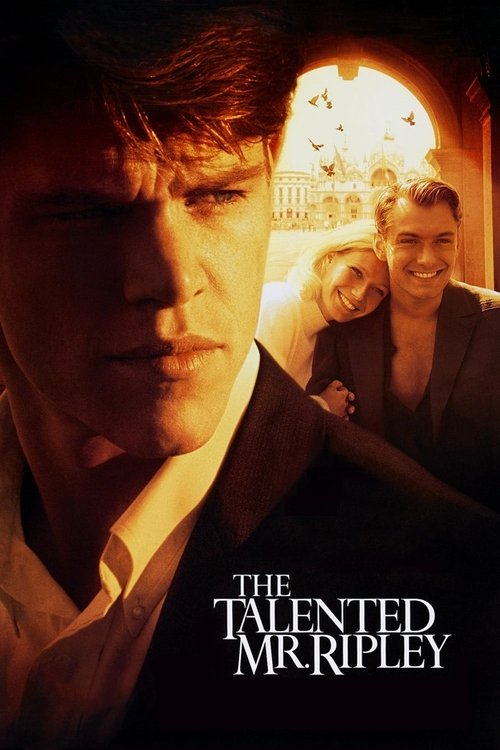
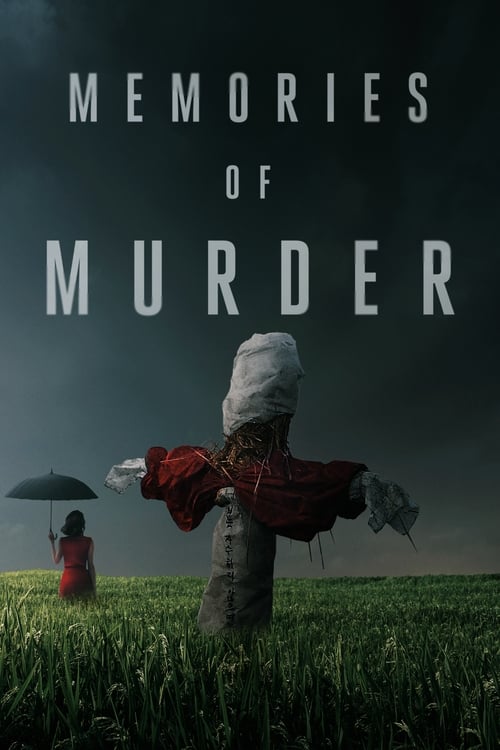
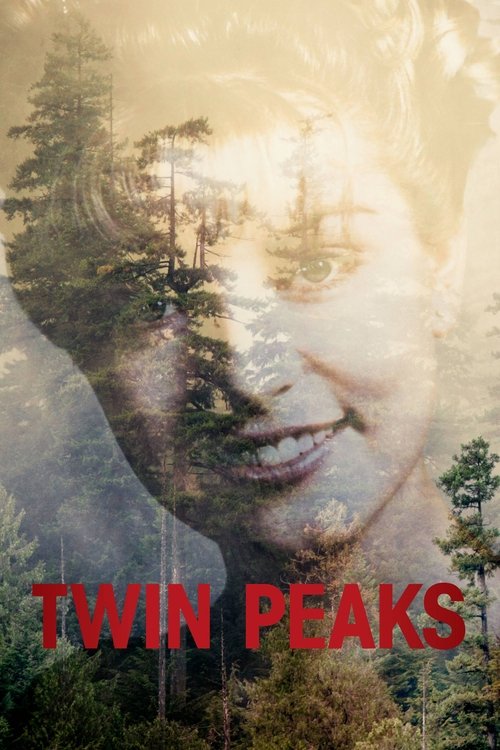
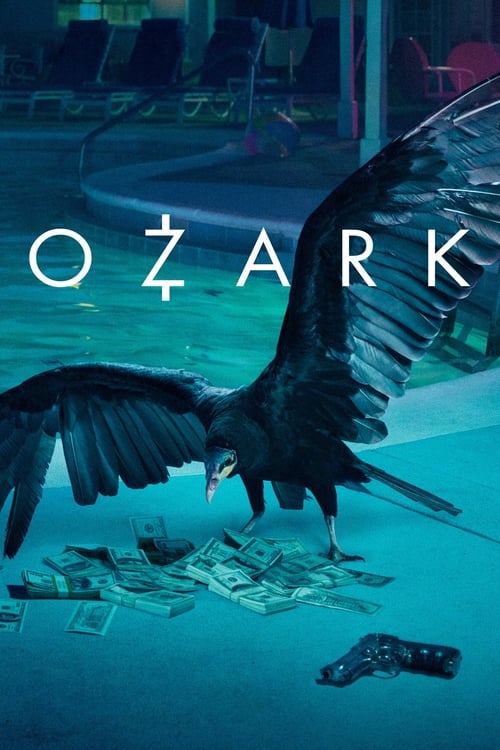
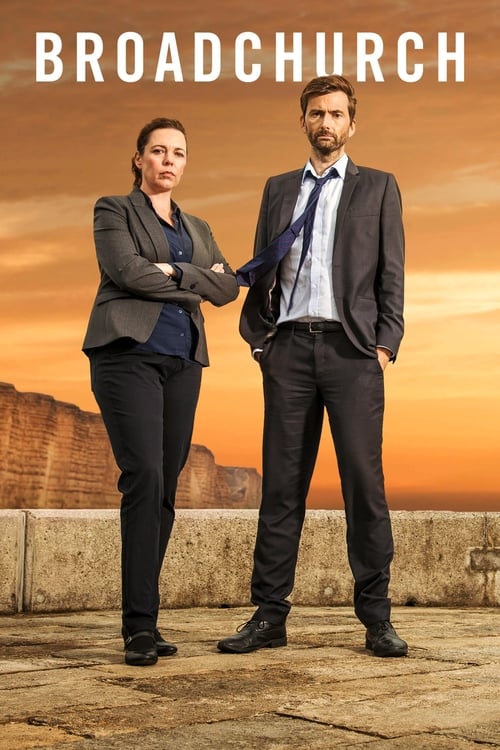
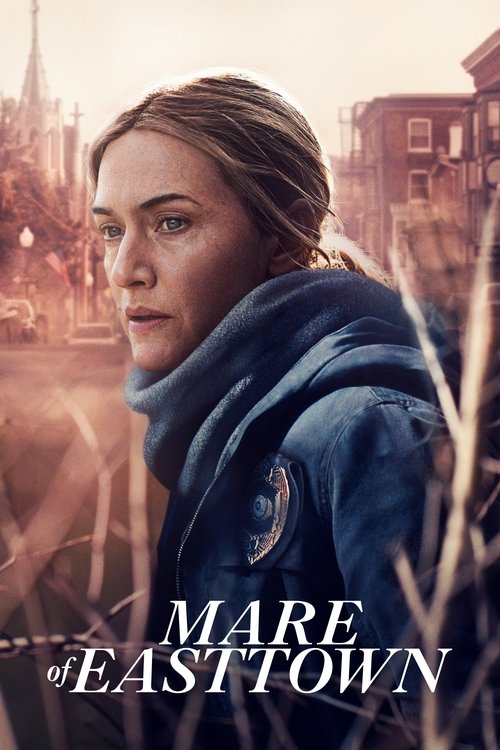
If You Love the Small-Town Rot
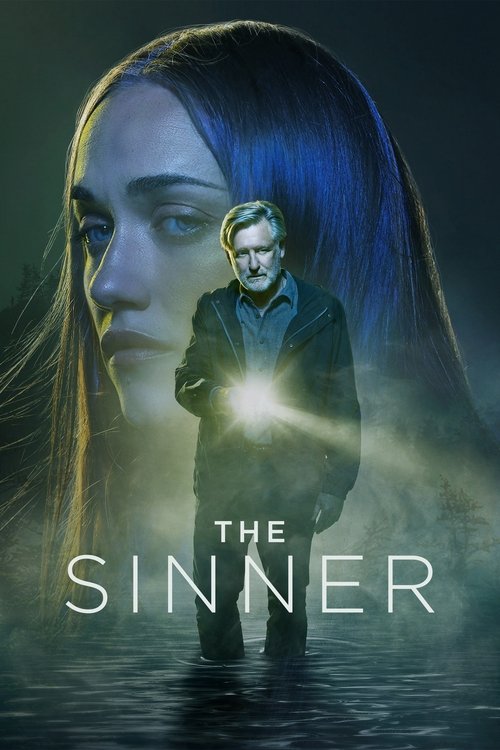
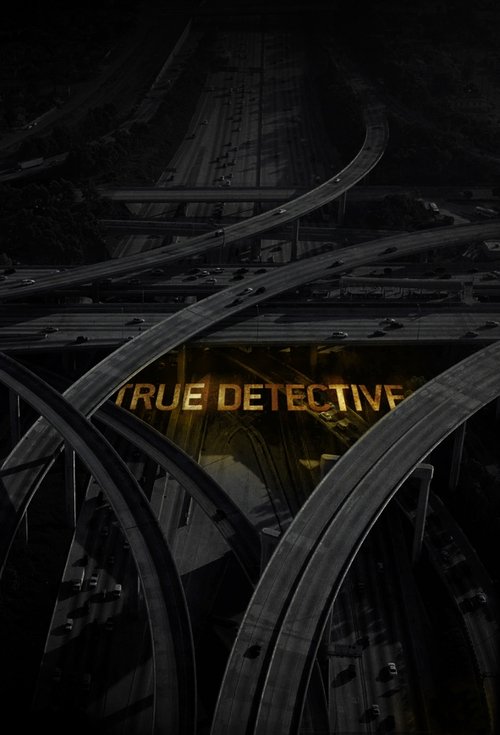
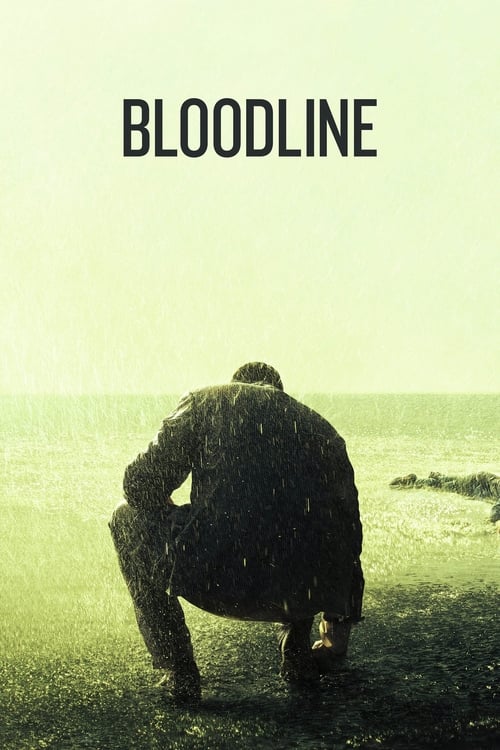
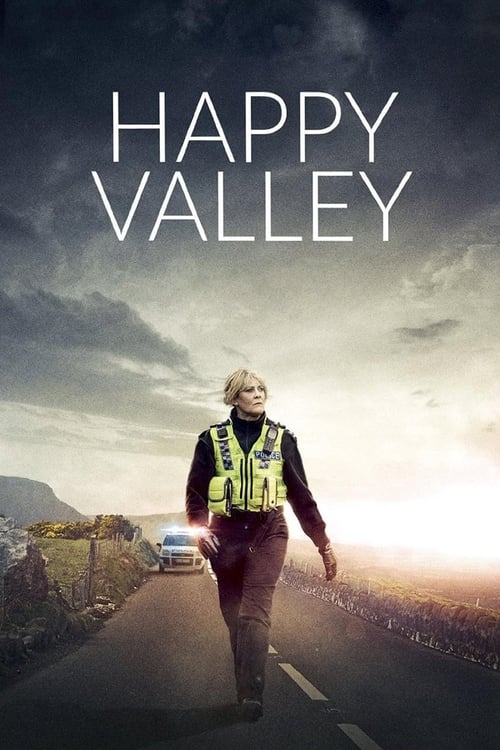
TV series where community is cover and secrets are currency
If You Love the Dark Side of Suburbia in Games
Games that find menace inside ordinary spaces
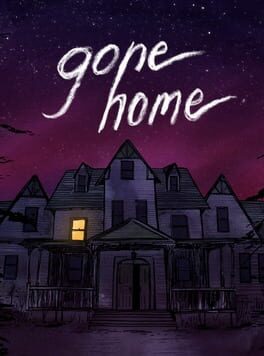
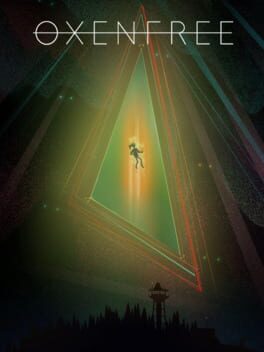
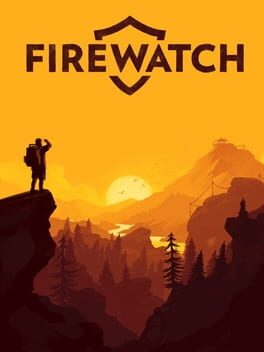
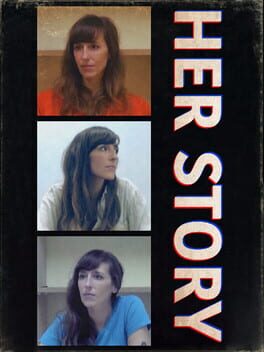
Gone Girl Rewired the Thriller
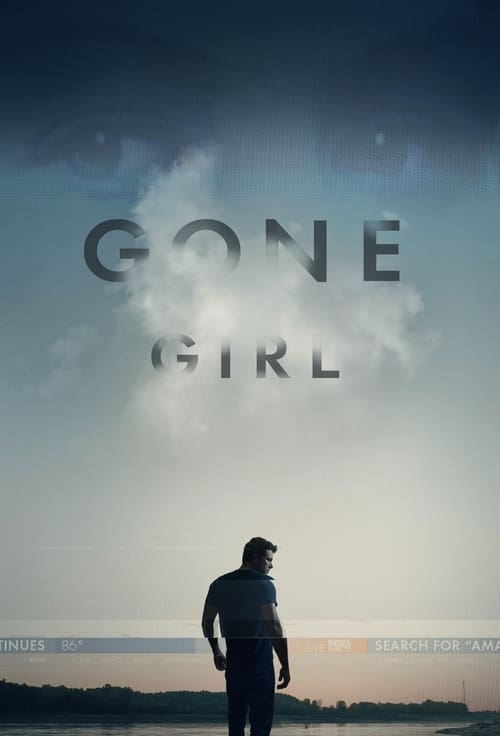
Before Gone Girl, the domestic thriller was a minor genre. After it, every publisher wanted the next one, and every reader learned to treat the first-person narration as a crime scene rather than a confession. Flynn's achievement was structural: the dual-narrator format does not merely withhold information, it weaponizes the form of the novel itself against the reader. Nick and Amy each manipulate us differently, and Flynn understood that the real betrayal is not the plot twist but the discovery of how thoroughly we trusted someone we had been warned not to trust.
Sharp Objects Is the Purest Flynn
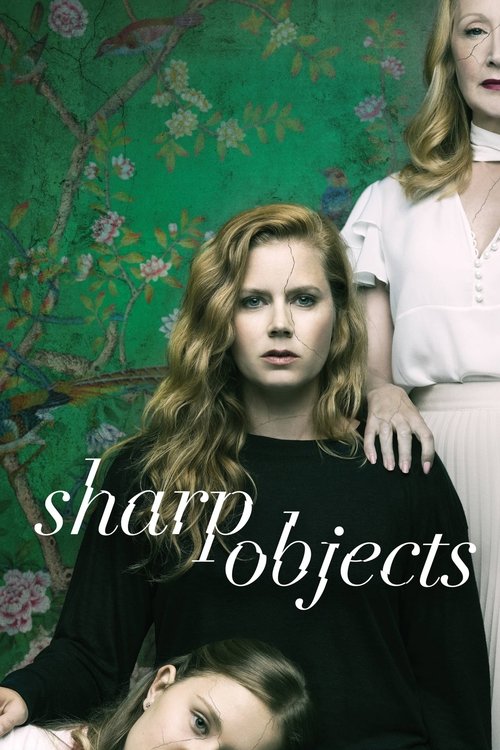
Sharp Objects is the novel Flynn published first and it remains the most concentrated version of her obsessions: a mother who destroys, a daughter who marks herself, a town that enforces silence. The HBO adaptation -- directed by Jean-Marc Vallee, written by Marti Noxon -- is one of the few screen translations that genuinely earns its auteur ambitions. Amy Adams carries a performance of almost geological weight, and the show understands that the imagery of the book (the carved words, the white room, the rocking chair) is not decoration but syntax.
The Authors Who Came After (And Before)
Flynn did not invent psychological suspense with a female center -- Patricia Highsmith was there sixty years earlier, and Tana French was building her Dublin Murder Squad at the same moment -- but she crystallized a market and a mode. The domestic thriller boom that followed her produced Ruth Ware, Lisa Jewell, and A.J. Finn among others. For readers who want a deeper cut, Flynn herself cites Highsmith's Ripley books as formative, and French's In the Woods shares her preoccupation with memory as an unreliable archive of trauma.

Flynn as Screenwriter
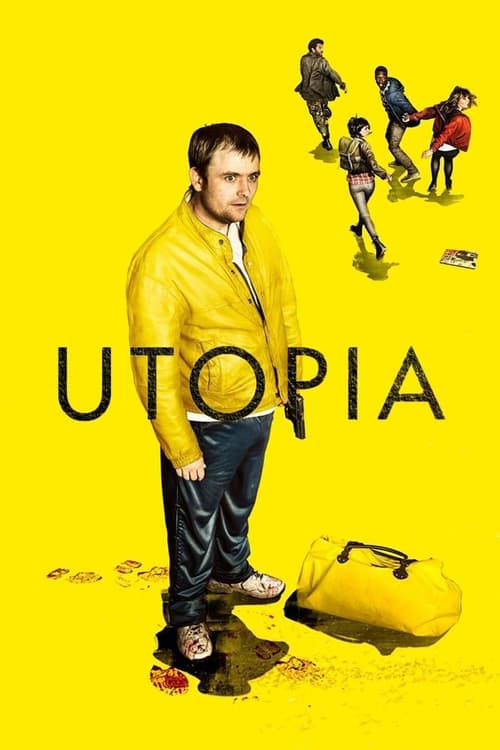
Flynn adapted Gone Girl for David Fincher and changed the ending, which tells you something about her relationship to her own material: she is not precious, she is strategic. She also wrote the screenplay for Utopia (the US Amazon remake of the British series), which was cancelled after one season but showcased her ability to operate at scale and in genre registers beyond domestic realism. Her move into television production deserves more attention from readers who think of her only as a novelist. The craft is the same; only the container changes.
The Flynn Timeline
- 2006Debut novel published Sharp Objects
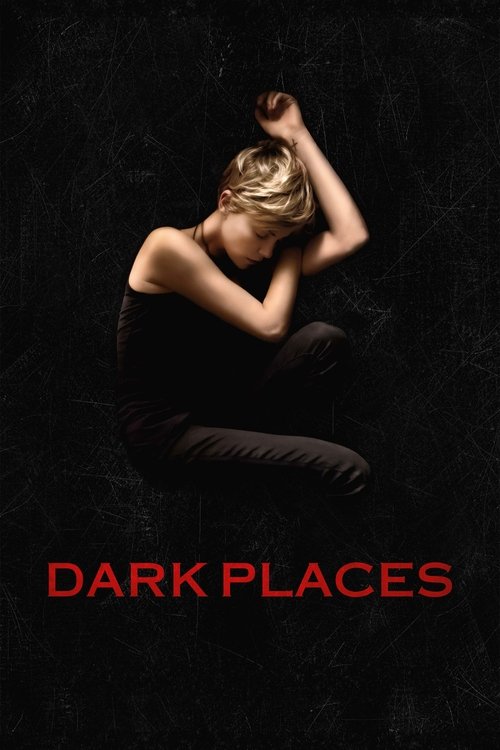
- 2009Second novel Dark Places
- 2012Gone Girl published, cultural phenomenon follows Gone Girl
- 2014Fincher adaptation, Flynn writes the screenplay Gone Girl
- 2015Dark Places film adaptation Dark Places
- 2018HBO limited series, Amy Adams, Jean-Marc Vallee Sharp Objects
- 2022Utopia (US), Flynn as showrunner Utopia
Unreliable women and domestic dread
For Fans of Gone Girl
Explore the For Fans of Gone Girl guide →I am a great believer in the female monster. Women have an incredible capacity for darkness, and I think we need to see that more in literature.Gillian Flynn