

The story that started in a Stockholm suburb
John Ajvide Lindqvist published Lat den ratte komma in in Sweden in 2004. It arrived in English as Let the Right One In in 2007, and the title is taken from a Morrissey song, which tells you something about the book's sensibility: lonely, romantic, soaked in eighties pop culture, and genuinely frightening. The setting is Blackeberg, a concrete housing estate on the outskirts of Stockholm, in the winter of 1981. A twelve-year-old boy named Oskar is being methodically bullied at school. A strange girl, Eli, moves into the flat next door. She smells odd, she only comes out at night, and she does not feel the cold.
What Lindqvist understood, and what every subsequent adaptation had to reckon with, is that the horror and the love story are inseparable. Eli is not a monster who happens to live next door. She is the only person who sees Oskar clearly, and her violence is both what she is and, eventually, the thing that saves him. The story traveled fast: a celebrated Swedish film came out just four years after the novel, an American remake followed two years after that, a stage version opened at the Royal Court in London in 2011, and then a full Showtime television series in 2022. Each version made different choices about what to keep and what to change. The core has stayed intact.
Every version of Let the right one in
The source novel and every screen adaptation

Let the right one in across the years
- 2004Novel published in Sweden by John Ajvide Lindqvist Let the right one in
- 2007English translation published Let the right one in
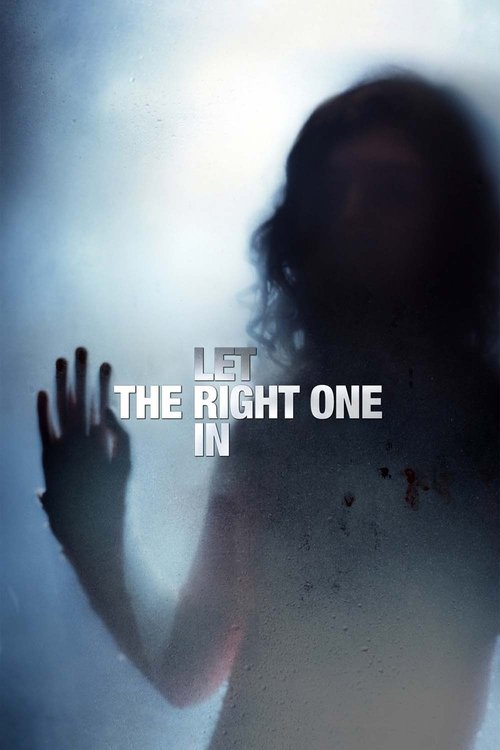
- 2008Swedish film directed by Tomas Alfredson Let the Right One In
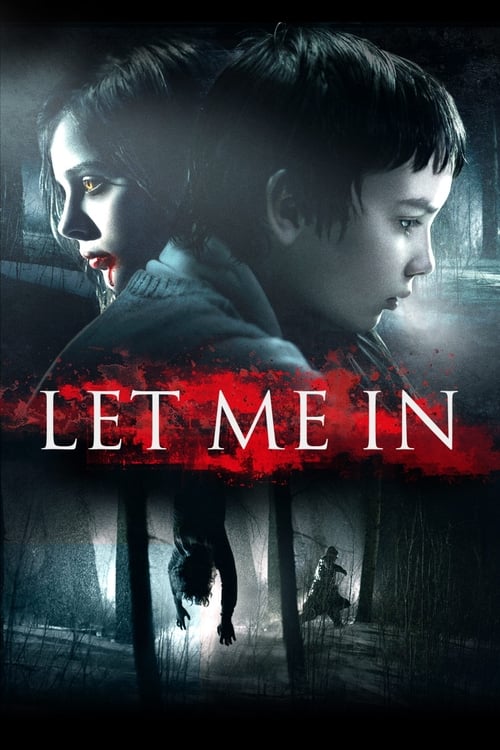
- 2010American remake directed by Matt Reeves Let Me In
- 2011Stage adaptation premieres at the Royal Court Theatre, London
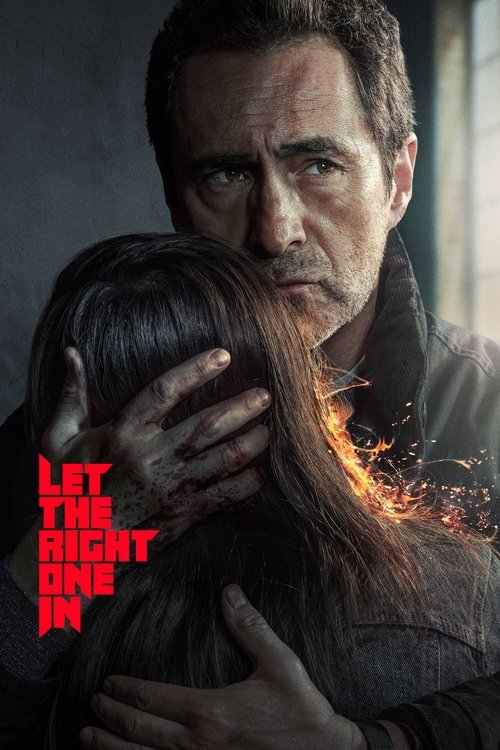
- 2022Showtime TV series developed by Andrew Hinderaker, set in New York City Let the Right One In
The Swedish film is the definitive version
Tomas Alfredson's 2008 film strips the novel down to its emotional core and trusts silence. Kare Hedebrant as Oskar and Lina Leandersson as Eli give performances of unusual restraint for child actors, and the film's visual grammar, all flat grey light and still winter air, feels completely right for the material. The swimming pool finale is one of the great sequences in modern horror. Nothing that came after has matched it.
The Showtime series deserves more credit than it got
The 2022 Showtime series moved the story to present-day New York and reframed it around a grieving father (played by Demian Bichir) as much as around the children. Critics were split, partly because any English-language return to this story invites comparison to both the Swedish film and Let Me In. But the series is doing something genuinely different: it is a slow, melancholy character study with a long runway for dread. It did not get a second season, which is a loss.
Let Me In is competent but not necessary
Matt Reeves made an atmospheric film. Chloe Grace Moretz and Kodi Smit-McPhee are good. The problem is that it arrived only two years after Alfredson's version and makes no strong case for its own existence. It follows the Swedish film's structure closely, softens some of the novel's darker material, and replaces the concrete Scandinavian specificity with a generic American small-town setting. Worth seeing once, but watch the original first.
If you love the isolation and the dread
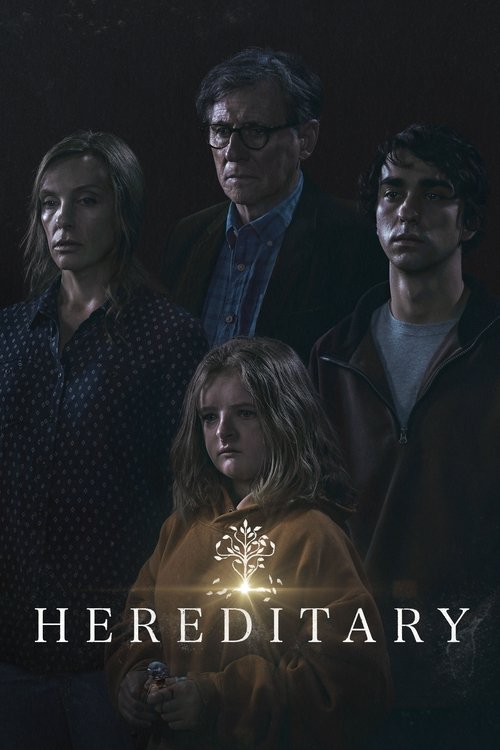
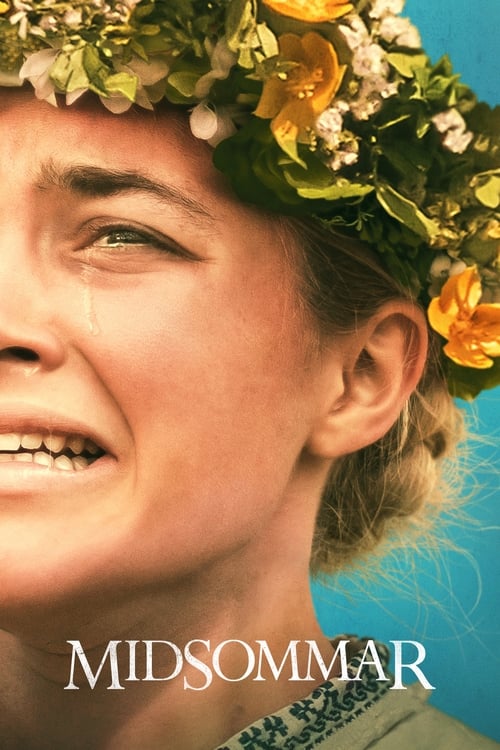
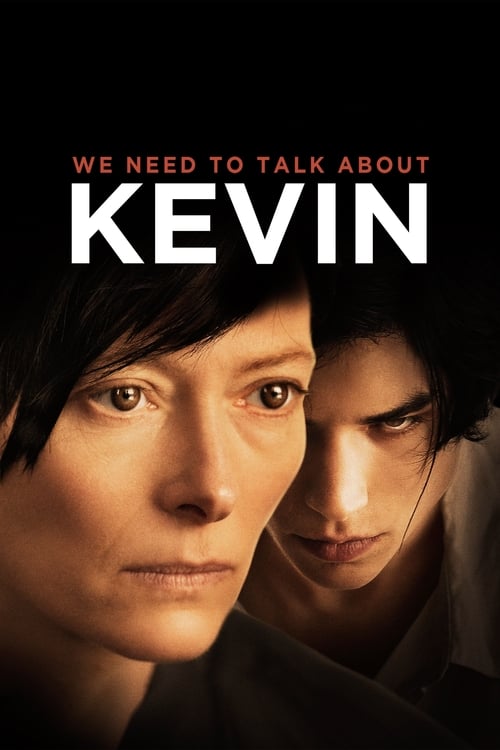
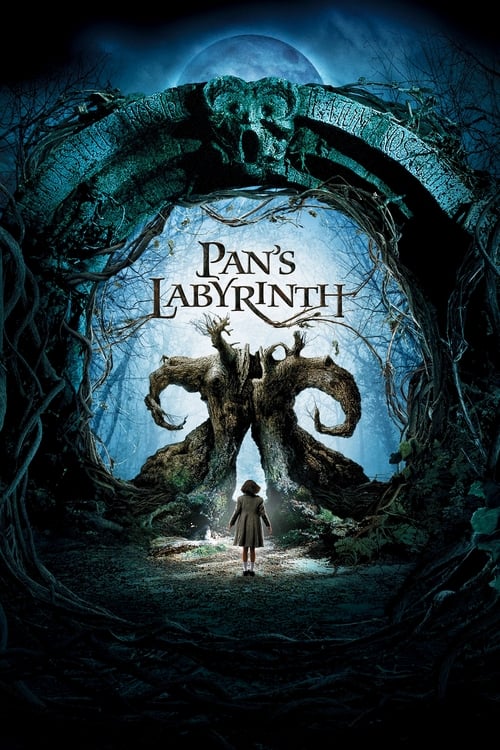
Films and shows that hold horror and tenderness in the same frame

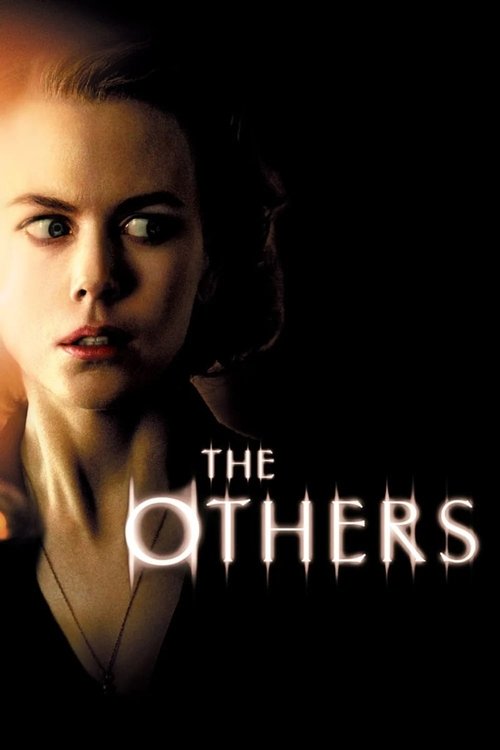
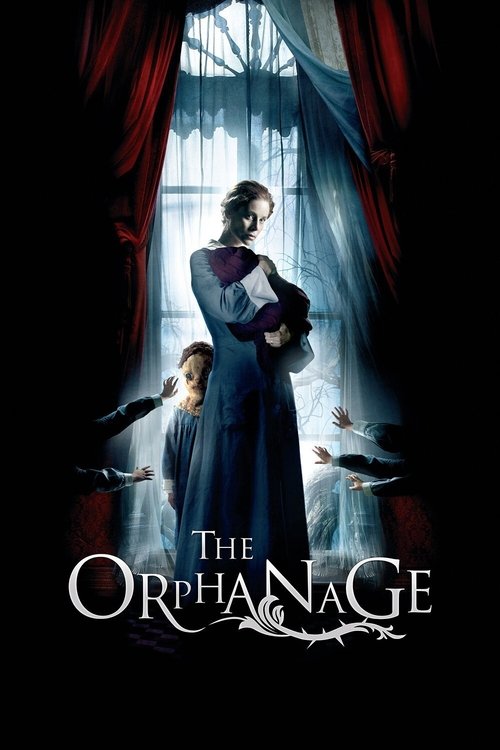
If you love the vampire outsider premise
Vampires who are isolated or tragic, not predatory, across every medium


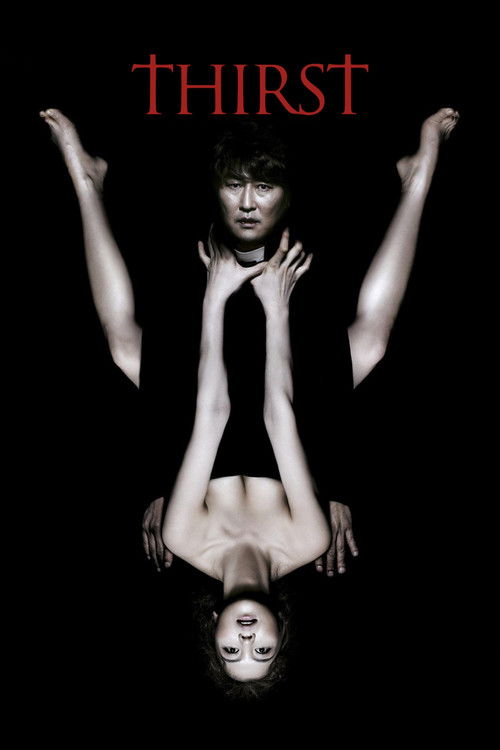
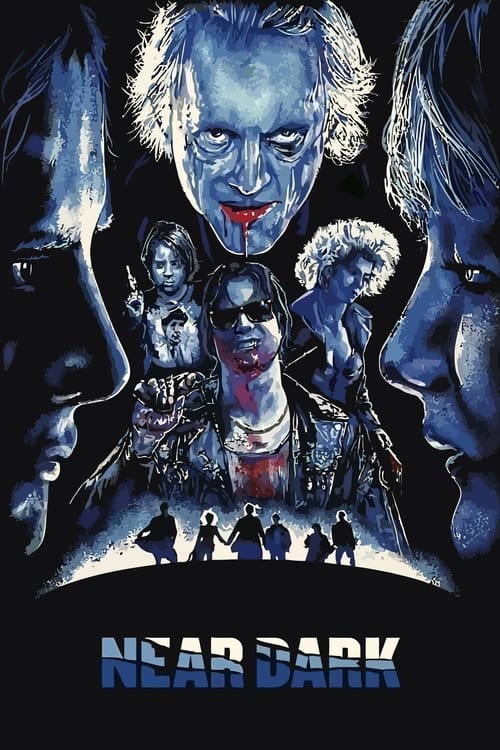

If you love Lindqvist's Nordic darkness
Scandinavian horror and crime fiction with the same bleak realism



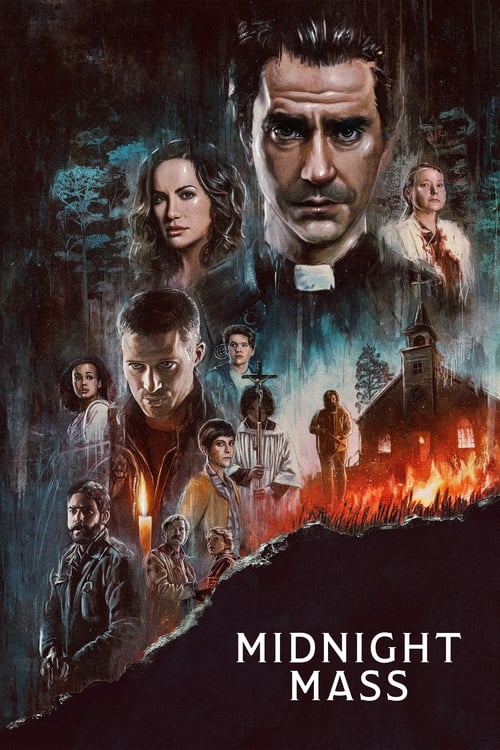
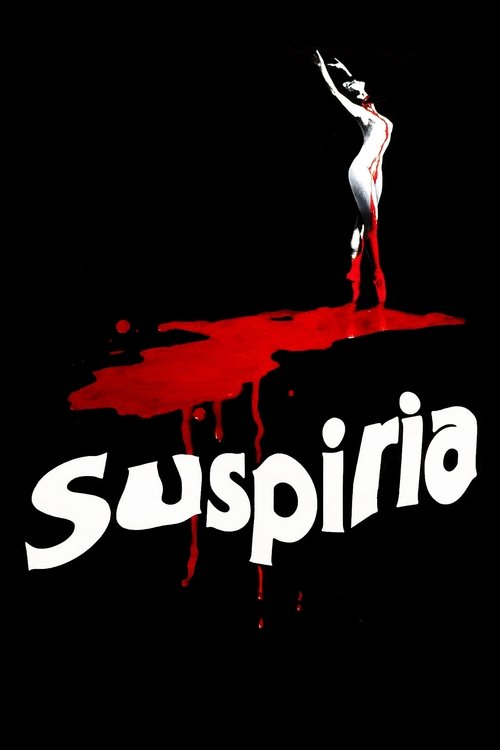
Vampires and Gothic horror
Vampires
Explore the Vampires guide →The title comes from a Morrissey lyric. That detail alone tells you what kind of horror story this is: the kind where the monster is also the only one who understands you.CrossBinge