

An original character, not an adaptation
Mr. Bean did not begin as a novel, comic, or film. He was invented wholesale by actor-comedian Rowan Atkinson and writer Richard Curtis while Atkinson was a postgraduate at Oxford in the late 1970s, reworked over years of live stage performance, and finally shaped into a television format for ITV. The first episode aired on 1 January 1990. No source text exists to adapt from; the character is the source.
What makes the Bean franchise unusual as a piece of pop culture is how deliberately it was translated outward from that TV core. The creators did not license the property carelessly. The animated series (2002) was produced by Tiger Aspect with Atkinson's close involvement, preserving the character's logic even without his face. The two theatrical features took opposite approaches: Bean (1997) embedded the character inside a conventional narrative film, while Mr. Bean's Holiday (2007) stripped back toward the silent-comedy roots of the TV series. The result is a franchise with real tonal consistency across a surprising range of formats.
Every version of Mr. Bean
The source work, every screen adaptation, and the licensed games
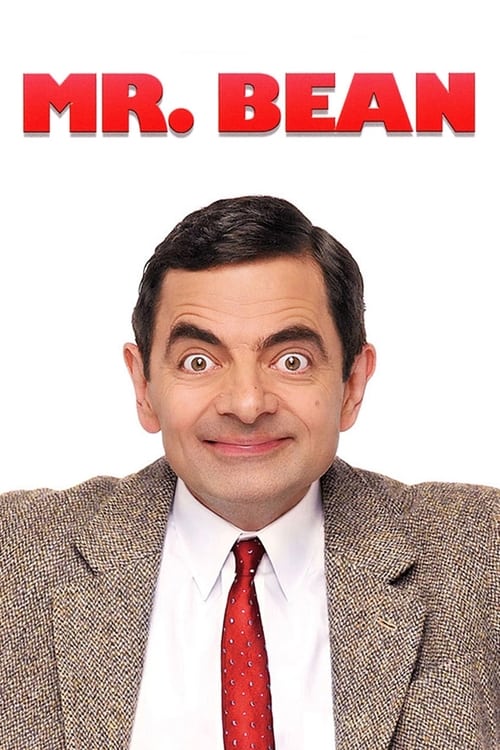
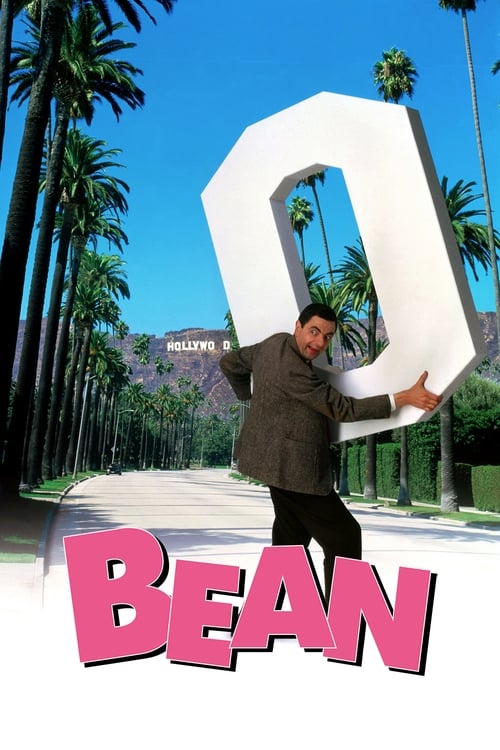

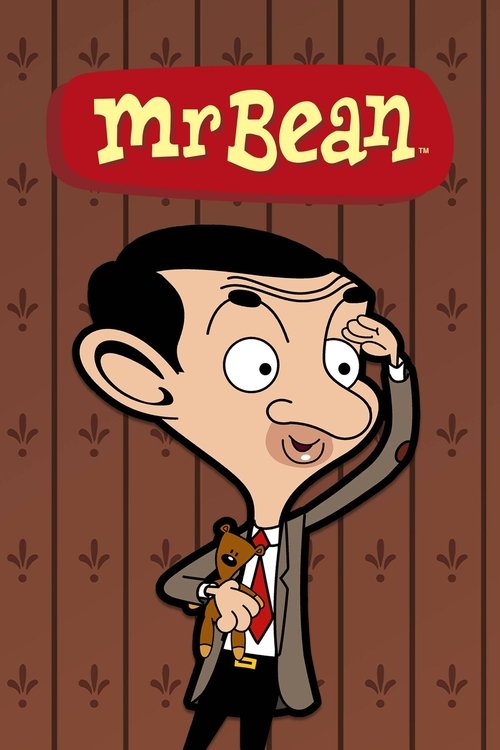
Mr. Bean across the decades
- 1990TV series launches on ITV Mr. Bean
- 1995Final original TV episode Mr. Bean
- 1997First theatrical feature Bean
- 1997Licensed PS1 and PC game tie-in
- 1998Game Boy Color game released
- 2002Animated series begins Mr. Bean: The Animated Series
- 2007Second theatrical feature Mr. Bean's Holiday
- 2012Atkinson performs live in the London Olympics opening ceremony
- 2019Animated series final episodes air Mr. Bean: The Animated Series
The definitive version is still the first series
The original fourteen episodes (1990 to 1995) are the thing itself, undiluted. Atkinson and Curtis built a comedy engine that runs almost entirely on physical problem-solving and misplaced confidence. The ITV production values, the slightly too-large suits, the awful bedsit: these are not limitations but load-bearing parts of the character. Everything that followed is a translation. The original is the language.
Episodes like Do-It-Yourself Mr. Bean, The Exam, and Mind the Baby, Mr. Bean still hold up as precision-cut comedy with almost no dialogue.
Mr. Bean's Holiday is the underrated one
Mr. Bean's Holiday (2007) is frequently dismissed as a lazy sequel. That reading is backwards. Director Steve Bendelack and writer Hamish McColl made the smarter structural choice: they stripped back the feature-film contrivances of Bean (1997) and made something closer to a Jacques Tati picture than a Hollywood comedy. Atkinson's performance is physically looser, the French locations give the character genuine texture, and the ending is genuinely moving in a way neither the TV series nor the first film attempted.
Bean (1997) has its pleasures, but it works by surrounding a fundamentally plotless character with plot machinery. Mr. Bean's Holiday has the confidence to let him drift, and the film is better for it.
The animated series works better than it should
Adapting a character defined by a specific actor's face and body into animation is a genuine creative risk. Tiger Aspect's Mr. Bean: The Animated Series (2002 to 2019) navigated it by keeping the visual grammar of the character intact: the raised eyebrow, the sideways look at the camera, the awful small triumph. It is not as sharp as the live-action series, but it is a respectable continuation rather than a cynical licensing exercise. Atkinson's vocal involvement throughout keeps the character grounded. Good viewing for the demographic the original series was never aimed at.
If you love Mr. Bean: silent and near-silent comedy
Stories told in gesture and reaction
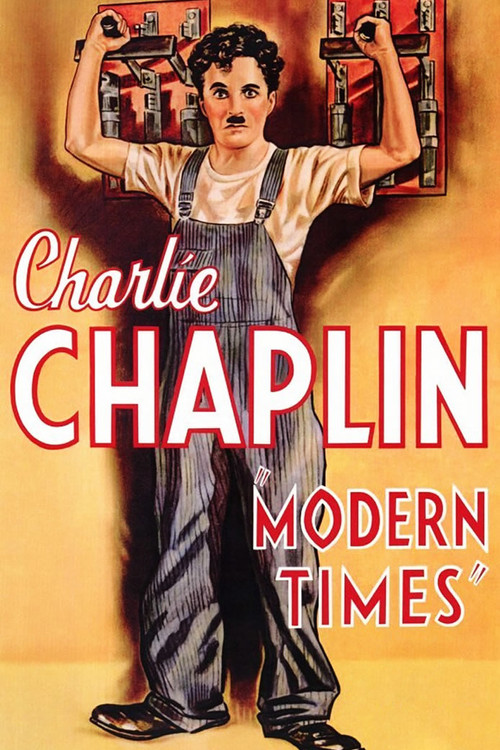
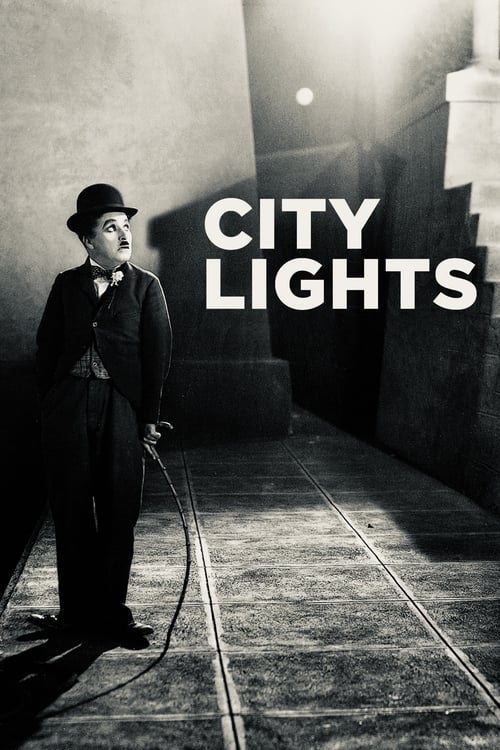
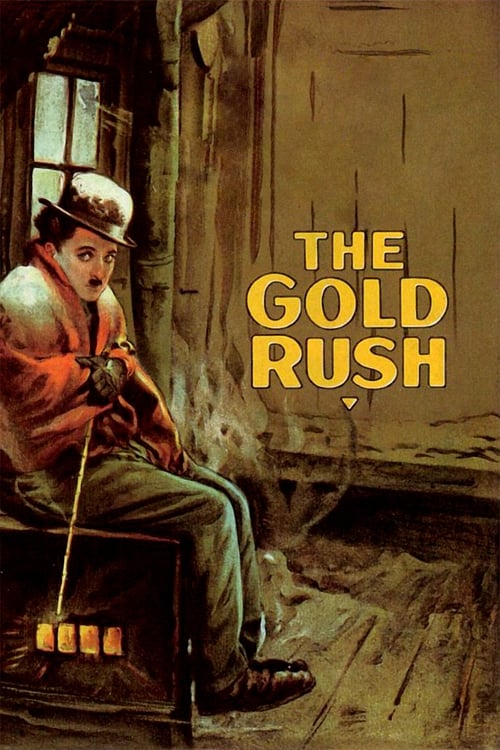
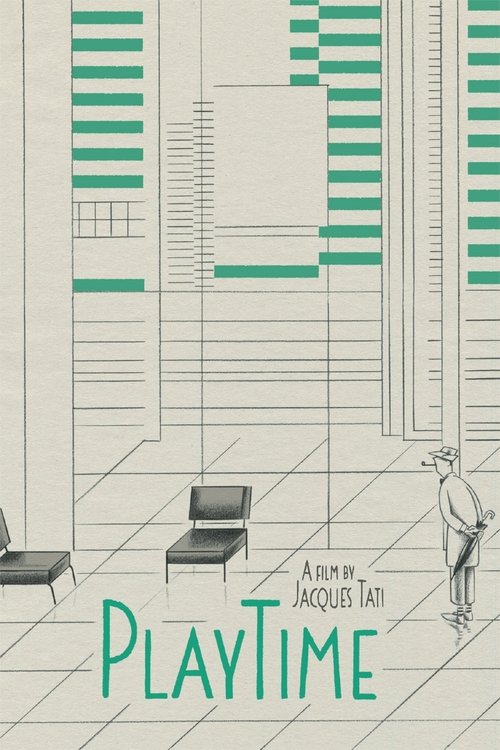
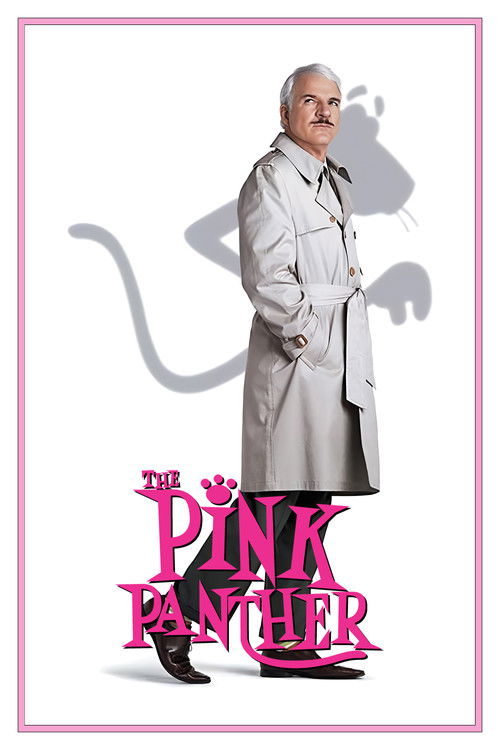
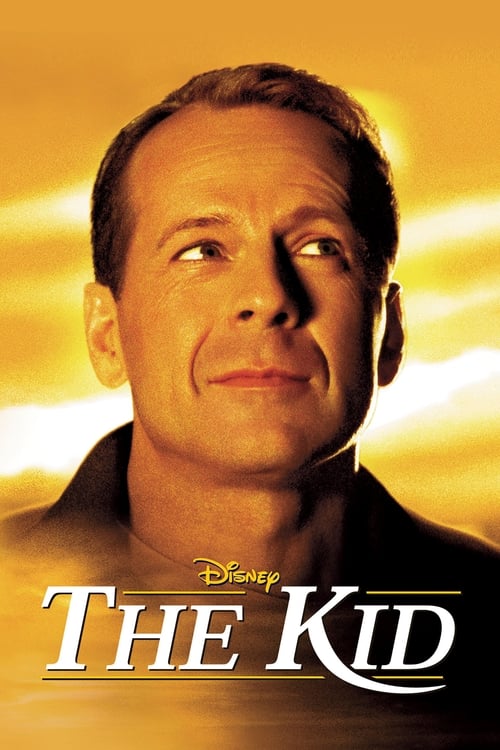
If you love Mr. Bean: bumbling British comedy
The great tradition of loveable incompetence
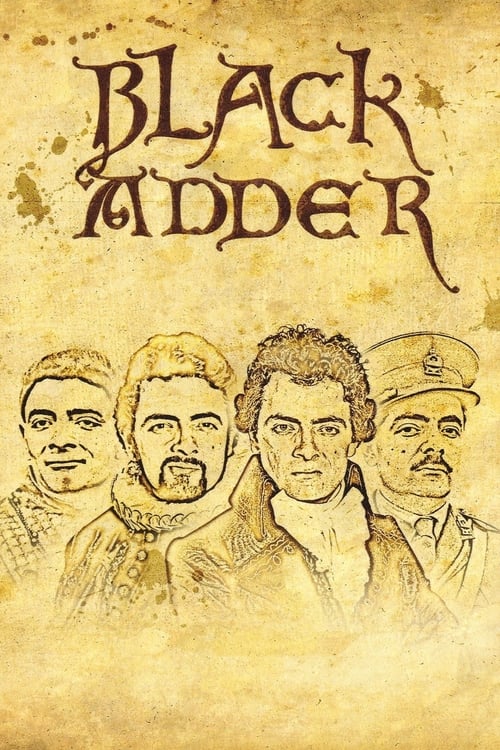
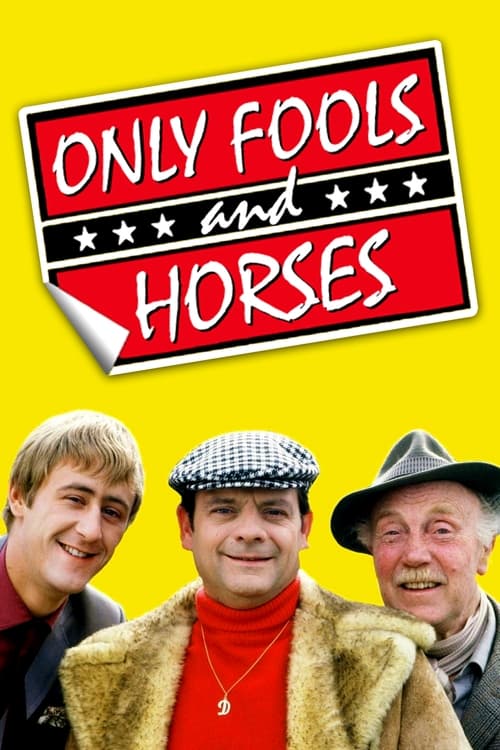

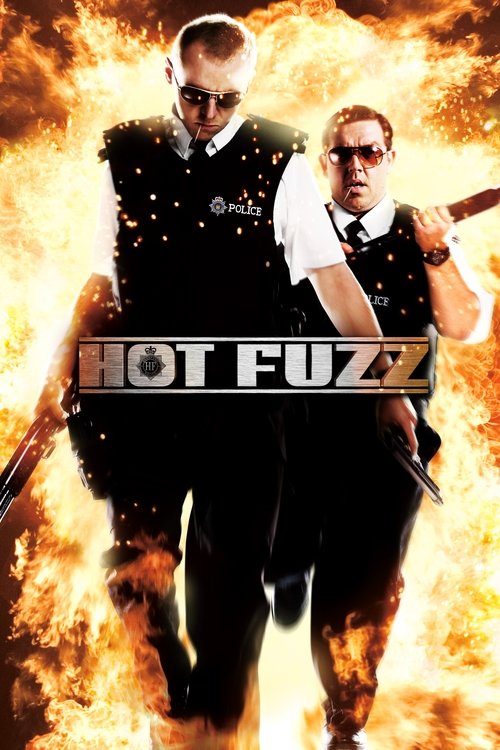
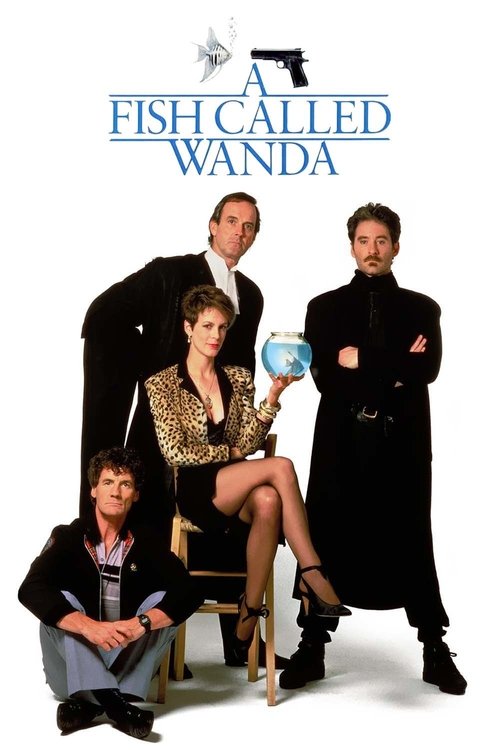
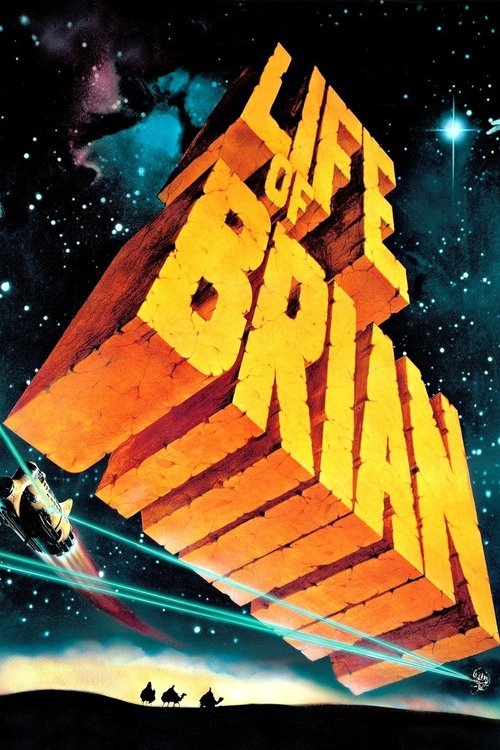
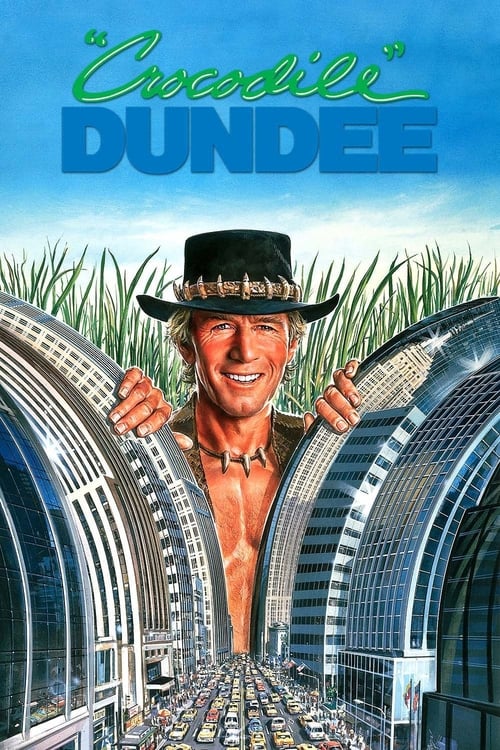
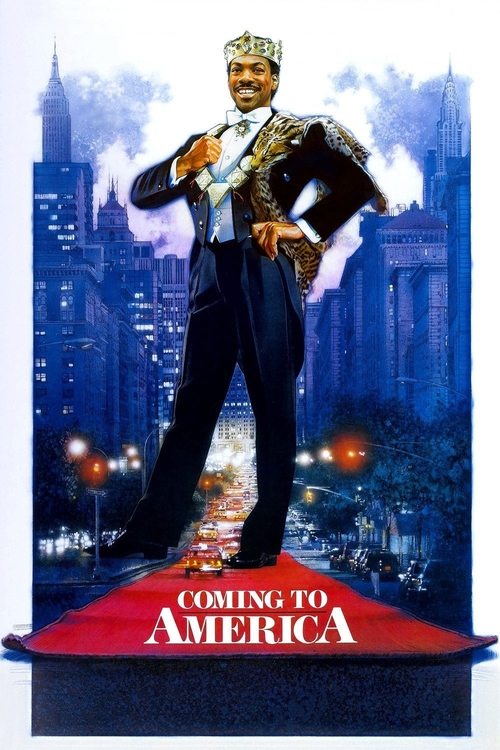
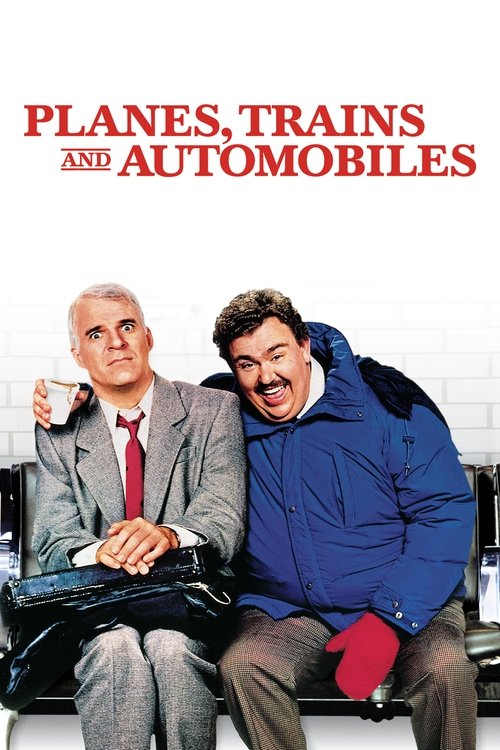
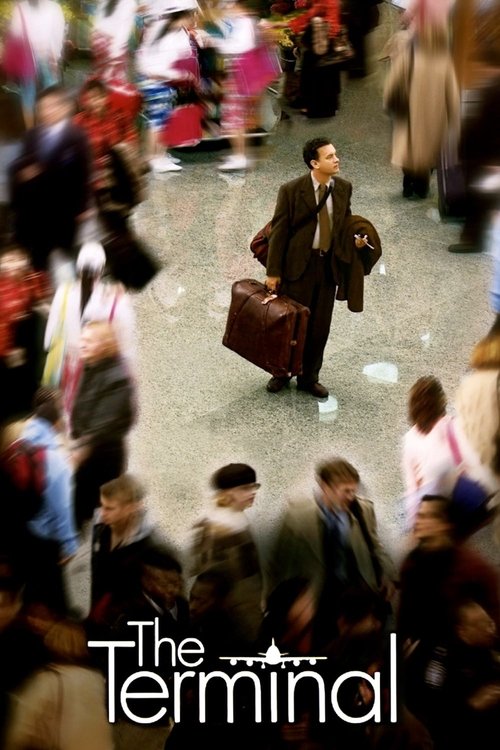
If you love Mr. Bean: fish out of water in new places
Characters dropped into unfamiliar worlds and left to improvise

Silent comedy, wordless disasters
For Fans of Charlie Chaplin
Explore the For Fans of Charlie Chaplin guide →Bean is not really stupid, and he is not really cunning. He occupies a category of his own: a man of total self-belief operating in a world that has simply not caught up with his logic.Rowan Atkinson, on what separates Bean from the traditional sitcom fool