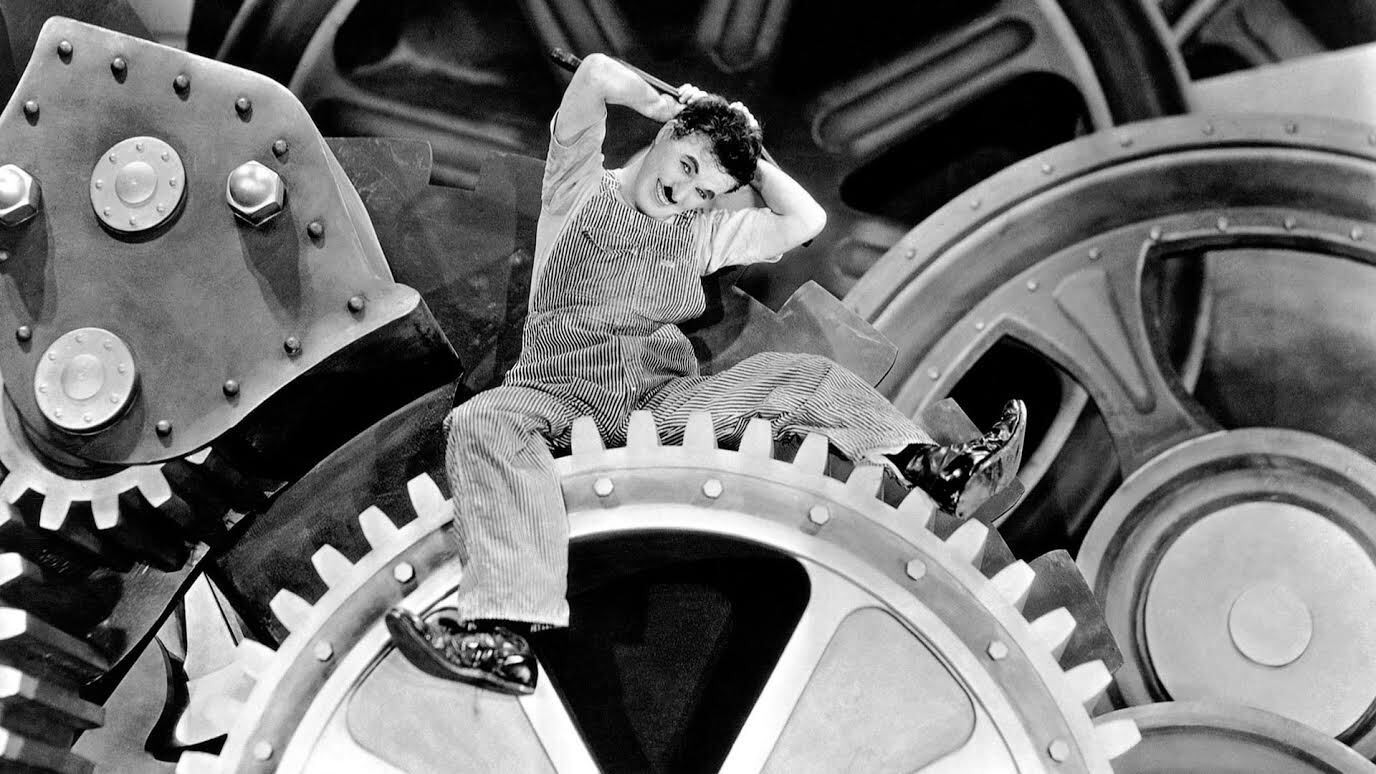

Charlie Chaplin is the closest thing cinema has to a founding myth. He arrived at Keystone in 1914 and within months had invented the Little Tramp, a character who carried every contradiction the twentieth century could muster: dignity inside poverty, romance inside chaos, defiance inside defeat. What fans love is not the gags alone but the feeling underneath them, a tenderness Chaplin never tried to hide. He wrote, directed, scored, and starred in his best work, controlling every element so that the comedy and the heartbreak could not be separated. The films he made between 1921 and 1940 belong to a very short list of works that changed what storytelling is allowed to do.
Essential Chaplin
The films that define the man and the myth
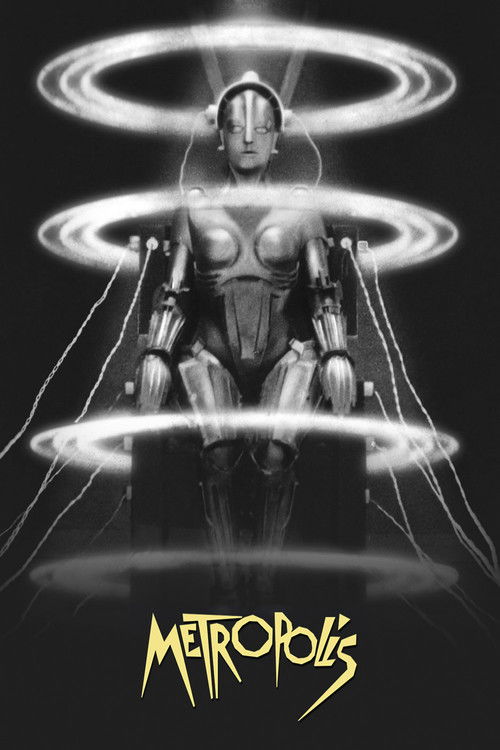
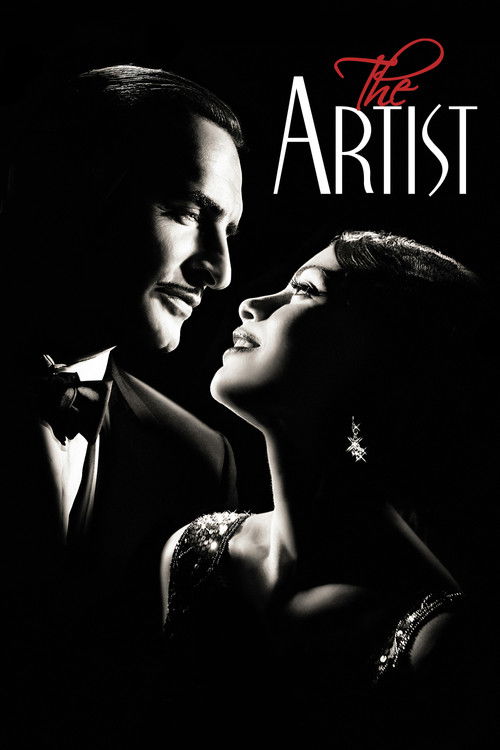
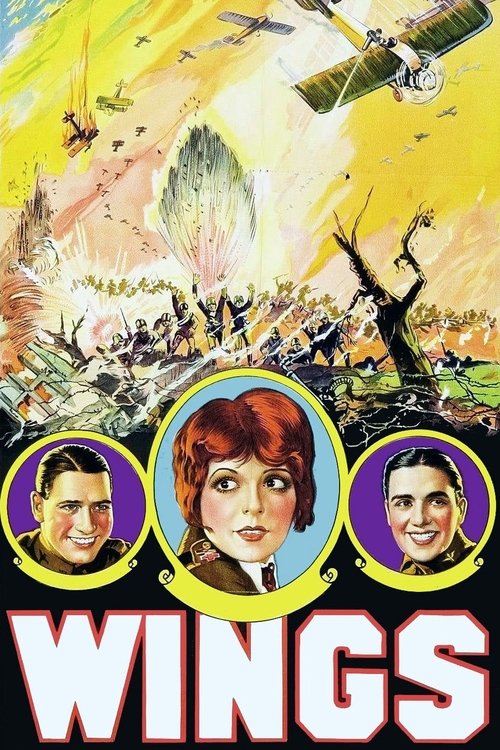
Silent Masters, Borrowed Silence
The films and series that speak as loudly without words

Comedy With a Bite
Films and series that mix laughter with something sharper
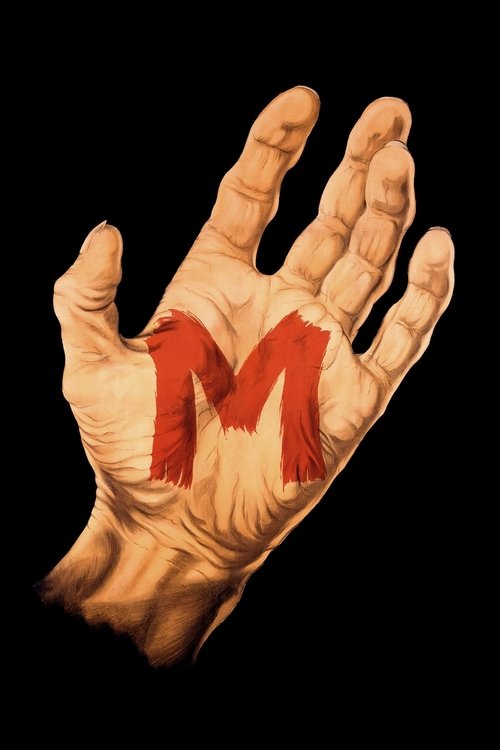
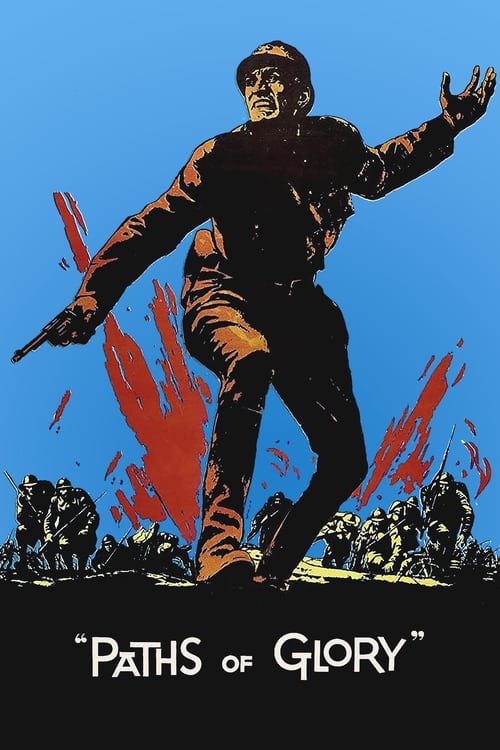
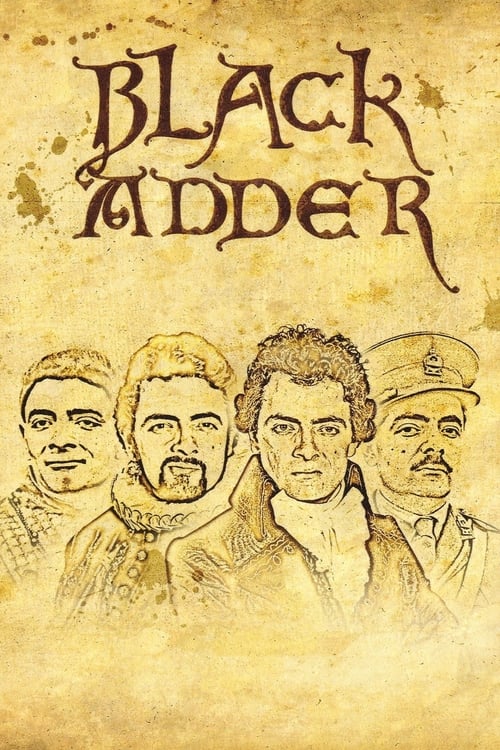
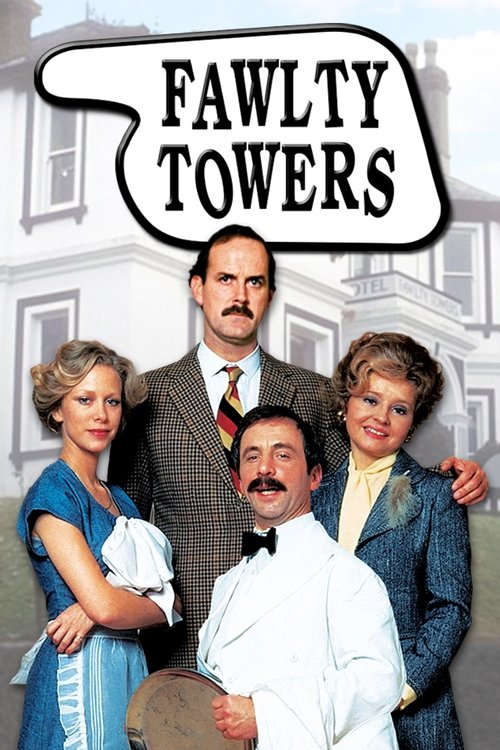
The Books Behind the Laughter
Novels and memoirs that share Chaplin's eye for the underdog


Music That Moves Like Chaplin Moves
Scores, songs, and albums that carry the same ache and lightness
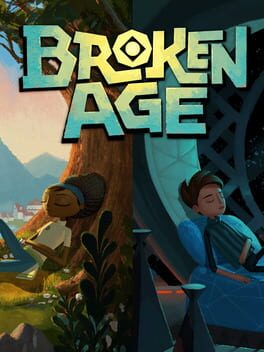
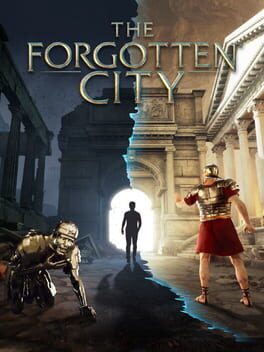
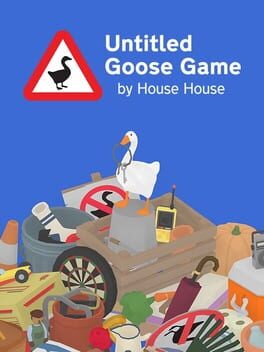
Games With Heart Under the Chaos
Games that balance slapstick energy with genuine feeling

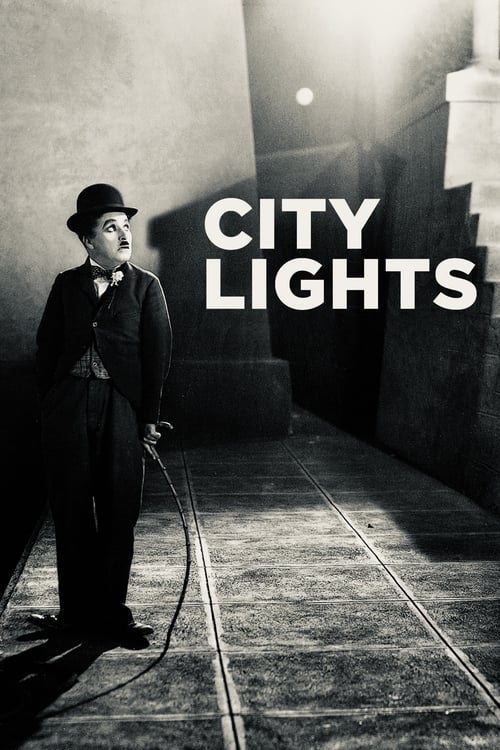
City Lights is the best film ever made
Not the most ambitious, not the most technically innovative, not even Chaplin's own favorite. But City Lights (1931) does something no other film has managed before or since: it earns its ending so completely that the final image still floors first-time viewers ninety years later. The Tramp's relationship with the blind flower girl is built on a small lie, sustained by genuine love, and resolved in a moment of recognition that is unbearable in the best sense. Chaplin held it back from sound cinema for three years because he knew the silence mattered. He was right.
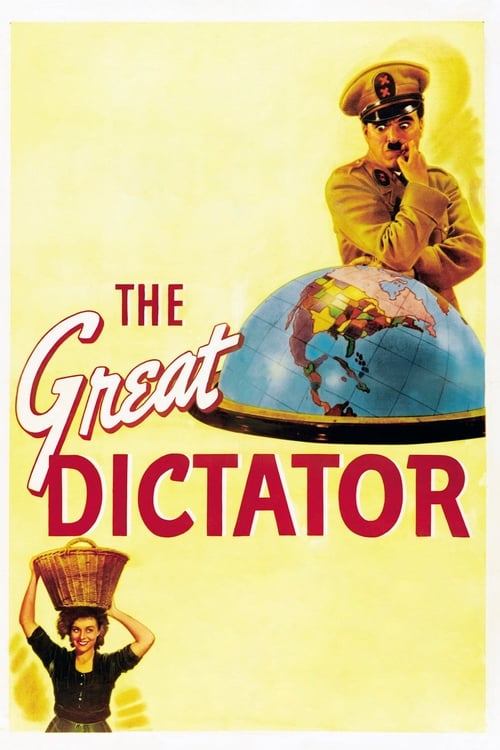
The Great Dictator was the bravest film Hollywood produced
Released in 1940, before the United States had entered the war and when many in Hollywood refused to touch the subject, The Great Dictator named and mocked Adolf Hitler directly while the real man still held power. Chaplin later said that had he known the full scale of the Holocaust he could not have made it as a comedy. That admission makes the final six-minute speech, in which the Tramp breaks character and addresses the audience directly, feel even heavier now than it did then. It is not a perfect film. It is a necessary one.
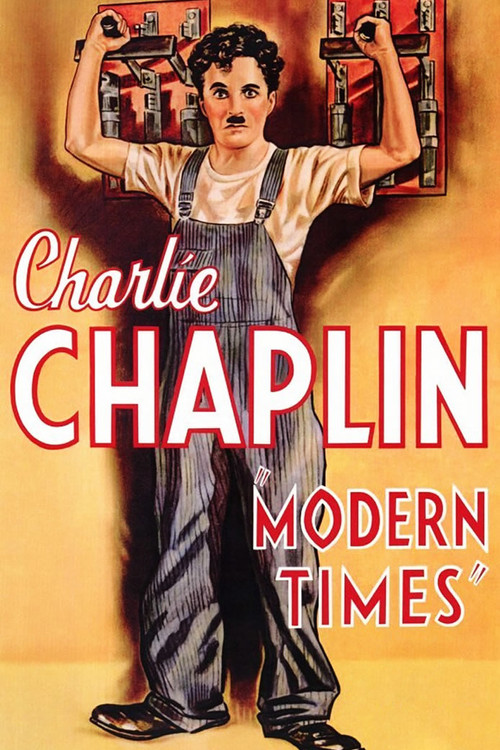
Modern Times predicted everything
Made in 1936, Modern Times uses the assembly line as both comedy prop and genuine prophecy. The film's portrait of industrial dehumanization, unemployment, hunger, and state surveillance reads less like satire now and more like a documentary filmed slightly early. Chaplin resisted full sound to the end here, using synchronized music, effects, and a single gibberish song to hold the Tramp in a world that had already moved past him. The tension between that formal choice and the film's very modern anxieties is what makes it strange and alive.
Buster Keaton deserves equal billing
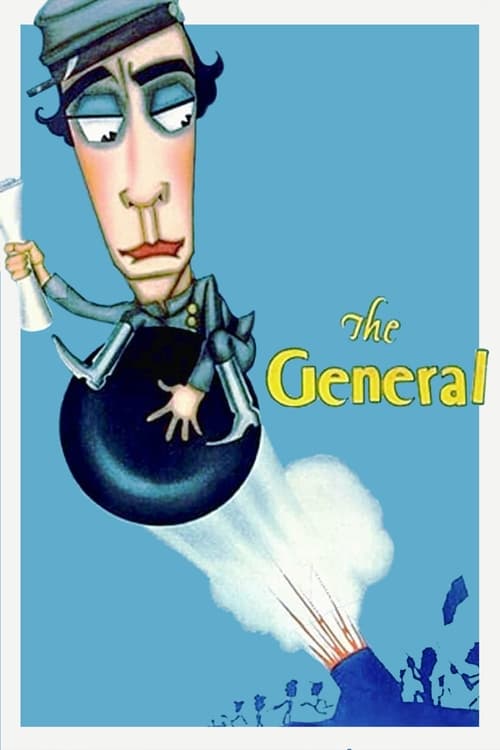
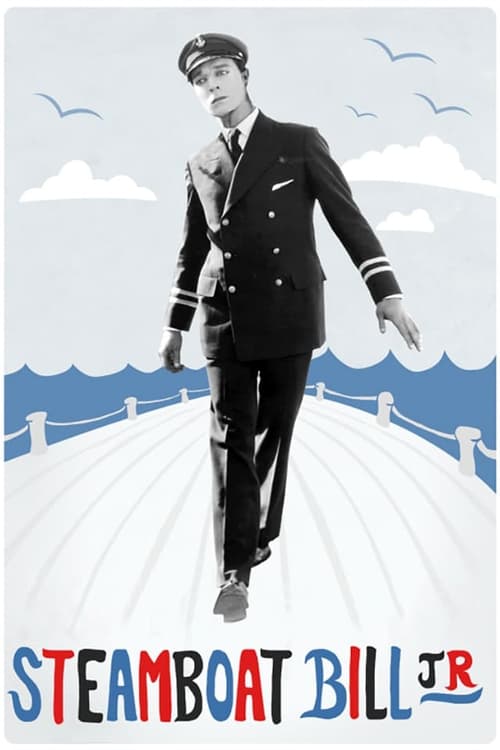
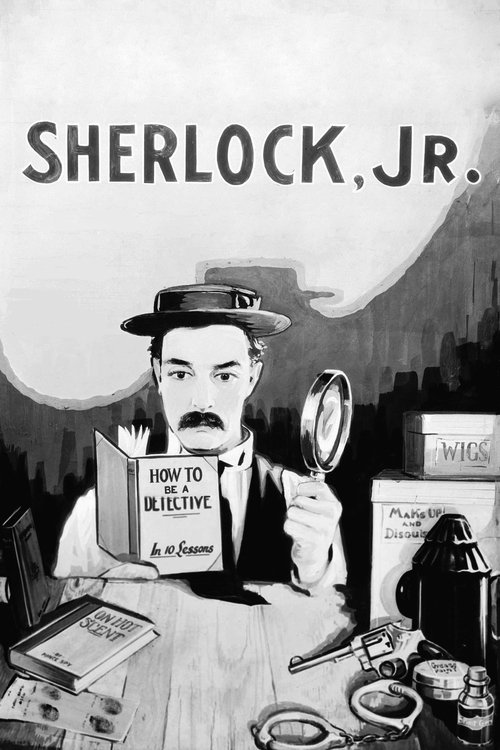
The Chaplin-versus-Keaton debate is the wrong framing. They are complementary, not competing: Chaplin mapped the emotional interior of the Tramp; Keaton mapped the physical world that kept trying to flatten him. The General (1926) and Sherlock Jr. (1924) are as essential to understanding what silent comedy could do as anything Chaplin made. Fans who have worked through all of Chaplin and have not yet spent time with Keaton's features are missing the other half of the conversation.
Chaplin in Time
- 1914Joins Keystone Studios; creates the Little Tramp character in his second film
- 1919Co-founds United Artists with Griffith, Fairbanks, and Pickford, taking creative and financial control
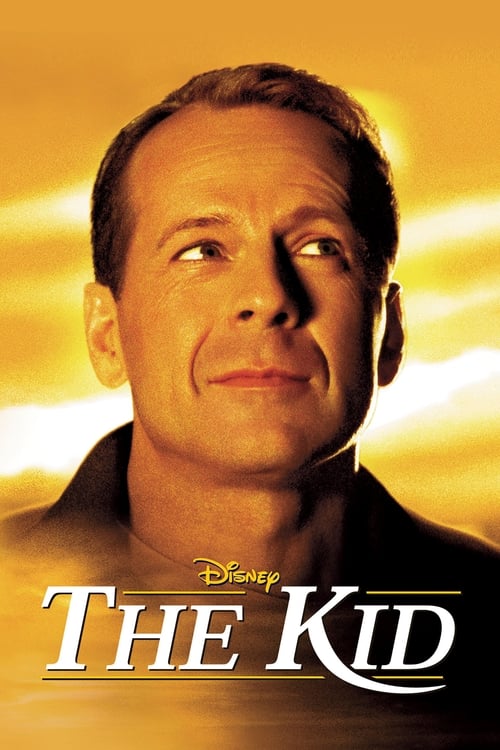
- 1921The Kid released, his first feature-length film The Kid
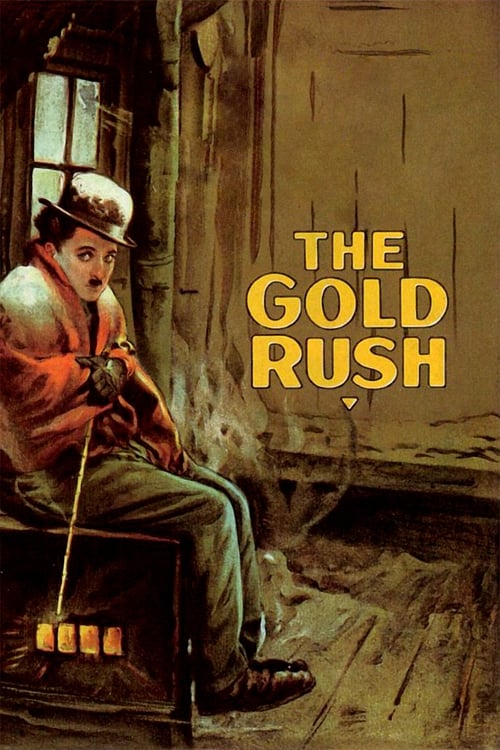
- 1925The Gold Rush, widely seen as his comic masterpiece The Gold Rush
- 1931City Lights, released three years into the sound era but still silent City Lights
- 1936Modern Times, the last appearance of the Tramp Modern Times
- 1940The Great Dictator, his first true sound film The Great Dictator
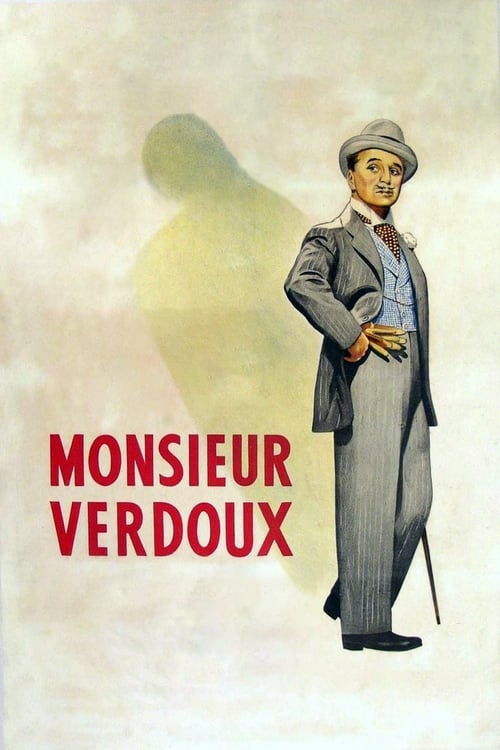
- 1947Monsieur Verdoux, a dark comedy that divides audiences to this day Monsieur Verdoux
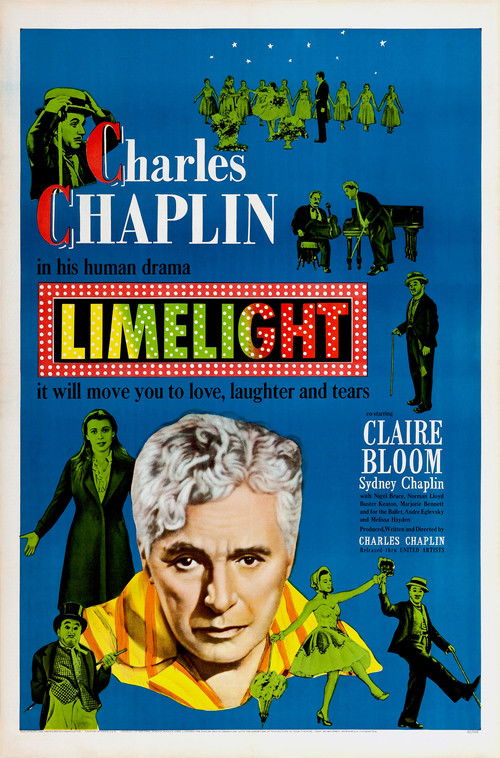
- 1952Limelight, his most autobiographical work; exiled from the US during the same trip Limelight
- 1972Returns to Hollywood to accept an honorary Oscar after twenty years away
- 1977Dies on Christmas Day in Vevey, Switzerland, aged 88
Silent comedy and social satire
For Fans of Buster Keaton
Explore the For Fans of Buster Keaton guide →All I need to make a comedy is a park, a policeman, and a pretty girl.Charlie Chaplin