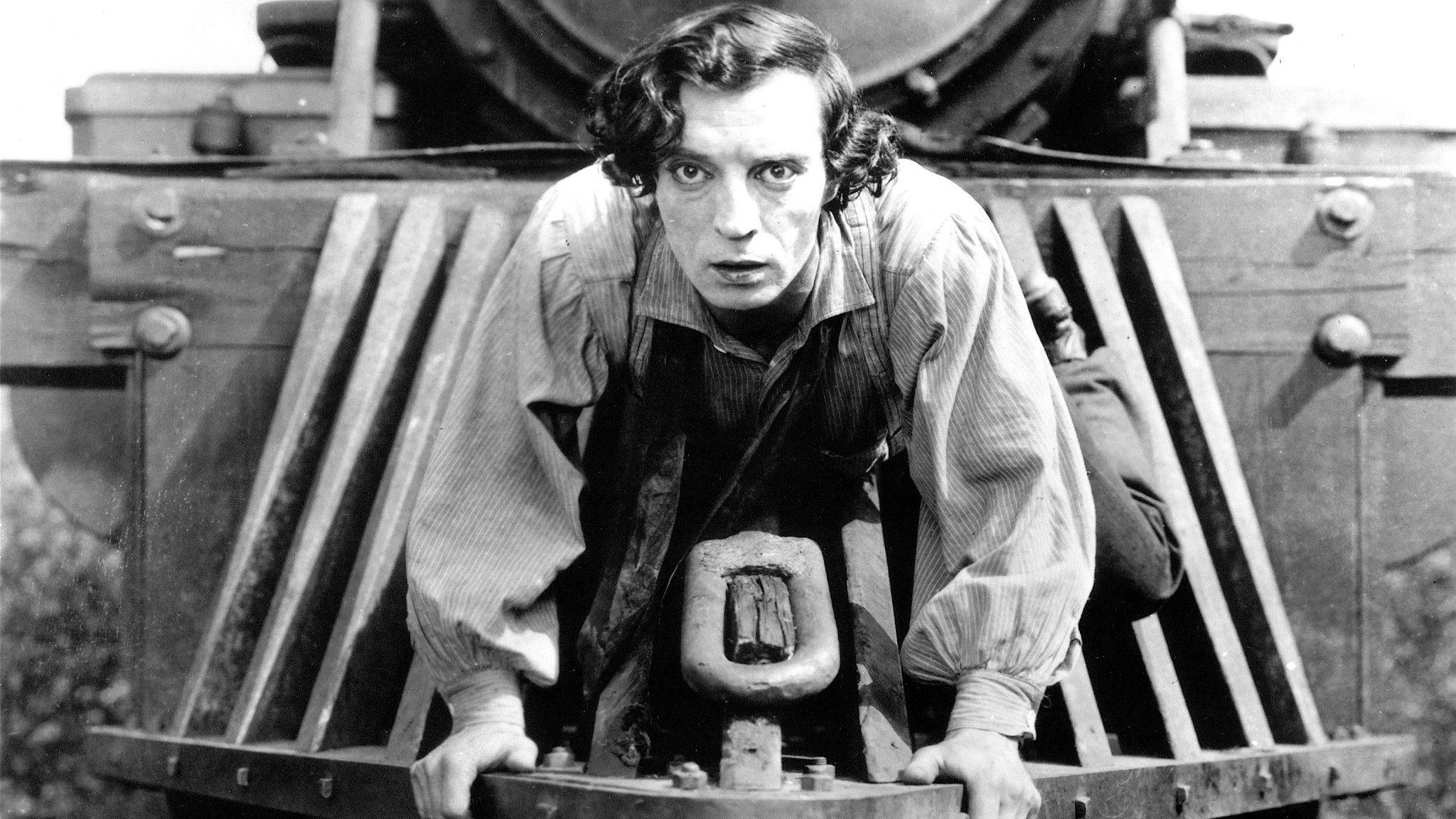

Buster Keaton never smiled on screen, but his films are pure joy. From the mid-1920s through the silent era's end, he engineered physical comedy with the precision of a watchmaker and the daring of a stunt pilot. The through-line a Keaton fan chases is that particular blend of deadpan composure and jaw-dropping bodily risk: a man so calm that the universe's chaos can throw a house facade at him and he'll end up in the one open window. His best features, made between 1923 and 1928, are among the most inventive films ever shot. Start with 'The General', absorb 'Sherlock Jr.', and work outward.
Essential Buster Keaton
The films that define the Great Stone Face


The Same Deadpan Spirit: Silent and Classic Comedy
Films and performers who share Keaton's stone-cold composure in the face of chaos
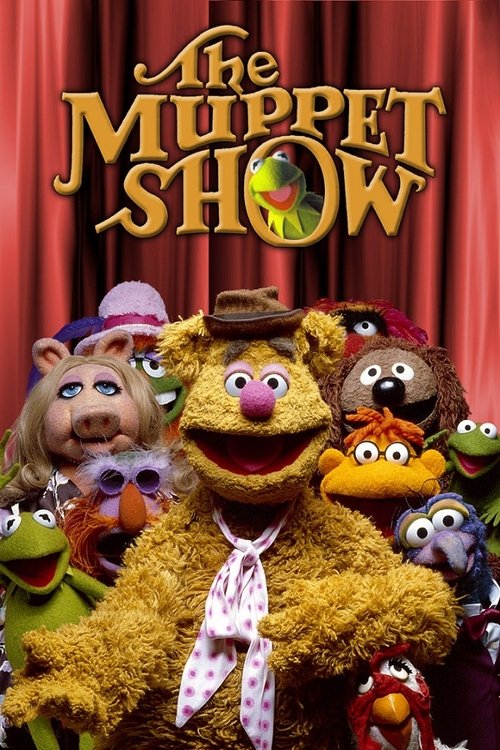
Physical Comedy on Screen: TV That Gets the Body Right
Series that carry the torch of physical and visual storytelling
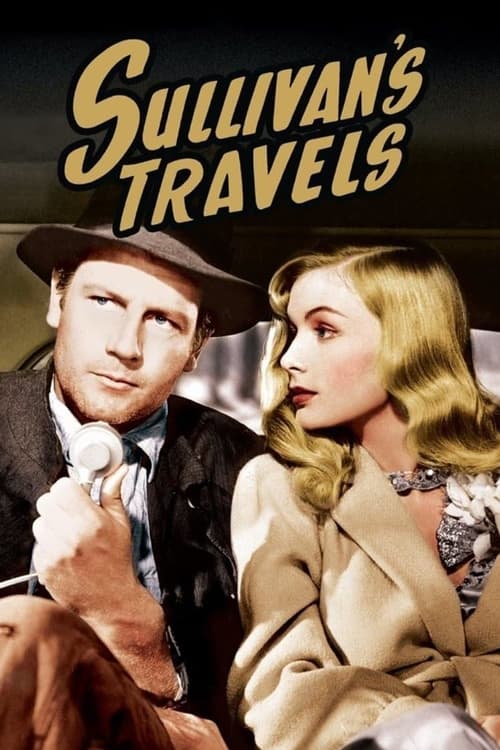
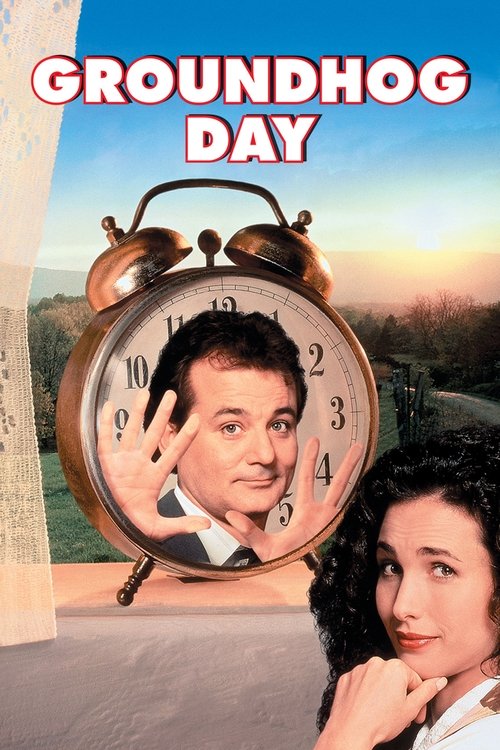
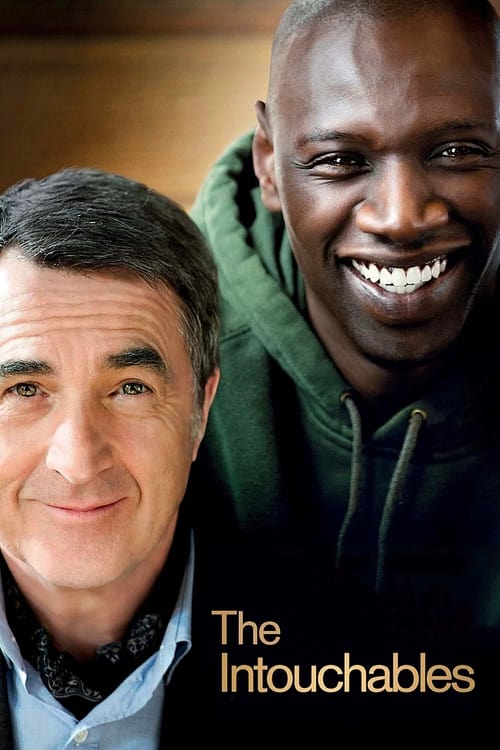
Precision, Gags, and Controlled Chaos: Films in Keaton's Register
Modern and classic features built on timing, ingenuity, and a straight face

Games That Share the Physical Wit
Games built on timing, spatial logic, and the comedy of a character versus an indifferent world

The General Is the Greatest Action Comedy Ever Made
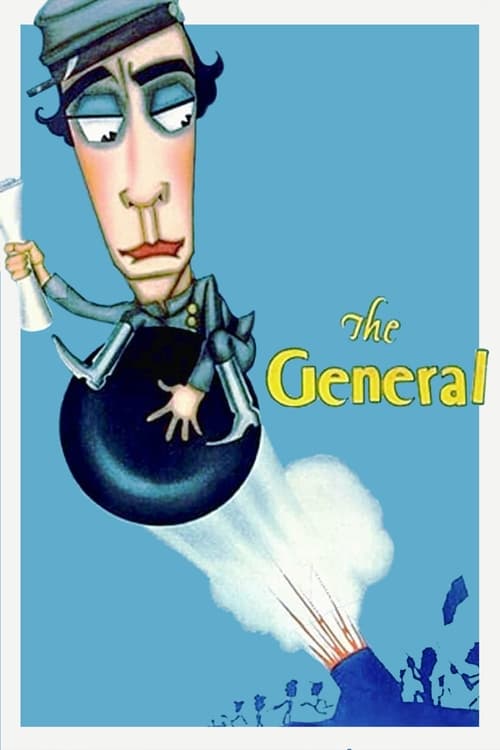
The 1926 'The General' cost more to produce than almost any film of its era, and Keaton repaid every dollar. The burning bridge collapse is a real locomotive on a real bridge, and the man chasing it is Keaton himself, no doubles. The comedy is built into the machinery of pursuit: the same obstacles that menace Johnnie Gray on the way to the front become his weapons on the way back. No other film has ever made logistics funny at this scale.
Sherlock Jr. Invented the Meta-Film
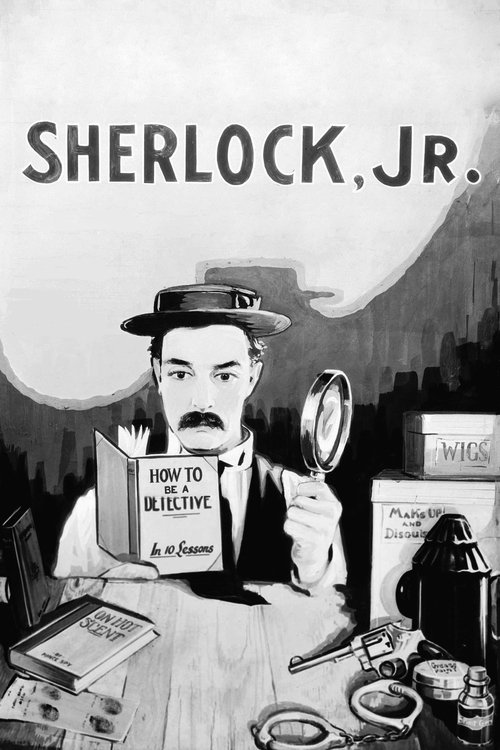
Fifty years before postmodern cinema became fashionable, Keaton stepped inside the movie screen and let the edit cuts happen to his body. 'Sherlock Jr.' (1924) is a film-within-a-film that treats the grammar of cinema as a physical landscape. The gag where Keaton sits on a bench that becomes a garden that becomes a cliff that becomes a rushing train track is a joke about montage that most film students still miss.
Seven Chances Contains the Best Chase Scene in Film History
The boulder avalanche in 'Seven Chances' starts small and builds until hundreds of rocks the size of cars are chasing one man in a tuxedo down a hill. Keaton choreographed each dodge himself. The gag begins as a punchline and ends as something close to abstract cinema: pure kinetic problem-solving, no character motivation needed.
Buster Keaton: A Life in Motion
- 1895Born Joseph Frank Keaton VI in Piqua, Kansas; joins the family vaudeville act at age three
- 1917Arrives in New York and meets Roscoe 'Fatty' Arbuckle; begins making two-reel shorts
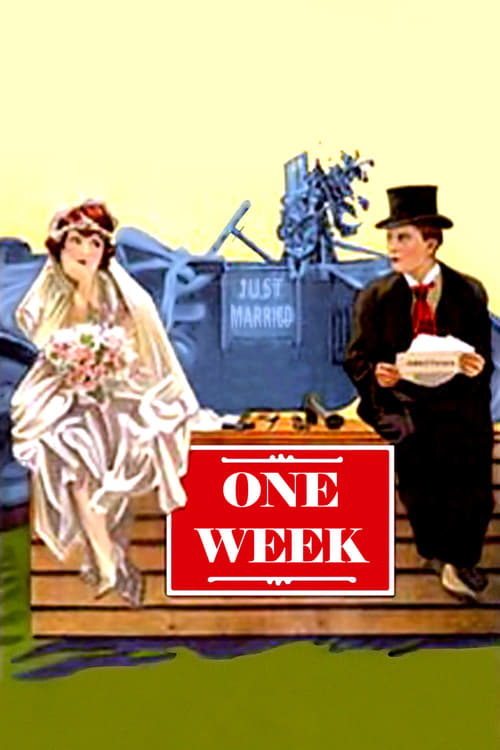
- 1920First independent short 'One Week' establishes the Keaton persona: deadpan, resourceful, unstoppable
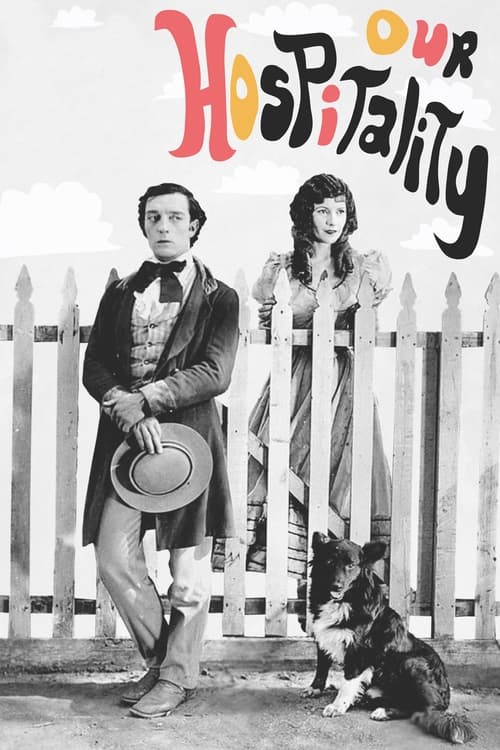
- 1923First feature 'Three Ages' and 'Our Hospitality' cement his reputation as a major filmmaker
- 1926'The General' released; initial commercial disappointment, later recognized as a masterpiece The General
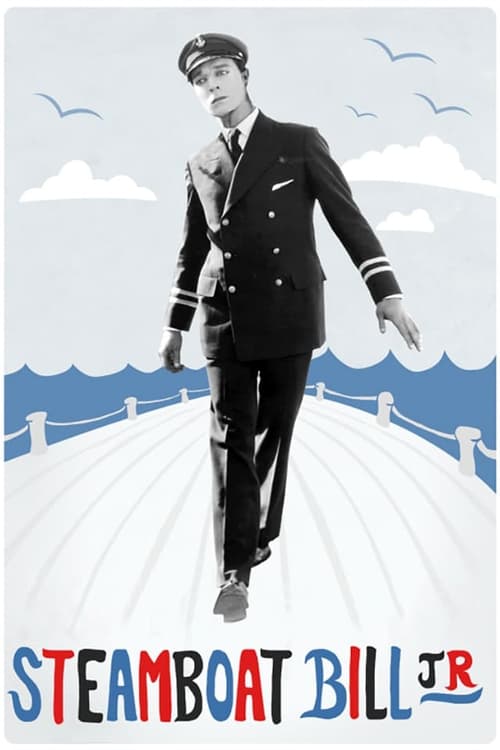
- 1928'Steamboat Bill, Jr.' closes the independent-film era; Keaton signs with MGM, losing creative control Steamboat Bill, Jr.
- 1952Charlie Chaplin casts Keaton in 'Limelight'; the two share their only on-screen scene
- 1965Samuel Beckett writes 'Film' for Keaton, his final major screen work; Keaton dies the following year
More silent comedy and stunts
For Fans of Charlie Chaplin
Explore the For Fans of Charlie Chaplin guide →I never knew I was funny. All I knew was that I had to be in trouble to get a laugh.Buster Keaton