
An inn at the edge of the jianghu
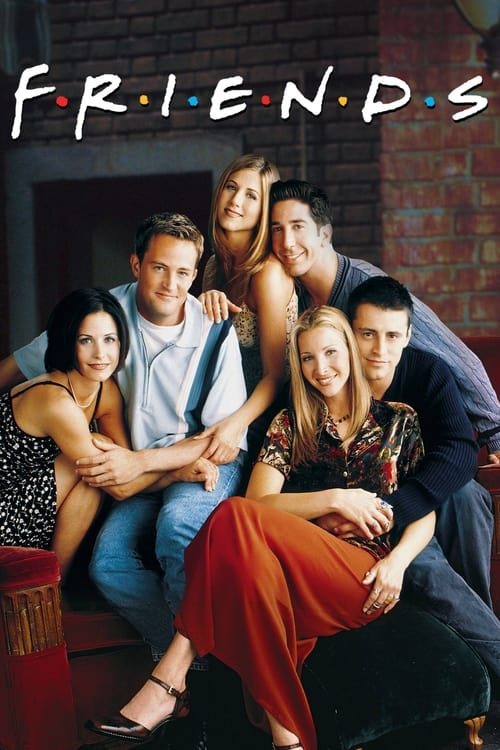
My Own Swordsman (武林外传) began not as a novel or a comic but as an original screenplay. Writer Ning Caishen set out in the mid-2000s to make a Chinese sitcom that could do what Friends or Seinfeld did for American television: trap a small cast in a shared space and squeeze comedy out of their cohabitation. His twist was to put that space inside the martial-arts fantasy world (the jianghu) that had been the backbone of Chinese popular fiction for decades. The Tongfu Inn, somewhere vaguely in the Ming dynasty, became the Central Perk of wuxia: a place where the wandering swordsmen, the innkeeper's daughter, the bumbling constable, and the self-important cook all had to coexist whether they liked it or not.
The show aired on CCTV in 2006 and ran to 80 episodes across two years. It was an immediate and lasting hit, and its cultural footprint has only grown since: lines from the show became catchphrases, characters became archetypes, and the ensemble (led by Yao Chen as the sharp-tongued Guo Furong) launched several major careers. Five years after the finale, the main cast reassembled for a theatrical film. That film-and-series pair remains the full extent of the official My Own Swordsman universe: no tie-in novels were published to expand the lore, no games were built around the IP, and the story has never been remade or rebooted. What exists is compact and deliberate.
My Own Swordsman across the years
- 2006TV series premieres on CCTV, 80 episodes My Own Swordsman
- 2007Final episodes air; the show becomes a cult phenomenon
- 2011Theatrical film reunites the original cast My Own Swordsman
The definitive version: the TV series, all 80 episodes
Eighty episodes is the correct length for this show. The sitcom format means each episode works on its own, but the characters accumulate real weight across the run in a way that makes the finale genuinely moving. Guo Furong's arc from mercenary hired hand to full member of the Tongfu family is the emotional spine of the whole thing, and it only lands if you have stayed with her for the full journey. The film is a delight, but it is a reunion special. The series is the actual work, and skipping ahead is the wrong call.
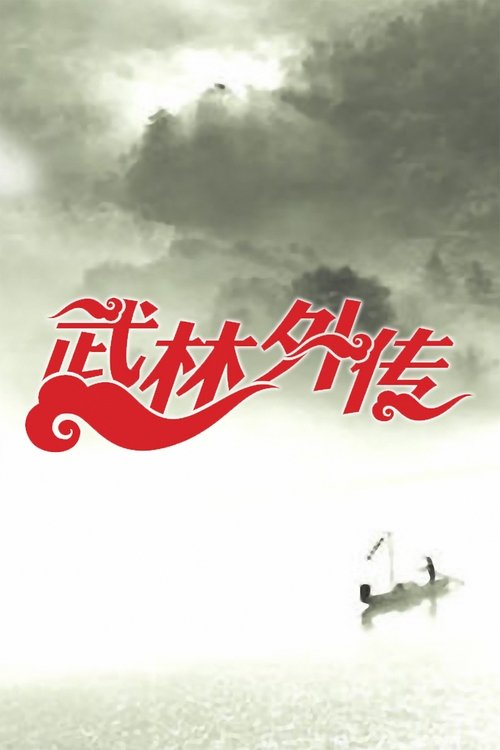
The underrated one: the 2011 film holds up better than reunion films usually do
Reunion films for beloved TV comedies have a dismal track record. The My Own Swordsman movie sidesteps the worst traps by committing to an actual plot rather than a parade of callbacks. The cast had all grown as performers in the five years between, and Ning Caishen's script gives each character something real to do. It is not a substitute for the series, but as a coda it earns its place rather than simply trading on goodwill.
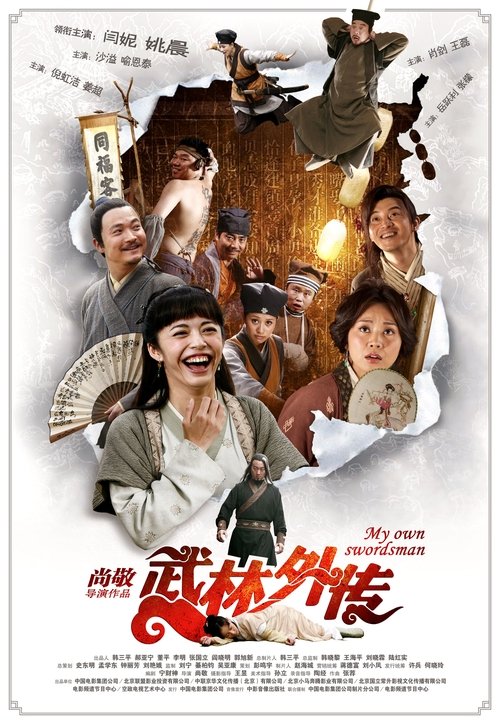
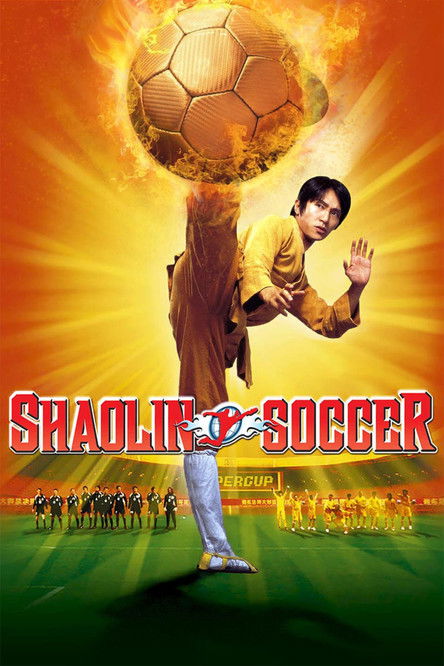
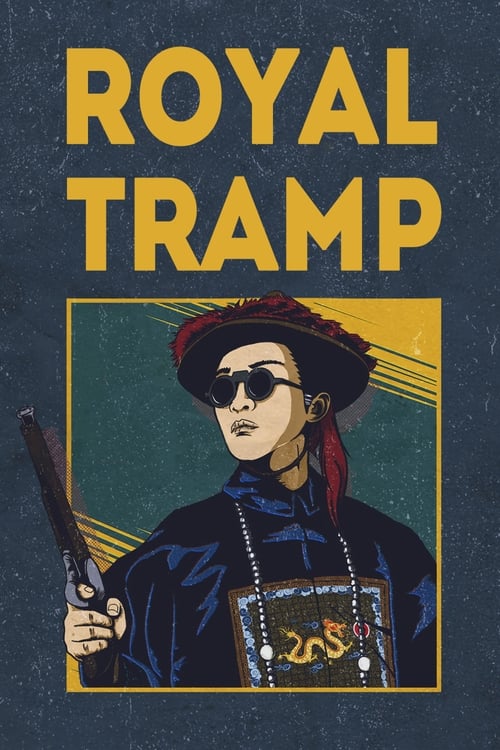
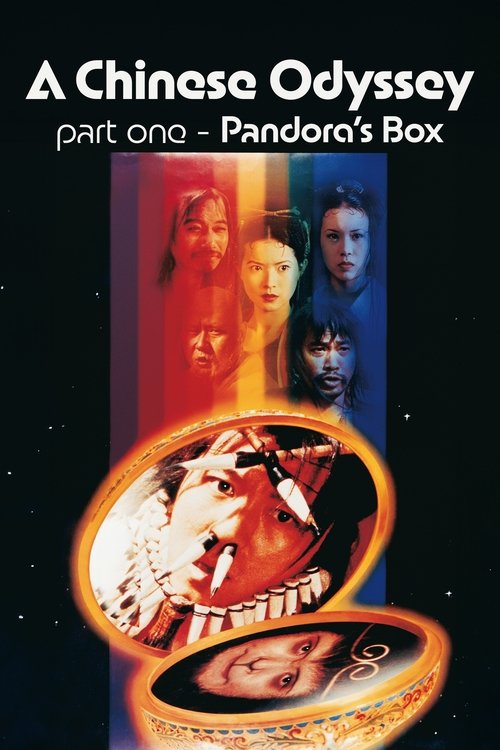
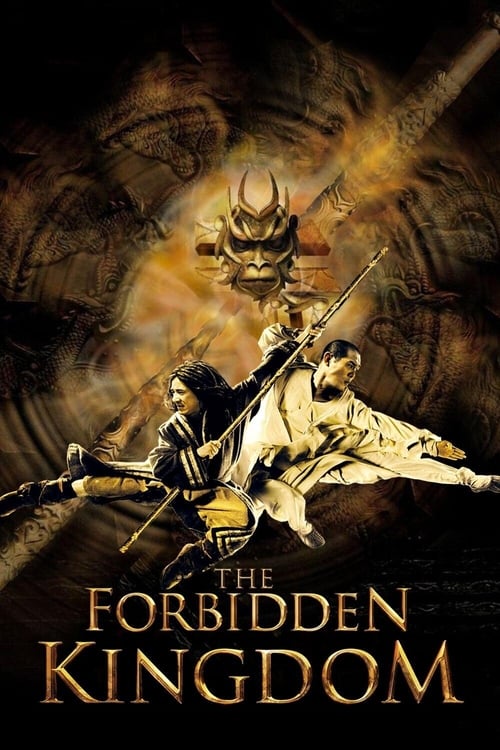
If you love the Tongfu Inn: wuxia comedies and parodies
Martial-arts worlds where the jokes land as hard as the swords
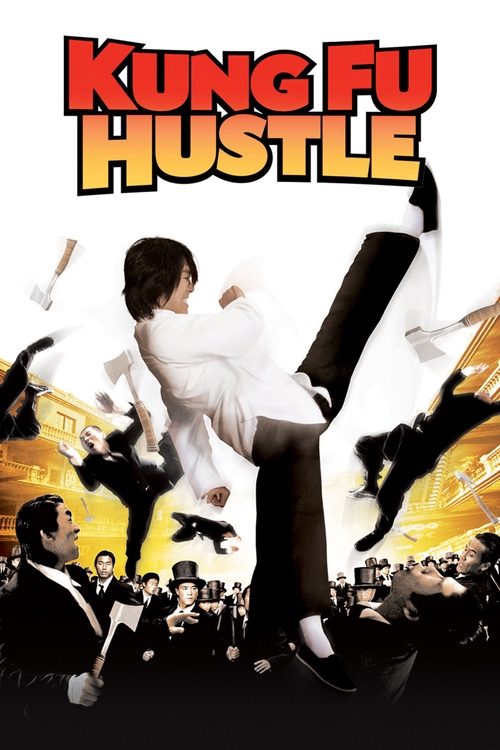

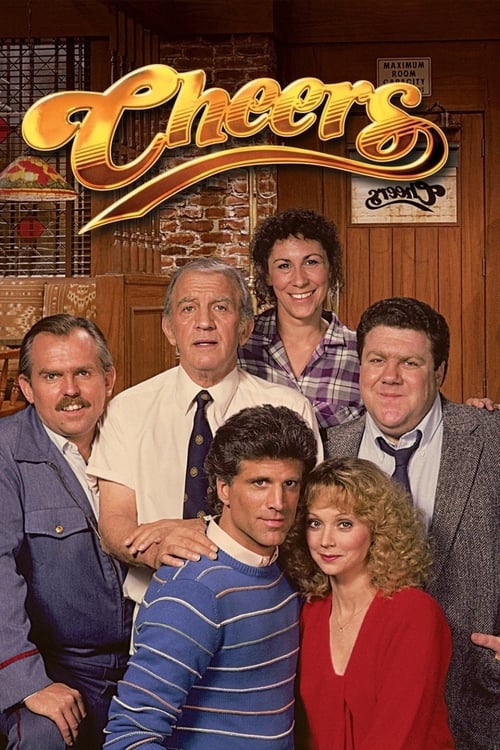
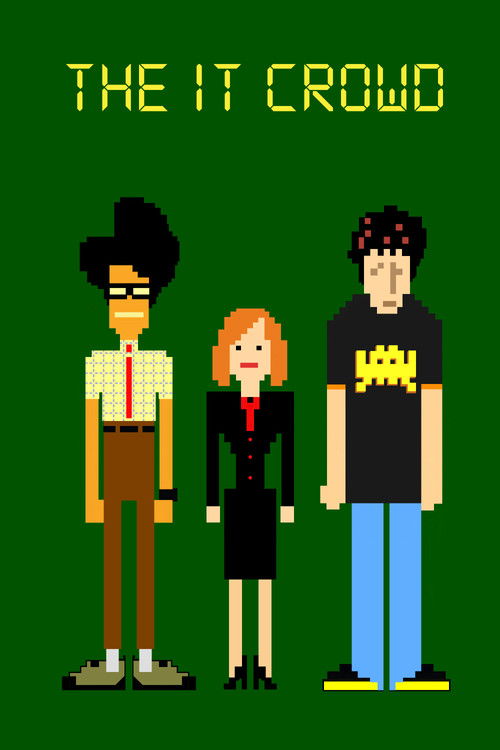
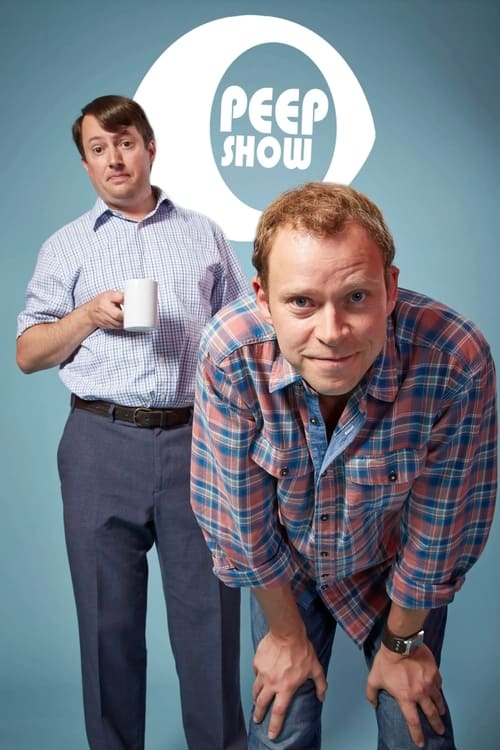
If you love the ensemble dynamic: people stuck together and making it work
Small-space comedies built on cohabitation and found family



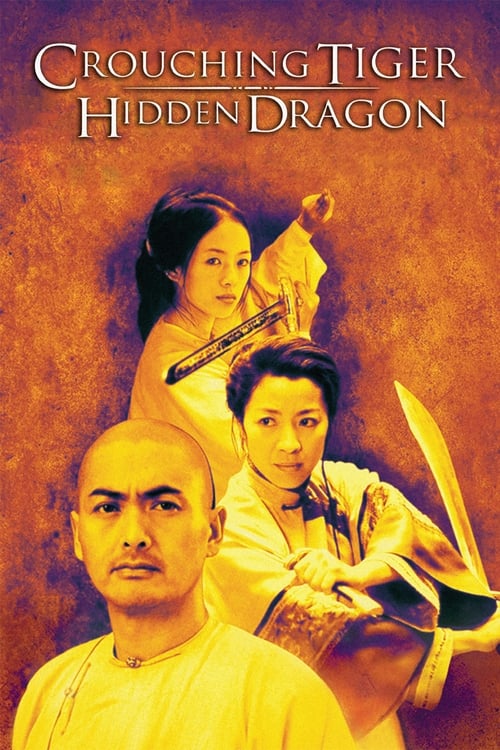
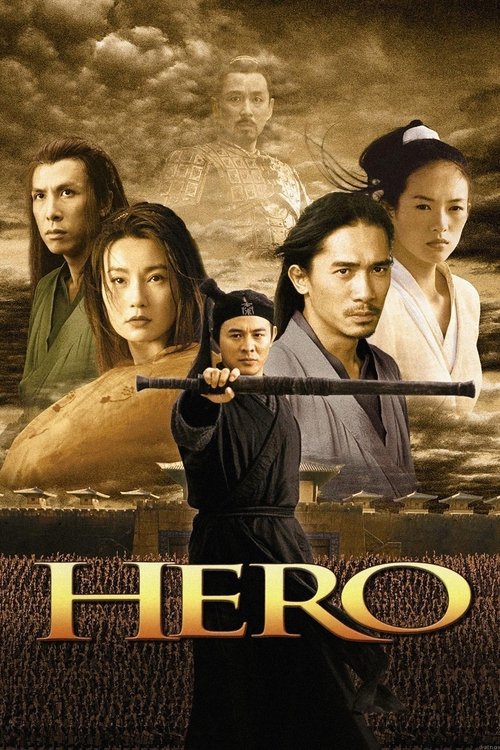
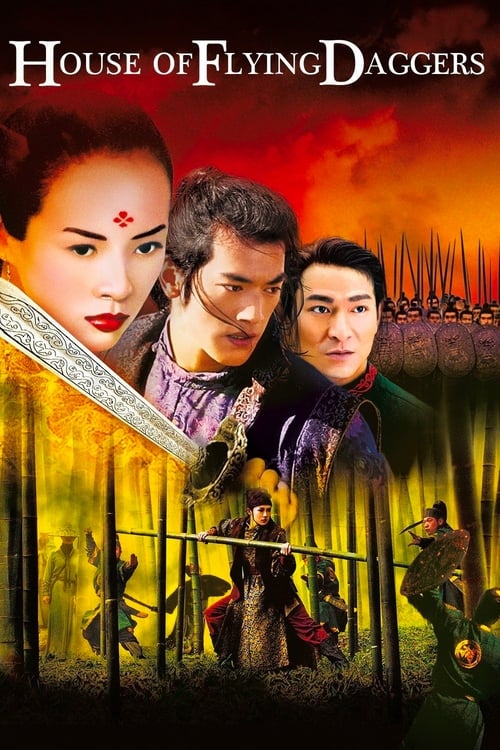
If you love the wuxia world played straight: the canon it is riffing on
The serious martial-arts epics that My Own Swordsman grew up loving and gently mocking
Wuxia comedy and martial arts masters
Martial Arts
Explore the Martial Arts guide →Ning Caishen took every trope of the jianghu (the wandering warrior, the mysterious past, the hidden manual) and asked what happens when these people have to split a bill and share a kitchen.on the premise of My Own Swordsman