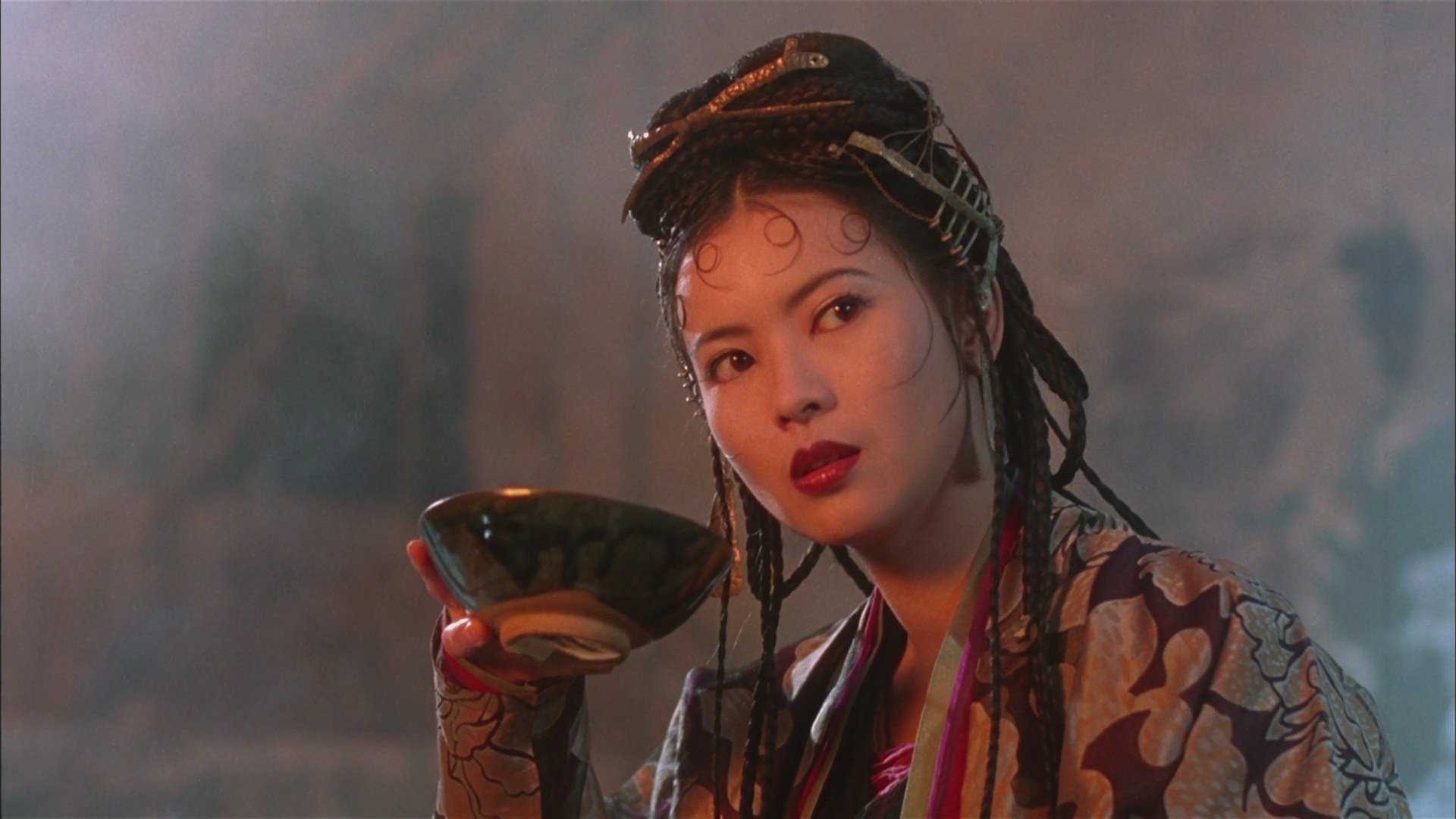

The Clown Who Breaks Your Heart
Jeffrey Lau Chun-Wai occupies a singular position in Hong Kong cinema. Where other directors working in the wuxia and fantasy genres of the late 1980s and 1990s played their mythologies straight, Lau took the same source material and detonated it from the inside. His films are loud, frantic, and relentlessly silly. Then, without warning, unbearably sad. A monk chases a monkey king through a landscape of cheap special effects and genuine longing. A swordsman forgets the woman he loves because time itself has been rewritten. The joke lands, and then it doesn't, and something closer to grief takes its place.
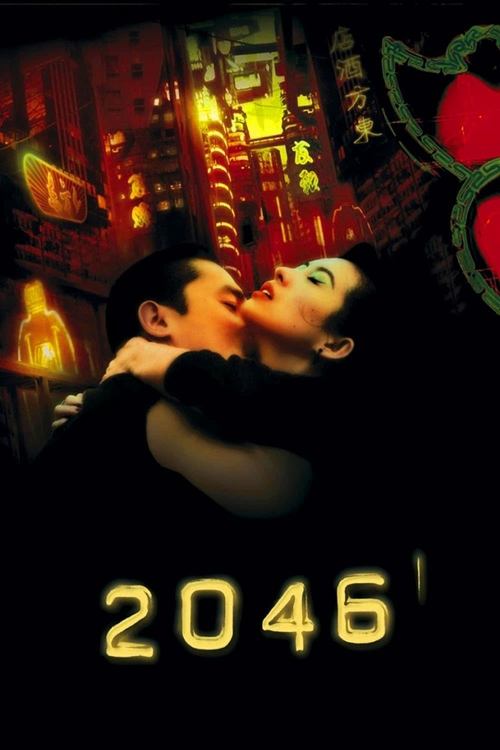
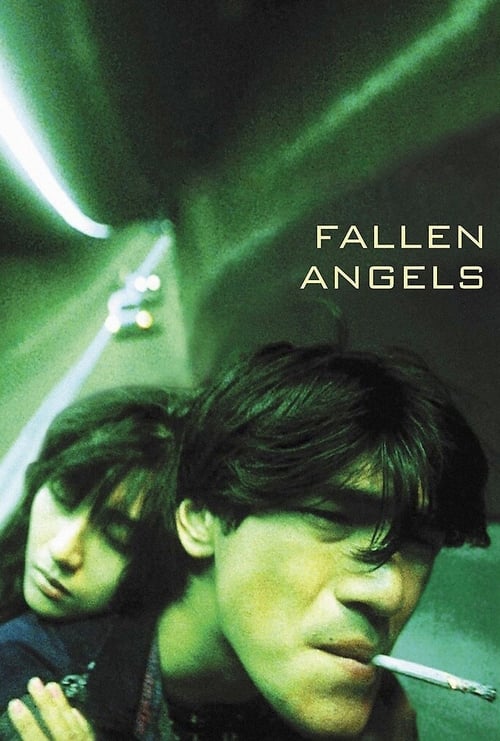
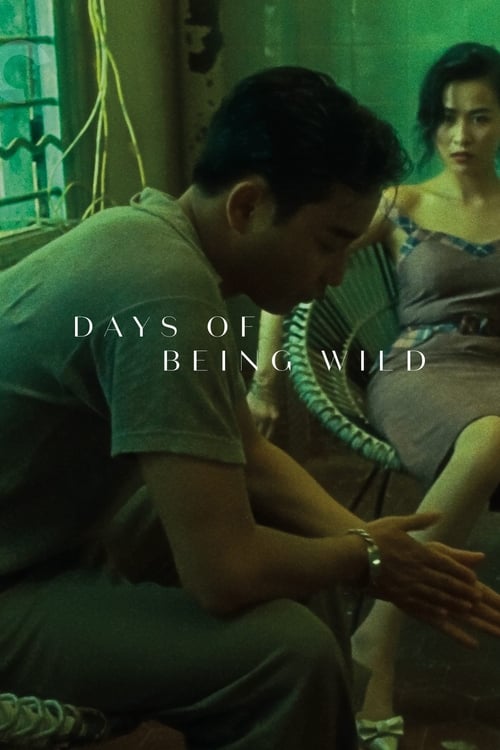
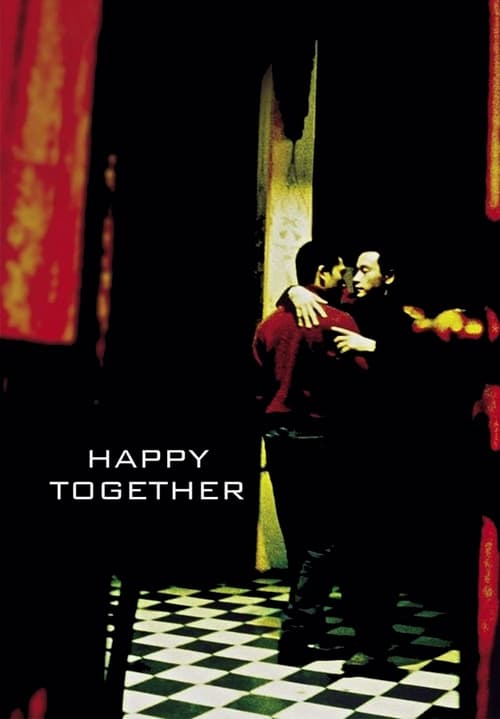
Lau built his sensibility in close collaboration with Wong Kar-wai, co-founding their production company Jet Tone and sharing producing credits across each other's work throughout the early 1990s. The connection is not superficial: both filmmakers are obsessed with memory, with love that arrives too late or gets erased entirely, with the way a feeling can outlast any rational account of it. Wong renders this in slow motion and warm grain. Lau renders it in pratfalls and demonic possession. The emotional core is the same.
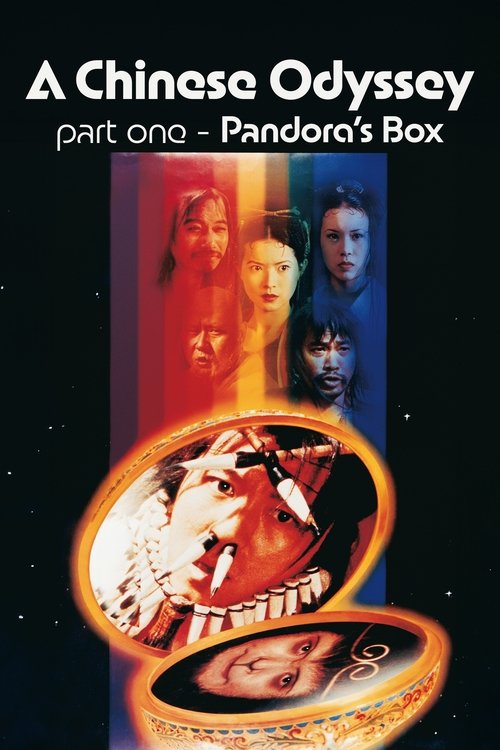
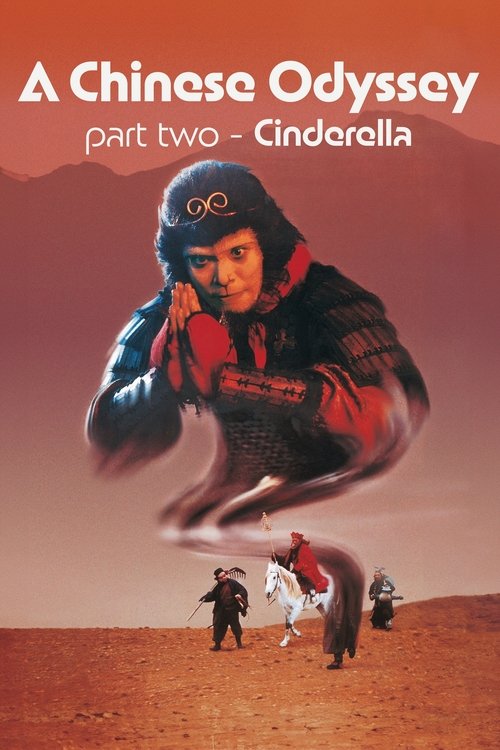
His great subject is the Journey to the West, which he returned to across multiple films and decades, finding in the Monkey King a figure capacious enough to hold both pure comedy and real grief. A Chinese Odyssey remains the definitive example: a two-part epic that spends most of its running time being raucous and irreverent, then closes with a sequence of romantic sacrifice that has haunted Chinese-speaking audiences for thirty years. Fans of Lau are fans of a particular emotional register, one that can only be reached by going through the absurd first.
Essential Jeffrey Lau Chun-Wai
His own films, the ones that define the register

The Chaos School: Cantonese Comedy That Cuts Deep
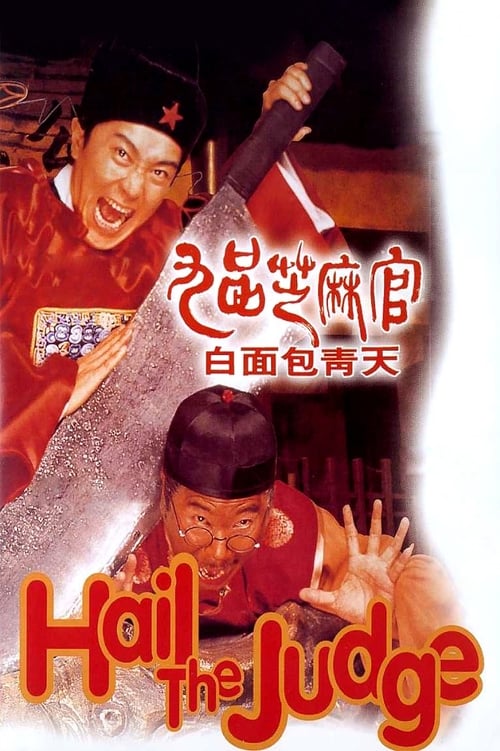
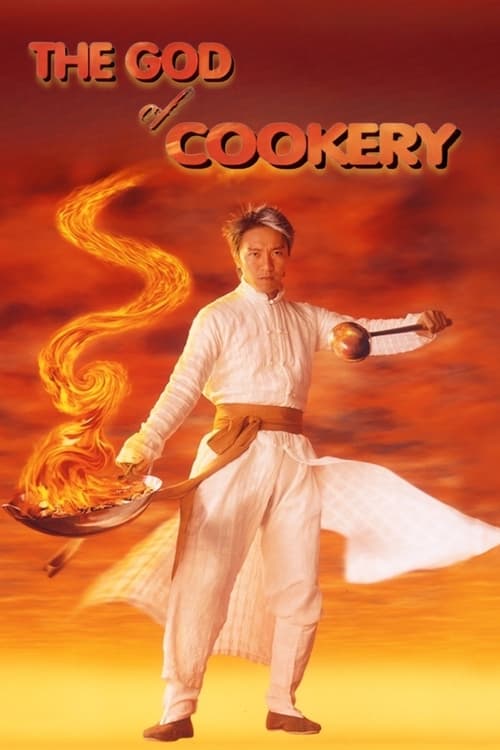
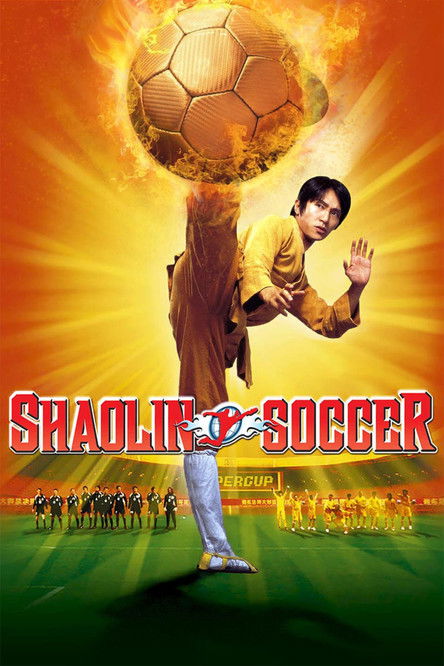
Mo lei tau filmmaking at its peak, where the nonsense is the point and the emotion sneaks up on you


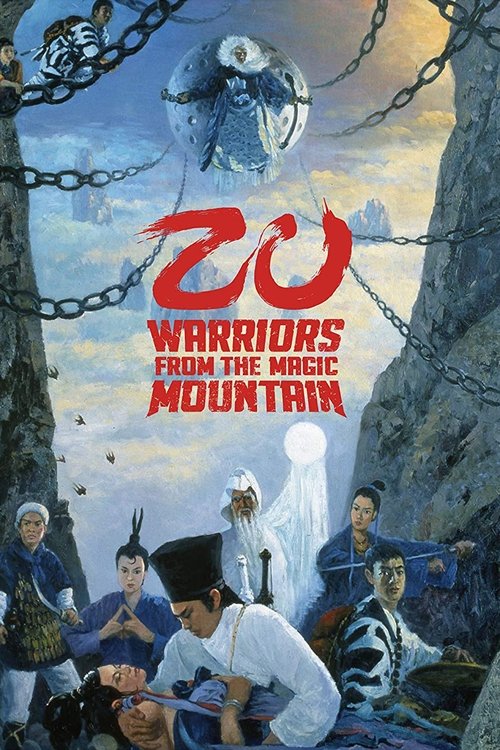
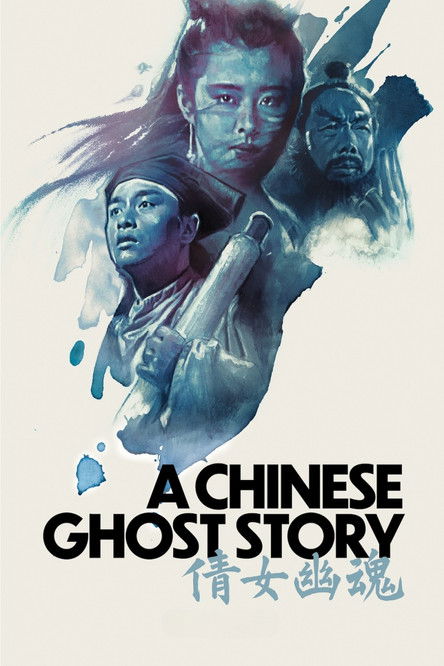
Wuxia Turned Sideways: When the Genre Eats Itself
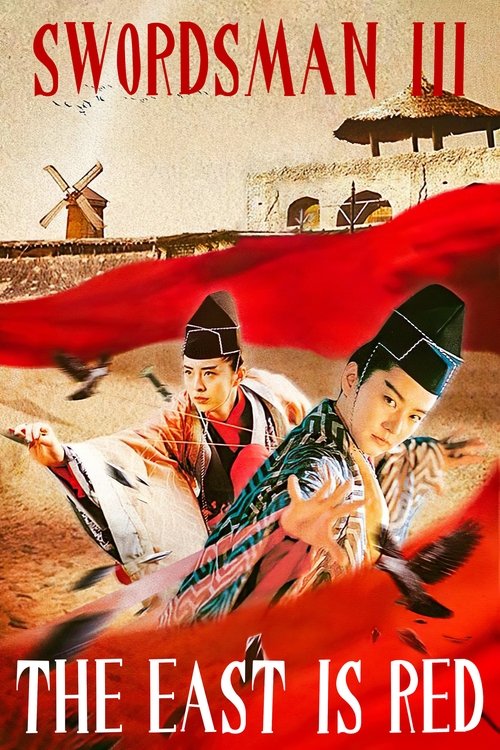
Films that take the martial-arts fantasy tradition seriously enough to mock it, and mock it enough to love it


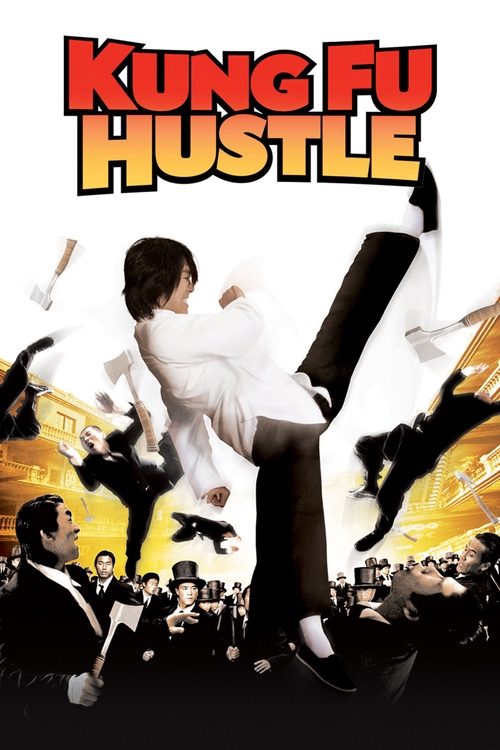
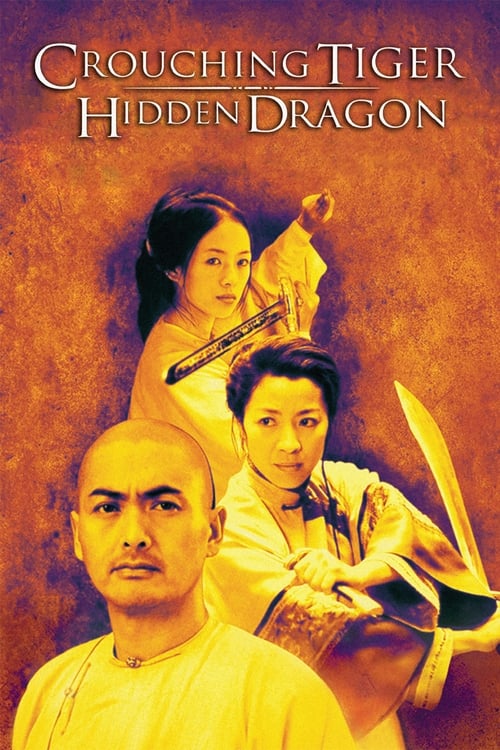
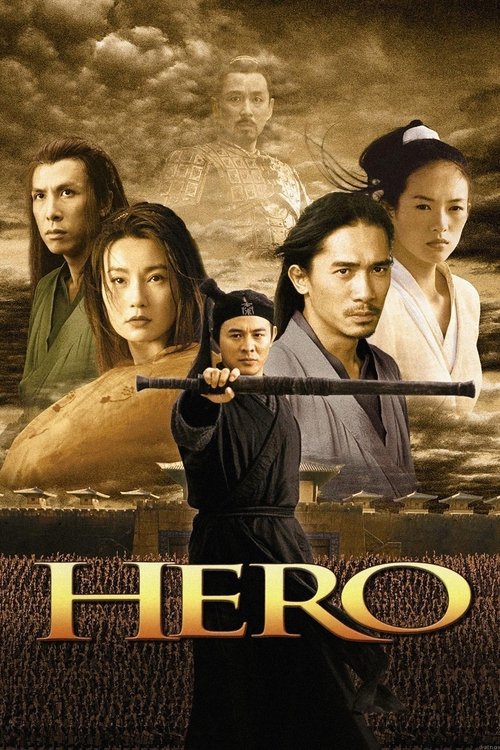
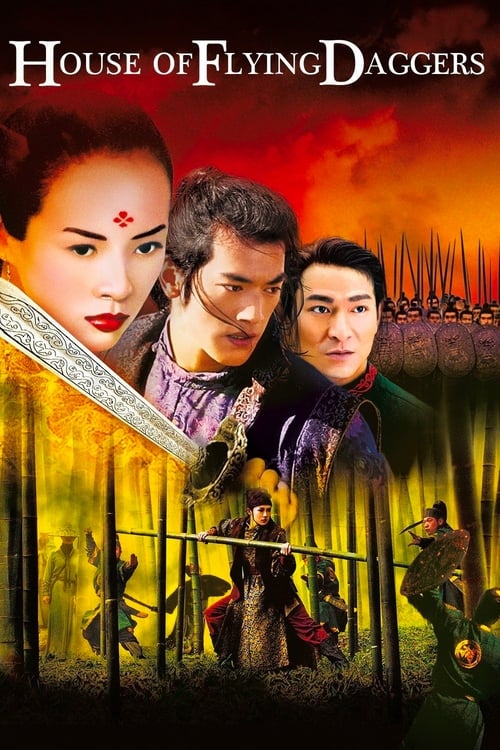
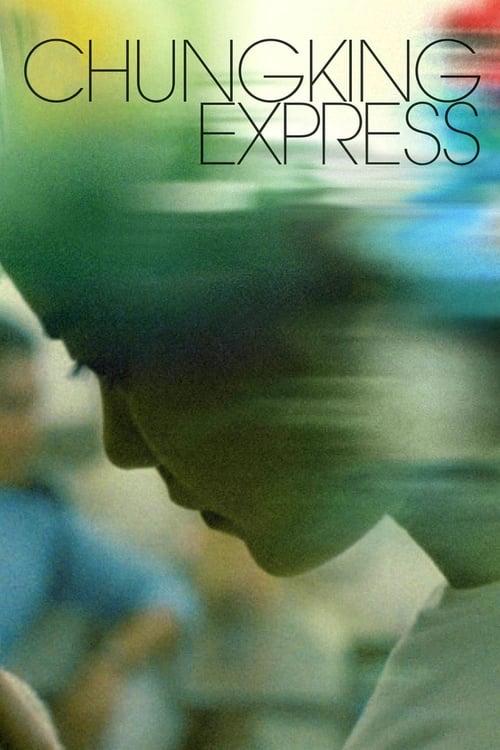
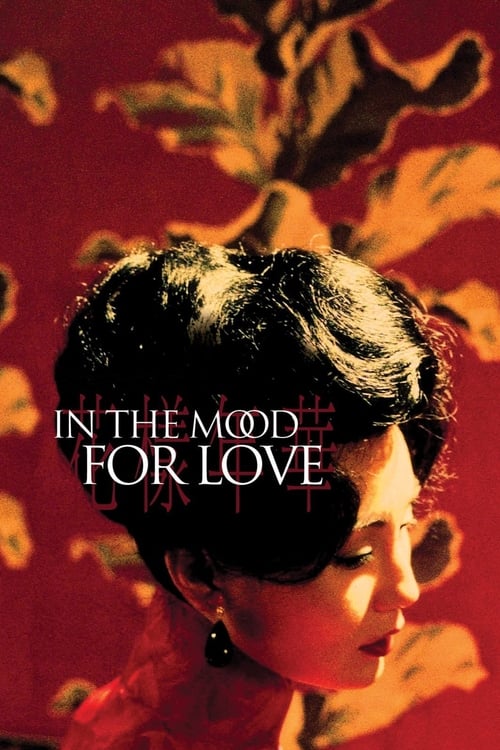
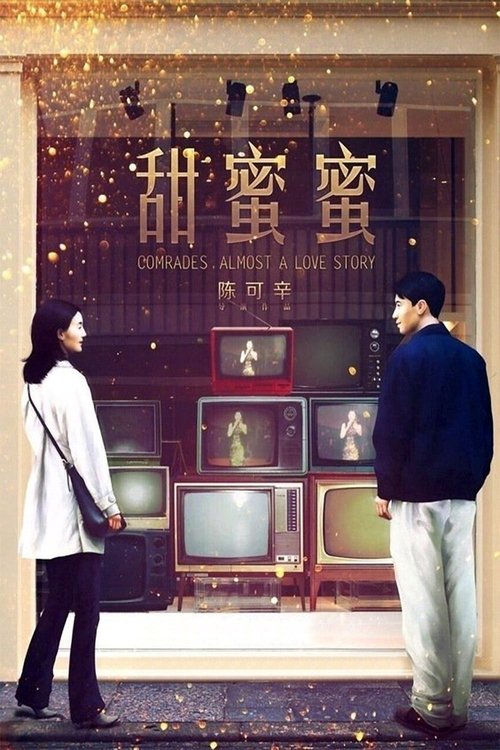
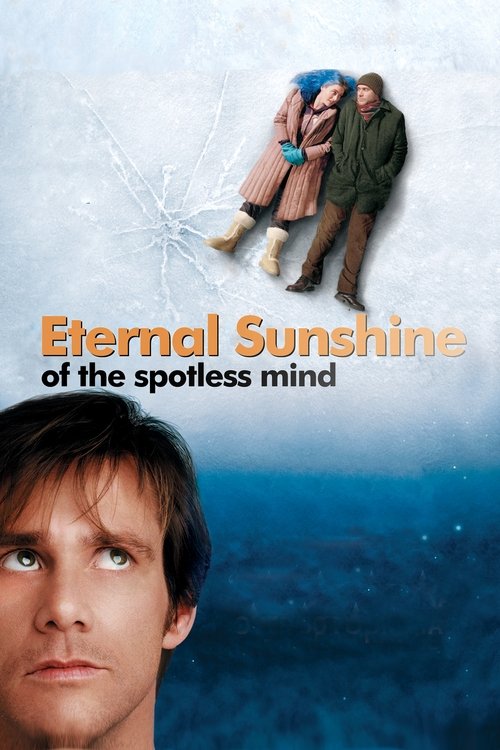
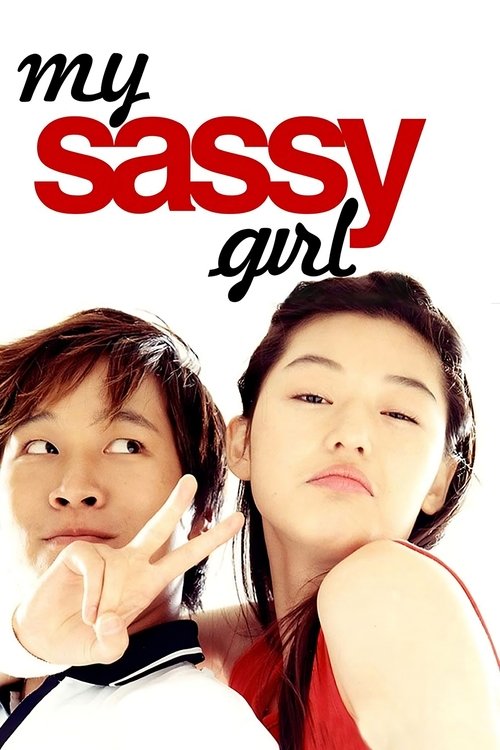
Memory, Loss, and Love Rewritten: The Emotional Frequency
Works where time plays tricks and love is always just slightly too late
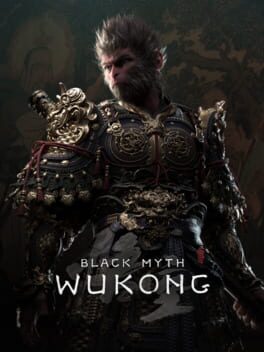
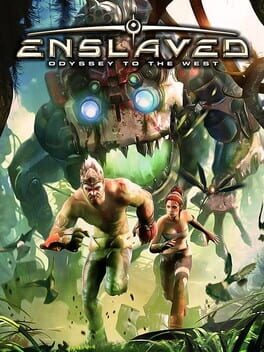
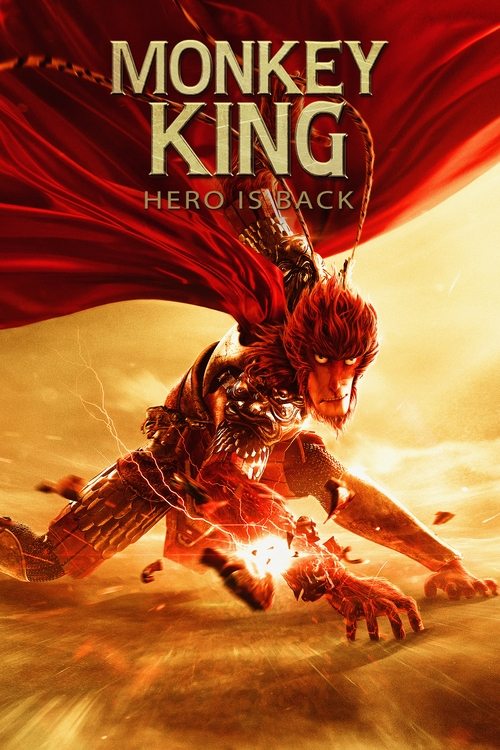
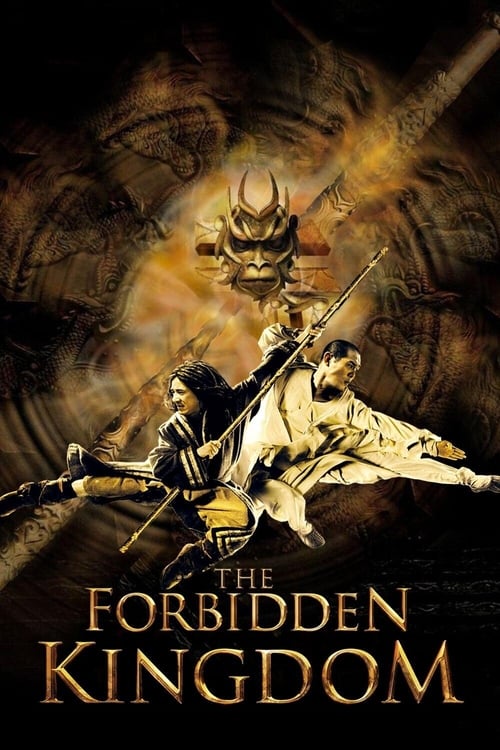
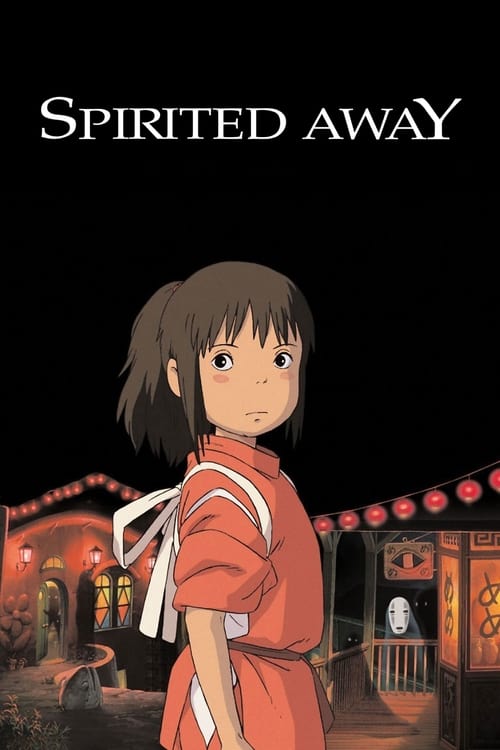
Monkey Kings, Demons, and Cosmic Mischief: The Fantasy Shelf
Books, games, and films that share the Journey to the West energy, where mythology is a playground


Start with Part Two, Not Part One
Counterintuitively, A Chinese Odyssey Part Two: Cinderella is the entry point. Part One is funnier and stranger, but the second film delivers the emotional payload that gives the whole project its reputation. Watching the ending without the full context of what came before actually heightens the sadness: you feel the loss of something you cannot fully name, which is exactly the right way to arrive at Jeffrey Lau's world.
The Eagle Shooting Heroes Is the Most Underrated Film of 1993
The Eagle Shooting Heroes was shot simultaneously with Wong Kar-wai's Ashes of Time, using the same cast and costumes as a comedic companion piece. The result is one of the most purely joyful exercises in deliberate nonsense ever committed to film. It has been overshadowed by its more celebrated sibling for decades and is almost never discussed alongside Lau's best work. It should be.
Stephen Chow Is the Vessel, Not the Author
The popular understanding of the A Chinese Odyssey films credits Stephen Chow as their defining force, because his performance is the one audiences remember. The vision, the structure, the emotional logic, the decision to break the comedy open with genuine heartbreak at the end: all of that is Jeffrey Lau. Chow is a brilliant instrument. Lau is the composer.
Saviour of the Soul Invented a Visual Grammar Hong Kong Cinema Still Uses
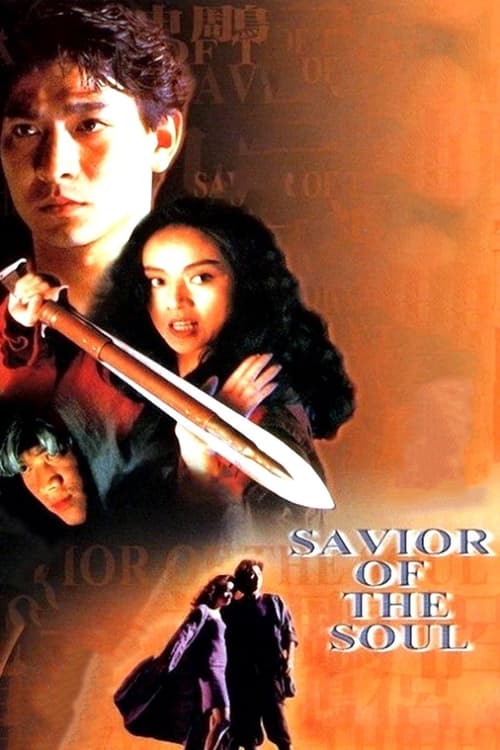
Before The Matrix made wire-work and stylized slow-motion ubiquitous worldwide, Saviour of the Soul was already combining cyberpunk aesthetics with wuxia physics in ways that felt genuinely new. The film is imperfect and occasionally incoherent. It is also visually inventive in ways that influenced an entire decade of Hong Kong genre filmmaking, and it deserves to be treated as a landmark rather than a footnote.
He treats absurdity as a delivery mechanism for grief, and it works every time because the audience never sees the second punch coming.On Jeffrey Lau's emotional method
Jeffrey Lau's Major Works
- 1987Co-founds Jet Tone Films with Wong Kar-wai
- 1991Saviour of the Soul Saviour of the Soul
- 1993The Eagle Shooting Heroes The Eagle Shooting Heroes
- 1995A Chinese Odyssey Part One released A Chinese Odyssey Part One: Pandora's Box
- 1995A Chinese Odyssey Part Two released A Chinese Odyssey Part Two: Cinderella
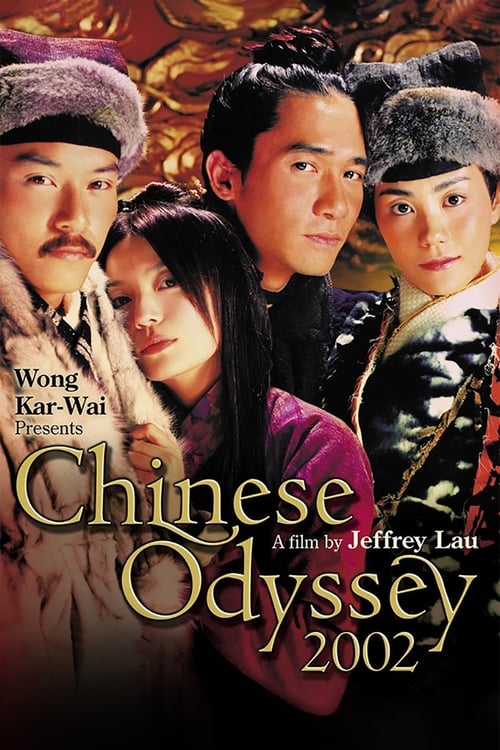
- 2002Chinese Odyssey 2002 Chinese Odyssey 2002
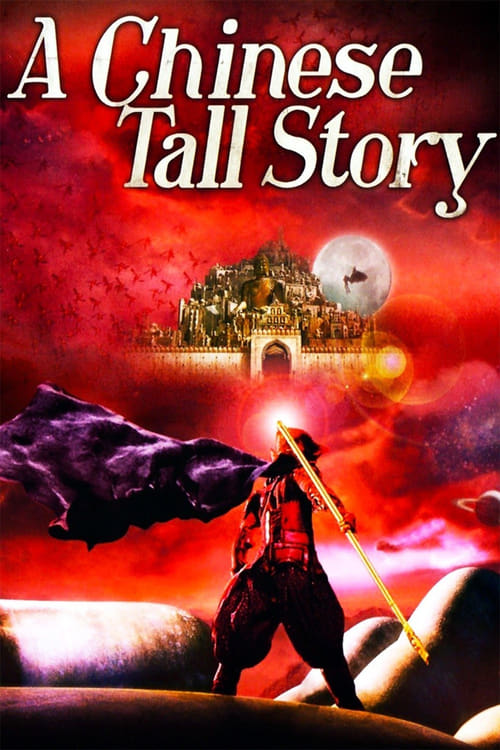
- 2005A Chinese Tall Story A Chinese Tall Story
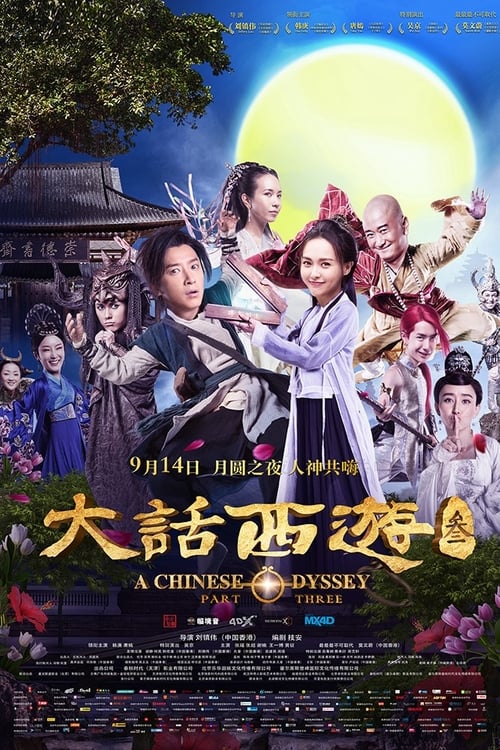
- 2016Returns to the Odyssey with Part Three A Chinese Odyssey Part Three