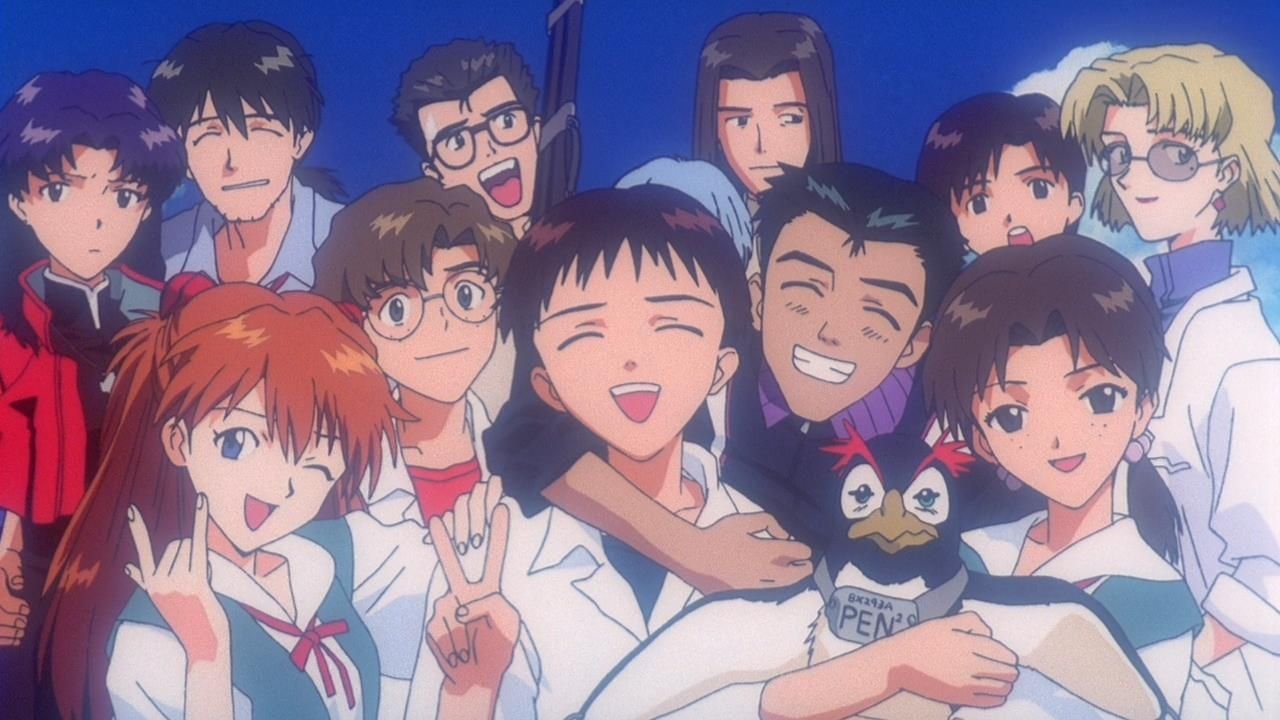

The story that refused to end
Neon Genesis Evangelion ran on Japanese television from October 1995 to March 1996. Hideaki Anno and Gainax built the series around a 14-year-old boy named Shinji Ikari, conscripted by his absent father to pilot a colossal biomechanical weapon against monstrous entities called Angels, while the organisation running the war pursues an agenda far darker than any of its pilots know. What distinguished the show from its mecha-anime peers was not the action but the interior: introspective, formally fractured, and rooted in Anno's documented struggles with depression.
The final two episodes, broadcast in March 1996, abandoned conventional narrative almost entirely. Gainax had run out of money and time. The conclusion played out as internal monologue over abstract imagery, and the response in Japan was fierce. Anno answered with Neon Genesis Evangelion: The End of Evangelion (1997), a feature film produced with full resources that provides a theatrical alternate ending, running parallel to and replacing those final two episodes. It remains one of the most discussed and divisive endings in animation history.
The story then moved in other directions. Yoshiyuki Sadamoto's manga, which began before the TV series aired, continued long after it and reached its own conclusion in 2012. Two decades after the original broadcast, Anno and the studio Khara reimagined the entire arc in the Rebuild of Evangelion tetralogy (2007 to 2021), with new animation, substantially altered characters, and an ending that genuinely diverges from the original rather than merely restating it. The franchise spans television, film, manga, music, and games, and has generated a body of critical analysis unusual for any medium.
Every version of the story
The original series, the theatrical conclusion, the manga, and the rebuilds
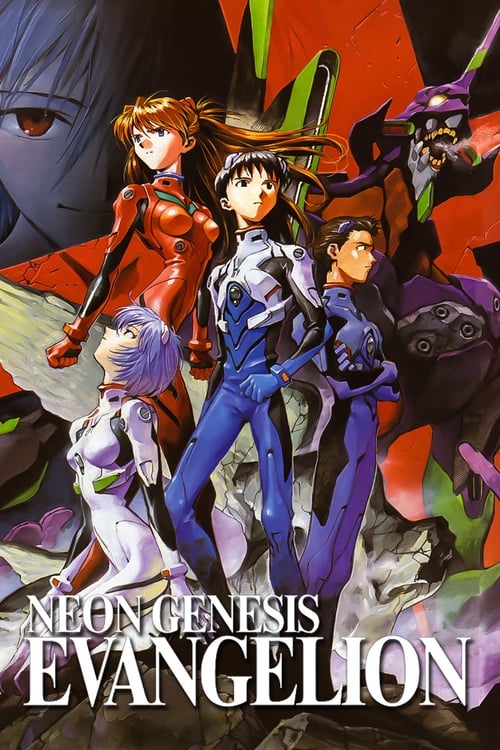
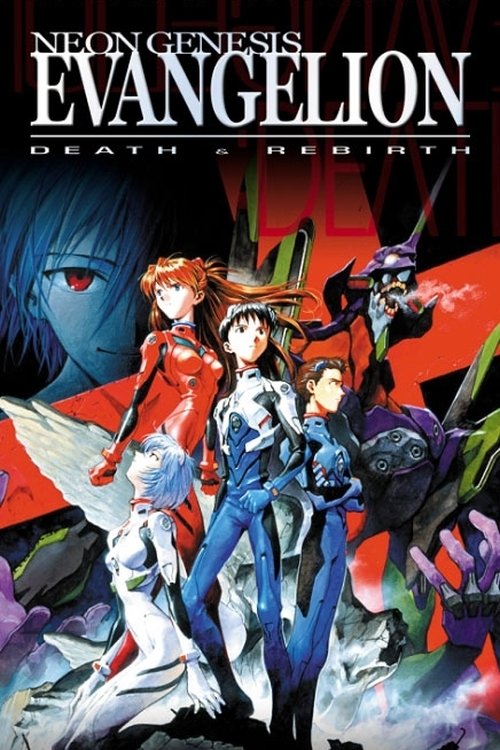
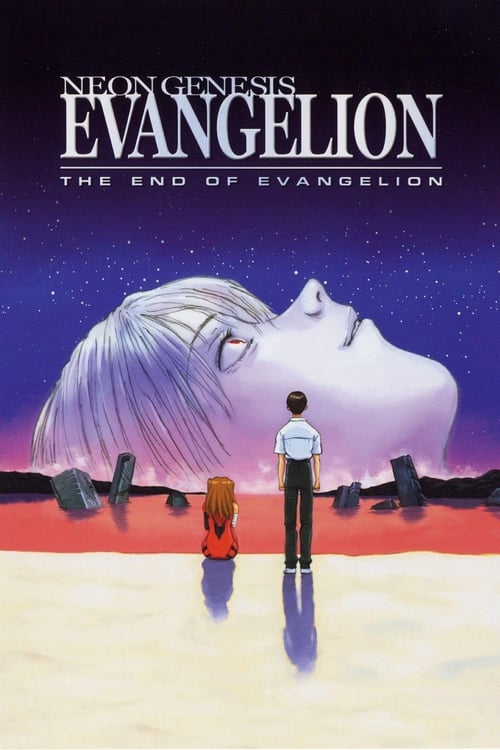

The Evangelion story across time
- 1994Manga begins Neon Genesis Evangelion
- 1995TV series premieres Neon Genesis Evangelion
- 1996TV finale airs (eps 25 and 26) Neon Genesis Evangelion
- 1997Theatrical recap film Neon Genesis Evangelion: Death and Rebirth
- 1997Alternate theatrical ending Neon Genesis Evangelion: The End of Evangelion
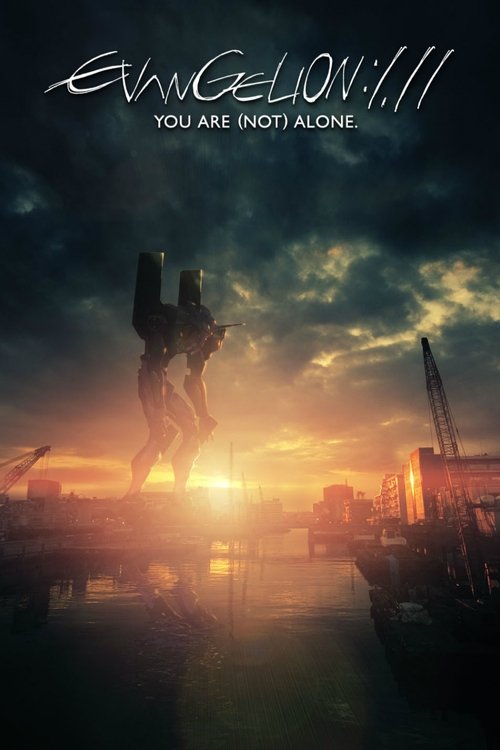
- 2007Rebuild begins Evangelion: 1.0 You Are (Not) Alone
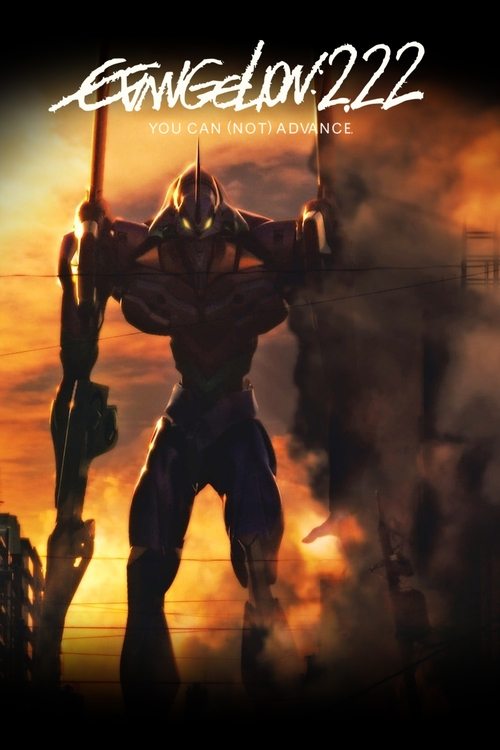
- 2009Rebuild part two Evangelion: 2.0 You Can (Not) Advance
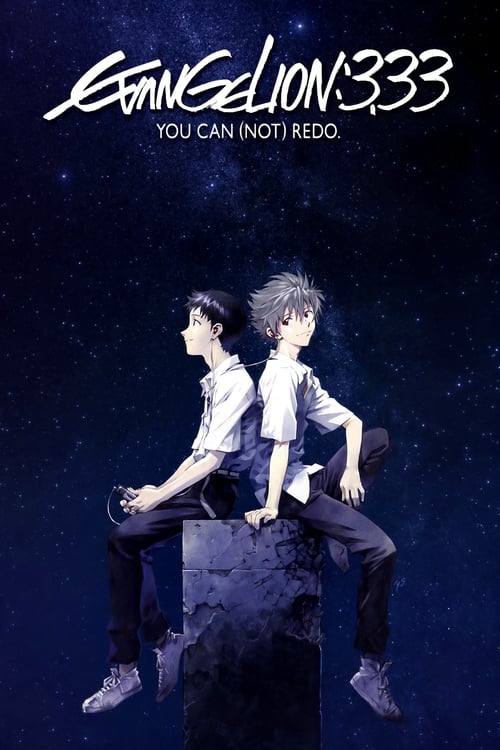
- 2012Rebuild part three Evangelion: 3.0 You Can (Not) Redo
- 2012Manga concludes (vol. 14)
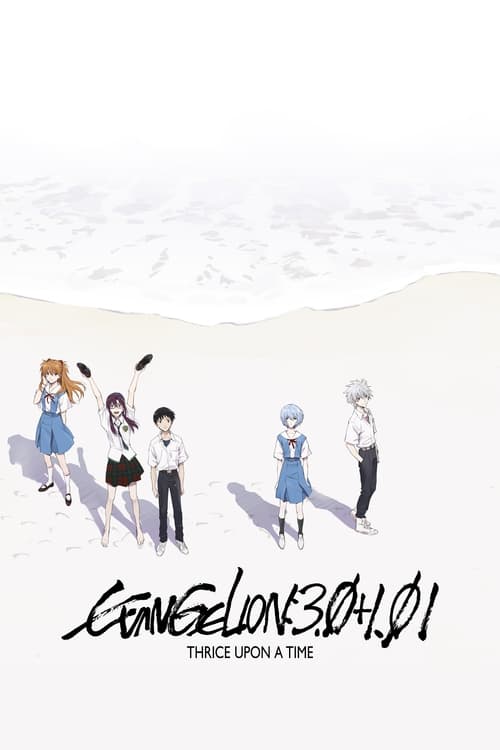
- 2021Rebuild concludes Evangelion: 3.0+1.0 Thrice Upon a Time
The definitive version: The End of Evangelion (1997)
Whatever you think of what it does, Neon Genesis Evangelion: The End of Evangelion is the version Anno actually finished. Where the TV finale turned inward by necessity and some measure of invention, the film turns outward with full resources and genuine fury. The Human Instrumentality sequence is grotesque, beautiful, and rigorously structured in a way the television ending was not. The final image has been argued over for nearly thirty years and still earns the argument. It is uncomfortable in ways that feel purposeful rather than accidental, and it refuses to let the audience off the hook. Start here if you have already watched the series and need to decide which ending to reckon with first.
The underrated version: the Sadamoto manga
Yoshiyuki Sadamoto's manga ran from 1994 to 2012 and gets overshadowed by the films. This is a mistake. It is a slower, more character-grounded version of the story, and because Sadamoto was drawing it across two decades he had time to develop Shinji into someone more legible as a human being. The ending is gentler than the film but earns it through accumulated detail rather than imposing it. For readers who bounced off the anime's psychological intensity, this is often the version that finally makes the story click. It also includes material cut from the TV series for budget reasons, which makes certain thematic choices land more clearly.
The one to manage expectations on: Death and Rebirth (1997)
Neon Genesis Evangelion: Death and Rebirth was released to theaters before The End of Evangelion was finished. Its first half is a compilation of TV footage with new orchestral framing. Its second half, Rebirth, is the opening act of what became the theatrical ending, cut off where production stalled. It exists for completionists and for people studying how the theatrical conclusion was assembled. Unless that describes you, skip it and go directly to The End of Evangelion.
The genuine surprise: Evangelion: 3.0+1.0 Thrice Upon a Time (2021)
The fourth Rebuild film is the one that justifies the entire tetralogy. The first two Rebuild entries function as high-quality remakes with some altered details. The third film (3.0 You Can (Not) Redo) disorients so completely that many viewers wrote off the project. 3.0+1.0 pays it all back. It is the only version of the story in which Shinji Ikari gets something resembling a fair outcome, and Anno earns it without sentimentality. If you gave up on the Rebuild series after 3.0, the fourth film is worth returning for.
If you love the psychological depth
Anime and film that fold inward the same way
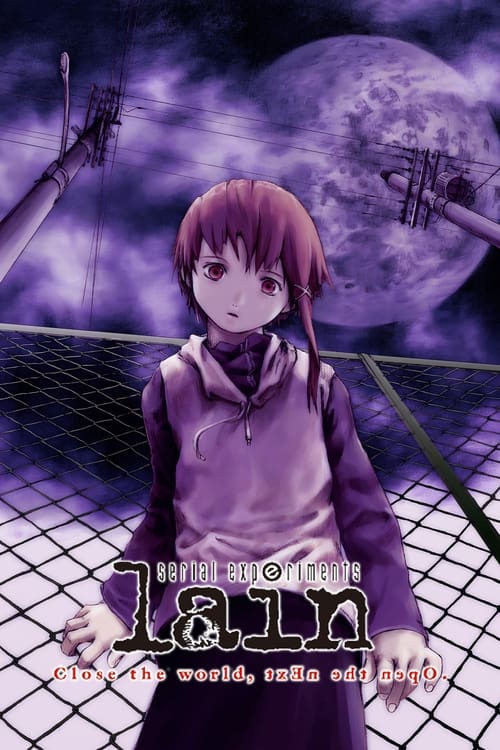
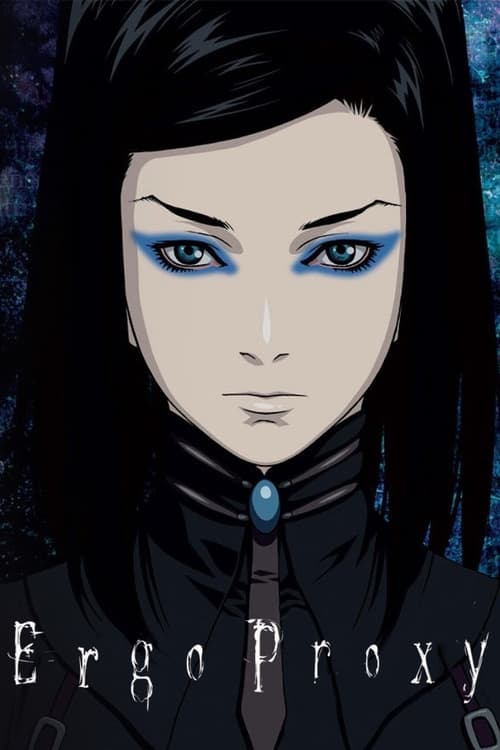
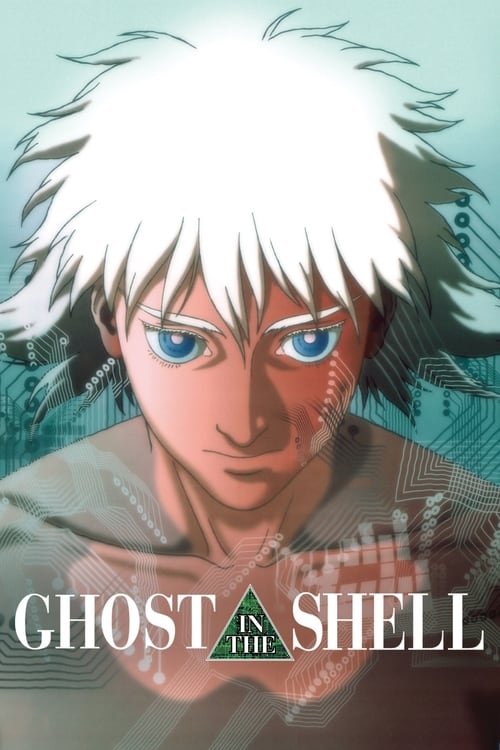
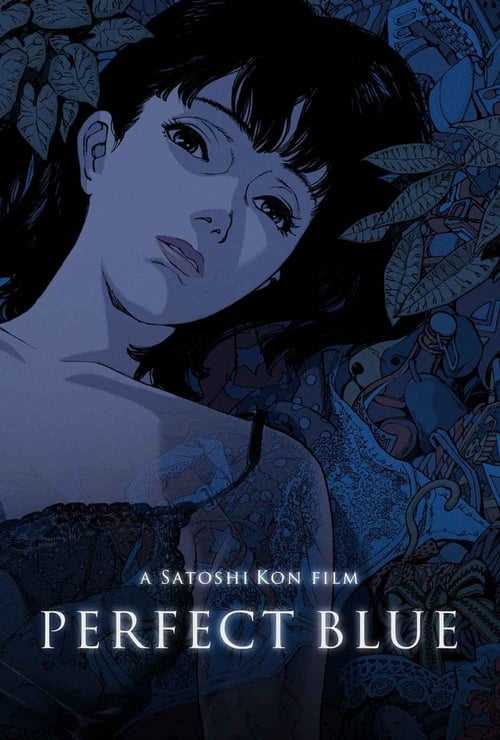
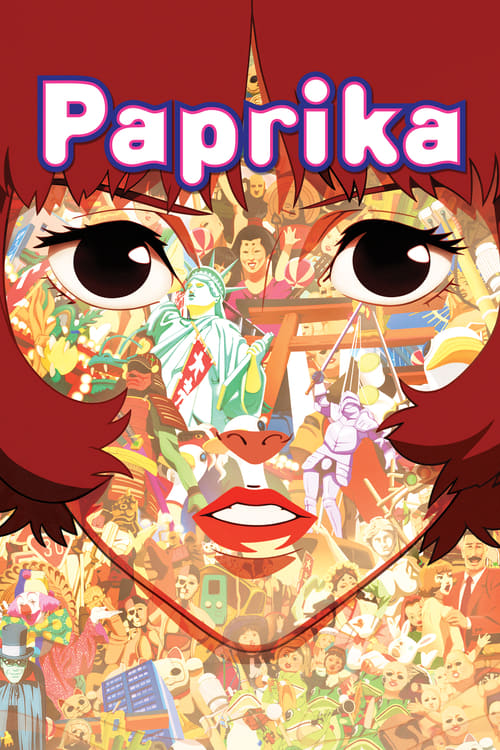

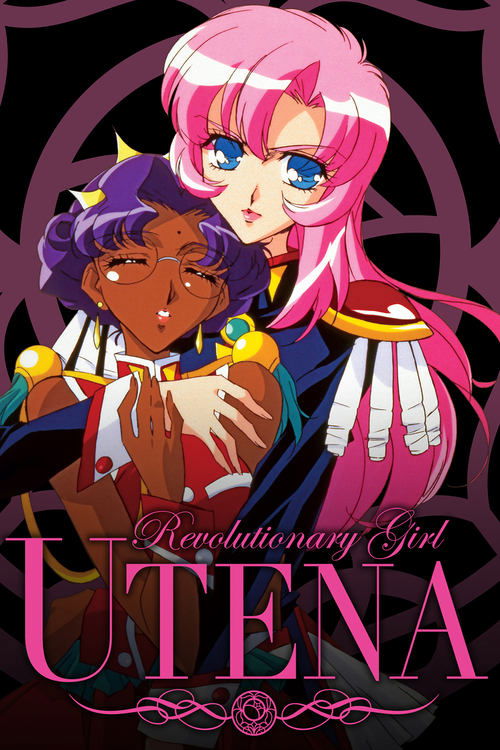
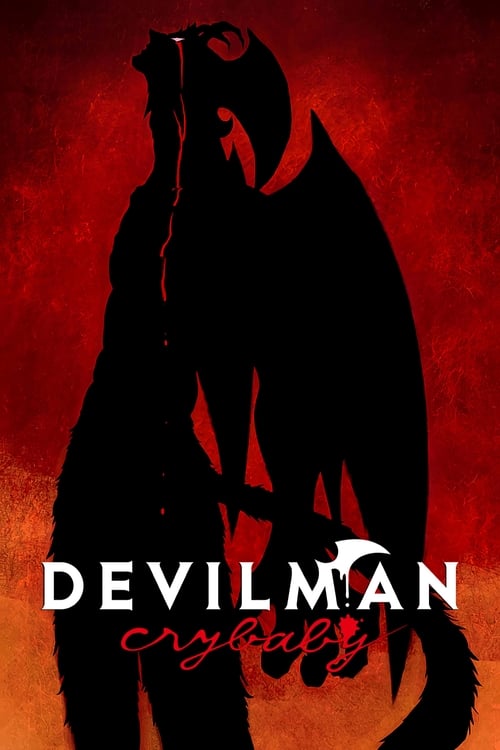
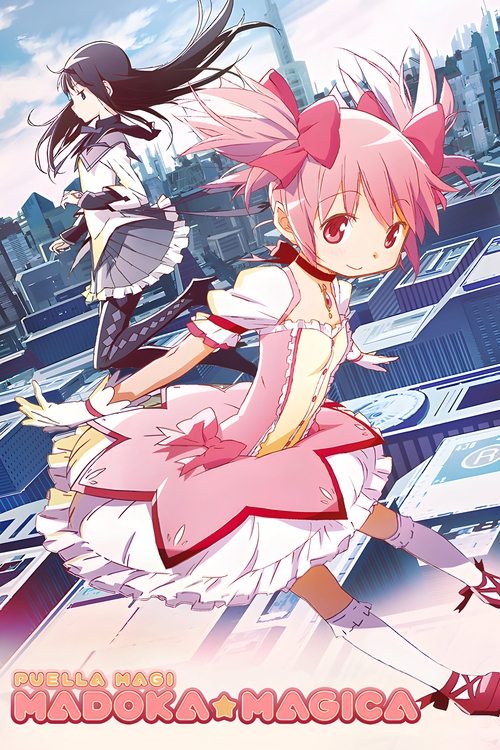
If you love the apocalyptic scale
Stories where the end of the world is personal



If you love stories about creators and creation
Anno made Evangelion partly about making Evangelion
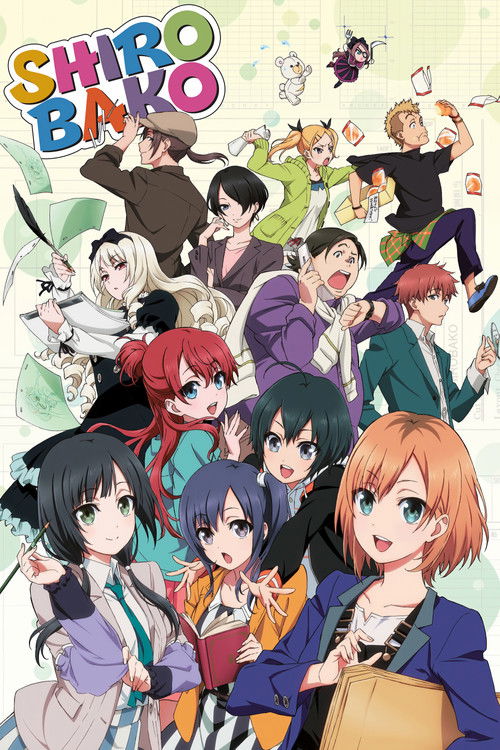
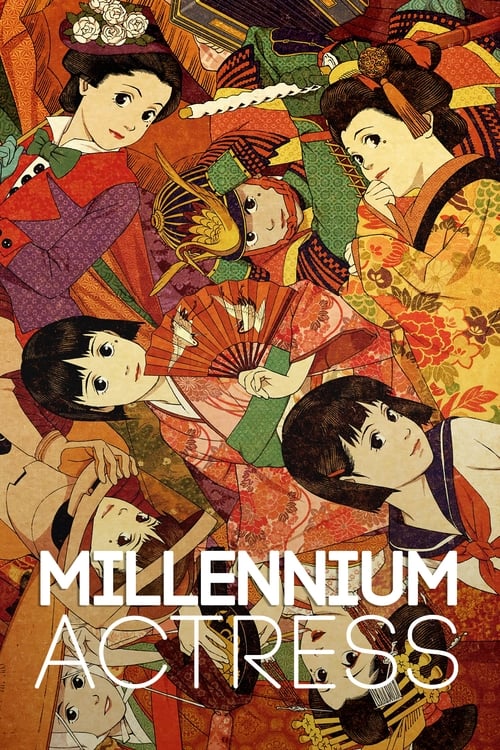
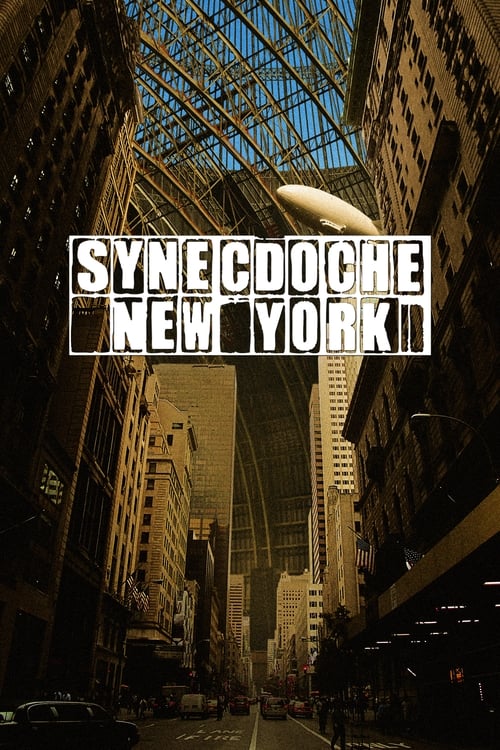

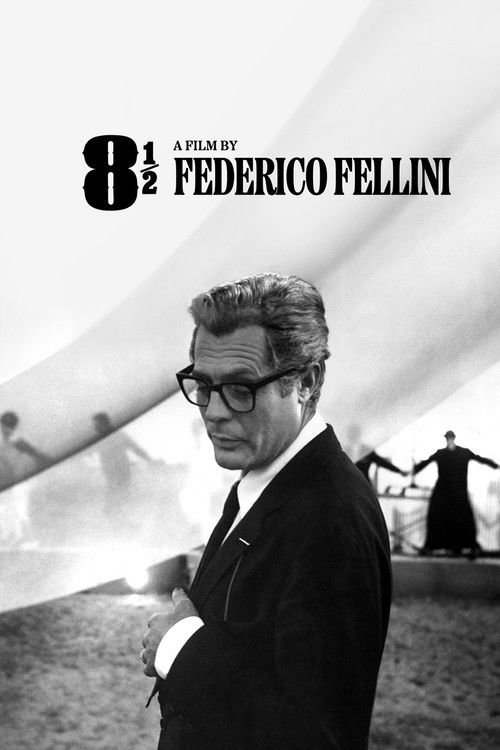

Mecha, apocalypse, and anime nightmares
For Fans of Neon Genesis Evangelion
Explore the For Fans of Neon Genesis Evangelion guide →The TV ending and the film ending are not competing answers to the same question. They are two different questions, both worth asking.CrossBinge editors