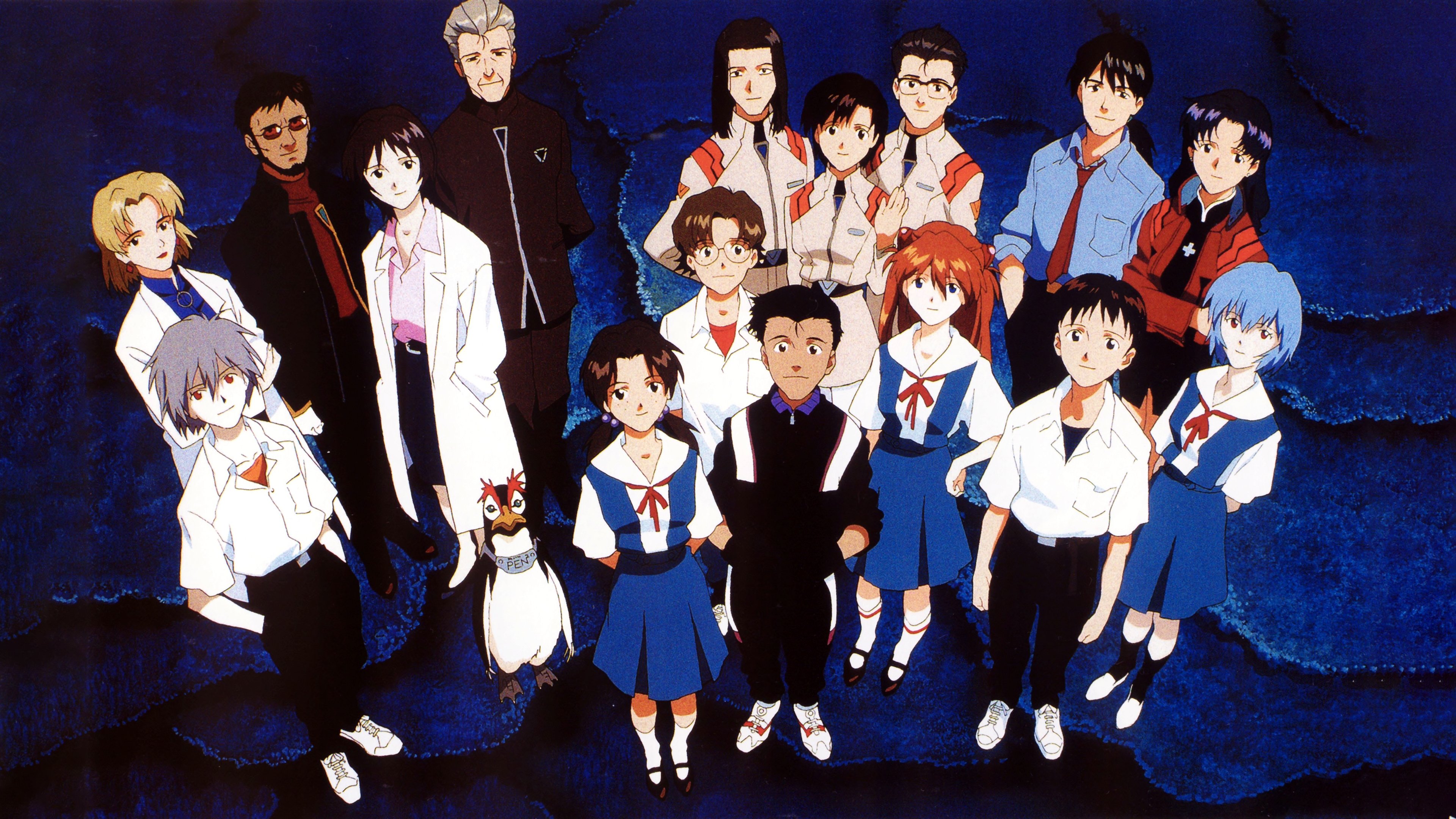

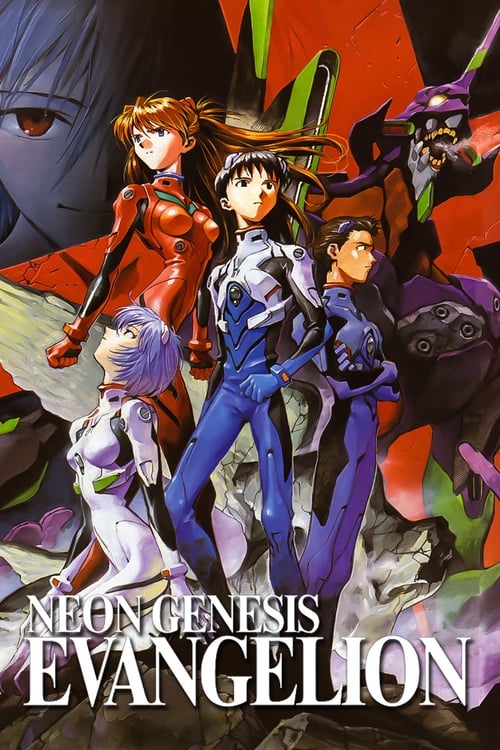
Hideaki Anno's 1995 television series arrived at a moment of personal crisis for its creator and cultural crisis for Japan, and the collision produced something that refuses to behave like entertainment. Neon Genesis Evangelion uses the visual grammar of super-robot anime, teenagers piloting apocalyptic machines against monstrous Angels, and then systematically dismantles every genre expectation it raises. By its final episodes the giant robots have dissolved into interior monologue, the apocalypse has become a therapy session, and the question on the table is whether human connection is worth the pain it guarantees. The Central Dogma beneath Tokyo-3 is also the basement of the human mind. Fans return to NGE not for action but for the uncomfortable recognition it produces: Shinji Ikari's paralysis, Rei's dissociation, Asuka's furious need to be seen. Anno made his pathology into architecture, and tens of millions of viewers have walked through it and found their own rooms inside.
Essential Neon Genesis Evangelion
The complete screen canon, from the original series to the Rebuild tetralogy
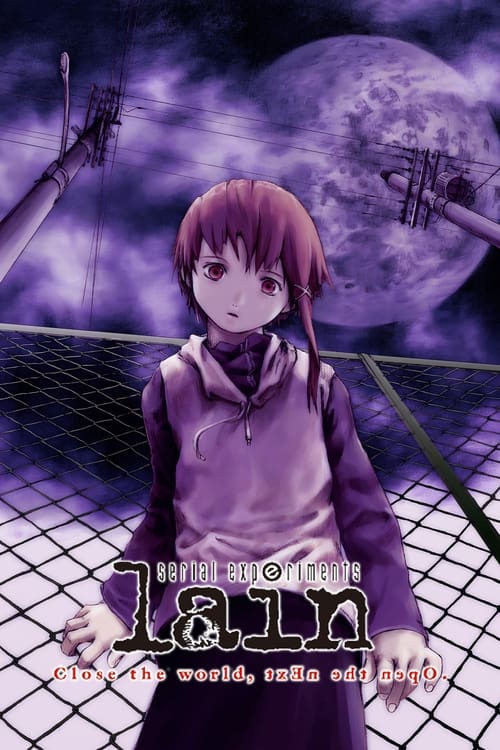
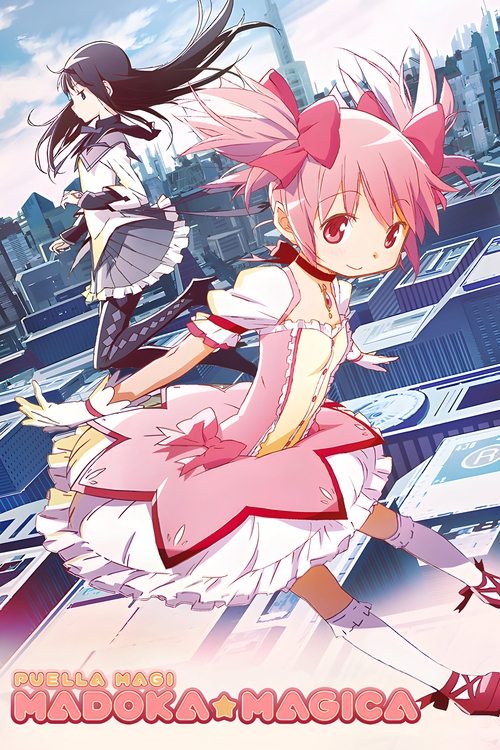
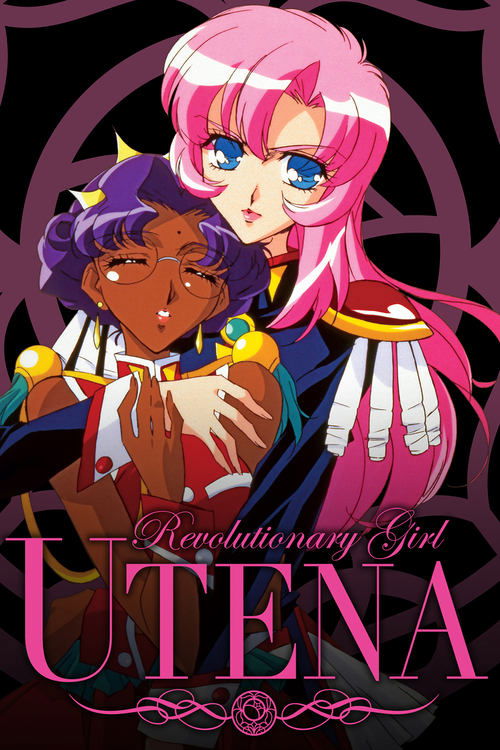
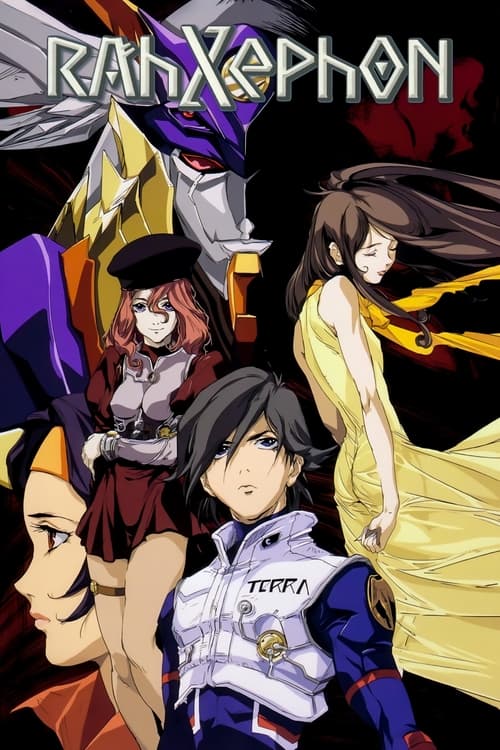
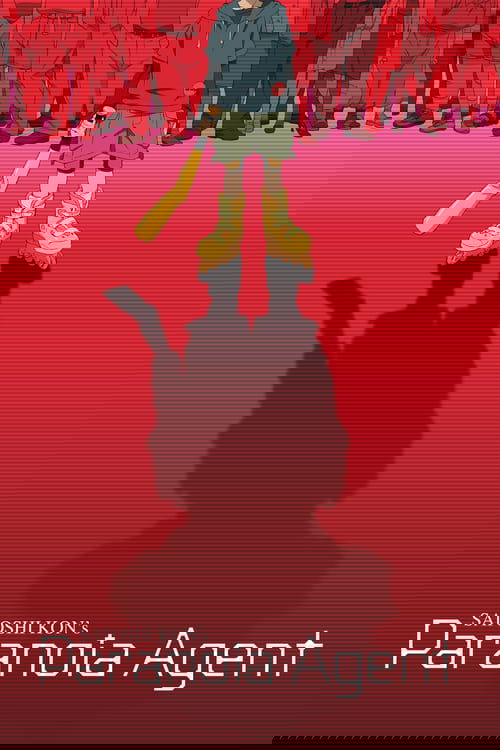
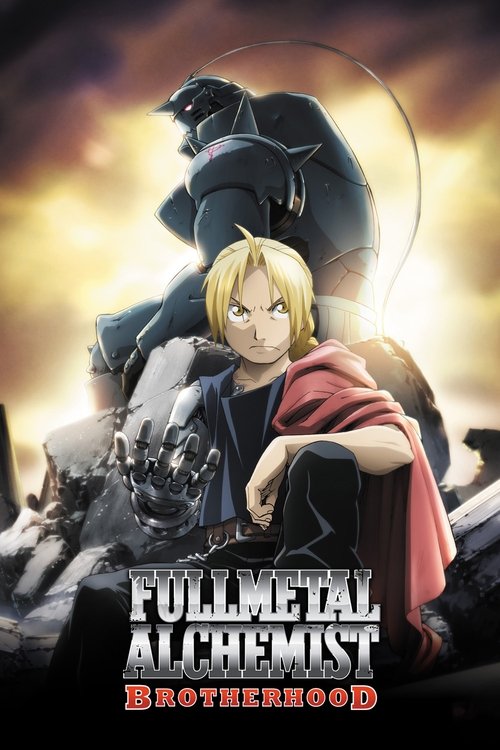
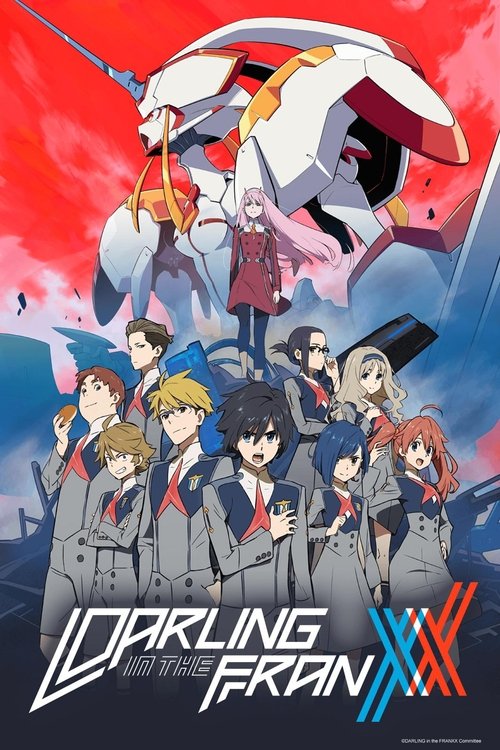
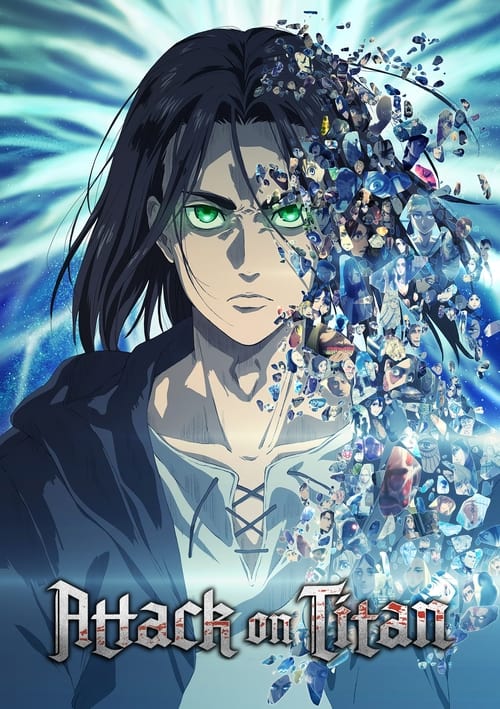
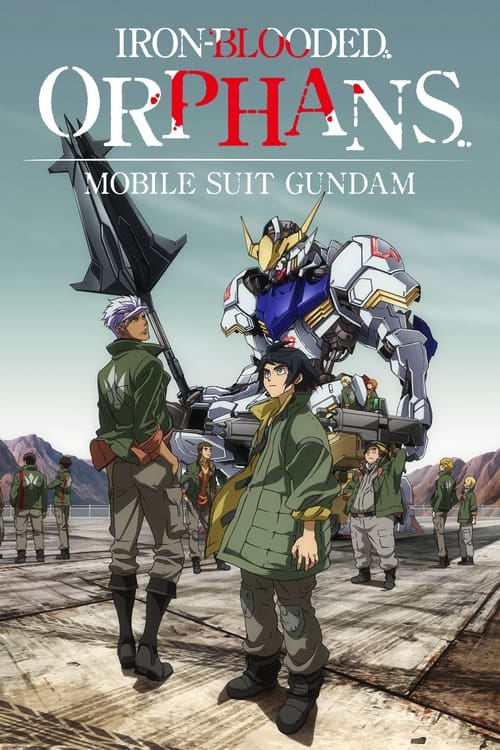
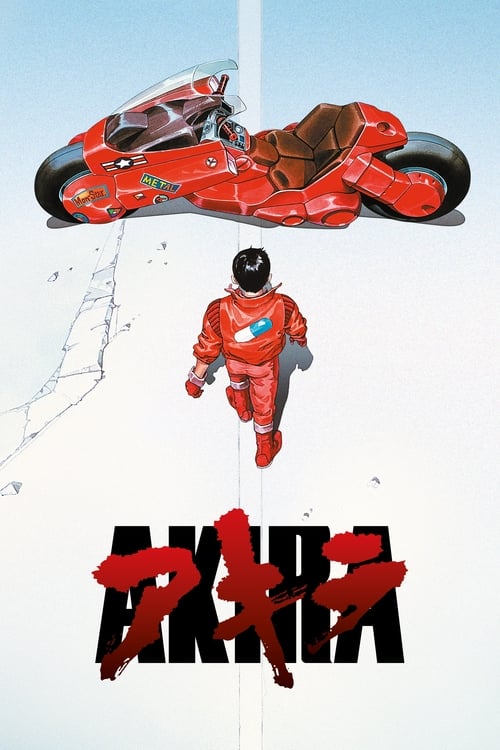
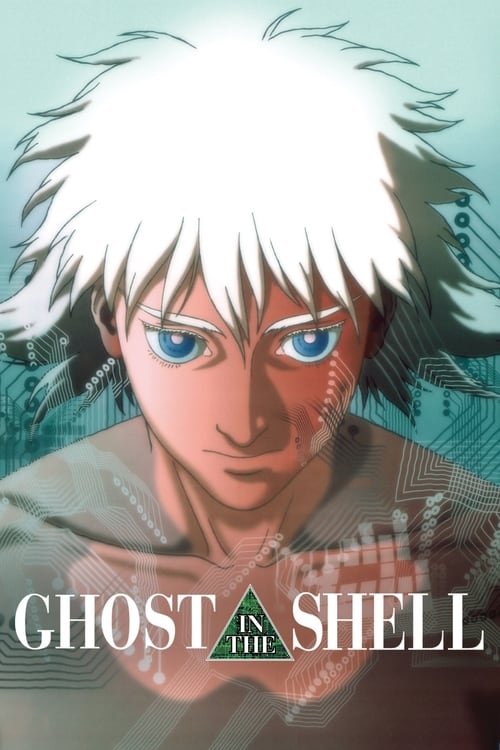
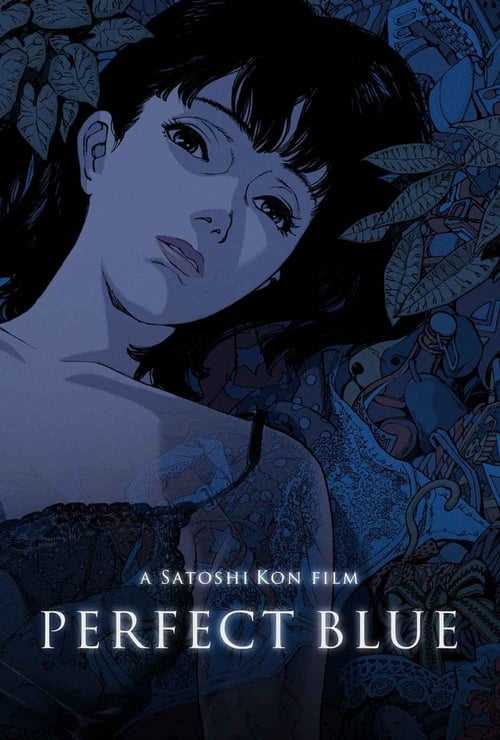
If You Love Evangelion: Anime That Goes to the Same Dark Place
Series that share its psychological intensity, genre deconstruction, or apocalyptic weight

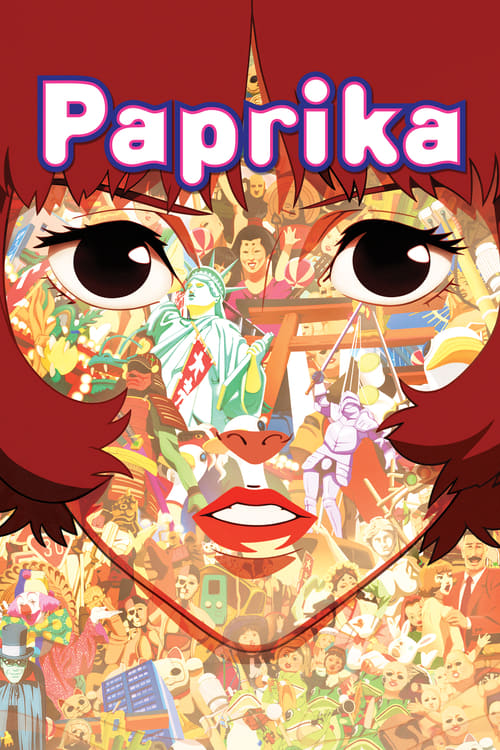
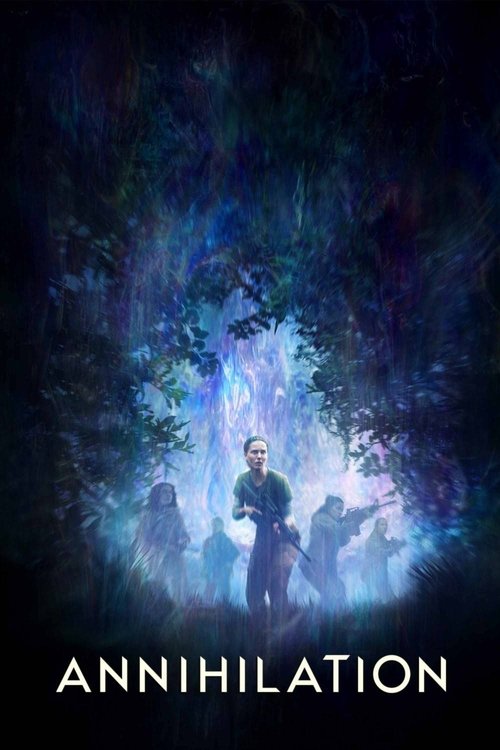
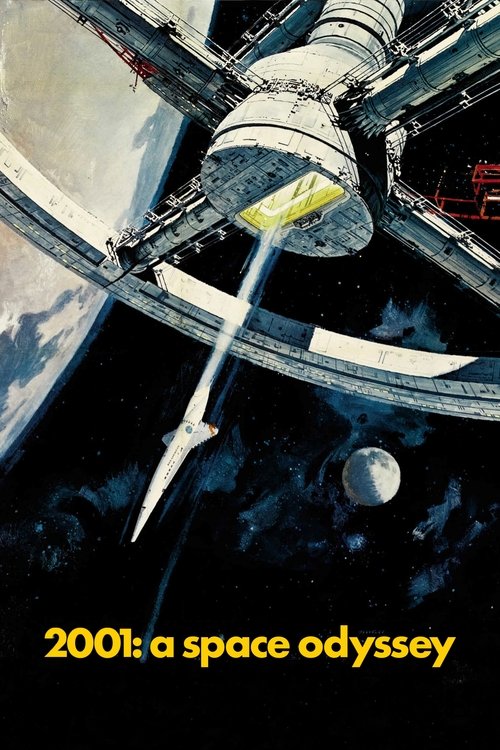
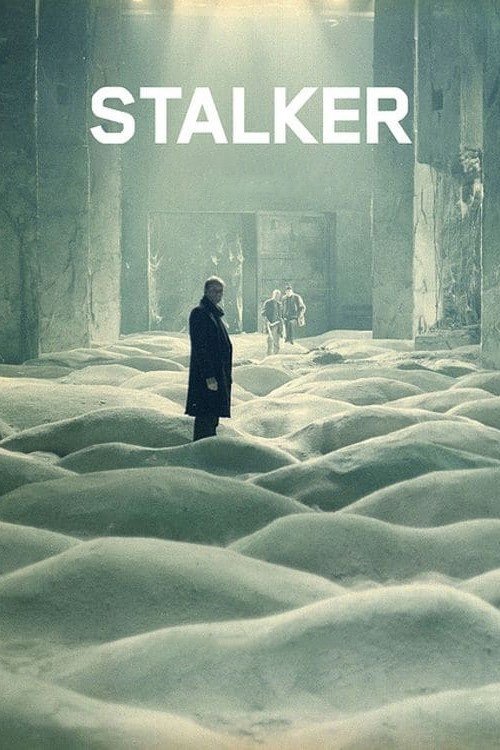
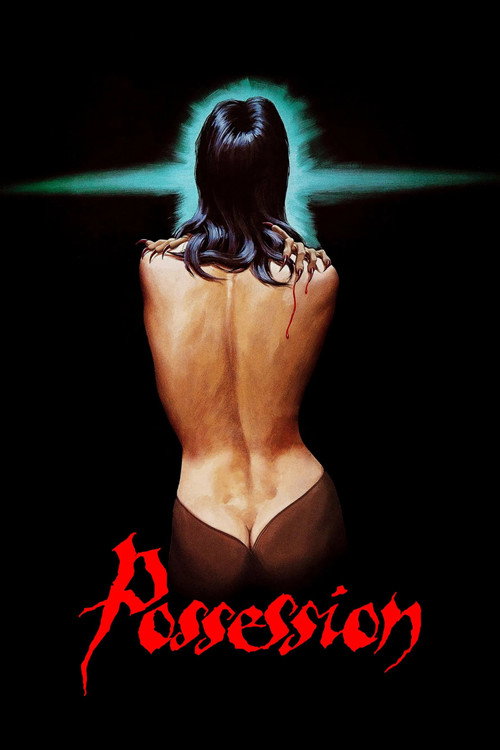
Same Dread, Different Screen: Films in Evangelion's Register
Live-action cinema that shares its existential unease, body horror, or mythological scope


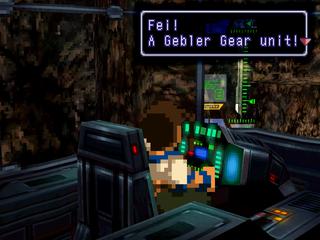
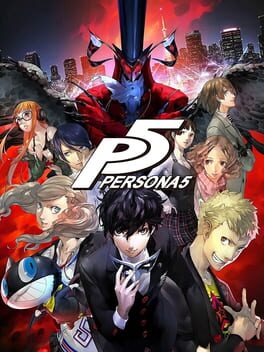
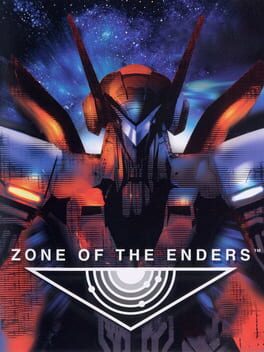
Plug Into These Games
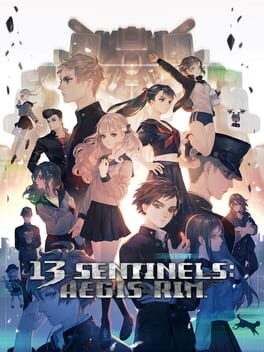
Games that channel EVA's mech combat, psychological depth, or apocalyptic scale


Books for When the AT Field Drops
Fiction and non-fiction that explore identity, trauma, and the end of everything


The Third Impact Is a Therapy Session
Most mecha anime save their climax for the biggest robot fight. Evangelion saves its climax for a conversation about whether a person deserves to exist. The final two episodes of the television series strip away the animated production entirely in places, cycling through storyboards, held drawings, and handwritten text to stage a pure internal reckoning. Anno ran out of budget and turned the constraint into the point. The apocalypse is not a spatial event but a psychological one, and the heroes who survive it are the ones who can say yes to themselves despite every reason not to.
Rei, Asuka, and the Trap of Reading Them as Types
Rei Ayanami and Asuka Langley Soryu launched a thousand anime archetypes, and that is partly their misfortune. The quiet blue-haired girl and the aggressive redhead became templates copied endlessly by studios that kept the surface and discarded the substance. Inside NGE, Rei is a self that has never been allowed to cohere, a consciousness assembled from pieces that were never meant to belong to one person. Asuka is a person so frightened of inadequacy that she performs competence as armor, and the show is honest about how exhausting that is for everyone, including her. Neither character is a type. Both are portraits of specific kinds of psychological damage, rendered with more care than most live-action drama manages.
Rebuild Reframes, It Does Not Replace
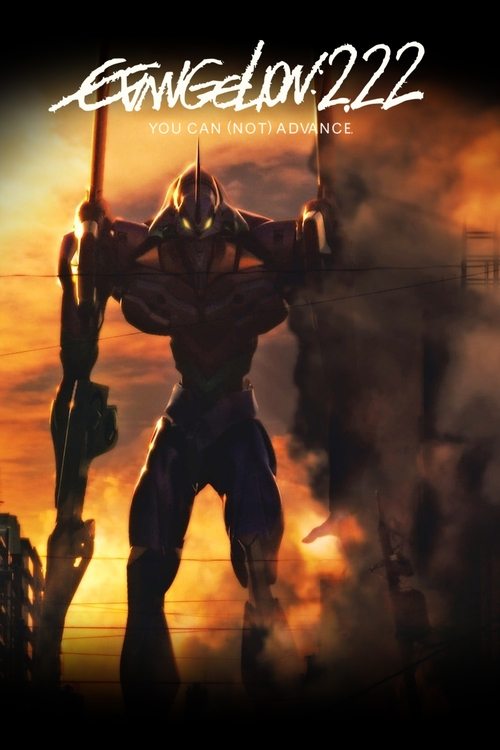
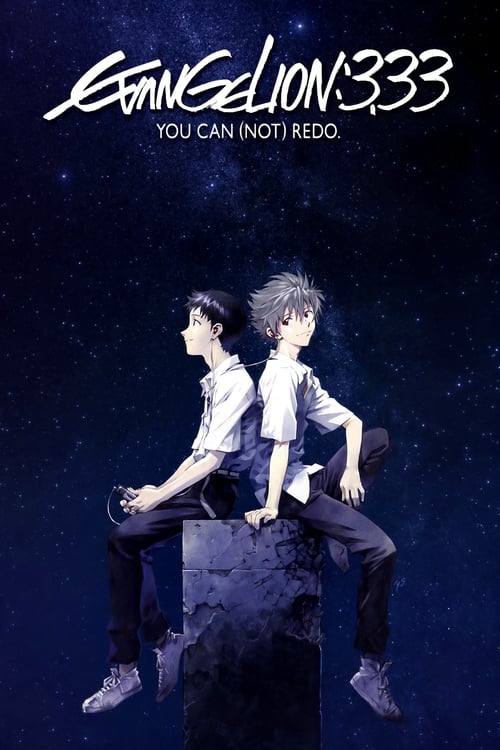
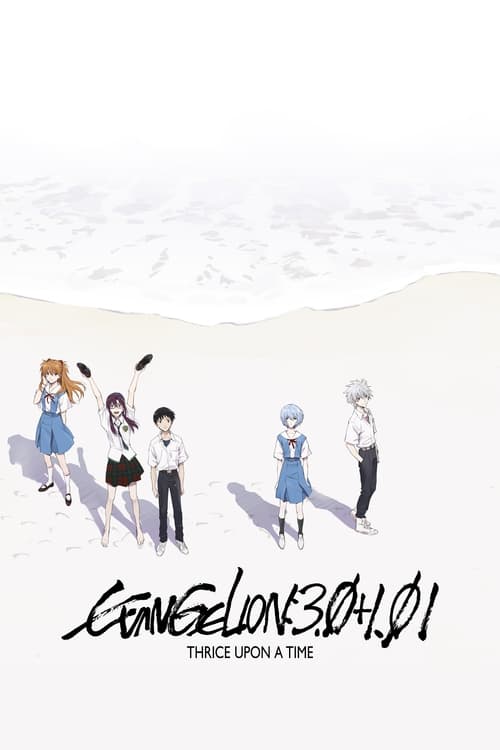
The four Rebuild films (2007 to 2021) revisit the same characters and mythology with a larger budget, altered story beats, and Anno's changed relationship to his own earlier work. Some viewers dismiss them as inferior; others treat them as the definitive version. Both readings miss the more interesting truth: the Rebuild series is explicitly a meditation on whether you can escape a story that defined you. Shinji's arc in the fourth film, Evangelion: 3.0+1.0 Thrice Upon a Time, is about choosing to leave the cycle rather than repeat it. Anno directed both the original and the Rebuild; the conversation between them is the actual text.
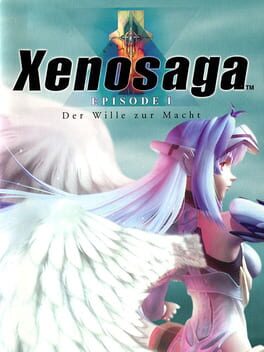
Xenogears Tried to Do the Same Thing on a JRPG Cartridge
Released in 1998 by Squaresoft, Xenogears was pitched, denied, and partially rerouted from being a Final Fantasy entry, and the result is one of the strangest RPGs ever shipped: a 60-hour game that begins as mecha action and ends with Jungian psychology, Nietzsche citations, and a cosmogony built on gnostic theology. The development team ran out of time and budget, and the second disc is largely a narrator recounting what should have been playable chapters. Sound familiar? Xenogears and NGE share more than surface imagery. Both are products of creative teams pushing further than the commercial form allows, and both bear the seams of the overage proudly.
A Canon in Time
- 1995Television series premieres on TV Tokyo Neon Genesis Evangelion
- 1997Manga adaptation begins (Yoshiyuki Sadamoto, serialized until 2013) Neon Genesis Evangelion
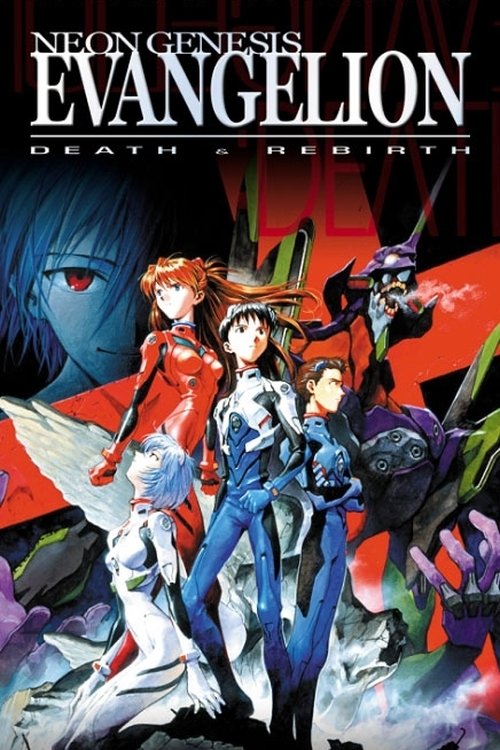
- 1997Theatrical summary and alternate ending Neon Genesis Evangelion: Death and Rebirth
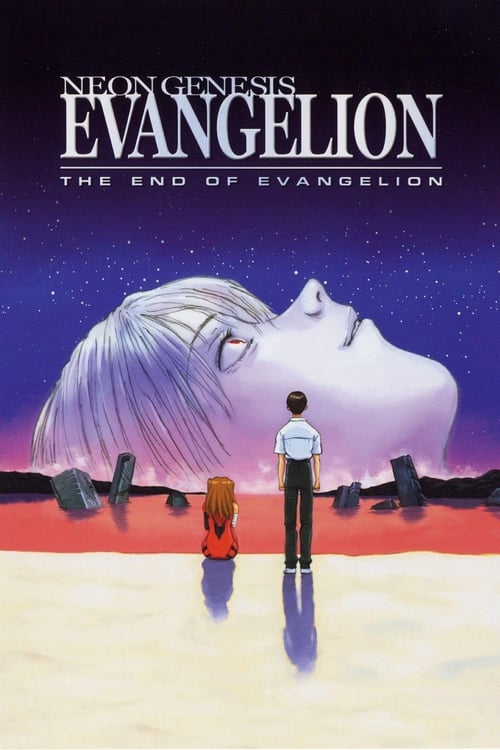
- 1997Definitive theatrical conclusion to the TV series Neon Genesis Evangelion: The End of Evangelion
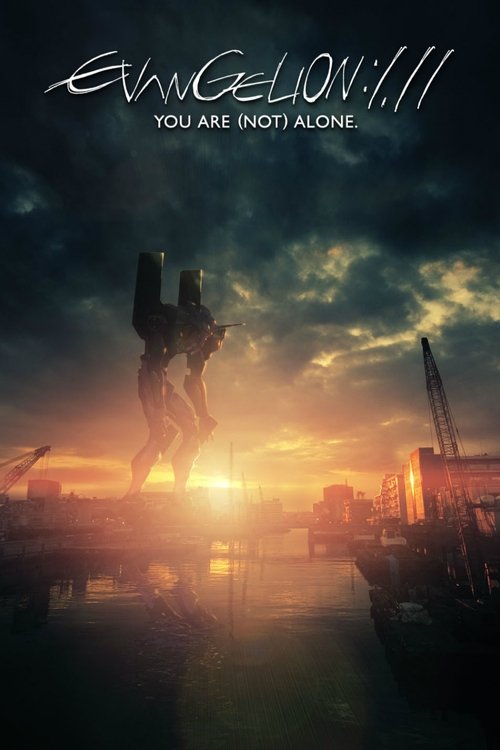
- 2007Rebuild tetralogy opens with a reanimated first act Evangelion: 1.0 You Are (Not) Alone
- 2009Rebuild diverges significantly from the original story Evangelion: 2.0 You Can (Not) Advance
- 2012A fourteen-year ellipsis; the franchise undoes itself Evangelion: 3.0 You Can (Not) Redo
- 2021The Rebuild concludes; Anno closes the cycle Evangelion: 3.0+1.0 Thrice Upon a Time
Mechs, minds, and machine souls
Mecha & Giant Robots
Explore the Mecha & Giant Robots guide →Fly me to the moon, let me play among the stars. The song loops through every version of the story because the longing never changes, only the person doing the longing.The recurring use of Frank Sinatra's 'Fly Me to the Moon' as NGE's end-credits theme