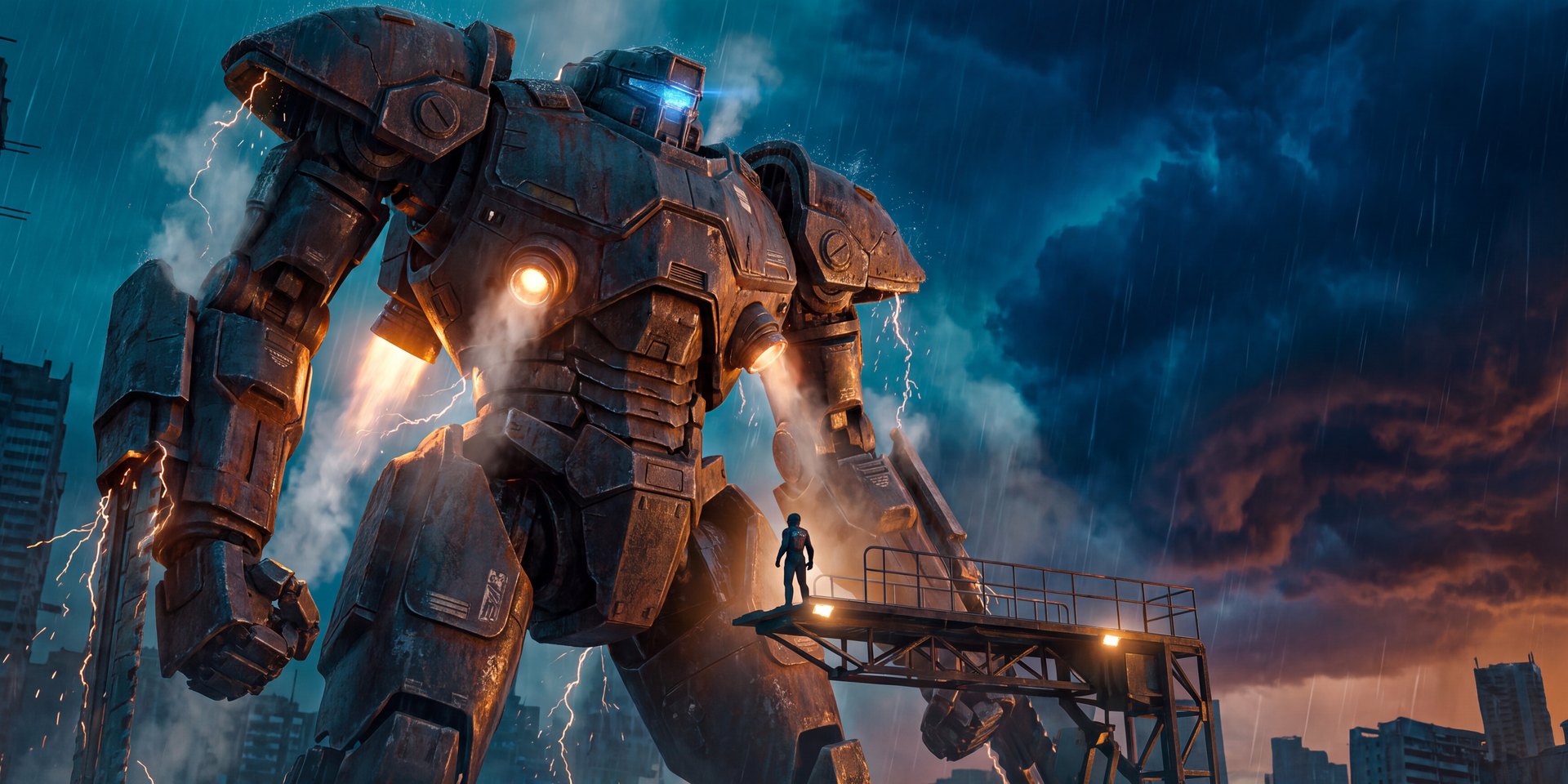

The mecha genre is a long argument between two ideas of the giant robot: the super robot, a near-mythic machine powered by the pilot's spirit, and the real robot, mass-produced military hardware whose pilots can die pointlessly. Mazinger Z invented the first in 1972, Gundam the second in 1979, and Evangelion detonated the whole thing in 1995.
This is the complete guide: the Gundam saga, the Evangelion deconstructions, the hot-blooded super robots, the Western films that finally got it, and the games that put you in the cockpit. If a human climbs inside a towering machine and drives, it is here.
The essential mecha
If the genre had a starter shelf, it would be these. The pillars everything else answers to.


The Gundam universe
Forty-plus years of the war epic that made the giant robot a working machine, not a superhero.
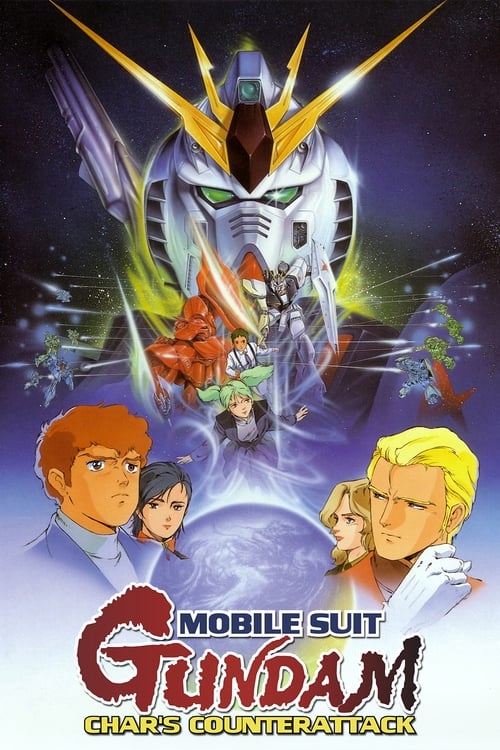
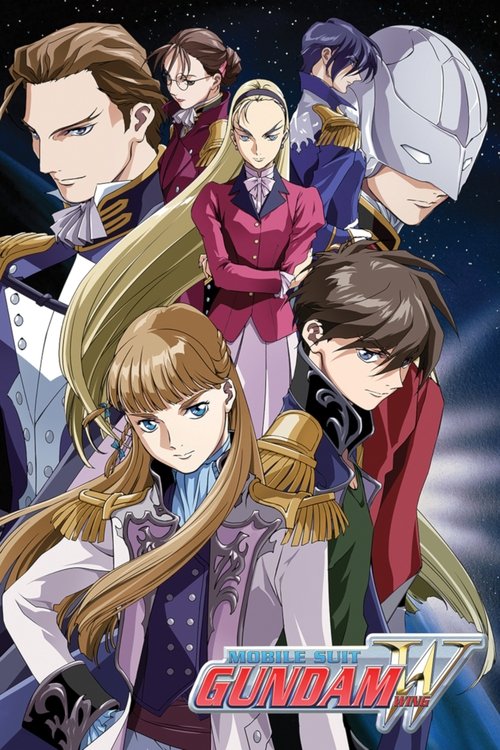
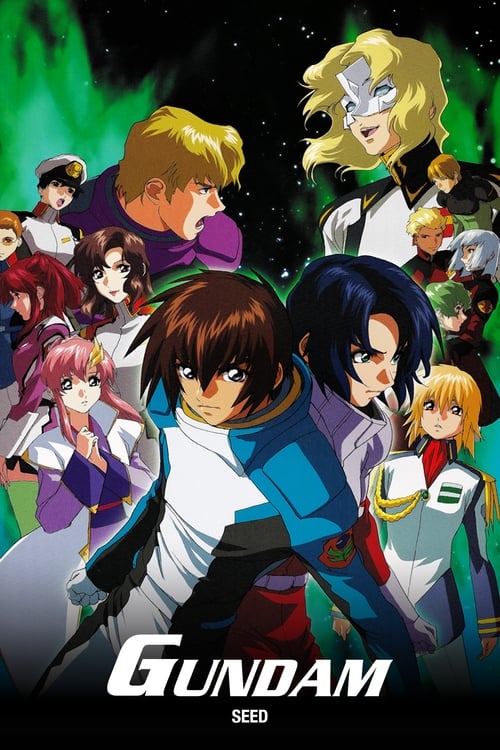
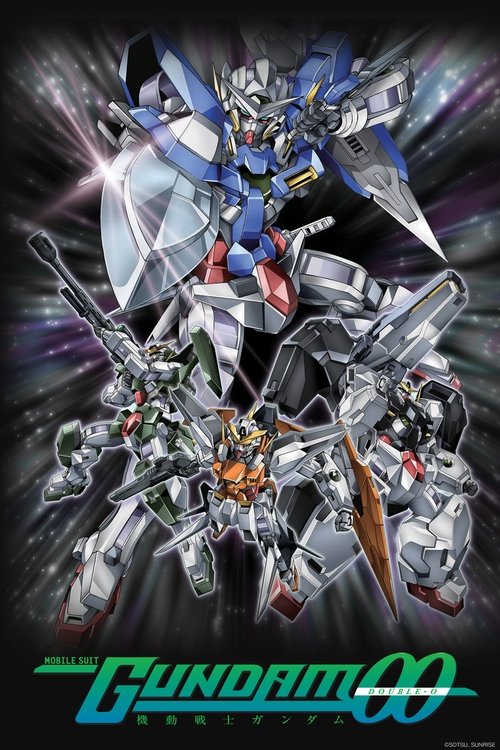
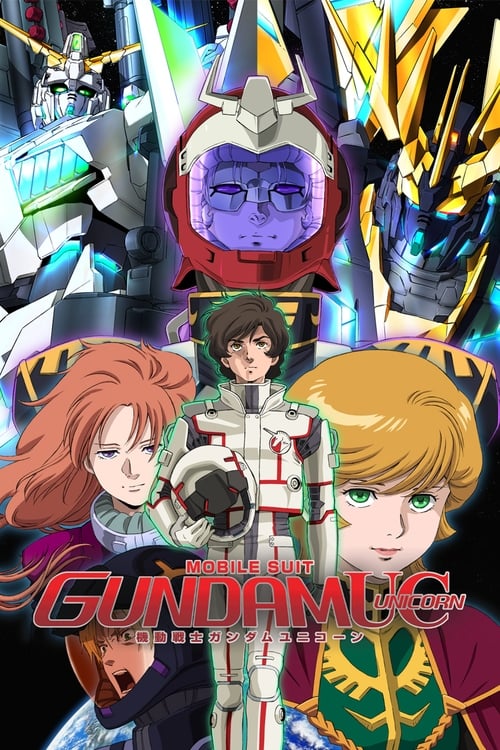
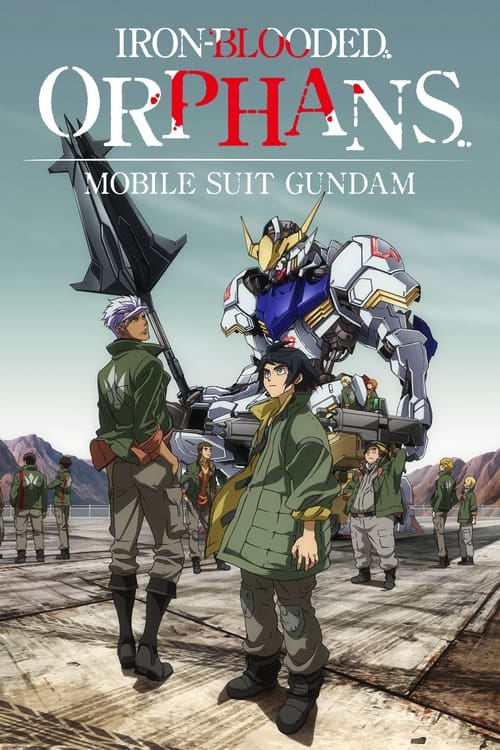
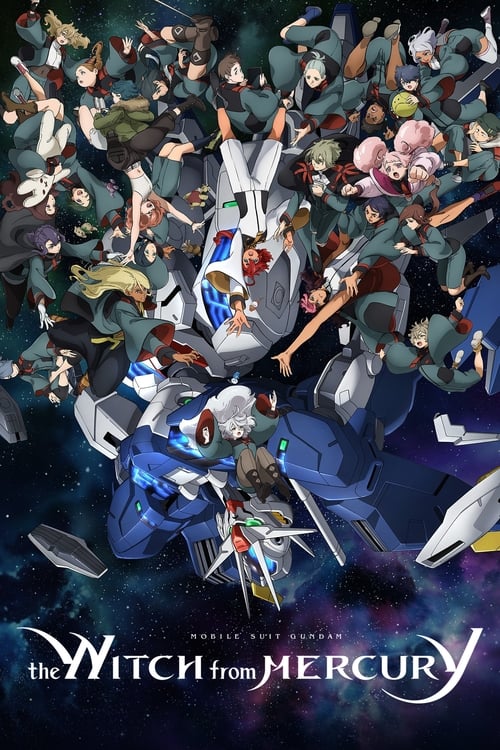
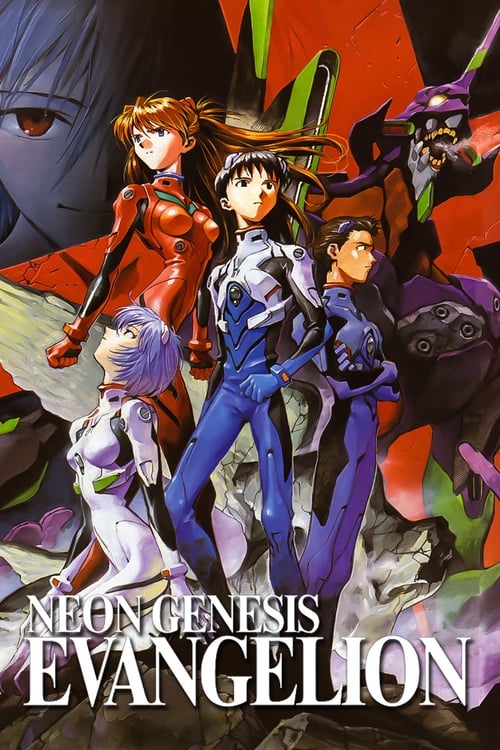
Evangelion and the deconstructions
After 1995, mecha had to reckon with the kid who does not want to get in the robot.
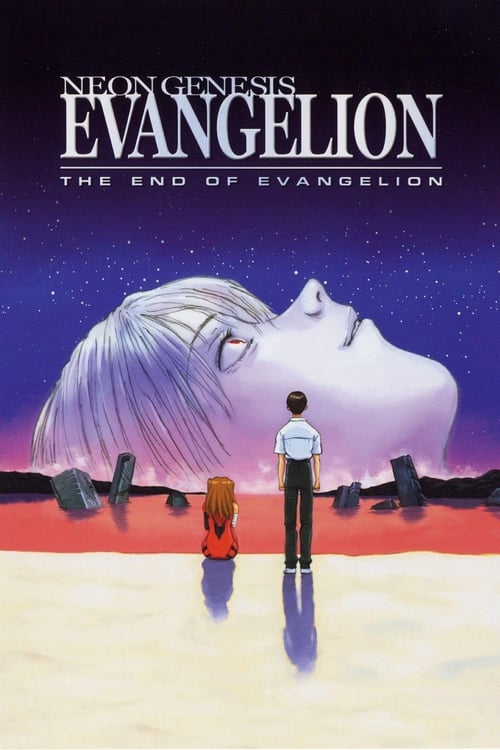

Hot-blooded super robots
No physics, all willpower. The robot is as big as the pilot's conviction.

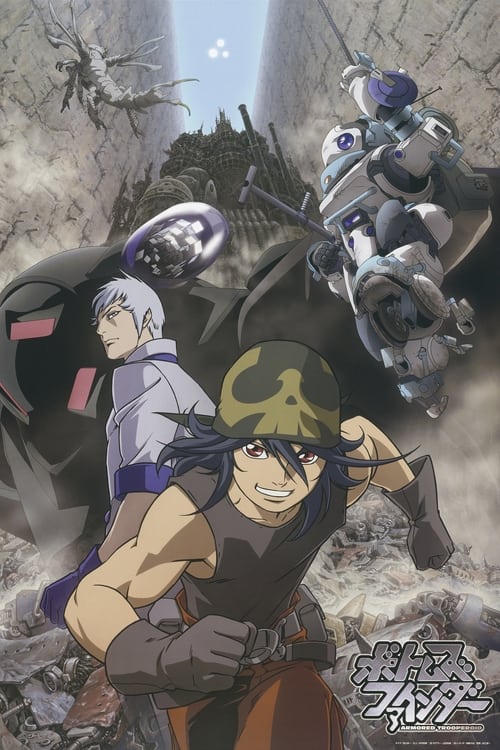
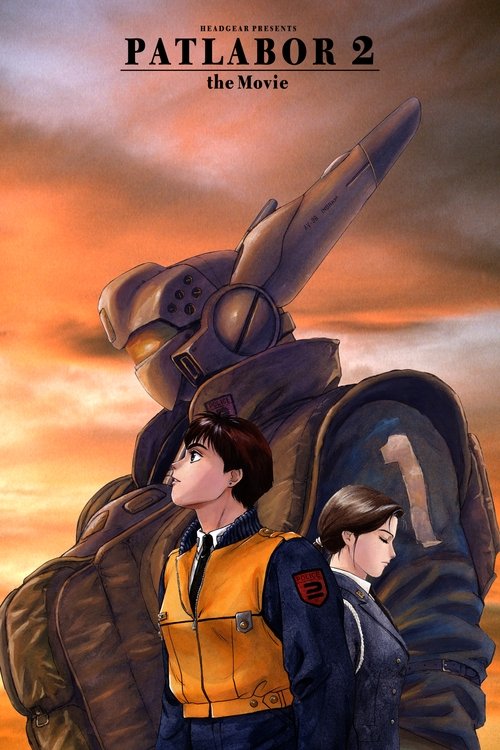
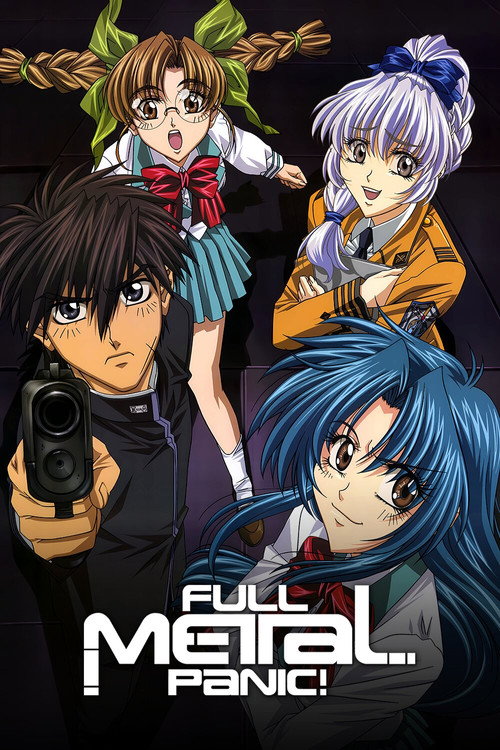
Real robots and cold wars
Mecha as hardware: fuel, logistics, and soldiers who bleed. The grounded side of the genre.

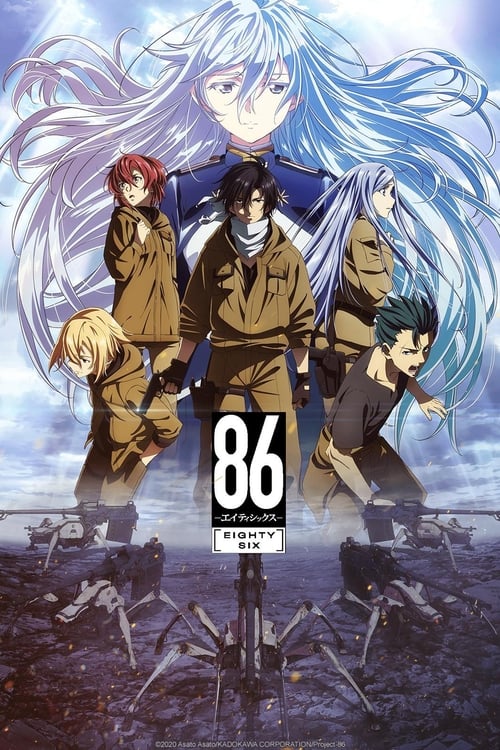
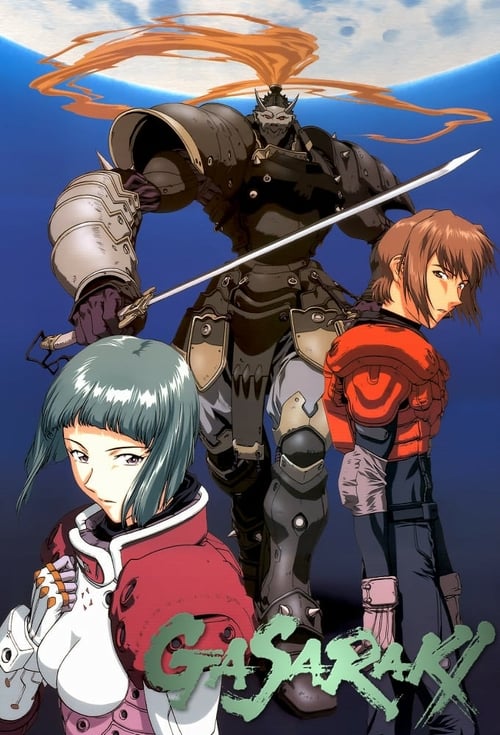
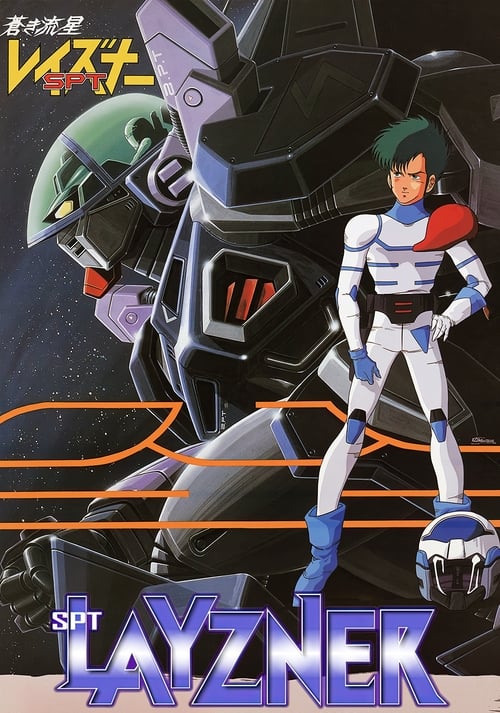
The tragic mecha
Child soldiers, doomed pilots, and machines that eat the people inside them.
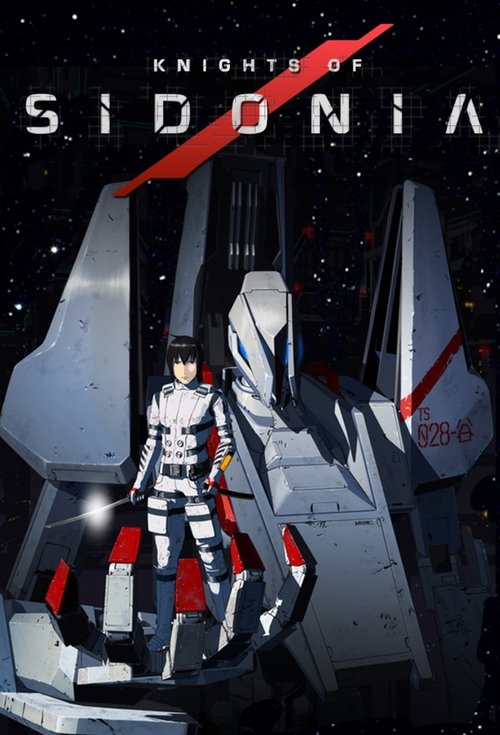
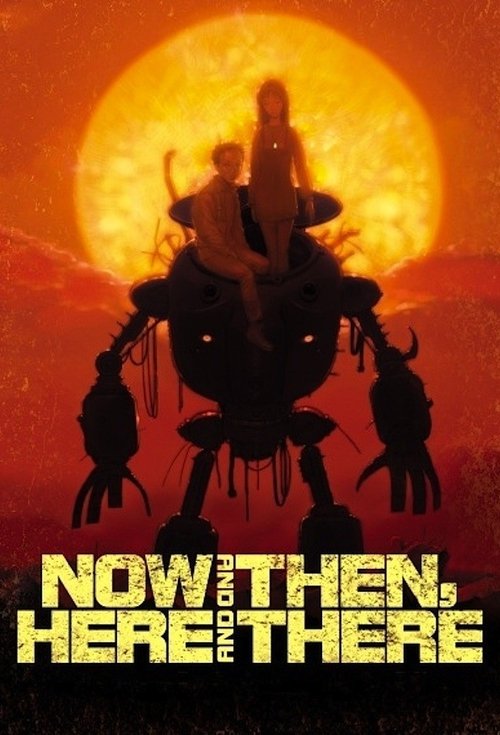
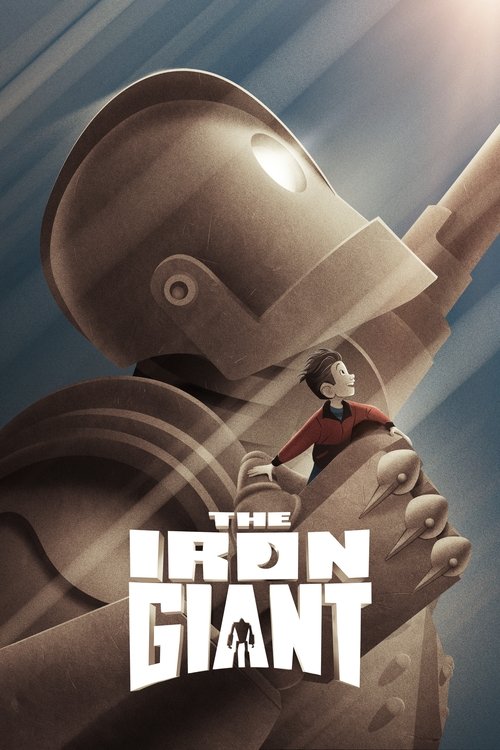
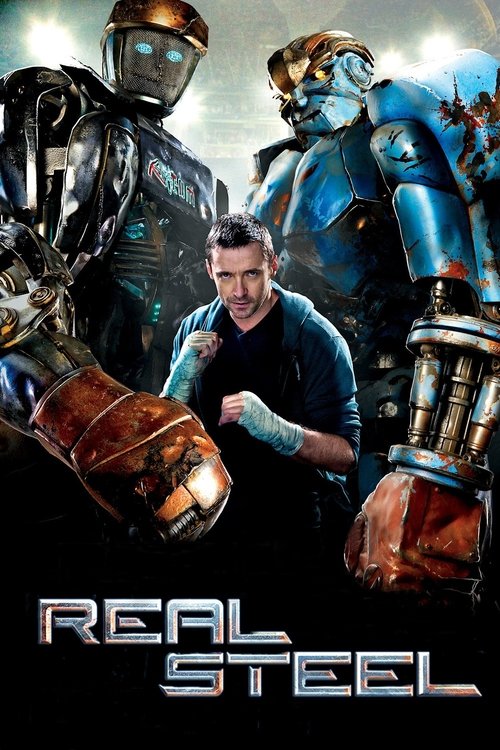
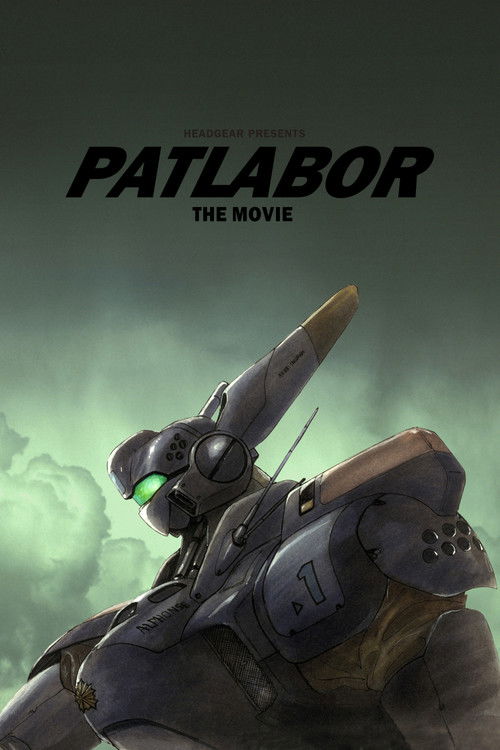
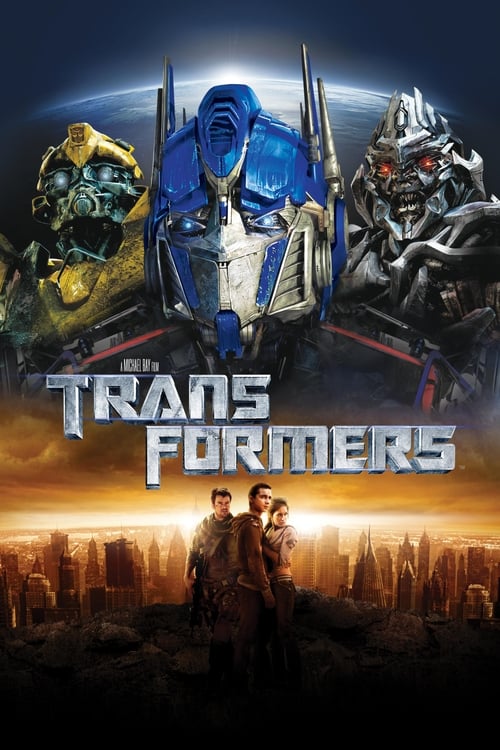
Mecha on the big screen
When the giant robot leaves the TV grid and fills a cinema wall.

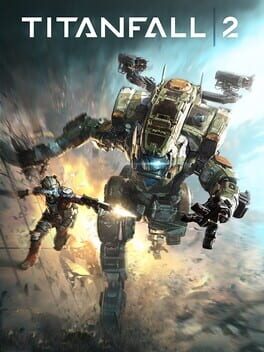
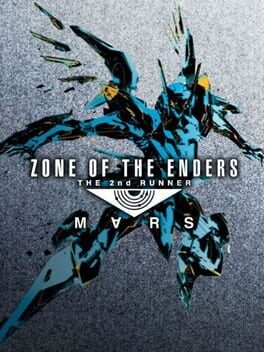
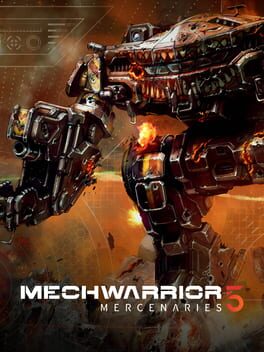
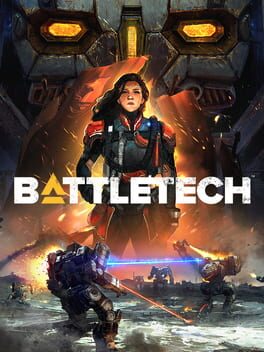
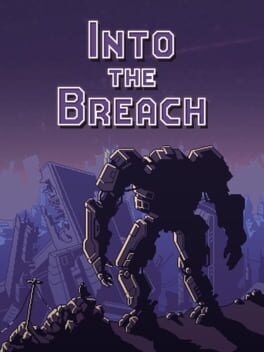
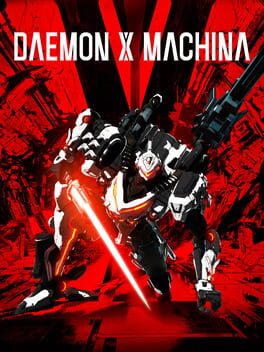
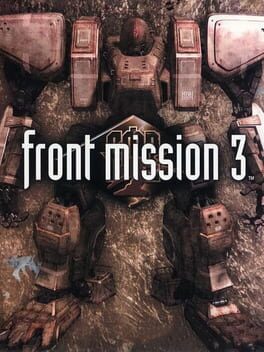
Piloted giant robots you can play
The cockpit is yours. Trim the loadout, manage the heat, and pull the trigger.
The timeline
- 1956Tetsujin 28-go begins as a manga, seeding the remote-controlled giant robot
- 1963Gigantor (Tetsujin 28) puts the giant robot on TV for the first time
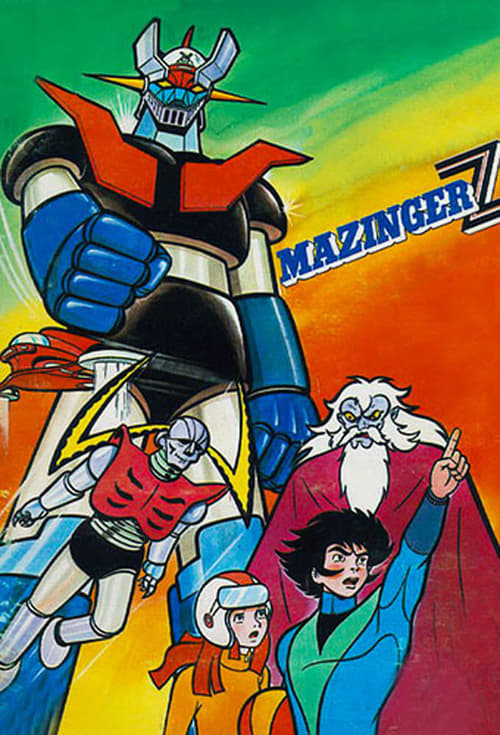
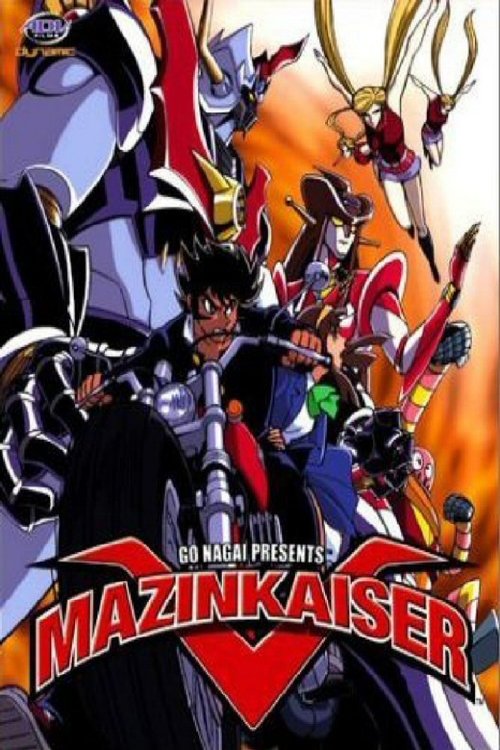
- 1972Mazinger Z invents the piloted super robot: a human climbs inside and drives
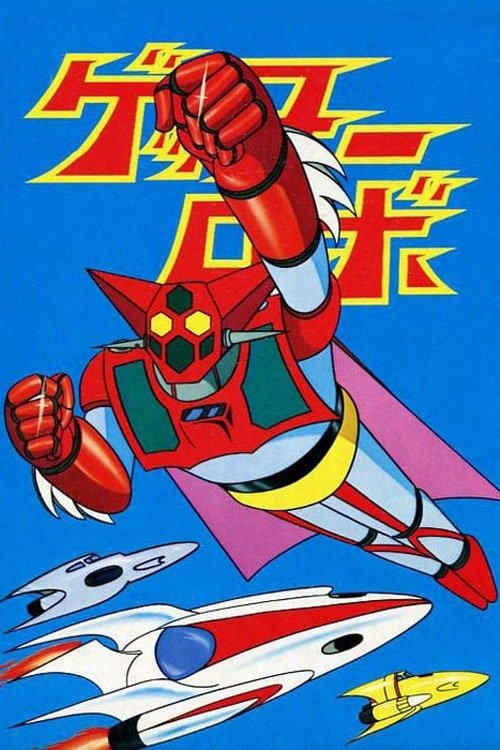
- 1974Getter Robo introduces the combining, transforming multi-pilot machine
- 1979Mobile Suit Gundam reframes mecha as military hardware and starts the real-robot era
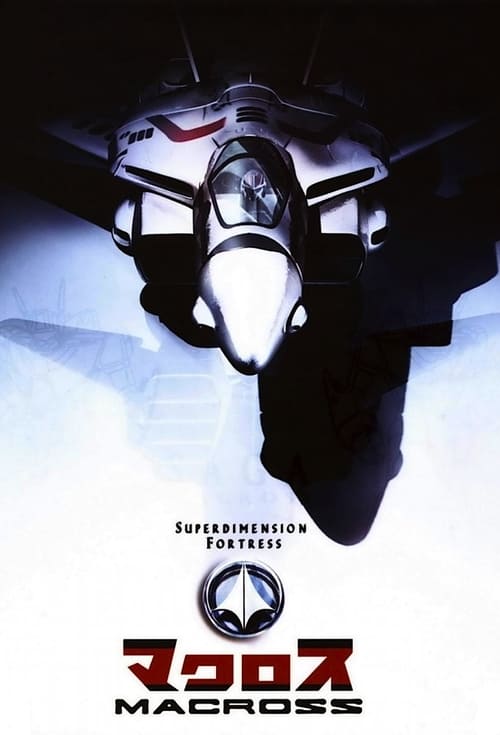
- 1982The Super Dimension Fortress Macross fuses transforming jets, pop idols, and war
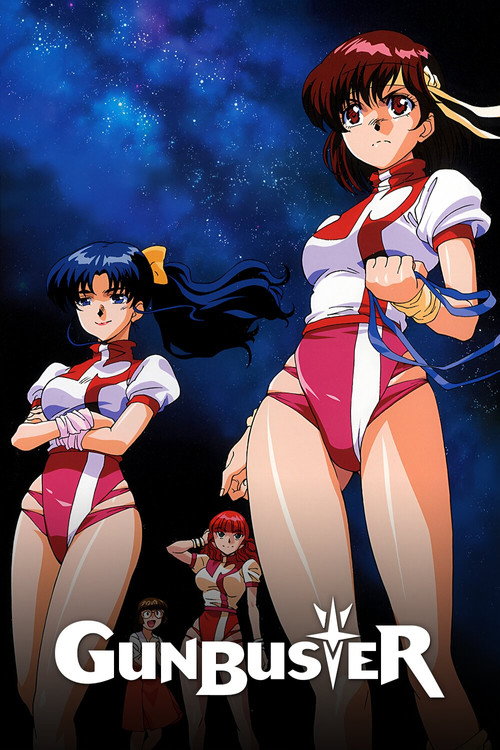
- 1988Gunbuster and Char's Counterattack push the genre toward hard SF spectacle
- 1995Neon Genesis Evangelion detonates the genre and rebuilds it as psychodrama
- 1996MechWarrior 2: Mercenaries cements the Western mecha-simulator strand
- 2002RahXephon and Full Metal Panic! map the post-Evangelion landscape
- 2006Code Geass turns mecha into political chess with Zero as its mastermind
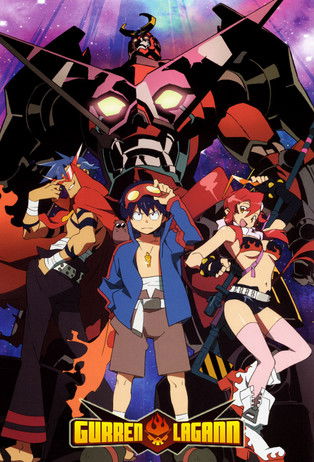
- 2007Tengen Toppa Gurren Lagann answers Evangelion with pure ascendant optimism
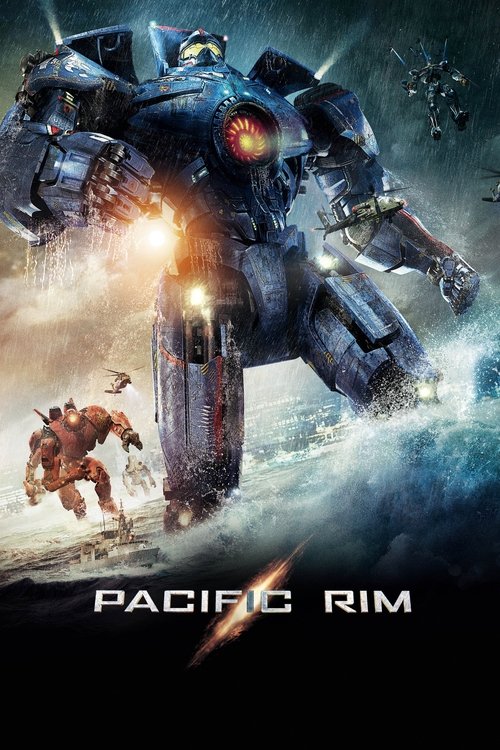
- 2013Pacific Rim carries piloted giant robots back into Western blockbuster cinema
- 2023Armored Core VI: Fires of Rubicon proves the hardcore mecha game is still a hit
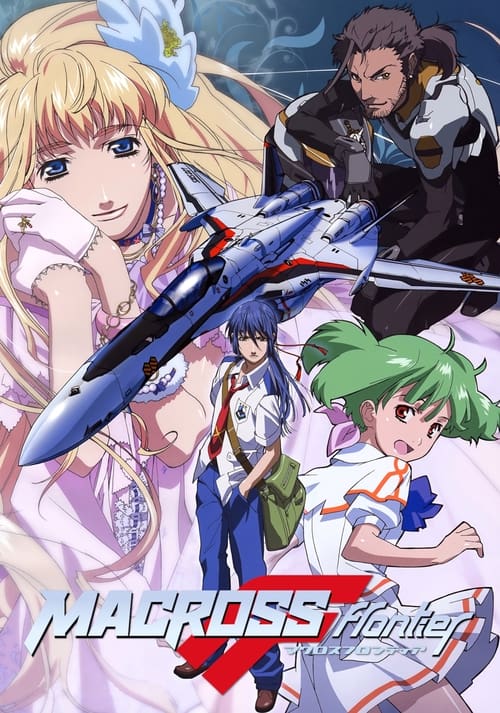
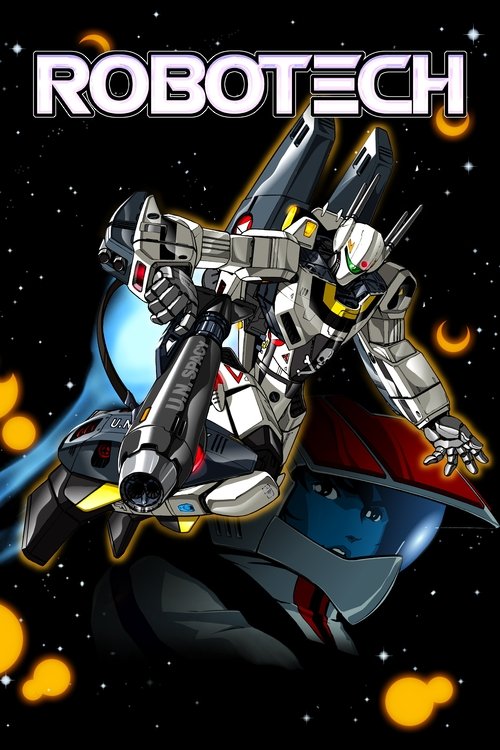
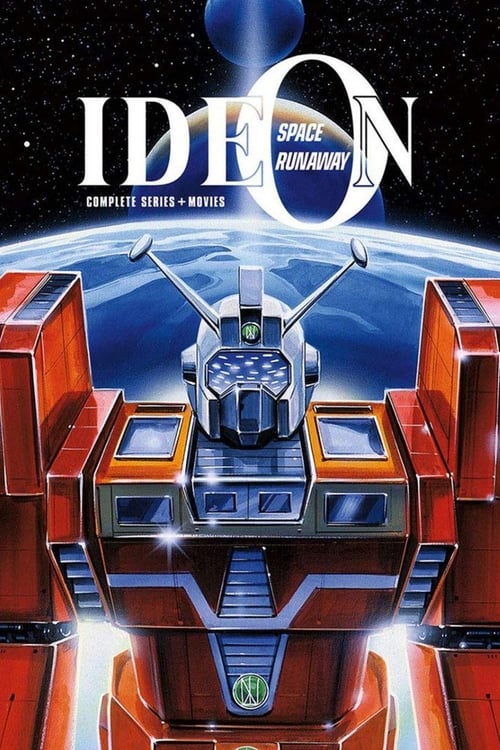
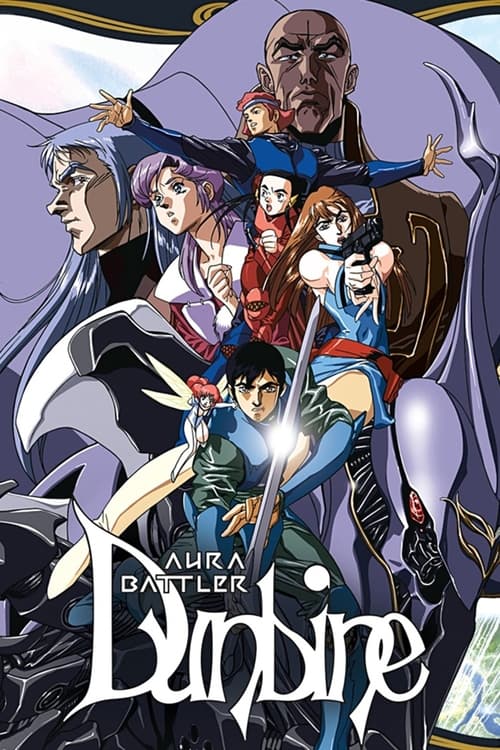
Space operas with cockpits
Star-spanning wars where the fighter is also a mecha and the mecha sings.
Giant robots on the page
The manga, light novels, and prose where the cockpit lives in your head.


The mecha masters
Keep exploring
Space Opera
Explore the Space Opera guide →Frequently asked
What is the difference between a super robot and a real robot?
Super robots (Mazinger Z, Getter Robo, Gurren Lagann) are near-mythic single machines with named finishing moves and no real logistics, powered largely by the pilot's spirit. Real robots (Gundam, Votoms, Full Metal Panic) are mass-produced military hardware with fuel, ammunition, supply lines, and pilots who can die pointlessly. It is the genre's central divide between myth and machine.
Where should I start with Gundam?
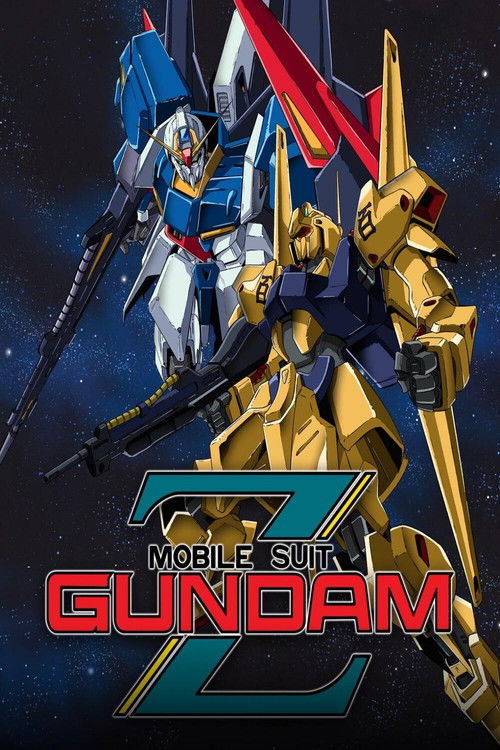
You do not have to watch it in order because most series are self-contained. For a modern entry, start with Iron-Blooded Orphans or The Witch from Mercury. For the classic backbone, the original 1979 Mobile Suit Gundam (or its compilation films) then Zeta Gundam and Char's Counterattack gives you the core Universal Century saga. Gundam Wing or SEED are strong standalone alternate universes.
Do I need to watch the original Evangelion before the Rebuild films?
The four Rebuild of Evangelion films (2007 to 2021) retell and then diverge from the 1995 series, so they technically stand alone. But the emotional payoff of the finale, Thrice Upon a Time, lands far harder if you have seen the original TV series and The End of Evangelion first. Watch the series, then the films, is the recommended path.
What is the best mecha for someone who has never watched anime?
Tengen Toppa Gurren Lagann and Code Geass are the usual gateways: fast, self-contained, and emotionally direct. If you prefer live action, Pacific Rim is the ideal on-ramp. For games, Titanfall 2 and Armored Core VI both let you feel the appeal of piloting a giant machine with zero prior lore.
Are there good mecha stories outside of anime and games?
Yes. Sylvain Neuvel's Themis Files novels (Sleeping Giants, Waking Gods, Only Human) are a grounded Western take on discovering a buried giant robot. Ernest Cline's Armada riffs on the pilot-recruited-through-a-game premise. On screen, The Iron Giant, Pacific Rim, and Real Steel carry the genre in Western film, and the manga of Evangelion, Knights of Sidonia, and Bokurano are essential in print.
Why do so many mecha stories put children in the cockpit?
It started partly as marketing (young viewers wanting a young hero) but Evangelion turned it into the genre's darkest theme: adults handing a world-ending weapon to a traumatized teenager. Series like Bokurano, 86, and Iron-Blooded Orphans lean into the horror of it, using the child pilot to ask what a society is willing to sacrifice for survival.