
The story that crossed one great desert
Cormac McCarthy published No Country for Old Men in 2005, though he reportedly wrote it in the 1980s as a screenplay before reconceiving it as prose fiction. It is the only novel in his career that began as a screen idea, which may explain why its sentences carry an almost unnerving cinematic economy: action on the page, dialogue stripped to bone, the interior voice of Sheriff Ed Tom Bell providing the only shelter from the violence outside.
The story is set in 1980 along the Texas-Mexico border. A welder named Llewelyn Moss stumbles onto the aftermath of a drug deal gone wrong and takes the cash. A killer named Anton Chigurh follows the money with absolute patience and a philosophy of predetermination that turns murder into something close to liturgy. Bell, an aging lawman, tries to understand what he is witnessing and whether he has the tools to stop it.
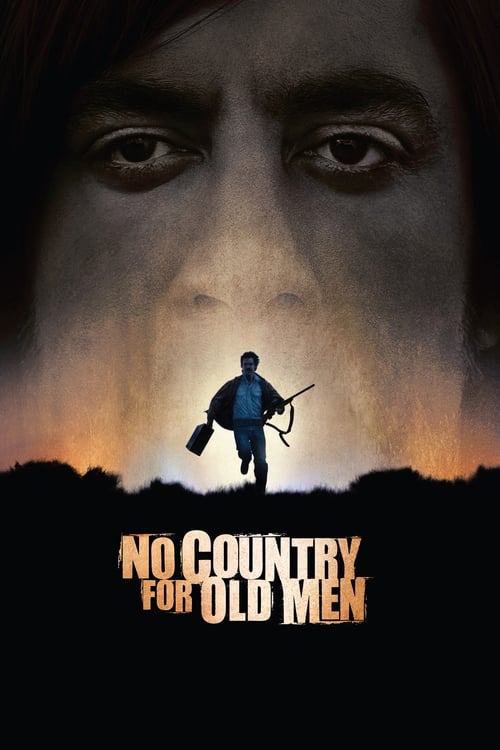
McCarthy had already spent a decade as one of America's most serious novelists (Blood Meridian, the Border Trilogy) but No Country reached a wider audience, in part because it arrived alongside the Coen Brothers' film adaptation in 2007. That film won four Academy Awards including Best Picture, and its version of Chigurh, played by Javier Bardem, became one of the most discussed screen villains of the century. The novel and the film are in close conversation: the Coens adapted the book with unusual fidelity, and readers moving between the two find two works that sharpen each other rather than compete.
Beyond the novel and the film, the story has not spawned sequels, prequels, remakes, or television spin-offs. There is no graphic novel adaptation, no authorized stage version in wide circulation, no video game. What we have is two versions of the same story, one in prose and one on screen, both very good, and then silence.
The story across time
- 2005McCarthy publishes the novel No country for old men
- 2007Coen Brothers adaptation wins Best Picture No Country for Old Men
You can't stop what's coming. It ain't all waiting on you. That's vanity.Ellis to Sheriff Bell, No Country for Old Men (2007)
The novel is the definitive version, but only just
The Coen Brothers film is an extraordinary piece of filmmaking, but McCarthy's novel has something the film cannot replicate: the voice of Sheriff Bell, delivered in long paragraphs that open each chapter, ruminating on old age, God, and the feeling that the world has outrun him. Those passages are where the book's real argument lives. Bardem's Chigurh commands every scene he enters, and the film's silences are perfectly calibrated, but the novel's Bell is deeper and sadder, and the ending lands harder on the page than on screen because you have been living inside his mind for two hundred pages.

The film is the one to start with if you are new to either
For someone who has not read the novel or seen the film, the Coen Brothers version is the better entry point. Its pacing is immediate, its performances (Bardem, Tommy Lee Jones, Josh Brolin) carry the weight of the story without explanation, and the decision to end the film where they do remains one of the braver choices in American mainstream cinema of that decade. Watch it, then go to the novel to hear Bell's full interior voice. The book will seem richer for the context.
There is no version to skip, but the story is genuinely hard
No Country for Old Men does not resolve in the conventional sense. It does not offer catharsis. Both the novel and the film end on grief and philosophical exhaustion rather than victory. Readers and viewers who need a plot that closes cleanly will find neither version satisfying. That is not a flaw. It is the point. But it is worth knowing before you sit down with either.
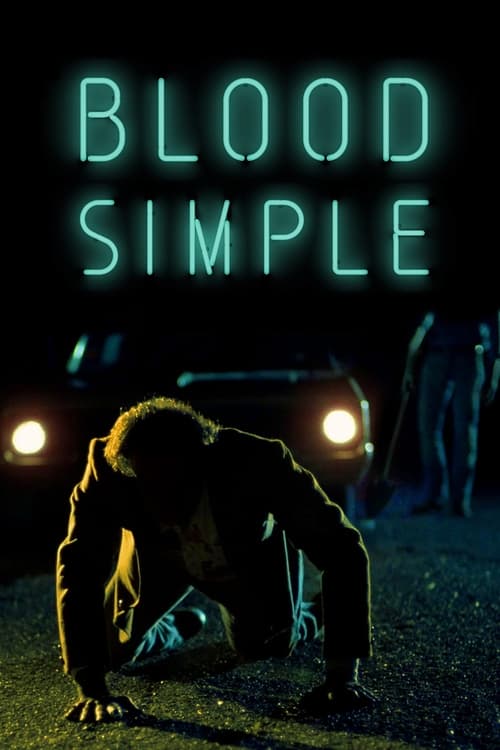
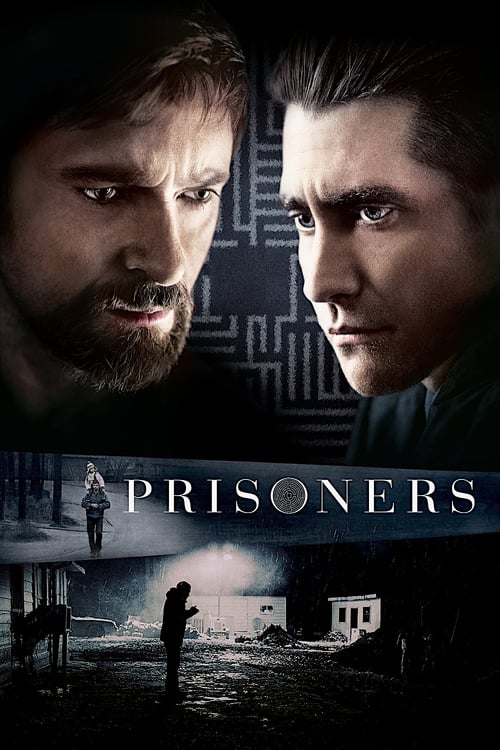
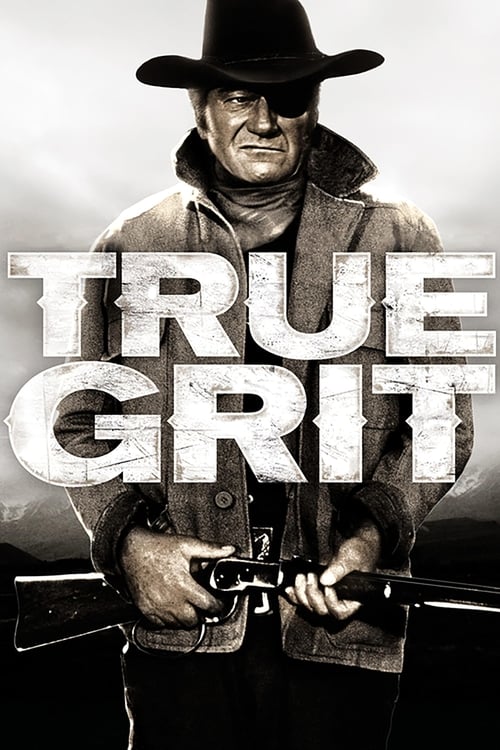
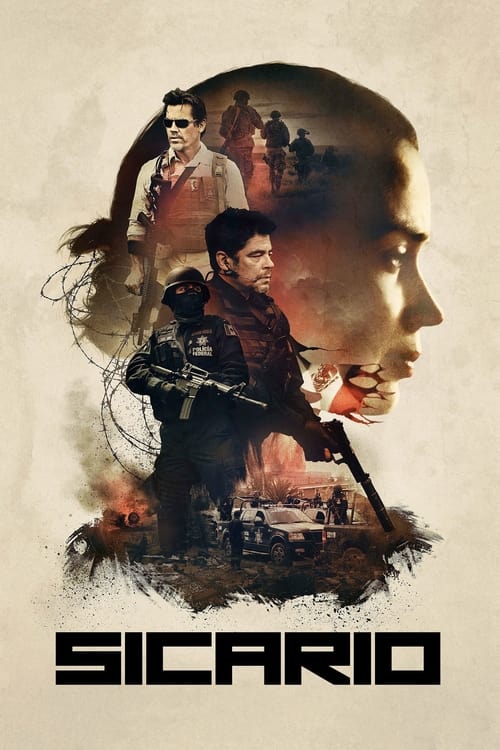
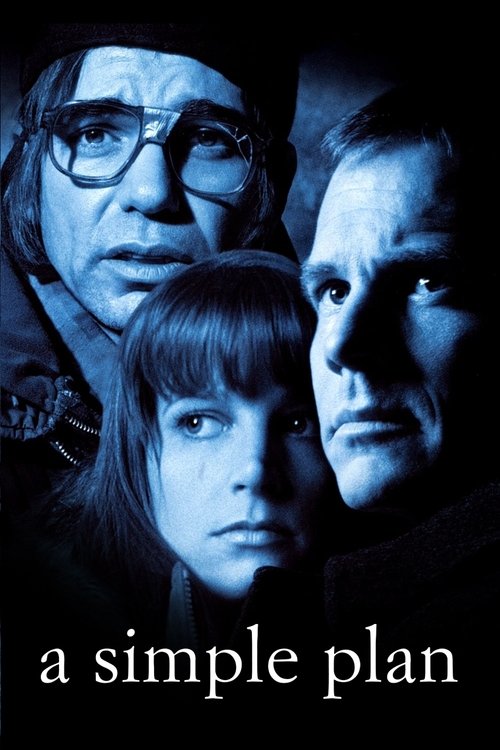
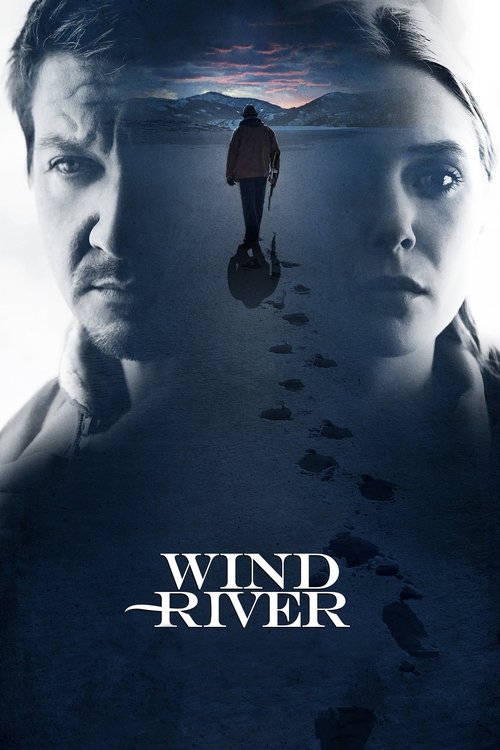
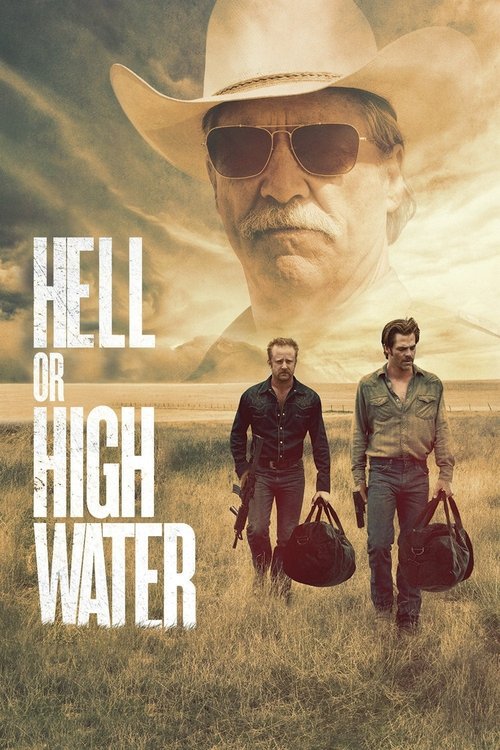
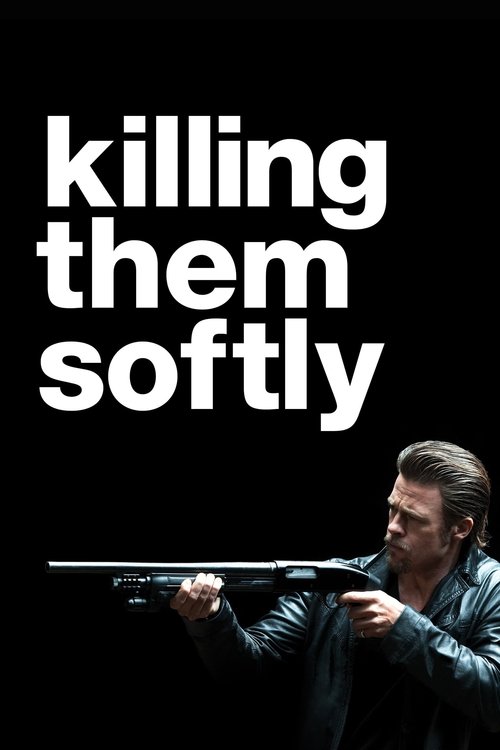
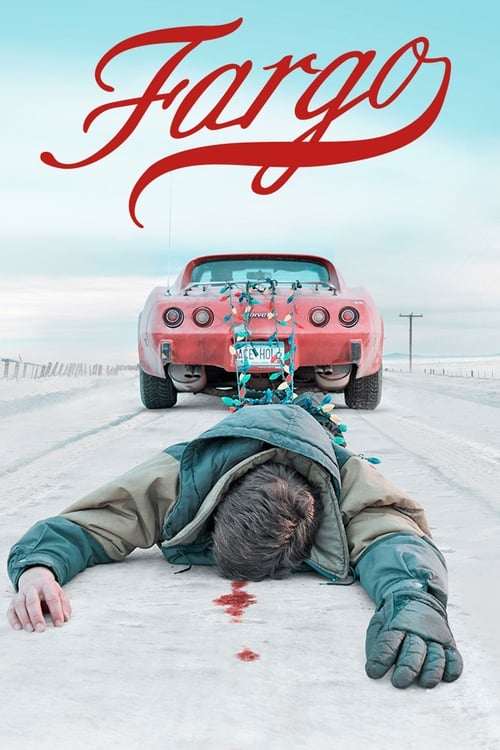
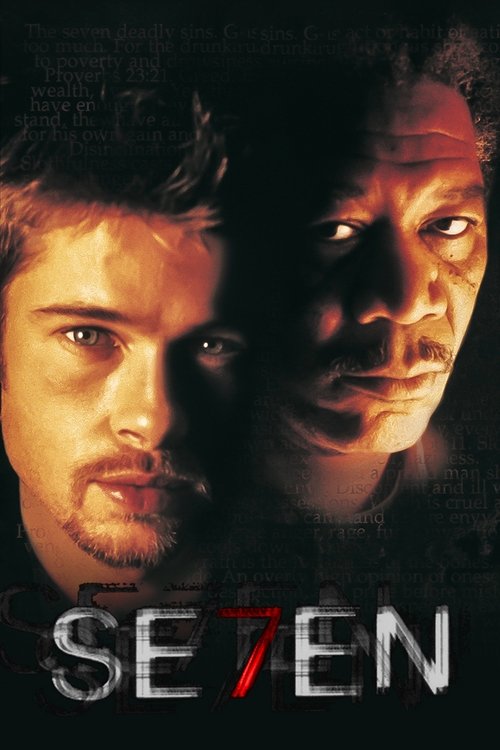
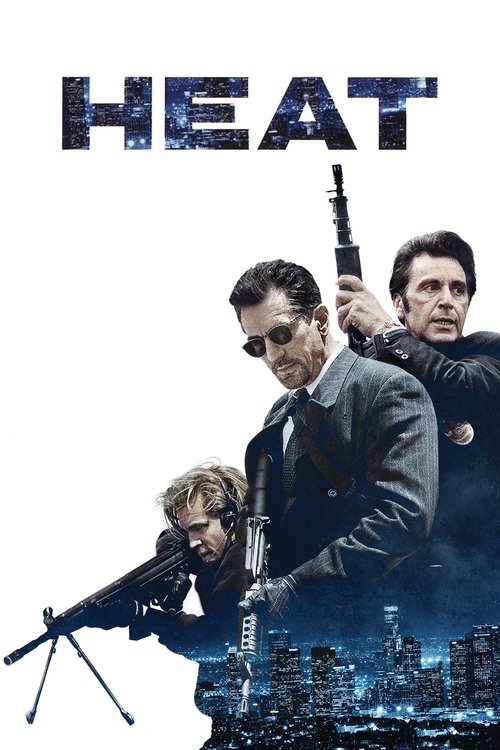
If you love the film: great crime thrillers with the same weight
Violence, fate, and men out of their depth
If you love the novel: McCarthy and writers like him
Prose that treats violence as philosophy


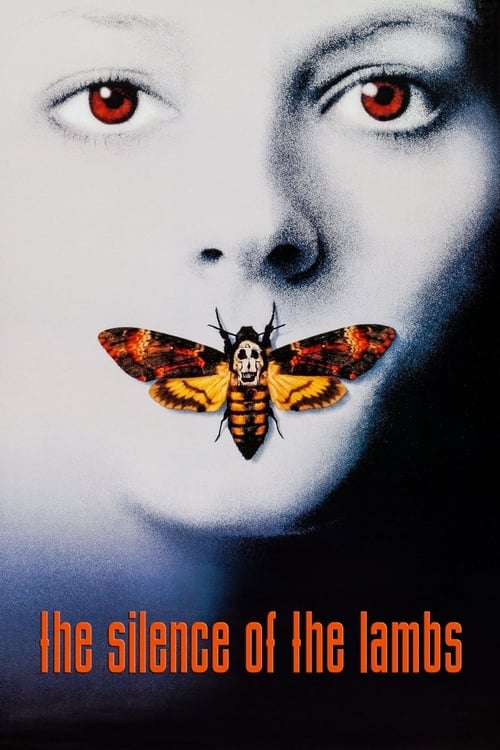
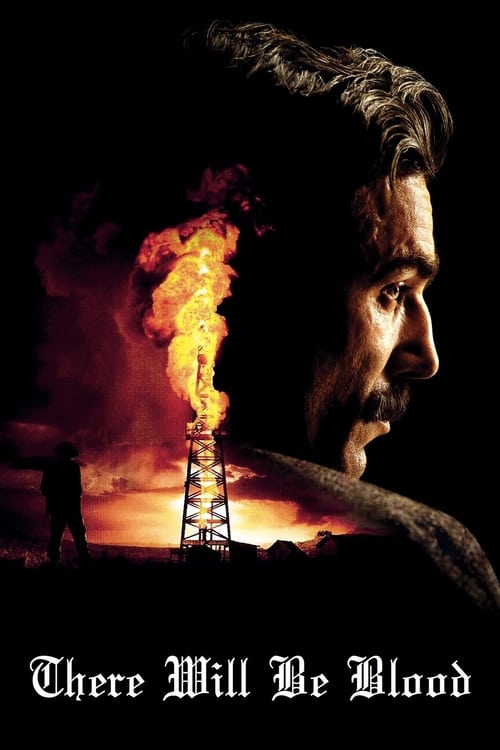
If you love Anton Chigurh: iconic screen villains with a philosophy
Characters whose menace comes from conviction, not just cruelty


If you love the border and the landscape: Southwest noir across media
Stories where the geography is as threatening as the characters