
The Shape of American Dread
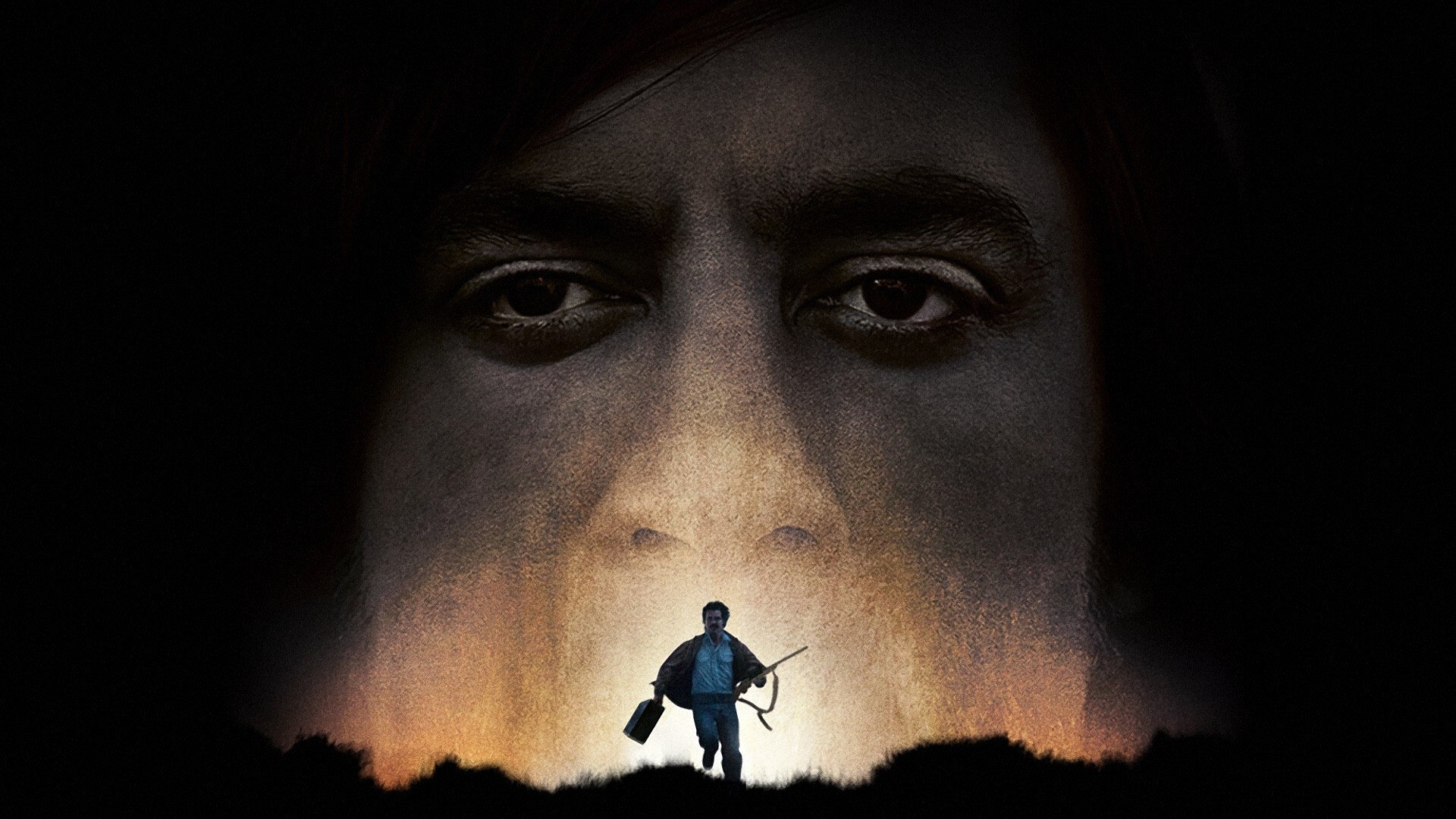
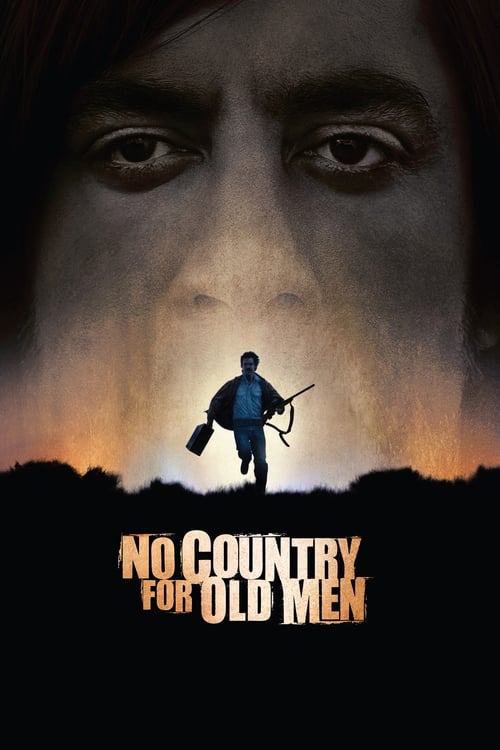
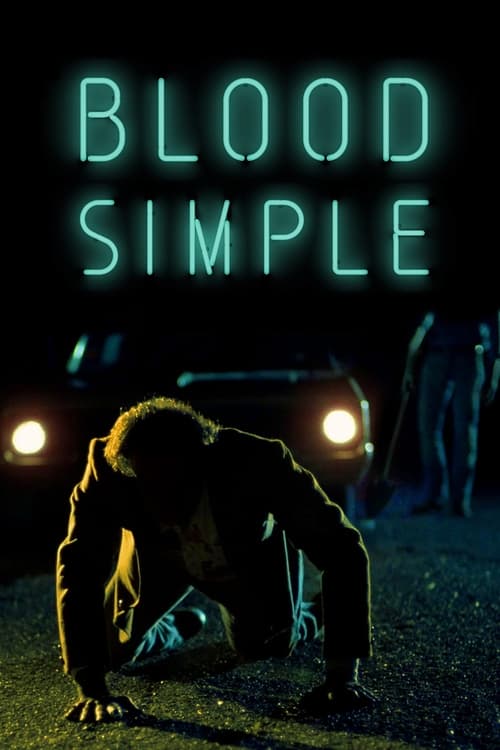
Joel Coen, working for nearly four decades alongside his brother Ethan and then alone, made films that are distinctly American in the way that good country music is American: funny and brutal at the same time, rooted in folk traditions while being completely their own thing. The Coens are interested in a specific kind of human failure, the moment when a person makes one bad decision and watches the consequences multiply until they are completely beyond reckoning. Fargo begins with a car trunk and a parking lot argument. No Country for Old Men begins with a man finding money in the desert. Blood Simple begins with an affair. None of these people intend for things to go the way they do.
The films have a texture that is immediately recognizable: long stretches of stillness broken by sudden, casual violence; dialogue that circles its subject like a nervous animal; landscapes (the frozen plains of Minnesota, the Texas borderlands, the Mississippi bayou, the mean streets of 1940s Los Angeles) that feel like moral weather. Running underneath all of it is a deep appreciation for American vernacular speech, for the way people talk when they are trying not to say what they mean.
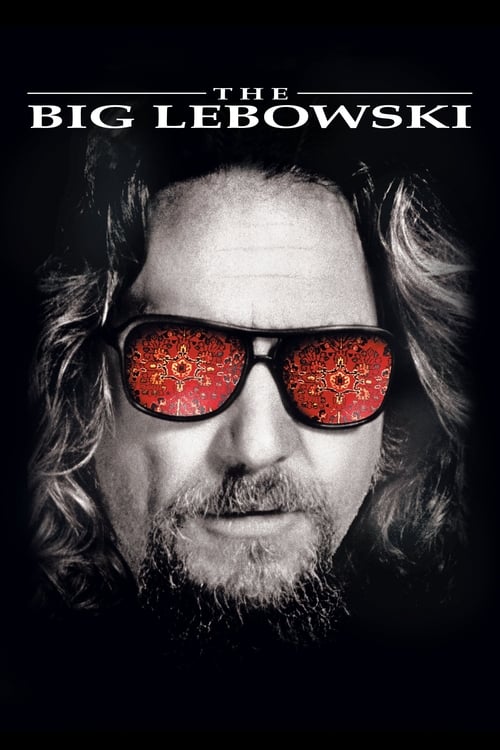
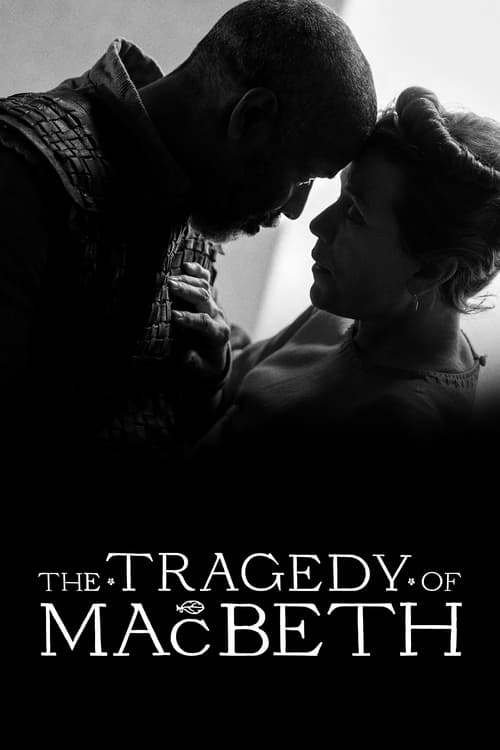
Joel directed The Tragedy of Macbeth (2021) solo, a stripped-down, high-contrast black-and-white adaptation that confirmed the sensibility was always his as much as his brother's. Whether you arrived through the Dude's bathrobe or Anton Chigurh's cattle gun, the through-line is the same: these are movies that believe the world is strange and people are stranger, and that finding that funny is not incompatible with finding it terrifying.
Essential Joel Coen
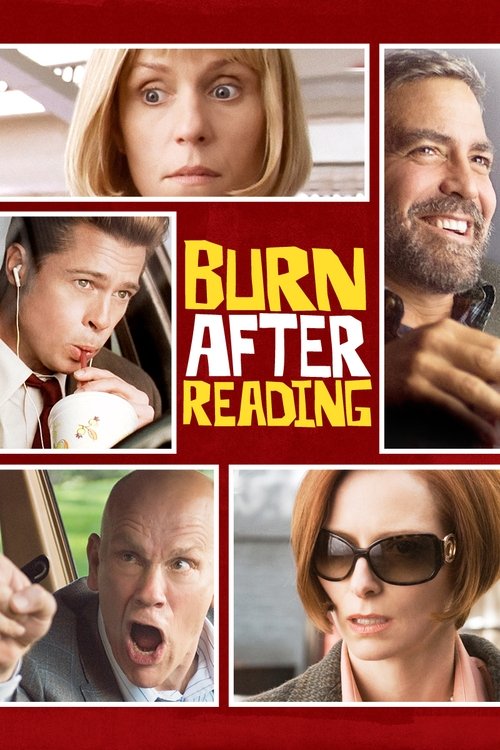
The Coen Brothers filmography, from debut to solo work
Start with Fargo
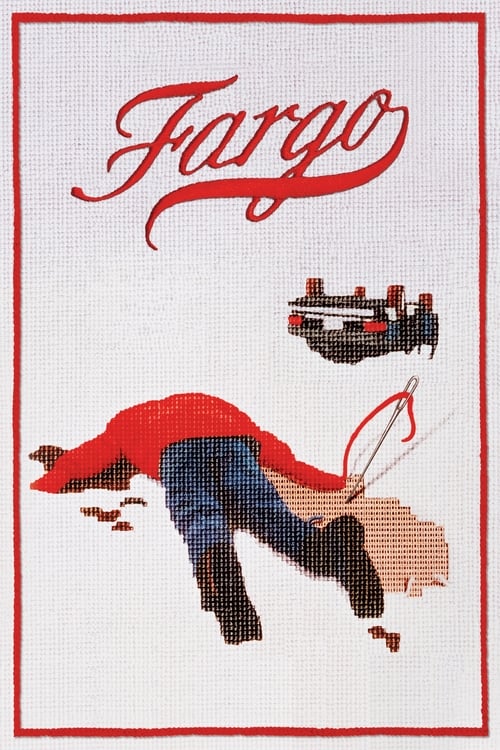
If you have not seen a Coen Brothers film before, Fargo is where to begin. Not because it is the most complex or the most celebrated, but because it holds everything they do in perfect balance: the deadpan humor, the operatic violence, the regional specificity, and the moral clarity underneath all the irony. Marge Gunderson is one of the great characters in American cinema, and the contrast between her decency and the chaos she is investigating is exactly the emotional engine that powers all the Coen work. Start here, then go backward and forward from it.
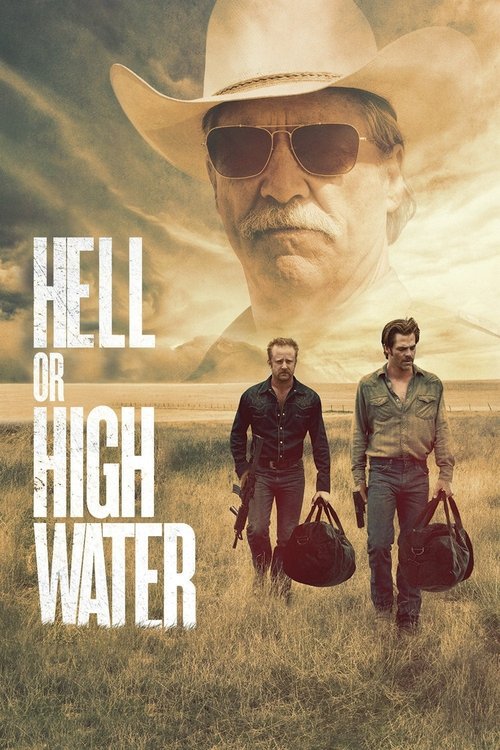
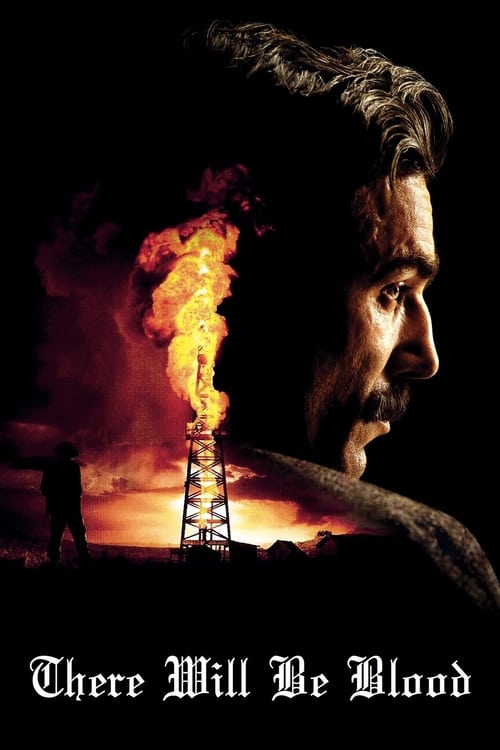
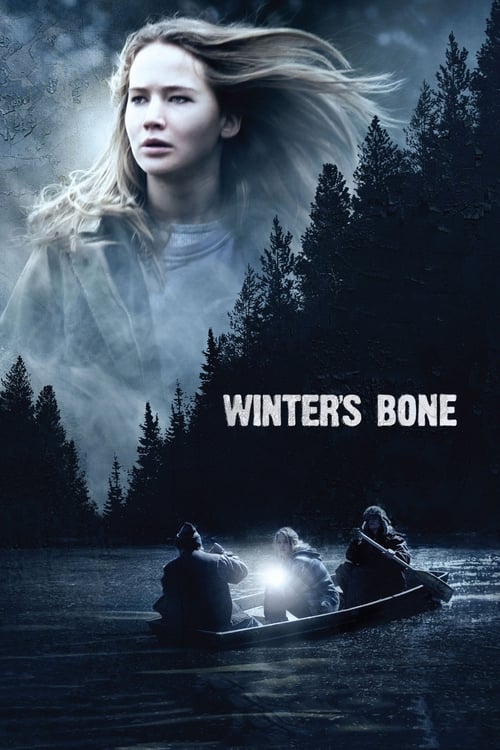
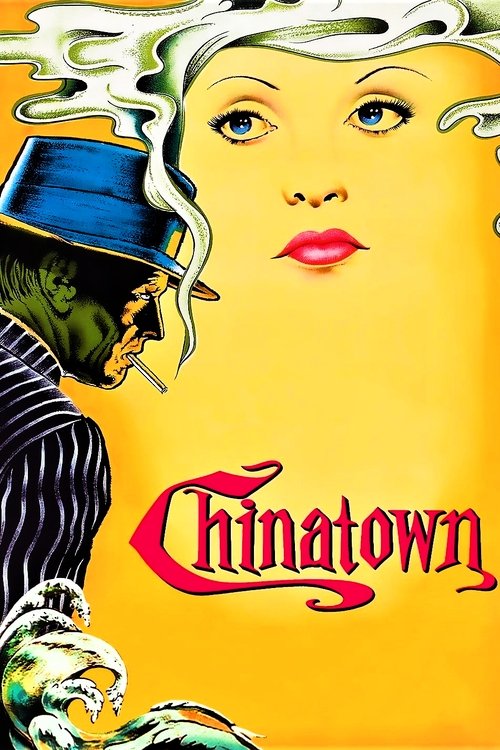
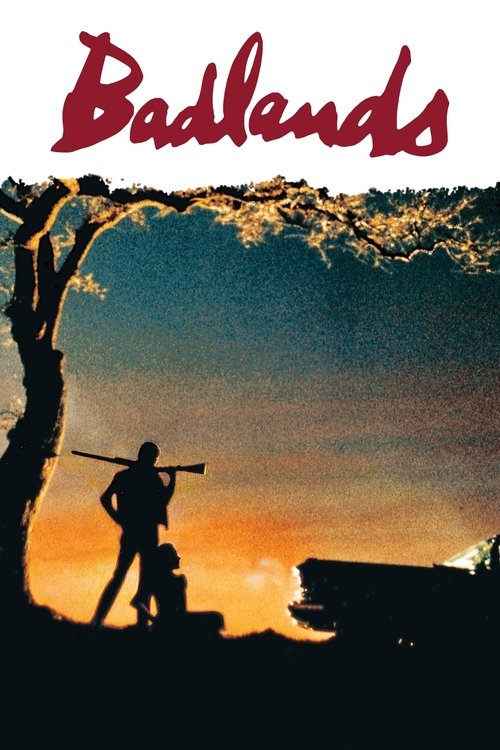
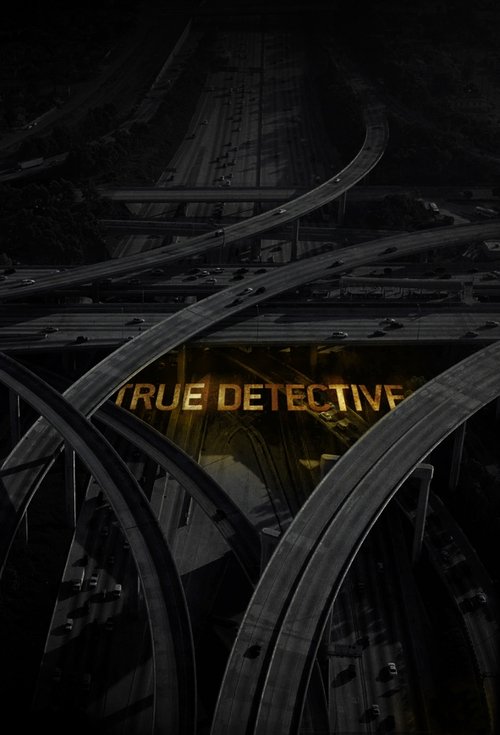
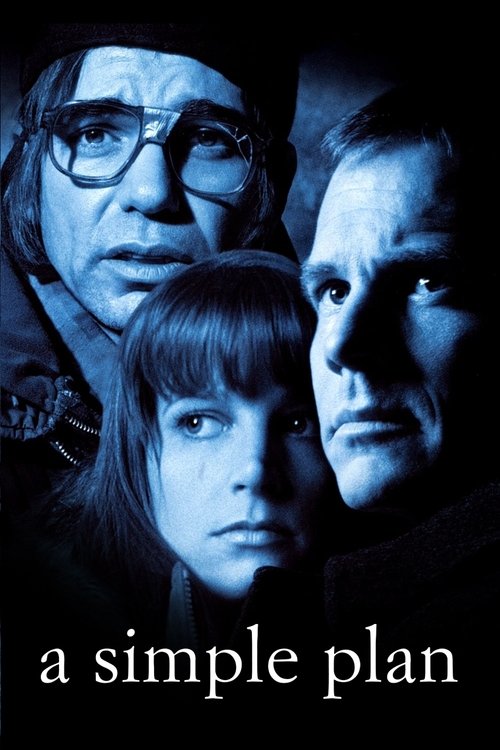
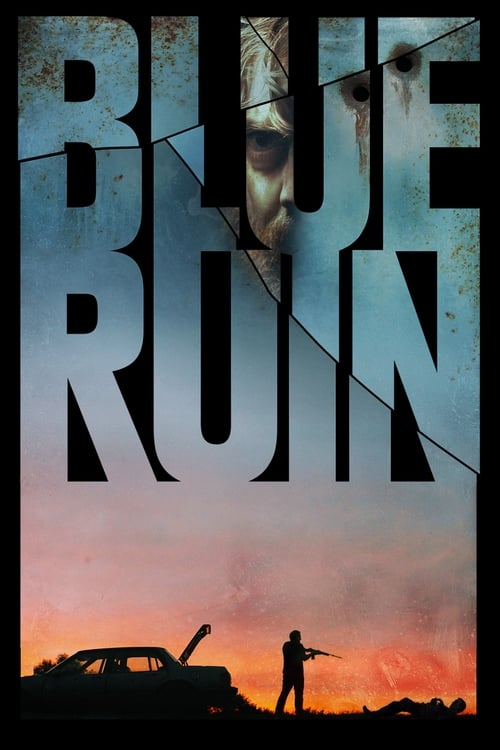
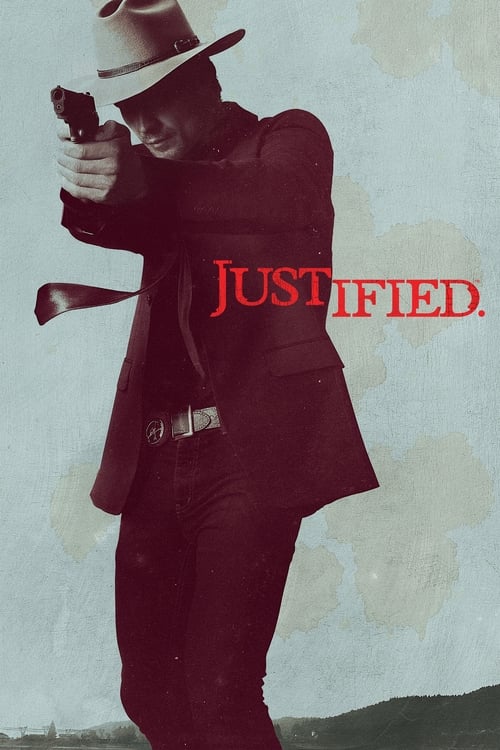
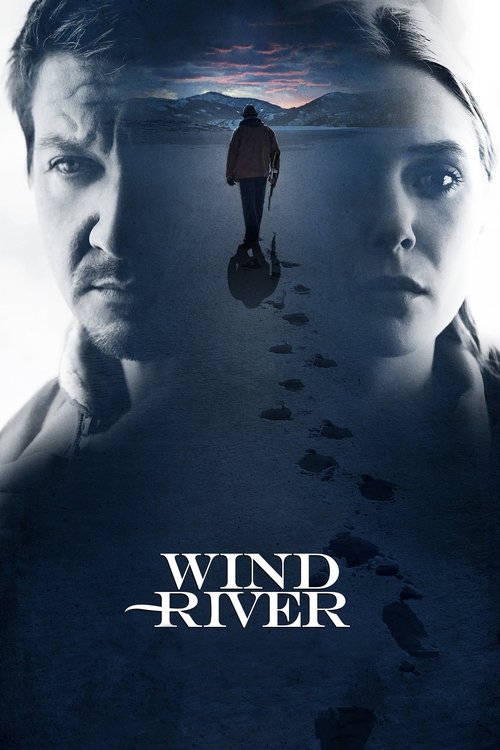
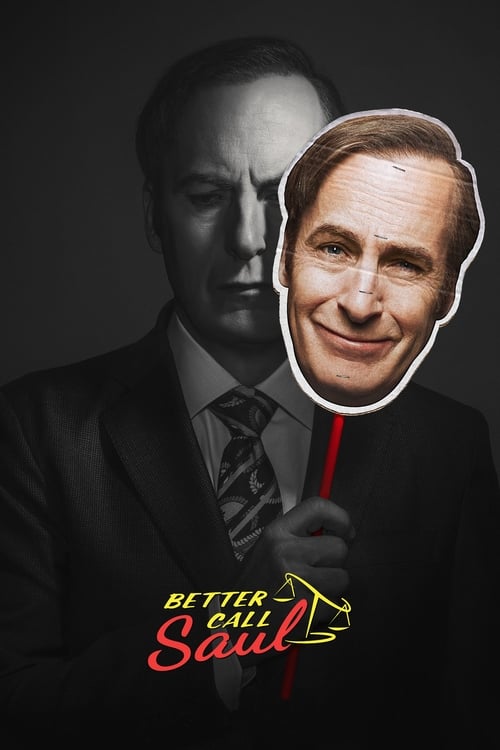
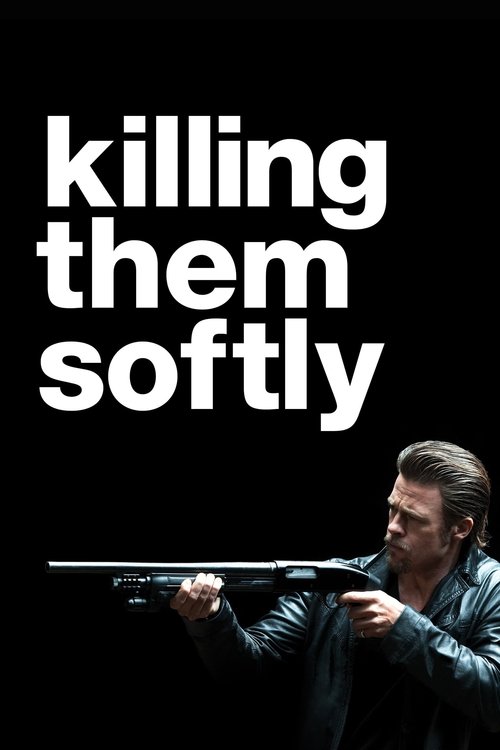
Crime at the Edge of the Map
Neo-noir and frontier violence with the same chill running through it



The World as Written
Stories on the page that feel like Coen country: bleak, precise, and alive to black comedy


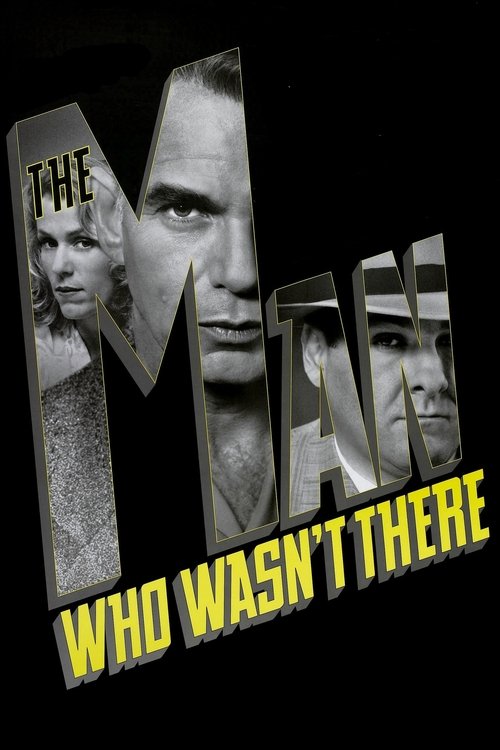
The Underrated One: The Man Who Wasn't There
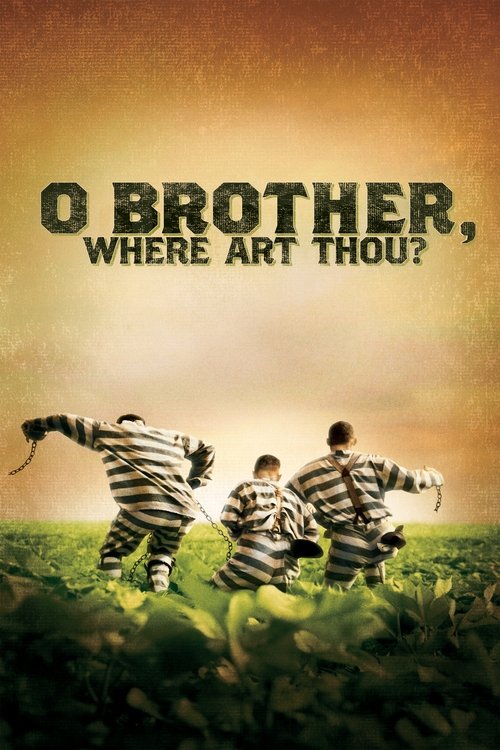
The Man Who Wasn't There (2001) gets lost between O Brother and No Country in most people's Coen itinerary, which is a shame because it is one of the most disciplined and genuinely strange things they ever made. Roger Deakins shot it in black and white, and the flat, airless quality of the cinematography matches Ed Crane's interior life perfectly: a barber who never talks, who watches everyone around him make decisions, who decides to do one thing and watches it detonate. It is a film about postwar California, about existential nullity, about a man defined entirely by what he does not feel. Most people who love the Coens miss it entirely.
When you look at the work as a whole, it is about people who think they have a plan. They never have a plan. They have a wish.On the recurring structure of Coen Brothers films
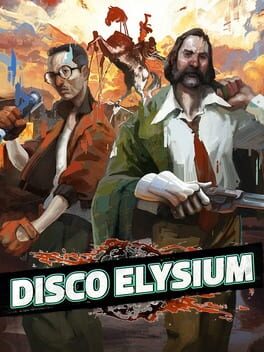
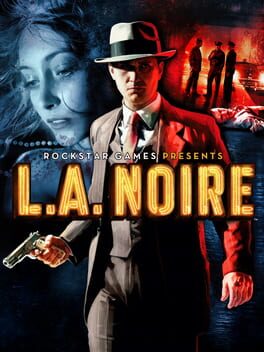
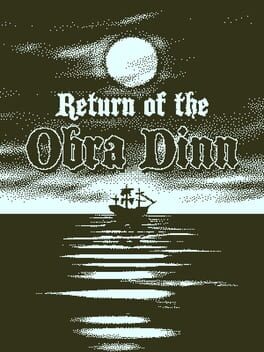
Narrative Games That Understand Moral Weight
Games where the writing matters and choices have consequences that actually hurt
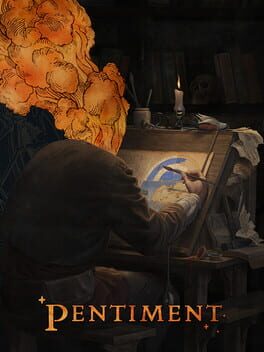
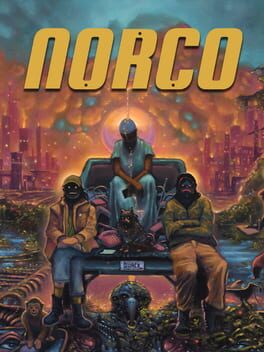
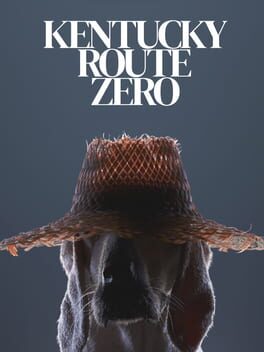
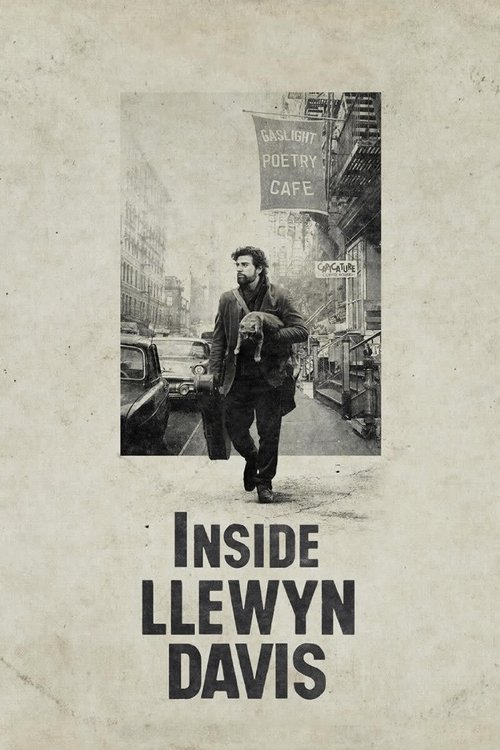
Inside Llewyn Davis is their saddest film, and their most honest about how talent works
Every Coen film involves a character who thinks they understand the rules and discovers they do not. In Inside Llewyn Davis, the rules are the folk music scene of early 1960s New York, and the discovery is that talent is not sufficient, that being right about what matters does not mean anyone will care. The film is circular by design, which is either devastating or maddening depending on your temperament. Either way, it contains some of the best music in any Coen film, and Oscar Isaac gives a performance that is physically uncomfortable to watch in the best way: a man who is his own obstacle.
The Sounds of Coen Country
Music that shares the geography: Americana, folk, and the blues of men with nothing left to lose
Disco Elysium is the closest any game has come to Coen-style dialogue
Disco Elysium shares something deep with the Coens: the conviction that people are mostly confused about who they are, that ideology is a coping mechanism, and that the world is funnier and sadder than either position fully captures. The detective at the center of it is a figure of operatic self-destruction trying to reconstitute himself from first principles. The writing has the same quality the Coen Brothers get from their best actors: a sense that every line is slightly sideways from what you expected, and that the gap between the expected and the actual is where all the meaning lives.
The Coen Brothers Filmography
- 1984Blood Simple Blood Simple
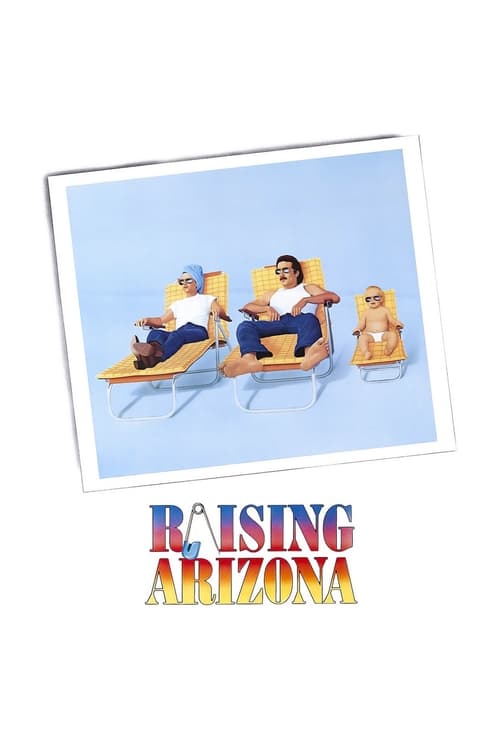
- 1987Raising Arizona Raising Arizona
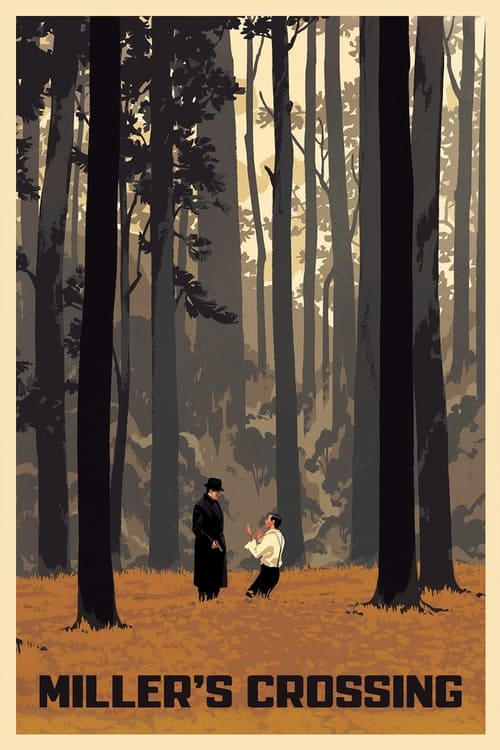
- 1990Miller's Crossing Miller's Crossing
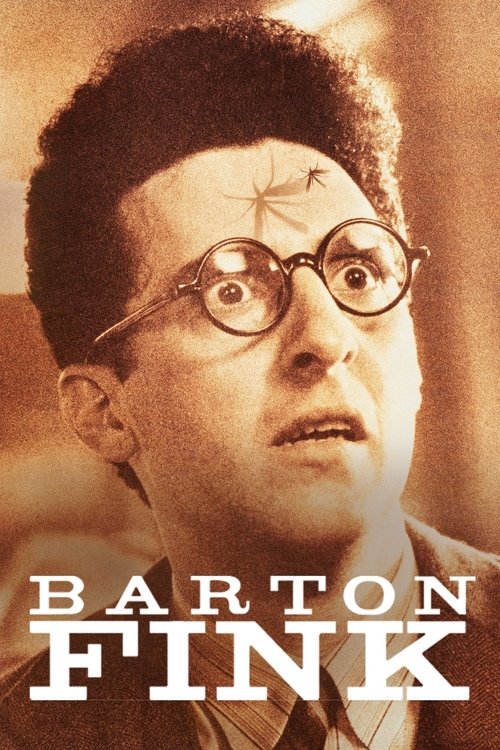
- 1991Barton Fink (Palme d'Or) Barton Fink
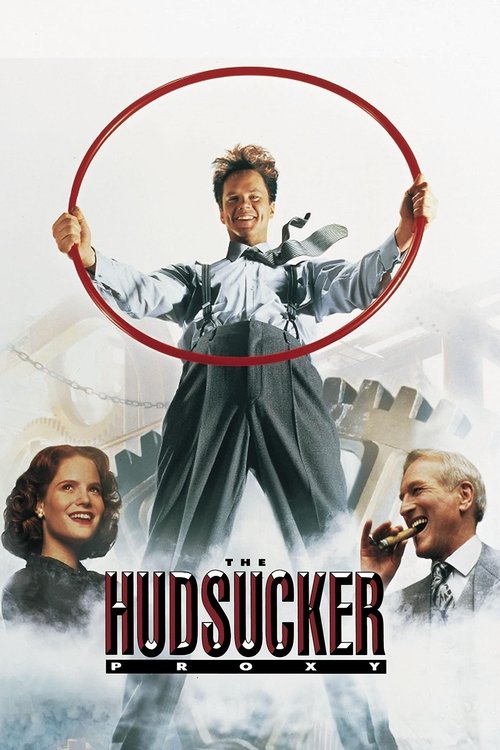
- 1994The Hudsucker Proxy The Hudsucker Proxy
- 1996Fargo Fargo
- 1998The Big Lebowski The Big Lebowski
- 2000O Brother, Where Art Thou? O Brother, Where Art Thou?
- 2007No Country for Old Men (Best Picture) No Country for Old Men
- 2013Inside Llewyn Davis Inside Llewyn Davis
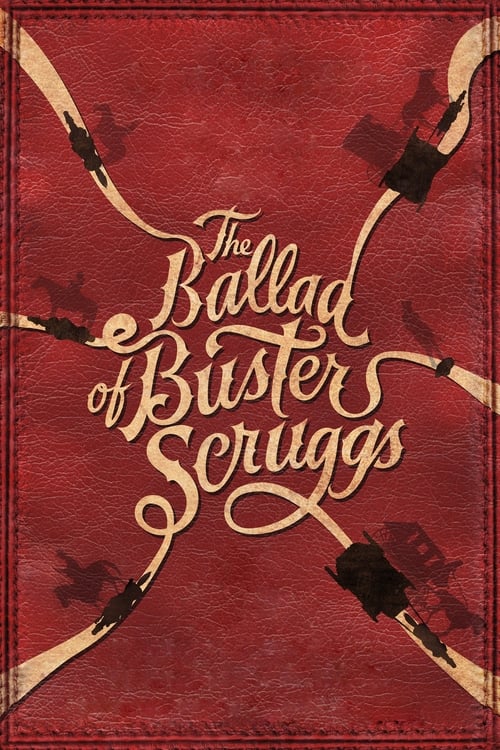
- 2018The Ballad of Buster Scruggs The Ballad of Buster Scruggs
- 2021The Tragedy of Macbeth (Joel solo) The Tragedy of Macbeth