
Cormac McCarthy spent decades writing in near-total obscurity before the world caught up with him. The prose was always there, biblical and unrelenting, stripped of quotation marks and comfortable punctuation, insisting you slow down and feel every word. What McCarthy gives his readers is not plot so much as confrontation: with the randomness of violence, with the indifference of the natural world, with the question of whether good men can survive in a cosmos that has no use for goodness. From the Tennessee hills of his early work to the Sonoran wasteland of Blood Meridian to the ash-grey future of The Road, the terrain shifts but the central inquiry stays fixed. His fans come for the writing and stay because no one else asks the same questions with the same unflinching honesty.
Essential Cormac McCarthy
The novels that made him one of the most demanding and rewarding writers in American fiction


McCarthy on Screen
The adaptations that translated his relentless prose into images, from perfect to provocative

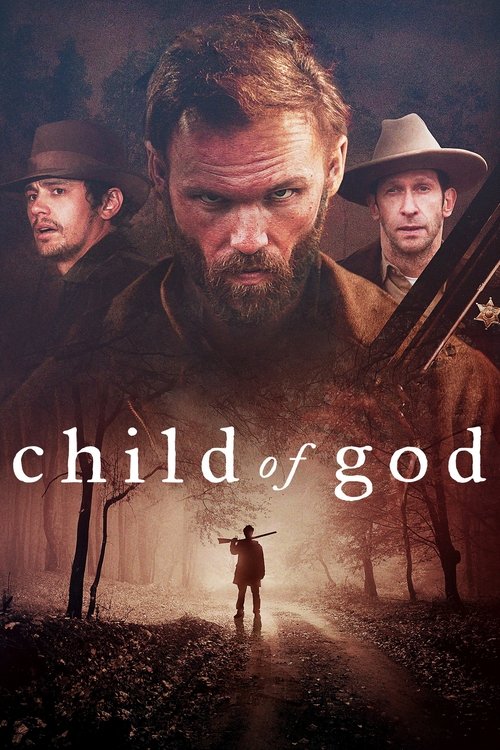
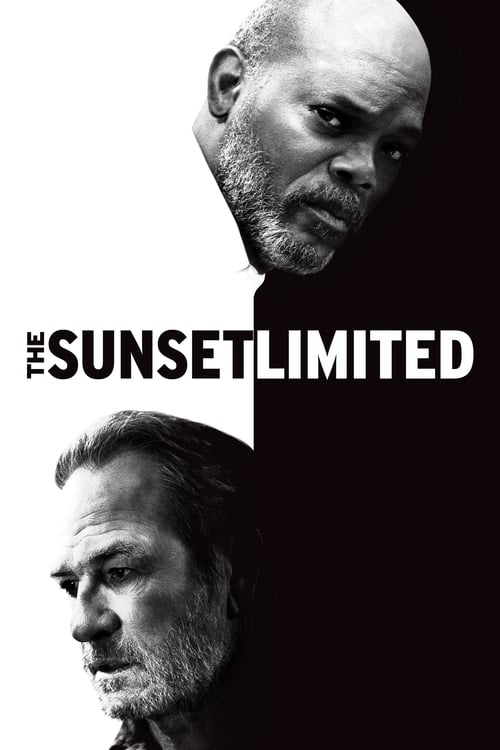
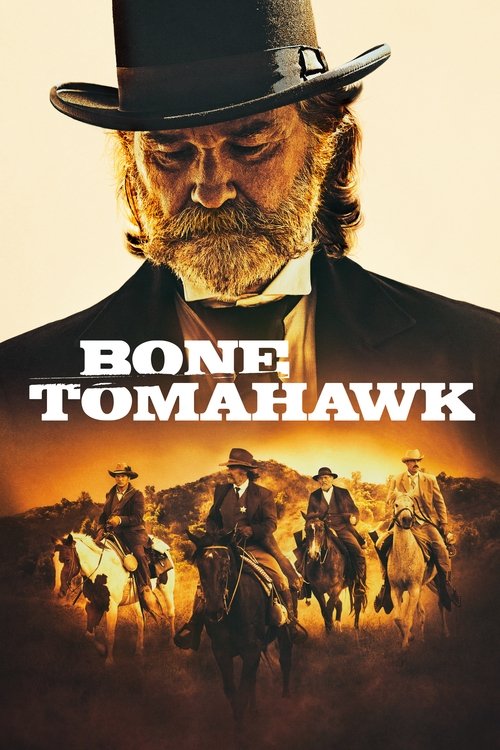
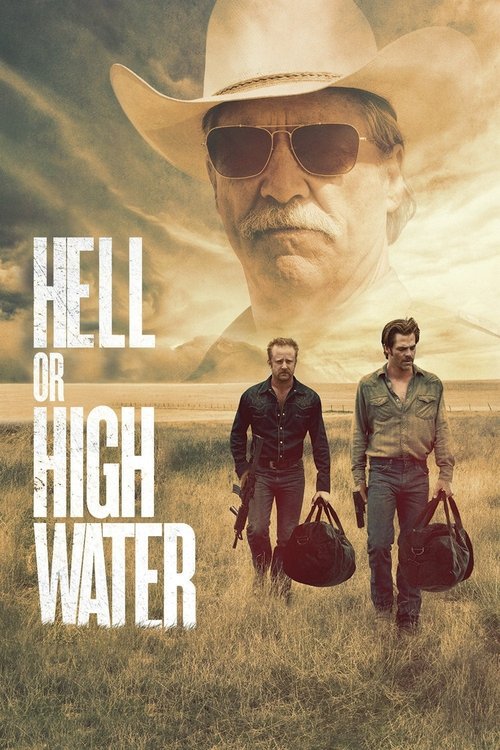
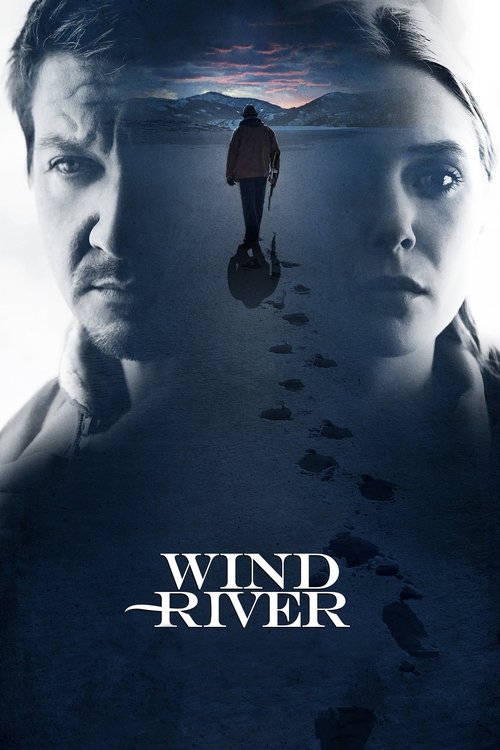
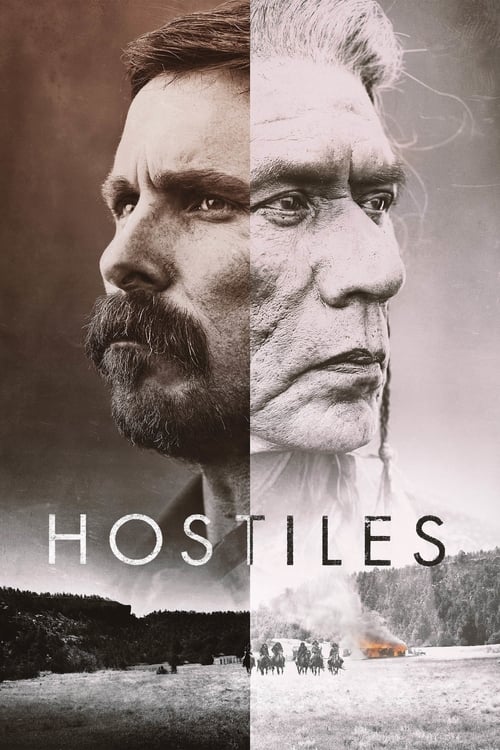
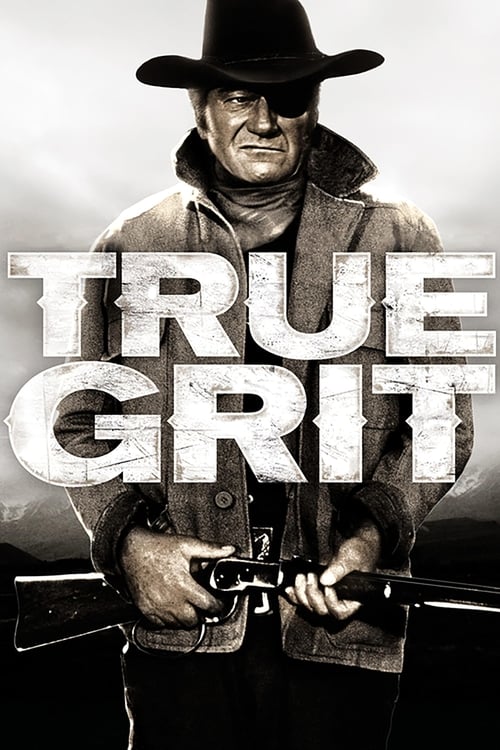
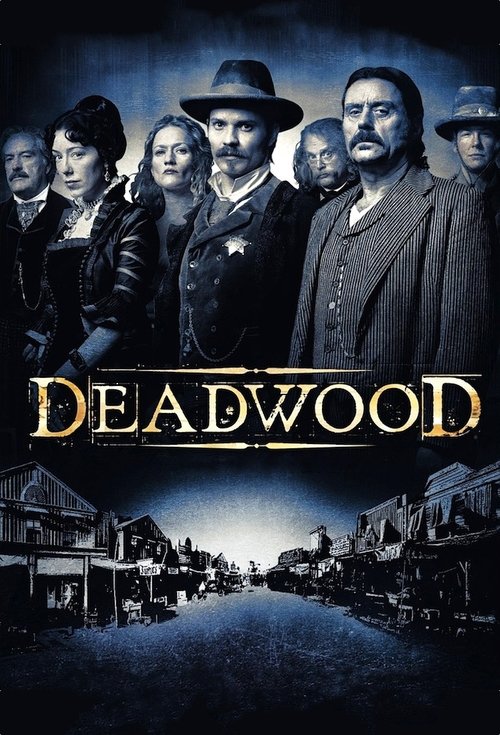
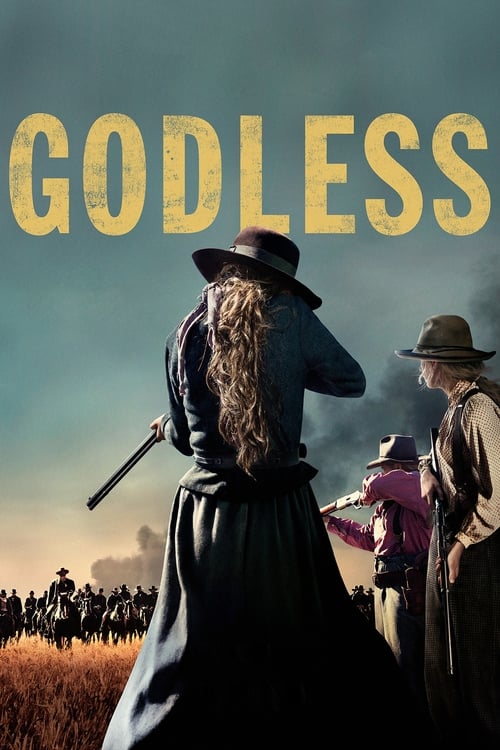
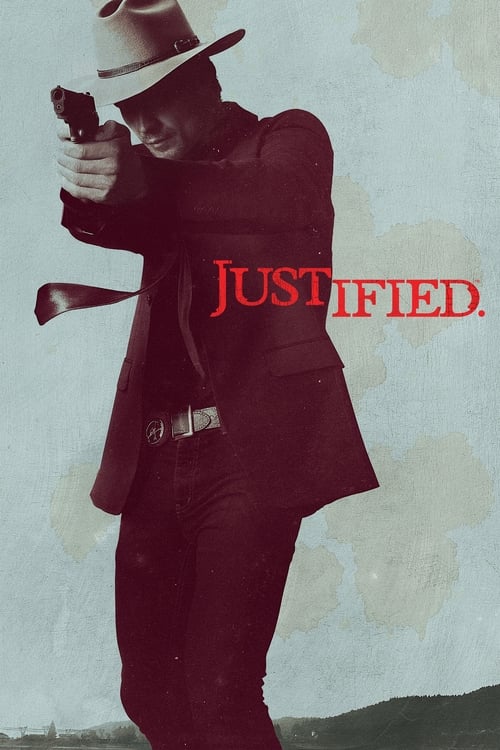
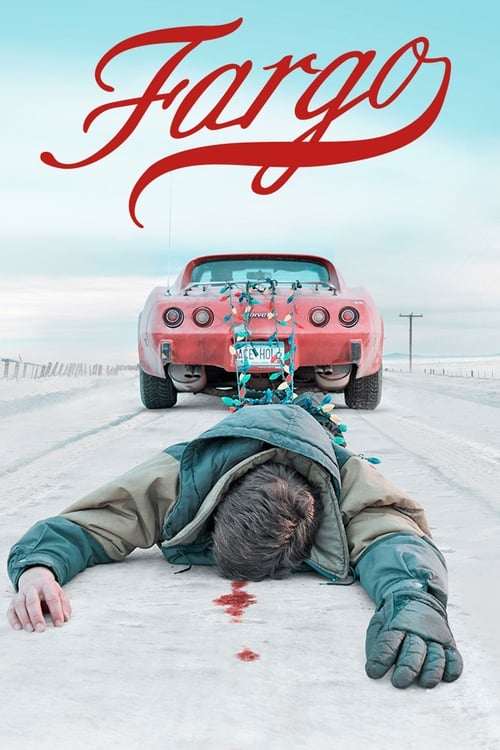
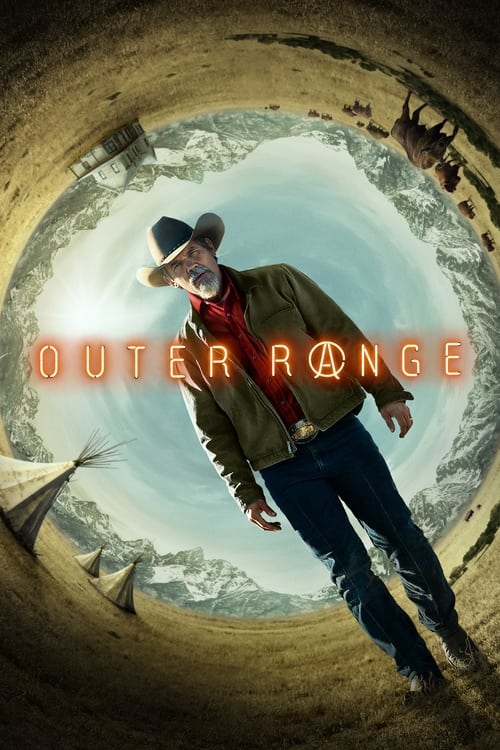
If You Love the Bleak American Frontier
Films and series that share McCarthy's eye for violence, landscape, and moral weight
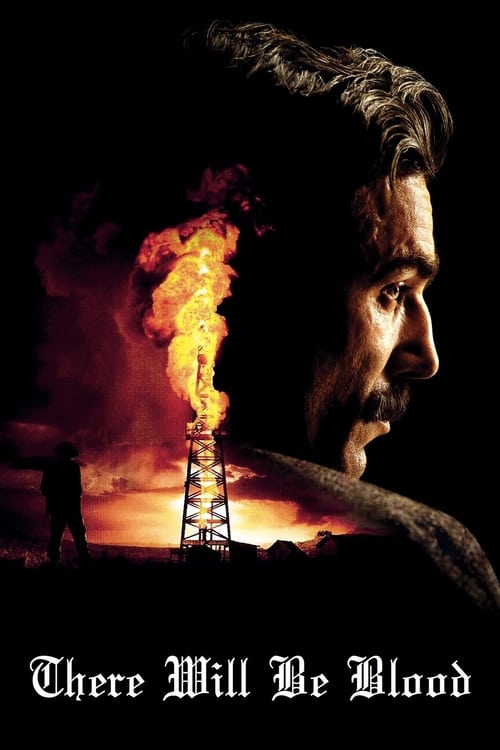

If You Love the Existential Crime Strand
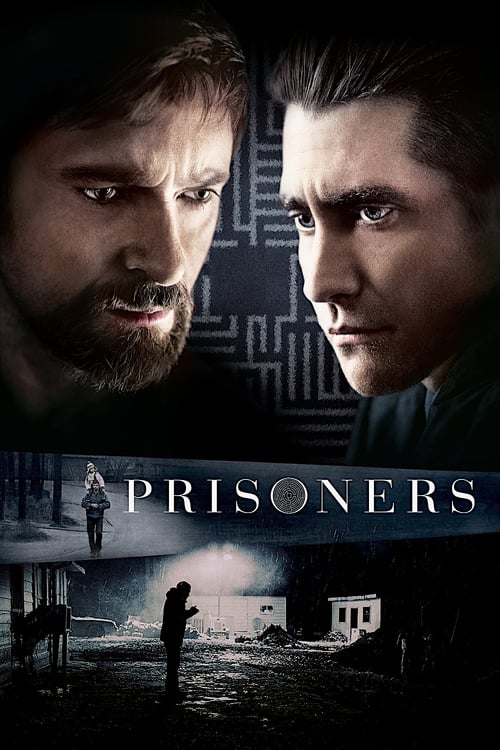
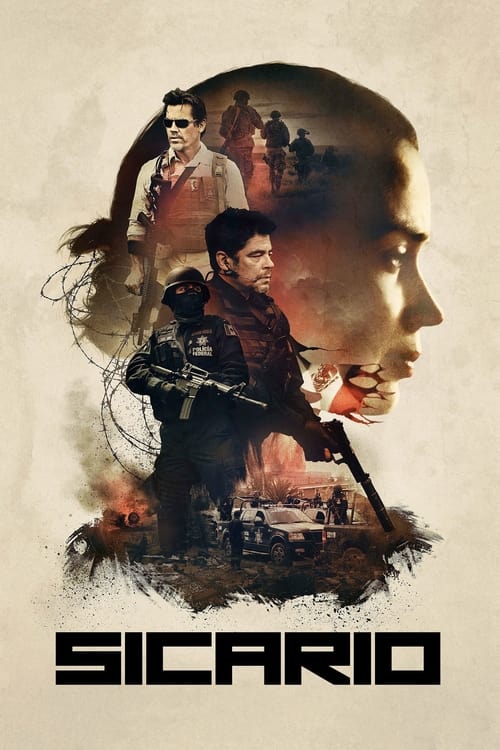
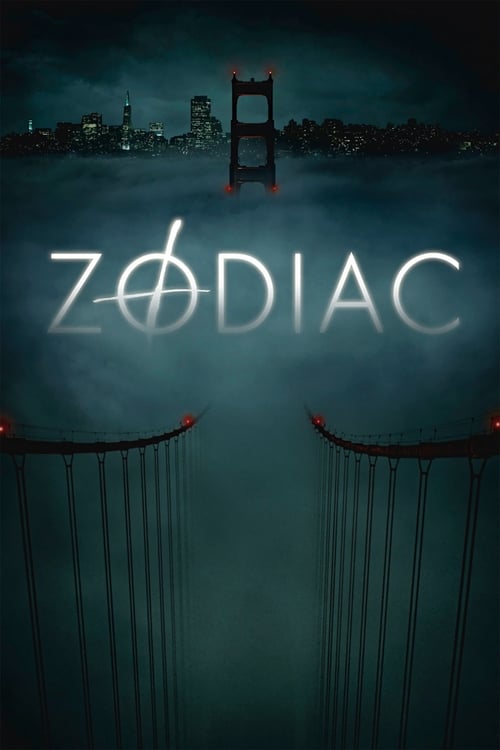
From No Country for Old Men's implacable killer to other stories where evil is a force of nature
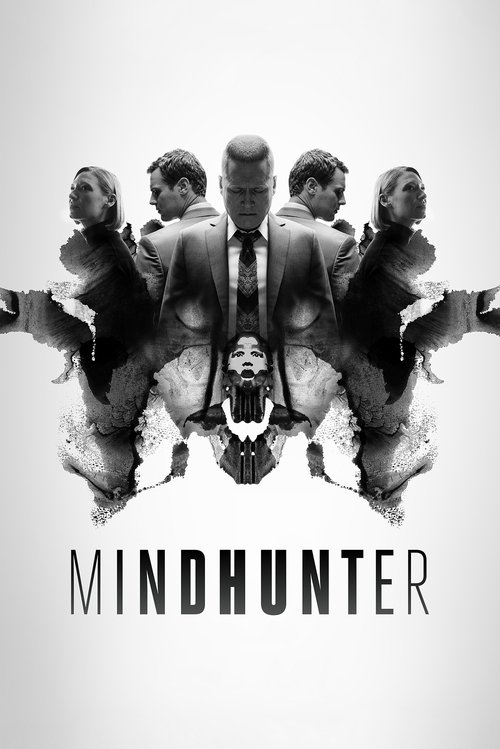


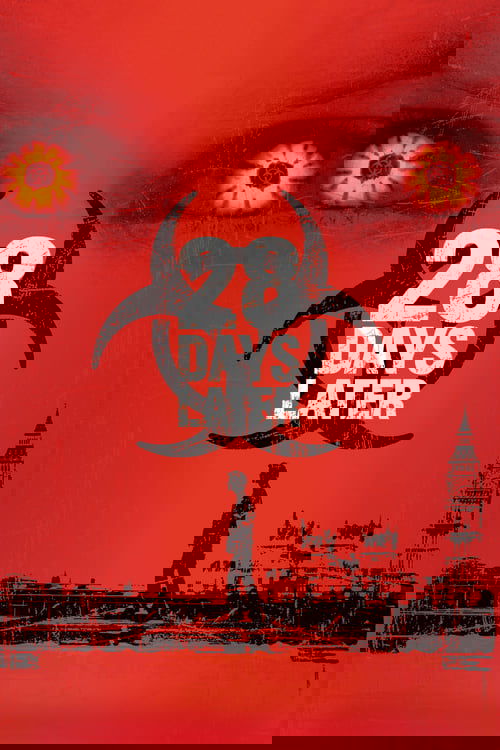
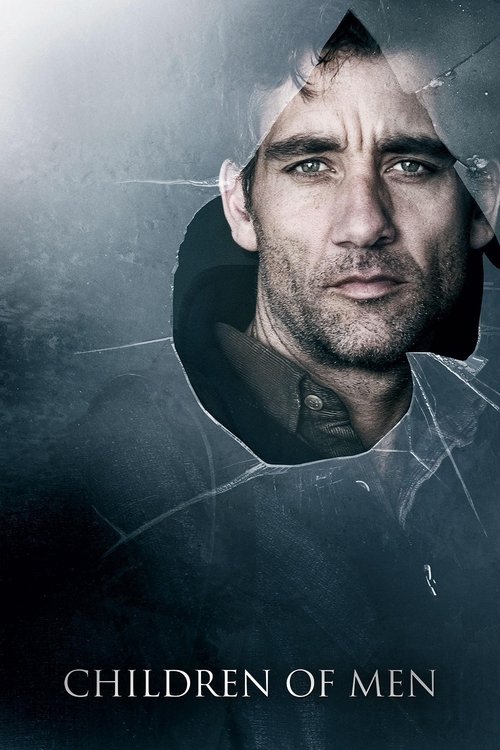
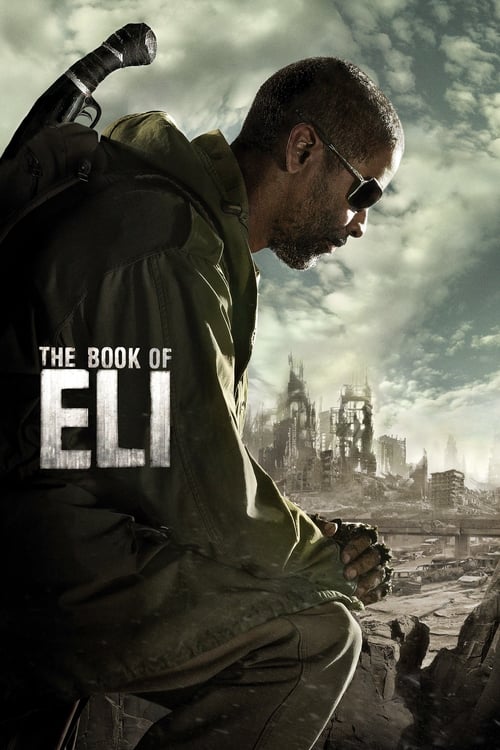
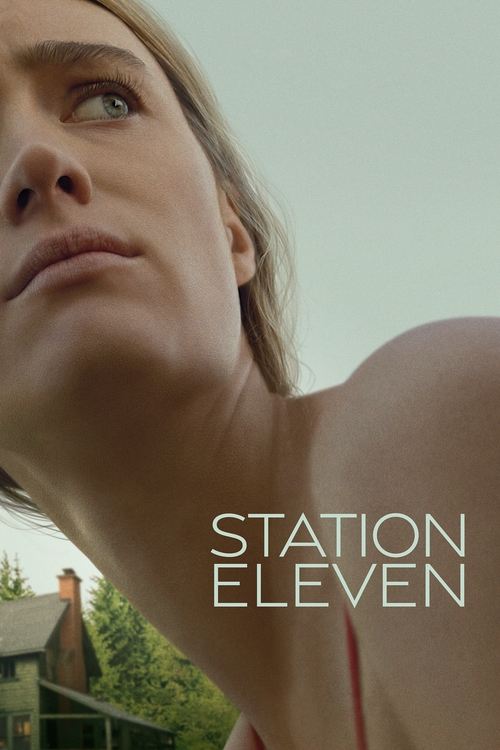
If You Love the Post-Apocalyptic Despair
Games and films that channel The Road's ash-grey world: survival, parenthood, and what remains of humanity
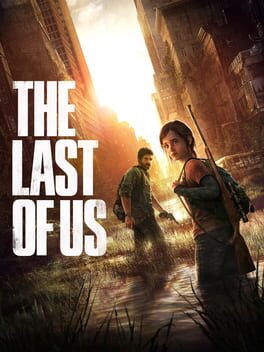
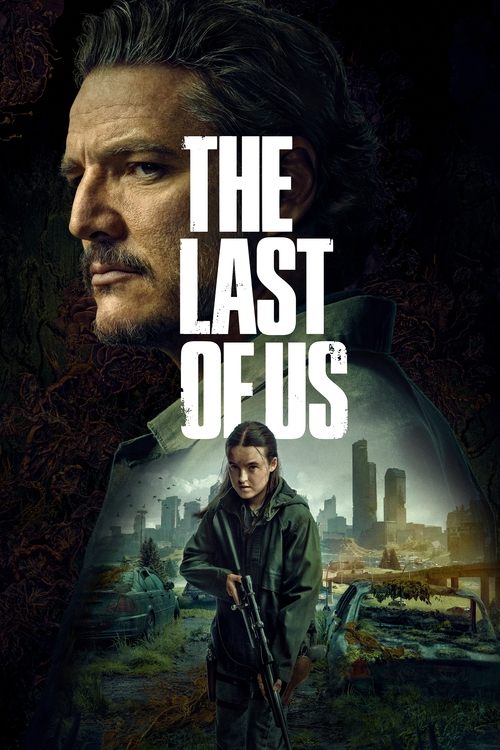
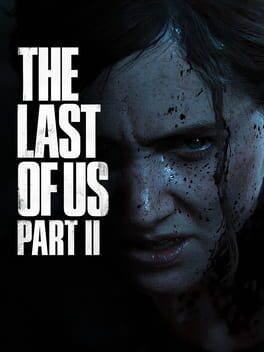
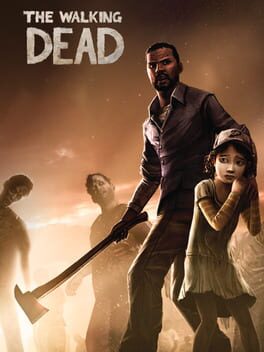
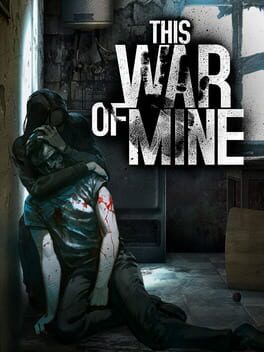
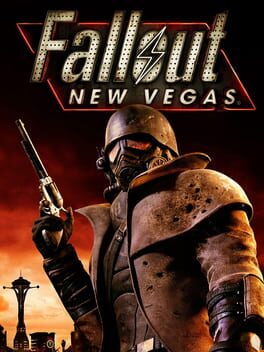
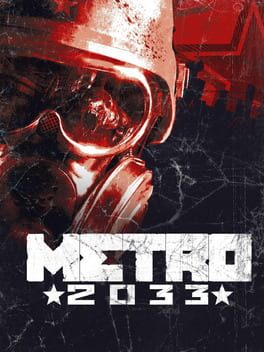
If You Love Literary Fiction That Doesn't Look Away
Authors who share McCarthy's refusal to flinch: violence, fate, and the limits of human will




Blood Meridian Is the Most Extreme Novel the American Canon Has Produced
Harold Bloom called it one of the finest American novels of the 20th century. Others have called it unreadable. Both reactions tell you something true. Blood Meridian does not soften its scalping campaigns, its child-killing, its cosmic violence into any recognizable moral frame. The Judge is not a villain in the thriller sense; he is a force, arguing that war is god and war is all. To read it is to have your assumptions about what fiction is allowed to show stripped away completely. Nothing in contemporary literary fiction operates at the same pitch.
The Coen Brothers Understood McCarthy Better Than Anyone
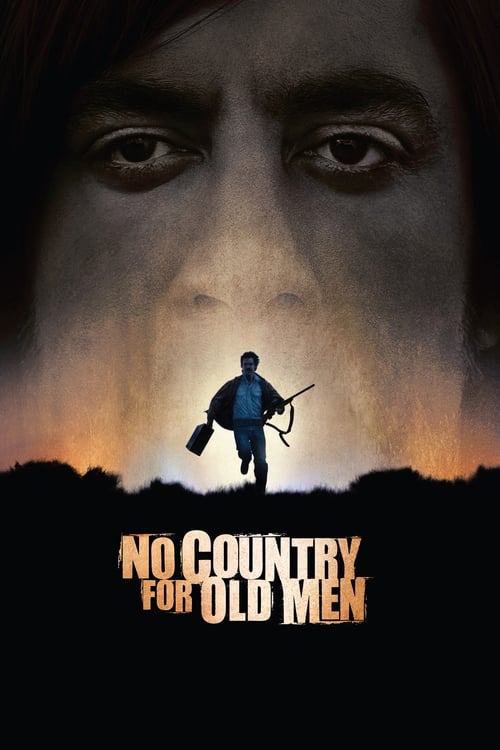
Most McCarthy adaptations soften the edges. The Coens did not. No Country for Old Men keeps Anton Chigurh as philosophy as much as predator, keeps Sheriff Bell's elegiac monologues, keeps the refusal to give the audience a cathartic confrontation. It is one of the rare films that earns its ambiguity honestly, matching the novel's sense that evil does not get explained or defeated; it simply continues. The film also happens to be a masterclass in sound design: the stretches of near-silence are as menacing as any score.
The Last of Us Is the Game McCarthy Would Have Written If He Wrote Games
The comparison is not hyperbole. A father protecting a child through a collapsed civilization, the question of whether love justifies atrocity, an ending that refuses moral comfort: Naughty Dog was openly working in McCarthy's register. The game earns its violence because every act of brutality is attached to a character you understand, not a nameless enemy. The sequel doubles down, asking whether revenge is self-destruction in slow motion. Both games understand something McCarthy understood: tenderness and brutality are not opposites.
McCarthy's Westerns Are Really About the Loss of a World That Was Always Already Gone
The Border Trilogy is not really about horses or the Mexican borderlands, though it gets those things exactly right. It is an elegy for a version of masculinity and freedom that the 20th century was in the process of making obsolete. John Grady Cole and Billy Parham are the last of a type, chasing a way of life that exists only in their imagination of it. The same note runs through Blood Meridian's Judge Holden, who understands he is living at the end of something. McCarthy writes nostalgia that he refuses to let be comfortable.
A Life in Dark Fiction
- 1933Born in Providence, Rhode Island; raised in Knoxville, Tennessee
- 1965Debut novel The Orchard Keeper, set in Appalachian Tennessee The orchard keeper
- 1968Outer Dark: Southern Gothic horror in a pre-industrial landscape Outer dark
- 1973Child of God: a study of extreme isolation and violence Child of God
- 1979Suttree: his most personal novel, long-gestating and lyrical Suttree
- 1985Blood Meridian: the most extreme and debated novel of his career Blood Meridian
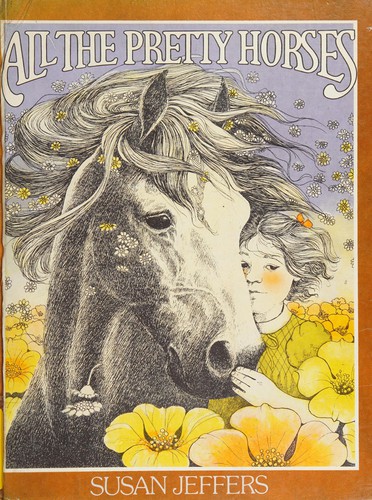
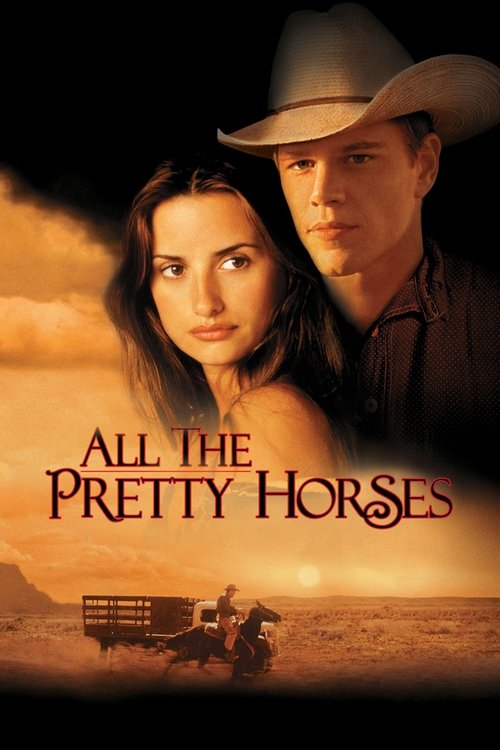
- 1992All the Pretty Horses wins the National Book Award; McCarthy becomes famous All the Pretty Horses
- 1994The Crossing: the second Border Trilogy novel The crossing
- 1998Cities of the Plain closes the Border Trilogy Cities of the Plain
- 2005No Country for Old Men: the bleakest of crime novels No country for old men
- 2006The Road wins the Pulitzer Prize The Road
- 2007No Country for Old Men film wins Best Picture at the Oscars No Country for Old Men
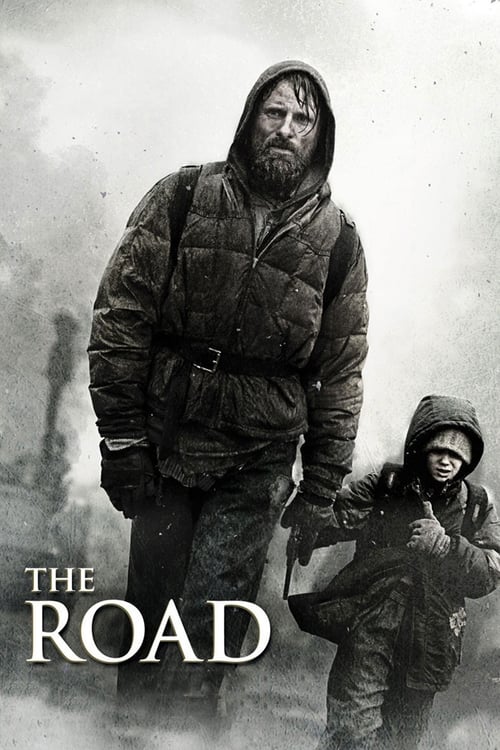
- 2009The Road film adaptation by John Hillcoat The Road
- 2022The Passenger and Stella Maris published: a late-career philosophical diptych The Passenger
- 2023McCarthy dies at 89; leaves one of the most singular bodies of work in American letters
Westerns and the Bleak Frontier
Westerns
Explore the Westerns guide →Whatever in creation exists without my knowledge exists without my consent.Judge Holden, Blood Meridian