
How a journalist's road trip became an Oscar-winning film
In 2014, journalist Jessica Bruder spent months driving through the American West, living alongside a community she called "workampers": older Americans, many of them post-2008 crash casualties, who had given up fixed homes for vans, RVs, and converted school buses. The resulting book, Nomadland: Surviving America in the Twenty-First Century (2017), was reported nonfiction. Part social investigation, part intimate portrait of specific lives, it centered particularly on Linda May, a grandmother who dreamed of building an off-grid homestead in the Arizona desert.
Director Chloe Zhao read the book and saw a film in it, but not a conventional adaptation. Rather than dramatize Bruder's text directly, she created a fictional composite protagonist, Fern (Frances McDormand), a woman from a Nevada company town whose life unraveled after the local plant closed. Zhao then cast real nomads from Bruder's book (Linda May, Swankie, and Bob Wells, the YouTube personality behind CheapRVLiving) as themselves, blurring the line between documentary and fiction. The film won Best Picture, Best Director, and Best Actress at the 2021 Academy Awards.
Beyond the book and the film, the Nomadland story has not migrated to other media. There is no authorized stage adaptation, no game, no television series. What exists is a very short chain: a work of reported journalism, a film that treated that journalism as raw material rather than a script, and the real-life online community around Bob Wells that predated and outlasted both.
Nomadland across time
- 2014Jessica Bruder begins her embedded reporting road trip with the nomad community
- 2017Nomadland: Surviving America in the Twenty-First Century published by W. W. Norton
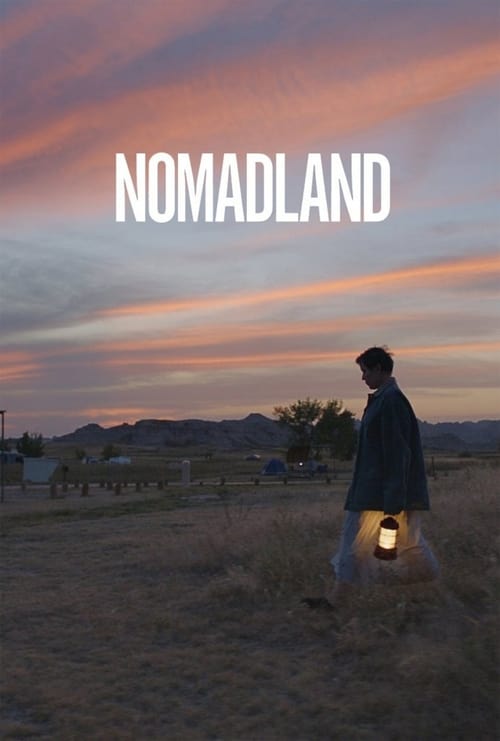
- 2020Chloe Zhao's film premieres at Venice Film Festival and wins the Golden Lion Nomadland
- 2021Film wins Best Picture, Best Director (Zhao), Best Actress (McDormand) at the Academy Awards Nomadland
The film is the definitive version
Zhao's film is not a faithful adaptation of Bruder's book so much as a response to it, and the result surpasses its source. By casting the real Linda May, Swankie, and Bob Wells as themselves, the film achieves something straight journalism cannot: it gives these people their own image, their own faces, on screen, on their own terms. Frances McDormand's Fern functions as a vessel for the audience's attention, but the film's emotional weight sits with the real nomads around her. That casting decision, more than any screenplay choice, is what makes Nomadland irreplaceable.
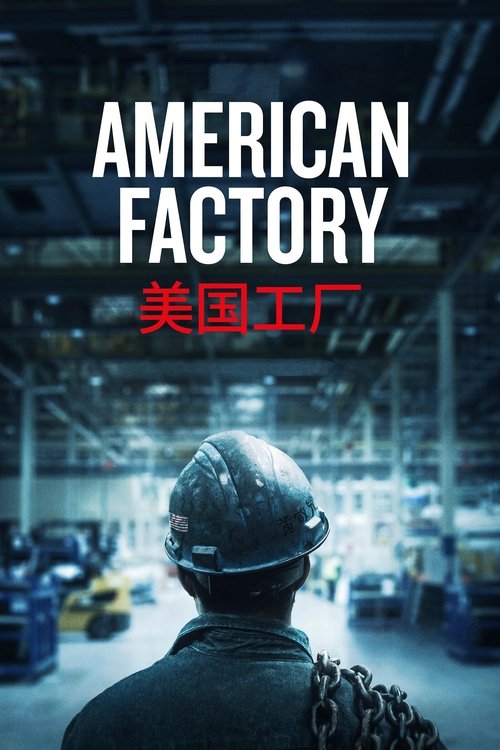
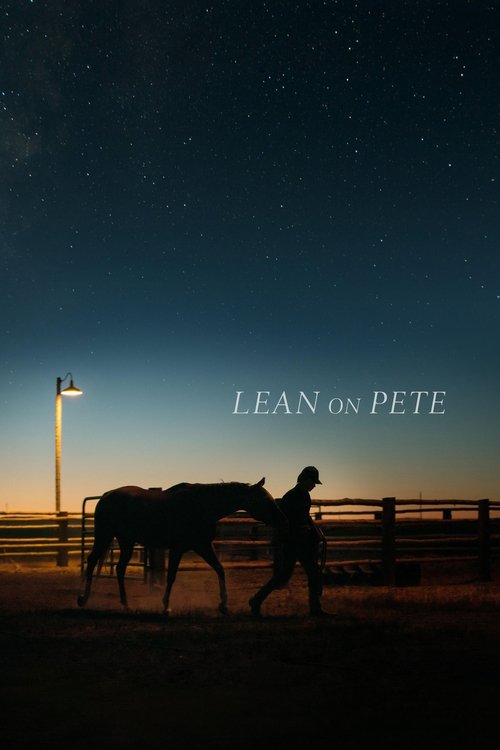
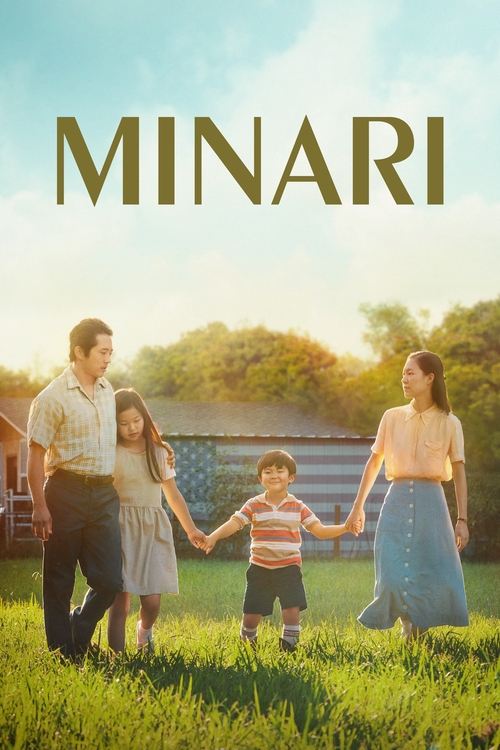
If you love Nomadland: drifting and displacement in American life
Films and books about people living outside settled society

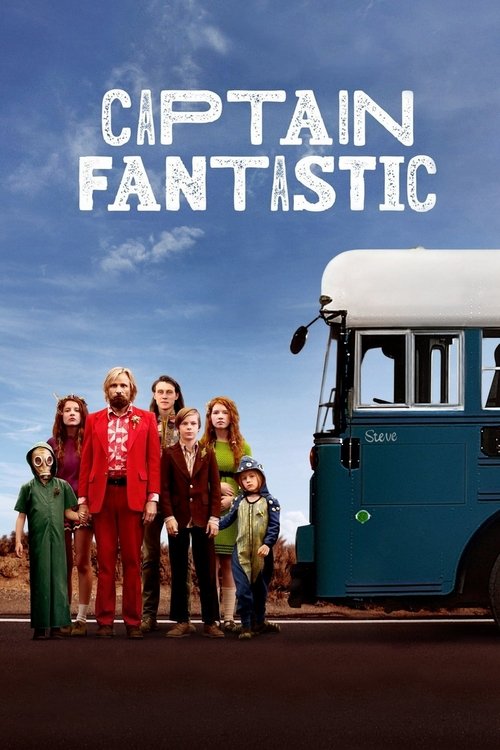
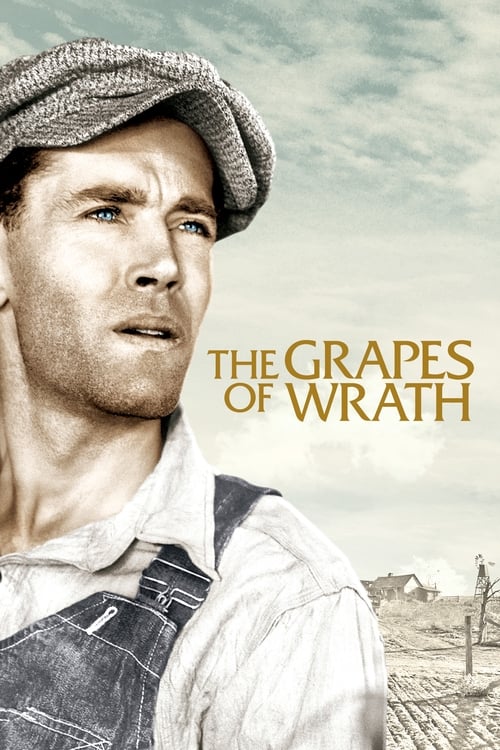
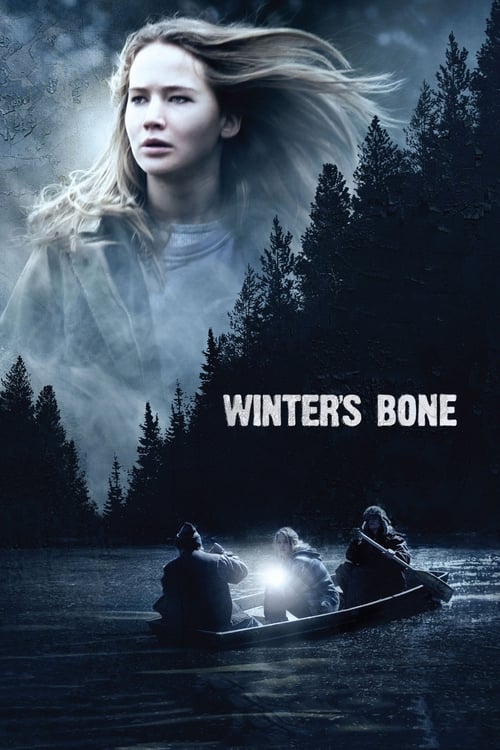
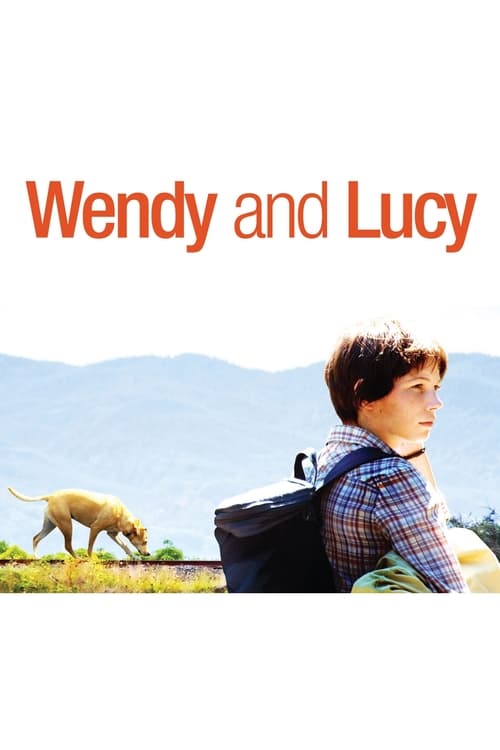

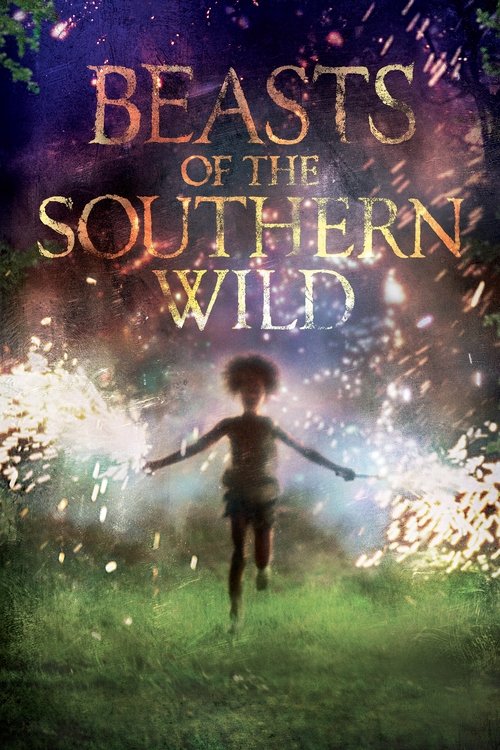
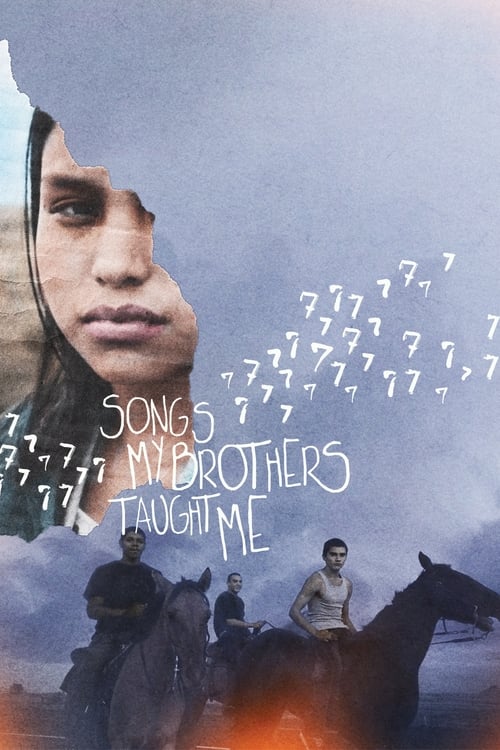
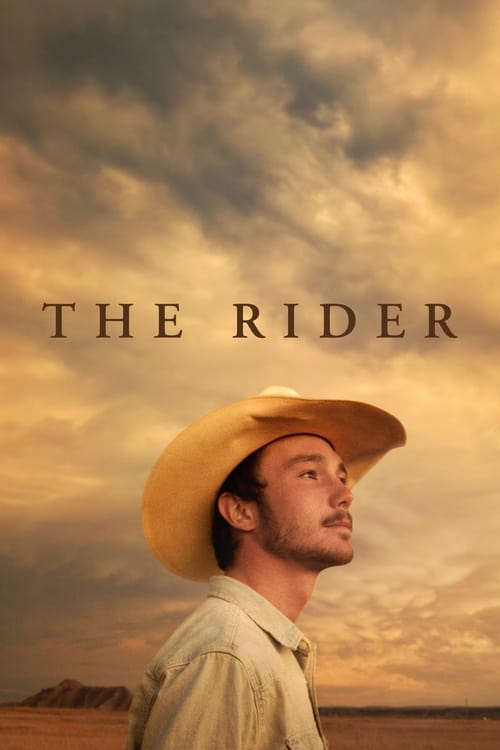
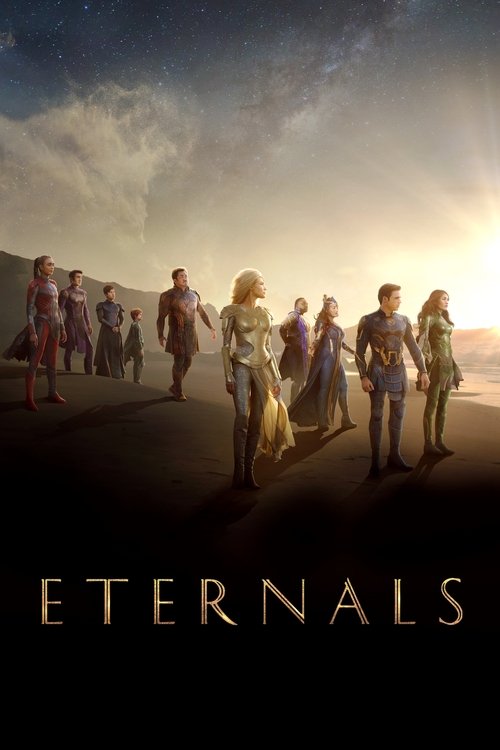
If you love Nomadland: the Chloe Zhao filmography
Her consistent eye for landscapes and non-professional performers
If you love Nomadland: post-recession America and forgotten communities
Reporting and fiction about what the recovery left behind

A rare case with nothing worth skipping
The Nomadland body of work is unusually clean. There are no cash-in sequels, no stage musical, no television remake diluting the original. What exists is two works, each doing something distinct. Skip neither. The book is not just a tie-in and the film is not just a prestige trophy. They are companions, and the order of reading barely matters: the film deepens after the book, and the book illuminates after the film.