
John Steinbeck wrote about hunger the way most writers write about love: as something that defines and distorts everything it touches. Working out of Salinas, California, he spent the 1930s embedding with migrant workers, cannery crews, and ranch hands, and the fiction that came out of those years changed what American literature thought it was allowed to care about. The through-line a Steinbeck fan learns to love is not bleakness for its own sake but a fierce moral tenderness toward people the culture keeps trying to forget. His best books are simultaneously documentary and mythic, rooted in a specific valley or stretch of highway and yet somehow universal enough to have never gone out of print. If you respond to that combination of social witness and deep human feeling, you already have a map to a whole constellation of films, series, authors, and music that share the same moral frequency.
Essential John Steinbeck
The novels and novellas that define the canon, from Salinas Valley to the Monterey waterfront


Steinbeck Adapted: Films and Series
The screen versions that honor his voice, from John Ford to Elia Kazan
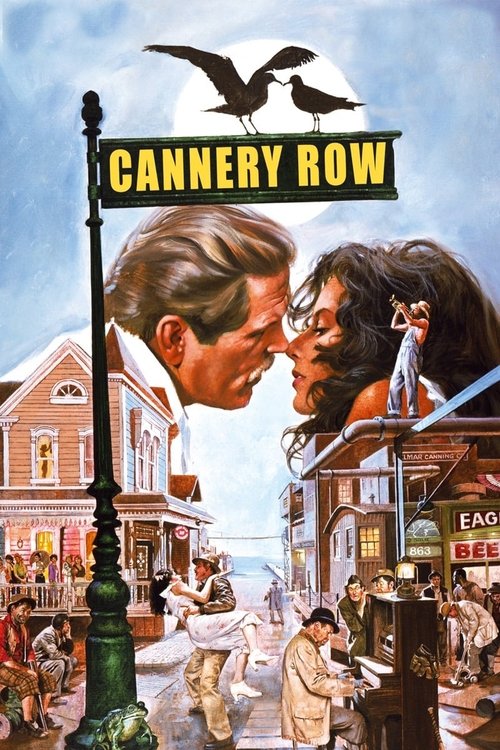

Dust and Longing: Depression-Era and Americana Cinema
Films that breathe the same working-class air, from the 1930s through the modern Rust Belt
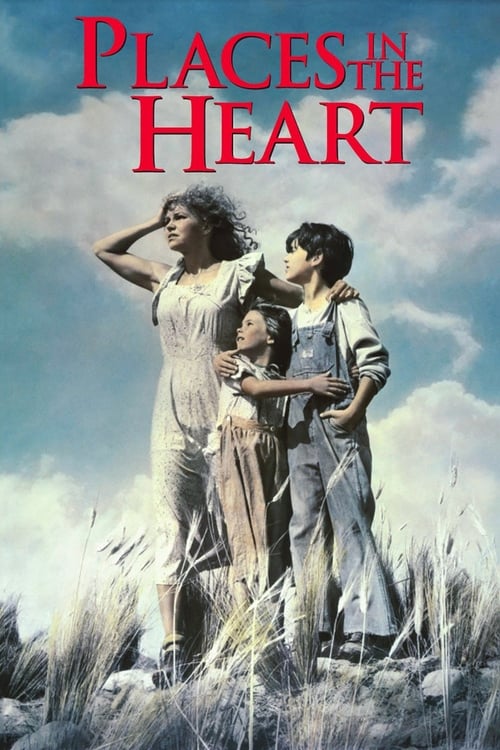


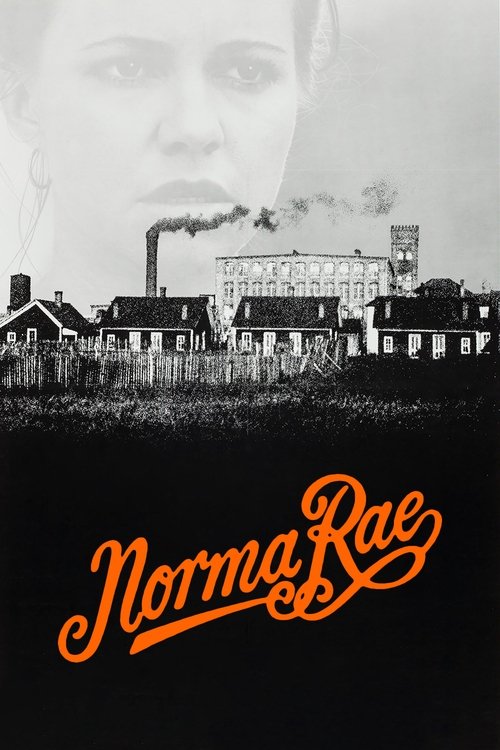


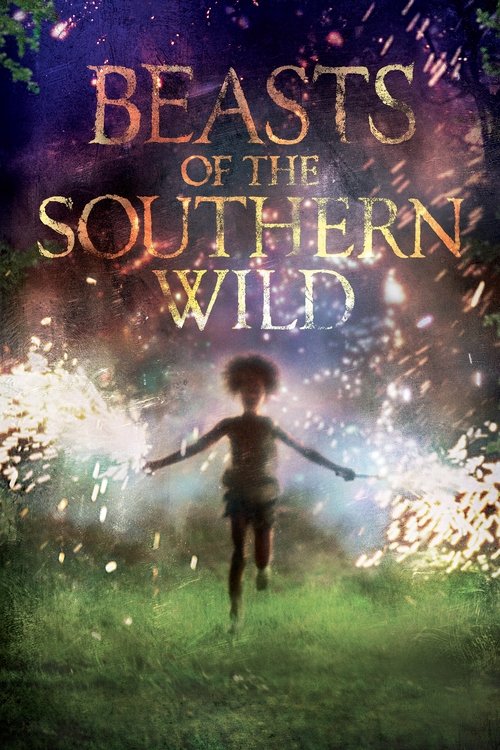




The Land and Its People: Social-Realist Television
Series that give working America the screen time Steinbeck gave it on the page






Kin on the Page: Authors Who Share Steinbeck's Moral Compass
Novelists writing about poverty, community, and the dignity of the dispossessed


Games About Survival, Community, and the Harsh Land
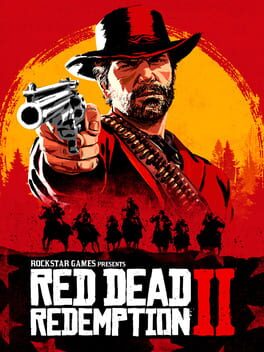
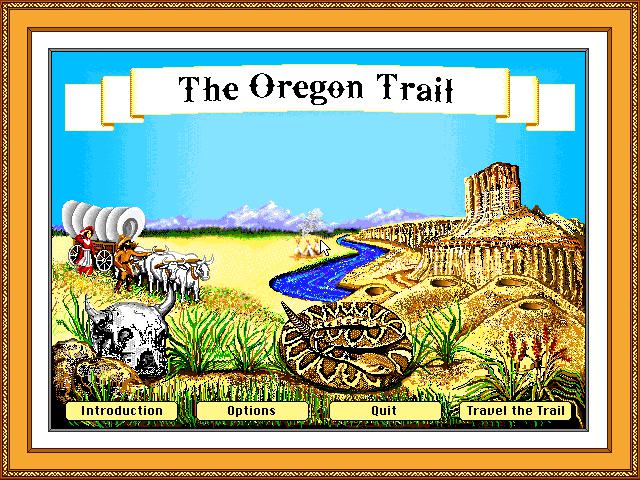
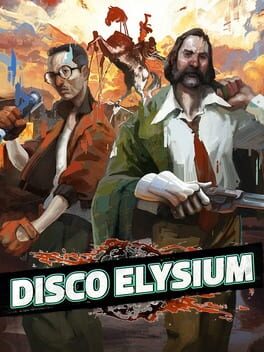
Games that capture the Steinbeck register: scarce resources, solidarity under pressure, moral weight





The Grapes of Wrath Is the American Book
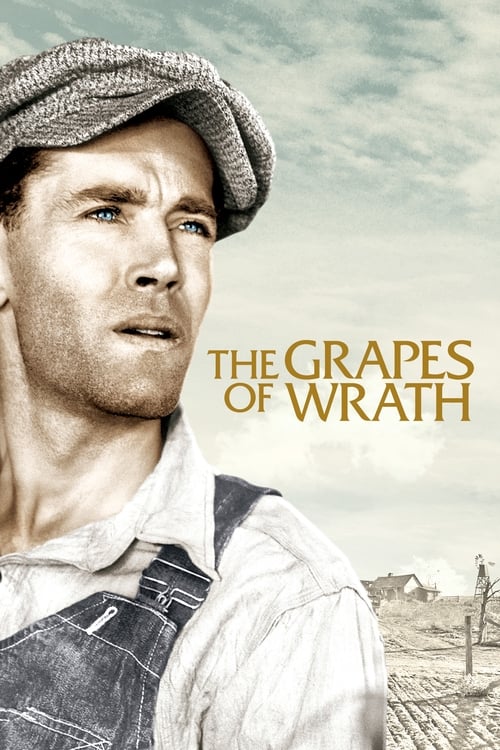
Every decade produces a new contender for the title of Great American Novel, but Steinbeck's 1939 masterpiece keeps its crown. The Joad family's forced migration from Oklahoma to California is both a specific historical document and a myth that reshapes itself to fit every era of displacement and economic panic. The intercalary chapters, those documentary breaks between the plot, are among the most formally ambitious passages in 20th-century fiction, and the final image is so audaciously strange that readers have been arguing about it for 85 years. If you have not reread it as an adult, the book is not what you remember from high school.
East of Eden Is His Most Ambitious and Underrated
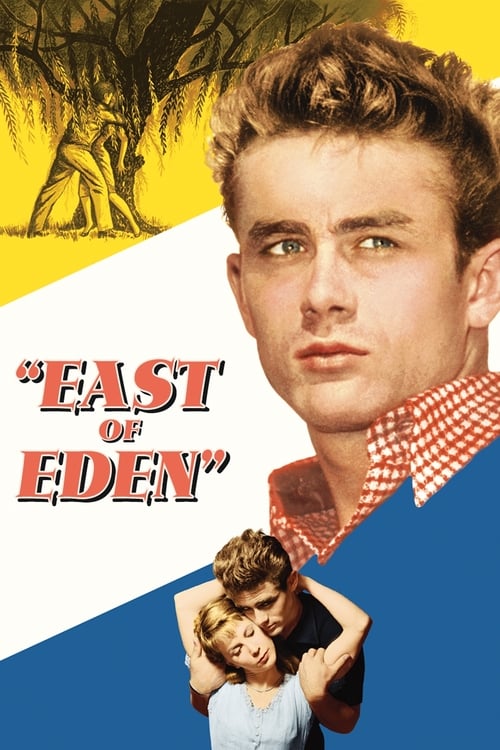
Steinbeck called East of Eden the book he had been practicing for his whole life, and the scale shows: three generations, the Cain and Abel myth retold in the California soil, and Cathy Ames as one of American fiction's most disquieting characters. It is longer and looser than Grapes but richer for it, the kind of novel where you keep expecting it to slow down and it never quite does. Elia Kazan's 1955 film with James Dean captures only the final third; the novel it came from is something else entirely.
Of Mice and Men Is the Perfect Steinbeck Entry Point
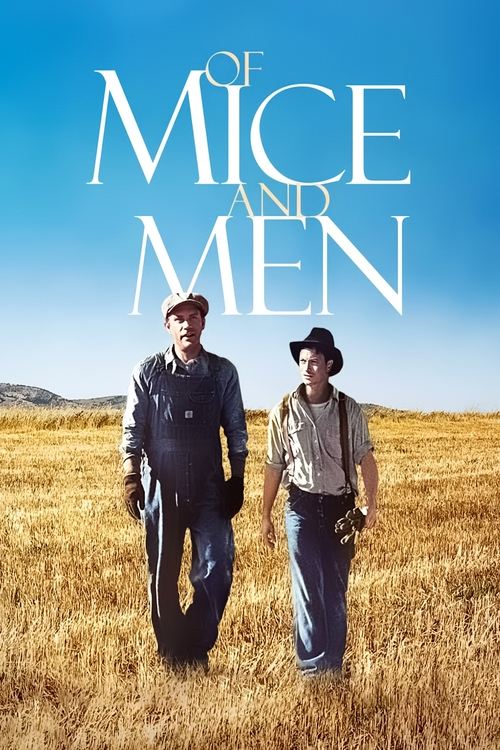
At just over 100 pages, Of Mice and Men is the gateway drug. The Lennie and George friendship is both heartbreakingly simple and structurally perfect: a tragedy you can see coming that still lands with full force every time. The 1939 and 1992 film versions are both worth watching, and staging the novella as a play, which Steinbeck wrote it to be, is a different experience again. If you feel the weight of the ending, you are already a Steinbeck reader.
Woody Guthrie Is the Musical Steinbeck
Steinbeck and Woody Guthrie were essentially working the same vein of American experience at the same historical moment, one in prose, one in three-chord balladry. Guthrie's Dust Bowl Ballads, recorded in 1940, the year after Grapes was published, is practically a musical companion to the Joad family's journey. This Land Is Your Land is the Steinbeck thesis in 90 seconds. For anyone who responds to the social conscience in Steinbeck's fiction, Guthrie's recorded catalog is essential, and from there the roots run through Pete Seeger, Bruce Springsteen's Nebraska, and Jason Isbell.
Steinbeck's Career and Its Cultural Echoes
- 1929Cup of Gold, his first novel, published
- 1935Tortilla Flat, his first commercial success, establishes the Monterey world Tortilla Flat
- 1936In Dubious Battle, the strike novel, appears
- 1937Of Mice and Men published; adapted for Broadway the same year Of Mice and Men
- 1939The Grapes of Wrath published and wins the Pulitzer Prize The Grapes of Wrath
- 1940John Ford's film of The Grapes of Wrath wins two Academy Awards The Grapes of Wrath
- 1945Cannery Row introduces Doc, one of American fiction's great supporting characters Cannery Row
- 1952East of Eden, the culminating work, published East of Eden
- 1955Elia Kazan's East of Eden puts James Dean on the map East of Eden
- 1962Nobel Prize in Literature awarded
- 1968Steinbeck dies in New York City
- 1995Springsteen's The Ghost of Tom Joad, explicit Grapes of Wrath tribute album The Ghost of Tom Joad
More broken dreamers and hard American roads
For Fans of Mark Twain
Explore the For Fans of Mark Twain guide →In every bit of honest writing in the world there is a base theme: try to understand men, if you understand each other you will be kind to each other. Knowing a man well never leads to hate and nearly always leads to love.John Steinbeck