
A Debut Novel That Became a Pop-Culture Relay Race
Ernest Cline published Ready Player One in August 2011. It was his first novel, and it landed on the New York Times bestseller list almost immediately, riding a wave of nostalgia for 1980s gaming and film culture. The premise: in a near-future dystopia, most of humanity spends its waking hours inside the OASIS, a vast virtual-reality universe. When the OASIS's reclusive creator James Halliday dies, he hides an Easter egg somewhere inside the simulation, and the first person to find it inherits everything. Teenager Wade Watts, armed with encyclopedic knowledge of Halliday's obsessions (Atari games, John Hughes films, Dungeons and Dragons), races a corporate villain to the prize.
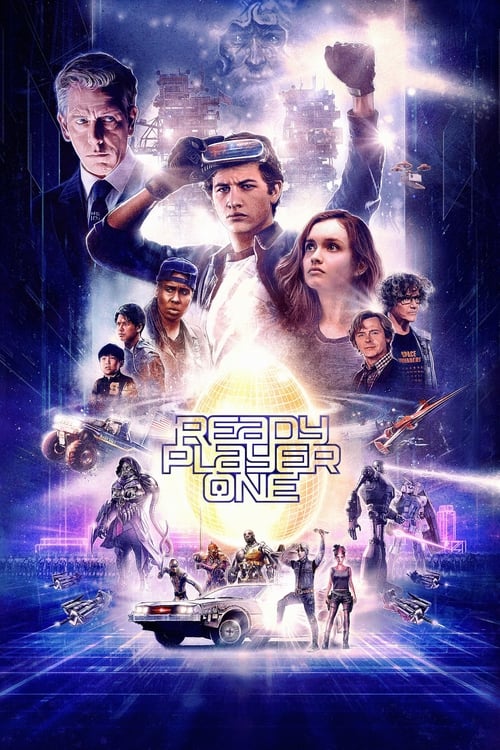
The book's pop-culture density made it an obvious candidate for adaptation. Steven Spielberg signed on to direct the film while the novel was still climbing the charts. Warner Bros. released it in 2018 to strong box office. Cline followed with a sequel, Ready Player Two, in 2020, though that second book has not been adapted. The journey across media is, so far, a two-stop trip: the novel, then the film.
Ready Player One Across the Years
- 2011Ernest Cline's debut novel published by Crown Publishers Ready Player One
- 2018Steven Spielberg's film adaptation released by Warner Bros. Ready Player One
- 2020Cline's sequel novel published by Crown; no screen adaptation to date
The novel is still the definitive version
Cline's prose is not literary in the traditional sense, but the novel earns its pace. Wade's interiority, his loneliness in the stacks and his hunger for the contest, comes through in ways a two-hour film cannot sustain. The book also has room to let its 1980s references feel earned rather than decorative: each puzzle is genuinely explained, the stakes accumulate slowly, and the corporate villain IOI feels like a systemic threat rather than a plot device. The film is spectacular on its own terms, but the novel is the reason anyone showed up.

The film is better as pure spectacle than as adaptation
Spielberg's film jettisons most of the novel's puzzle structure and rebuilds the second act around sequences that could only exist in cinema: a recreation of a famous horror film, a car chase with the DeLorean from Back to the Future, and the Battle of Castle Anorak reframed as a full-scale war. As adaptation, it is loose. As a blockbuster about the joy of shared pop-culture memory, it is one of Spielberg's most purely entertaining late-career films. The two versions are better understood as companions than as original and copy.
The virtual world premise was already a literary tradition
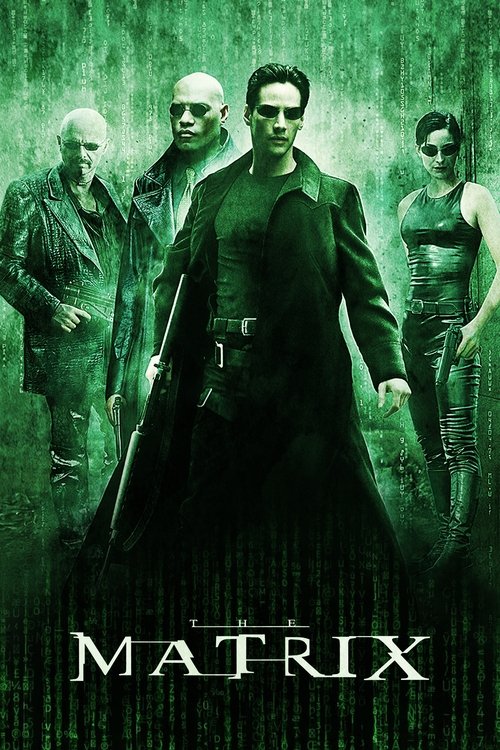
Ready Player One did not invent the idea of a virtual world as a stage for adventure. William Gibson's Neuromancer built cyberspace as a place of genuine danger in 1984. Neal Stephenson's Snow Crash gave us the Metaverse in 1992, complete with its own corporate landlords and its own street-level underclass. Cline absorbed both books and retooled the premise for a generation raised on console gaming rather than bulletin boards. The Matrix did similar work for cinema in 1999. Knowing where Ready Player One fits in that lineage makes both the novel and the film more interesting, not less.


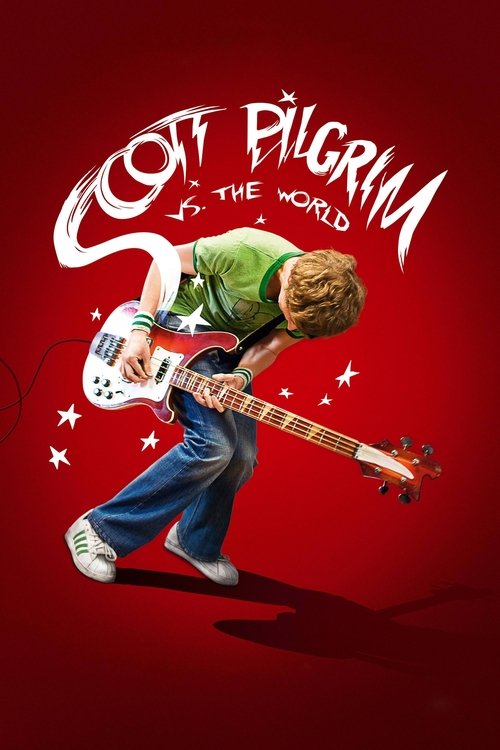
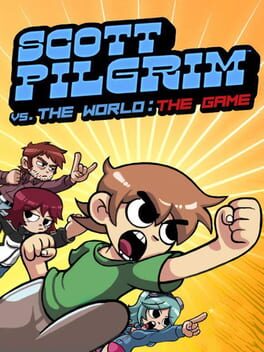
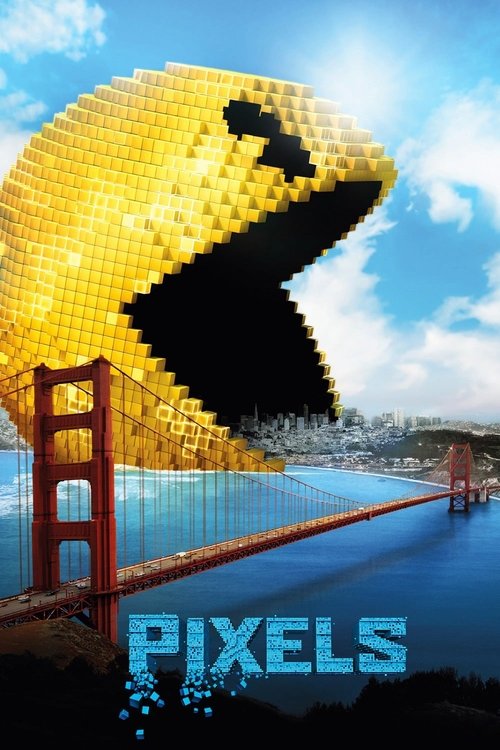
If You Love the Nostalgia Trip
Stories built on obsessive knowledge of pop culture and gaming history
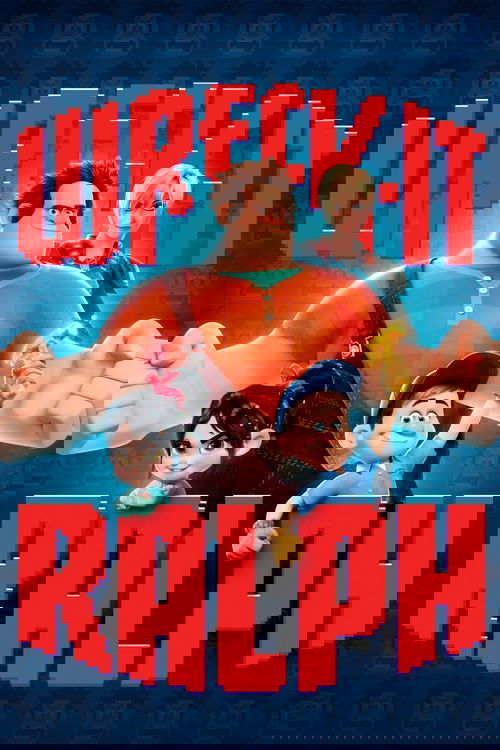
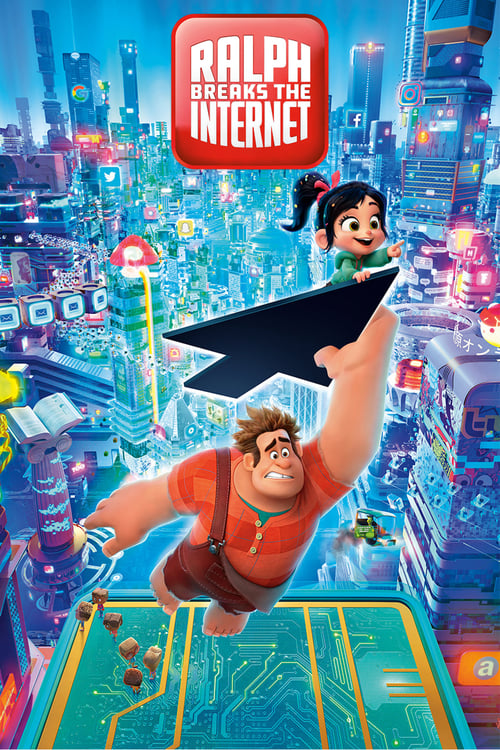
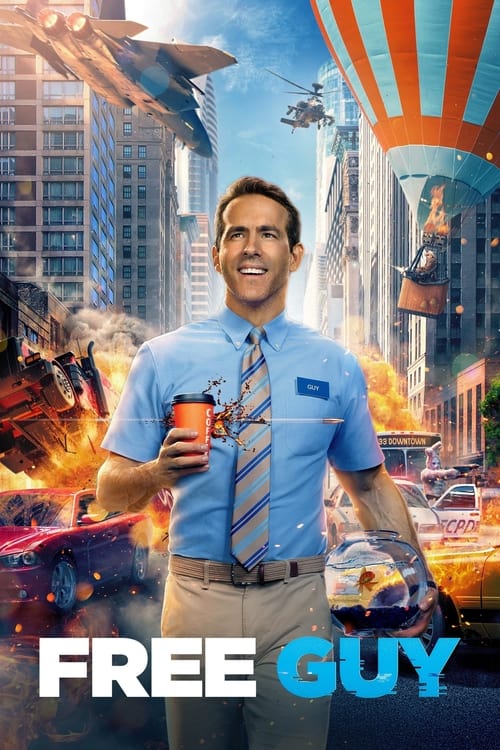
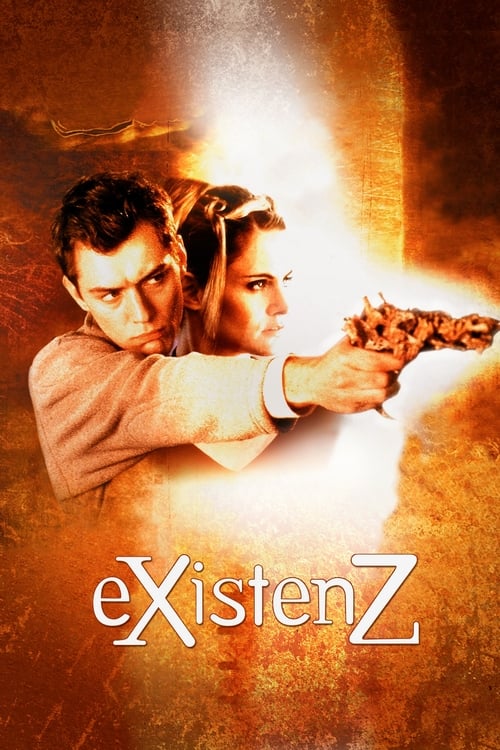
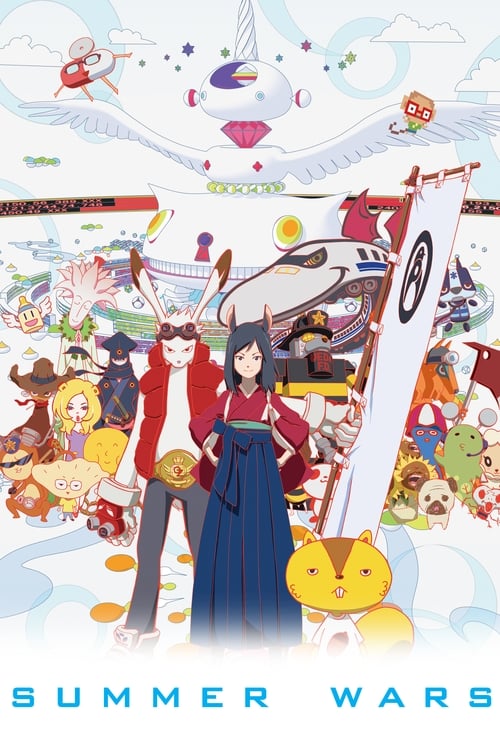
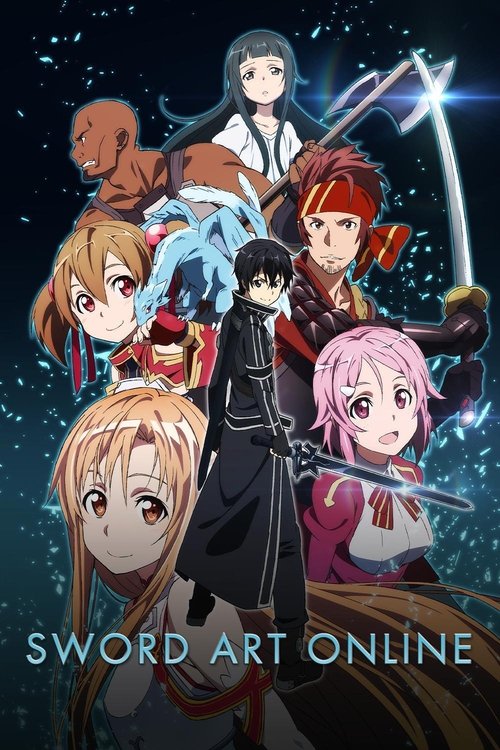
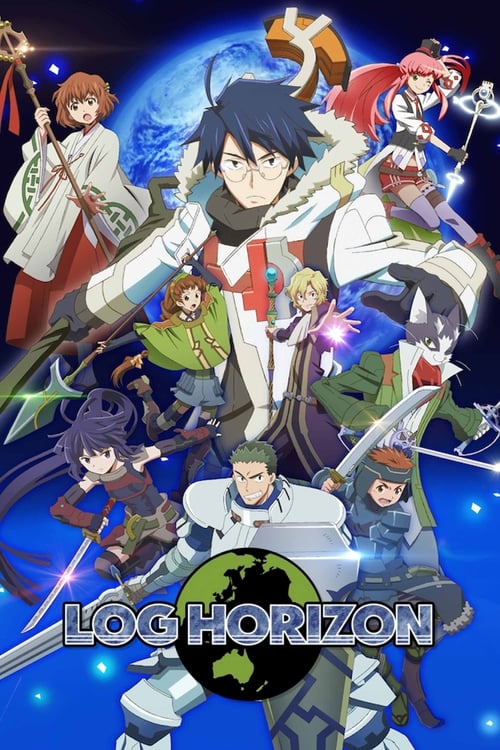
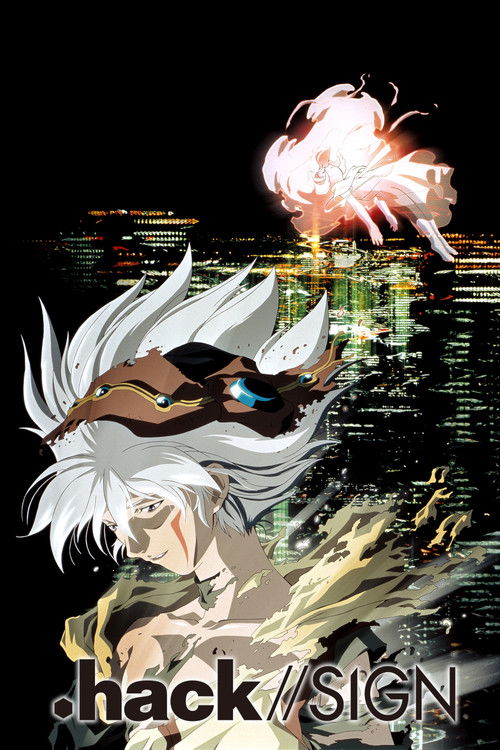
If You Love the Virtual World Premise
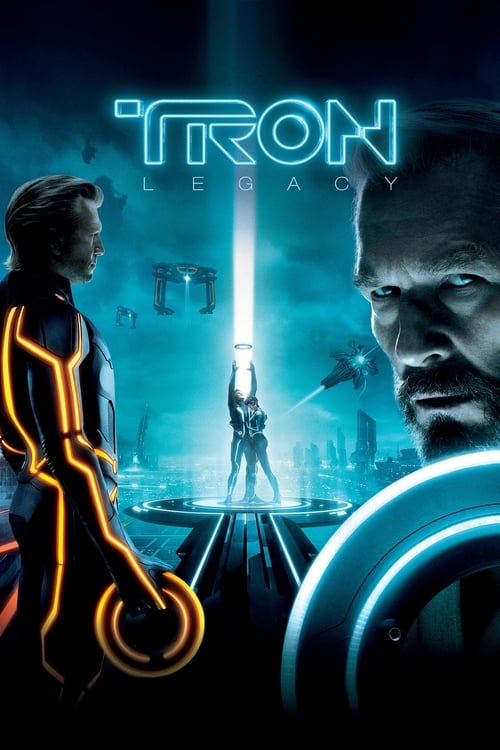
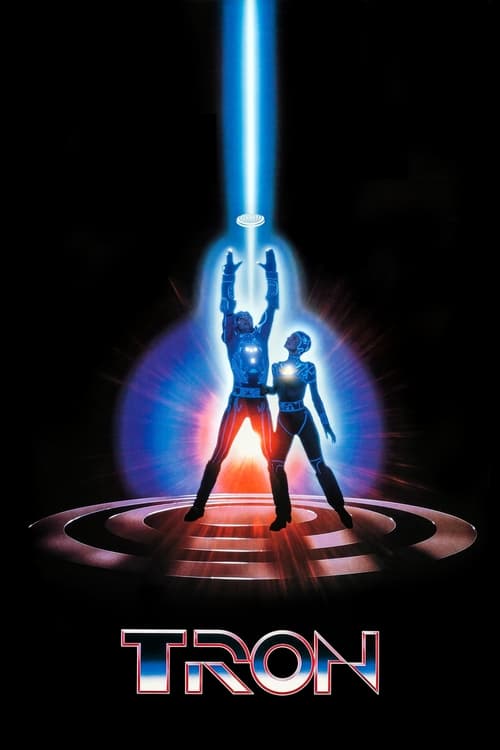
Trapped in, escaping from, or addicted to a digital reality
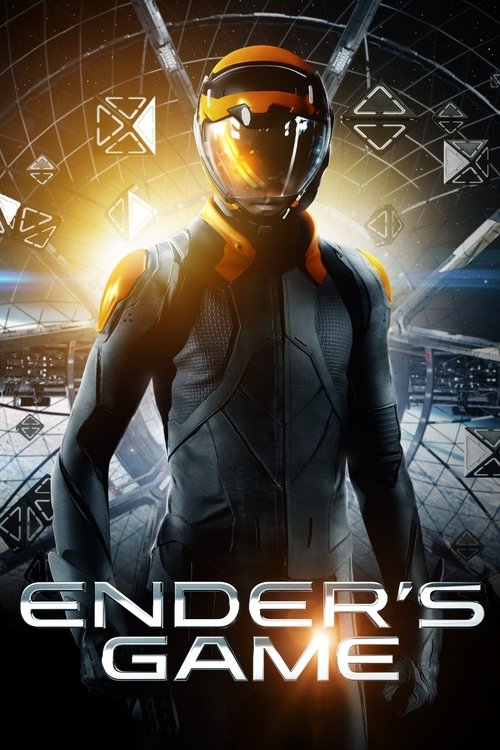
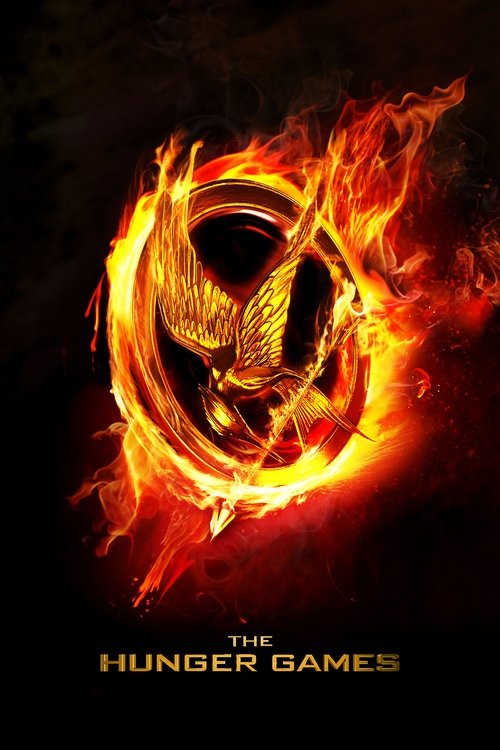
If You Love the Underdog Contest Structure
One clever outsider versus a powerful system, with everything on the line

If You Love the Dystopian Corporate Future
Mega-corporations run the world and individuals push back