
The story that started in a magazine
Orson Scott Card wrote Ender's Game as a short story and published it in Analog Science Fiction in August 1977. He needed it mainly as backstory for a different novel he was planning. Eight years later, in 1985, he expanded it into a full novel, adding depth to the command school sequences and the moral weight of the ending. That novel won both the Hugo and the Nebula in the same year, which almost never happens, and it has stayed in print continuously ever since.
The story's central hook, a boy genius trained in elaborate war games who doesn't know he's already fighting the real war, proves unusually portable across formats. The Battle Room translates visually. The twist lands cold in any medium. But the adaptation history is sparser than the novel's reputation might suggest. Hollywood circled the property for decades before finally committing. Comics got there first. A proper video game version, despite the obvious gameplay metaphor sitting right there in the premise, never arrived in any serious form.
What exists is a tight, high-quality set of versions. Card himself remained closely involved with most of them, which keeps them honest to the source even when they compress or shift emphasis.
Ender's Game across the years
- 1977Original short story published in Analog Science Fiction Ender's Game
- 1985Full novel published, wins Hugo and Nebula Awards Ender's Game
- 1986Companion novel Speaker for the Dead published
- 1999Parallel novel Ender's Shadow retells events from Bean's perspective
- 2008Marvel Comics begins five-issue graphic novel adaptation, Battle School arc Ender's Game
- 2009Marvel completes the adaptation with the Command School arc
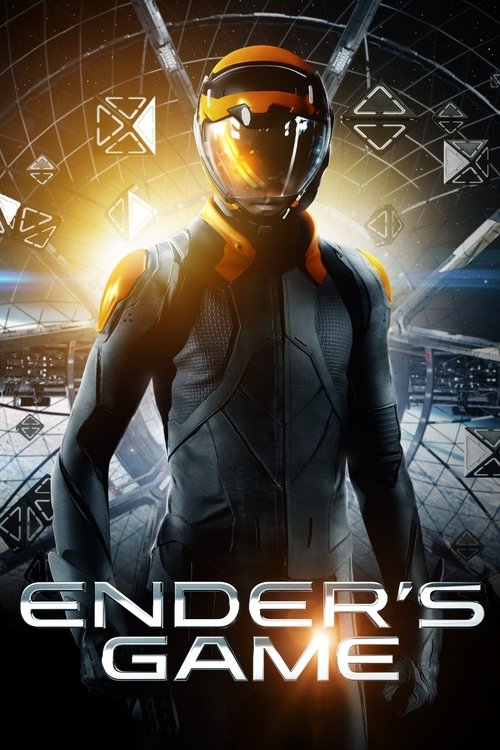
- 2013Film adaptation directed by Gavin Hood, starring Asa Butterfield and Harrison Ford Ender's Game
The definitive version is still the 1985 novel
The film is competent and the Battle Room sequences look exactly right, but the novel does something no two-hour movie can: it lets you spend enough time inside Ender's head that the ending hits with genuine devastation rather than just surprise. Card revised the 1977 short story substantially for the 1985 expansion, and the additions, particularly the sections with Valentine and Peter, are what give the story its moral complexity. Read the book. The movie works better as a companion than a substitute.

The underrated version: the Marvel Comics adaptation
The Marvel Comics series, opening with five issues scripted by Christopher Yost and drawn by Pasqual Ferry, is a faithful adaptation that gets almost no attention outside hardcore fans. Ferry's zero-gravity Battle Room pages are kinetic in a way that static illustration shouldn't be able to pull off. The two-arc split, Battle School then Command School, gives the story room that the film couldn't afford. If you've already read the novel, this is a rewarding second pass that makes different visual choices than anything you imagined.
The 2013 film works better for newcomers than for fans
Gavin Hood's film compresses the novel's years-long training arc into what feels like a few weeks, and the loss of time is real. The emotional impact of the ending depends on Ender having been ground down over a long stretch, trust built and broken repeatedly, and the movie can't fake that with a montage. Asa Butterfield carries the role and Harrison Ford does exactly what the part demands. Worth watching, but the punch lands harder in print.
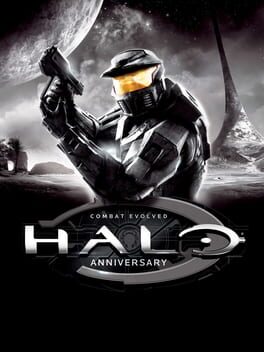
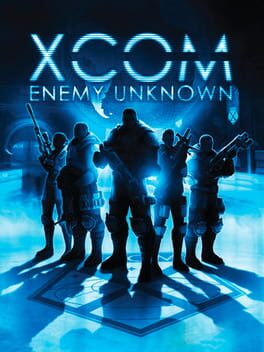
If you love the Battle Room: tactical and military sci-fi
Stories built around strategy, training, and outsmarting the enemy


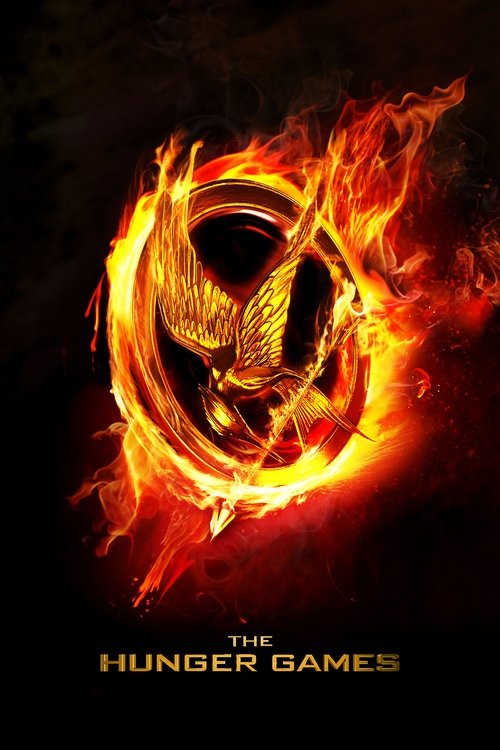
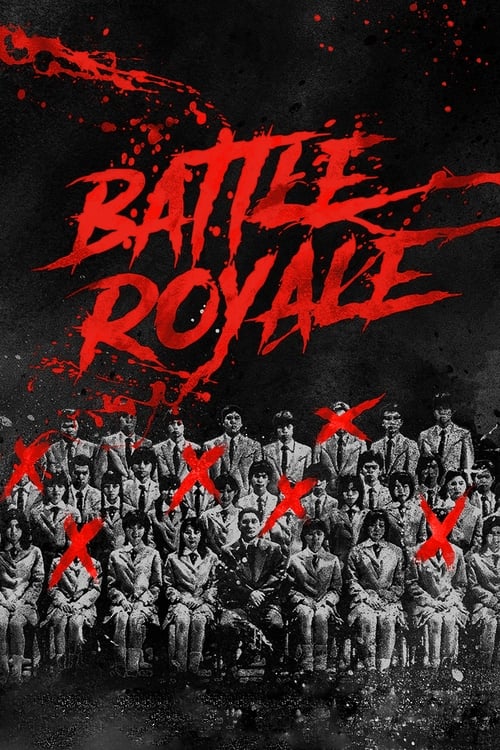
If you love the child-soldier angle: kids pushed into impossible roles
Stories where youth is weaponized or exploited by adult systems




If you love the alien-intelligence question: stories about first contact gone wrong
What does it mean to fight something you don't understand



If you love the simulation twist: stories where the game is the reality
The moment when what felt like practice turns out to be the war itself