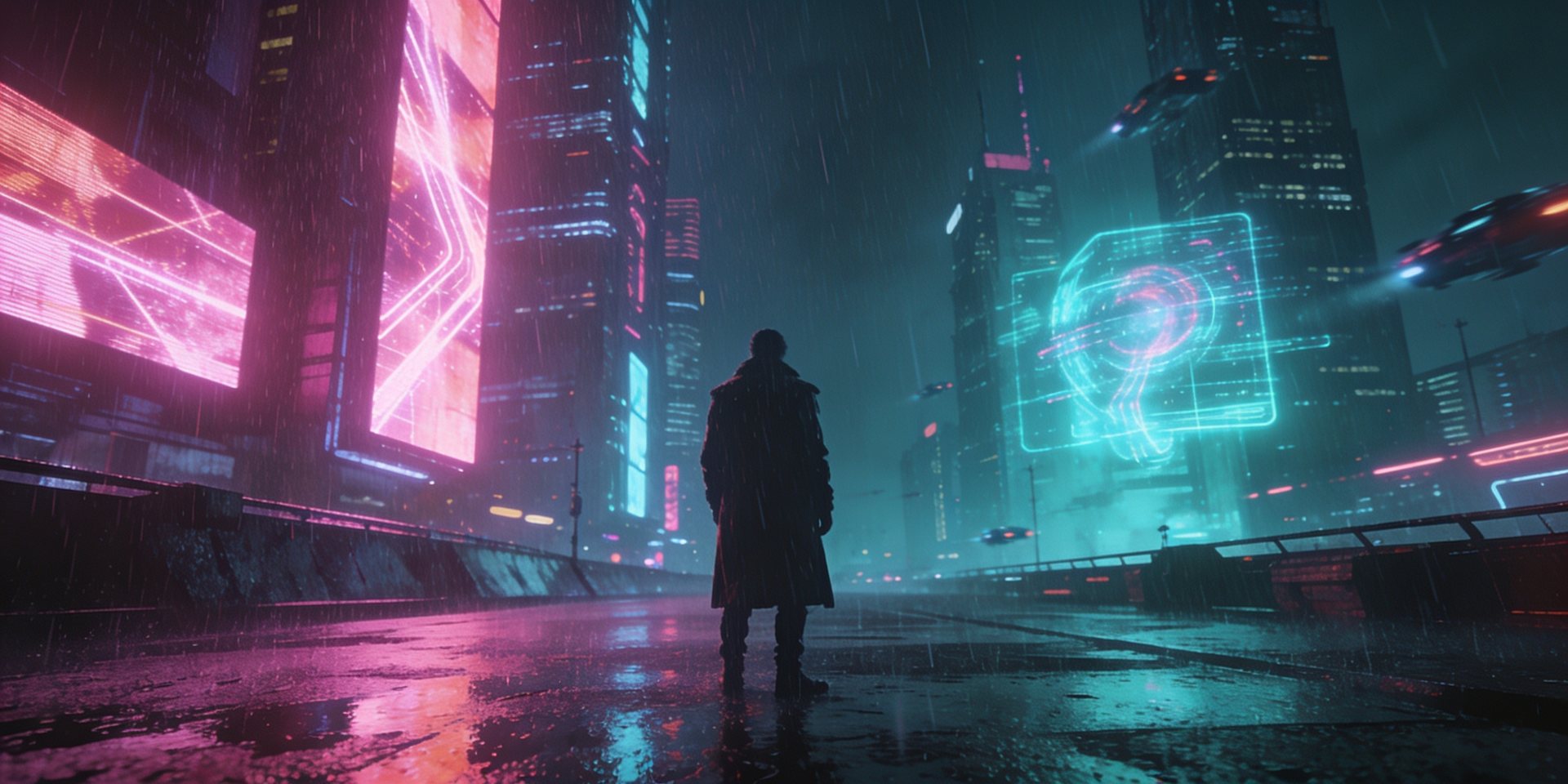

Every dystopia is a warning with a release date. Cyberpunk imagined a future of dazzling technology and human wreckage, neon over the gutter, and then watched a startling amount of it come true. The genre is science fiction's conscience: it takes the trend lines we are living on and draws them all the way out.
The rain, the neon and the chrome are just the set dressing. The real subject is always us.
Essential cyberpunk and dystopia
The canon, across every screen and page



The film that built the future
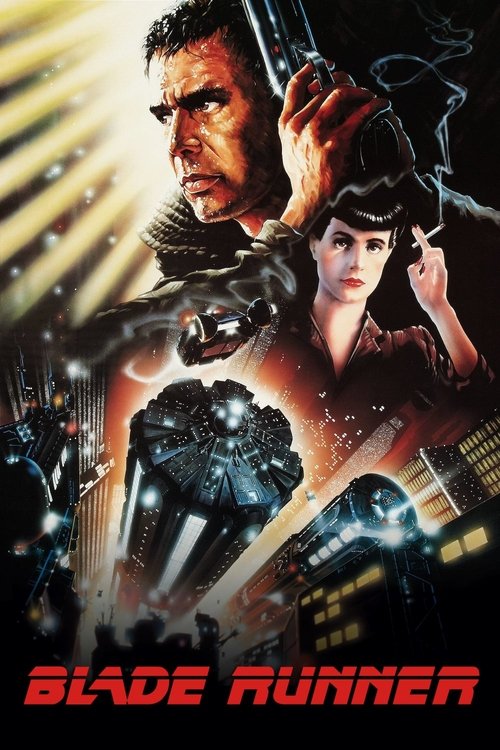
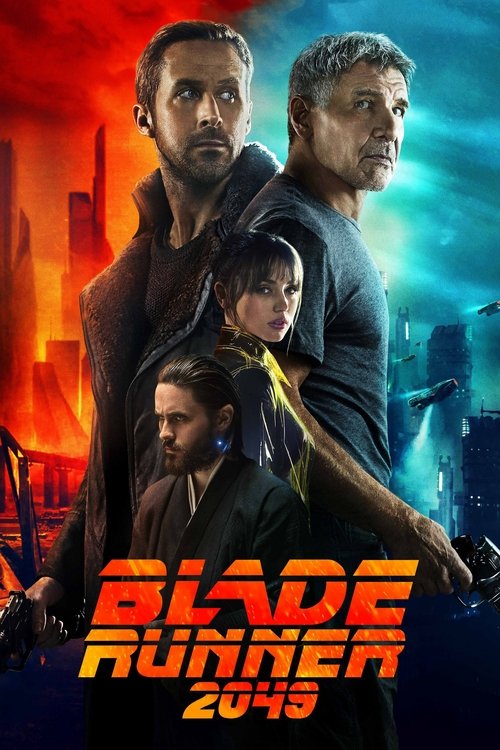
Every neon-soaked future since owes a debt to Blade Runner. It asked whether a manufactured being could be more human than its makers, and dressed the question in a rain-lit city so influential that we now see the real world through its lens. Blade Runner 2049 is the rare sequel that earns the comparison. Together they are the genre's beating heart.
Neon-noir cyberpunk
Rain-slicked streets, replicants and chrome


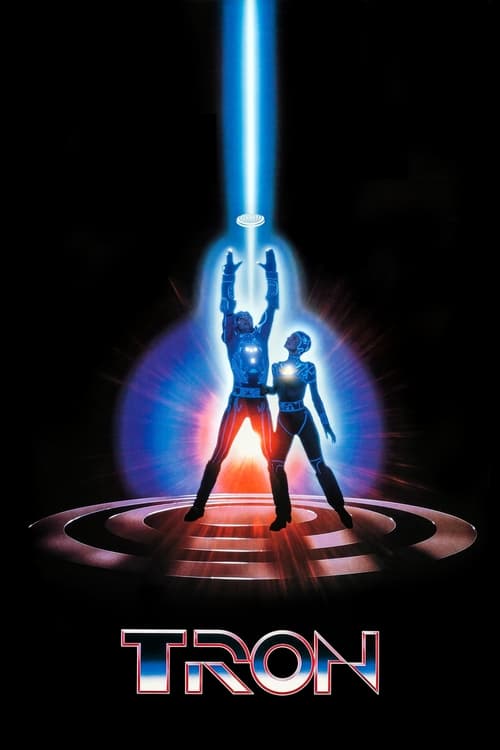
The warning, and the trap
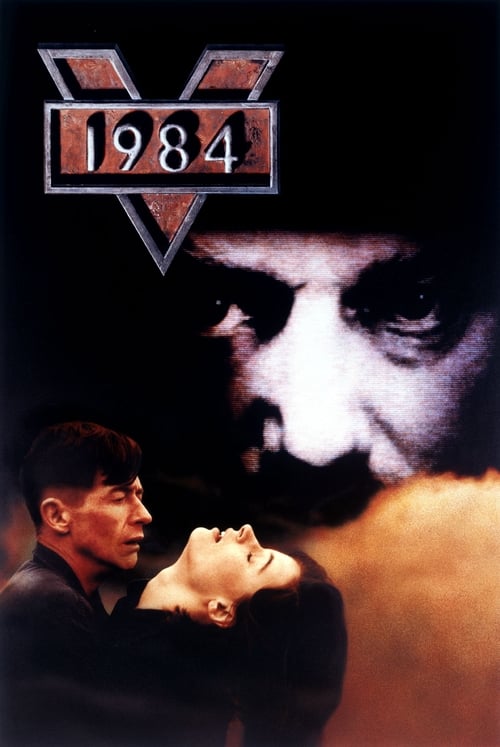
Dystopia works by making the unthinkable feel procedural. 1984 gave us the vocabulary, and The Handmaid's Tale showed how fast a society can be rebuilt around cruelty if you do it one reasonable-sounding step at a time. The genre's power is that it never feels like fantasy. It feels like a memo.
Dystopias on screen
Surveillance states and broken futures

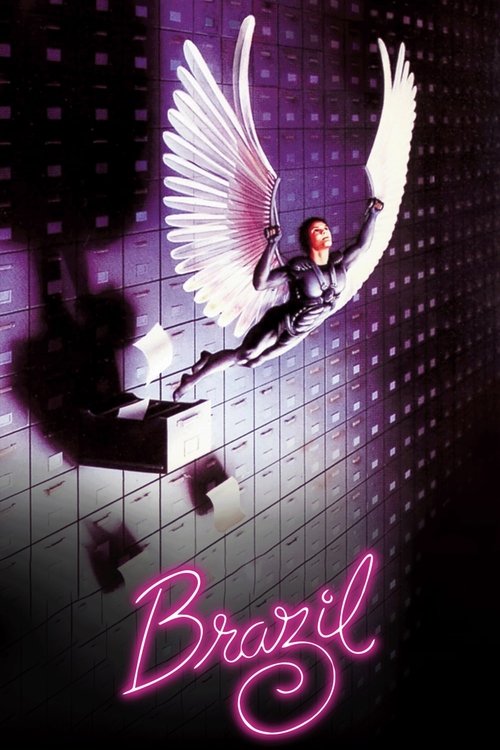
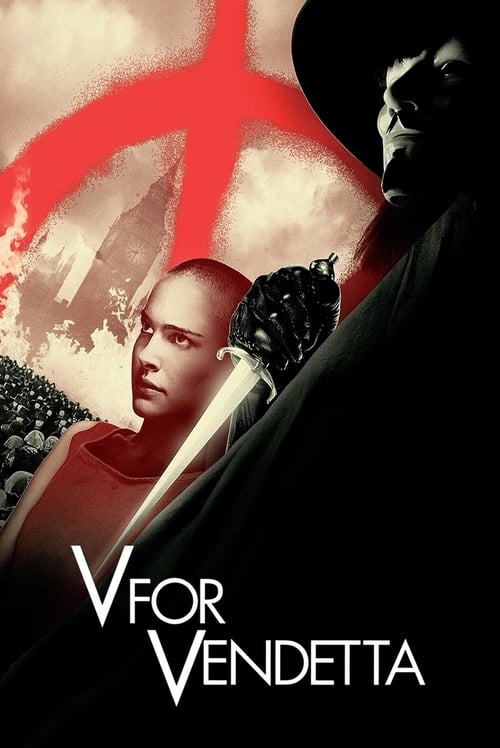
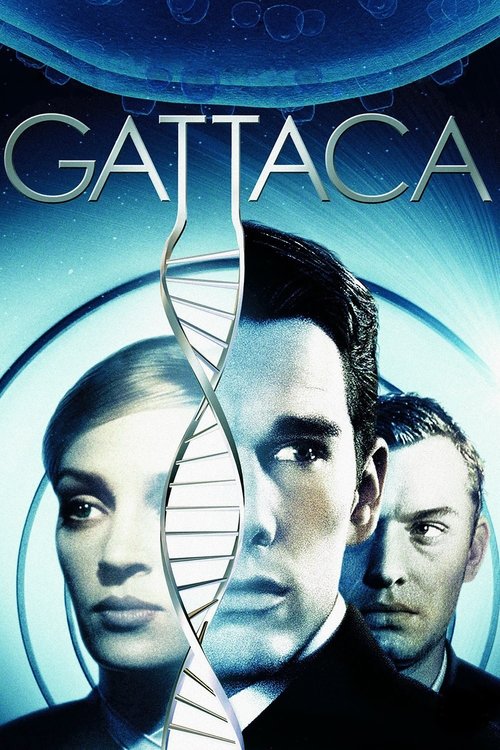
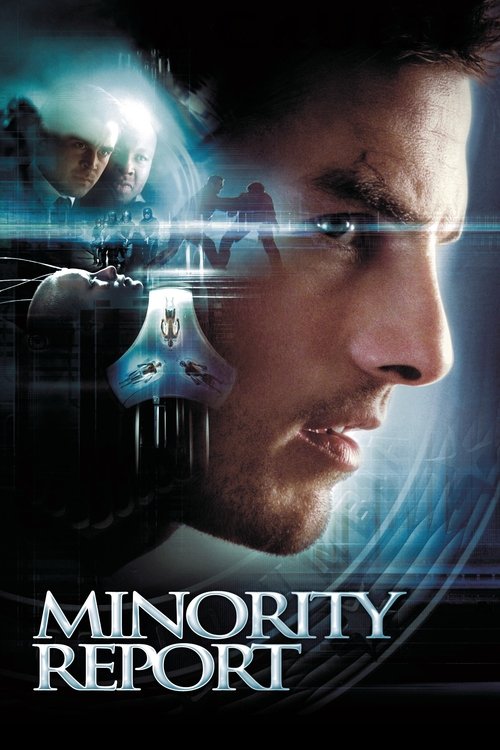

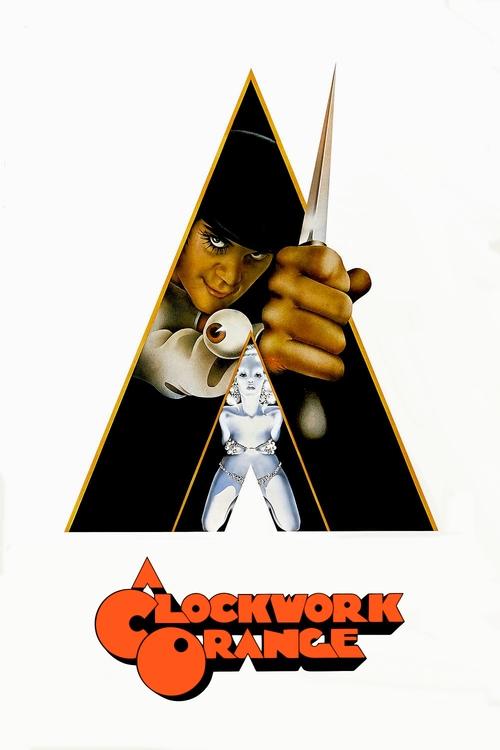

Dystopia, serialised
The futures that need a full season

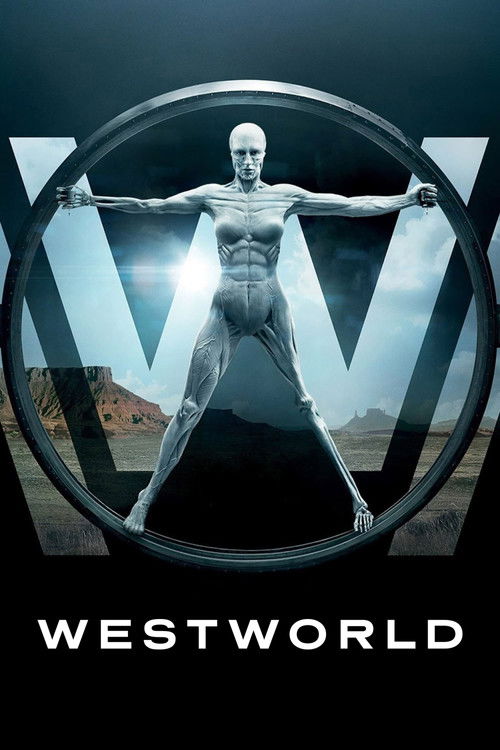
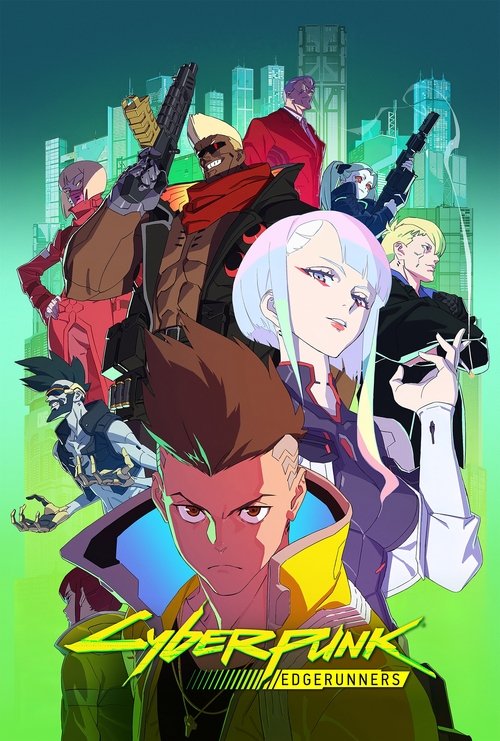

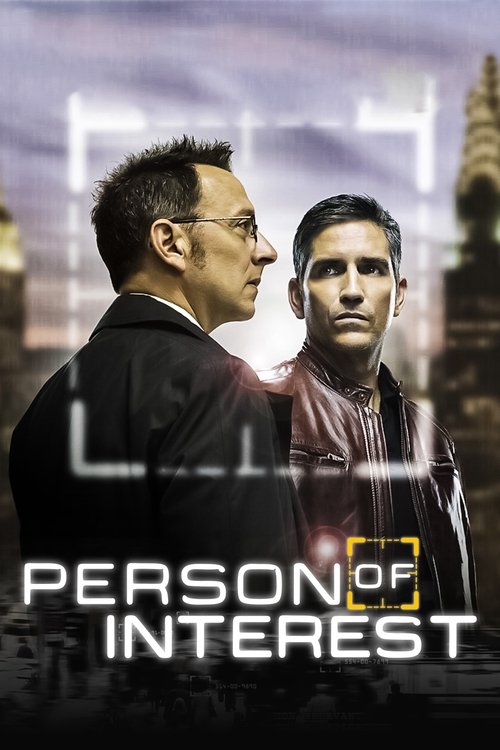
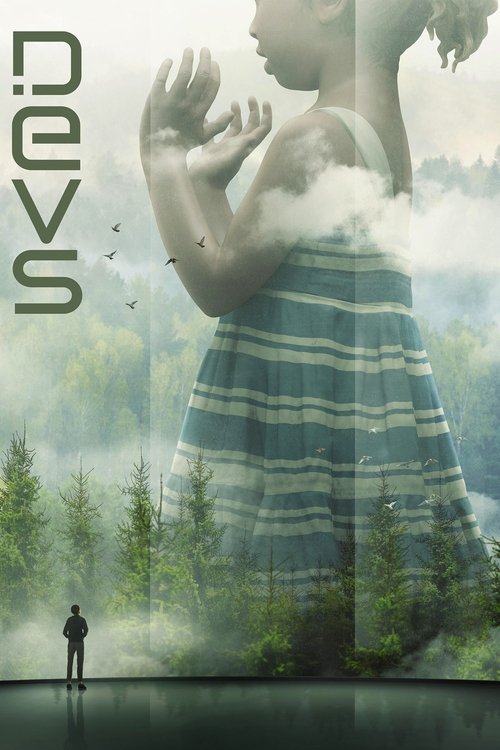

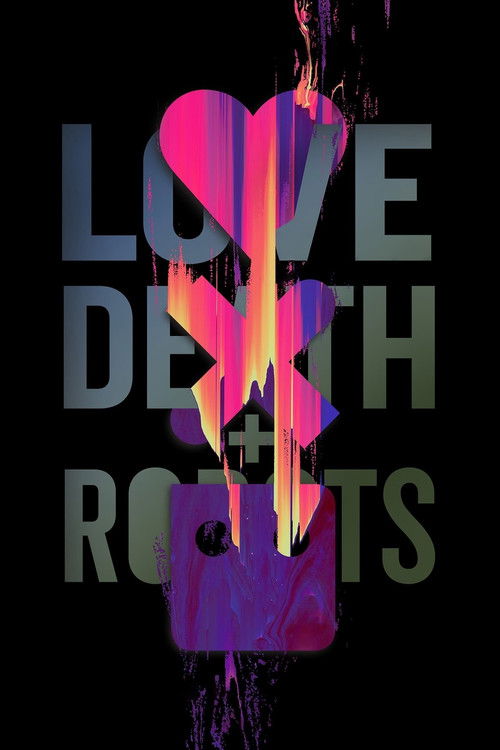
The body becomes the battlefield
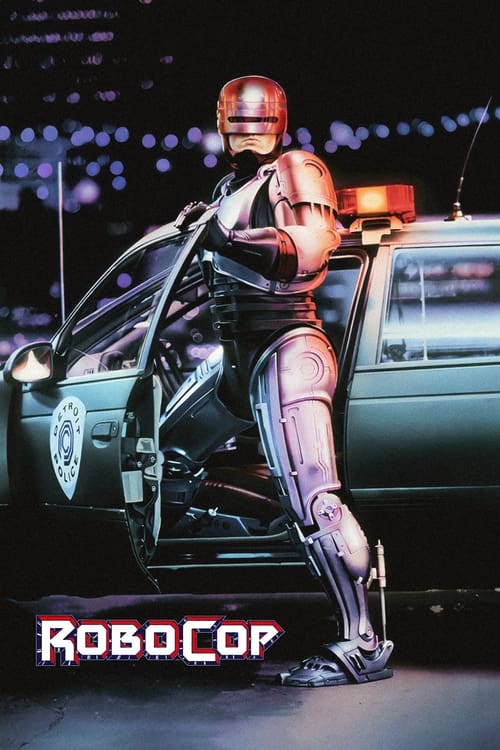
Cyberpunk's sharpest idea is that the future will be installed inside us: chrome limbs, traded memories, a mind you no longer fully own. Ghost in the Shell asked what is left of a person once the body is optional, and RoboCop turned a man into corporate property. When the self is hackable, privacy stops being a setting and becomes a fight.
Jack in
Cyberpunk you play
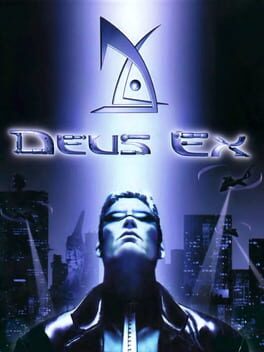
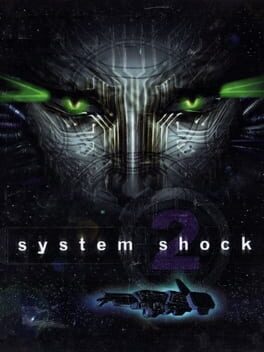
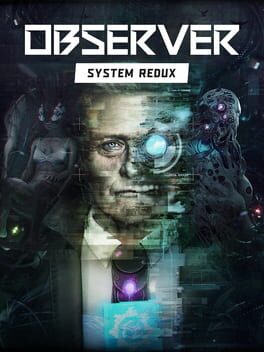

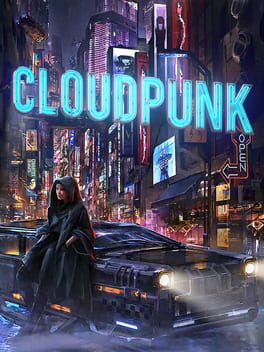



Jack in yourself
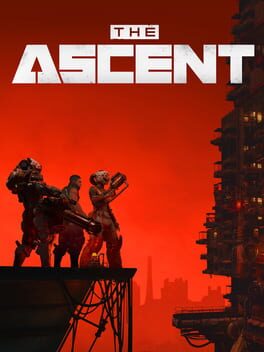
Games put you on the wrong side of the megacorporation. Cyberpunk 2077 lets you rebuild yourself with illegal hardware in a city that will eat you alive, and Deus Ex turned the augmented-human question into a genuine choice with consequences. The genre was always interactive at heart. The future is something you hack.
On the page
The novels that built the genre


More futures we were warned about
Dystopian Societies
Explore the Dystopian Societies guide →Cyberpunk was never predicting the future. It was reading the present very carefully, and refusing to look away.