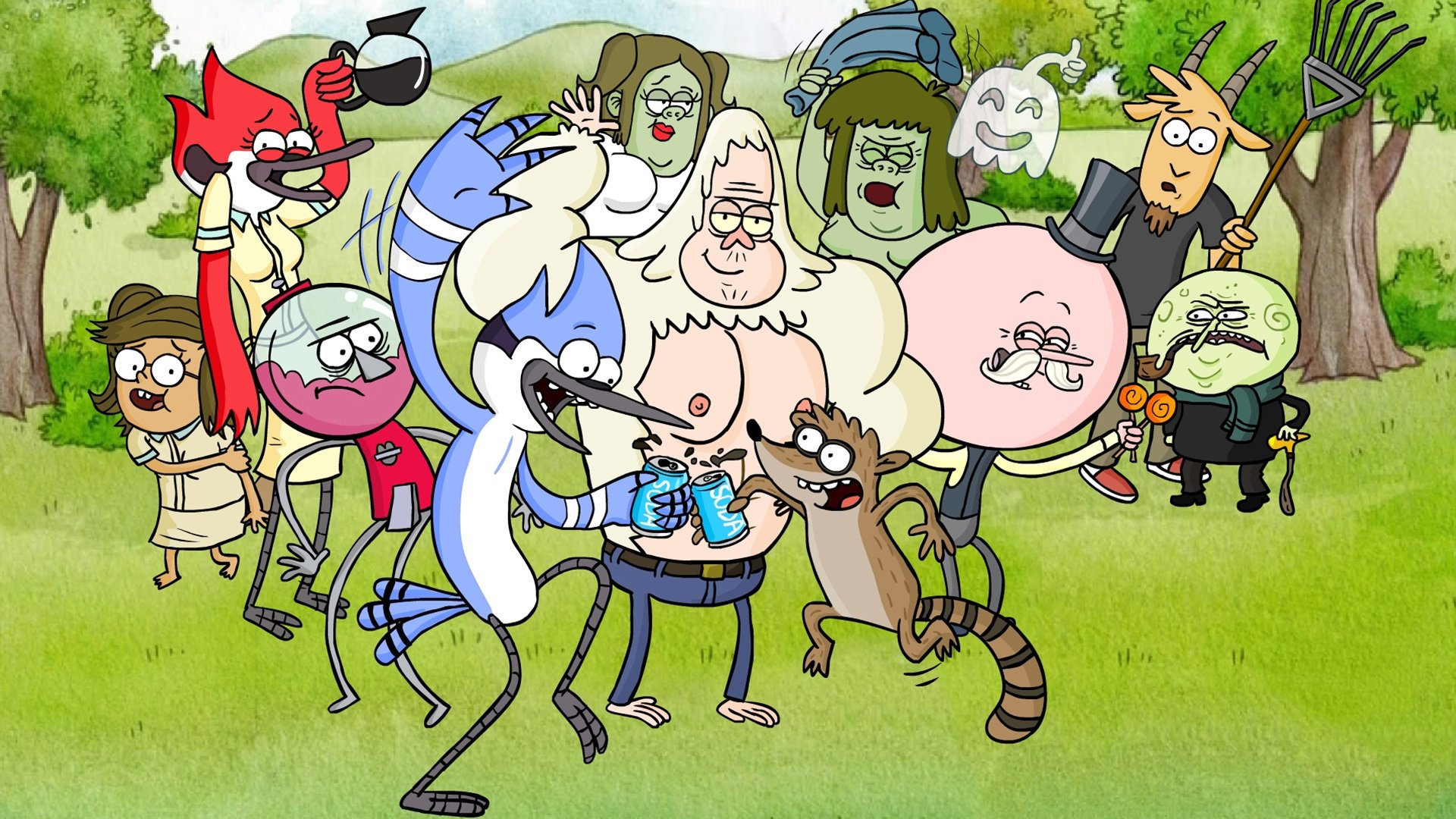

Born from a Student Short, Finished as a Legend
Regular Show began not as a pitch but as a CalArts thesis. J.G. Quintel made two short films while studying animation: The Naive Man from Lolliland (2005) and 2 in the Morning (2006). The second one, two slacker friends pulling an all-nighter, was the direct seed. Cartoon Network picked up the concept, and in September 2010 the world met Mordecai and Rigby, a blue jay and a raccoon working groundskeeping at a park managed by a gumball machine named Benson.
What followed was eight seasons and 261 episodes of escalating absurdism rooted in something genuinely felt: the specific dread of being in your early twenties, avoiding responsibility while dimly aware that time is passing. The show ran until January 2017, ending with a feature-length finale that sent Mordecai and Rigby into space. Between the pilot and the finale, the story expanded into a theatrical film, a 3DS side-scroller, and a comic book run from Boom! Studios.
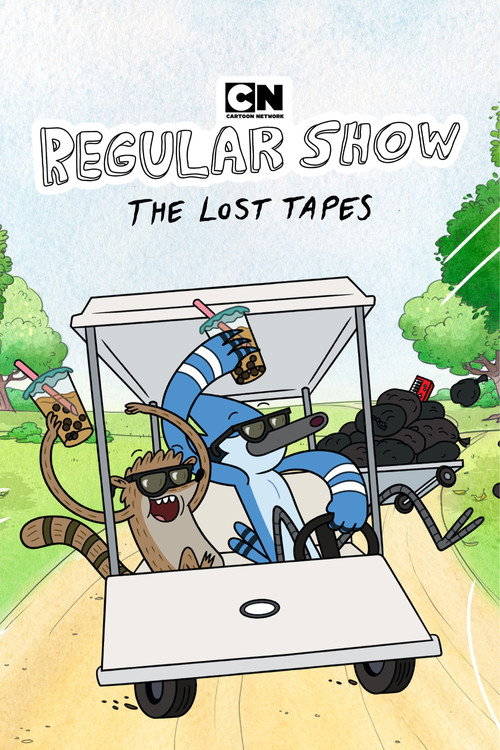
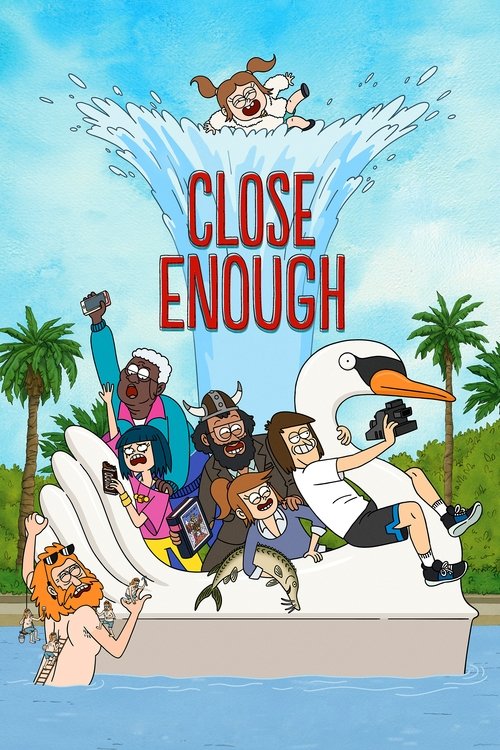
J.G. Quintel went on to create Close Enough (2020) for HBO Max, which functions as a spiritual sequel: same comedy sensibility, same warmth, now aimed at the slightly older audience that grew up with Regular Show. In 2026, Cartoon Network revived the property with Regular Show: The Lost Tapes, though reception has been mixed among fans of the original run.
Every Version of Regular Show
The original series, its revival, its movie, and the closest spiritual sequel
Regular Show Through the Years
- 2005Quintel's first CalArts short: the DNA of the show (student film, not in catalog)
- 2006Second student short; the prototype for Mordecai and Rigby (student film, not in catalog)
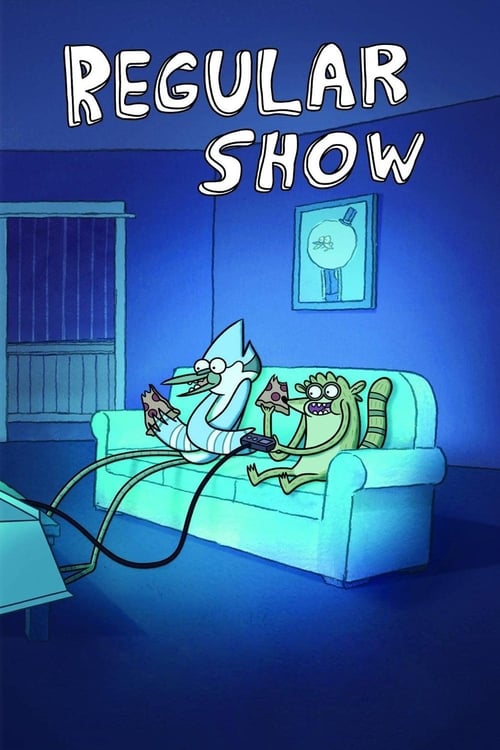
- 2010Cartoon Network series premieres, Season 1 Regular Show
- 20133DS game: side-scrolling tribute to the 8-bit era (not in catalog)
- 2013Boom! Studios ongoing comic series launches (not in catalog)
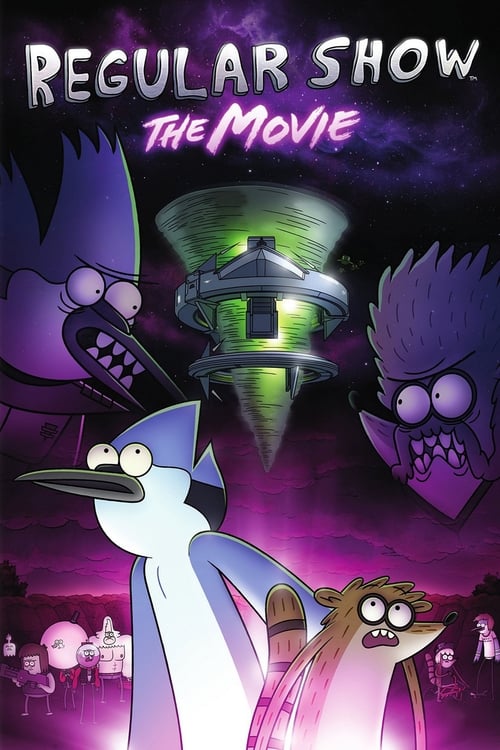
- 2015Theatrical film released during Season 6 Regular Show: The Movie
- 2016Skips spinoff miniseries from Boom! Studios (not in catalog)
- 2017Series finale: a two-hour TV movie closes the original run Regular Show
- 2020Spiritual sequel by Quintel premieres on HBO Max Close Enough
- 2026Revival series returns to Cartoon Network Regular Show: The Lost Tapes
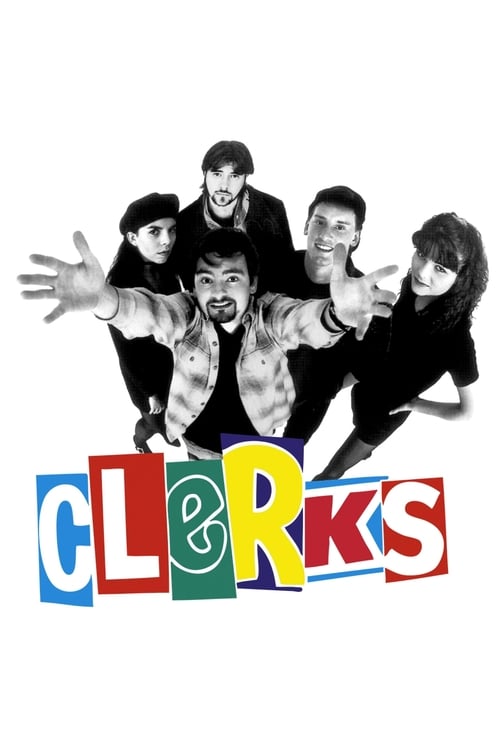
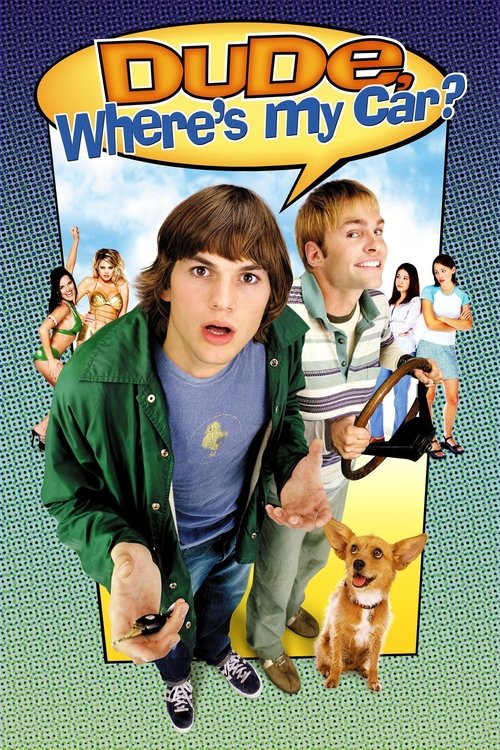
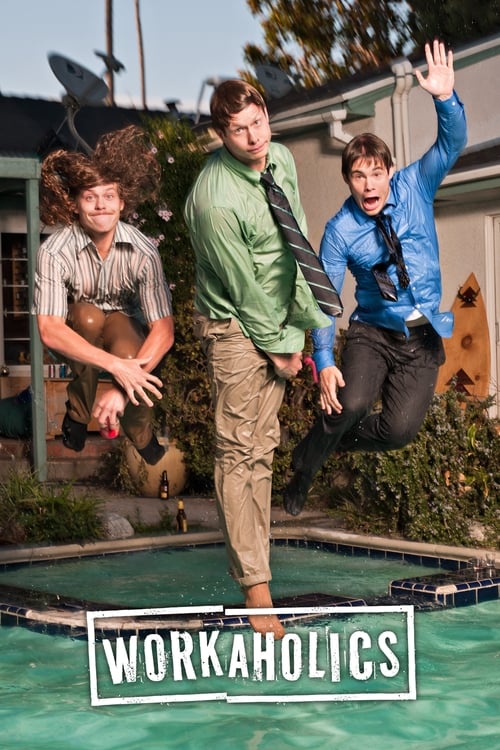
If You Love the Slacker Comedy at Its Core
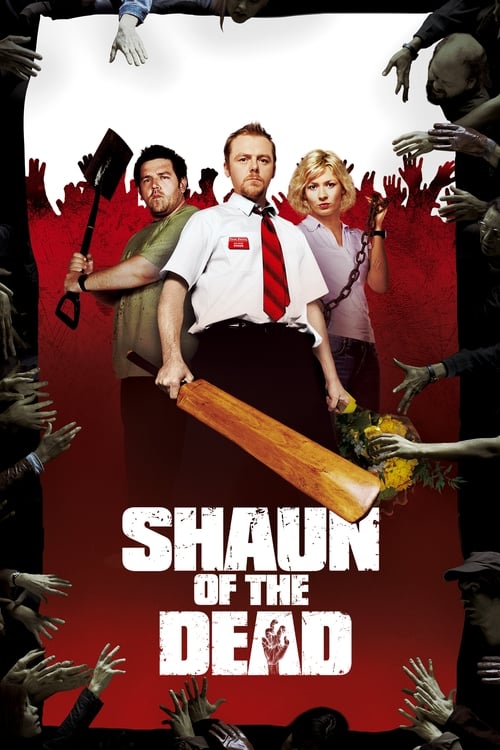
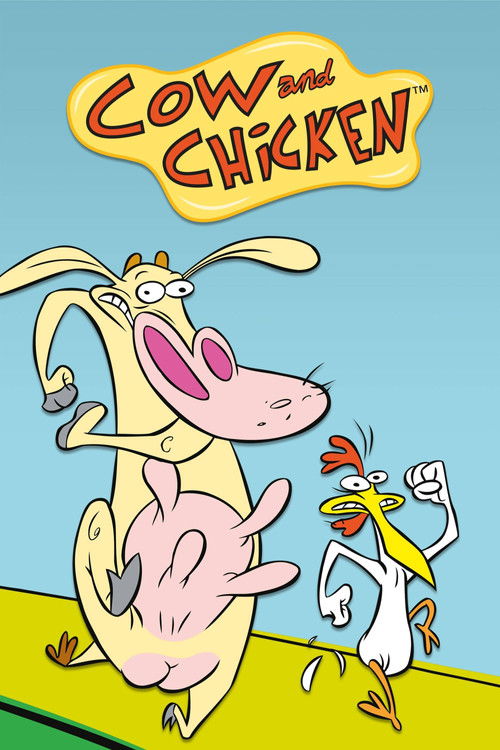
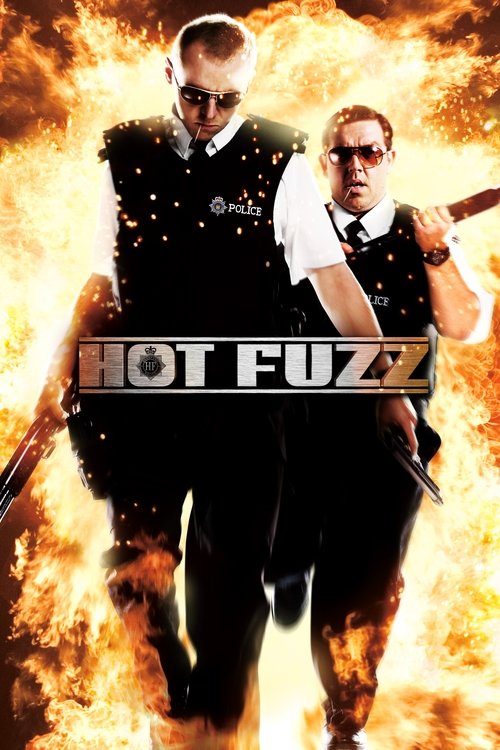
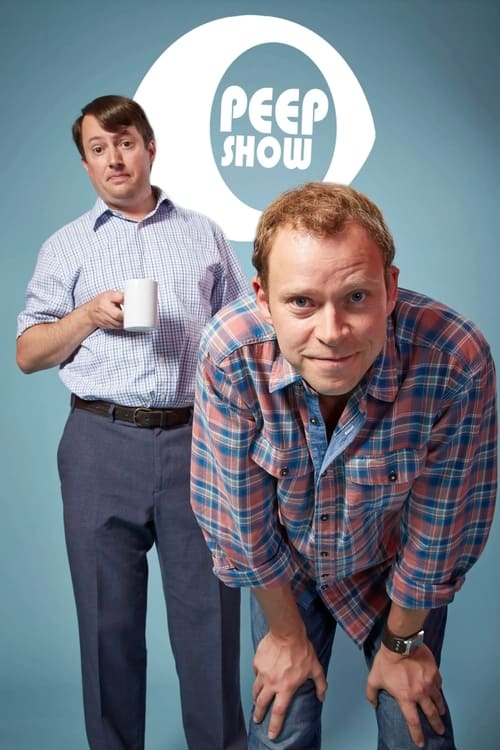
Shows about underachievers confronting the weird and the cosmic

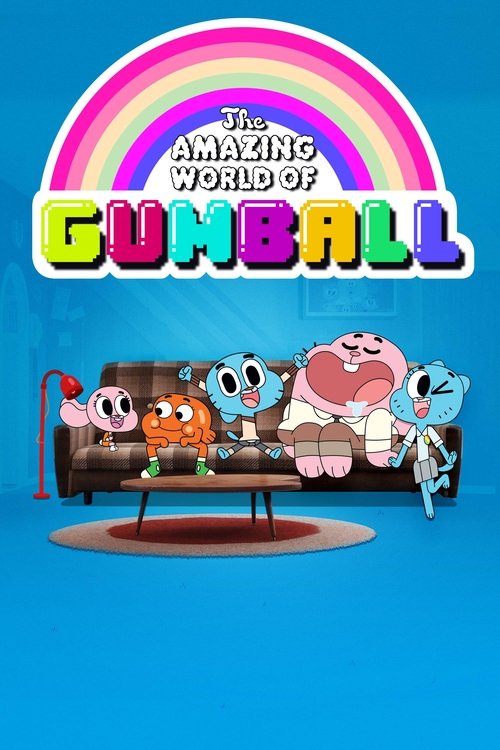
If You Love the Surreal Escalation
Stories that start mundane and end somewhere genuinely strange

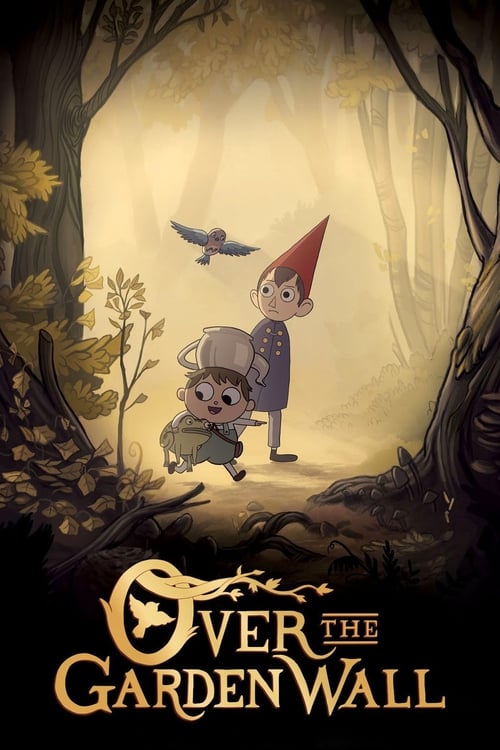
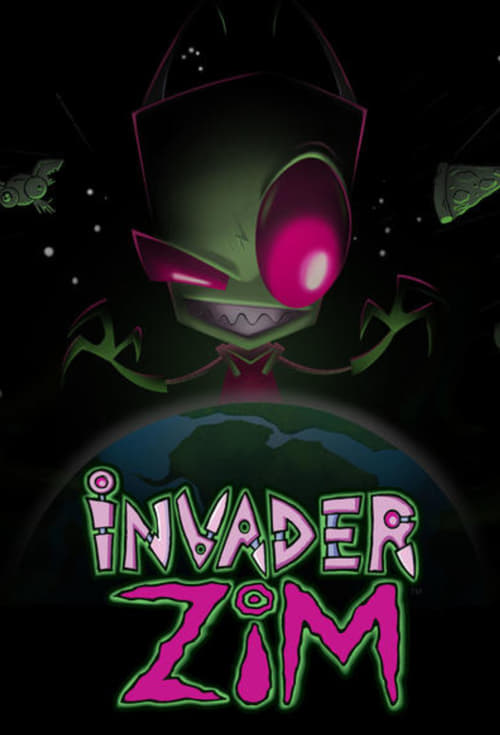
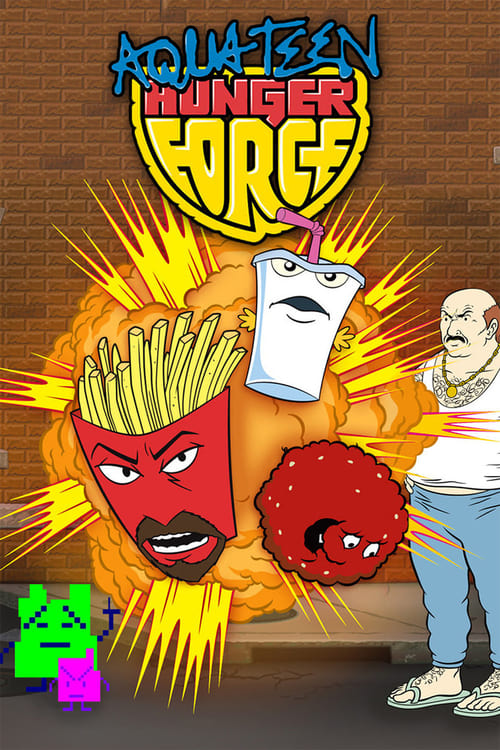
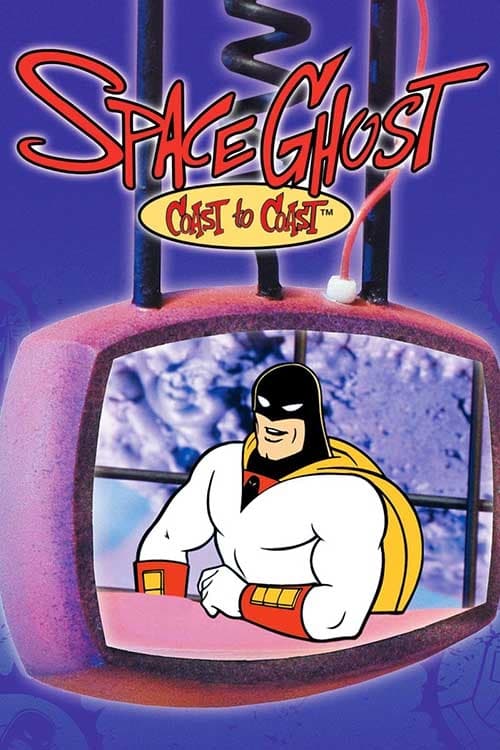
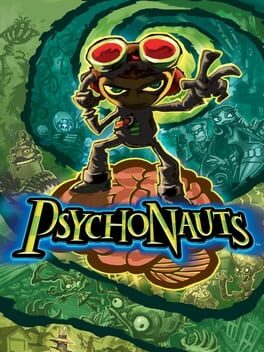
If You Love the 80s and 90s Nostalgia Layer
Works soaked in VHS aesthetics, retro games and era-specific longing
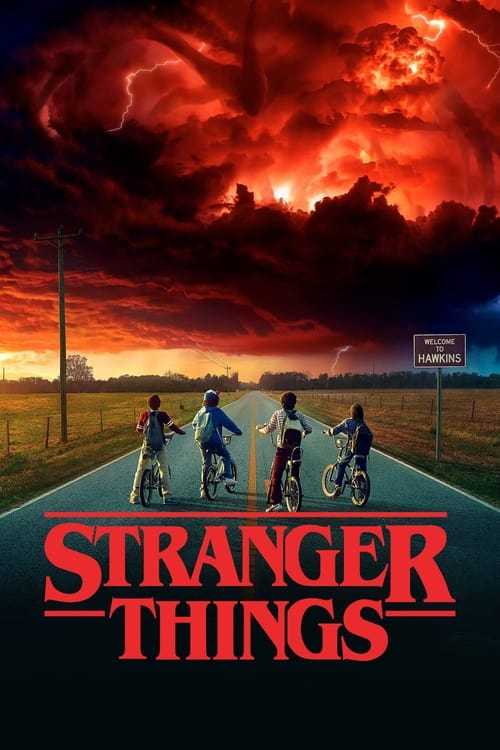
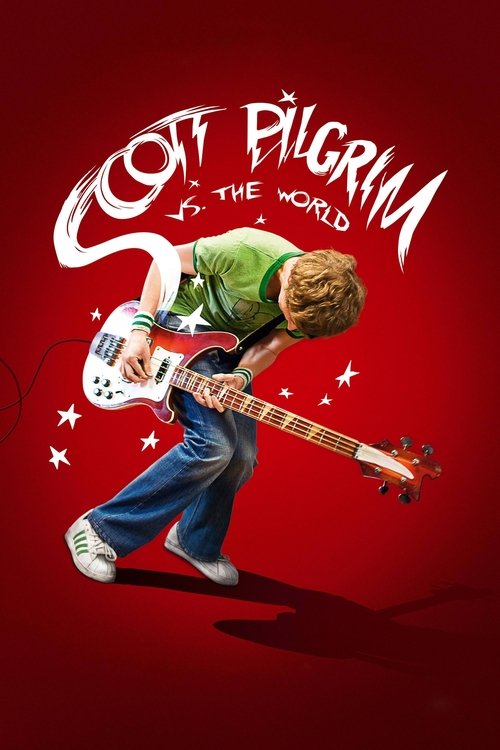
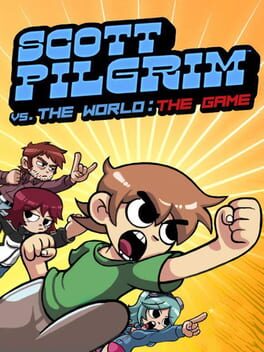
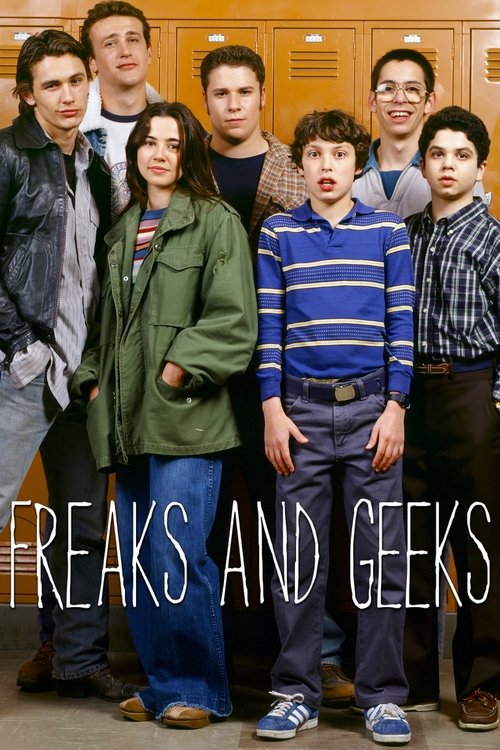
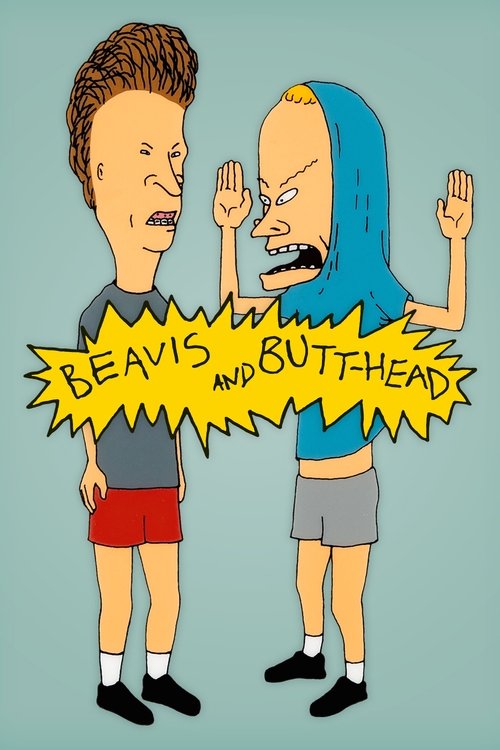
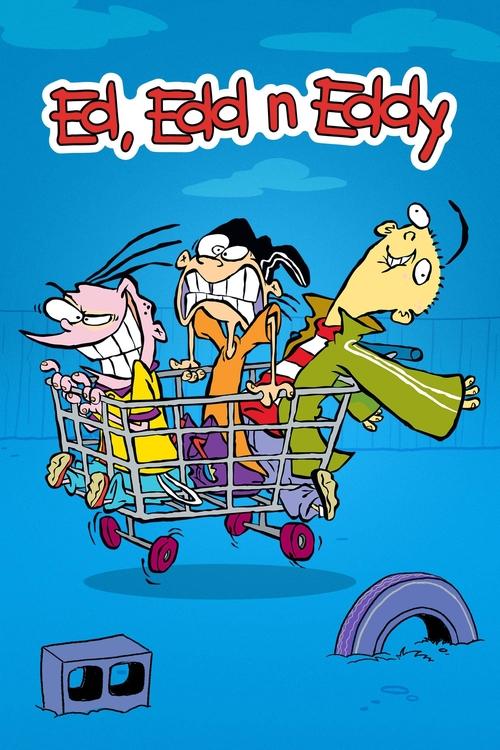
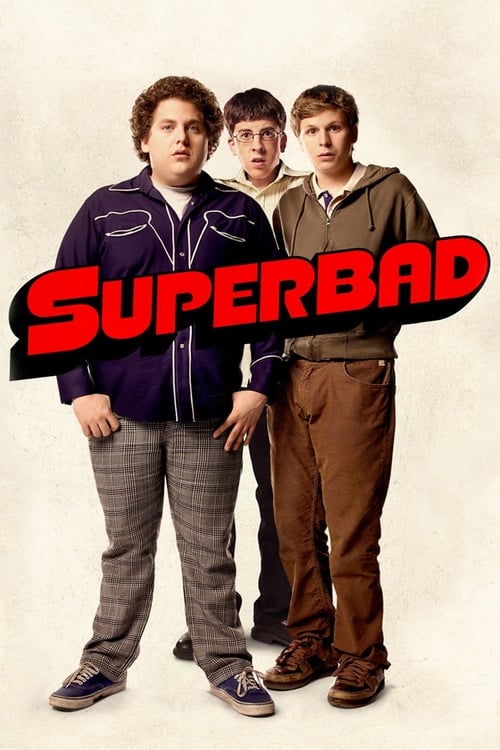
If the Friendship Is What Stayed With You
Duos and found families navigating their particular version of chaos

The Definitive Version: The TV Series at Its Peak (Seasons 3 to 5)
The series itself is the thing. Seasons three through five represent the show at full confidence: the jokes are tighter, the mythology has weight, and the emotional beats land because the writers earned them over two seasons of setup. The theatrical film and the Boom! Studios comics are fine extensions, but no adaptation captures what the show does when it fires at full power. The show uses cartoon absurdism as cover for something that actually aches: the fear of wasting your life while everyone around you seems to be figuring it out. That is not an accident of tone. Quintel and his writers put it there deliberately, and seasons three through five are where it burns the hottest.
The Underrated One: Regular Show: The Movie
Released mid-run in 2015, the theatrical film is a genuine time-travel story built around the friendship between Mordecai and Rigby, and it commits to its emotional stakes in a way that surprised people who expected a glorified TV special. The central conflict, what happens when you discover your best friendship has a load-bearing lie underneath it, is more substantial than almost anything the series attempted in a single episode. It works as a standalone watch, but it rewards long-term fans with payoffs the series spent years setting up. It was largely ignored at the time. That is a mistake worth correcting.
The Honest Assessment: Close Enough
Close Enough is the better-made show that nonetheless misses the specific feeling that made Regular Show matter. Quintel sharpened everything: the pacing is cleaner, the animation budget is higher, the jokes land more consistently. But the original series drew its power from characters who had not yet grown up, caught between what they wanted and what they could not bring themselves to do. Close Enough begins from a more settled place, two adults who have already chosen their lives, and the stakes feel smaller because of it. If you loved Regular Show for its craft, Close Enough delivers more of it. If you loved it for the specific ache of its subject matter, the sequel can only approximate that.