
The Architect of the Animated Saturday
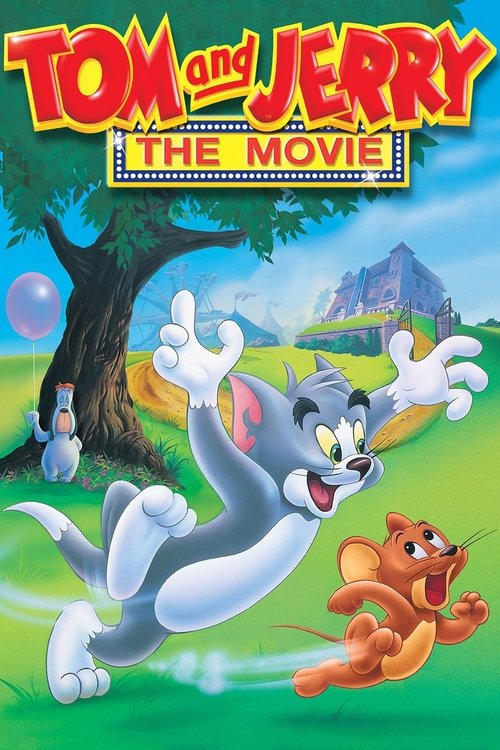
Joseph Barbera spent the first part of his career at MGM making Tom and Jerry with William Hanna, winning seven Academy Awards and refining a particular physics of slapstick that felt genuinely dangerous and genuinely funny at the same time. Then television arrived, and the two men saw something everyone else missed: that audiences would watch an animated character every single week, not just at the movies.
Hanna-Barbera Productions, co-founded in 1957, essentially invented the grammar of television animation. The studio pioneered limited animation out of economic necessity and turned it into an aesthetic. Repeating background loops, held poses, dialogue-driven comedy, theme songs that doubled as character bibles: these were budget solutions that became the defining texture of an entire era. Huckleberry Hound, Yogi Bear, The Flintstones, The Jetsons, Scooby-Doo, Jonny Quest, Top Cat, Space Ghost and dozens more rolled out of the Cahuenga Boulevard studio in a torrent that shaped childhood for three consecutive generations.
What Barbera understood, and what his best work still demonstrates, is that strong character conceits carry everything. A bear who is smarter than the ranger who chases him. A prehistoric working-class family coping with very modern anxieties. A cowardly dog and a gang of teenagers solving crimes in a van. The premises are simple, almost absurdly so, and that is exactly why they work. Fans of Barbera's output tend to have a specific appetite: comedy that is broad but not stupid, adventure that is safe but genuinely tense, a world that runs on its own internal logic, and characters whose flaws are the whole point.
Essential Hanna-Barbera
The core catalogue, from the MGM years through the studio's television peak and its Cartoon Network revival
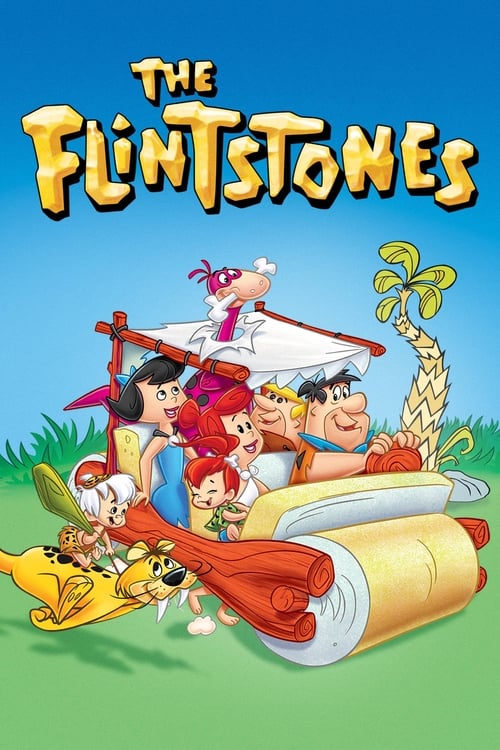
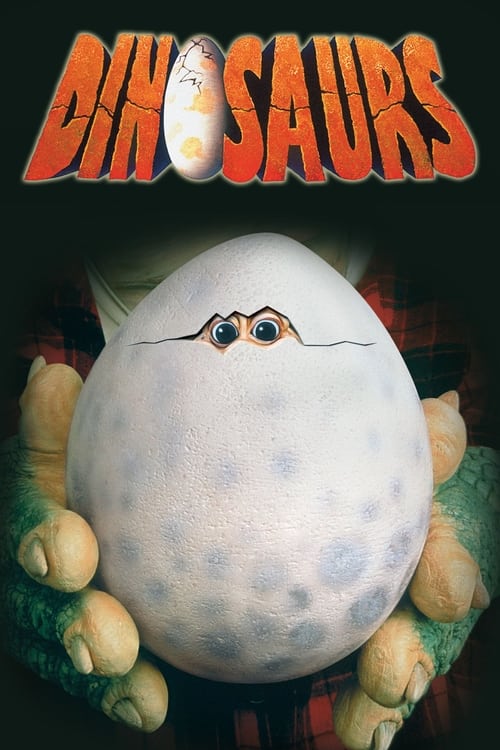
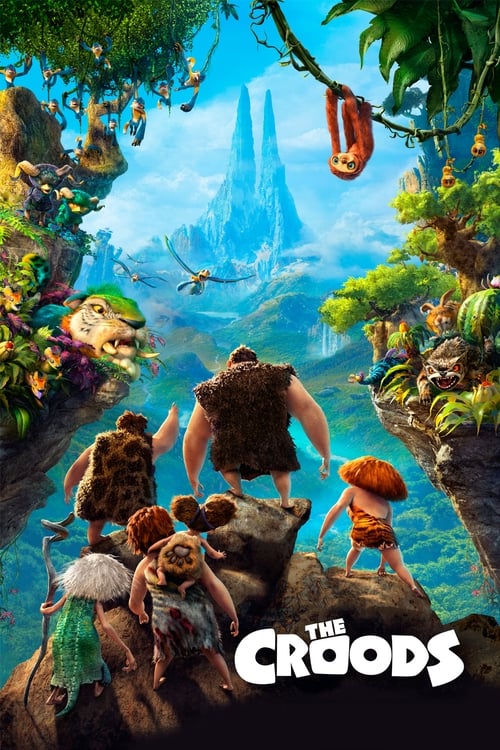
If You Love the Stone-Age Sitcom Logic
Animation that builds a whole world on one brilliant absurd premise and then lives inside it


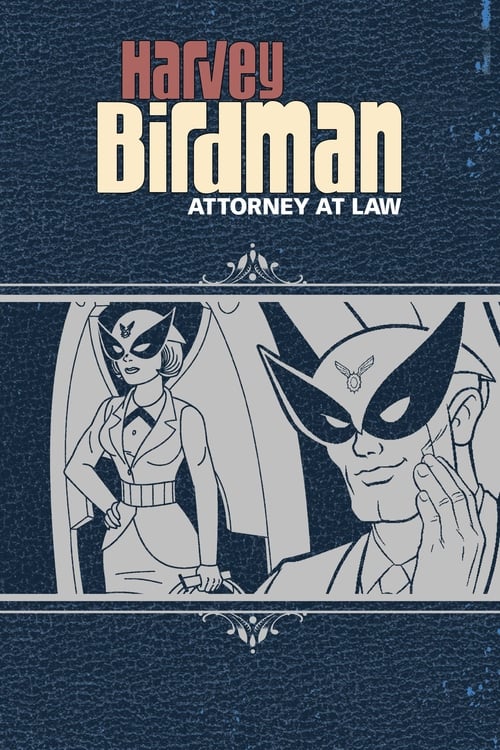
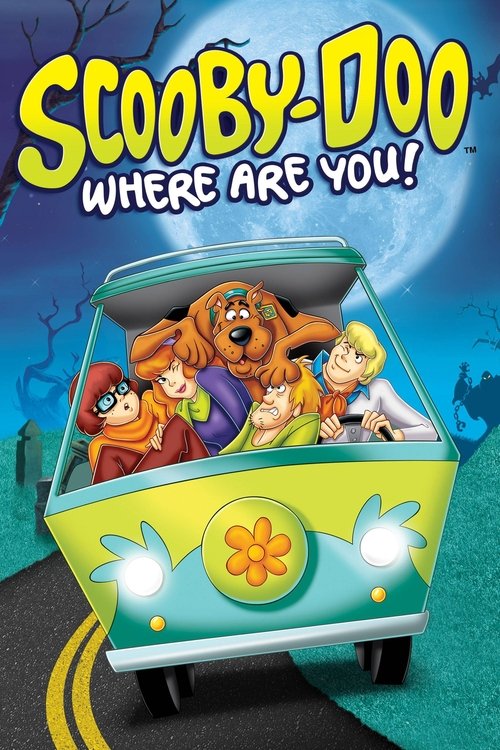
If You Love Mystery Inc. and the Gang
Comedy-adventure with an ensemble of distinct personalities, mild peril, and a satisfying reveal

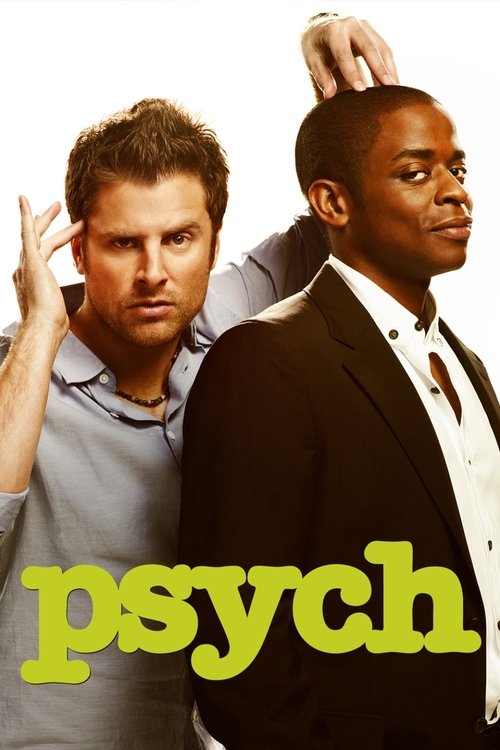
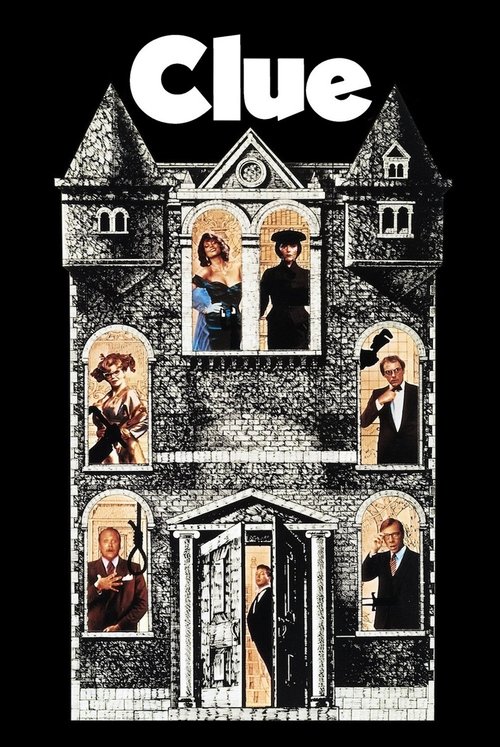
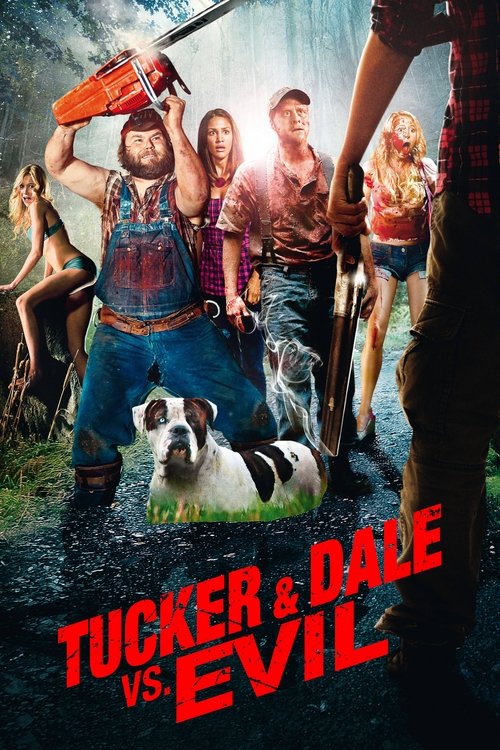


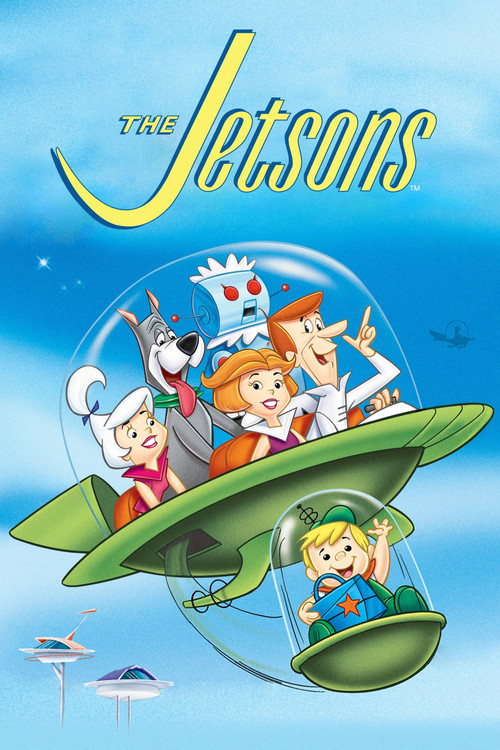
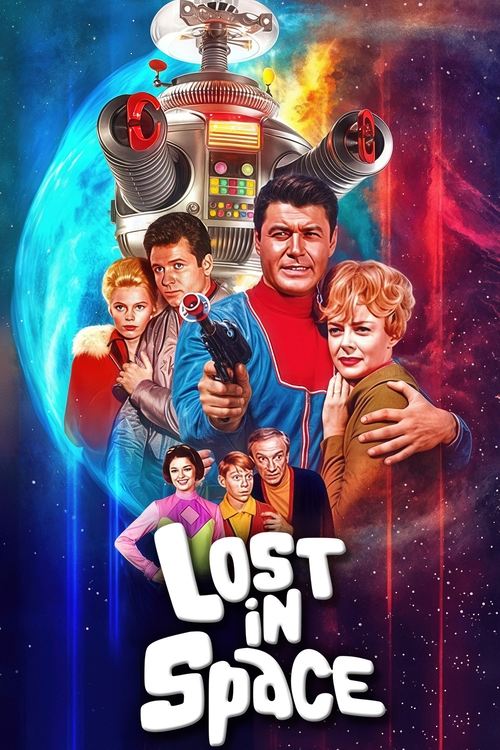
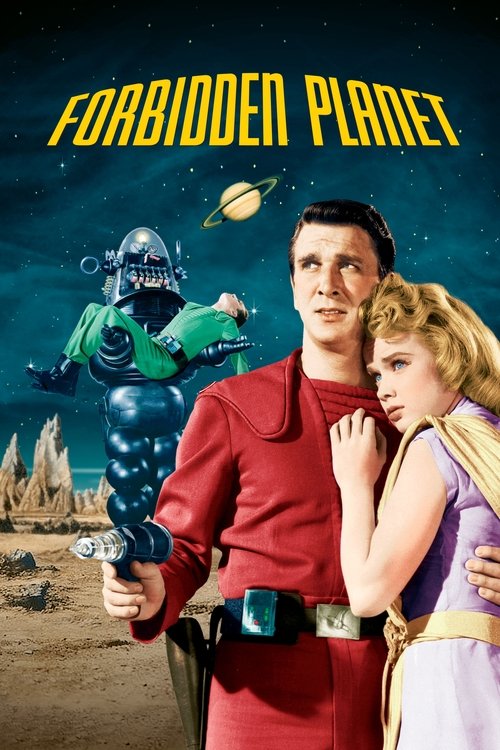
If You Love the Mid-Century Optimism of The Jetsons
Retrofuturism, space-age design, and an unshakeable faith that the future will be fun

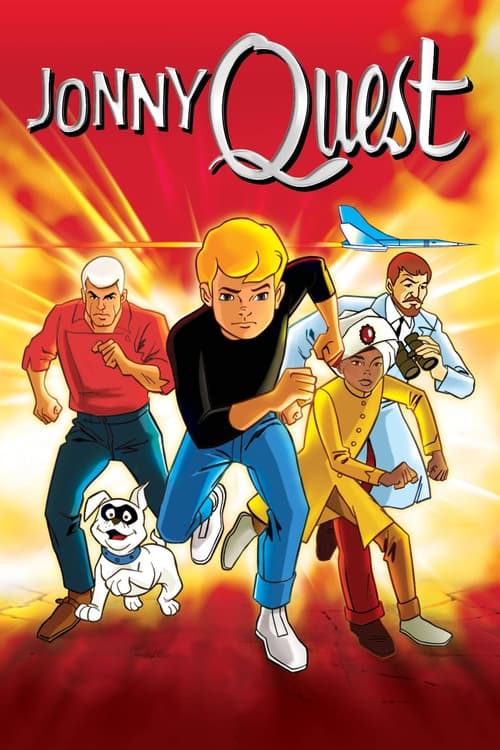
If You Love Jonny Quest's Boy-Adventure Intensity
Adventure animation that trusted kids to handle real stakes, real villains, and real geography



The perfect entry point is not The Flintstones
Everyone goes to The Flintstones first because it is the flagship, and it earns that reputation. But Scooby-Doo, Where Are You! is where Barbera's formula is most purely expressed. The character dynamics are tighter, the episodic structure is almost perfectly modular, and the essential Hanna-Barbera trick (a coward protagonist who somehow ends up at the centre of every dangerous situation) is more charming here than anywhere else. Start with Scooby, then go back.
Jonny Quest is the underrated masterpiece of the entire catalogue
Jonny Quest (1964) was genuinely trying something that the studio rarely attempted again: sustained narrative tension, real-world locations treated with some care, and a villain roster that posed actual physical threat. The action sequences hold up in a way that most Hanna-Barbera product does not, because the studio threw a bigger budget at it and hired Doug Wildey, a comic-book artist, to define the visual language. It got cancelled after one season, which is one of the legitimate injustices of American television animation.
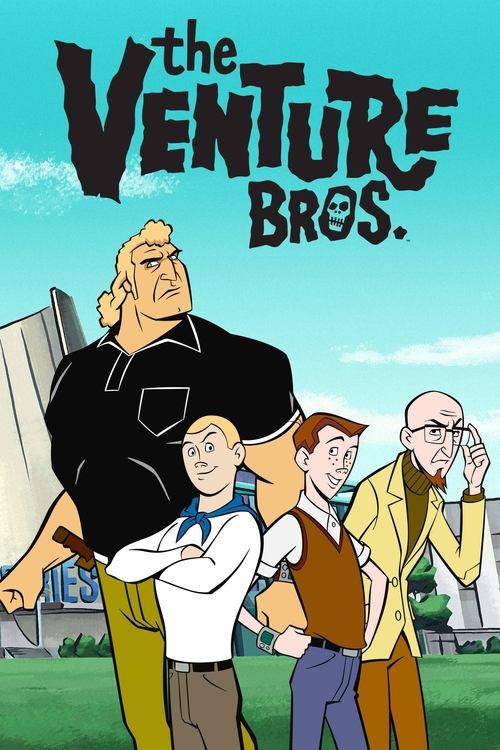
The Venture Bros. is the spiritual successor no one else could have made
The Venture Bros. is built entirely from Hanna-Barbera DNA, specifically Jonny Quest, and it is as much a work of criticism as affection. Creators Jackson Publick and Doc Hammer understood that the boy-adventure formula was built on a fantasy of competent fathers and exciting danger, and they spent sixteen years methodically asking what it would do to the people inside that fantasy if none of it were actually true. It is funny, it is sad, and it would be impossible without Barbera's original.
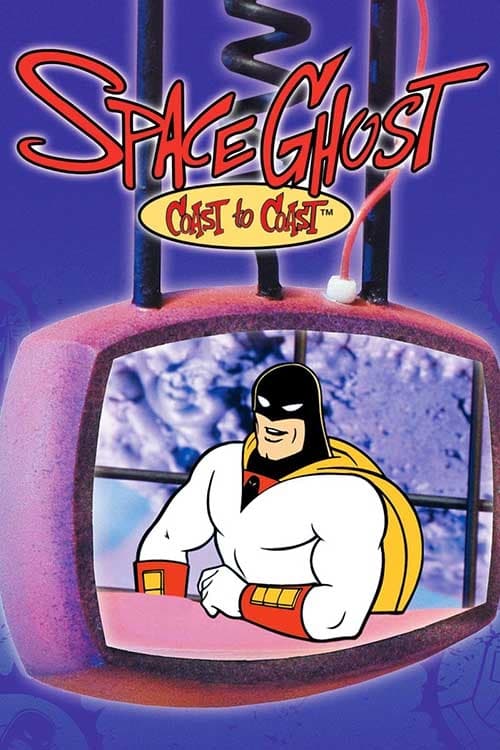
Space Ghost Coast to Coast changed what animation was allowed to be
Space Ghost Coast to Coast (1994) is where Adult Swim began. The decision to take a forgotten Hanna-Barbera space hero and drop him into a deadpan talk-show format, reusing the original 1966 animation, was so strange and so cheap that it should not have worked. It worked completely. The show invented the ironic-nostalgia mode that defined alternative animation for the next fifteen years, and it only exists because Barbera had made all that original footage available.
Joseph Barbera: Key Moments
- 1940First Tom and Jerry short with William Hanna earns the pair their first Oscar nomination
- 1957Hanna-Barbera Productions founded after MGM shutters its animation department
- 1958Huckleberry Hound debuts: the studio's first TV series built around a single recurring character
- 1960The Flintstones premieres, the first animated series in primetime on US network television The Flintstones
- 1962The Jetsons premieres in full colour, the companion piece to The Flintstones and the other side of the same mid-century coin The Jetsons
- 1964Jonny Quest airs: the studio's most expensive and most cinematic series Jonny Quest
- 1969Scooby-Doo premieres, the studio's most durable creation Scooby-Doo, Where Are You!
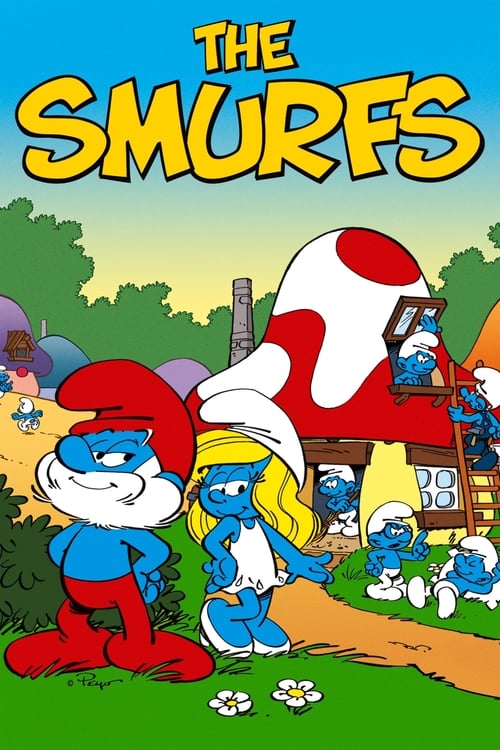
- 1981The Smurfs launches, extending Hanna-Barbera's reach into a new era of Saturday morning dominance The Smurfs
- 1994Space Ghost Coast to Coast debuts on Turner's new Cartoon Network channel, launching what will become Adult Swim Space Ghost Coast to Coast
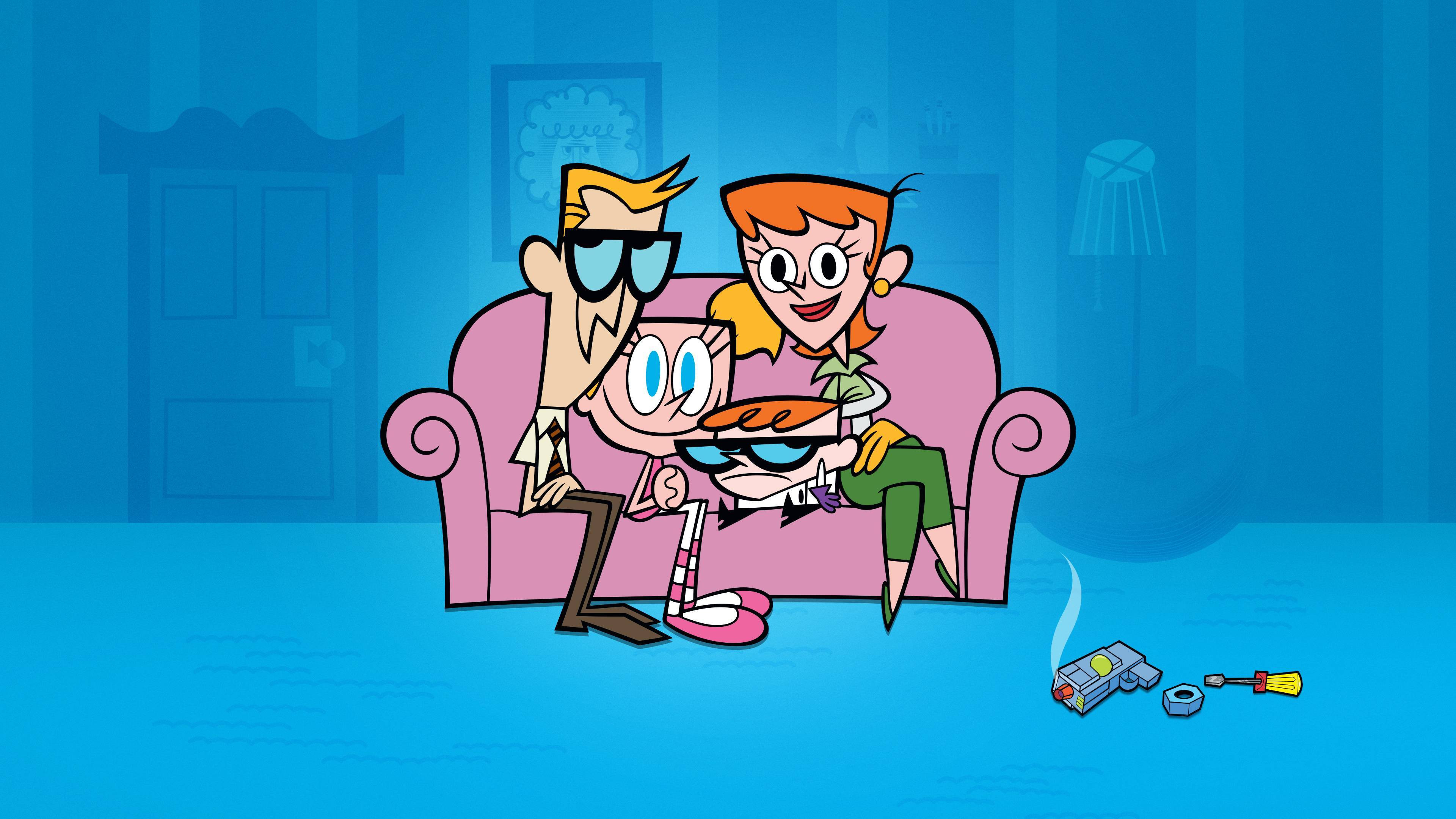
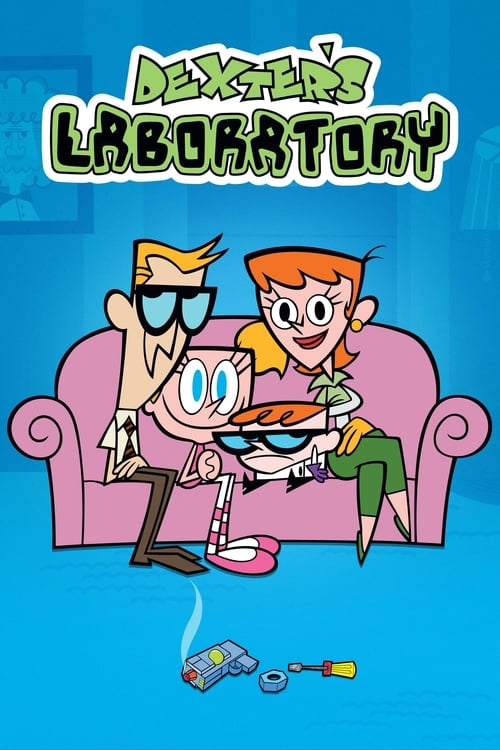
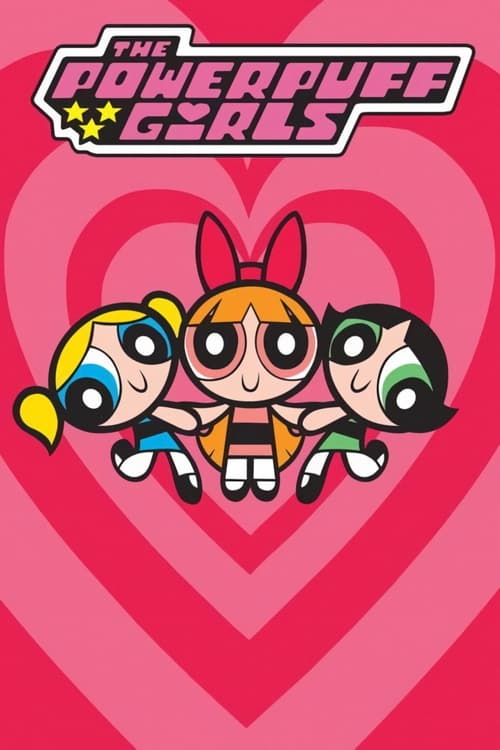
- 1996Dexter's Laboratory and The Powerpuff Girls signal a creative second wind at the studio under Cartoon Network
- 2006Joseph Barbera dies at 95, having received the Windsor McKay Award for lifetime achievement
Saturday-morning mysteries and adventure
For Fans of William Hanna
Explore the For Fans of William Hanna guide →We were not making art. We were making Monday mornings something kids could survive.Joseph Barbera, on the purpose of television animation