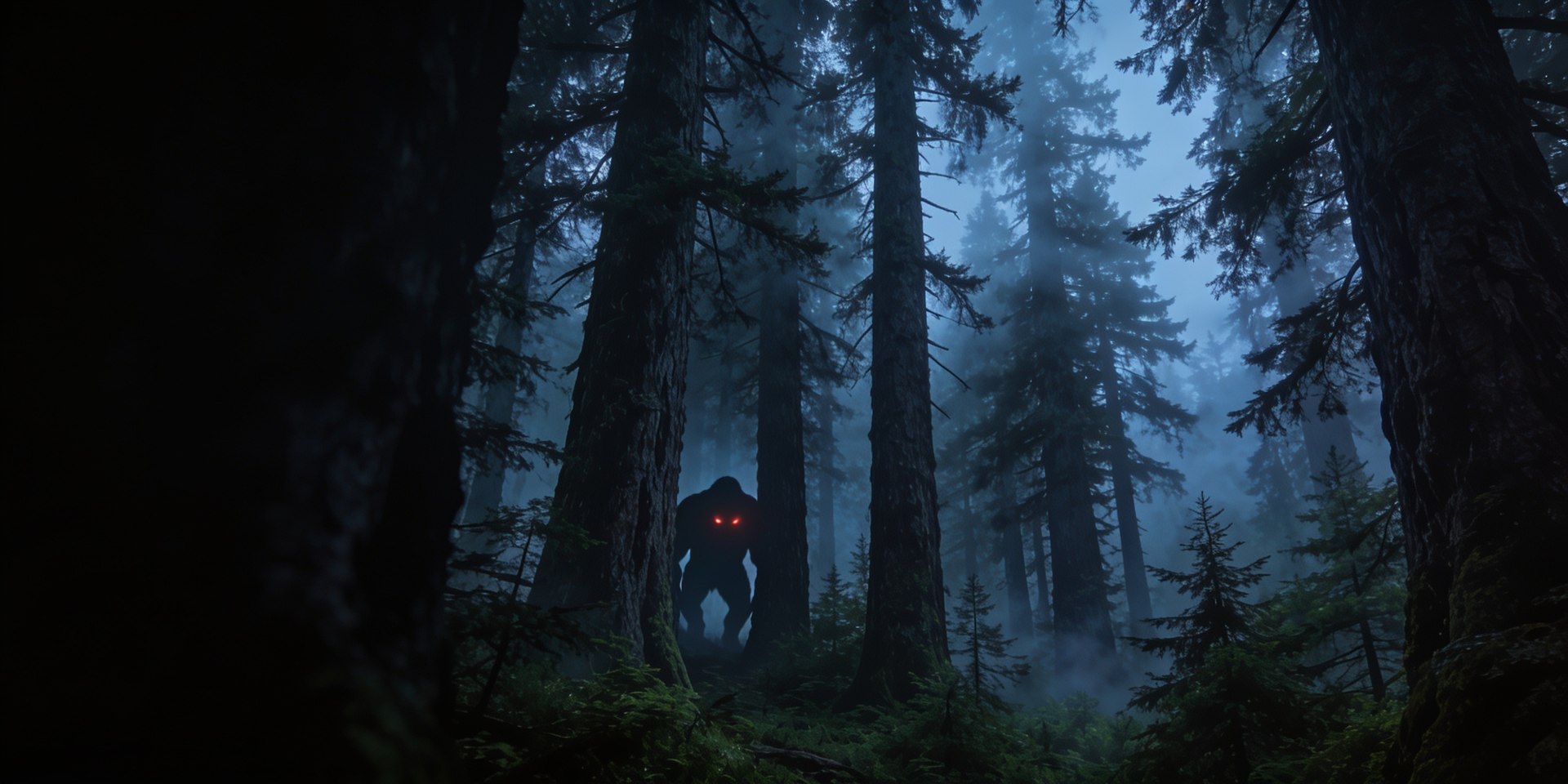

Every cryptid is a story a place tells about itself. The Pacific Northwest has its hairy giant in the firs. West Virginia has a red-eyed thing on the Silver Bridge. The Scottish Highlands have something long and dark moving under the loch. These creatures are never quite proven and never quite disproven, and that gap is exactly where the best stories live. A monster you can shoot is a problem. A monster that might be standing just past the treeline, watching, is a haunting.
What separates this corner of horror from the rest is its refusal to fully arrive. The films and games and books that work the cryptid vein understand that the dread is in the looking, not the finding. The grainy frame. The footprint cast in plaster. The thing half glimpsed between the trunks before the camera lurches away. This is a guide to the works that get that right across every medium: the Sasquatch pictures and Mothman vigils, the wendigo of the deep woods, the trolls of the fjords, and the games that drop you alone in the dark and let you start to believe.
Essential cryptids and folklore monsters
The canon of the half-seen, across film, TV, games and books
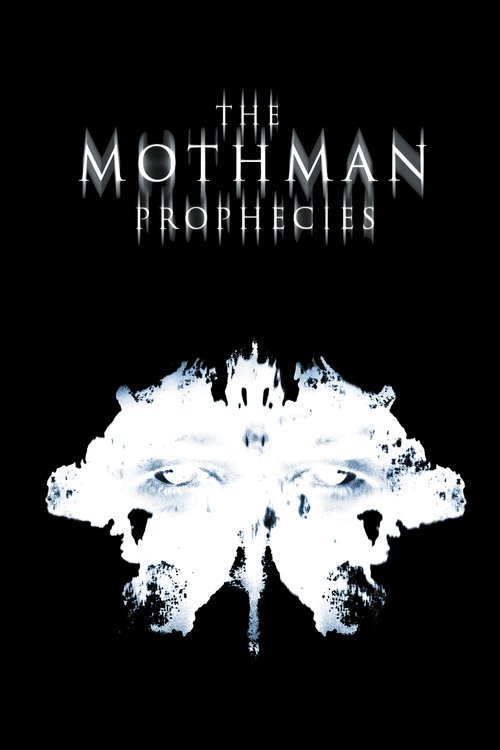




The Mothman Prophecies understood that the dread is in the not-knowing
Most monster movies make the mistake of showing you the monster. Mark Pellington's The Mothman Prophecies (2002) never really does, and that is the whole point. Richard Gere plays a journalist pulled to Point Pleasant, West Virginia, where people are seeing a winged figure and receiving warnings they cannot explain. The film treats the cryptid less as a creature and more as a presence: phone calls that should not be possible, premonitions that come true, a sense that something is aware of you and indifferent to whether you understand it.
It is loosely built on John Keel's account of the real 1966-67 Point Pleasant sightings, which culminated in the collapse of the Silver Bridge. The movie keeps that historical weight. By refusing to resolve into a man-in-a-suit reveal, it stays genuinely unsettling in a way almost no other cryptid film manages. The Mothman is scariest as a question.
Bigfoot on film
Sasquatch from the gentle to the genuinely frightening
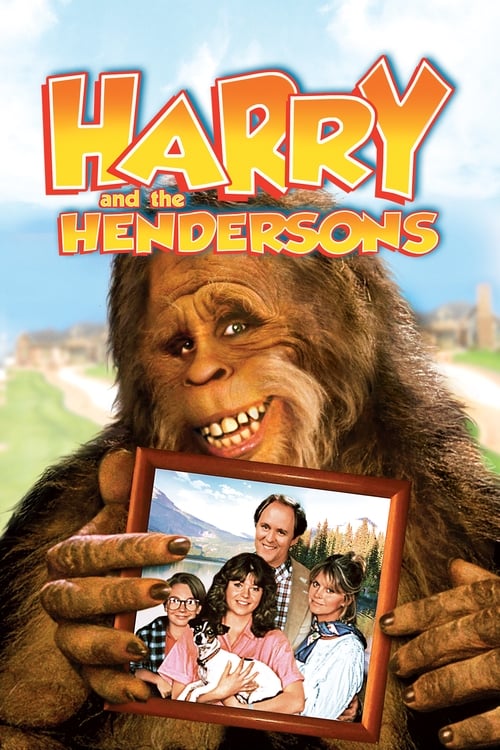
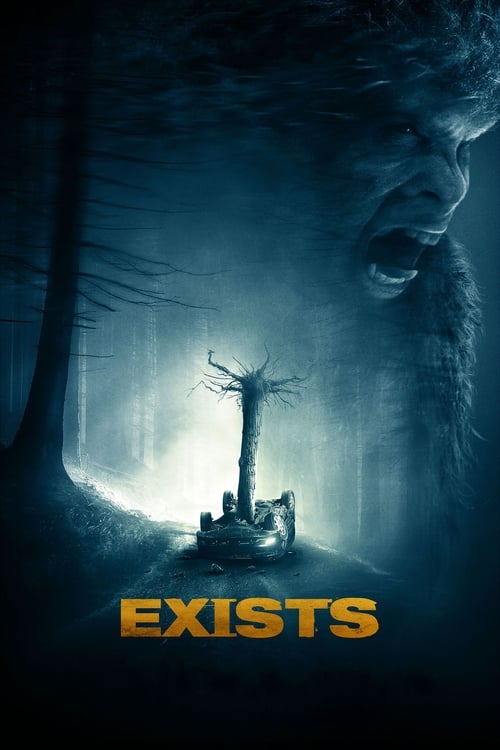
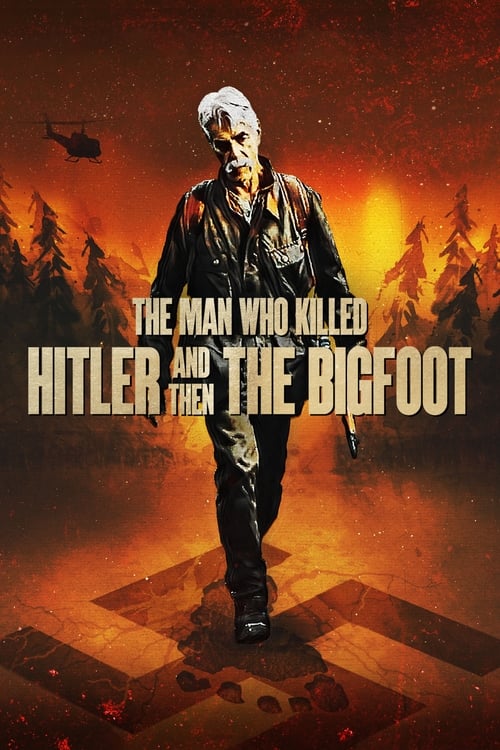
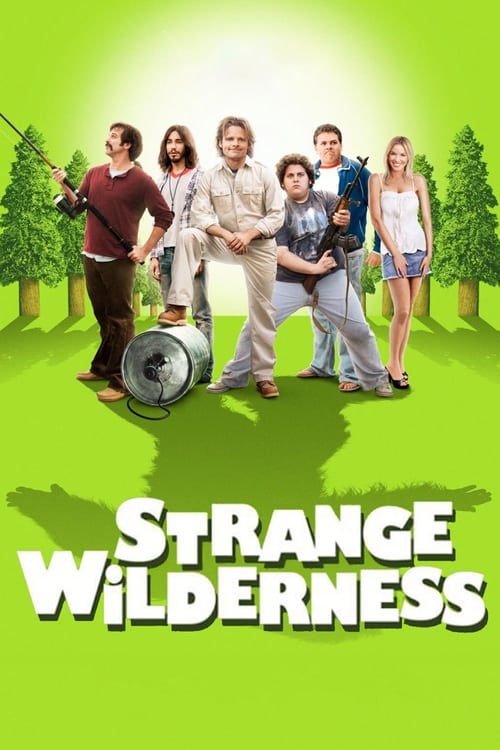

The found-footage turn
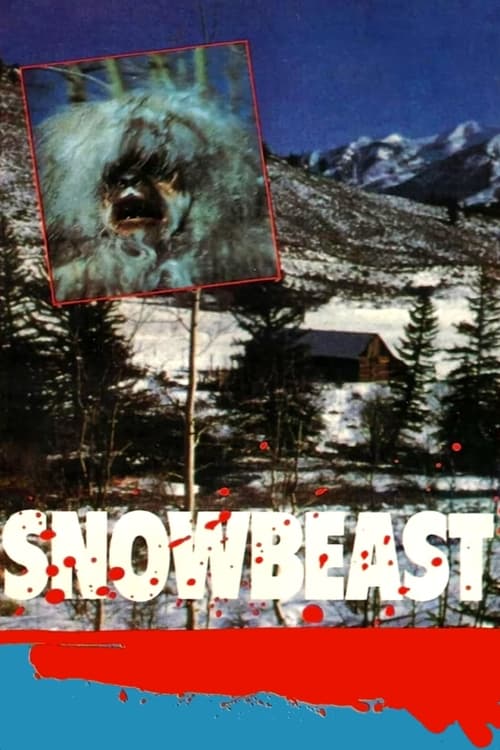
The shaky handheld camera was made for cryptids. Once a movie commits to the conceit that what you are watching is real recovered footage, every empty stretch of forest becomes a threat and every offscreen snap of a branch does the work of a special effect. Willow Creek (2013), Bobcat Goldthwait's stripped-down two-hander, is the purest example: a couple drives into Bigfoot country to find the spot where the famous 1967 Patterson-Gimlin film was shot, and the centerpiece is a single unbroken night-in-the-tent shot that holds and holds while something circles outside. Nothing is shown. It is one of the most tense sequences in the whole subgenre.
Exists (2014) comes from Eduardo Sanchez, co-director of the film that invented modern found footage, and it goes the other way: this Sasquatch is fast, angry and very present. Between the two you get the whole spectrum of how to film a creature you cannot afford to fully reveal.
Folklore beasts of the wider world
Wendigo, troll, Krampus, chupacabra and the things in the dark
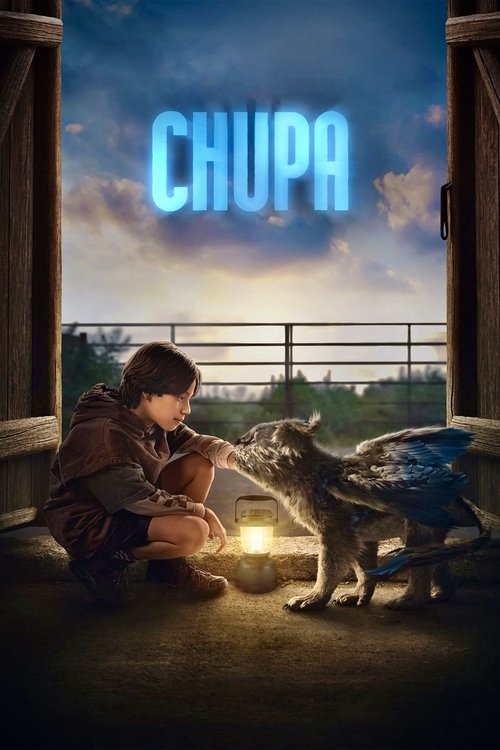
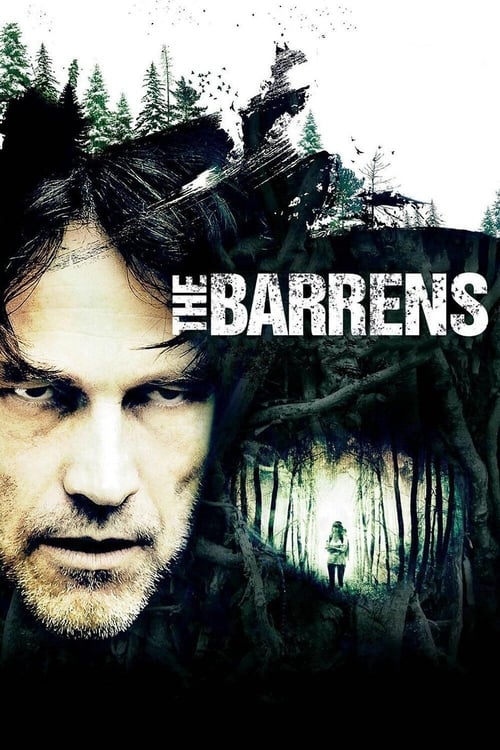
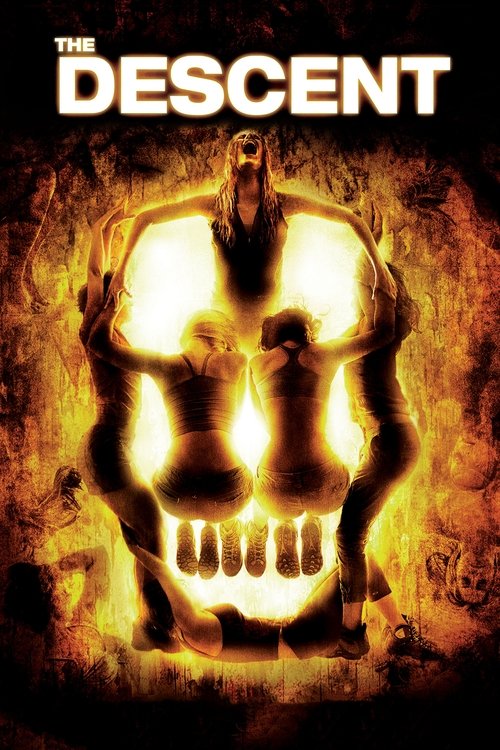
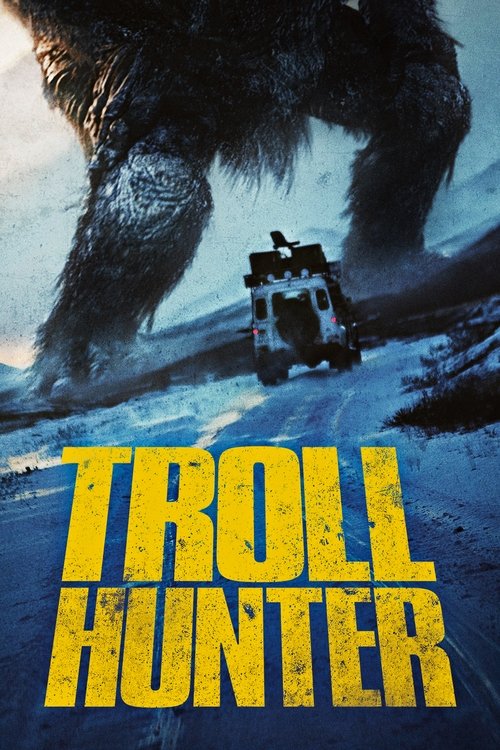
Trollhunter is the funniest and most convincing cryptid movie ever made
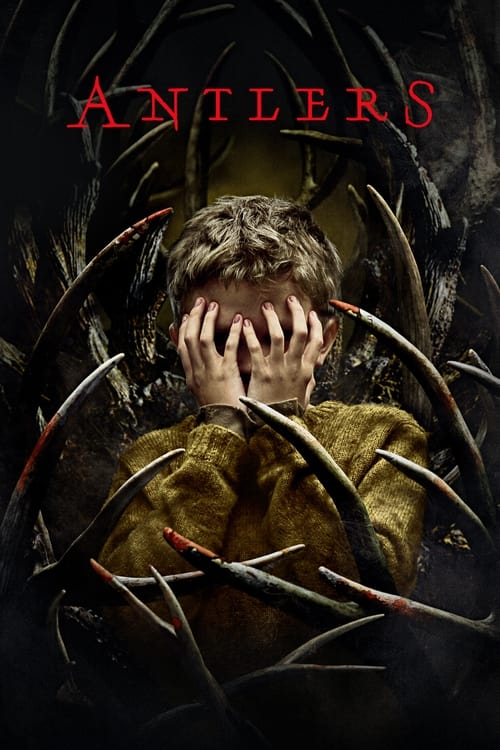
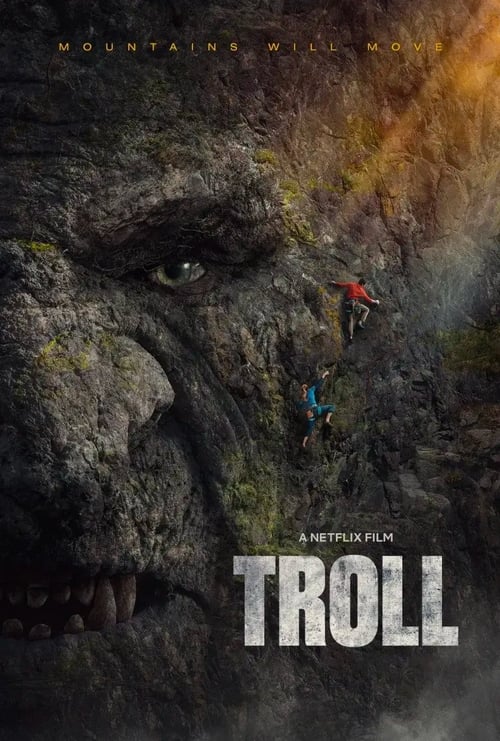
Andre Ovredal's Trollhunter (2010) takes the found-footage cryptid format and grounds it in a deadpan bureaucratic premise: trolls are real, they live in the Norwegian wilderness, and there is one weary government contractor whose job is to keep them in check and the public unaware. A student film crew tags along. What follows is part nature documentary, part conspiracy comedy, and part genuinely awe-inspiring monster movie.
The brilliance is the texture. The film invents an entire bureaucracy of troll management: paperwork, territorial maps, the rule that trolls can smell the blood of a Christian. When the creatures finally appear they are enormous, strange and rooted in actual Norwegian folklore rather than generic CGI. It is the rare cryptid film that is both a great joke and a great spectacle, and it never breaks the documentary frame. If you only watch one movie about a folklore monster being real and inconvenient, watch this.
Lake monsters and gentle giants
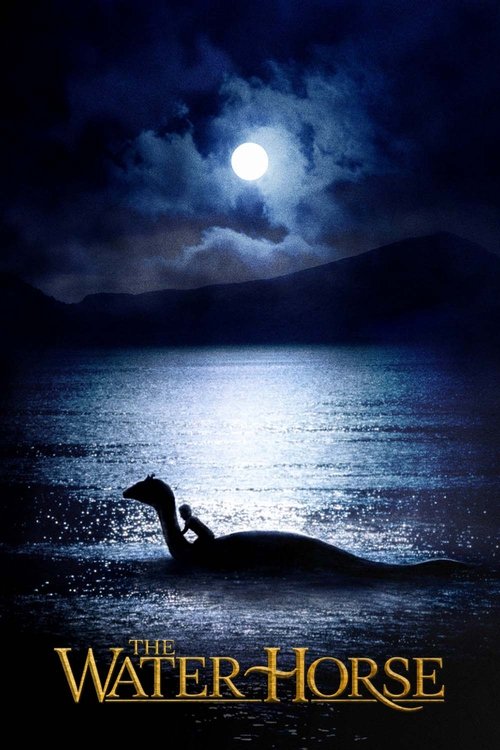
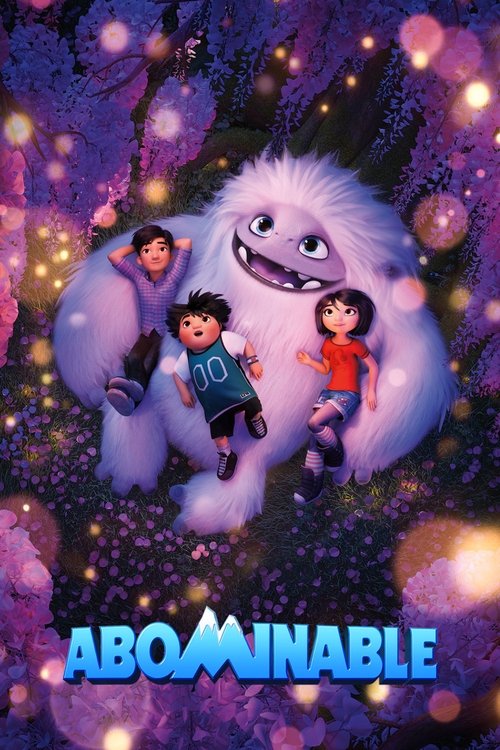
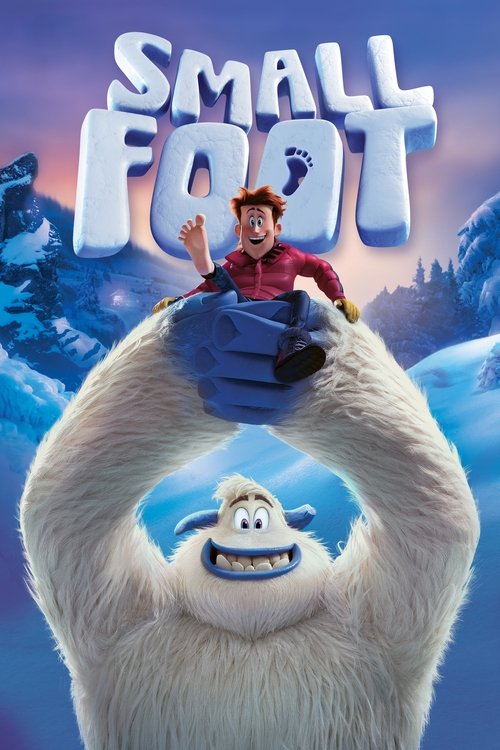
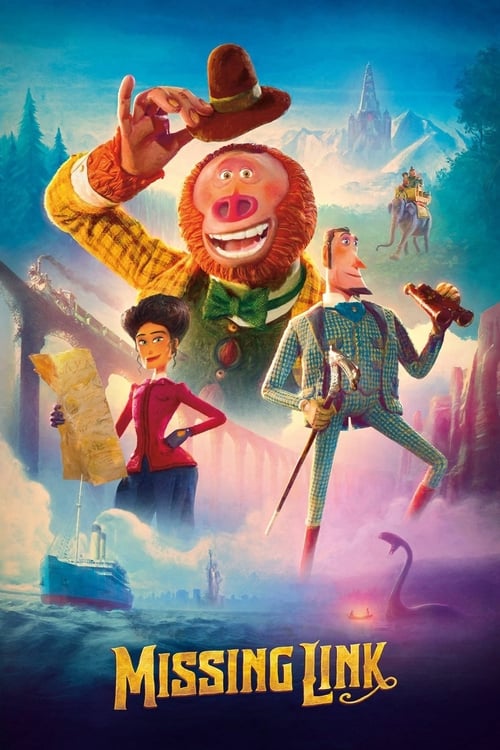
Nessie, the water horse and the cryptids the family can watch
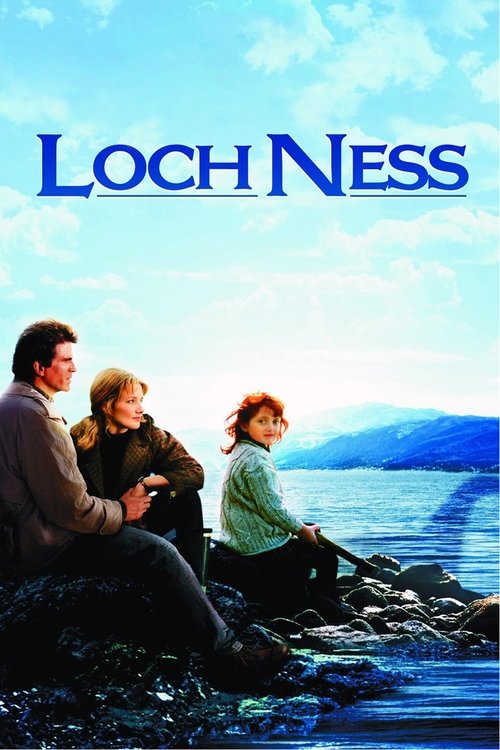

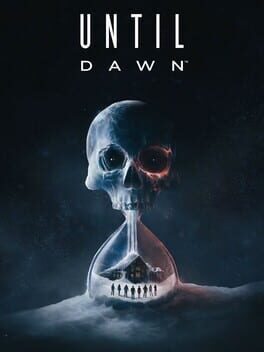
Until Dawn buried a wendigo story inside a teen slasher, and it works
Until Dawn opens looking like a riff on every cabin-in-the-woods slasher: eight kids, a remote mountain lodge, a year-old tragedy, a masked figure picking them off. Then it pulls the rug. The real threat is older and far stranger, drawn from the wendigo of Indigenous folklore: cannibal spirits born of starvation and the snow, creatures that can only be perceived when they move. The mechanic of staying perfectly still while one stalks past you is one of the most frightening things any horror game has done with a cryptid.
What sells it is the branching structure. Every character can live or die based on your choices, so the wendigo never feels like a scripted boss. It feels like a thing in the dark that you might survive or might not. The 2024 remake rebuilds it for current hardware without losing the central trick: the monster you can only see when it wants to be seen.
Cryptids to play
Hunt them, hide from them, or quietly become one of them
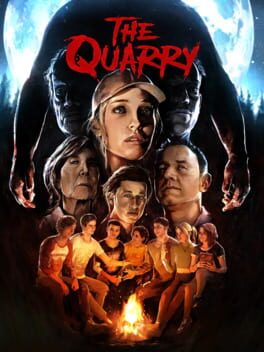
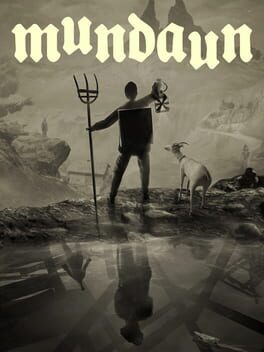
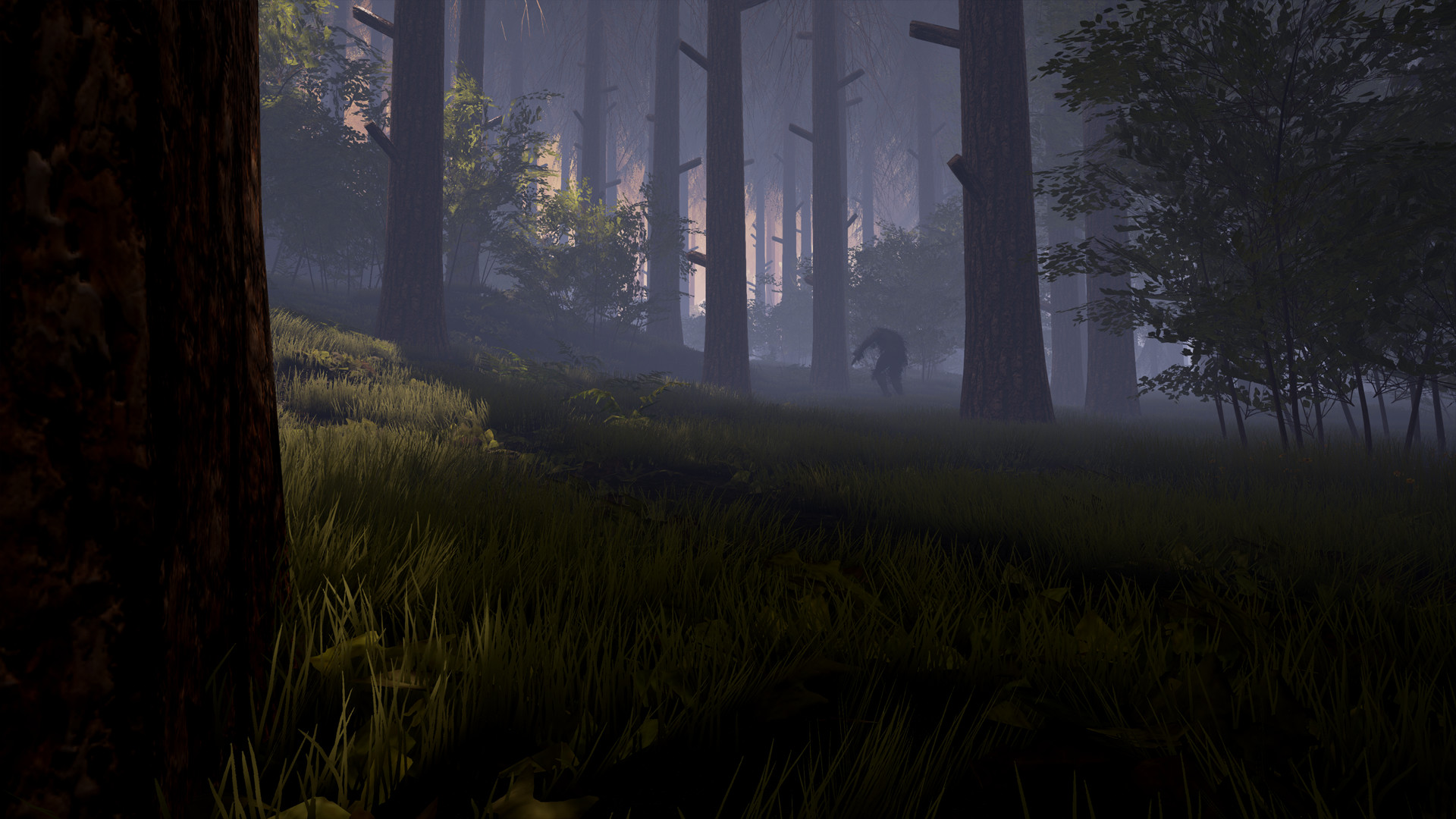


A monster you can shoot is a problem. A monster that might be standing just past the treeline is a haunting.The animating idea of the entire cryptid genre
Cryptids on the small screen
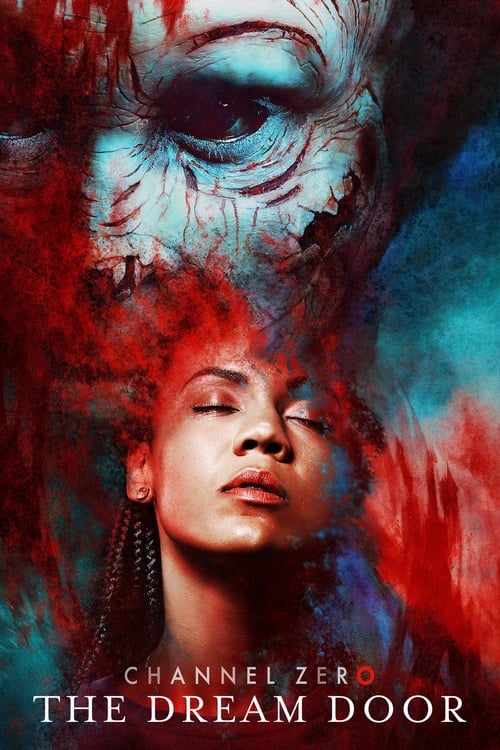
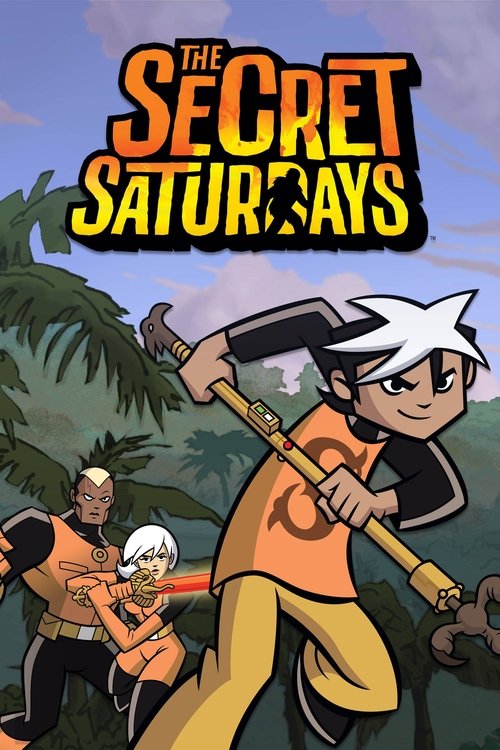
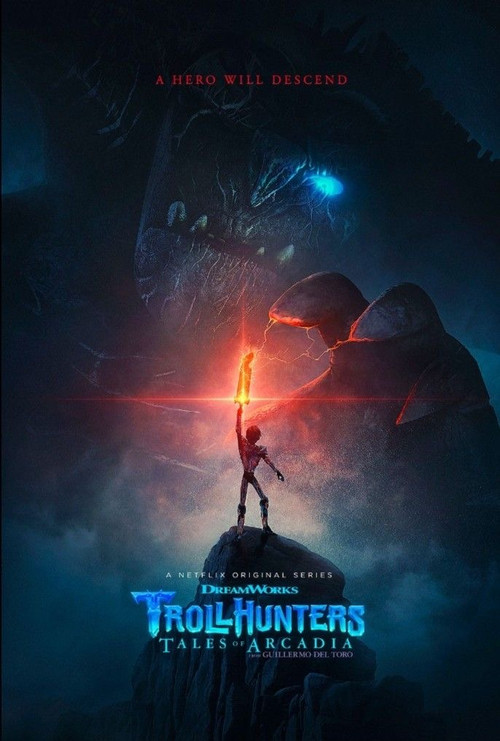
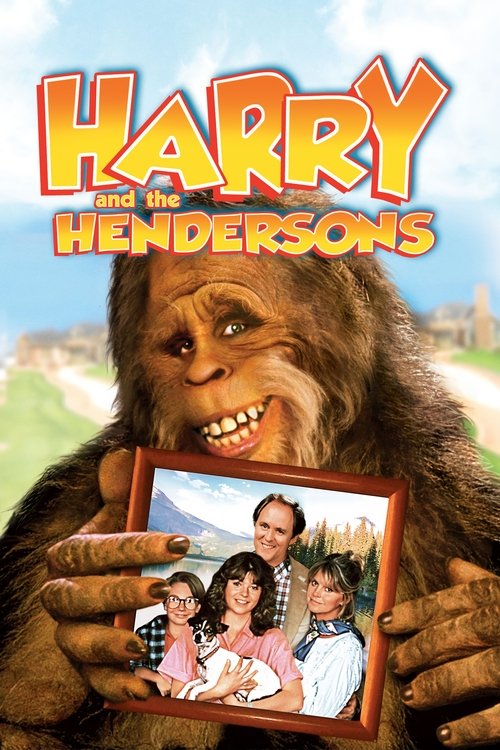
From a creepypasta anthology to the cryptid-hunting cartoons
The books that keep the legends alive
The cryptid lives as comfortably on the page as on screen, where the imagination does the rendering for free. Rick Yancey's The Curse of the Wendigo, the second of his Monstrumologist novels, drags a Victorian monster hunter into the northern woods after a creature that may be a man, a myth, or something the science of the day refuses to name. Michael Morpurgo's King of the Cloud Forests sends a boy across the Himalayas into yeti country with a child's clear-eyed wonder rather than horror. And Clive Barker fans know The Hellbound Heart as the source novella for an entirely different kind of summoned beast.
Not every cryptid book is fiction, which is part of the appeal. David Paulides's The Hoopa Project documents a real Bigfoot field investigation on a Northern California reservation, presenting eyewitness interviews and sketches with a straight-faced rigor that is either earnest research or excellent campfire material depending on your priors. For younger readers, R.L. Stine has been mining the same anxiety for decades, from The Abominable Snowman of Pasadena to Beware, the Snowman. The legend survives because every generation gets handed a book that asks: what if it is out there?
Cryptids on the page
Wendigo hunts, yeti expeditions and real-world Bigfoot field notes



The Babadook proved a folklore monster can be a feeling
Jennifer Kent's The Babadook (2014) invented its own folk creature out of whole cloth, a top-hatted thing from a sinister children's pop-up book, and in doing so made one of the smartest monster movies of the century. The Babadook is never quite literal and never quite metaphor. It arrives as grief and exhaustion in a widowed mother stretched past her limit, and it behaves exactly like the older folklore beasts always have: it cannot be killed, only acknowledged and contained.
That is the deep logic of the whole genre. The wendigo is hunger. The troll is the wild that resents the road. The Mothman is dread that something is coming. The Babadook simply made the subtext the entire text, and produced a creature that has joined the folklore canon for real, born in a movie barely a decade old. A monster does not need to be ancient to be a legend. It just needs to name a fear we already had.