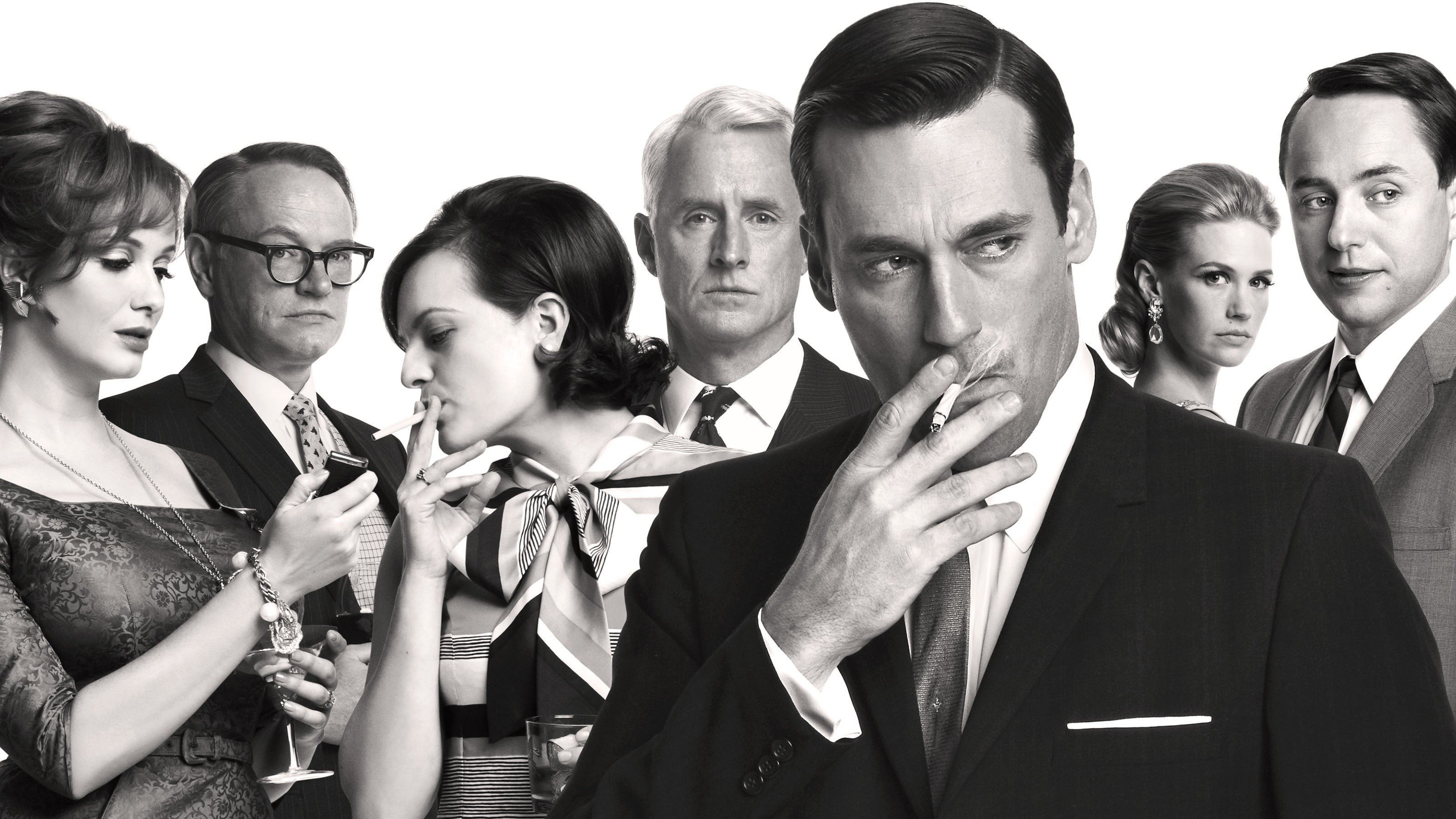

Mad Men is the rare series that made a period look seductive and then spent seven seasons slowly dismantling everything that made it glow. Set in the advertising world of the 1960s, it follows Don Draper: a self-invented man selling other people's desires while his own identity dissolves beneath him. Creator Matthew Weiner built the show around contradiction. The offices are gorgeous, the suits immaculate, the pitches brilliant. The marriages are collapsing, the drinking is catastrophic, and the decade's upheavals keep arriving at the door whether the characters want them or not. What fans love is that specific texture: moral ambiguity worn as style, nostalgia weaponized against itself, and characters who are ruthlessly observed without ever being reduced to symbols. If that compound of surfaces and corrosion is what you're after, the recommendations below map the same territory across every medium.
Same Moral Ambiguity, Different Rooms
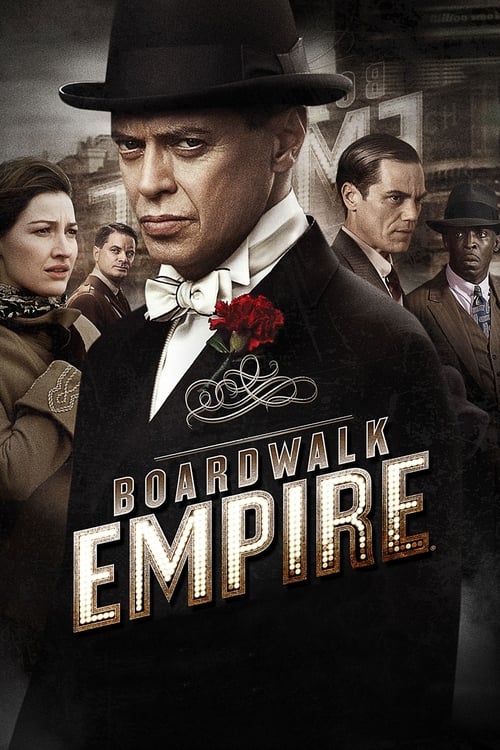
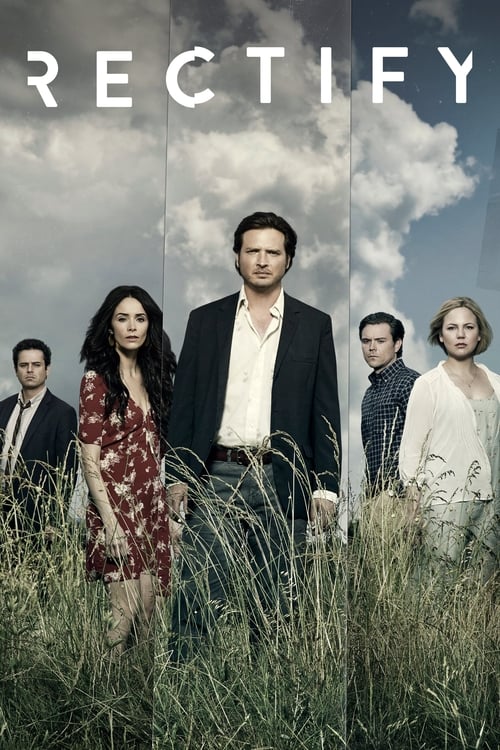
Prestige dramas where the protagonist is complicit, brilliant, and deeply compromised.



Period Pressure: Films in the Same Register
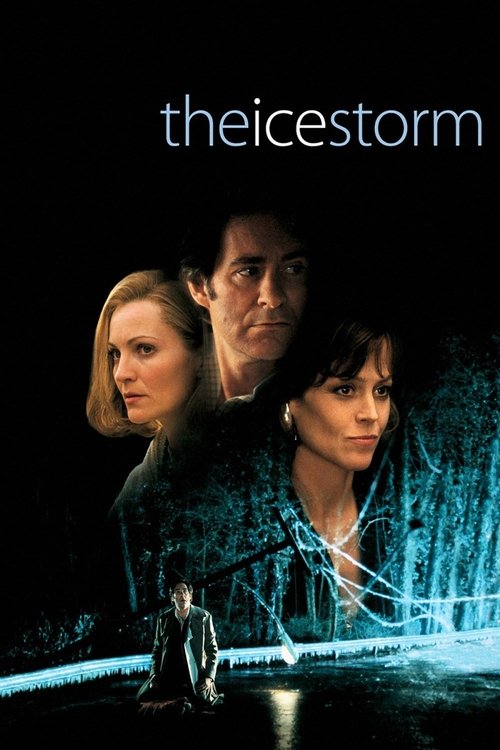
Movies that put beautiful, morally complicated people inside suffocating institutions.



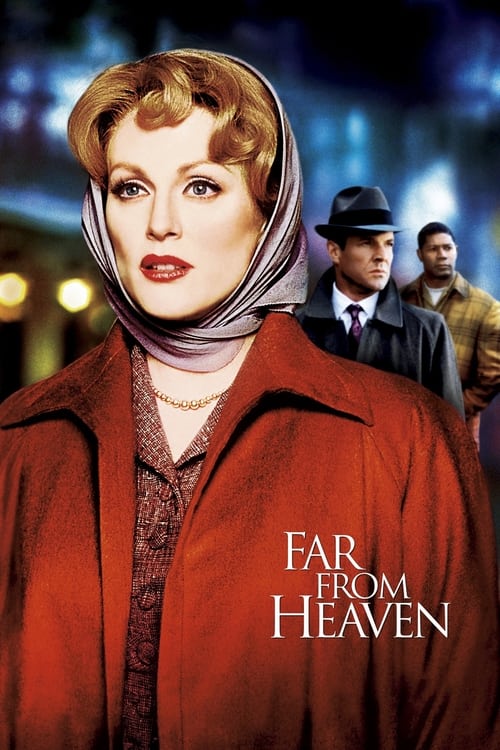
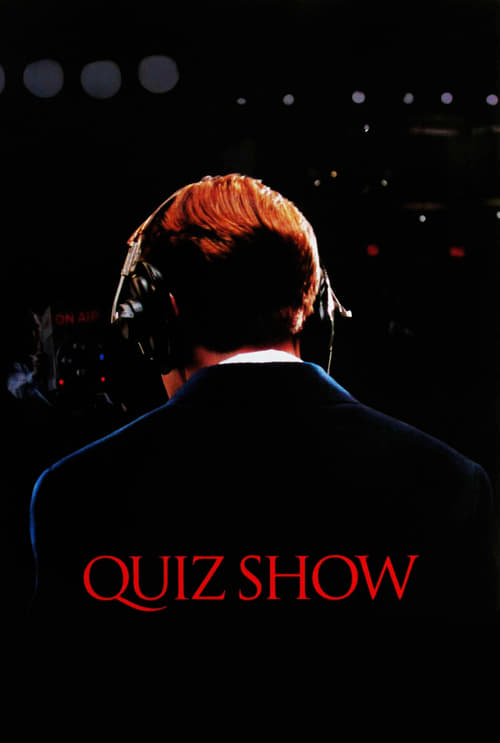

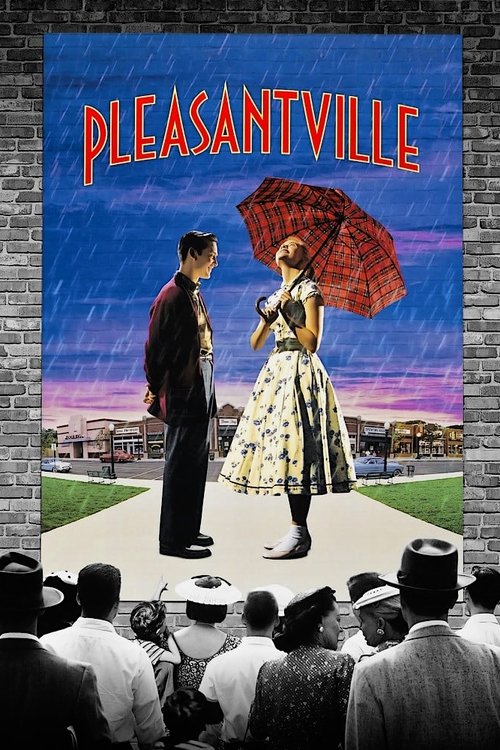


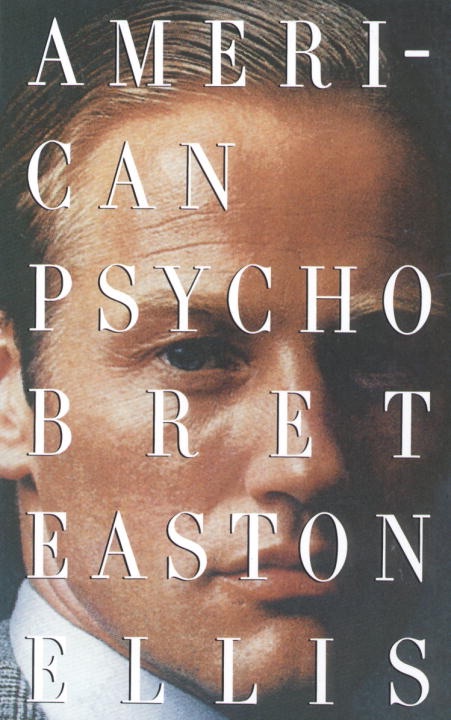
The Books Beneath the Show
Novels about identity, ambition, and the costs of reinvention that Weiner's writers clearly lived with.




Games About Power, Identity, and Institutions
Games that share Mad Men's obsession with persona, corporate hierarchy, and slow moral erosion.




Halt and Catch Fire Is the Closest Thing to a Successor
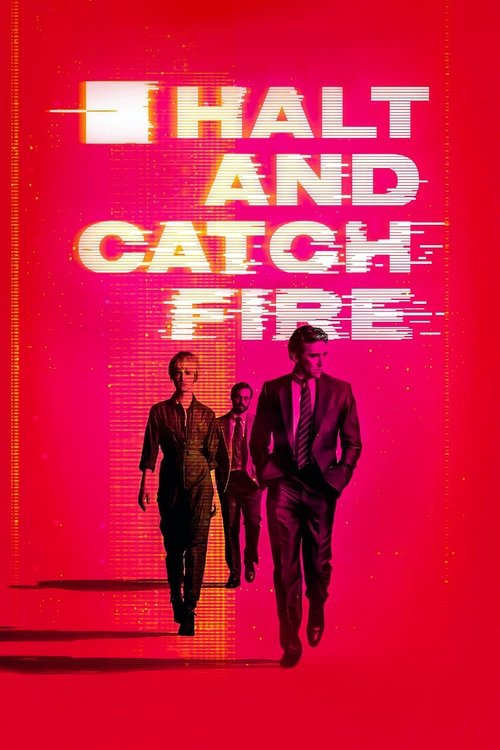
Halt and Catch Fire spent its first season looking like a Don Draper tribute act, then turned into something entirely its own. By seasons three and four it had surpassed almost every drama on television for character depth and earned emotion. Like Mad Men, it uses an era of American ambition (the PC and internet boom) as a pressure cooker that forces people to become versions of themselves they didn't plan on. The gender dynamics are sharper. The final season is devastating in a way Mad Men only occasionally achieves.
Richard Yates Wrote Mad Men Before Television Existed
Revolutionary Road (1961) is not a Mad Men source text in any official sense, but it is the clearest literary parallel the show has. Yates writes suburban Connecticut the way Weiner writes Sterling Cooper: as a place where the gap between aspiration and reality becomes a weapon people use on each other. Frank and April Wheeler are Don and Betty Draper without the stylish armor. Reading Yates after watching Mad Men is unsettling in exactly the right way. His novel Easter Parade and the story collection Eleven Kinds of Loneliness extend the same territory.
L.A. Noire Gets the Aesthetic Right, Then Complicates It
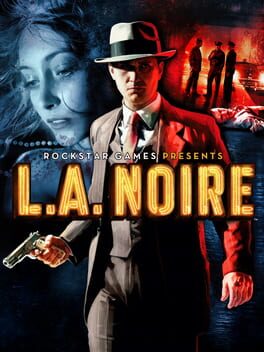
L.A. Noire is the game most formally aligned with Mad Men's visual grammar: beautiful period recreation, sharp suits, jazz, and a protagonist who is not as righteous as he presents himself. Rockstar's post-war Los Angeles has the same seductive surface and corroded interior. Cole Phelps rises, overcorrects morally, and falls in ways that feel distinctly like Weiner territory. The interrogation system forces you to read faces for deception, which is essentially what Mad Men asks of its audience in every scene.
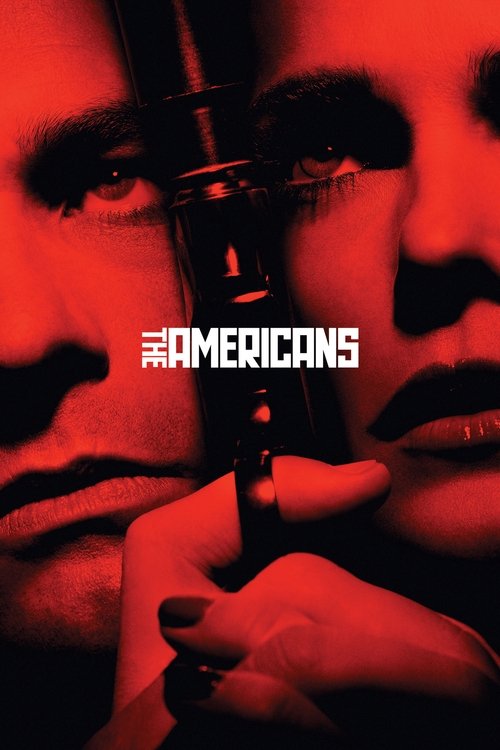
The Americans Is Mad Men's Cold-War Mirror
Where Mad Men puts its characters inside an institution that sells American identity, The Americans puts two people inside a marriage that is itself a performance of American identity. Elizabeth and Philip Jennings are Soviet spies living as a normal Northern Virginia couple in the 1980s. The domestic texture, the period detail, the question of who someone really is beneath the role they've been assigned to play: all of it maps directly onto what Mad Men does. The shows reward the same kind of close, patient watching.
A Decade of Don Draper
- 2007Pilot airs on AMC; Don Draper introduced. The show redefines cable drama's visual ambition. Mad Men
- 2008Season 2 deepens the backstory: Dick Whitman's identity and the Korean War. Mad Men
- 2009Season 3. The British buyout of Sterling Cooper; JFK assassination episode. Mad Men
- 2010Season 4. The show wins its fourth consecutive Emmy for Outstanding Drama Series. Mad Men
- 2012Season 5. 'A Little Kiss' returns after 17 months; the show's cultural influence is at its peak. Mad Men
- 2013Season 6. Don's dual life collapses; the Hershey pitch is one of the finest scenes in the show's run. Mad Men
- 2015Season 7. 'Person to Person' closes the decade. Don Draper ends at a cliffside retreat in California. Mad Men
Glossy surfaces, rotten cores, American myth
Every Version of Revolutionary Road
Explore the Every Version of Revolutionary Road guide →People tell you who they are, but we ignore it because we want them to be who we want them to be.Don Draper, Mad Men