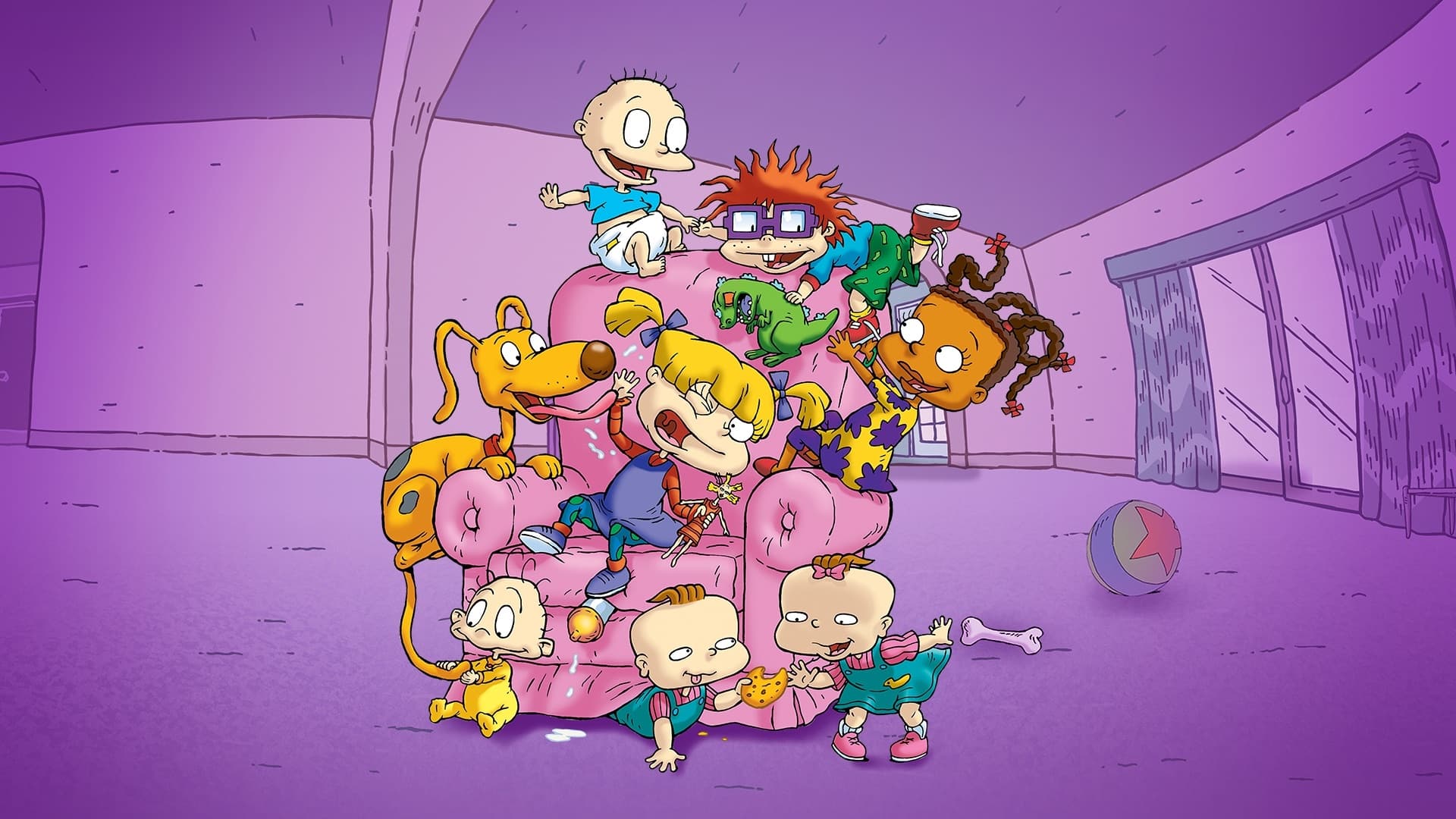

The Original Vision
Rugrats began as an original animated television series, not an adaptation of anything. Creators Arlene Klasky, Gabor Csupo, and Paul Germain pitched it to Nickelodeon in the late 1980s, and it premiered on August 11, 1991 as part of the network's first slate of original cartoons alongside Doug and The Ren and Stimpy Show. The central conceit was purely conceptual: what if babies could talk to each other, and what if their interior lives were as vivid and consequential to them as anything adults experienced? Tommy Pickles, his fretful friend Chuckie Finster, and the scheming DeVille twins became the lens through which ordinary suburban existence looked like high adventure.
What followed was one of the stranger franchise arcs in American animation. The show ran, went dark, returned, spawned theatrical films, crossed over with other Nickelodeon properties, got a sequel series following the same characters as preteens, and was rebooted entirely in 2021 for Paramount+. Along the way it produced games, direct-to-video specials, and enough merchandise to fill several nurseries. The journey from Klasky Csupo's scratchy, slightly unsettling original style to the cleaner CG aesthetic of the reboot is itself a history of how children's television changed over thirty years.
Every Version of Rugrats
The original series, both theatrical films in the catalog, the sequel show, the reboot, and the games
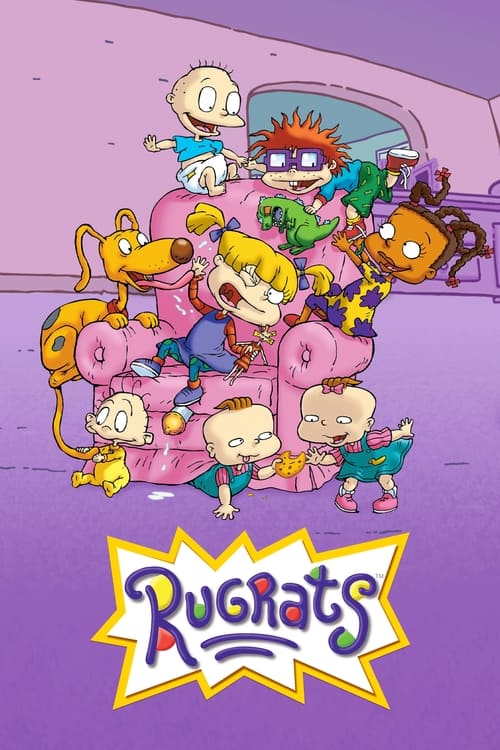
Rugrats Across Time
- 1991Original series premieres on Nickelodeon Rugrats
- 1994Series cancelled after three seasons
- 1997Series revival begins; ratings surpass the original run
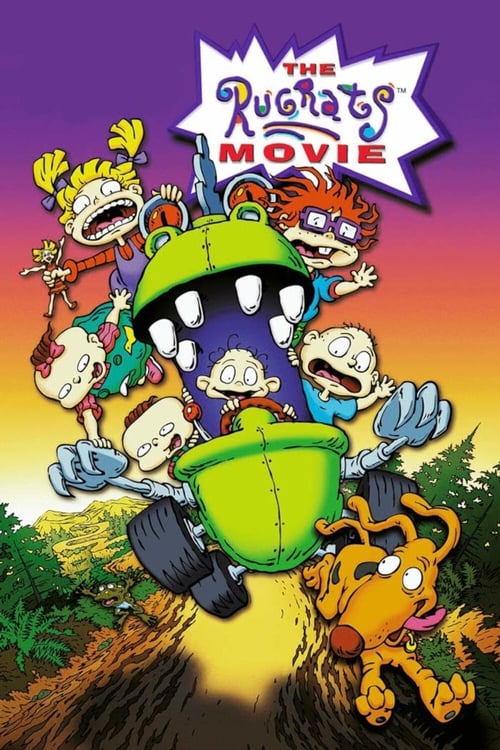
- 1998First theatrical film The Rugrats Movie
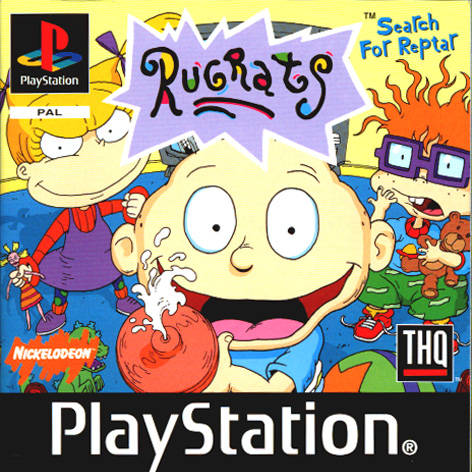
- 1998Search for Reptar video game released Rugrats: Search for Reptar
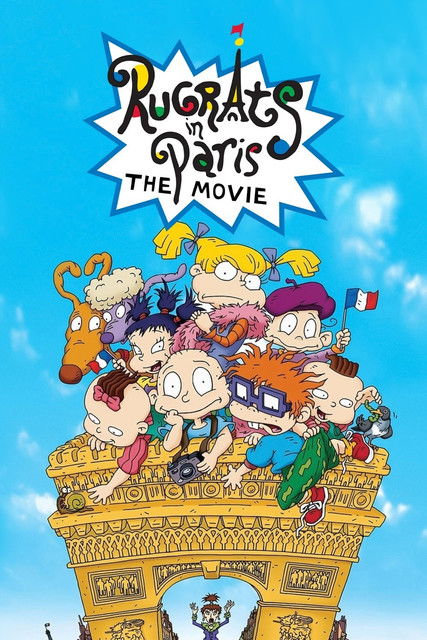
- 2000Second theatrical film, set in Paris Rugrats in Paris: The Movie
- 2003Crossover film with The Wild Thornberrys (Rugrats Go Wild)
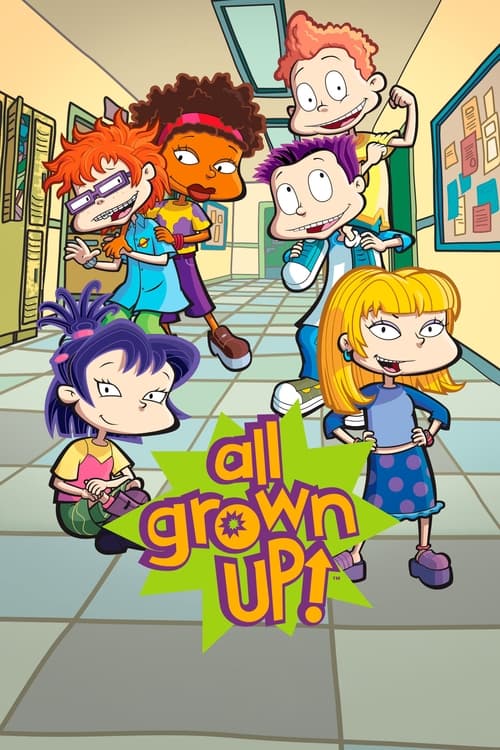
- 2003Sequel series follows the cast as preteens All Grown Up!
- 2004Original series ends after 172 episodes
- 2008All Grown Up! ends after five seasons
- 2021CG reboot on Paramount+ Rugrats
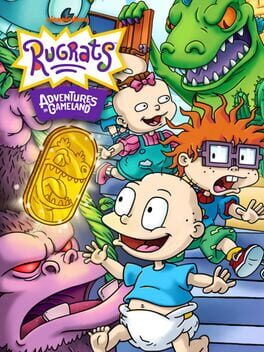
- 2024Retro-style platform game revives the franchise Rugrats: Adventures in Gameland
The definitive version is the revival run, seasons four through nine
The 1997 revival found the show at its most confident. The writing balanced genuine emotional stakes with absurdist baby logic, the Klasky Csupo visual style had settled into something both peculiar and expressive, and the voice cast knew exactly who these characters were. Episodes like 'Angelica Breaks a Leg' and 'Chuckie's First Haircut' hold up as tightly constructed comedies. The original pre-cancellation run has a rawer charm, but seasons four through nine are where Rugrats became the institution it is remembered as.
Rugrats in Paris is the best film in the series, and it isn't close
Rugrats in Paris: The Movie gives Chuckie a complete emotional arc around his need for a mother, uses the EuroReptar set piece inventively, and manages to be touching without tipping into sentimentality. The Eiffel Tower finale is the best action sequence any Rugrats property produced. Critics at the time largely ignored it as a sequel cash-in. That verdict was wrong. The first film is a competent expansion of the television formula; the second is a genuinely good children's film that earns its emotional payoff.
The 2021 reboot is for completionists only
The Paramount+ reboot brings back the original voice cast for the babies and updates the character designs to CG. In practice the visual shift from Klasky Csupo's distinctive scratchy style to smooth three-dimensional rendering erases much of what made the original feel specific and strange. The show is watchable and younger children enjoy it, but it reads as a brand exercise rather than a creative one. The original is on streaming and holds up; starting here instead would be a mistake.
All Grown Up! is the franchise's most underappreciated experiment
All Grown Up! is a stranger proposition than it gets credit for: take an audience's beloved childhood characters, age them into early adolescence, and deliver something closer to a middle-school drama than a cartoon. It works better than it has any right to. Chuckie's anxiety translates naturally into the social pressures of being twelve; Angelica's scheming curdles into something more recognizable as real teenage behavior. The show ran five seasons and ended quietly, which may be why it rarely gets mentioned alongside the rest. It deserves more attention than the franchise's history has given it.
If you love Rugrats: other classic Nickelodeon animated worlds
Shows from the same network and sensibility
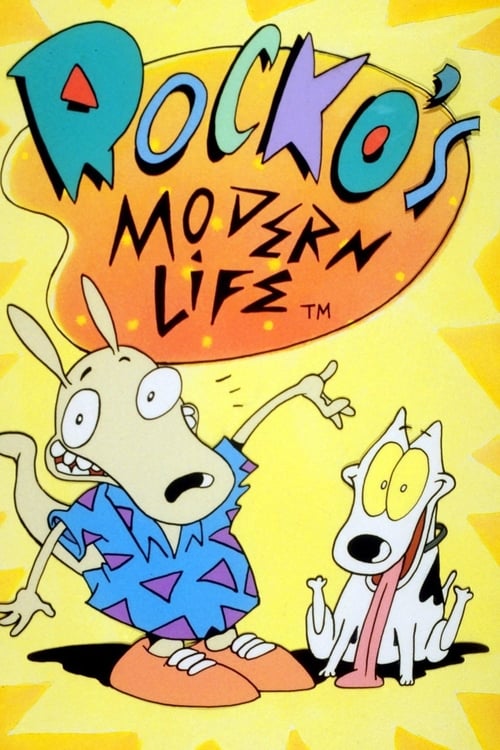
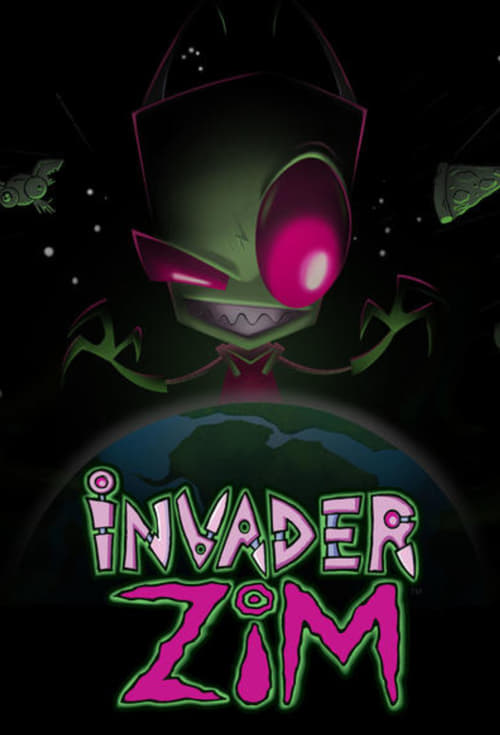
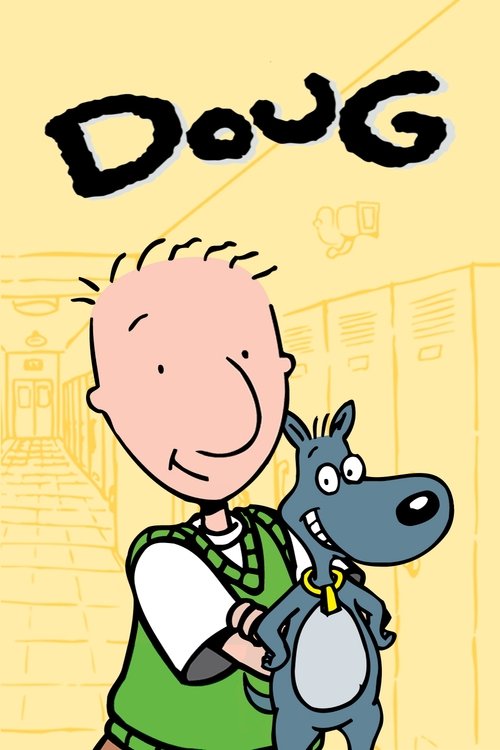
If you love Rugrats: stories told from a child's perspective
Films and shows that put small people at the center
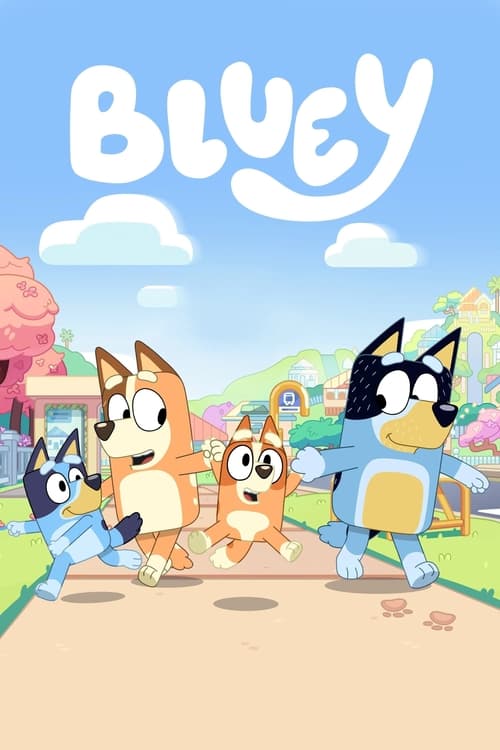
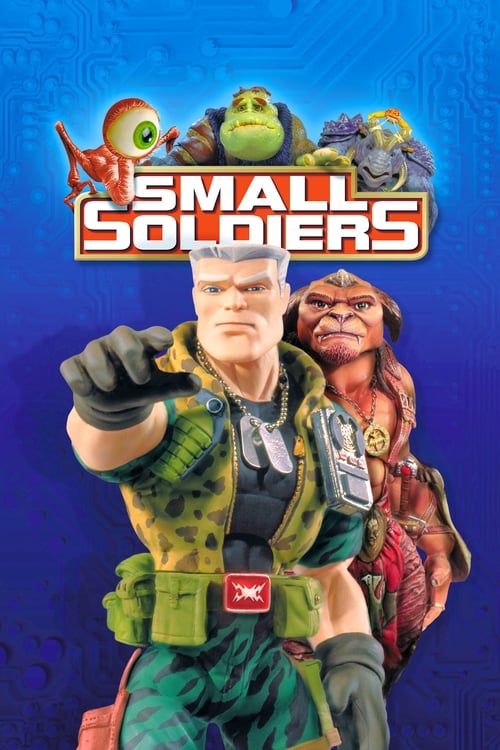
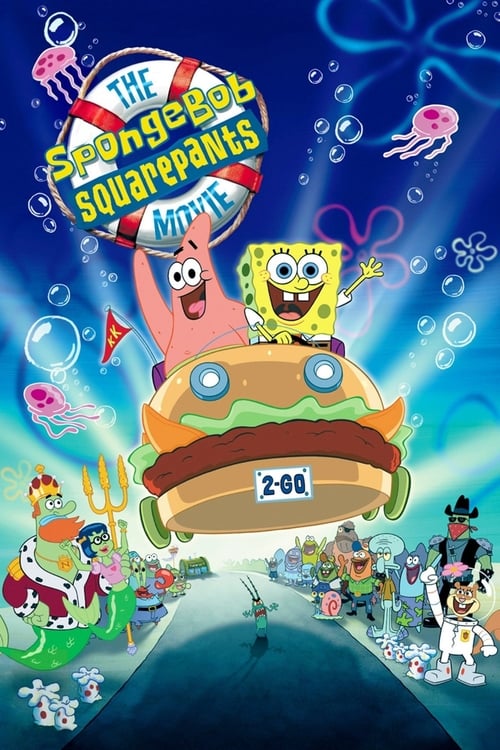
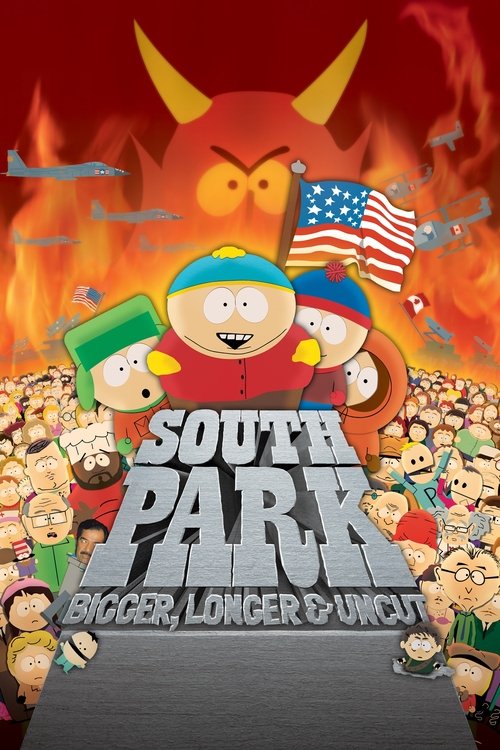
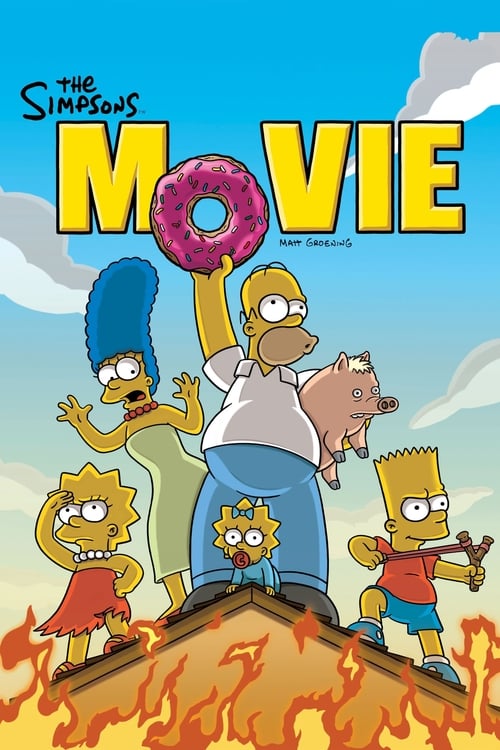
If you love Rugrats: animated shows that got theatrical film adaptations
TV worlds that made the leap to cinema


More animated kids and family favorites
Every Version of The Loud House
Explore the Every Version of The Loud House guide →The genius of Rugrats is that it never condescended to its audience by explaining the gap between what the babies believe is happening and what is actually happening. It trusted children to hold both realities at once.CrossBinge editorial