
The novel that swallowed a budget
Clive Cussler published Sahara in 1992, the eleventh novel in his Dirk Pitt series, and it became the biggest commercial hit of his career. The premise is pure Cussler: oceanographer-adventurer Dirk Pitt traces a Confederate ironclad that somehow ended up buried under the Sahara desert, while also trying to stop a toxic pollution crisis threatening the Atlantic. It is maximalist pulp in the best sense, stacking conspiracies, historical mysteries, car chases, and shootouts across Mali, Morocco, and the open sea.
The Dirk Pitt novels had already seen one major screen adaptation before Sahara arrived. Raise the Titanic (1980), based on Cussler's 1976 novel, was a high-profile British production that bombed so badly Cussler famously joked it almost raised the Titanic and sank the studio. The experience made him fiercely protective of his work and his approval over any future adaptations.
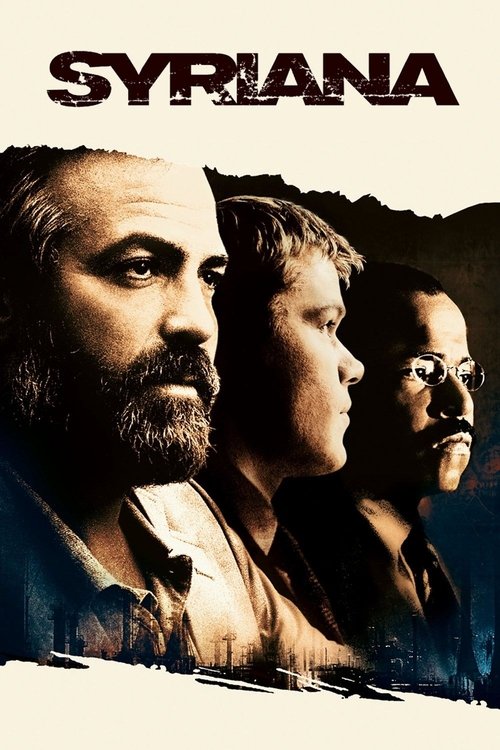
When Sahara finally reached screens in 2005 with Matthew McConaughey as Pitt and Penélope Cruz as WHO doctor Eva Rojas, it arrived with a reported production budget somewhere between $130 million and $160 million, battered by a chaotic shoot across Morocco and a legal war between Cussler and the producers. The film performed poorly enough to kill any franchise plans and trigger years of litigation. What survives is a genuinely enjoyable, slightly overstuffed adventure film that found a warmer audience on home video than it ever got in theatres.
Sahara Across the Years
The definitive version is the novel
The 1992 novel is Cussler at his most confident. It moves fast, the historical hook of the Confederate ship in the desert is genuinely strange and memorable, and the dual-track plot (ocean pollution crisis plus buried ironclad treasure hunt) gives it more structural weight than most airport thrillers. The film is fun, but the book has more room to breathe and earns its outrageous set pieces better. If you only read one Dirk Pitt novel, this is the one.

The film is better than its reputation
The 2005 Sahara died at the box office under the weight of its own troubled production, and the press coverage was almost uniformly dismissive. Revisiting it now, the McConaughey-Zahn buddy chemistry is genuinely warm, the Moroccan locations look spectacular, and the pacing is tighter than the production war behind it would suggest. It is not a great film, but it is a perfectly decent one that deserved a sequel more than it got a lawsuit.
Syriana: the serious shadow of the same territory
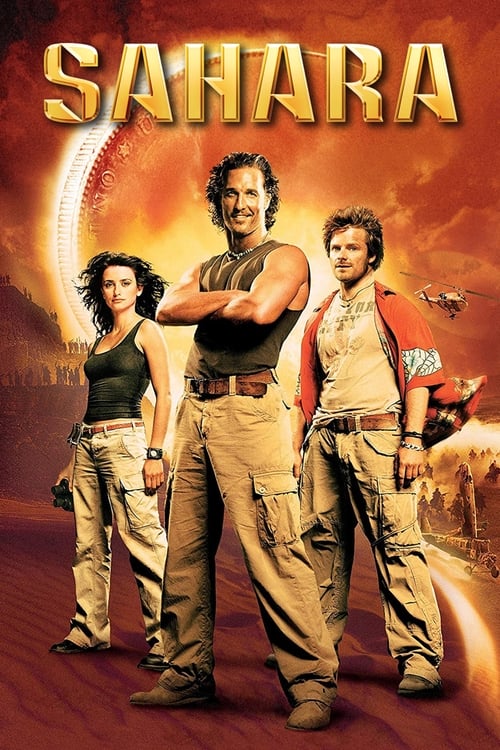
Syriana (2005) shares a release year with Sahara and could not be more different in tone: where Cussler's adaptation is a cheerful romp, Stephen Gaghan's film is a cold, knotted portrait of the real political economy behind the same desert geography. Both are worth watching back to back precisely because of the contrast. Sahara asks you to enjoy the landscape; Syriana asks you to reckon with what is underneath it.
If you love Sahara: sun-baked adventure thrillers
Films and books that share its North African heat and globe-trotting energy

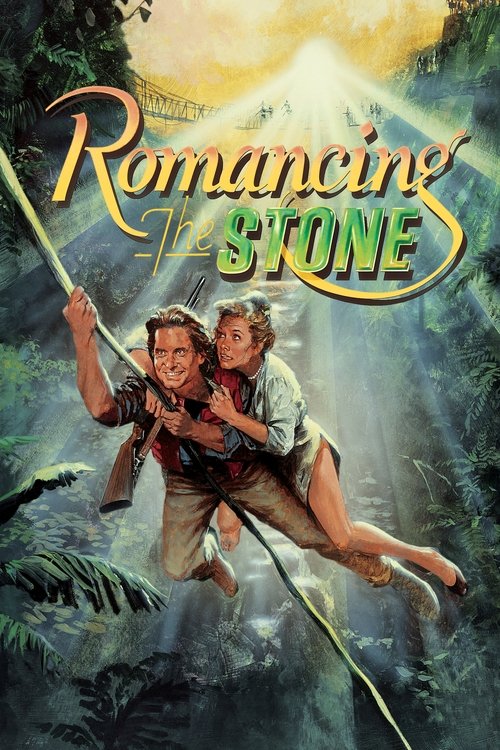
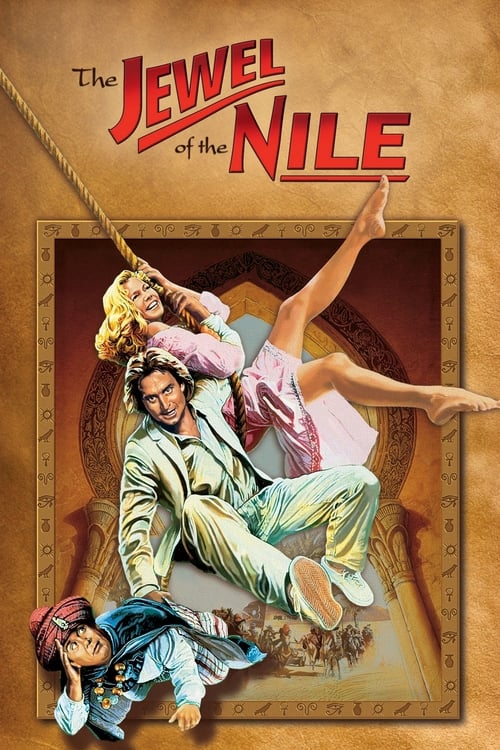

If you love Sahara: pulp adventure novels with cinematic reach
Bestselling action-adventure fiction that crossed over to screen

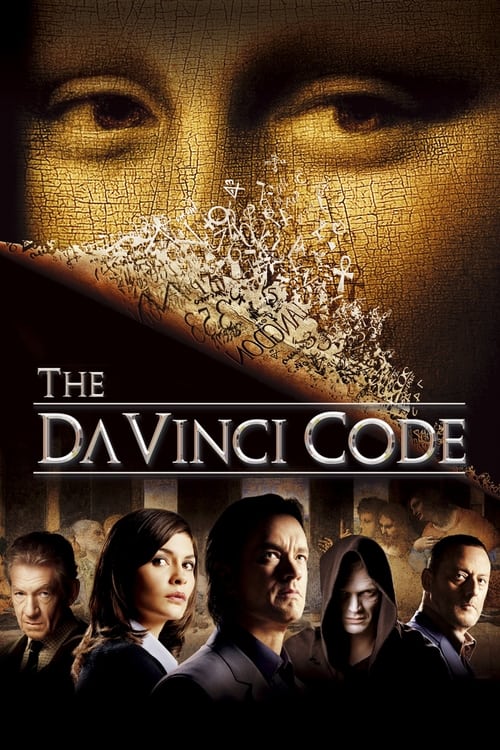

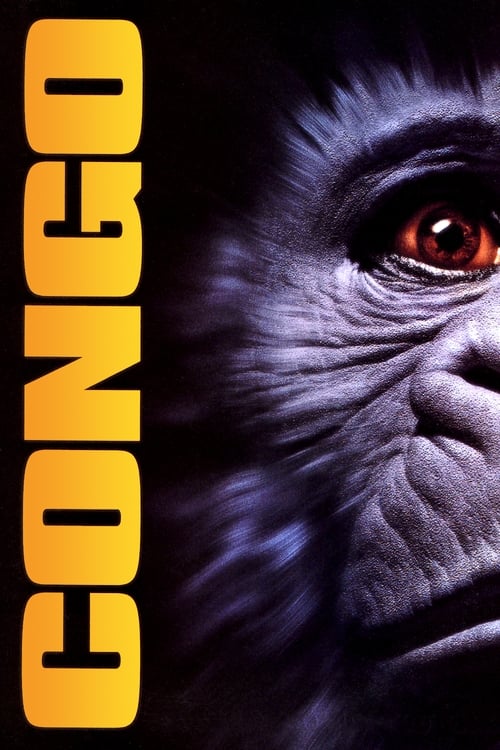
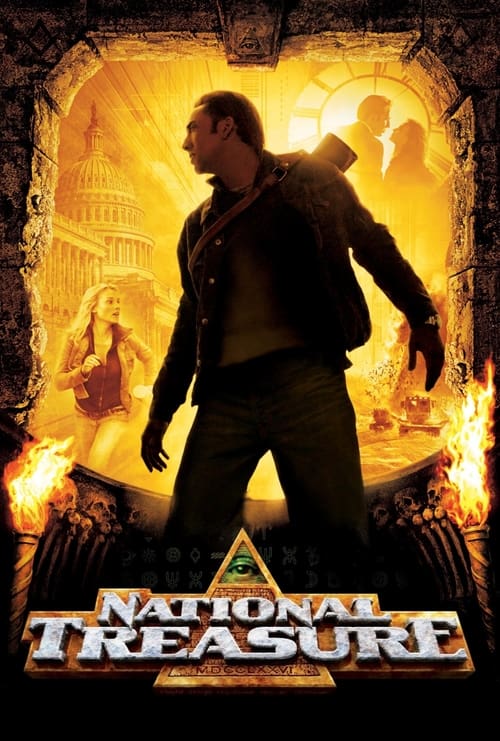
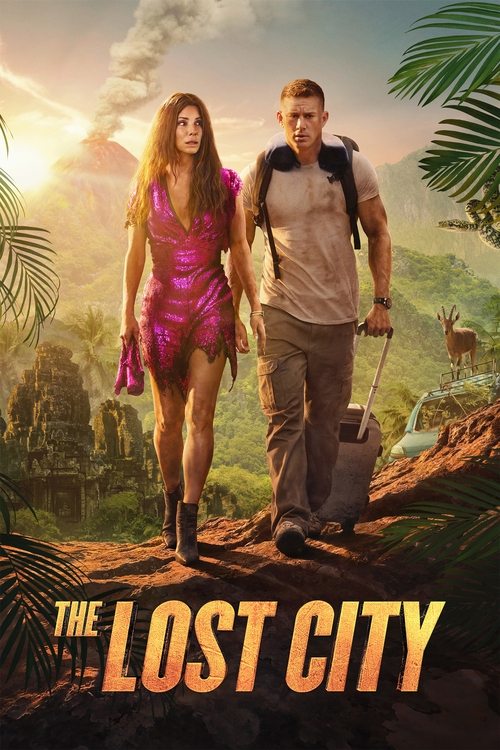
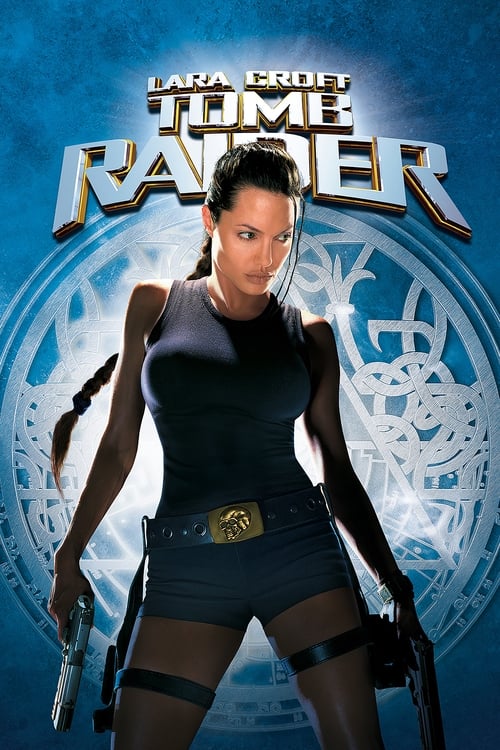
If you love Sahara: treasure hunts and buried history
Stories built around lost objects, sunken ships, and ancient secrets